1. Coke’s “I’d Like to Buy the World a Coke”

This commercial didn’t feel like an ad so much as a gentle cultural moment. A group of young people from around the world singing on a hill made soda feel oddly meaningful. It captured a ’70s optimism that now feels almost foreign. The clothes alone could date it within seconds, from bell bottoms to loose sweaters. Even the pacing was slower, like the ad trusted you to stay and listen.
What really stands out now is how sincere it was. There’s no wink, no irony, no rush to the logo. It assumed viewers wanted to feel something instead of being dazzled. That earnest tone feels very tied to its era. Today it plays like a postcard from a more hopeful advertising mindset.
2. McDonald’s “You Deserve a Break Today”
This jingle treated fast food as a small luxury, not an everyday default. The commercial framed McDonald’s as a place to relax, not just grab something fast. Workers and families were shown slowing down, smiling, and genuinely enjoying the moment. It’s a reminder of when eating out still felt like a treat.
Watching it now, the calm tone feels striking. There’s no speed eating or exaggerated hunger. The restaurant looks quieter, cleaner, and almost cozy. It reflects a time when convenience was new enough to feel special. That framing feels very much locked in the ’70s.
3. Folgers “The Best Part of Wakin’ Up”
This commercial leaned hard into routine and comfort. Morning coffee was portrayed as a shared family ritual rather than a solo caffeine fix. Kitchens looked warm and lived in, with harvest gold appliances everywhere. The ad assumed everyone sat down together before starting the day.
Now it plays like a snapshot of domestic life that’s mostly disappeared. There’s no rushing out the door with a travel mug. The focus is on togetherness, not productivity. It feels slower, gentler, and deeply rooted in its time. Even the silence between lines feels intentional.
4. Life Cereal “He Likes It”

The kid-centric cereal ad felt more like a family sitcom scene. The brothers negotiating taste felt oddly realistic instead of overly cute. It trusted children to be skeptical and adults to be patient. The humor was soft and conversational.
Today, it feels almost understated. There’s no loud music or frantic animation. The living room setting alone dates it instantly. It captures a moment when commercials mirrored everyday life instead of exaggerating it. That low-key confidence feels very ’70s.
5. Calgon “Take Me Away”
This commercial sold bath products as escape fantasy. A stressed woman transported herself mentally through a simple bath. The ad lingered on the idea of privacy and quiet. It assumed viewers understood the need to mentally check out.
Watching it now, the pacing feels indulgent. There’s time to breathe, to imagine, to linger in the moment. The bathroom decor alone is a time marker. It reflects a period when ads spoke directly to emotional burnout without irony. That straightforward tone feels dated in a fascinating way.
6. Alka-Seltzer “Plop Plop, Fizz Fizz”
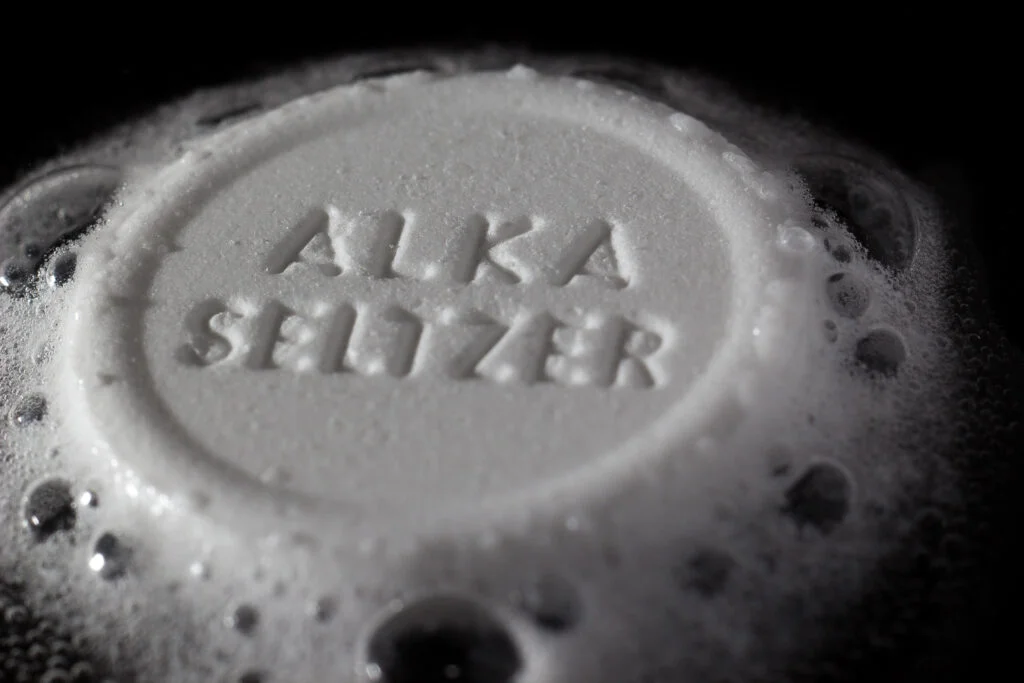
This jingle made discomfort oddly charming. The commercial leaned into repetition and simplicity. It trusted a catchy tune more than flashy visuals. The humor was gentle and self-aware without being sarcastic.
Now it feels like a relic of when ads didn’t overexplain. The product solved a specific problem and didn’t pretend to do more. The visual effects are minimal but memorable. It’s a reminder of how effective simplicity once was. That restraint feels very much of its era.
7. Tupperware Party Ads

These commercials sold more than plastic containers. They sold community, hosting, and social connection. The idea of neighbors gathering for a product demo feels almost unimaginable now. Everything from the hairstyles to the living room furniture screams ’70s suburbia.
Seen today, it feels like a social ritual frozen in time. The emphasis on in-person selling feels quaint. There’s a warmth to the interactions that feels sincere. It captures a moment when commerce and social life overlapped comfortably. That blend feels very dated now.
8. Old Spice “The Mark of a Man”
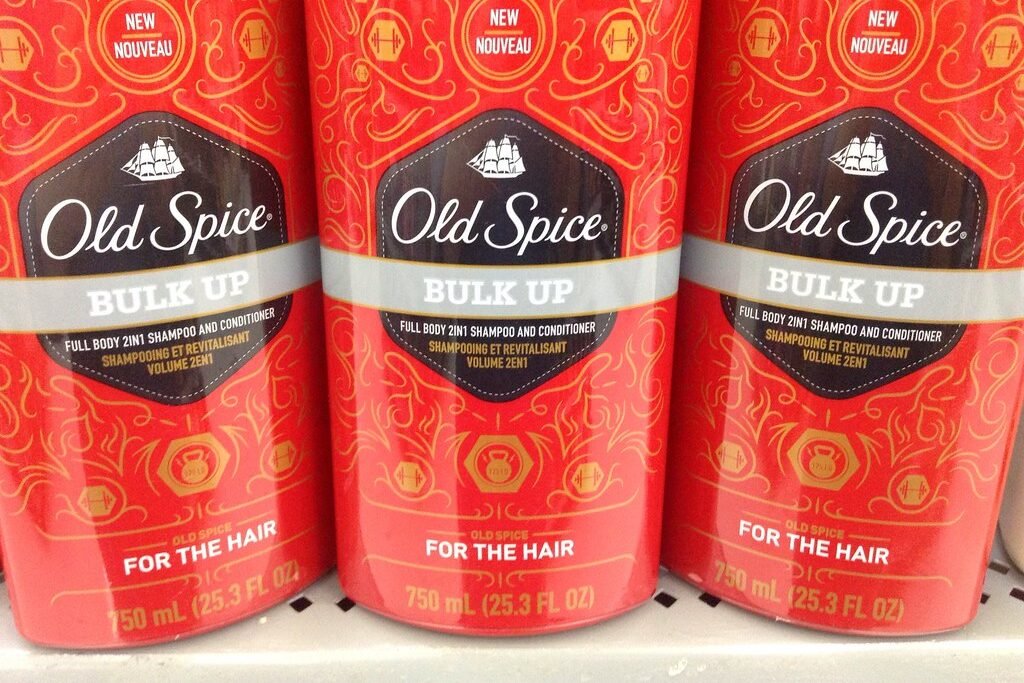
This commercial leaned heavily into traditional masculinity. The narration was confident and serious without irony. Grooming was framed as responsibility, not self-expression. The tone was aspirational but restrained.
Watching it now, the gender expectations feel unmistakably of their time. There’s no humor aimed at undercutting the message. It assumes a shared definition of masculinity. That certainty feels locked in the past. It’s a clear snapshot of ’70s cultural norms.
9. Crest Toothpaste Cavity Protection Ads
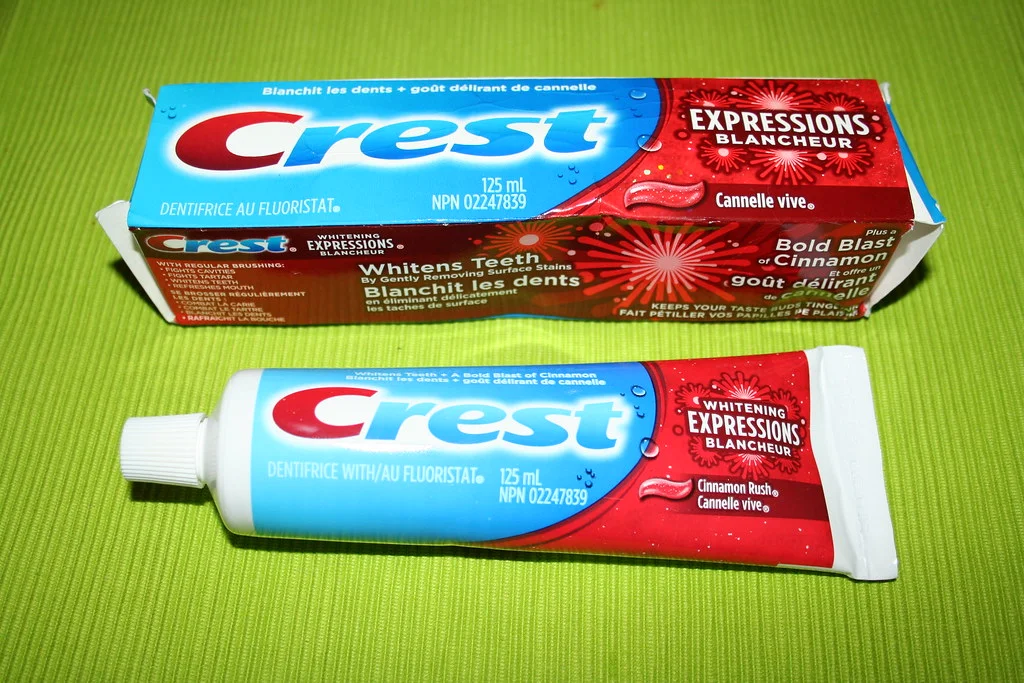
Dental health was presented with almost scientific calm. The commercials relied on authority and trust rather than fear. Families listened, nodded, and followed instructions. The visuals were simple and reassuring.
Today, the tone feels surprisingly patient. There’s no dramatic countdown or exaggerated danger. It assumes viewers value expert advice. The presentation feels instructional rather than persuasive. That approach reflects a different relationship between ads and audiences.
10. Jell-O “Watch It Wiggle”
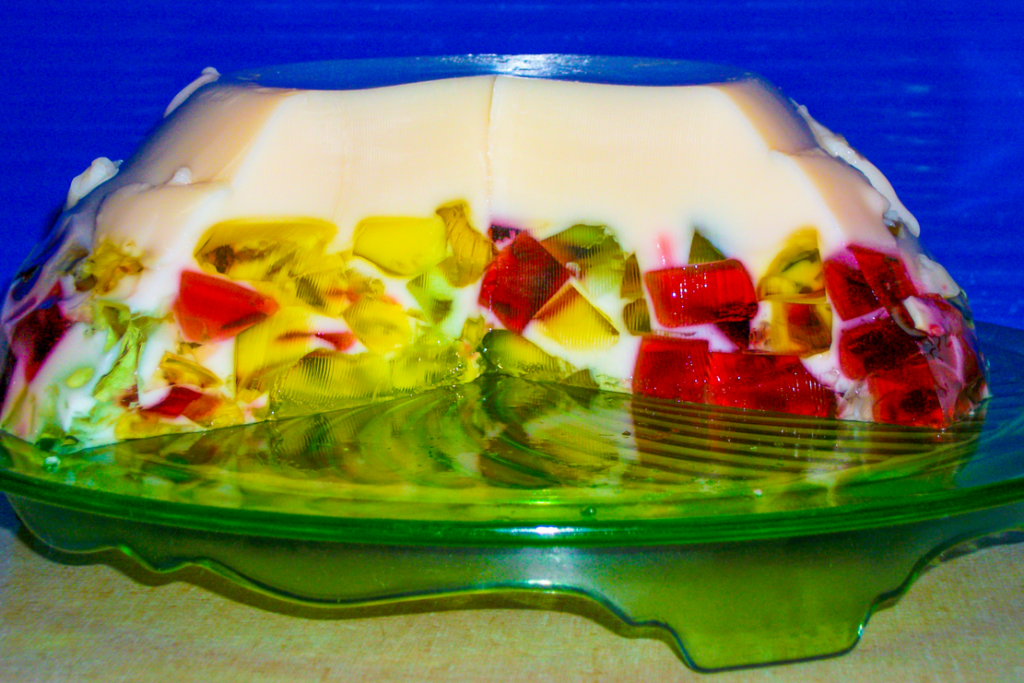
This commercial celebrated the spectacle of food itself. The wobble of gelatin was treated like entertainment. Families gathered around desserts that now feel distinctly retro. The colors alone date it instantly.
Watching it now, the enthusiasm feels almost innocent. There’s no attempt to modernize or health-wash the product. It simply celebrates fun. That straightforward joy feels tied to its time. It’s a sugary little window into ’70s kitchens.
11. Polaroid “Shake It”
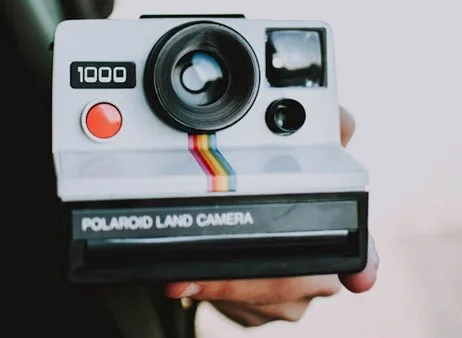
Instant photos were treated like magic. The commercial lingered on the slow reveal of an image. People gathered around to watch it develop together. The technology felt futuristic and communal.
Now it feels charmingly deliberate. The idea of waiting feels almost novel. The ad trusted patience as part of the appeal. It reflects a moment when technology still felt tactile and social. That feeling is very much a time capsule.
12. Ivory Soap “So Pure”

This commercial leaned into simplicity and tradition. Purity was the entire pitch. The ad used calm narration and minimal visuals. It trusted reputation over spectacle.
Seen today, the restraint stands out. There’s no urgency, no overpromising. The focus is on longevity and trust. It feels like a message designed for a slower world. That tone firmly anchors it in the ’70s.