
1. Coca Cola “I’d Like to Buy the World a Coke”
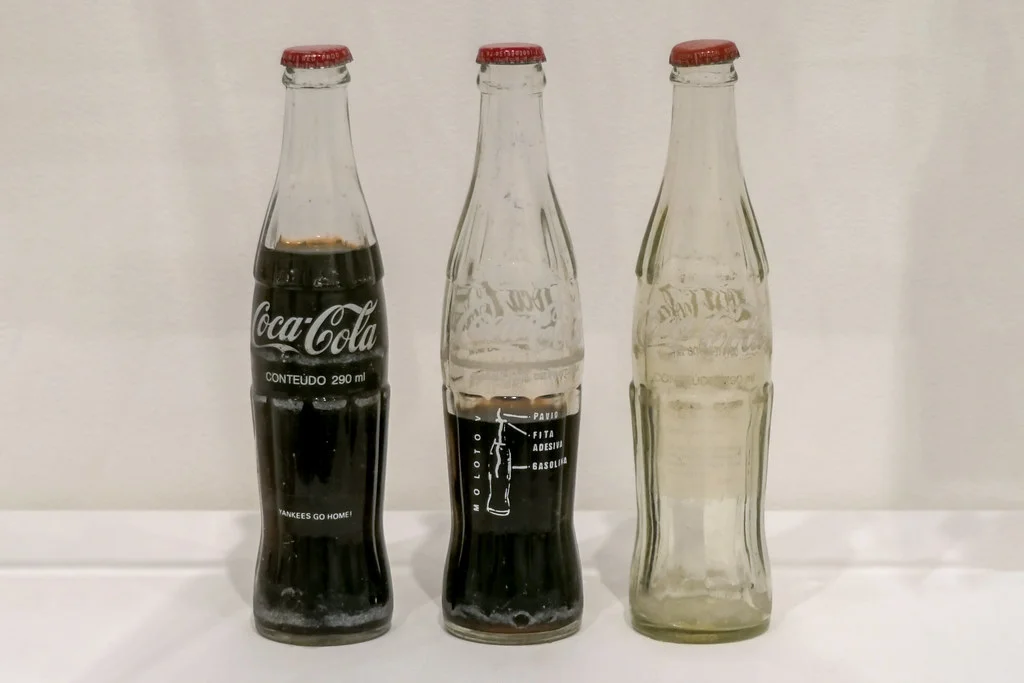
This commercial unfolded like a mini folk concert, with young people from around the world standing on a hillside singing about harmony. There was no fast cutting, no product closeups, and no clear explanation of what was being sold for most of the ad. Kids today would likely wonder why everyone looked so serious and why it took so long to get to the soda. The idea that a soft drink could symbolize world peace feels very ’70s in the most earnest way.
To a modern audience raised on quick jokes and bold graphics, the sincerity might feel almost confusing. The commercial asked viewers to feel something rather than laugh or crave sugar immediately. It treated the audience as patient and emotionally invested. That tone alone would probably leave kids today asking when the actual commercial starts.
2. Life Cereal “Mikey Likes It”

This ad centered on two brothers daring their picky younger sibling to try a bowl of cereal. The entire hook was that Mikey hated everything, so his approval mattered. Kids today might be confused by the slow buildup and the idea that cereal needed a character study to sell it. There were no animated mascots, no prizes, and no sugar rush imagery.
What made it memorable was how ordinary it felt. The kitchen looked real, the kids sounded unscripted, and nothing flashy happened. Modern kids might wonder why adults thought this was exciting. The payoff came from subtle humor rather than spectacle.
3. Tootsie Pop “How Many Licks”

The cartoon owl counting licks before biting into the candy was oddly philosophical for a commercial. It never actually answered the question, which feels almost mischievous now. Kids today might be baffled that a brand would build an ad around not delivering information. The animation style alone feels like something from a forgotten television era.
The commercial assumed viewers would enjoy repeating it and debating the answer themselves. There was no website, no hashtag, and no official reveal. It relied entirely on curiosity and repetition. That kind of open ended advertising feels rare now.
4. Alka Seltzer “Plop Plop Fizz Fizz”
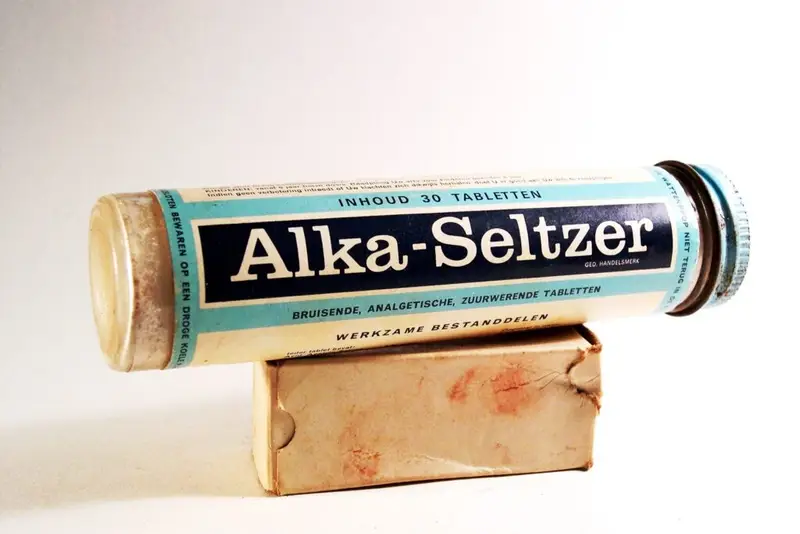
This commercial revolved around a jingle and the visual of tablets dissolving in water. There was nothing colorful or kid friendly about it, just stomach relief set to a catchy tune. Kids today might wonder why a bubbly glass was considered entertaining television. The song stuck in your head even if the product had nothing to do with your life.
The ad assumed families were watching together and that kids would absorb adult product messaging by default. It never talked down or tried to distract younger viewers. Instead, it leaned into rhythm and repetition. That approach feels oddly calm compared to modern ads.
5. Palmolive “You’re Soaking in It”
This campaign hinged on the joke that a model was unknowingly soaking her hands in dish soap. Kids today might not understand why soaking dishes or hands was such a big deal. The humor was subtle and conversational, not exaggerated. There were no visual gags beyond the reveal.
The commercial relied on dialogue and timing rather than visuals. It also assumed viewers understood household chores as a shared experience. For kids who rarely see dishwashing done by hand, the entire setup might feel foreign. Even the pacing feels slower than what they are used to.
6. Oscar Mayer Bologna Song
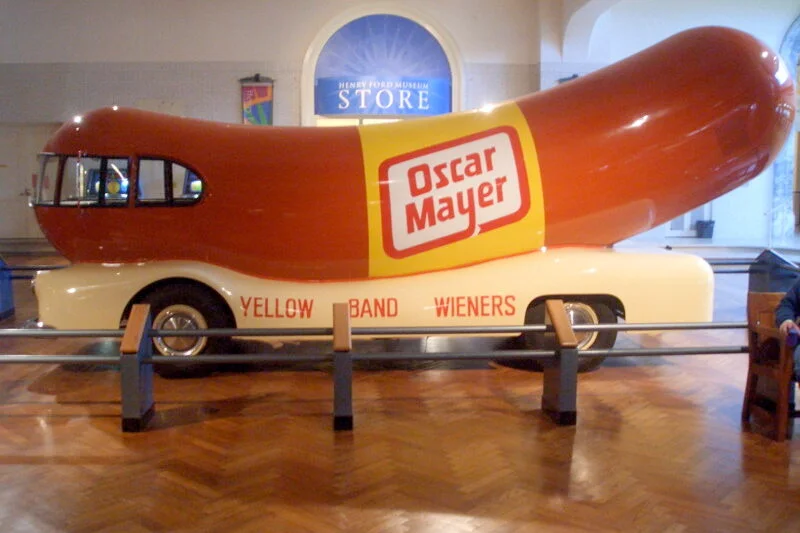
A kid singing about loving bologna on white bread felt completely normal in the ’70s. Today, kids might be confused by the idea of chanting about lunch meat with that level of enthusiasm. The lyrics were earnest and unapologetic. There was no irony or wink to the audience.
The commercial treated food as comfort rather than health or novelty. It also assumed kids would memorize jingles just because they heard them enough times. That trust in repetition was central to advertising then. Modern kids might find it strangely sincere.
7. McDonald’s “You Deserve a Break Today”
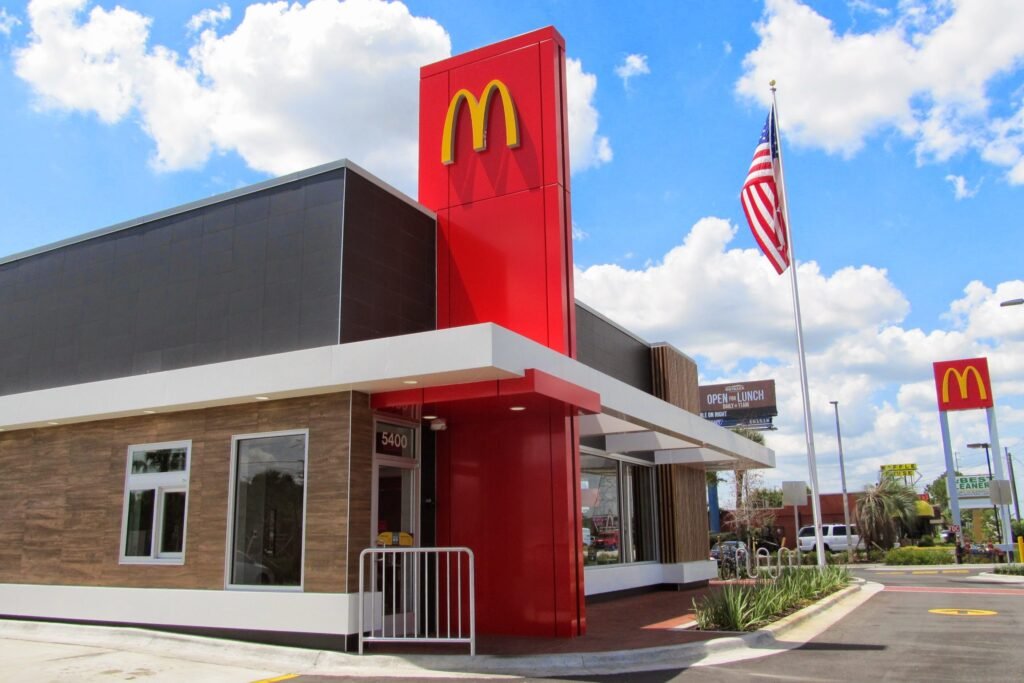
This commercial framed fast food as a small reward for working adults and busy families. There were no toys, no mascots front and center, and no loud excitement. Kids today might wonder why the ad focused so much on grownups relaxing. It sold atmosphere more than burgers.
The message was emotional rather than playful. McDonald’s was positioned as a place to pause, not a place to hype. That calm framing feels unusual now. It reflected a slower cultural rhythm.
8. Fab Detergent “Blue Dot”

This ad revolved around a mysterious blue dot that supposedly made clothes cleaner. Kids today might be confused by how seriously this dot was treated. The explanation was vague, almost magical. There was an assumption that viewers trusted the claim without proof.
The commercial leaned into authority and repetition rather than demonstration. It told you the product worked and expected that to be enough. Modern ads tend to show dramatic before and after shots. This one relied on confidence instead.
9. Ajax “Stronger Than Dirt”
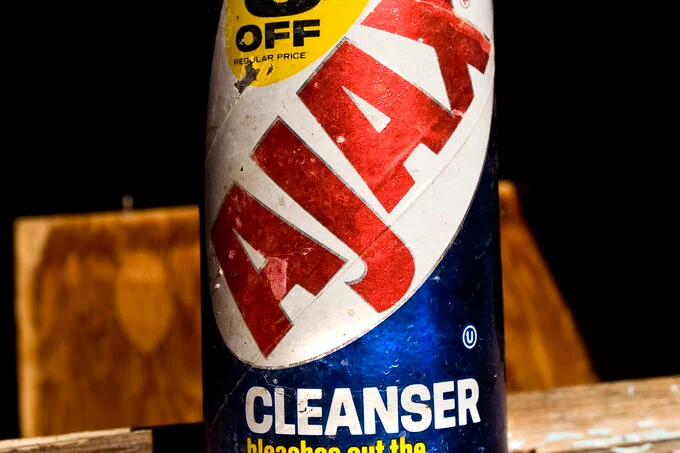
The slogan was repeated so often it became the entire identity of the product. Kids today might ask what kind of dirt we are talking about and why it mattered so much. The ad often showed scrubbing and grime in a very literal way. There was no attempt to soften the imagery.
The commercial assumed viewers valued toughness and endurance. Cleaning was framed as a battle that required strength. That metaphor feels dated now. It reflects a time when ads leaned heavily on simple, forceful ideas.
10. Calgon “Take Me Away”
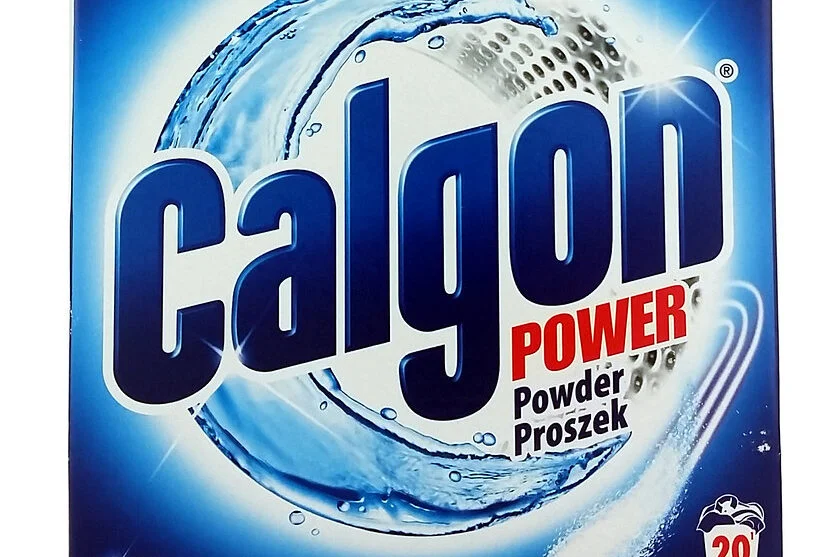
This ad showed a woman escaping daily stress through a bubble bath. Kids today might not understand why a bath was portrayed as a dramatic fantasy sequence. The commercial moved slowly and focused on mood rather than plot. It was more about feeling than explanation.
The ad assumed viewers related to adult exhaustion. It did not attempt to include kids at all. That kind of single audience focus was more common then. Modern commercials often try to appeal to everyone at once.
11. Virginia Slims “You’ve Come a Long Way Baby”

This cigarette commercial framed smoking as a symbol of independence and progress. Kids today would likely be confused that cigarettes were advertised at all. The message was cultural rather than product focused. It leaned heavily on social commentary.
The ad reflected a moment when advertising norms were very different. It treated smoking as aspirational and stylish. That context is essential to understanding why it existed. Without it, the commercial feels almost surreal.
12. Coca Cola “Mean Joe Greene”

This ad showed a football star softening after a kid offers him a Coke. Kids today might wonder why a soda was the key to emotional connection. The moment was quiet and sincere. There was no punchline beyond kindness.
The commercial relied on restraint and timing. It trusted viewers to feel the shift without being told what to feel. That emotional subtlety stands out now. It feels more like a short film than an ad.