
1. Life Cereal

Life cereal commercials famously revolved around kids refusing to eat the cereal, only to change their minds by the end. The entire joke depended on picky eating being a shared cultural experience. Kids today might be confused by how much time was spent negotiating breakfast. The ad assumed parents had full control over what landed in a bowl. There was no flashy animation or loud music. Everything moved slowly and conversationally.
Compared to modern cereal ads, this approach feels almost quiet. Today’s kids are used to being directly marketed to, not overhearing adult conversations. The pacing might feel awkward. The payoff was subtle rather than exciting. One kid liking cereal was the big moment. That simplicity would likely feel strange now.
2. McDonald’s
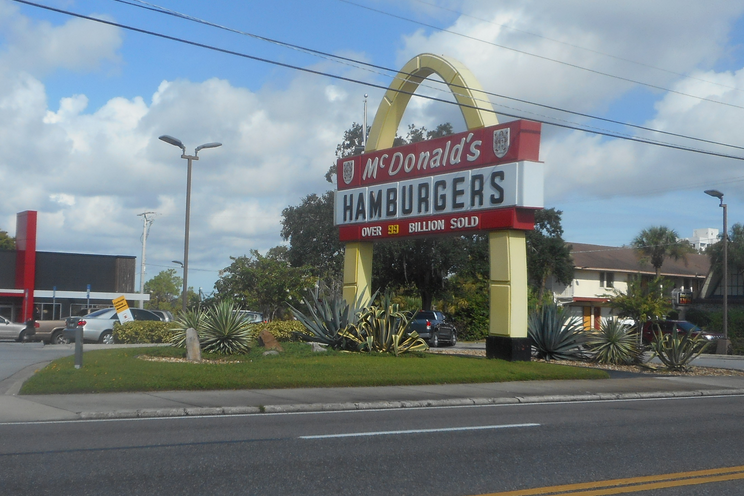
McDonald’s commercials in the ’70s focused on families sitting together and sharing meals. The food itself was not exaggerated or over styled. Kids today might be puzzled by how ordinary everything looked. There were no extreme close ups or dramatic reactions. The message was about reliability, not indulgence.
The tone was calm and reassuring. Modern fast food ads are fast, loud, and visually aggressive. These commercials trusted the brand name to do the work. Ronald McDonald appeared, but he was far less cartoonish. That restraint would likely confuse kids used to nonstop stimulation.
3. Folgers

Folgers commercials often framed coffee as a way to earn family approval. The person who made the coffee was praised for doing it “right.” Kids today might not understand why coffee carried such emotional importance. The ads treated it like a test of competence and care. That dynamic feels outdated now.
Coffee today is marketed as personal and individualized. Back then, it was about pleasing others. The tone was sentimental and serious. Kids used to seeing coffee as just another adult habit might find this odd. The idea that one brand could define family harmony would feel foreign.
4. Charmin
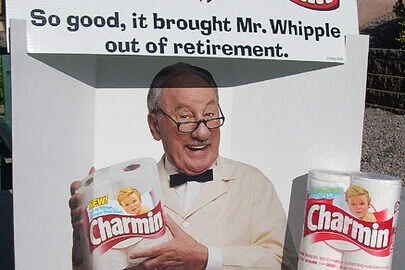
Charmin commercials in the ’70s were surprisingly open about bathroom habits. Talking animals squeezing toilet paper was treated as perfectly normal. Kids today might be confused about how this ever made it on TV. The tone was casual and unembarrassed. Nothing was hidden or softened.
Modern advertising tends to be more indirect with bathroom humor. These ads were oddly straightforward. The lack of awkwardness would stand out. Kids might not understand why this was considered funny rather than uncomfortable. It reflects very different TV standards.
5. Old Spice
Old Spice commercials emphasized masculinity in a very literal way. Deep voices and confident poses carried the message. Kids today might find the seriousness confusing. There was no irony or self awareness. Everything was meant to be taken seriously.
Modern ads often parody this exact style. In the ’70s, it was sincere. The idea that a scent defined manhood feels dated. Kids used to playful branding might not get the appeal. The minimalism would feel strange.
6. Coca-Cola

Coca-Cola commercials leaned heavily into togetherness and shared experiences. Groups of strangers bonded instantly over a soda. Kids today might be confused by how emotional the ads were. A soft drink was presented as a social connector. That feels exaggerated now.
The pacing was slow and earnest. Modern ads rely more on humor or spectacle. These focused on mood and feeling. Kids used to quick jokes might not know what the ad was trying to say. The sincerity could feel awkward.
7. Tide

Tide commercials often showed women proudly doing laundry. Clean clothes were treated as a source of identity and accomplishment. Kids today would likely question why laundry carried so much importance. The tone was instructional and authoritative.
Modern ads avoid such narrow roles. Children now see laundry as a basic chore. The seriousness of stain removal demonstrations might seem excessive. There was no humor to soften it. That earnestness feels outdated now.
8. Calgon
Calgon commercials framed bathing as an escape from daily stress. The idea was that a bath could emotionally remove you from your life. Kids today might find that dramatic. The ads assumed viewers were overwhelmed adults.
Modern self care marketing exists, but this felt theatrical. Kids might wonder what everyone needed to escape from. The tone was heavy for bath products. That emotional framing would feel strange now.
9. Band-Aid

Band-Aid commercials often centered on minor childhood injuries. Small scrapes were treated as major events. Kids today might wonder why so much attention was paid to a bandage. The ads were calm and reassuring.
Today’s medical ads are more technical or dramatic. These were gentle and simple. The tone assumed kids were watching closely. There were no distractions. That simplicity feels unusual now.
10. Burger King
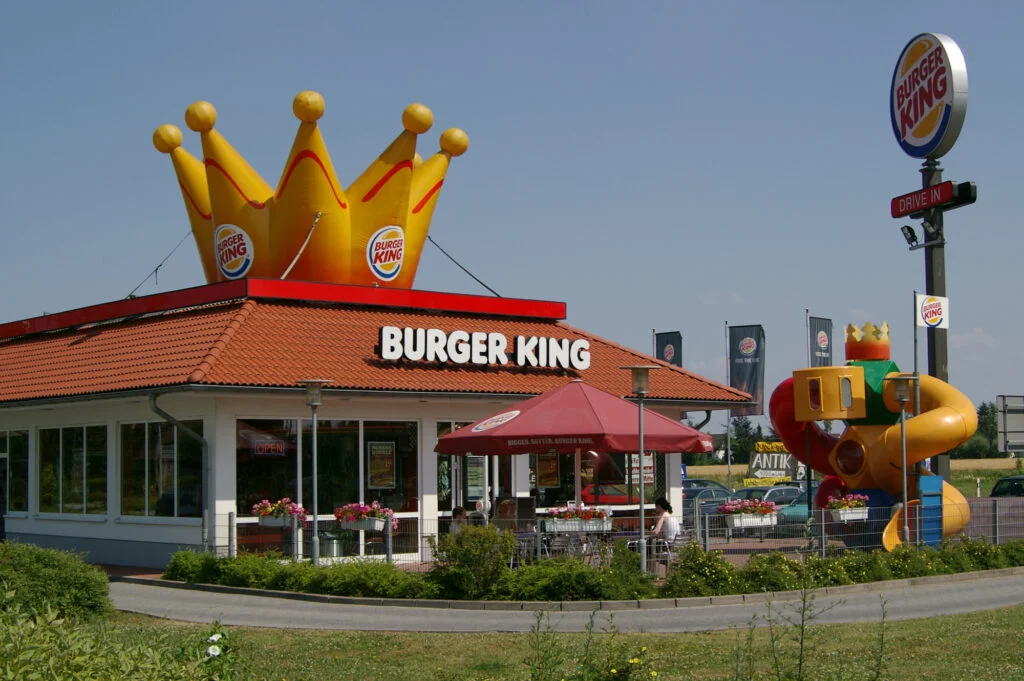
Burger King commercials explained the idea of customization very carefully. Being able to order food your way was presented as revolutionary. Kids today might not understand why this needed explaining. Choice is expected now.
The ads talked directly to the audience. There was a lot of repetition. Modern kids are used to instant understanding. The novelty of customization might be lost. It highlights how much expectations changed.
11. Ivory Soap

Ivory Soap commercials focused on purity and gentleness. Soap was framed as a moral good. Kids today might be confused by how philosophical it all sounded. Cleanliness was tied to virtue.
Modern hygiene ads focus on features or scents. These were slow and serious. The tone would feel oddly formal. Kids might not connect purity with soap. That messaging feels distant now.
12. Cigarette Commercials

In the ’70s, cigarette commercials aired regularly on television. They featured cowboys, athletes, and even actors playing doctors. Kids today would be shocked by how normal smoking was made to seem. Health risks were barely mentioned. The tone was confident and reassuring.
From a modern viewpoint, this feels almost unbelievable. Kids grow up surrounded by smoking warnings now. Seeing cigarettes sold like toothpaste would raise questions immediately. The authority figures used in these ads would be especially confusing. It is one of the clearest examples of how much advertising rules have changed.