
1. The Premiere of Star Wars in 1977
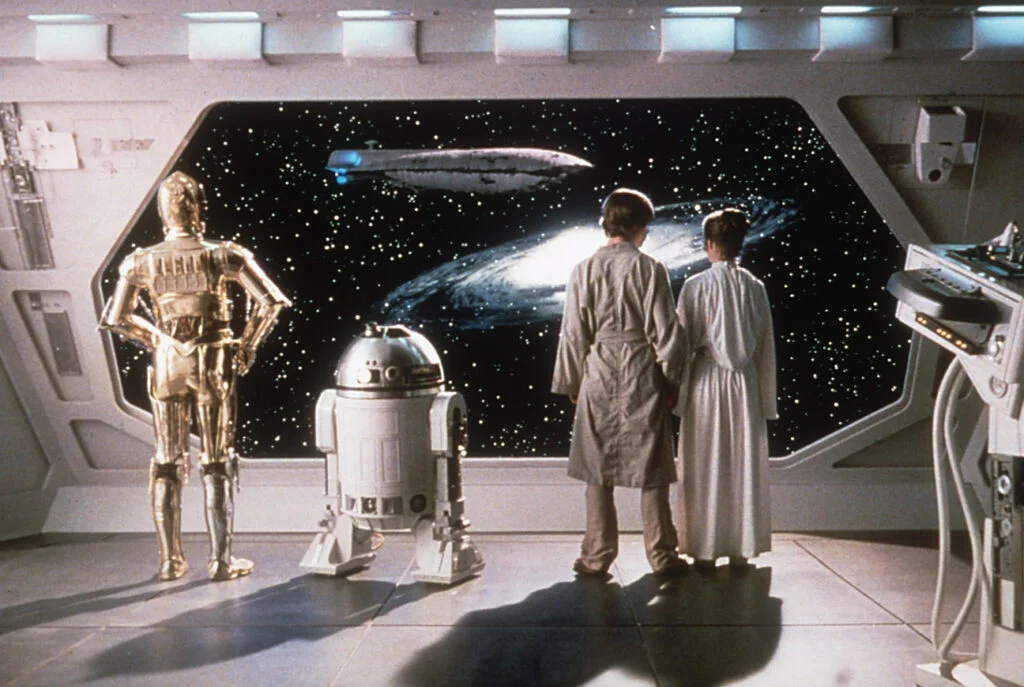
When Star Wars arrived in theaters in May 1977, it didn’t just feel like a new movie. It felt like a cultural reset. Lines wrapped around city blocks, and people who had already seen it were eager to go back again. Kids memorized every character, and adults debated whether anything like it had ever been attempted before. The special effects alone seemed like something from another planet.
The movie quickly turned into a shared experience that crossed generations. Suddenly everyone knew who Luke Skywalker, Darth Vader and Princess Leia were. Toy stores couldn’t keep merchandise on the shelves once it finally appeared. Even people who rarely went to movies started talking about it like it was a historic event. In a lot of ways, the modern blockbuster era truly began right there.
2. The “Who Shot J.R.?” Craze
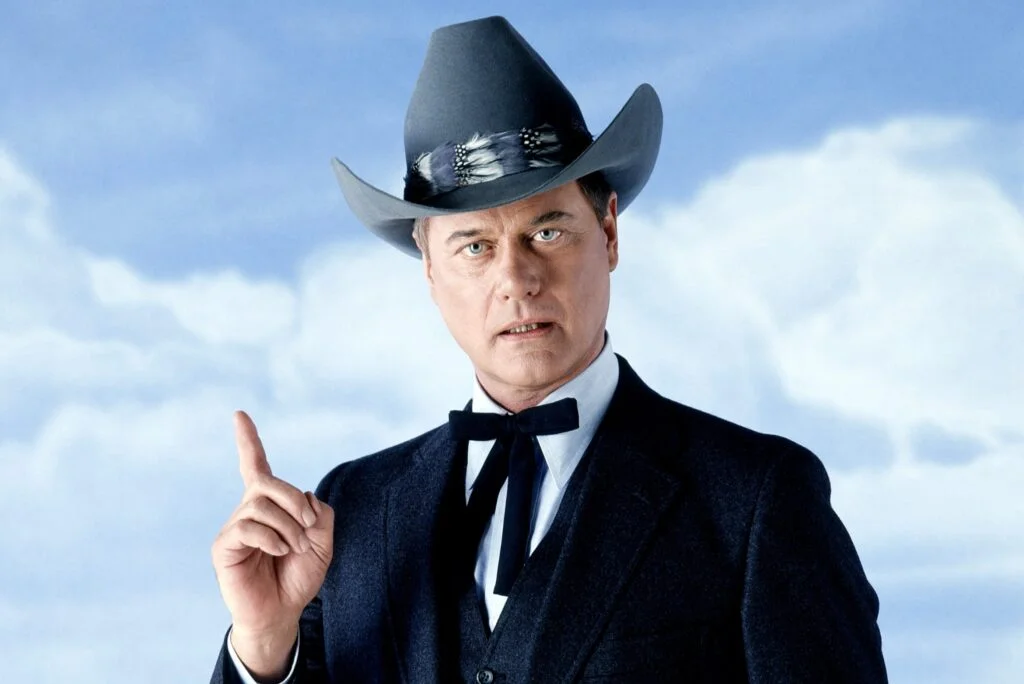
The cliffhanger ending of the 1979 season of Dallas might be one of the most talked about TV moments ever. When J.R. Ewing was shot and the episode cut to black, the country immediately turned into a guessing game. Newspapers, magazines and talk shows all debated the question. Even people who had never watched the show suddenly knew the mystery.
By the time the next season premiered in 1980, the anticipation had built for months. Viewing parties were common, and offices buzzed with speculation the next morning. It felt less like a TV episode and more like a national event. The phrase “Who shot J.R.?” became a cultural shorthand overnight. Few television storylines have ever created that kind of widespread obsession.
3. The Release of Saturday Night Fever
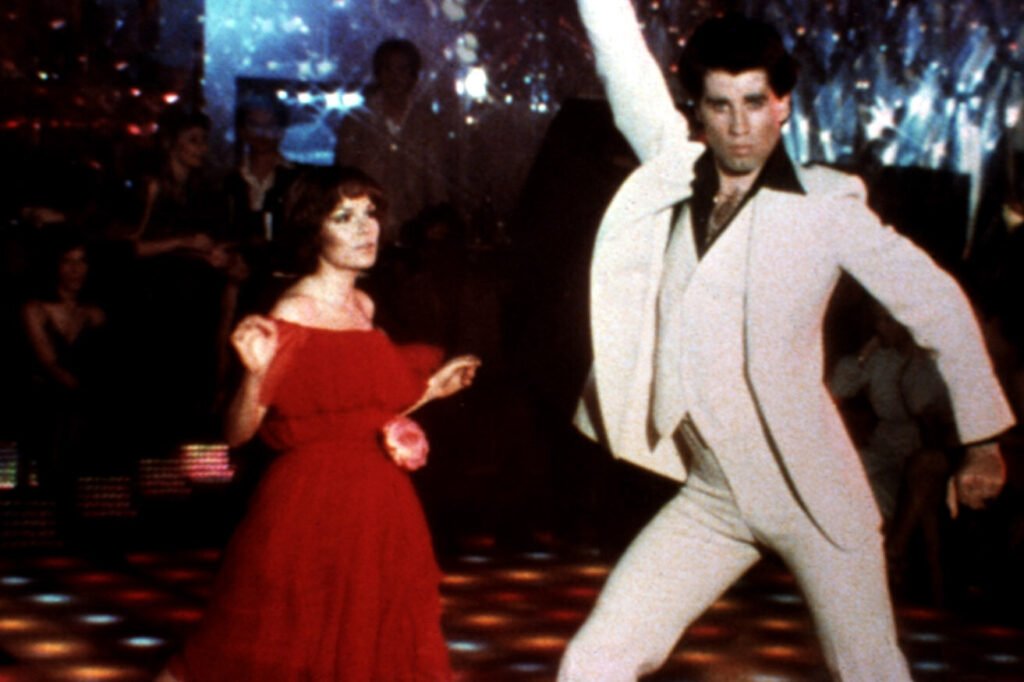
When Saturday Night Fever premiered in 1977, disco was already popular, but the movie pushed it into the center of the culture. John Travolta’s performance as Tony Manero suddenly made dance floors feel glamorous and dramatic. The soundtrack by the Bee Gees quickly became one of the best selling albums of the decade. People who had never considered dancing suddenly wanted to try.
Nightclubs across the country saw crowds swell almost overnight. White suits and flashy shirts became part of the visual language of the era. The film also captured the restless energy of young people searching for something bigger than their everyday lives. For a moment, the whole country seemed to move to the same beat. It proved that a movie could influence fashion, music and nightlife all at once.
4. The Debut of Roots on Television
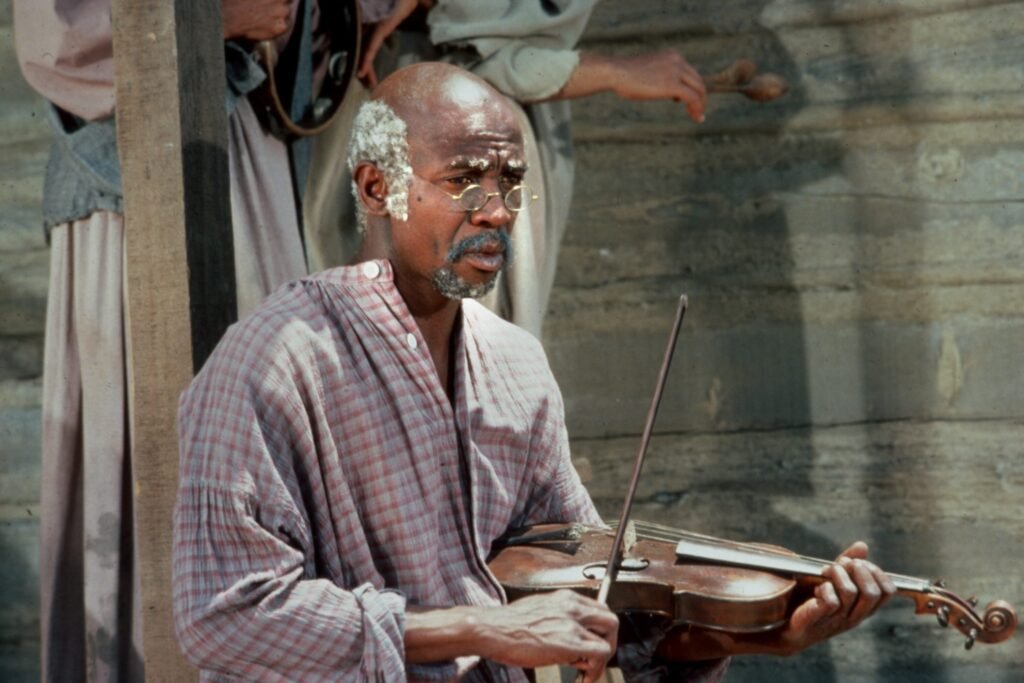
When the miniseries Roots aired in January 1977, it was unlike anything television had attempted before. Based on Alex Haley’s book, the story traced generations of an African American family beginning with Kunta Kinte. Instead of airing weekly, the network broadcast the episodes on eight consecutive nights. Families gathered around their televisions because it felt important to watch together.
The series sparked conversations about American history that many viewers had never confronted so directly. Schools discussed it, newspapers analyzed it and workplaces talked about it the next day. The final episode was watched by more than 100 million viewers. That level of attention made it feel less like a TV program and more like a national moment of reflection. For many people, it changed how television could handle serious historical subjects.
5. The Rise of Saturday Night Live
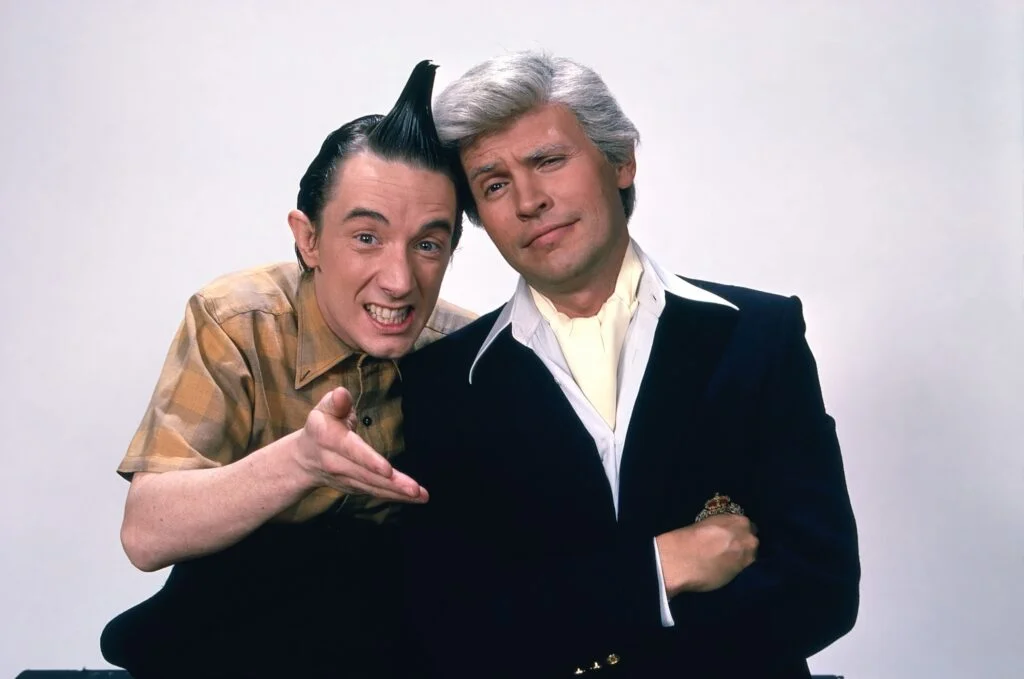
When Saturday Night Live debuted in 1975, late night television suddenly felt younger and more unpredictable. The show mixed sketch comedy, music and live chaos in a way that felt completely new. Early performers like Chevy Chase, John Belushi and Gilda Radner quickly became household names. Viewers never quite knew what might happen next.
The show also shaped how people talked about politics and pop culture. Sketches and catchphrases were repeated in schools, offices and dorm rooms the next day. Musical guests often became part of the cultural conversation as well. Watching it live became a kind of weekly ritual. It felt like the place where the energy of the decade showed up on television.
6. The Arrival of the Sony Walkman
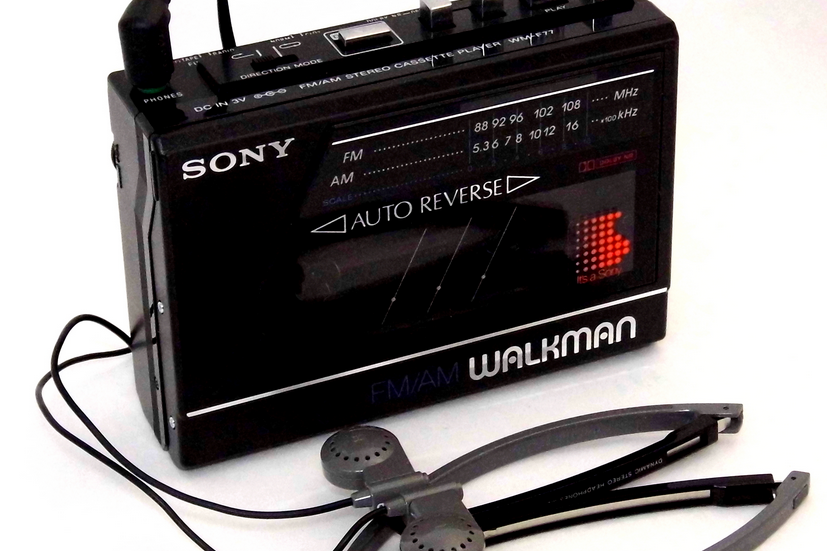
When Sony introduced the Walkman in 1979, it quietly changed how people experienced music. Before that, listening to your favorite songs usually meant sitting near a stereo or carrying a bulky radio. Suddenly music could follow you anywhere. People started walking down the street with headphones, something that had rarely been seen before.
The device created a new kind of personal soundtrack for everyday life. Joggers, commuters and students all embraced the idea of private listening. It also hinted at a future where entertainment could become portable and personal. What seemed like a small gadget actually marked the beginning of a huge cultural shift. Music was no longer tied to one place.
7. The Debut of All in the Family
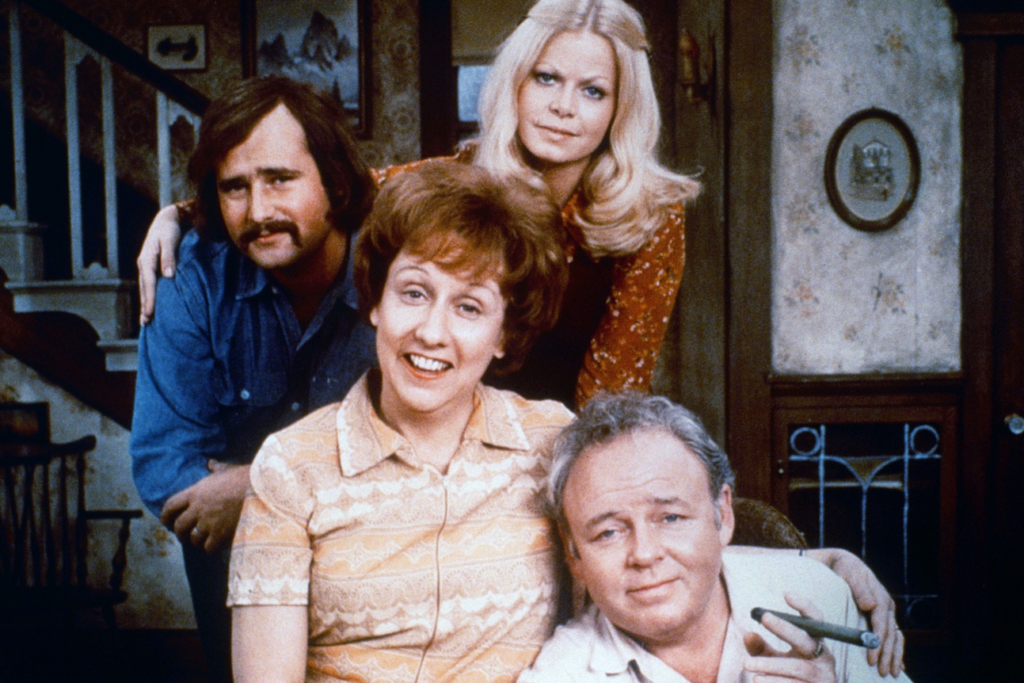
When All in the Family premiered in 1971, it immediately stood out from other sitcoms. Archie Bunker was loud, opinionated and often wrong, yet strangely human. The show tackled subjects like race, politics and generational conflict in ways that television rarely attempted. Audiences laughed, but they also argued about what they had just watched.
The series quickly became one of the most talked about programs on television. Families sometimes found themselves debating the issues raised in each episode. The show demonstrated that comedy could handle serious topics without losing its humor. It shifted expectations for what a sitcom could be. For many viewers, it felt like television had grown up.
8. Elvis Presley’s Death in 1977
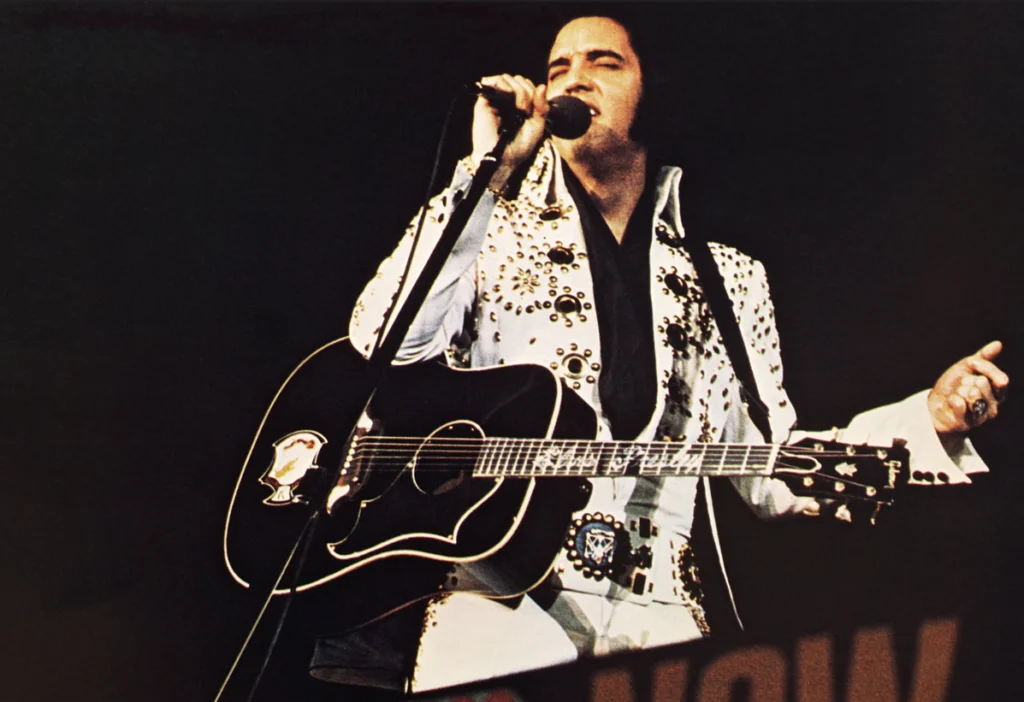
When Elvis Presley died on August 16, 1977, the news spread with shocking speed. Radio stations switched to his music almost immediately. Fans gathered outside Graceland, many of them stunned and emotional. Even people who hadn’t followed his career closely recognized that something historic had happened.
Presley had been one of the first true icons of the rock era. His influence stretched from the ’50s through the ’70s, and his image was instantly recognizable. Newspapers around the world covered the story on their front pages. For millions of fans, it felt like the end of a chapter in American music. The reaction showed how deeply entertainers could become part of people’s lives.
9. The Release of Jaws and the Summer Blockbuster Era
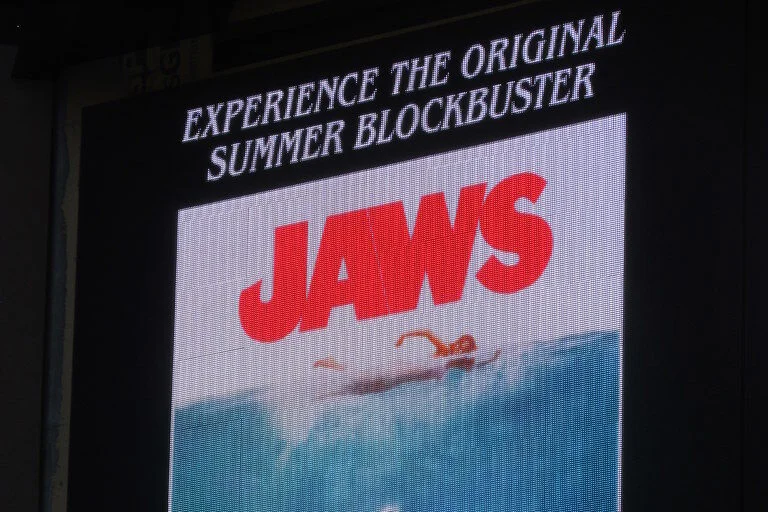
When Jaws premiered in 1975, moviegoing changed almost overnight. Instead of slowly building word of mouth, the film opened in hundreds of theaters at once. Audiences lined up for hours, eager to see the shark that had already been talked about on television and in newspapers. The tension in theaters became part of the experience.
People left the theater talking about beach scenes in a completely different way. The movie quickly became one of the highest grossing films ever at the time. Its marketing and wide release strategy set a template that studios still use today. Suddenly summer became the season for huge movie events. One suspenseful thriller reshaped the business of Hollywood.
10. The Launch of The Muppet Show
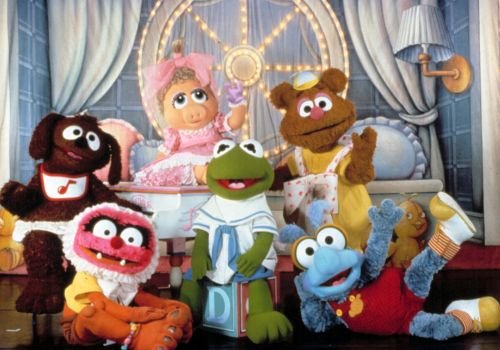
When The Muppet Show debuted in 1976, it quickly became something families could enjoy together. Jim Henson’s characters were playful, chaotic and surprisingly clever. Kermit the Frog, Miss Piggy and the rest of the cast felt instantly familiar. Each episode mixed music, comedy and celebrity guests in a way that felt joyful rather than slick.
Children loved the characters, but adults appreciated the humor layered into the sketches. The show spread internationally and became one of the most recognizable TV programs of the decade. Catchphrases and characters entered everyday conversation. It proved that puppetry could hold its own on prime time television. For many families, it became a weekly event.
11. The Cultural Explosion of Disco
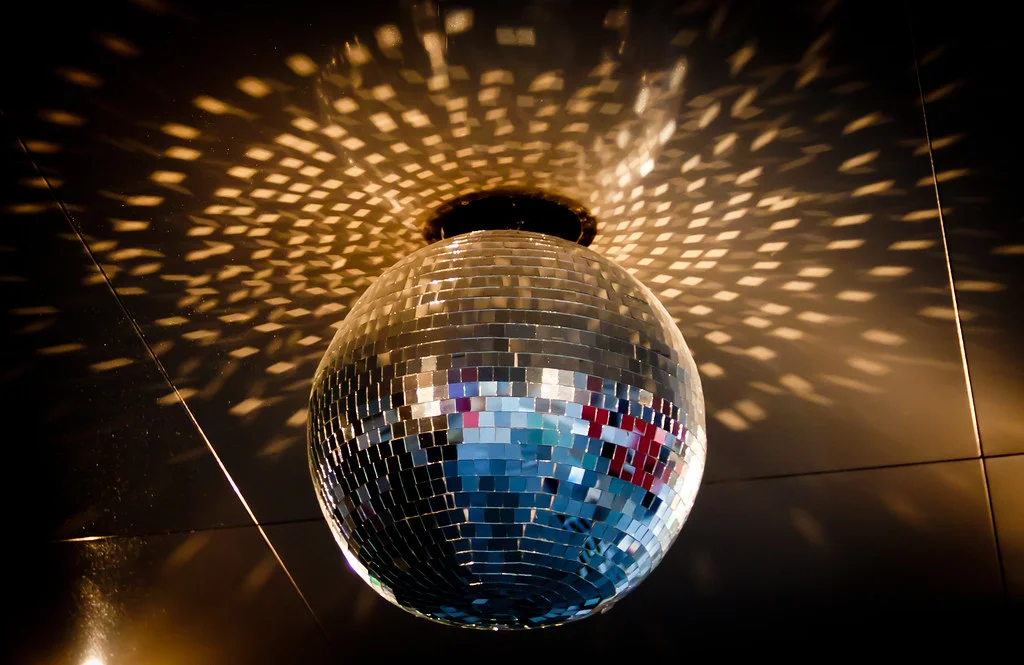
By the mid ’70s, disco had grown far beyond just a musical style. Nightclubs filled with dancers under spinning mirror balls. Songs by artists like the Bee Gees, Donna Summer and Gloria Gaynor seemed to dominate radio. Dance floors became places where fashion, music and nightlife all collided.
The style of the era was unmistakable. Platform shoes, flashy fabrics and dramatic lighting became part of the atmosphere. Even people who claimed not to like disco usually knew the songs anyway. The music created a shared rhythm for parties, clubs and celebrations. For a while, it felt like the whole culture had learned the same dance steps.
12. The Rise of Video Games With Space Invaders
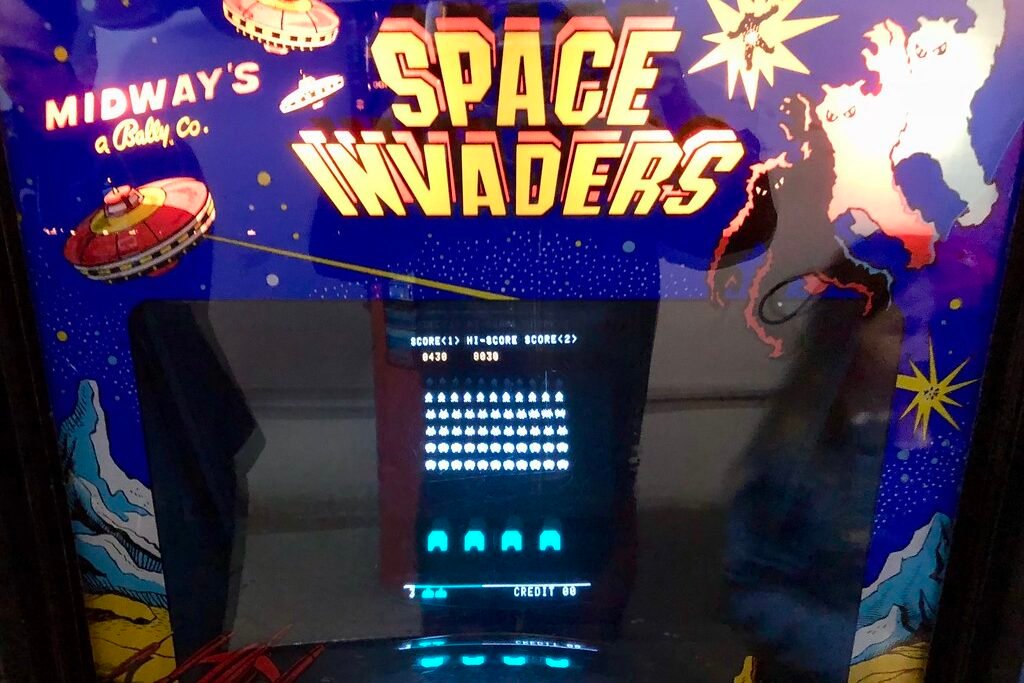
When Space Invaders arrived in arcades in the late 1970s, it introduced many people to a new kind of entertainment. Rows of glowing machines suddenly appeared in malls, pizza places and bowling alleys. Teenagers lined up with pockets full of quarters, determined to beat the high score. The simple alien graphics quickly became iconic.
Arcades turned into social spaces where friends gathered and competed. The idea of interactive entertainment was still new, but it spread quickly. Newspapers even wrote about the popularity of the game. It hinted at a future where video games might become a major industry. Looking back, those blinking screens were the start of something enormous.