
1. The Rotary Phone
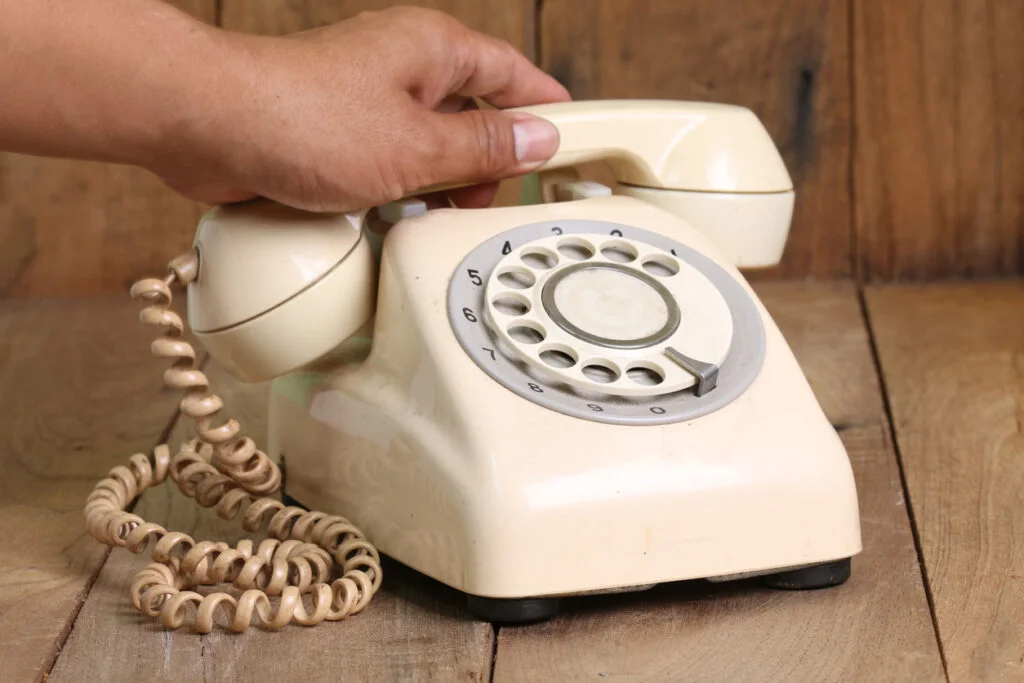
There was usually one phone in the house, and it stayed put. It sat on a small table in the hallway or mounted to the kitchen wall with a cord that somehow always got tangled. You had to memorize phone numbers because there was no contact list to scroll through. Dialing took patience, especially if you messed up the last digit and had to start over. Kids were warned not to “play with the phone,” because every call mattered. Long-distance calls felt serious and expensive. The sound of that ring could pull everyone from another room.
Privacy was not part of the design. Conversations happened within earshot of whoever was nearby, and siblings often listened in without shame. If you wanted to stretch the cord into another room, you had to maneuver carefully. The rotary dial itself felt sturdy and mechanical, like something that would outlive the house. It rarely broke, and when it did, it was repaired, not replaced. Nobody questioned why there was only one line for the entire family. It was simply how communication worked.
2. Wood Paneling
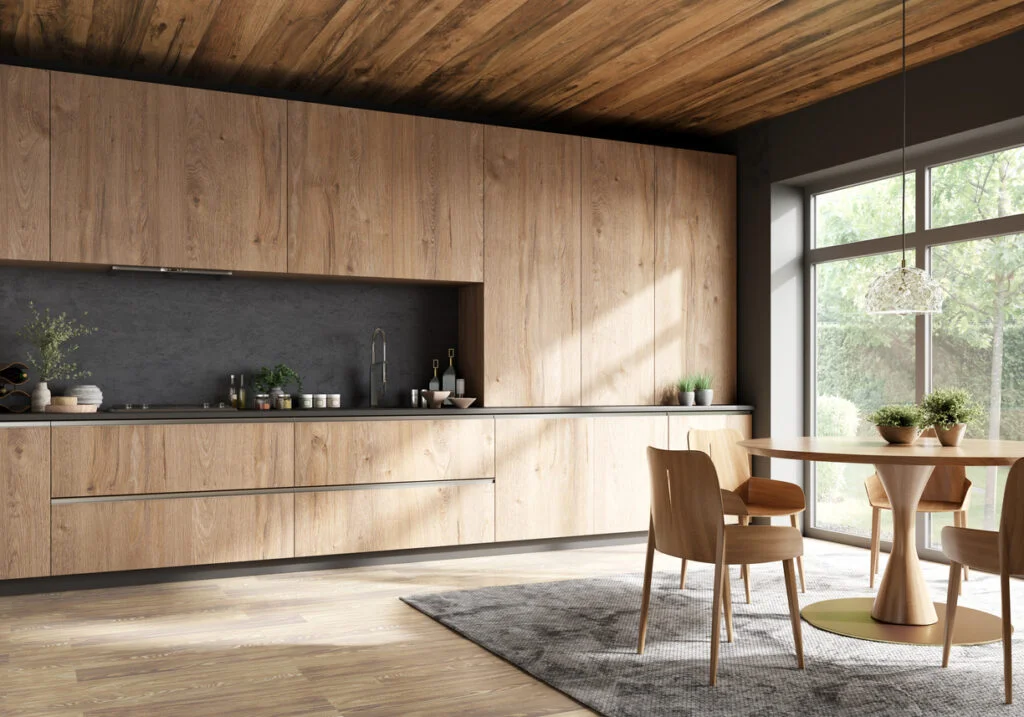
At some point, wood paneling took over entire living rooms. It turned walls into dark, glossy surfaces that made everything feel cozy and slightly cave-like. Even homes built decades earlier were updated with thin sheets of faux wood grain. The look was considered modern, warm, and sophisticated at the time. It framed family portraits and console TVs in a very specific shade of brown. If you grew up with it, you probably remember the faint smell of old wood and furniture polish. It absorbed light and sound in a way that made rooms feel enclosed.
No one debated whether it was stylish, because it was everywhere. It matched the coffee table, the end tables, and sometimes even the basement rec room. When trends shifted, many homeowners discovered hardwood or drywall hiding underneath. But in the ’70s, it felt permanent and deliberate. Guests walked in and saw it as a sign of a finished, put-together home. It was part of the backdrop of everyday life. Only years later did people realize how dark it made everything.
3. The Avocado Green Refrigerator
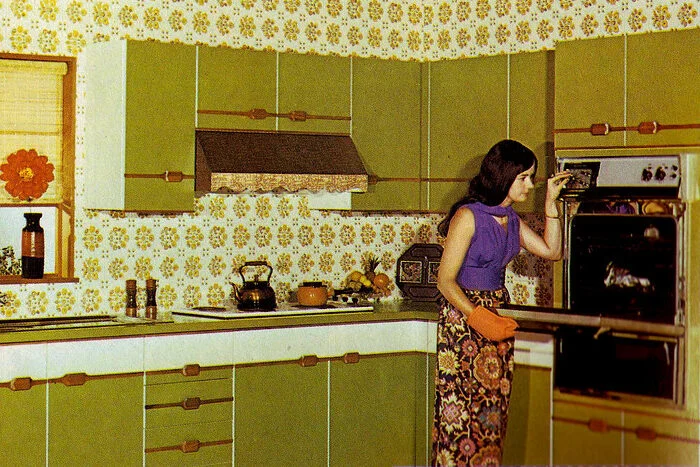
Avocado green was not just a color choice, it was a commitment. Refrigerators, stoves, and dishwashers often came in matching green or harvest gold. The kitchen revolved around those bulky appliances. They hummed constantly and held leftovers in clear glass containers with plastic lids. The color blended seamlessly with patterned linoleum floors and floral wallpaper. It did not seem unusual, because nearly every neighbor had the same palette. The kitchen felt earthy and coordinated.
Replacing a major appliance was rare, so families lived with that green refrigerator for years. It became part of childhood memories, covered in magnets and school artwork. The handle was heavy, and the freezer door sometimes required a strong pull. When trends shifted to white or stainless steel, those green appliances lingered. They were too expensive to swap out casually. For a long stretch, that shade defined what a modern kitchen looked like. Nobody questioned it.
4. The Console Television
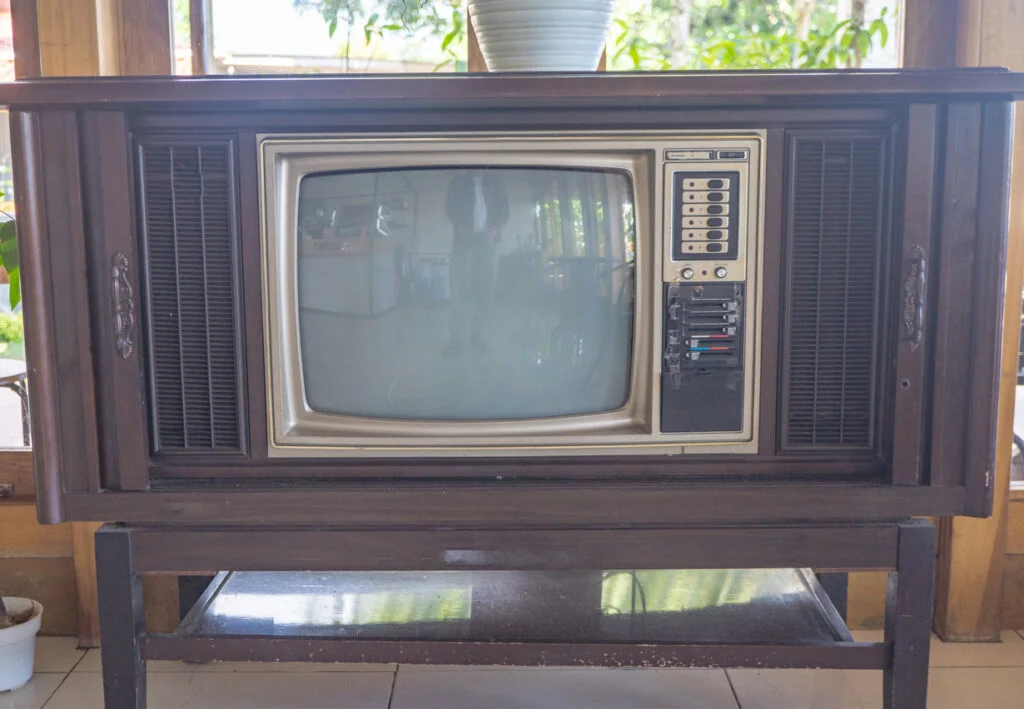
The television was not mounted on a wall, it was a piece of furniture. Console TVs were massive wooden cabinets that claimed a permanent spot in the living room. They often had sliding doors that hid the screen when it was not in use. Watching TV felt like an event, because there were only a few channels to choose from. Families planned their evenings around specific shows. The set warmed up slowly, and sometimes you had to adjust the antenna. Static and fuzzy images were part of the experience.
Because it was so large, it rarely moved. It doubled as a surface for framed photos or a decorative lamp. Children were warned not to sit too close to the screen. When something went wrong, a repairman might actually come to the house. The cabinet matched the rest of the furniture, reinforcing the idea that television belonged in the living room, not the bedroom. It was both entertainment and décor. Every home seemed to have one.
5. The Crock-Pot
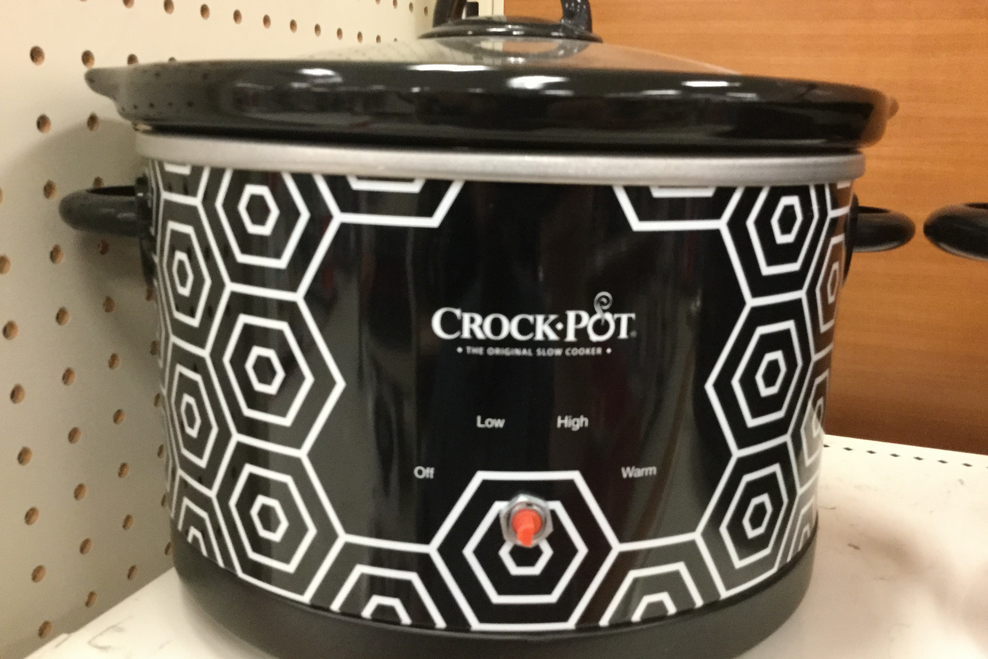
The Crock-Pot was a quiet revolution in home cooking. It sat on the counter all day, filling the house with the smell of stew or chili. Busy parents appreciated the simplicity of tossing ingredients in before work. By dinner, everything was tender and ready to serve. It felt practical and modern, even though the recipes were often traditional. Cookbooks dedicated entire sections to slow-cooker meals. The appliance promised convenience without sacrificing comfort.
It became a staple at potlucks and family gatherings. You recognized it instantly by its ceramic insert and glass lid. The cord was short, so it stayed close to an outlet. No one questioned owning one, because it made life easier. It symbolized the growing interest in efficiency at home. Even today, many households still rely on it. In the ’70s, though, it felt like a small miracle.
6. The Tupperware Drawer
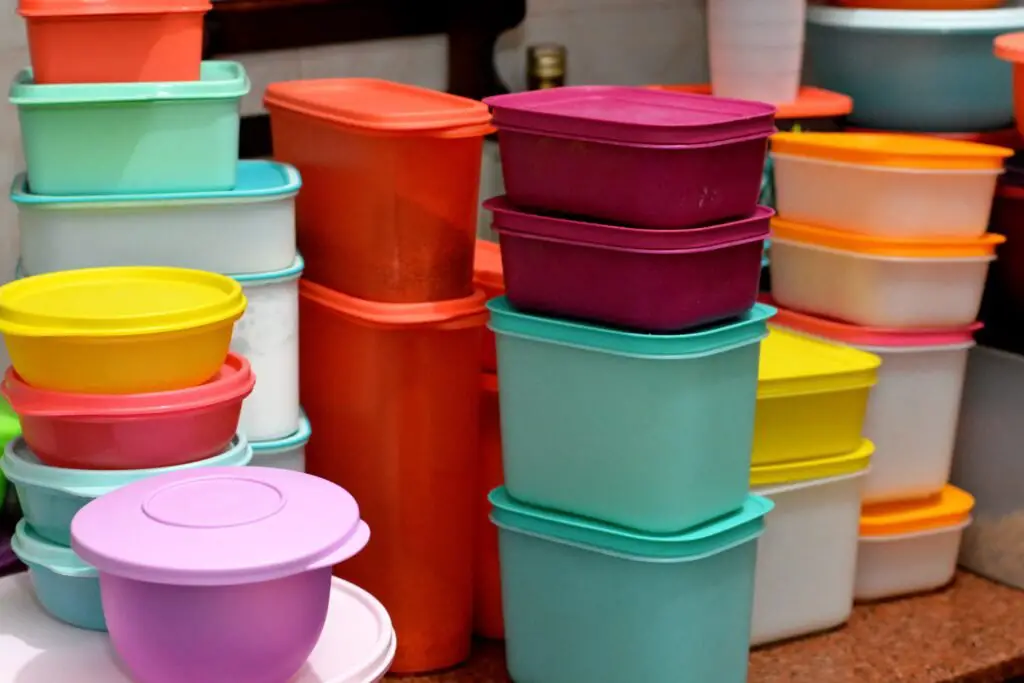
There was always a drawer or cabinet filled with plastic containers. Tupperware parties turned food storage into a social event. Brightly colored lids snapped into place with a distinctive sound. Leftovers were carefully saved and stacked in the refrigerator. Matching sets were prized, though mismatched pieces inevitably appeared. The containers were reused endlessly. Throwing them away was almost unthinkable.
Opening that drawer could be chaotic. Lids and bases rarely stayed paired. Yet every family had a system, even if it looked disorganized. The plastic sometimes stained from tomato sauce but remained functional. It represented thriftiness and practicality. Storing food properly was part of being responsible. No one imagined a kitchen without it.
7. The Record Player
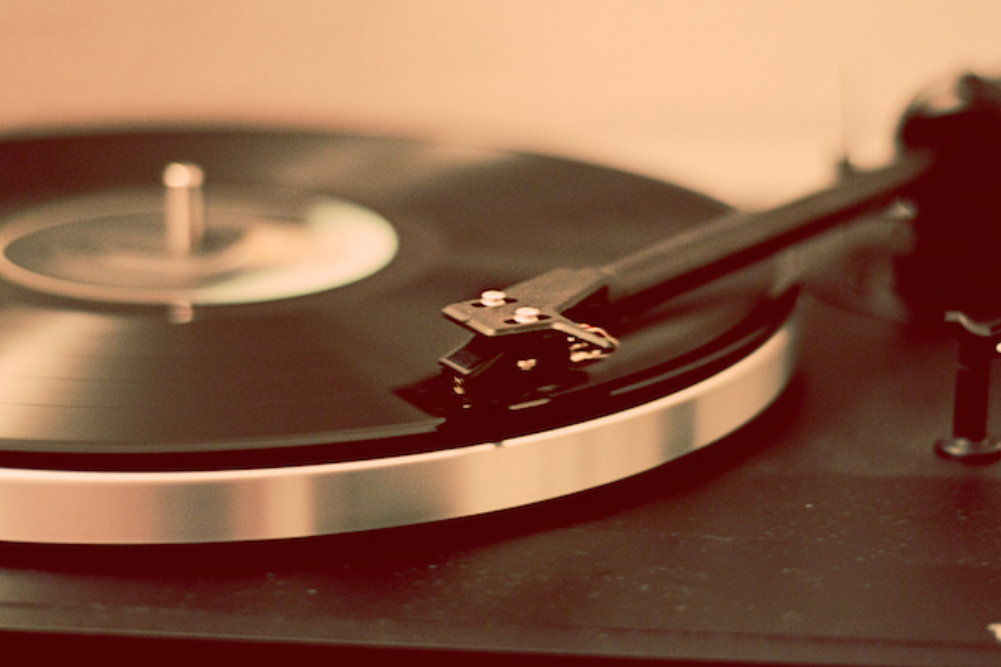
Music lived in the living room, not in your pocket. Record players were built into consoles or perched on shelves with stacked vinyl nearby. Sliding a record from its sleeve felt deliberate and careful. You set the needle down gently to avoid scratches. Albums played from beginning to end, because skipping tracks was not simple. The sound included subtle pops and crackles. It created a ritual around listening.
Friends gathered to hear new releases together. Album covers were studied like artwork. The player itself required occasional maintenance and a steady hand. It was both entertainment and centerpiece. Families owned collections that reflected their tastes and personalities. No one questioned dedicating space to music. It was part of the home’s rhythm.
8. The Encyclopedia Set

Before quick searches, there were heavy volumes lining a shelf. Encyclopedias covered everything from astronomy to zoology. Homework often meant flipping through thin pages filled with small print. The set signaled that a family valued education. Parents invested in them as a long-term resource. The spines usually matched in color and design. They looked impressive in a living room or study.
Children learned how to use an index and cross-reference entries. Updates came in annual yearbooks rather than instant edits. Information felt authoritative because it was printed and bound. The books rarely left the house. They were consulted whenever a question arose. Owning a set was common and respected. It was simply what prepared households did.
9. The Wall Calendar

A large paper calendar hung in the kitchen or near the phone. Important dates were circled in pen. Appointments, birthdays, and school events were written in small squares. It served as the household command center. Everyone checked it before making plans. There were no reminders beyond what was written. Missing an entry meant missing the event.
The images often featured landscapes, wildlife, or advertising from a local business. As months passed, pages were torn away. It kept the family organized in a visible way. Visitors could glance at it and see upcoming milestones. There was something reassuring about seeing the entire month at once. It was practical and uncomplicated.
10. The Electric Can Opener
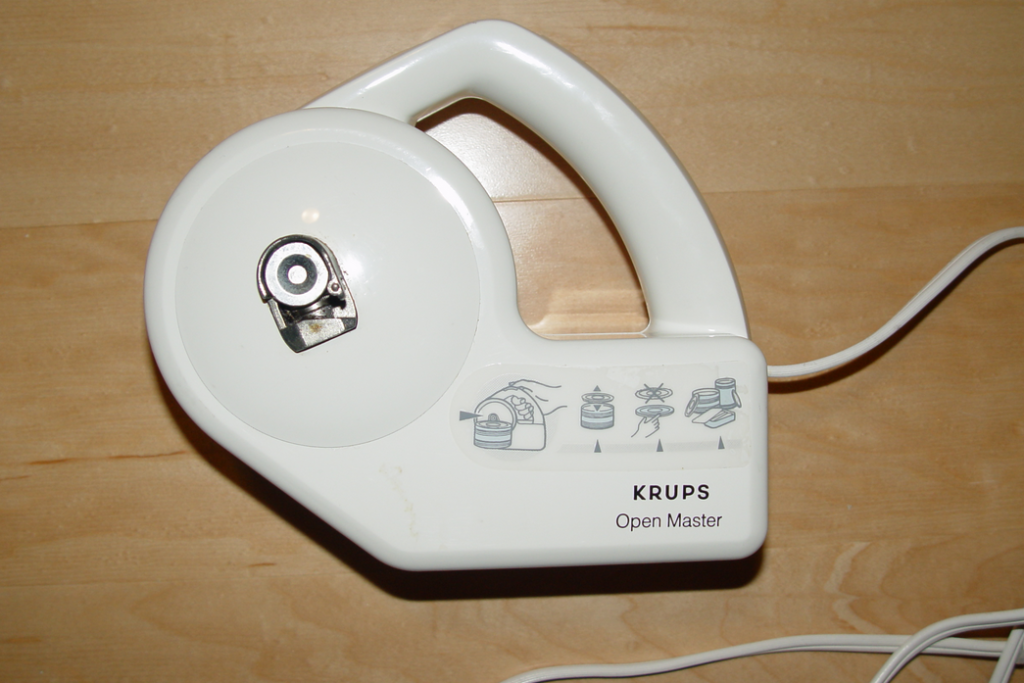
Mounted under a cabinet or sitting on the counter, the electric can opener felt futuristic. With the press of a lever, it hummed and sliced cleanly around a lid. It spared wrists from manual twisting. The small magnet caught the metal top. It was oddly satisfying to watch. Many families relied on canned vegetables and soups, making it essential.
Cleaning it was sometimes overlooked. The cutting wheel could be removed but was not always scrubbed thoroughly. Still, it rarely left its designated spot. It represented convenience in a decade focused on modern appliances. No one debated whether to own one if counter space allowed. It simply made sense.
11. The Ashtray on the Coffee Table
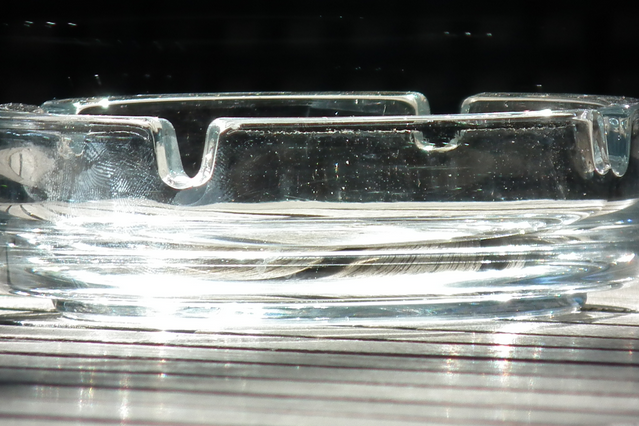
Ashtrays were standard décor, even in homes without heavy smokers. Glass or ceramic dishes sat within easy reach on coffee tables. Guests were offered a place to tap ashes without ceremony. Smoke drifting through a room was common and largely unremarked upon. The ashtray matched the room’s style. It was considered hospitable to provide one.
Children grew up accustomed to seeing them. Some were souvenir pieces from vacations. Over time, as attitudes shifted, many were removed or repurposed. In the ’70s, though, they were ubiquitous. Their presence was rarely questioned. They were part of everyday social life.
12. The Sewing Kit Tin

Nearly every household had a small tin filled with thread and needles. Often it was a repurposed cookie tin that once held shortbread. Inside, spools of thread rolled around with loose buttons. A thimble and measuring tape might be tucked into a corner. Minor clothing repairs were handled at home. Mending was practical and expected.
The kit was usually stored in a drawer and brought out when needed. Parents patched knees and replaced missing buttons without fanfare. It saved money and extended the life of garments. Children learned basic stitching by watching. The tin itself became a small treasure chest of odds and ends. No one questioned keeping one close by.