
1. Love Story (1970)
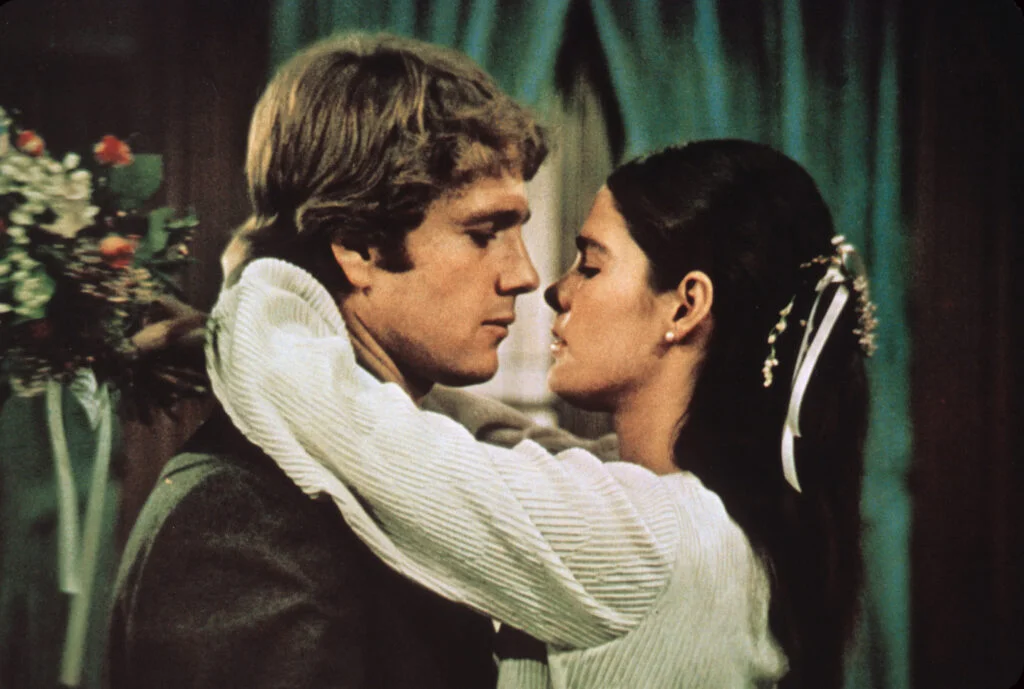
If you grew up anywhere near a TV or a school hallway in the ’70s, you probably heard someone dramatically repeat, “Love means never having to say you’re sorry.” The line was everywhere, quoted seriously, sarcastically, and sometimes without anyone even knowing where it came from. The film itself became shorthand for tragic romance, especially for people who wanted to sound emotionally profound. Over time, the quote took on a life of its own, often divorced from the movie’s actual plot.
When people do revisit Love Story, many are surprised by how quietly it moves and how much of it is rooted in early ’70s sensibilities. The pacing is slower than memory suggests, and the emotional beats feel very earnest by today’s standards. What once felt sweeping can now feel restrained. Still, the line remains immortal, even if the movie itself rarely gets a full rewatch.
2. The Exorcist (1973)
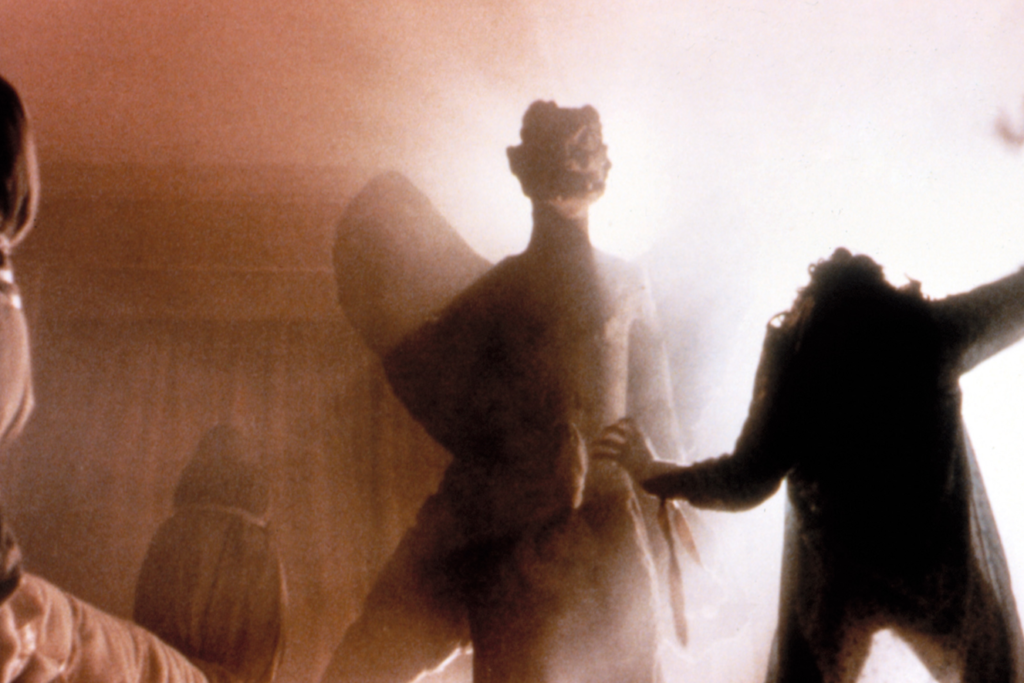
“You’re going to need a bigger crucifix” was never an actual line, but that didn’t stop people from quoting the film endlessly anyway. Nearly every shocking moment from The Exorcist became cultural shorthand for horror at its most extreme. For years, people referenced it without daring to sit through the full experience again. The movie’s reputation often overshadowed the reality of watching it start to finish.
When revisited, the film feels far more serious and methodical than its pop culture image suggests. Long stretches focus on faith, doubt, and medical confusion rather than nonstop shocks. Some viewers are surprised by how quiet it can be. The quotes remain familiar, but the full film demands more patience than casual memory allows.
3. Rocky (1976)
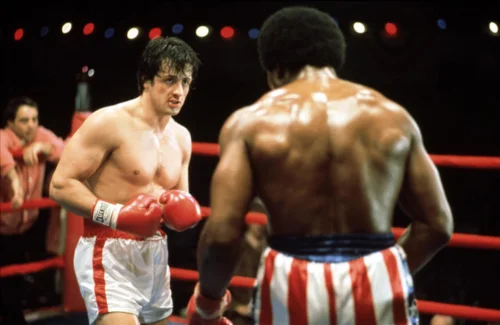
Almost everyone can quote “Yo, Adrian!” even if they have not watched Rocky in decades. The line became a cultural catchphrase, often used as a joke or a shorthand for underdog triumph. Training montages, stair runs, and inspirational references live on far more vividly than the full story. Many people feel like they know the movie without needing to revisit it.
Watching it again reveals a much smaller, more intimate film than its legend suggests. The story focuses heavily on insecurity, routine, and quiet determination rather than nonstop motivation. It feels more like a character study than a sports spectacle. The quotes endure, but the film itself often surprises modern viewers with its softness.
4. Network (1976)
“I’m mad as hell, and I’m not going to take this anymore!” remains one of the most quoted lines of the decade. The phrase pops up whenever people talk about media outrage or public frustration. Many quote it confidently without remembering exactly how the film unfolds. The moment became bigger than the movie surrounding it.
A rewatch shows that Network is far more talky and satirical than people expect. The script is dense, sharp, and sometimes uncomfortable in its accuracy. It demands attention rather than passive viewing. While the quote still resonates, the film itself feels heavier than casual nostalgia suggests.
5. Jaws (1975)
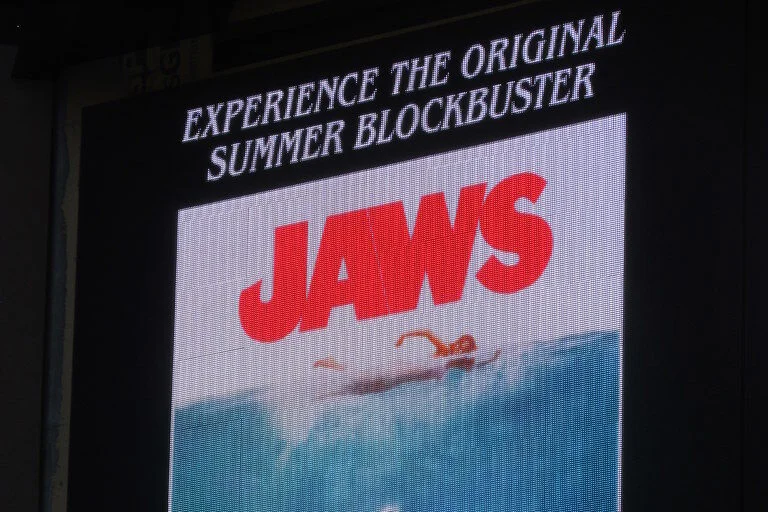
“You’re gonna need a bigger boat” is quoted so often that it barely feels tied to Jaws anymore. The line shows up in everyday conversation, memes, and casual exaggerations. Many people feel like they have absorbed the entire movie through references alone. As a result, full rewatches are surprisingly rare.
When revisited, Jaws proves to be more suspenseful and character driven than its reputation as a monster movie implies. The shark appears less often than memory suggests. The tension builds slowly, relying on mood and dialogue. The quote remains famous, but the craftsmanship often catches modern viewers off guard.
6. Taxi Driver (1976)
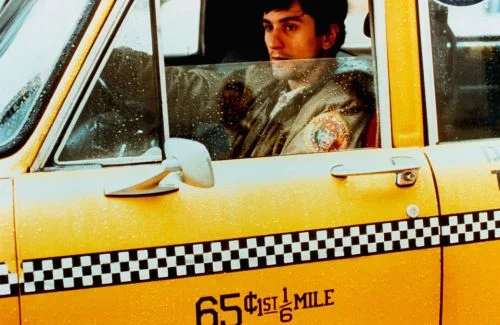
“You talkin’ to me?” became an instant shorthand for confrontation and swagger. The line has been parodied, repeated, and recontextualized so often that it almost feels playful now. Many people quote it without recalling how unsettling the scene actually is. The film’s darker themes tend to fade behind the famous line.
Rewatching Taxi Driver can be jarring. The film is bleak, uncomfortable, and intentionally alienating. Its tone feels far removed from the casual way the quote is often used. The line lives on, but the movie itself requires a very specific mindset to revisit.
7. The Godfather (1972)
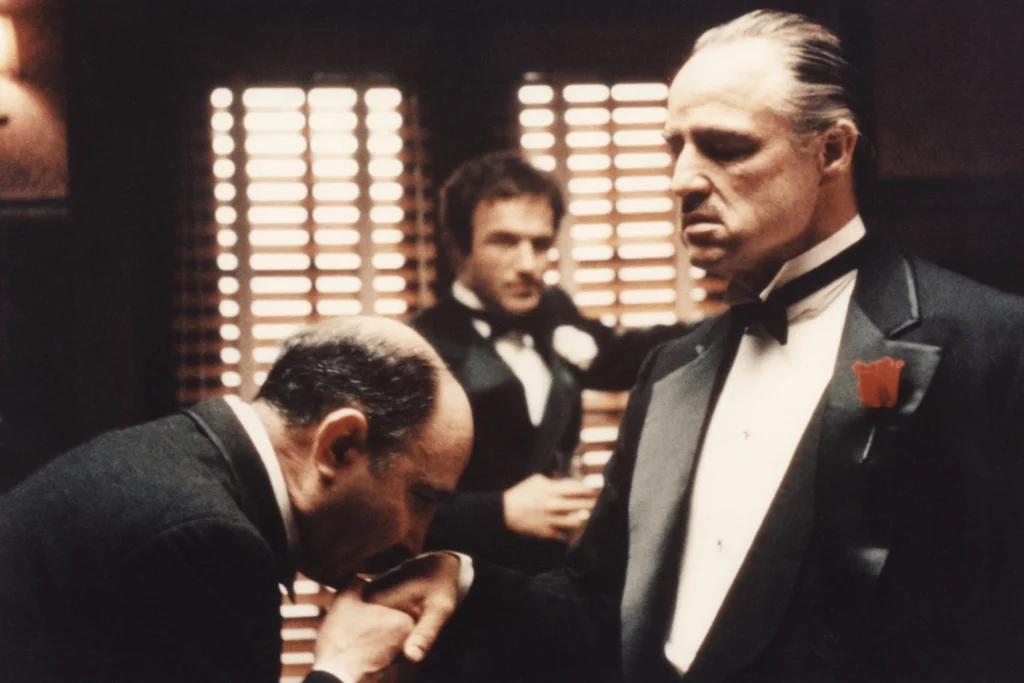
“I’m gonna make him an offer he can’t refuse” is one of the most recognizable lines in film history. It is quoted endlessly in both serious and joking contexts. Many people feel deeply familiar with the movie without having watched it recently. Its cultural presence can replace the experience of rewatching it.
Returning to The Godfather reminds viewers how deliberate and unhurried it is. The film takes its time establishing relationships and power dynamics. It rewards attention but does not rush to entertain. The quotes remain iconic, even if the full runtime intimidates casual revisits.
8. Saturday Night Fever (1977)
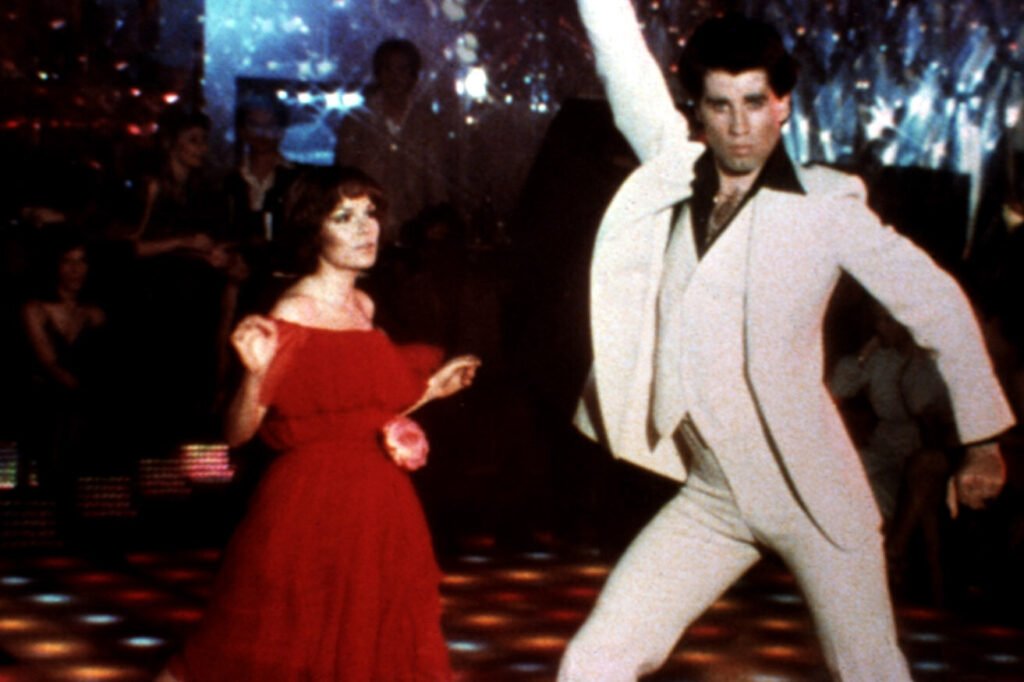
Lines from Saturday Night Fever became part of everyday language, especially anything tied to confidence or cool. The film’s soundtrack often overshadows its actual dialogue. Many people associate it more with disco imagery than with specific scenes. As a result, the movie itself is often remembered in fragments.
A rewatch reveals a much grittier and more serious story than its reputation suggests. The tone is darker, and the characters are more troubled than nostalgia implies. It feels less like a dance movie and more like a snapshot of social frustration. The quotes remain catchy, but the full film surprises many viewers.
9. One Flew Over the Cuckoo’s Nest (1975)
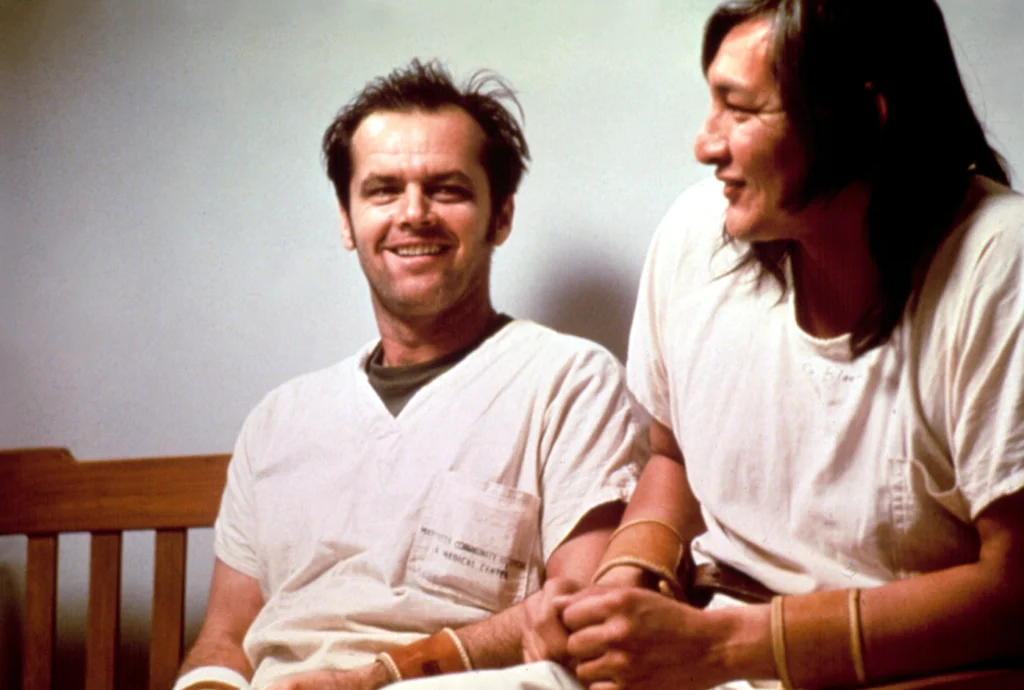
Lines from this film are often quoted to represent rebellion or institutional frustration. Many people reference its spirit without revisiting the story itself. The movie became symbolic rather than frequently watched. Its emotional weight can discourage casual rewatches.
When revisited, the film feels deeply controlled and restrained rather than overtly dramatic. Performances carry the story more than big moments. The pacing is measured, allowing tension to simmer rather than explode. The quotes endure, but the film demands emotional investment.
10. Dirty Harry (1971)

“Do you feel lucky?” became an instantly recognizable phrase, even for people who never saw the movie. The line entered pop culture as shorthand for tough talk. Over time, the quote overshadowed the story that surrounded it. Many remember the phrase more clearly than the plot.
Rewatching Dirty Harry reveals a film rooted firmly in its era. Its themes and tone feel very specific to early ’70s anxieties. The pacing is slower and more procedural than memory suggests. The quote remains famous, while the movie itself is less frequently revisited.
11. A Clockwork Orange (1971)
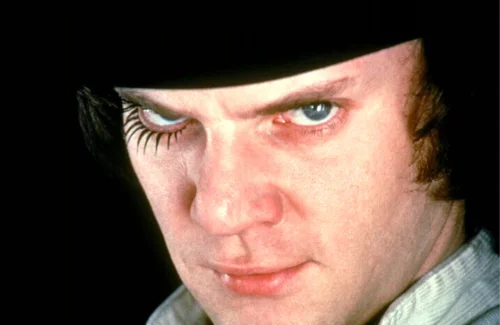
Quotes from A Clockwork Orange often circulate without context, stripped of their disturbing origins. The film’s language became instantly recognizable and endlessly referenced. Many people feel familiar with it without wanting to sit through it again. Its reputation can be enough on its own.
A rewatch is challenging by design. The film is confrontational, stylized, and intentionally uncomfortable. It asks viewers to sit with moral ambiguity rather than offering relief. The quotes linger, but the full experience is not something everyone wants to repeat.
12. Grease (1978)
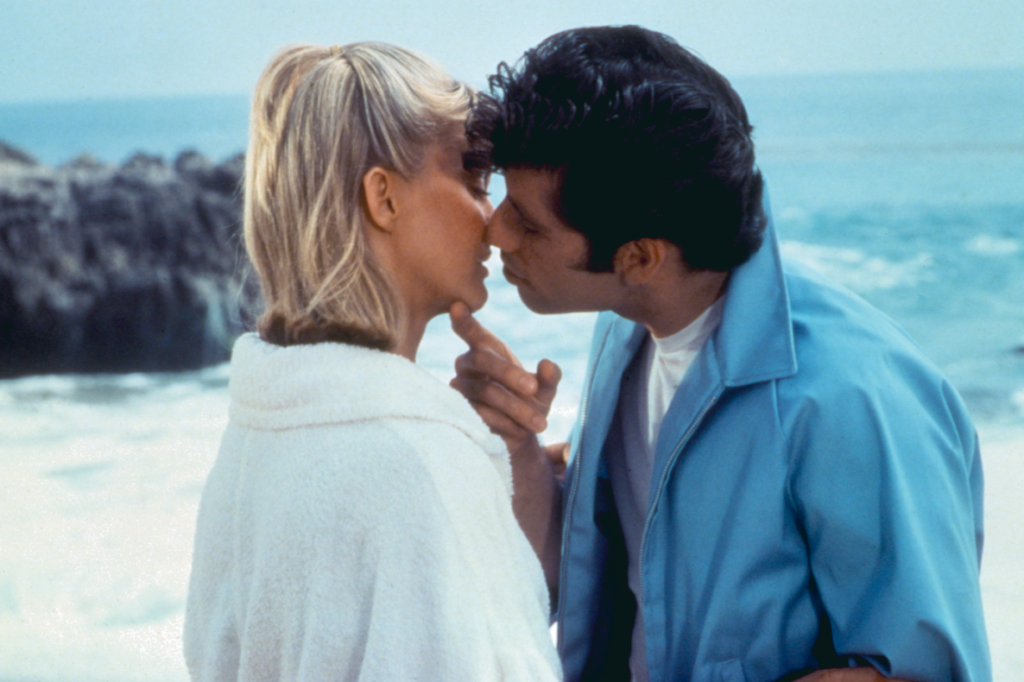
Almost every line from Grease feels quote ready, from casual banter to musical moments. The movie became a constant reference point for generations who grew up singing along. Many people quote it instinctively, even if they have not watched it in years. Familiarity can replace the urge to revisit it.
Watching it again highlights how much of it is tied to its time. Some jokes and attitudes feel dated, while others remain charming. The film still moves quickly, but nostalgia often smooths over its rougher edges. The quotes stay alive, even when full rewatches fade into memory.