
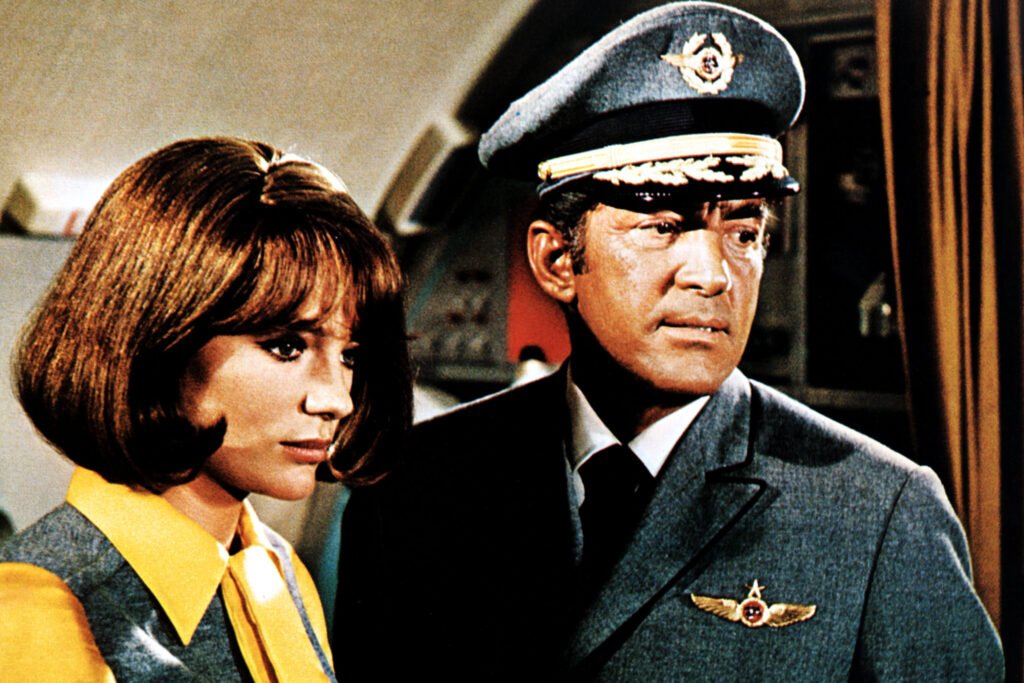
1. Airport (1970)
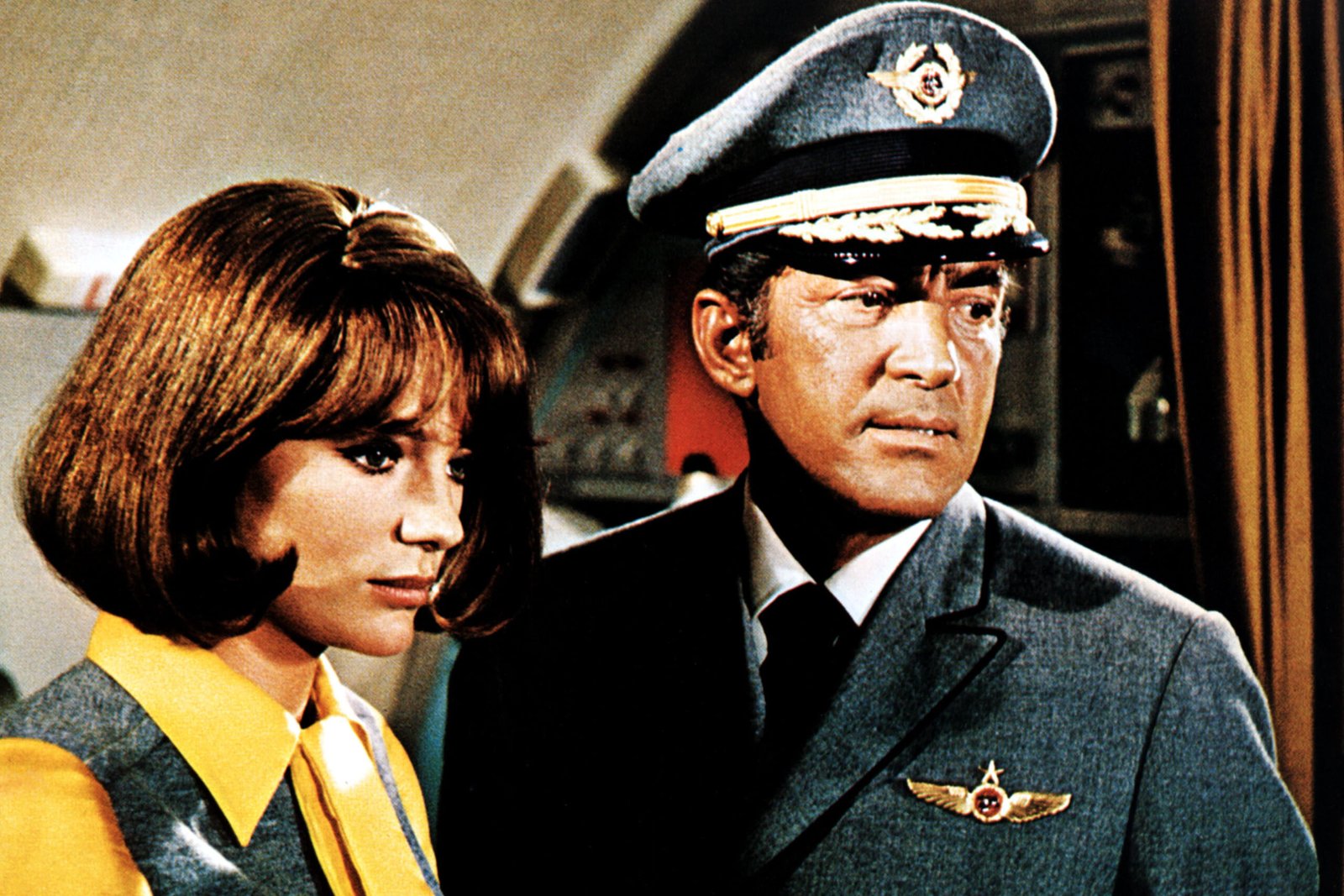
When Airport landed in theaters, it felt like a full-scale cinematic event, packed with star power, disaster tension, and glossy production values. Audiences were drawn to the ensemble cast, including Burt Lancaster and Dean Martin, and the idea that anything could go wrong at 30,000 feet felt genuinely thrilling at the time. It became a massive box-office hit and even earned multiple Academy Award nominations, which helped cement its prestige. For many moviegoers, it was the kind of film you dressed up a little to see, the definition of a night at the movies.
Revisiting it now, the pacing feels slow and the melodrama can come across as stiff and overly earnest. The dialogue often sounds formal in a way that modern audiences rarely connect with emotionally. What once felt suspenseful now plays more like a polished time capsule of early ’70s studio filmmaking. It is still historically interesting, but the sense of danger and spectacle does not quite land the way it once did.
2. Love Story (1970)
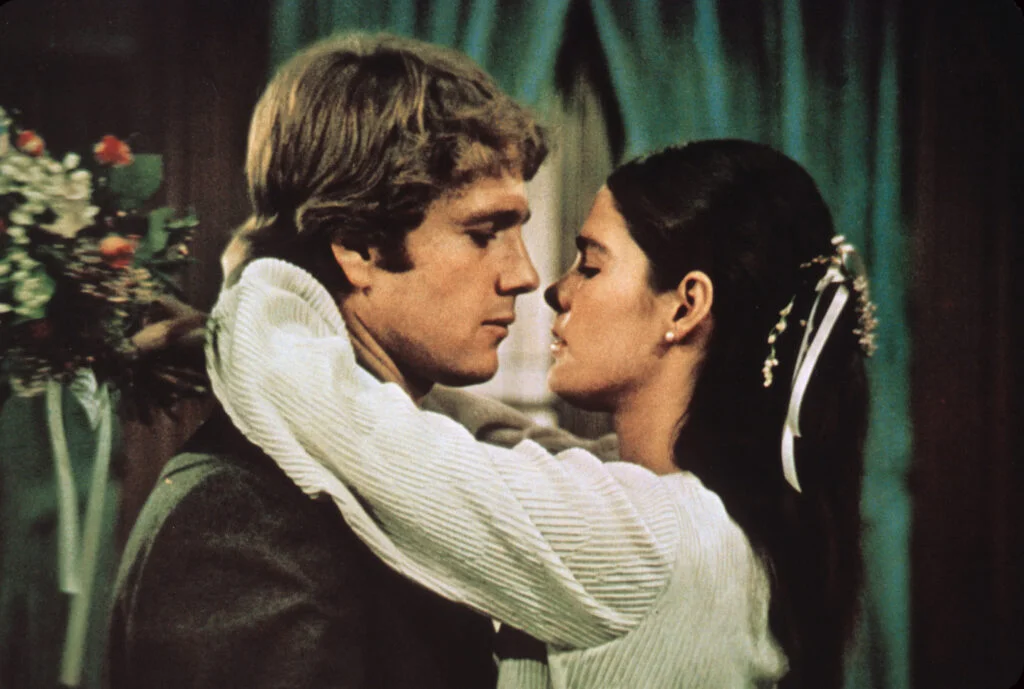
Love Story was a cultural phenomenon, the kind of romance that people openly cried over and quoted endlessly. “Love means never having to say you’re sorry” became part of everyday conversation, and Ali MacGraw and Ryan O’Neal were suddenly everywhere. The film’s simple, tragic arc tapped into a deep emotional nerve with audiences who wanted a sweeping love story without irony. At the time, it felt timeless, heartfelt, and almost universally relatable.
Watching it decades later, the emotional beats can feel rushed and a bit overly sentimental. Some of the character development is thin by modern standards, which makes the romance feel less earned than it once did. The famous line now tends to prompt gentle chuckles rather than tears. It still has nostalgic charm, but the emotional impact has softened with distance.
3. The Poseidon Adventure (1972)
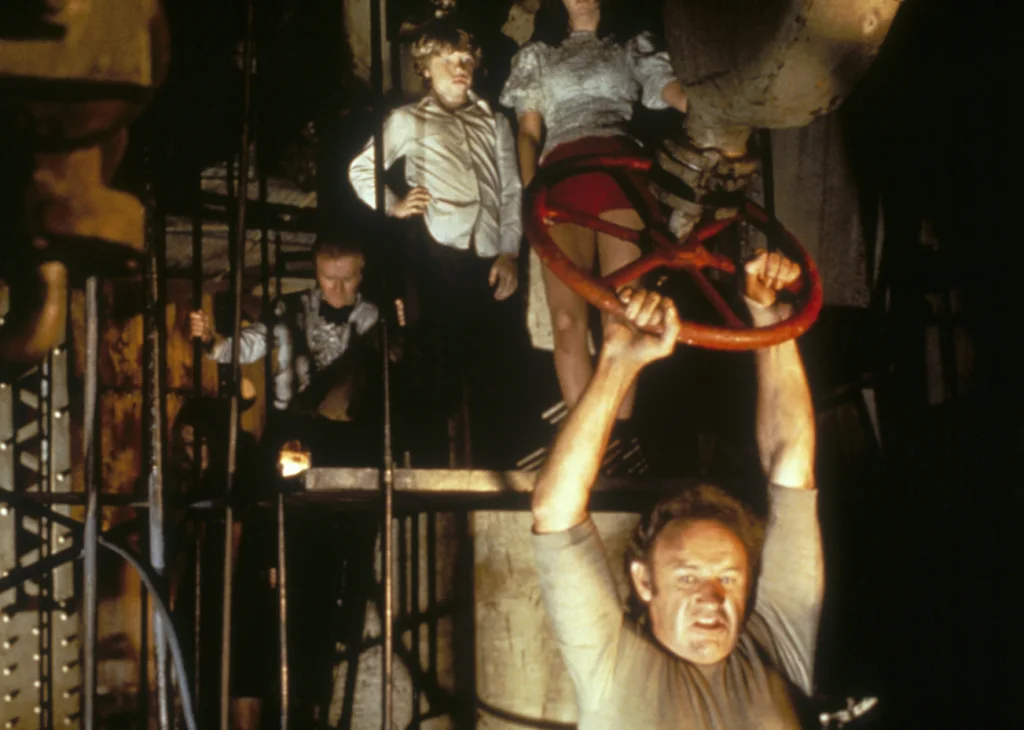
Disaster movies were booming in the early ’70s, and The Poseidon Adventure was one of the genre’s crown jewels. The idea of a luxury ship flipping upside down in the middle of the ocean felt massive and terrifying on the big screen. Audiences loved the survival stakes, the heroic performances, and the sense that no character was truly safe. It played like a roller coaster ride long before that phrase became common movie shorthand.
Today, the special effects and set pieces look clearly dated, even charmingly so at times. The tension does not hit quite as hard when viewers can see the mechanical limitations behind the scenes. Some of the performances lean into a theatrical style that feels less natural now. It remains fun, but the once-jaw-dropping spectacle feels much smaller.
4. The Towering Inferno (1974)
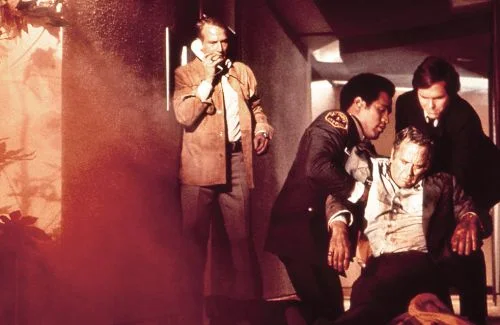
When The Towering Inferno arrived, it felt like the ultimate big-screen event, with two major stars, Paul Newman and Steve McQueen, sharing top billing. The burning skyscraper concept tapped directly into fears about modern architecture and urban risk. Crowds packed theaters to experience the fire effects and large-scale chaos on enormous screens. It was a film people talked about for weeks after seeing it.
On rewatch, the movie’s length and soap-opera style subplots can feel heavy. The practical fire effects, impressive for their time, no longer carry the same sense of danger. Some character arcs feel exaggerated or overly convenient. The spectacle still works in spots, but the overall impact has shrunk with modern viewing habits.
5. Saturday Night Fever (1977)
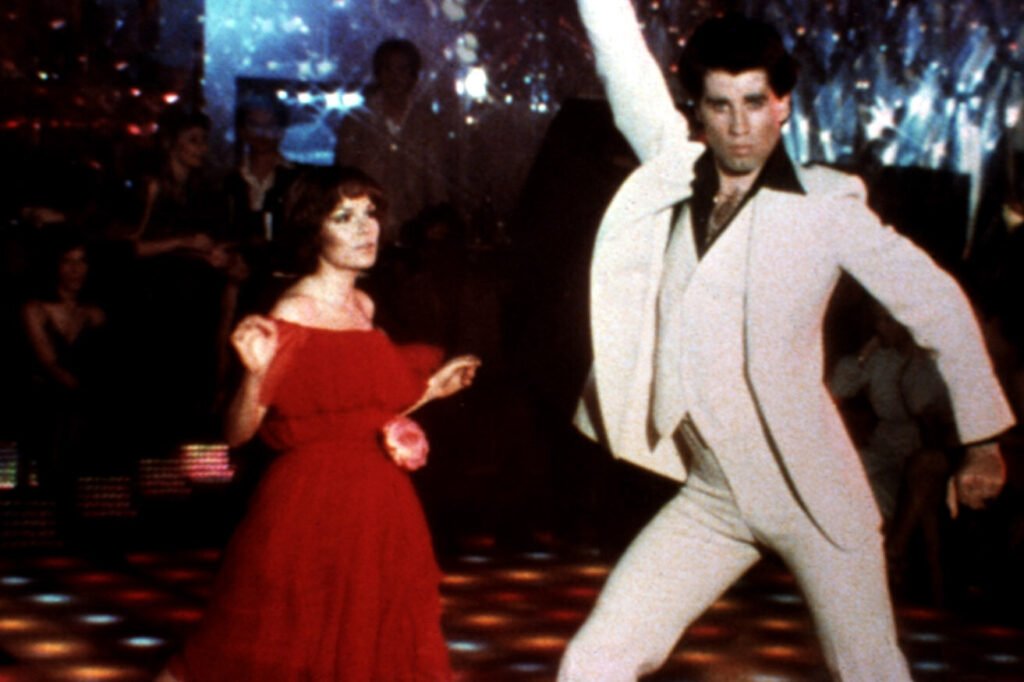
At its release, Saturday Night Fever felt like a cultural earthquake, shaping fashion, dance floors, and radio playlists almost overnight. John Travolta became an instant icon, and disco suddenly ruled pop culture. The film seemed edgy, glamorous, and plugged directly into youth energy of the era. For many viewers, it felt like the pulse of a generation captured on screen.
Seen today, parts of the film feel darker and rougher than people often remember. The tone shifts can feel jarring, especially for viewers expecting a light dance movie. Some attitudes and behaviors now feel uncomfortable rather than rebellious. The soundtrack remains powerful, but the film itself no longer feels universally fun or timeless.
6. Superman (1978)
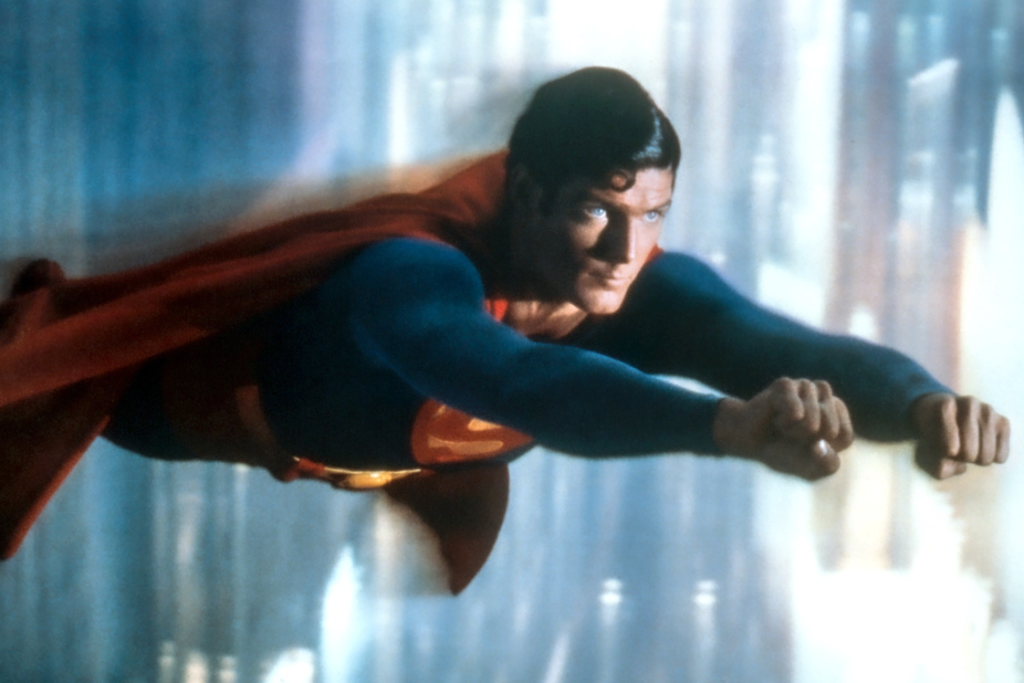
When Superman debuted, audiences genuinely believed a man could fly, or at least it felt that way in the theater. The special effects were groundbreaking for the era, and Christopher Reeve’s performance defined the character for generations. It felt monumental, hopeful, and technologically impressive, especially compared to earlier comic adaptations. Families treated it like a must-see event rather than just another movie.
Modern superhero films have changed expectations dramatically, making the effects and pacing feel quaint by comparison. Some action scenes move slowly, and the visual tricks are easy to spot now. The tone leans more earnest and theatrical than contemporary audiences often prefer. It remains charming and influential, but it no longer feels massive in scale.
7. Smokey and the Bandit (1977)
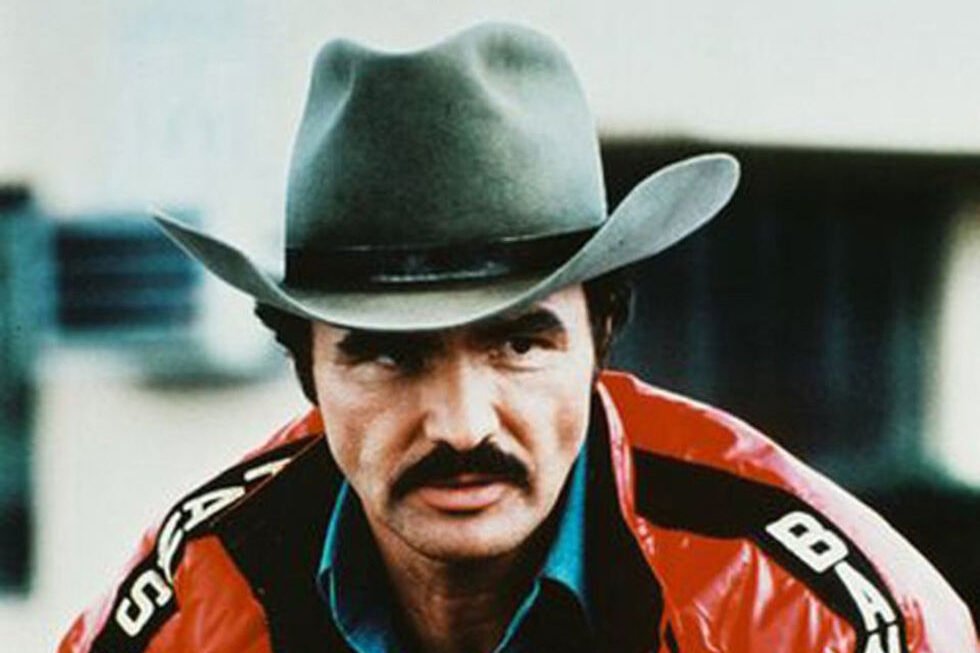
Smokey and the Bandit was pure crowd-pleasing fun when it hit theaters, combining car chases, humor, and Burt Reynolds at the height of his popularity. It tapped into a carefree, rebellious spirit that resonated strongly with audiences. People quoted lines, admired the cars, and embraced its loose, playful energy. It felt like a summer movie that everyone seemed to be talking about.
Revisiting it now, the story feels thin and the pacing uneven. Much of the humor relies on charm rather than sharp writing, which does not always translate across decades. Some jokes feel dated, and the stakes are fairly low by modern standards. It is still enjoyable as nostalgia, but it no longer feels like a cultural juggernaut.
8. The Sting (1973)
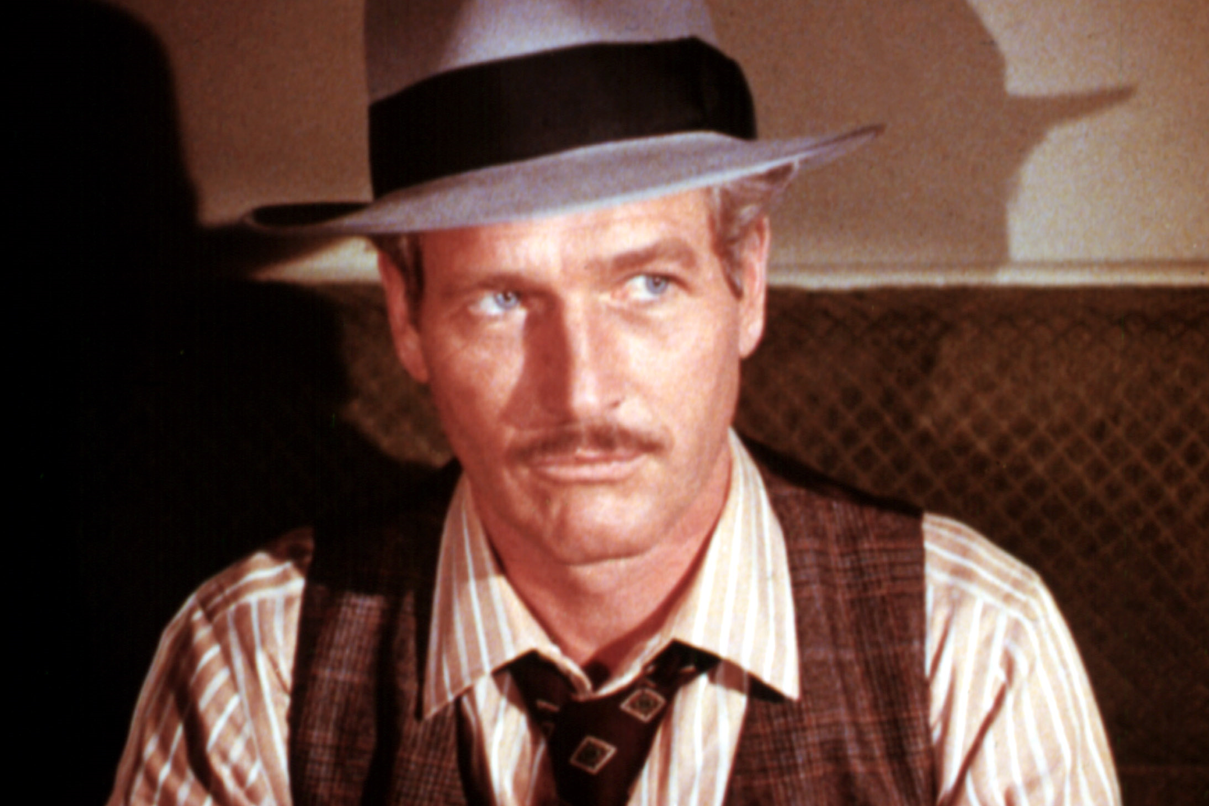
With its clever twists and charismatic leads, The Sting felt like a sophisticated crowd favorite in the early ’70s. Paul Newman and Robert Redford brought effortless charm, and audiences loved trying to keep up with the con game. Winning the Academy Award for Best Picture only reinforced its reputation as something special. It felt polished, smart, and endlessly rewatchable.
Today, some viewers find the pacing leisurely and the plot more predictable than it once seemed. The long setup sequences can test modern attention spans. While the performances remain strong, the sense of surprise has faded after decades of similar heist stories. It still holds up well, but it does not feel quite as dazzling as it once did.
9. Kramer vs. Kramer (1979)
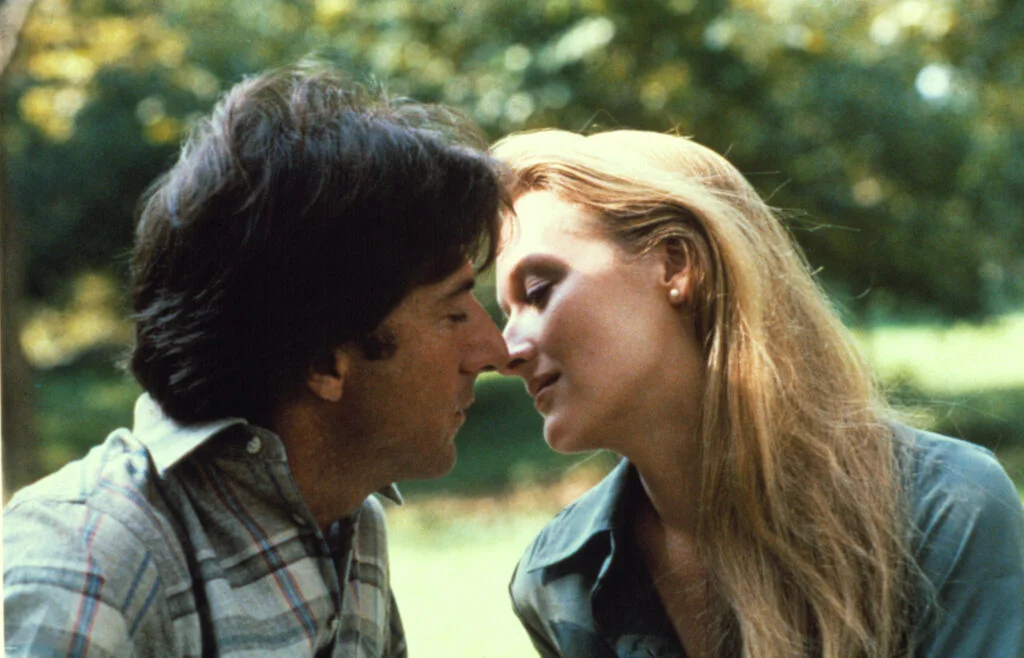
Kramer vs. Kramer arrived as a serious, emotionally heavy drama that sparked conversations about divorce, custody, and changing family roles. Dustin Hoffman and Meryl Streep delivered performances that felt raw and urgent to contemporary audiences. It won multiple Academy Awards and carried a sense of importance beyond simple entertainment. For many viewers, it felt like a film that mattered socially and culturally.
Over time, the filmmaking style feels more restrained and stage-like than modern dramas. Some emotional beats now seem understated compared to today’s more explicit storytelling. The social issues remain relevant, but the presentation can feel muted. It remains well acted, yet its once overwhelming impact has softened.
10. Grease (1978)
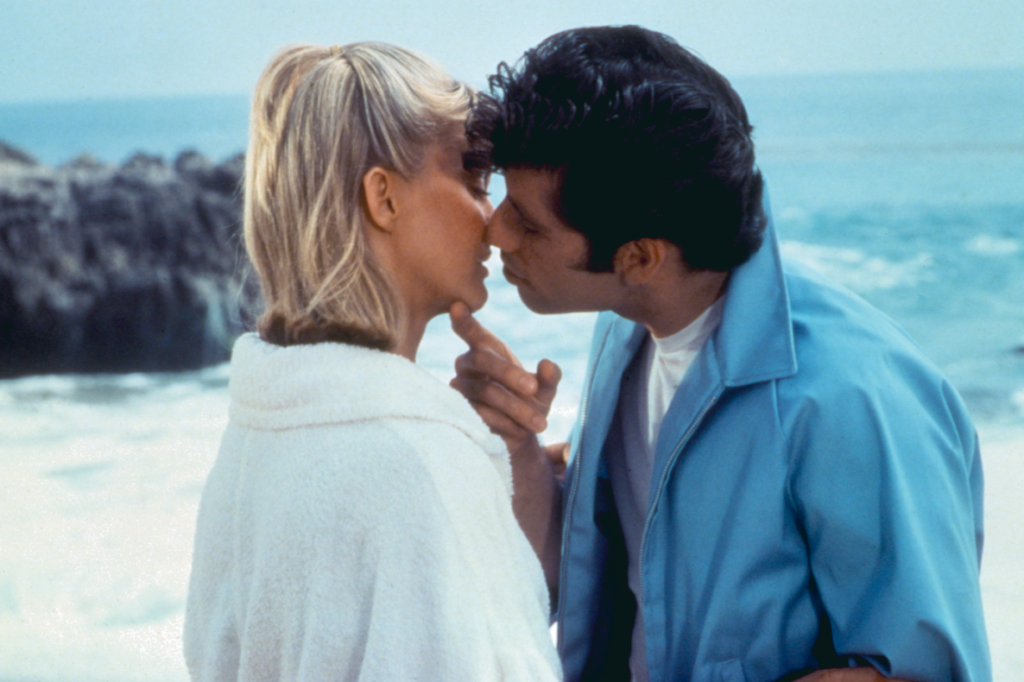
When Grease hit theaters, it was an explosion of color, catchy songs, and nostalgic fantasy. Audiences flocked to see it repeatedly, and the soundtrack dominated radio and record stores. It felt playful, romantic, and endlessly quotable, making it a defining movie for the era. The cast became instant pop-culture fixtures.
Today, some of the themes and character dynamics feel dated or awkward. The tone swings between sweet and surprisingly edgy in ways that can catch modern viewers off guard. While the music remains beloved, the story itself does not always age as gracefully. It is still fun, but its larger-than-life glow has dimmed slightly.
11. Logan’s Run (1976)
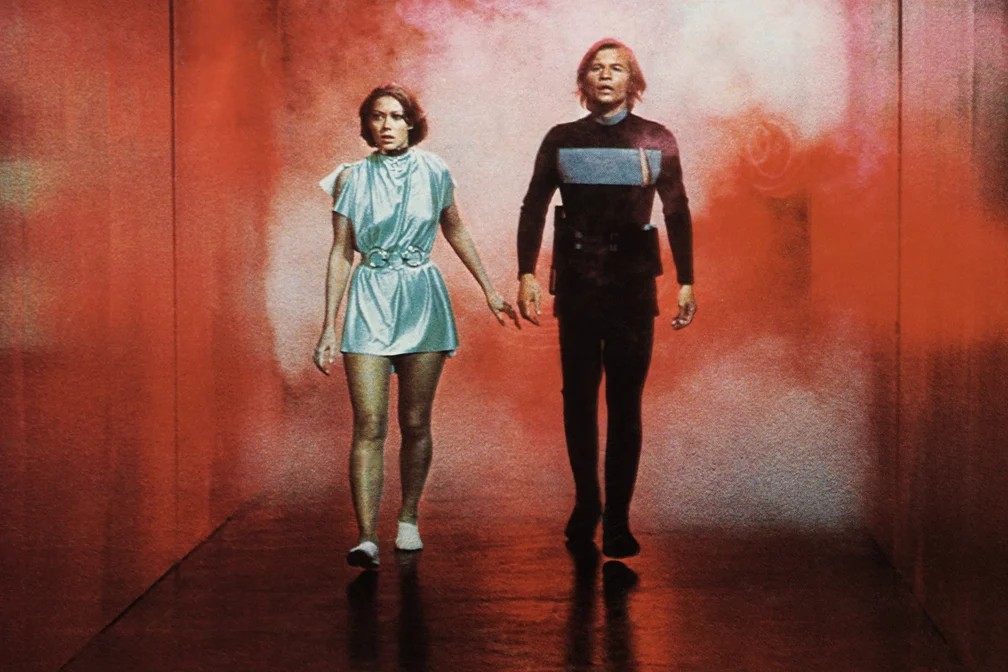
At the time of its release, Logan’s Run felt like bold, imaginative science fiction with eye-catching visuals and big ideas. The futuristic cityscapes and special effects made it feel ambitious and forward-looking. Audiences were intrigued by its themes of youth, control, and rebellion. It stood out as a visually exciting genre film.
Viewed now, the effects look clearly dated, sometimes bordering on campy. The world-building feels thin compared to modern science fiction standards. Some performances and costumes feel locked firmly in the mid-’70s aesthetic. It remains interesting conceptually, but the spectacle feels much smaller today.
12. Heaven Can Wait (1978)
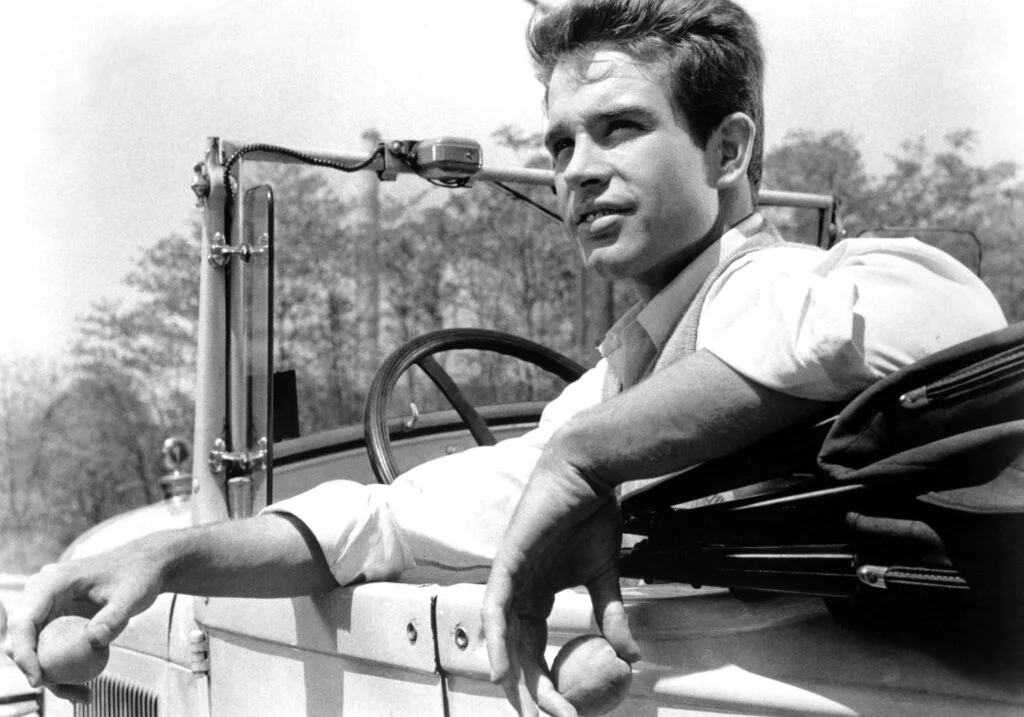
Heaven Can Wait charmed audiences with its blend of romance, comedy, and fantasy, anchored by Warren Beatty’s star power. It felt warm, witty, and emotionally satisfying, the kind of movie that appealed across age groups. The premise of reincarnation and second chances gave it a comforting, crowd-friendly tone. It was widely praised and performed strongly at the box office.
Rewatching it now, the humor feels gentle rather than laugh-out-loud funny. The pacing is slower than what many viewers expect today, and some story beats feel predictable. Its charm still works, but the sense of novelty has faded. What once felt magical now feels more modest and nostalgic.