1. Jaws

There was something about Jaws that made it feel like a scheduled event rather than just a movie. Once it started airing regularly, families would drop whatever they were doing and settle in, even if they had already seen it more times than they could count. The opening notes alone signaled that the weekend had officially begun. Everyone knew which parts were coming, yet no one ever suggested changing the channel.
Watching it became a shared ritual, complete with shouted warnings and half-serious debates about swimming in the ocean. Parents remembered seeing it in theaters, kids absorbed the fear secondhand, and everyone bonded over the same tense moments. It did not matter that commercials broke the tension. That pause was part of the experience. By the time it ended, the night felt properly used.
2. The Wizard of Oz
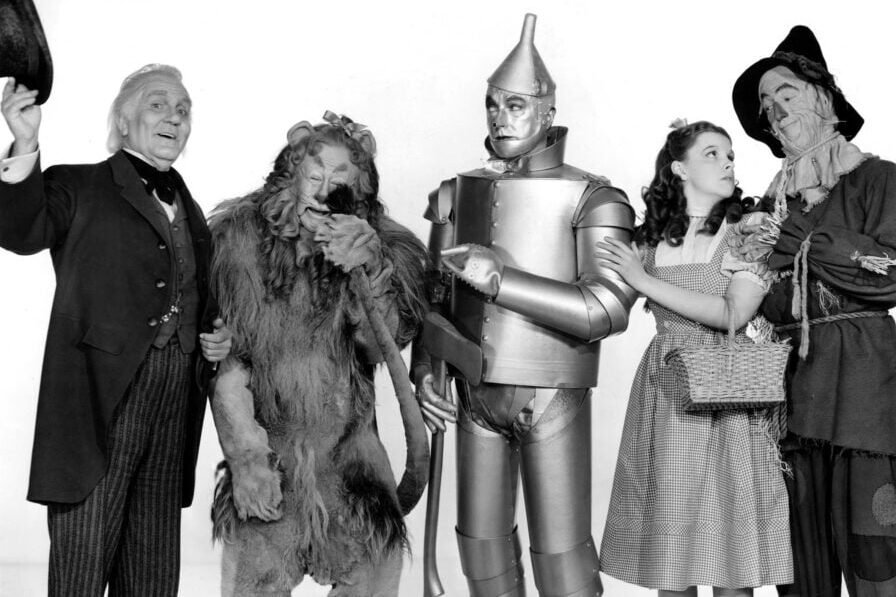
By the ’70s, The Wizard of Oz had long since stopped being just a movie and became something closer to a family appointment. Its TV airings often dictated weekend plans, especially when only one television ruled the house. Even people who claimed they were tired of it still drifted back to the couch. The familiarity was the point.
Each viewing felt slightly different depending on who was watching with you. Younger kids focused on the flying monkeys, while adults lingered on the music and color shift. It was comforting, predictable, and oddly grounding. You could miss ten minutes and still know exactly where you were. That made it perfect for lazy weekends when no one wanted anything demanding.
3. Rocky
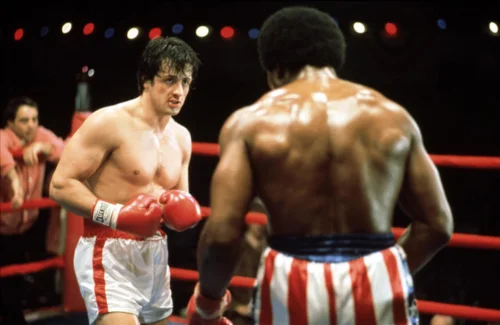
Rocky had a way of sneaking into weekend lineups and staying there. It was inspiring without being flashy, and that made it easy to rewatch. People rooted for Rocky Balboa as if he were a local hero rather than a fictional character. The training scenes felt especially right on a quiet Saturday afternoon.
Families quoted lines without realizing it, and kids tried jogging up imaginary steps afterward. It was not just about boxing. It was about persistence, routine, and showing up. Those themes landed differently when watched repeatedly at home. Over time, it became less of a movie and more of a familiar motivational backdrop.
4. Grease
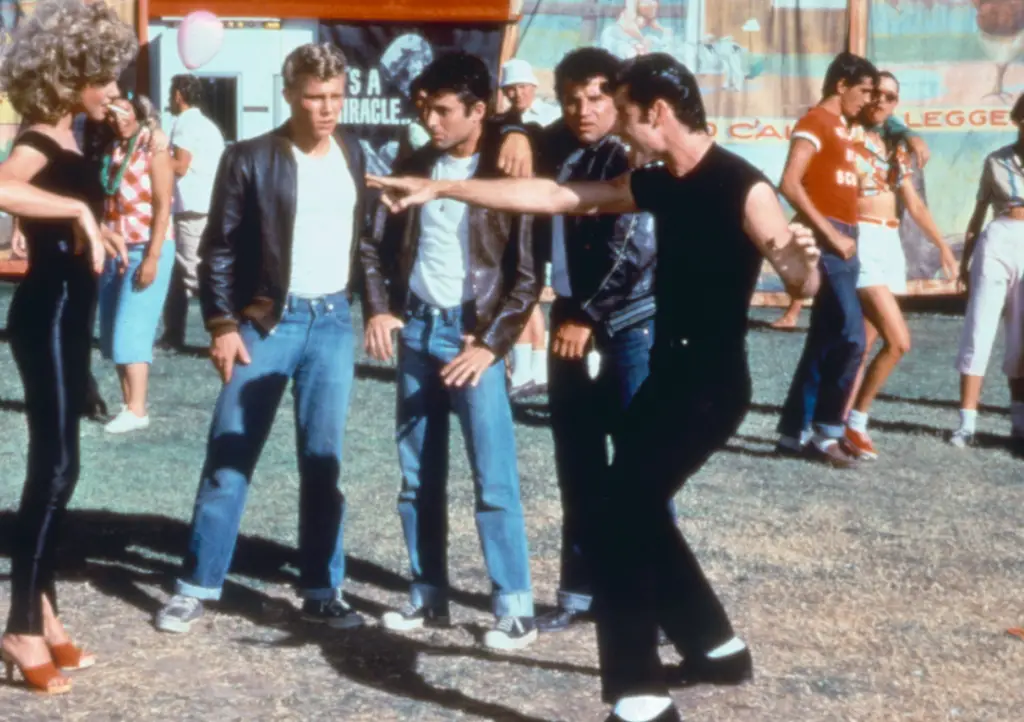
When Grease aired, it took over the entire house whether everyone admitted it or not. Even people pretending to ignore it ended up humming along from the kitchen. The songs were already embedded in pop culture by the late ’70s, which made watching it feel communal. It was loud, colorful, and unapologetically fun.
Weekend viewings often turned into informal sing-alongs. Kids focused on the dancing, teens watched the romance, and adults laughed at how stylized everything felt. The story barely mattered by that point. What mattered was the shared energy. It was the kind of movie that made the room feel fuller.
5. Saturday Night Fever
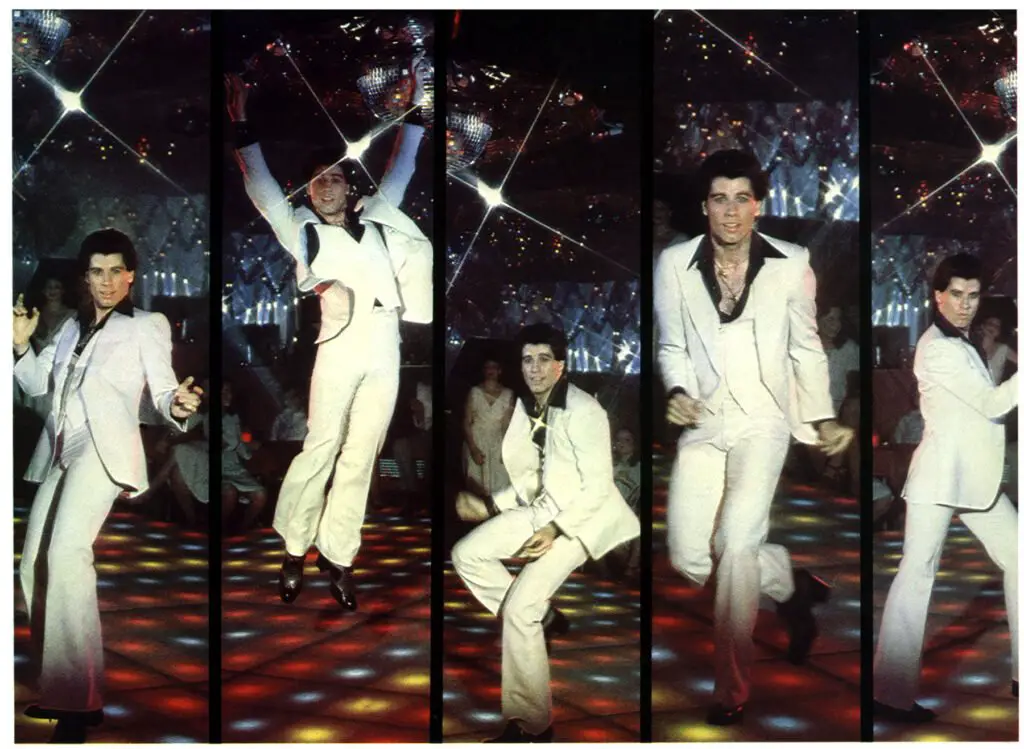
Saturday Night Fever carried a slightly rebellious edge that made weekend airings feel special. Parents sometimes pretended it was on for the music, while kids sensed they were watching something meant for older audiences. The disco scenes felt electric, even through a fuzzy TV broadcast. It captured a moment that already felt nostalgic by the time it hit regular rotation.
Watching it at home softened some of its grit but kept the atmosphere intact. People talked about the soundtrack almost as much as the story. It became shorthand for a certain mood and era. When it showed up on the schedule, it felt like an event worth staying in for.
6. The Sound of Music
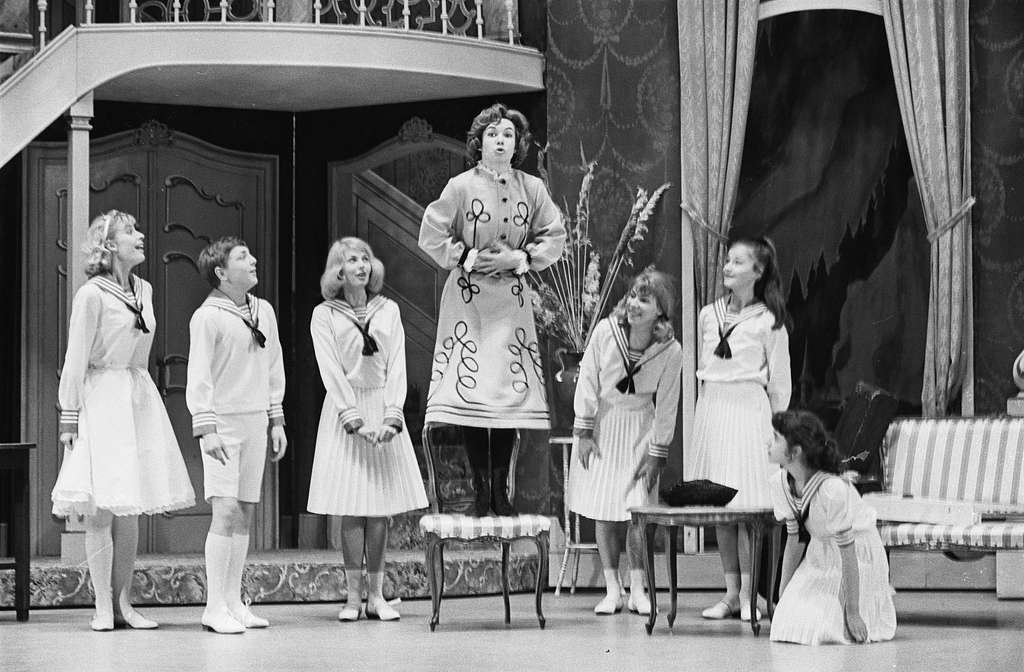
By the ’70s, The Sound of Music was firmly established as a weekend staple. Its long runtime made it feel like a commitment, which oddly added to its appeal. Families planned snacks, bathroom breaks, and chores around it. Missing the opening meant waiting another year.
The repetition created comfort rather than boredom. Everyone had a favorite song, even if they would not admit it. The scenery and music provided a calm counterbalance to a busy week. Watching it became less about surprise and more about tradition.
7. Smokey and the Bandit
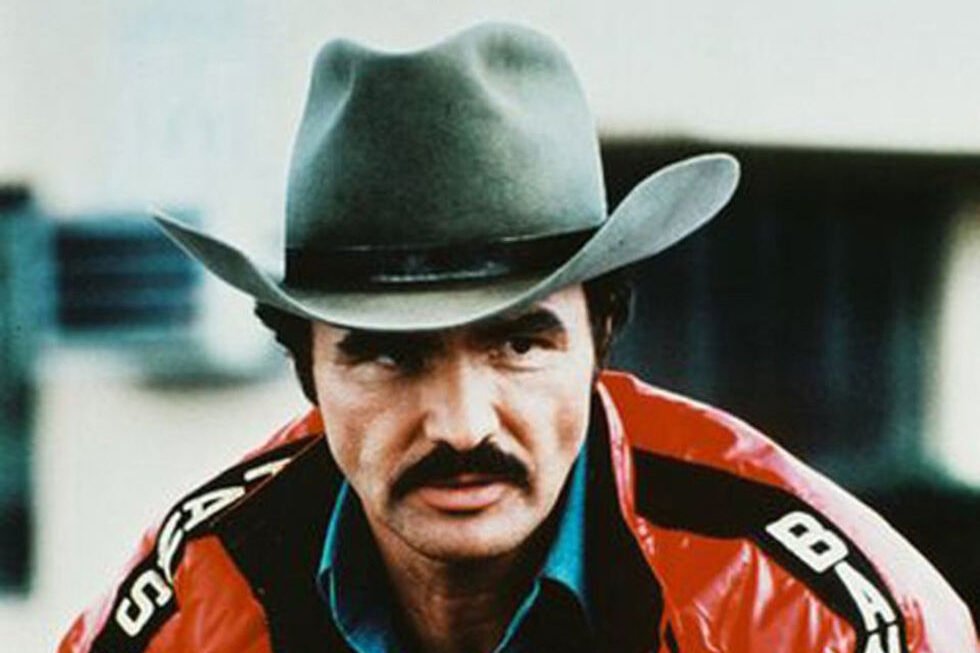
Smokey and the Bandit felt tailor-made for weekend television. It was funny, fast, and easy to jump into halfway through. Burt Reynolds’ charm carried the movie even when the plot took a backseat. That made it perfect for casual viewing.
Families laughed at the same jokes every time, and kids loved the car chases. It was not a movie that demanded focus. It rewarded familiarity instead. When it aired, it gave the weekend a lighter, looser tone.
8. Star Wars
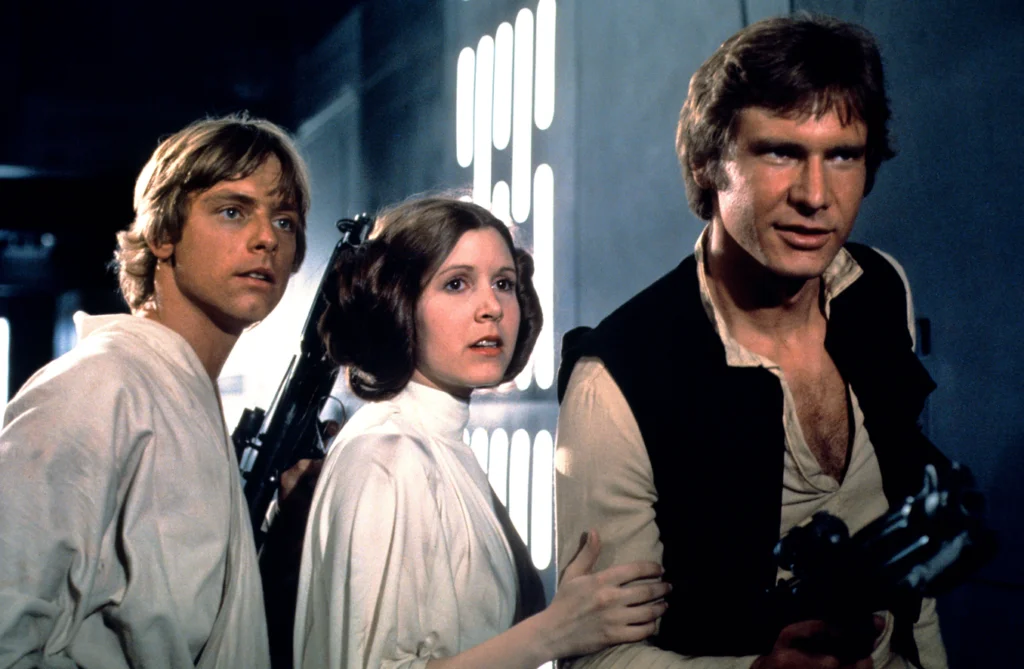
Once Star Wars entered regular TV rotation, it became a recurring household event. Its scale still felt enormous, even on a small screen. Kids sat close, adults settled in, and everyone knew this was not background noise. The story pulled attention in immediately.
Repeated viewings only deepened the ritual. People noticed new details or argued over favorite characters. Commercial breaks became time to speculate or retell scenes. Watching it together felt like revisiting a shared myth.
9. Close Encounters of the Third Kind
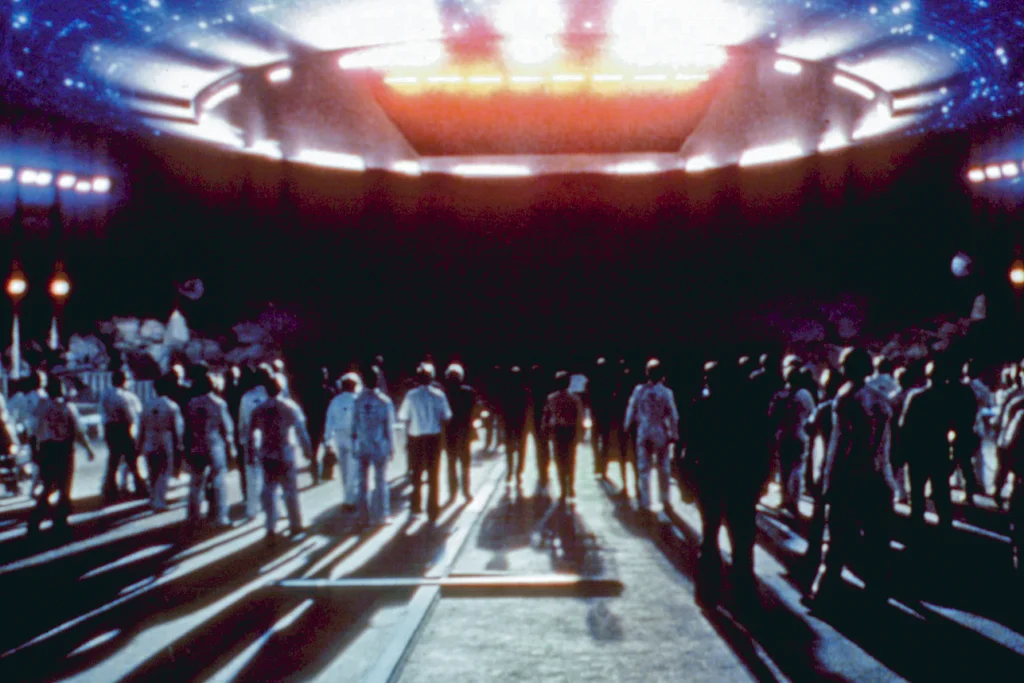
Close Encounters of the Third Kind had a slower, more contemplative energy that suited late weekend nights. Its mystery unfolded gradually, encouraging quiet attention. The film felt serious without being heavy. That balance made it memorable.
Families often debated what everything meant long after it ended. The music lingered, and the final scenes sparked imagination. It did not rely on shock. It relied on curiosity. That made repeat viewings feel worthwhile.
10. One Flew Over the Cuckoo’s Nest
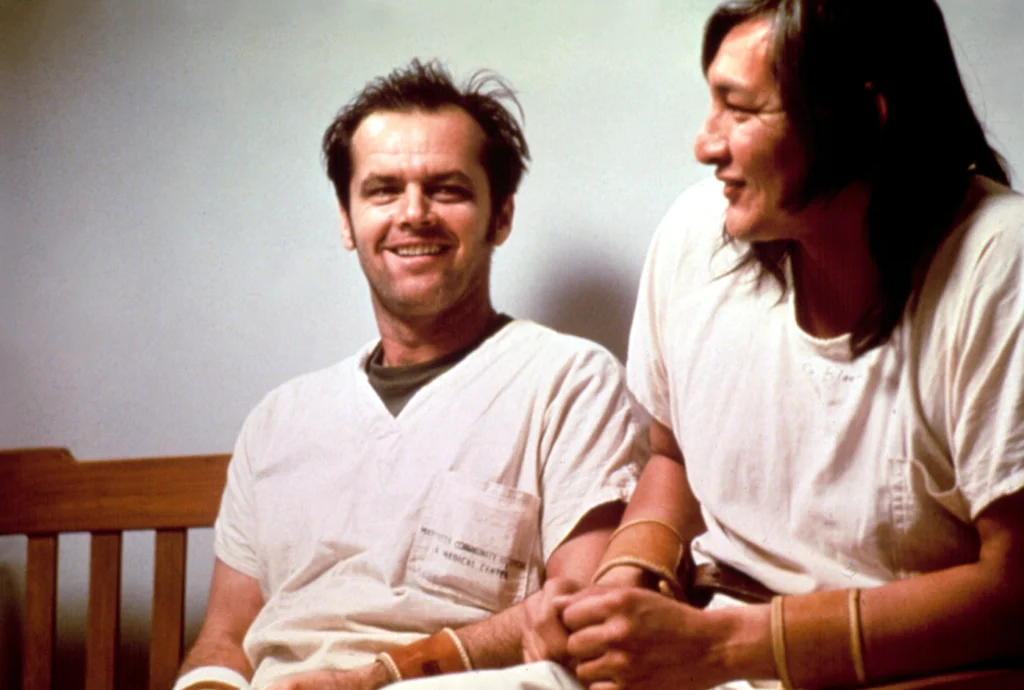
When One Flew Over the Cuckoo’s Nest aired, it shifted the mood of the room. Conversations quieted, and people paid closer attention. Jack Nicholson’s performance demanded it. This was not a casual watch, even on television.
Over time, though, it became a familiar part of weekend programming. Families discussed characters as if they were real people. The themes felt heavier with age. Watching it again revealed something new each time.
11. The Godfather
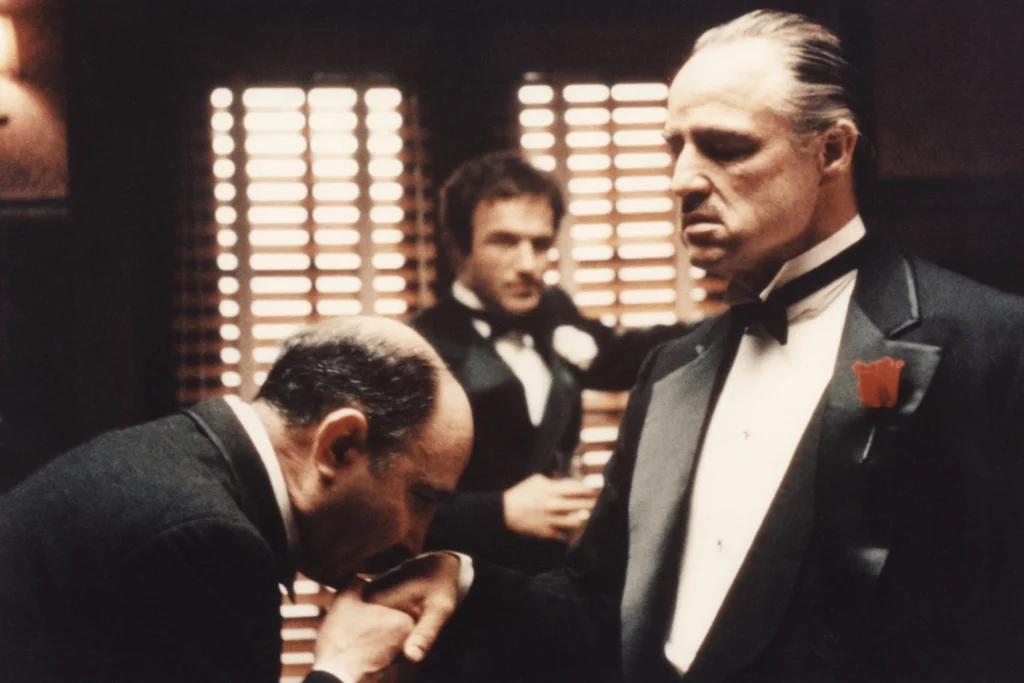
The Godfather felt monumental every time it appeared on the schedule. Its length turned it into an evening-long experience. People committed to it the way they committed to a holiday dinner. Even interruptions felt ceremonial.
Repeated airings transformed it into a shared reference point. Lines were quoted, scenes debated, and performances admired. Watching it together gave it extra weight. It felt important simply by being on.
12. Blazing Saddles
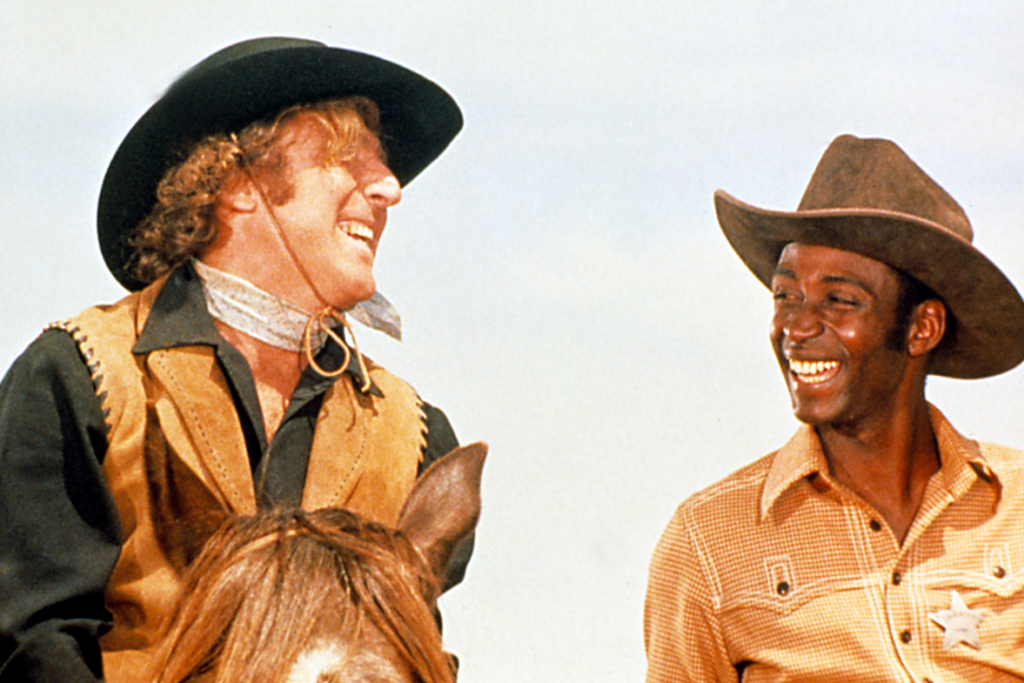
Blazing Saddles brought a different kind of tradition to weekends. Its humor felt daring, especially for network television. Viewers waited to see what jokes would survive the edit. That anticipation became part of the fun.
Families laughed at different moments depending on age and awareness. Some jokes landed later, others immediately. Watching it repeatedly revealed layers beneath the chaos. It was irreverent, familiar, and oddly comforting in its predictability.