
1. Jaws (1975)
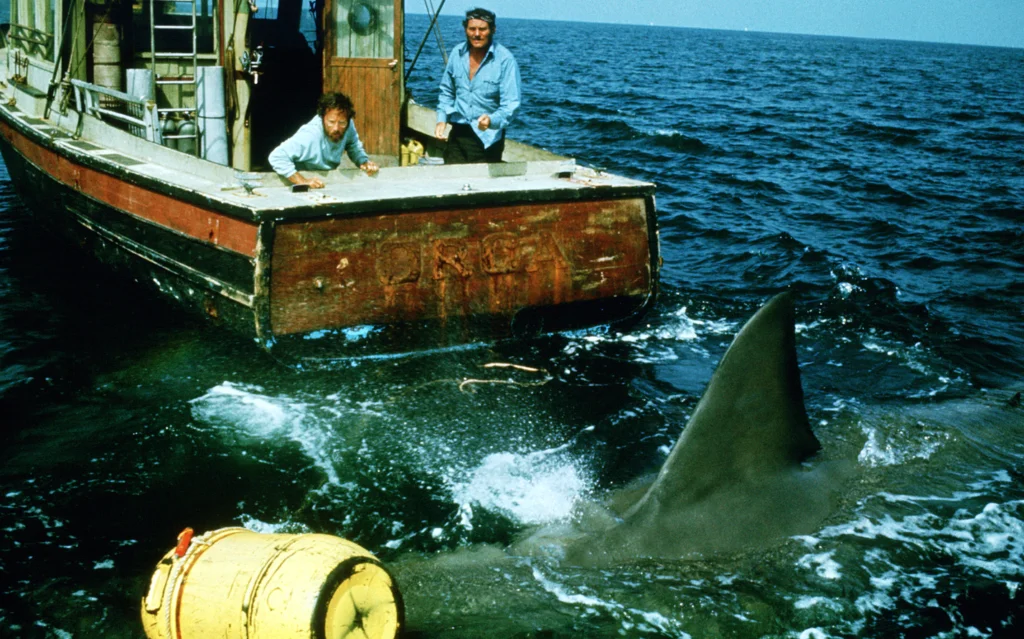
There was a long stretch where it felt like Jaws was on television every single weekend, usually edited just enough to still be terrifying but safe for network standards. You could drop into it at any point and know exactly where you were, whether it was the beach panic, the mayor’s denial, or Quint sizing up the shark with grim confidence. For kids who were too young to see it in theaters, TV was how this movie became a rite of passage. The tension somehow survived commercial breaks, which says a lot about how tightly it was made.
Repeated airings also turned individual scenes into shared cultural shorthand. People didn’t just remember the whole movie, they remembered moments, the music cue, the pier scene, the barrels trailing through the water. Watching it at home made it feel less like a blockbuster and more like a recurring event. It was scary, familiar, and oddly comforting once you’d seen it enough times.
2. Smokey and the Bandit (1977)
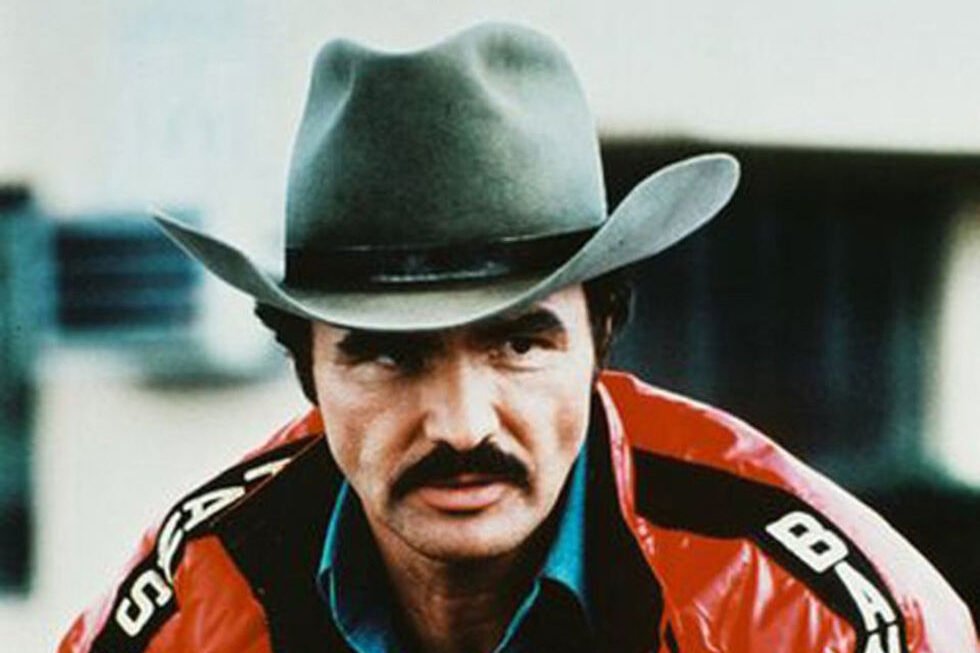
This movie seemed to pop up on TV anytime stations needed something fast, fun, and broadly appealing. Even heavily edited, it still felt loose and charming, with Burt Reynolds’ grin doing most of the work. You didn’t need to follow the plot closely to enjoy it, since the appeal was really the vibe and the banter. It was the kind of movie you’d half watch while folding laundry or eating dinner.
Over time, repeated broadcasts turned it into background mythology. Jackie Gleason’s Sheriff Buford T. Justice became a cartoon character people quoted without even remembering the context. The car chases felt endless, in a good way, and the Southern swagger made it feel distinctly of its time. TV kept it alive long after its theatrical moment passed.
3. The Poseidon Adventure (1972)
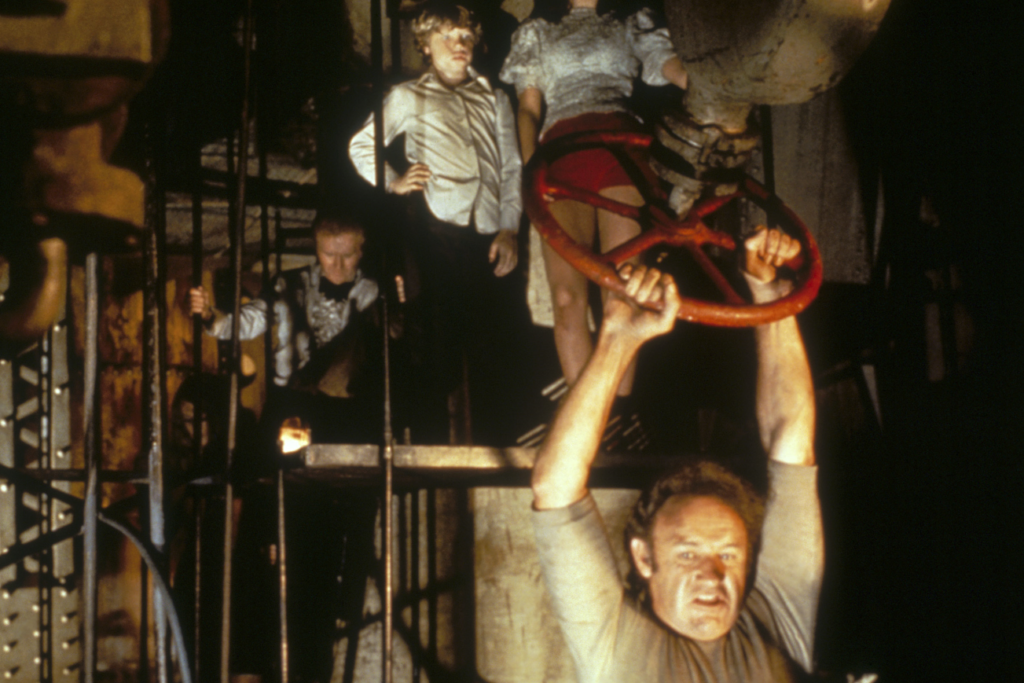
Disaster movies were tailor made for television, and this one played constantly. Viewers could tune in at almost any point and still get swept up in the urgency. The upside down ship was such a striking visual that it stuck even in pan and scan versions. It felt huge, even on a small screen.
What really benefited from TV airings was the ensemble cast. Familiar faces popped up everywhere, which made channel surfing dangerous because once you recognized one actor, you tended to stay. The movie became less about suspense and more about endurance. Every time it aired, it felt like another chance to see who made it out.
4. Rocky (1976)
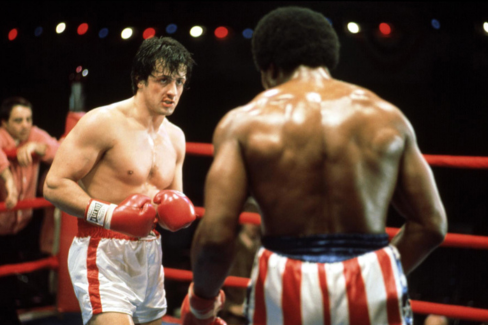
Before it became a prestige classic, Rocky was a dependable TV staple. It aired often enough that people knew entire stretches of it by heart. The training montage was especially irresistible, even chopped up with commercials. It felt motivational without being flashy.
Watching it on TV emphasized its scrappy roots. It didn’t feel like a glossy sports movie, but more like a neighborhood story that just happened to involve boxing. Repeated airings made Rocky Balboa feel like someone you grew up with. By the time the final fight rolled around, you were invested no matter how many times you’d seen it.
5. The Sting (1973)
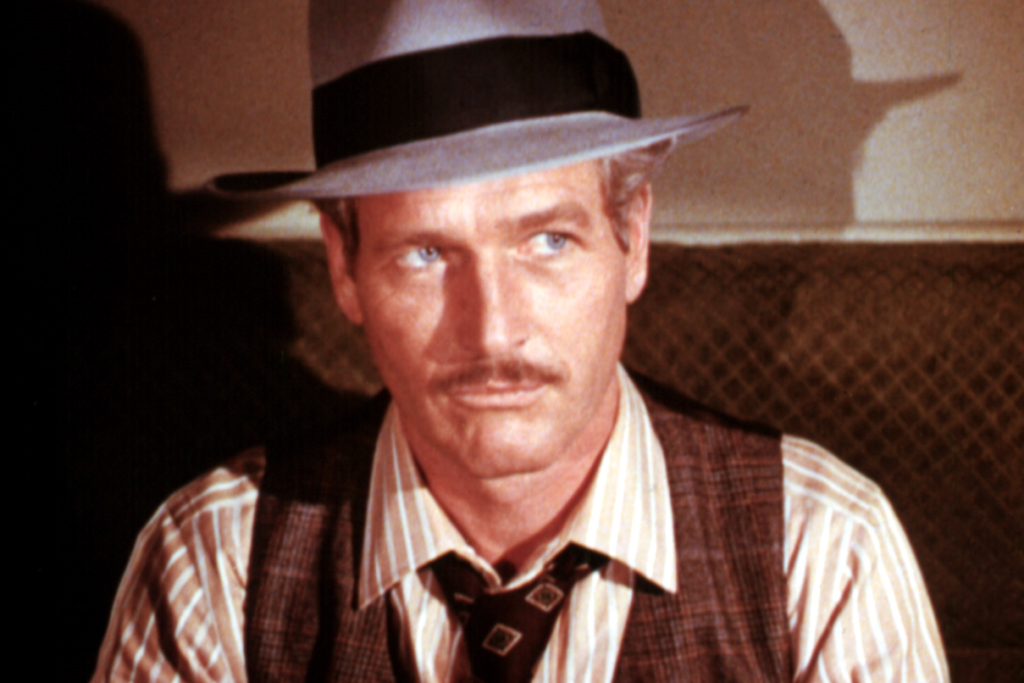
This was one of those movies that stations loved because it felt classy and smart. It could air in prime time without much editing, which made it an easy programming choice. Viewers might not have caught every detail of the con, but the charm carried it through. Paul Newman and Robert Redford were endlessly watchable, even in fragments.
Over time, TV exposure turned it into comfort viewing. The ragtime score alone could pull you in mid movie. It rewarded repeat watches because you noticed new details each time. Cable reruns made it feel timeless rather than dated.
6. Airport (1970)
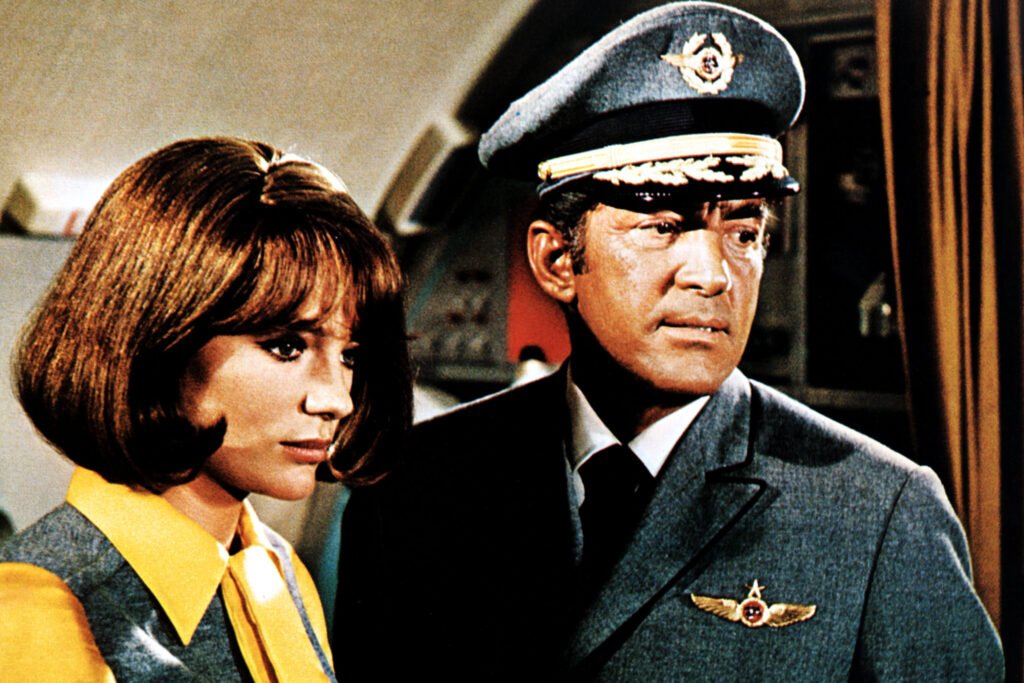
The original disaster movie played on TV so often it felt like a template. Snowy runways, personal dramas, and tense control tower scenes were easy to dip into. You didn’t need to see it from the beginning to understand the stakes. Television turned it into episodic viewing long before streaming existed.
Each airing highlighted a different subplot depending on where you tuned in. The cast list alone was enough to stop channel surfing. Over time, it became less suspenseful and more nostalgic. It was familiar in the way a long running series becomes familiar.
7. Saturday Night Fever (1977)
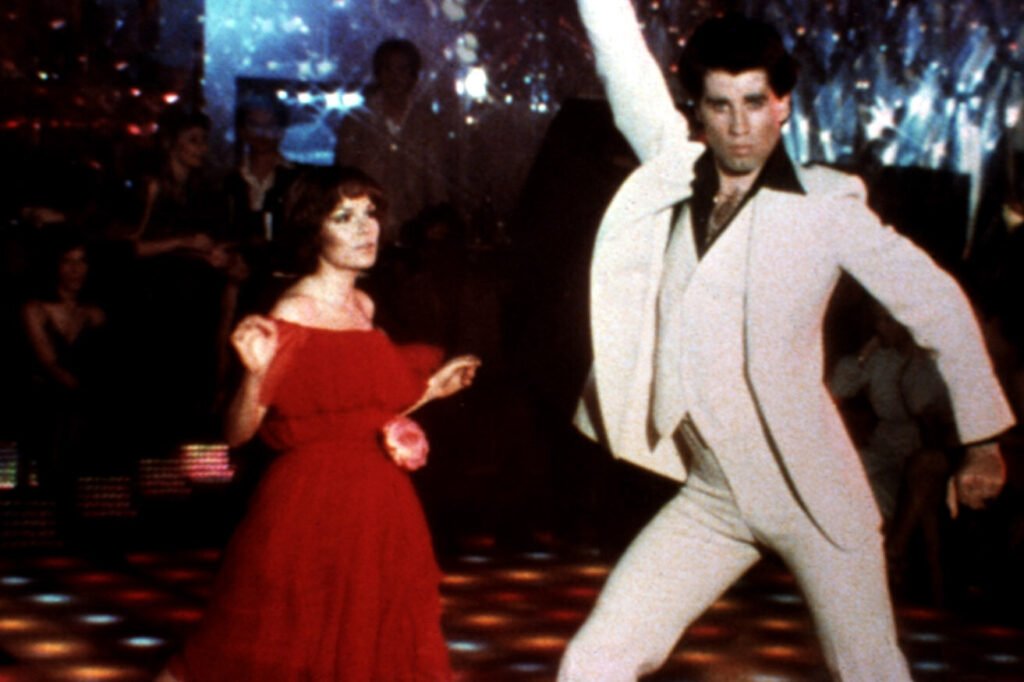
Edited TV versions of this movie were almost a different experience entirely. Without some of its darker elements, it leaned harder into music and style. That made it especially appealing for repeated broadcasts. The disco scenes felt electric even through fuzzy reception.
Television helped cement its soundtrack as unavoidable. People might not have seen the theatrical cut for years, but they knew every beat of the music. It became less about plot and more about atmosphere. TV made it a cultural loop that never quite stopped playing.
8. The Towering Inferno (1974)
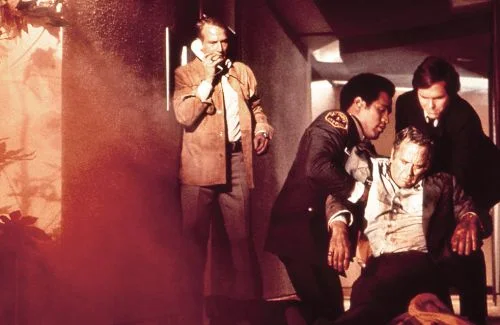
This movie showed up on TV so often it felt like an annual event. Its sheer length made it perfect for a long night of programming. Viewers could come and go and still feel the spectacle. Fire climbing a skyscraper never really loses its appeal.
Repeated airings turned it into a familiar test of survival. You watched knowing what would happen, but still wanted to see how it unfolded. The star power gave it weight even when it became predictable. Television kept it in circulation far longer than most blockbusters.
9. Dirty Harry (1971)

This movie was a cable staple once standards allowed it to air more freely. Even with edits, Clint Eastwood’s presence carried through. The moral tension and blunt attitude felt edgy for TV, which made it compelling. It stood out from softer programming around it.
Frequent reruns turned its most famous lines into pop culture fixtures. People knew the character even if they hadn’t seen the whole movie straight through. Watching it repeatedly softened its shock value but sharpened its iconography. TV made Dirty Harry a permanent fixture rather than a moment.
10. Close Encounters of the Third Kind (1977)
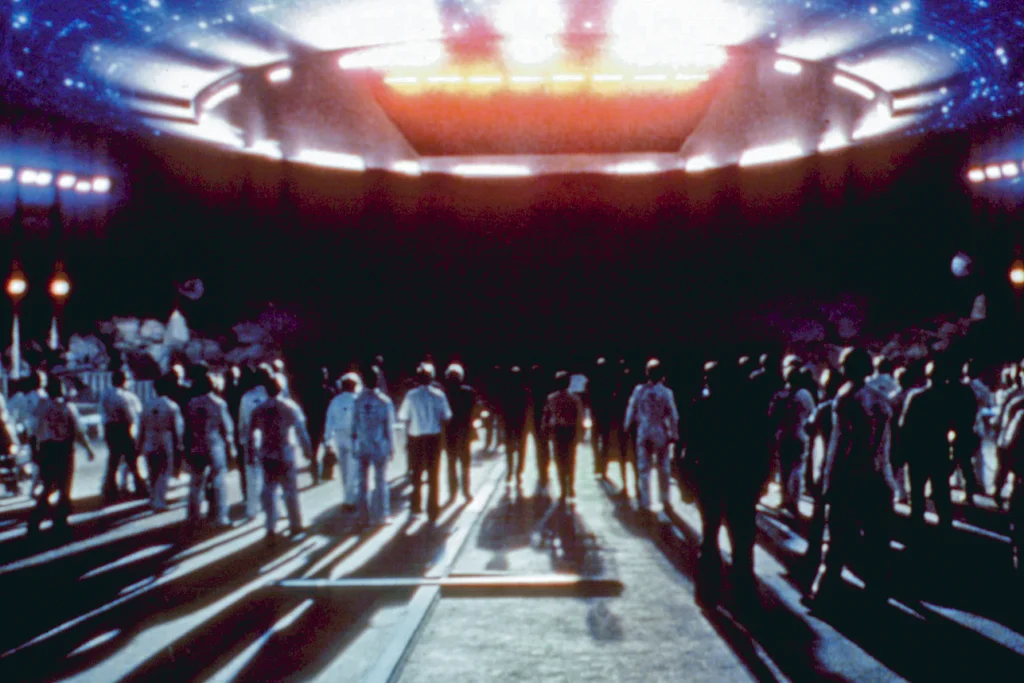
This movie benefited enormously from television airings. Its slower pace worked well in a living room setting. You could drift in and out and still be drawn back by the imagery. The sense of wonder survived commercial interruptions.
Repeated broadcasts made it feel mysterious but familiar. The music and light sequences became instantly recognizable. Watching it on TV emphasized mood over spectacle. It felt less like science fiction and more like a shared dream people kept revisiting.
11. Papillon (1973)
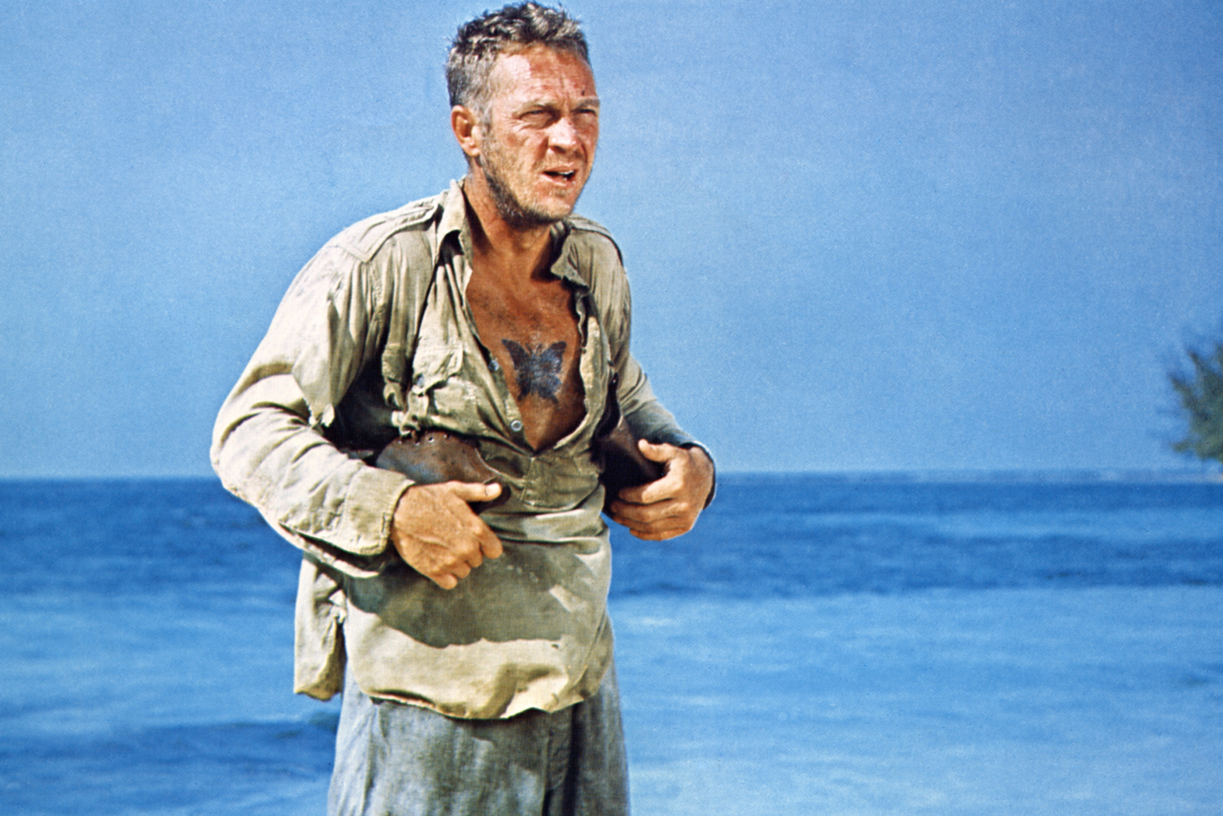
This was one of those serious dramas that popped up late at night. Viewers often caught it halfway through and stayed. The prison escape story was compelling enough to hold attention even in fragments. Steve McQueen and Dustin Hoffman anchored it with intensity.
Television made it feel heavier and more intimate. Watching it at home emphasized the endurance and isolation themes. It wasn’t light viewing, but it was magnetic. Over time, reruns gave it a quiet reputation as a movie people always watched when it appeared.
12. The Godfather (1972)
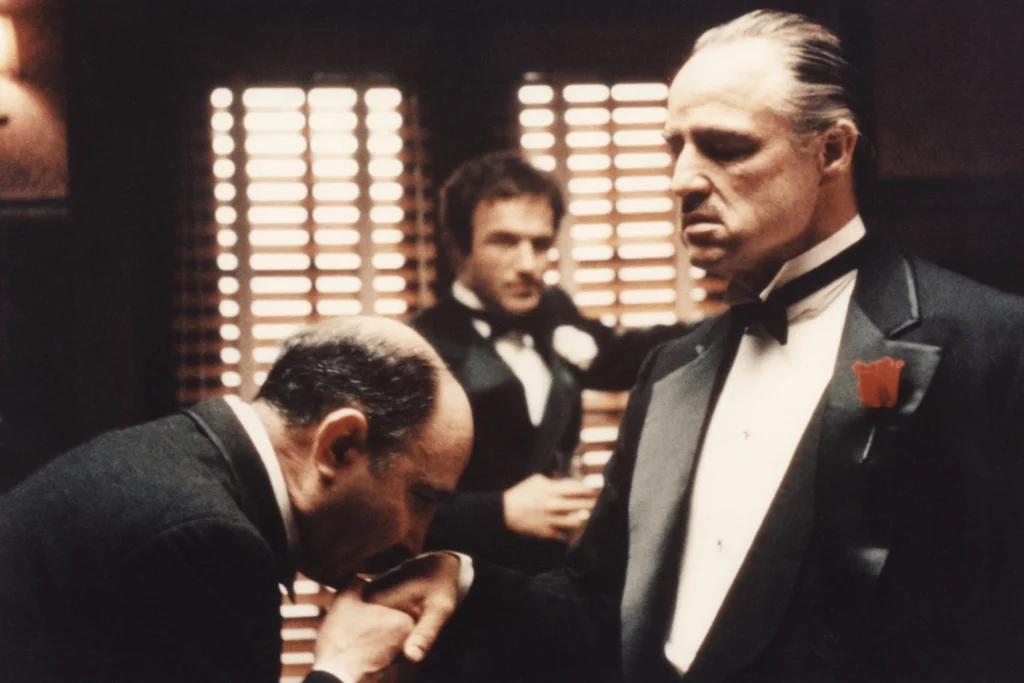
Once television networks began airing it, this movie became unavoidable. Edited versions still felt monumental. Viewers often watched it in pieces across multiple airings. It became something people absorbed over time rather than in one sitting.
Frequent broadcasts turned it into cultural background knowledge. Even people who claimed they hadn’t seen it knew the characters and lines. Watching it on TV made it feel like history unfolding in chapters. Repetition turned it from a movie into a permanent presence.