
1. A Clockwork Orange (1971)
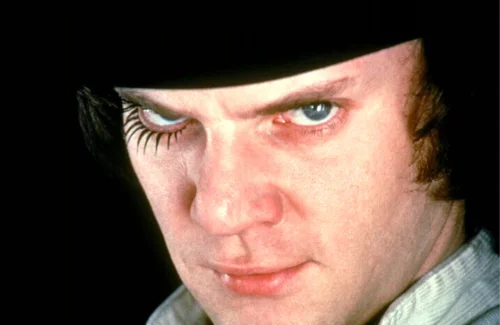
Stanley Kubrick’s adaptation of Anthony Burgess’s novel arrived like a lightning bolt, with its stylized violence, unsettling sexuality, and invented slang that felt both playful and deeply disturbing. Many theaters faced protests, and the film was even pulled from circulation in the UK for years due to copycat crime concerns. Audiences were split between those who saw it as brilliant social satire and those who felt genuinely shaken by its imagery. Even now, it still provokes strong reactions, which is exactly what Kubrick intended.
What keeps it holding up is how sharply it interrogates free will, punishment, and the idea of forced morality. Malcolm McDowell’s performance remains hypnotic, charming one minute and terrifying the next. The production design and classical music choices still feel daring rather than dated. It is the kind of movie that makes you uncomfortable in productive ways, which is why people keep revisiting it decades later.
2. Last Tango in Paris (1972)
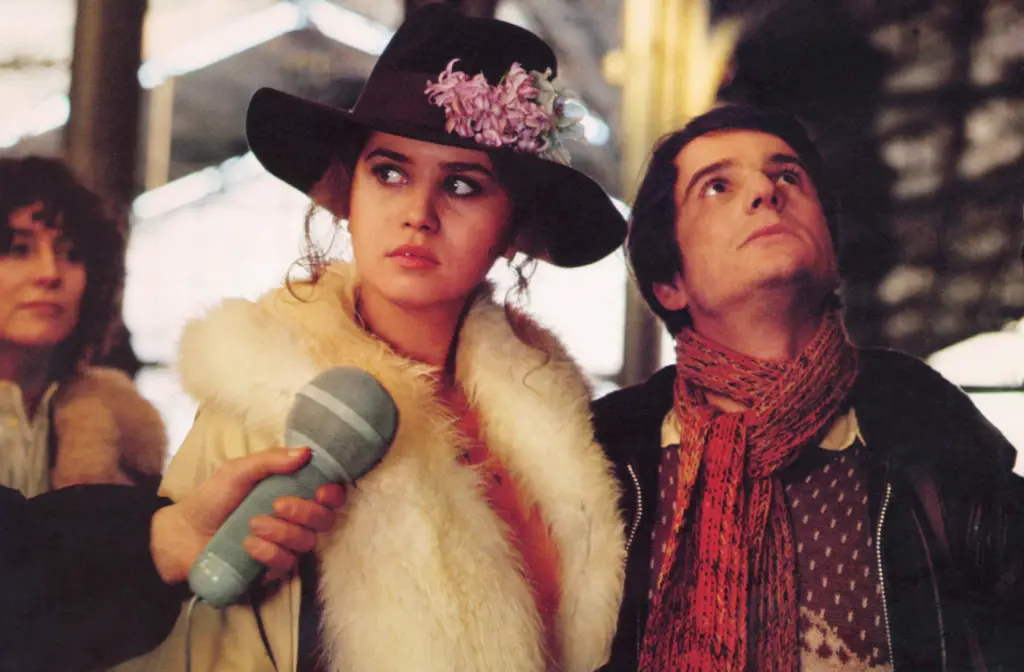
When this film premiered, it sparked immediate outrage for its explicit sexual content and emotionally raw performances. Some countries banned it outright, while others imposed heavy censorship, and it quickly became one of the most talked about movies of the decade. Marlon Brando’s unfiltered performance shocked audiences who were used to more restrained Hollywood intimacy. The controversy has only deepened over time as conversations around consent and on set ethics have evolved.
Despite the discomfort surrounding its legacy, the film remains an important snapshot of how far cinema was pushing boundaries in the early ’70s. The performances feel uncomfortably real, which was rare for mainstream films at the time. Bernardo Bertolucci’s direction leans into emotional chaos rather than tidy storytelling. It still invites serious discussion rather than passive viewing, which gives it lasting relevance.
3. The Exorcist (1973)
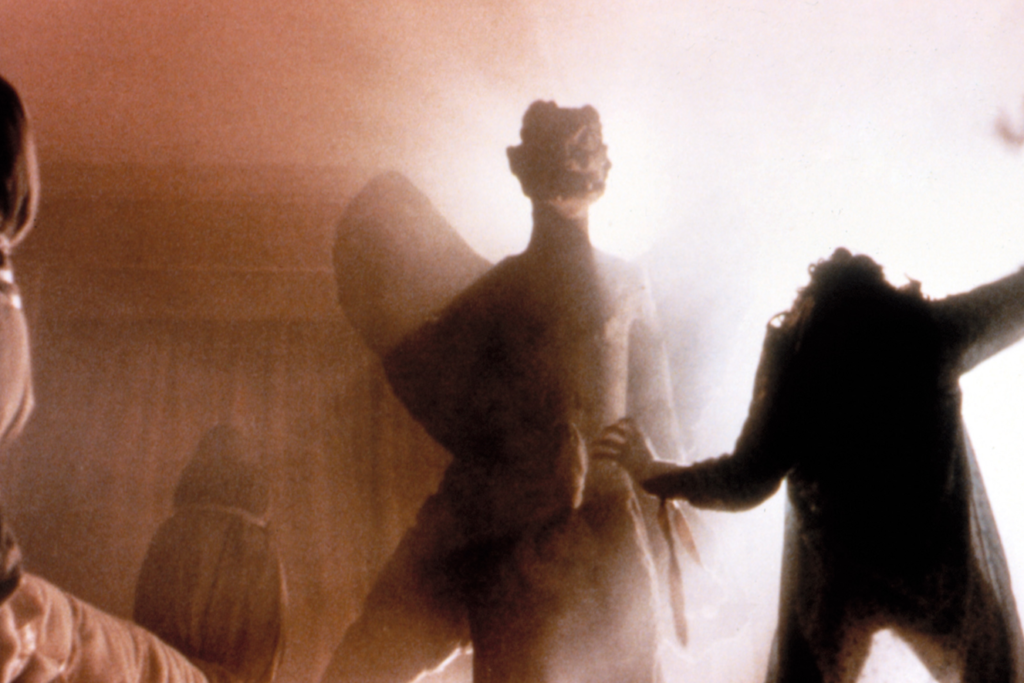
Few movies caused physical reactions in theaters the way this one did, with reports of people fainting, walking out, and even getting sick during screenings. Religious groups protested its depiction of possession, while others worried about how graphic the imagery was for mainstream audiences. It was marketed like a horror spectacle but carried the weight of a serious drama, which caught many viewers off guard. The shock factor alone made it a cultural phenomenon.
What makes it endure is the restraint beneath the terror, especially in its performances and pacing. Linda Blair’s transformation still holds up technically and emotionally, even with modern effects standards. The film takes faith, doubt, and fear seriously instead of treating them as gimmicks. It remains one of the few horror films that still feels genuinely unsettling rather than merely nostalgic.
4. Taxi Driver (1976)
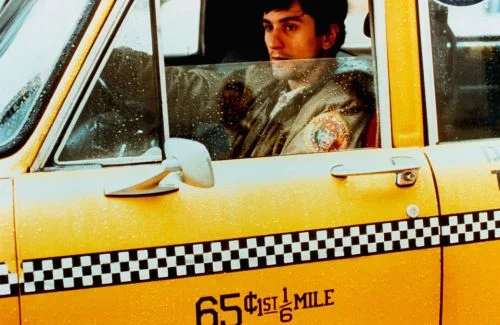
This film unsettled audiences with its grim look at loneliness, obsession, and urban decay in post Vietnam New York. Travis Bickle was not an easy character to empathize with, and many viewers were disturbed by how the film invited them into his fractured mindset. The violence and moral ambiguity made some critics uncomfortable at the time. It later became even more controversial after being linked in public conversation to real world violence.
What keeps it strong is Martin Scorsese’s precise direction and Robert De Niro’s unforgettable performance. The movie captures a specific cultural anxiety that still resonates in modern cities. Its moody cinematography and iconic score remain instantly recognizable. It continues to spark debate about heroism, alienation, and what society ignores.
5. Deliverance (1972)
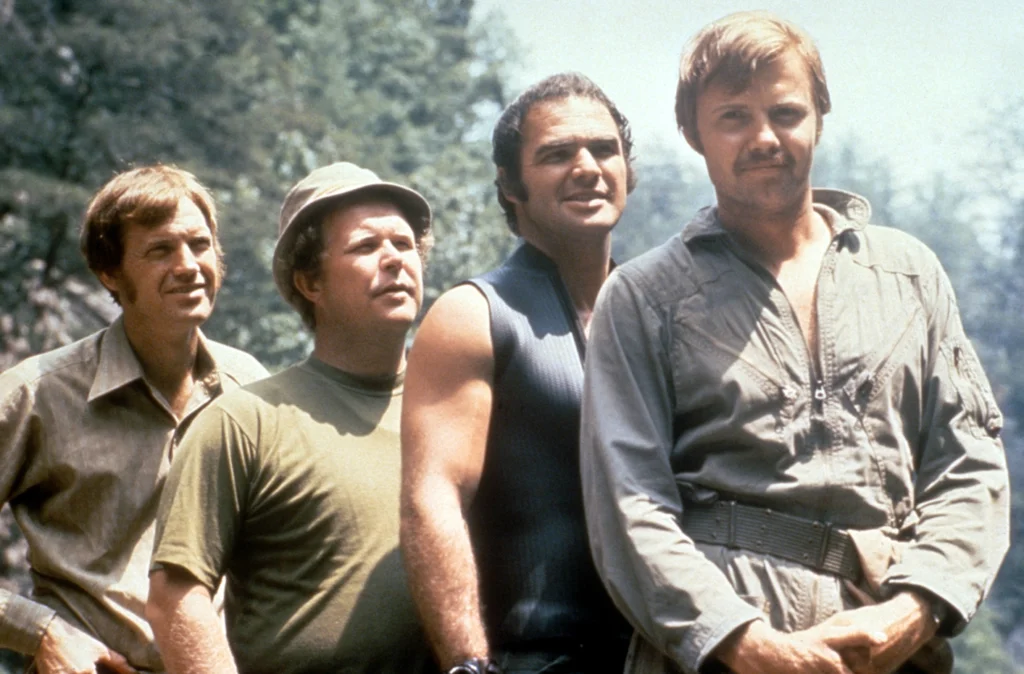
Audiences were stunned by how far this survival thriller pushed its brutality and emotional intensity. The film’s infamous assault scene and relentless tension made it deeply uncomfortable viewing for many people. It challenged expectations about masculinity, vulnerability, and power in ways that were rare for mainstream cinema. Some viewers walked in expecting an adventure story and left shaken.
The film still holds up because it never softens its consequences or emotional damage. The performances feel grounded and raw, especially as the characters unravel under pressure. Its use of natural landscapes creates a haunting contrast between beauty and danger. Even today, it feels like a cautionary tale that does not let the audience off the hook.
6. The Texas Chain Saw Massacre (1974)
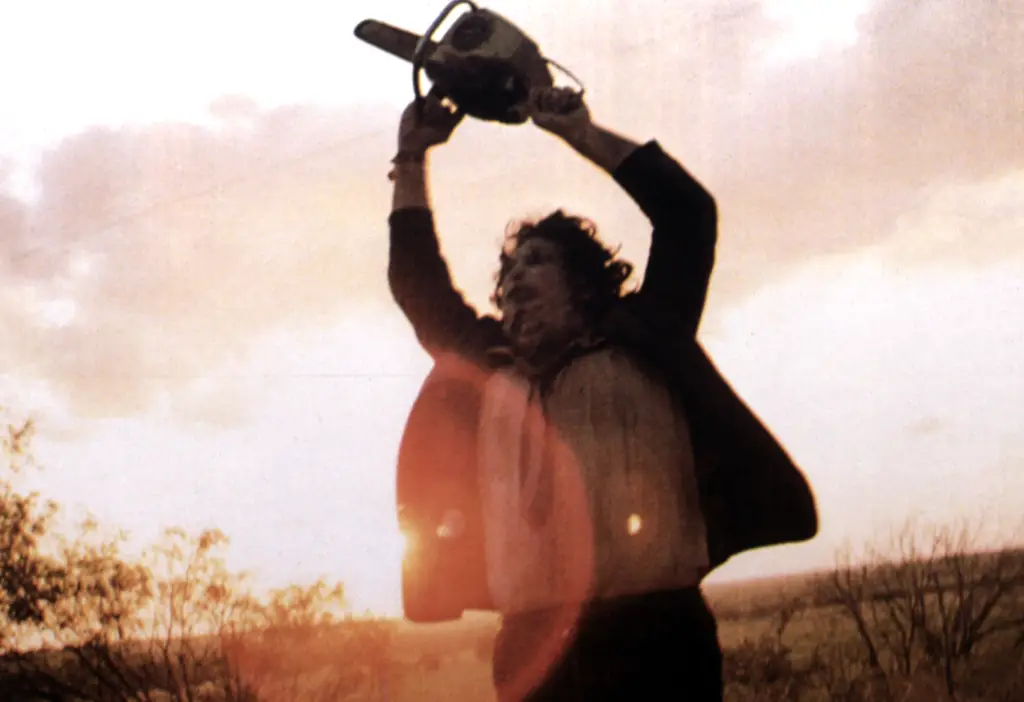
This low budget horror film terrified audiences with its relentless atmosphere and raw intensity. Many people assumed it was based on true events because of how gritty and realistic it felt. Censorship battles followed in several countries due to its perceived brutality. It quickly gained a reputation as one of the most disturbing films ever released.
What is remarkable is how little explicit gore it actually shows, relying instead on sound design and suggestion. The handheld camerawork and chaotic energy still feel effective rather than dated. Its influence on modern horror is undeniable, from slasher tropes to indie filmmaking styles. It remains a master class in making audiences uncomfortable without excess.
7. Blazing Saddles (1974)
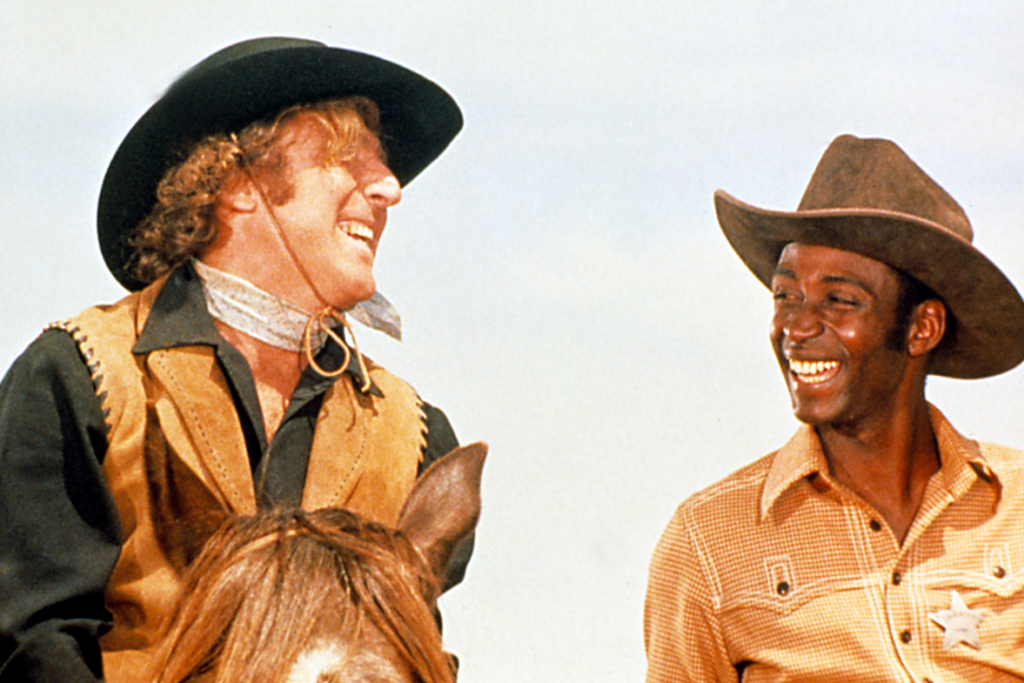
Mel Brooks’ Western parody shocked audiences with its unapologetic racial satire and outrageous humor. Many jokes were deliberately designed to expose prejudice rather than soften it, which made some viewers deeply uncomfortable. Even in the ’70s, some critics felt it crossed lines that comedy should avoid. Over time, debates about whether it could be made today have only intensified.
What keeps it alive is how sharp and intentional its satire actually is beneath the chaos. The performances commit fully to the absurdity without losing the underlying message. Its willingness to confront bigotry head on rather than tiptoe around it still feels bold. When watched thoughtfully, it remains surprisingly insightful as well as funny.
8. Network (1976)
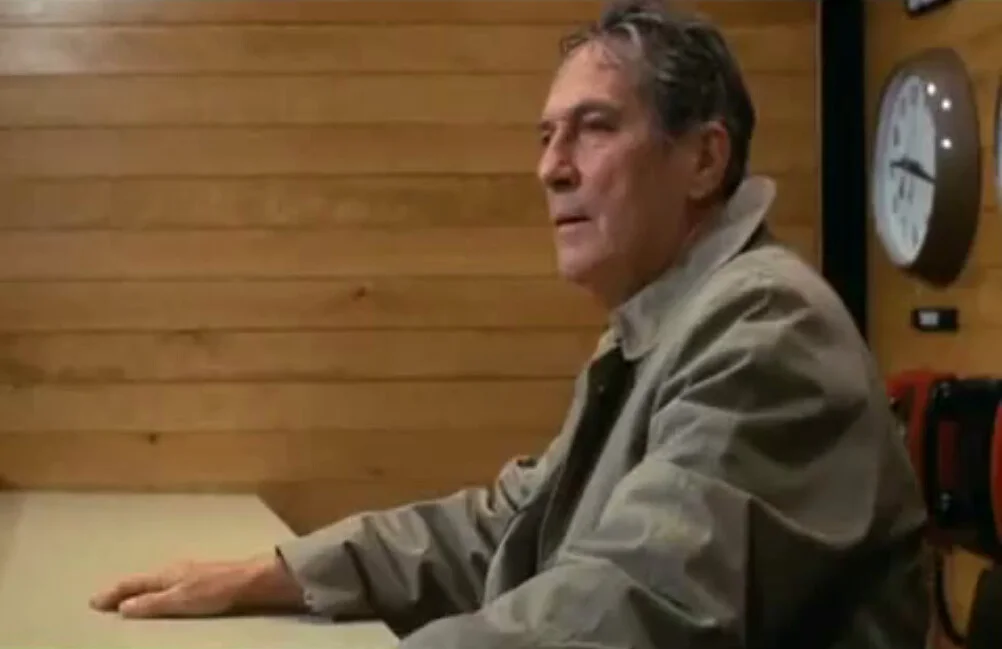
This dark satire rattled audiences by attacking television sensationalism and corporate greed in ways that felt uncomfortably accurate. Its angry monologues and cynical worldview struck a nerve during a time of cultural distrust. Some viewers found it too aggressive or exaggerated in tone. Others recognized it as a warning that felt eerily plausible.
Decades later, the film feels almost prophetic in how it portrays media manipulation and outrage culture. The performances, especially Peter Finch’s, remain electric and emotionally charged. The script still lands its punches without feeling dated. It holds up as both entertainment and cultural critique.
9. Apocalypse Now (1979)
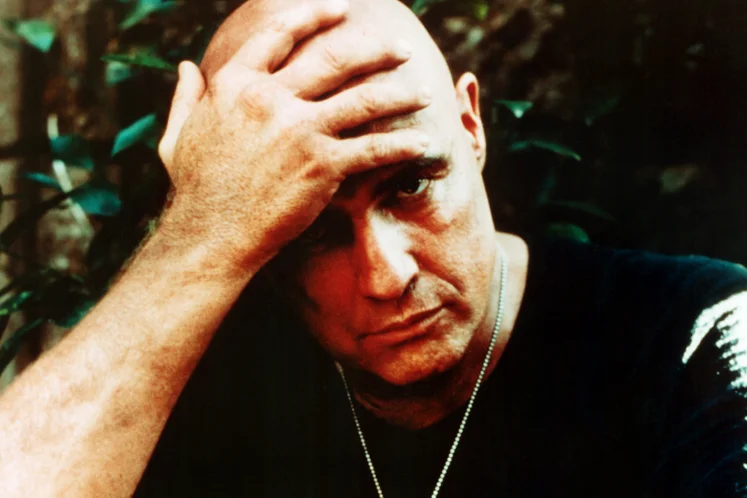
This war epic arrived surrounded by stories of chaotic production, ballooning budgets, and cast and crew struggles. The film itself shocked audiences with its surreal violence and psychological intensity. Some critics found it overwhelming or disorienting rather than traditionally heroic. Its unflinching portrayal of war madness made it deeply polarizing.
What sustains it is the hypnotic imagery and fearless storytelling. The performances capture a slow descent into moral collapse rather than simple battlefield action. Its themes about power, obsession, and human darkness remain timeless. Few war films feel as immersive or emotionally haunting.
10. The Deer Hunter (1978)
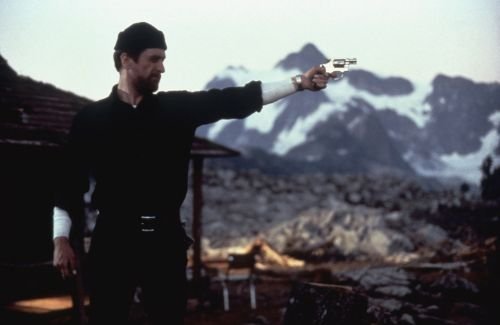
The film ignited debate over its depiction of the Vietnam War and its use of Russian roulette as a dramatic device. Some critics felt the portrayal was exploitative or politically charged. Others praised its emotional weight and character focus. It became a lightning rod for how war stories should be told on screen.
What continues to resonate is the intimacy of the characters before and after trauma. The performances, especially from Robert De Niro and Christopher Walken, remain deeply affecting. The film allows grief, silence, and lingering damage to take center stage. It still feels emotionally honest even when its imagery sparks debate.
11. The Warriors (1979)
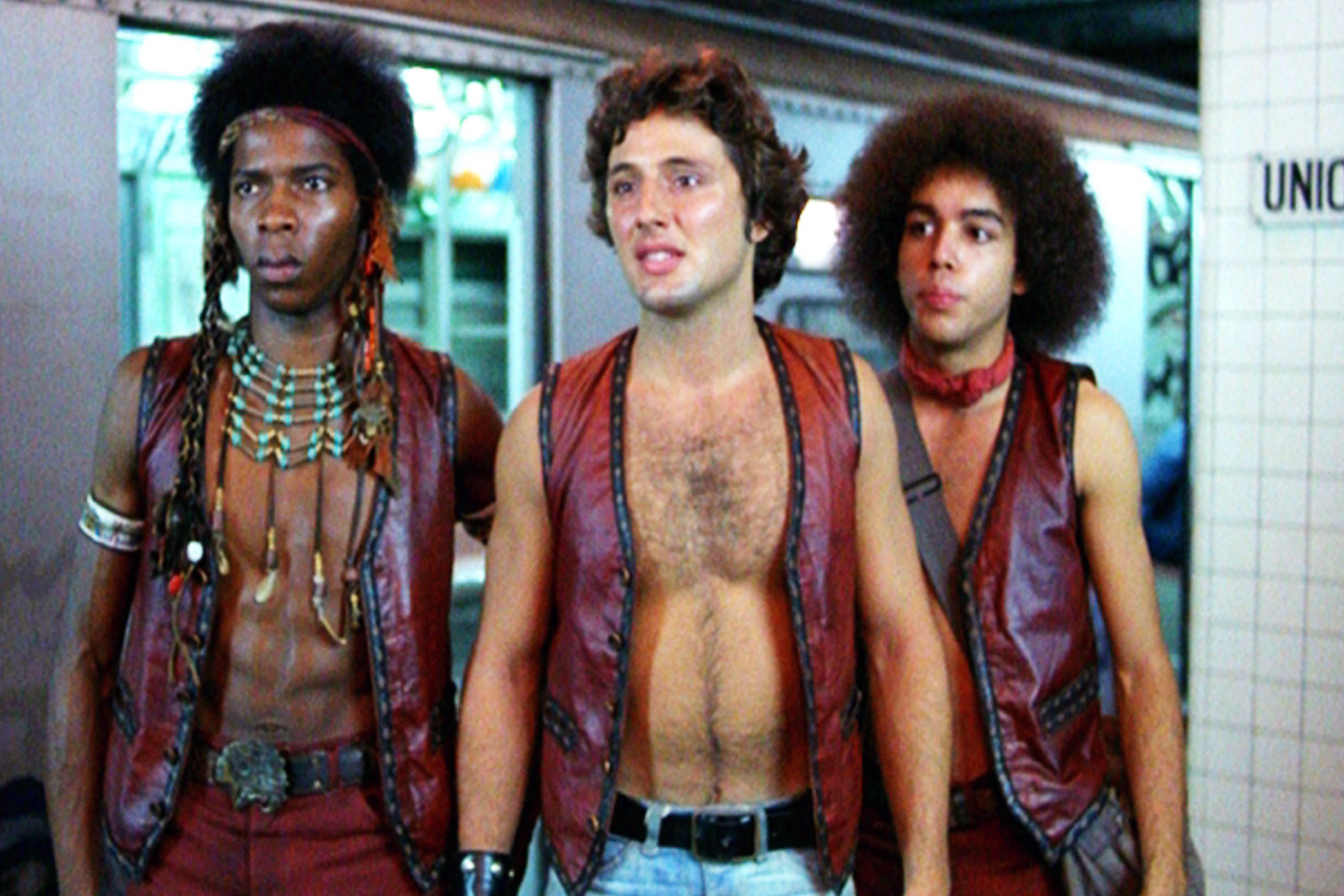
This stylized gang film stirred controversy after reports linked theatrical screenings to real world violence in some cities. Several theaters pulled the movie temporarily as a precaution. Its heightened depiction of urban gangs unsettled audiences who feared imitation. The marketing leaned into its aggressive energy, which added to the concern.
Over time, the film gained cult status for its comic book aesthetic and memorable characters. The neon visuals and pulsing soundtrack give it a unique identity that still feels fresh. Its exaggerated tone now reads more like myth than realism. It remains endlessly quotable and visually striking.
12. Pink Flamingos (1972)
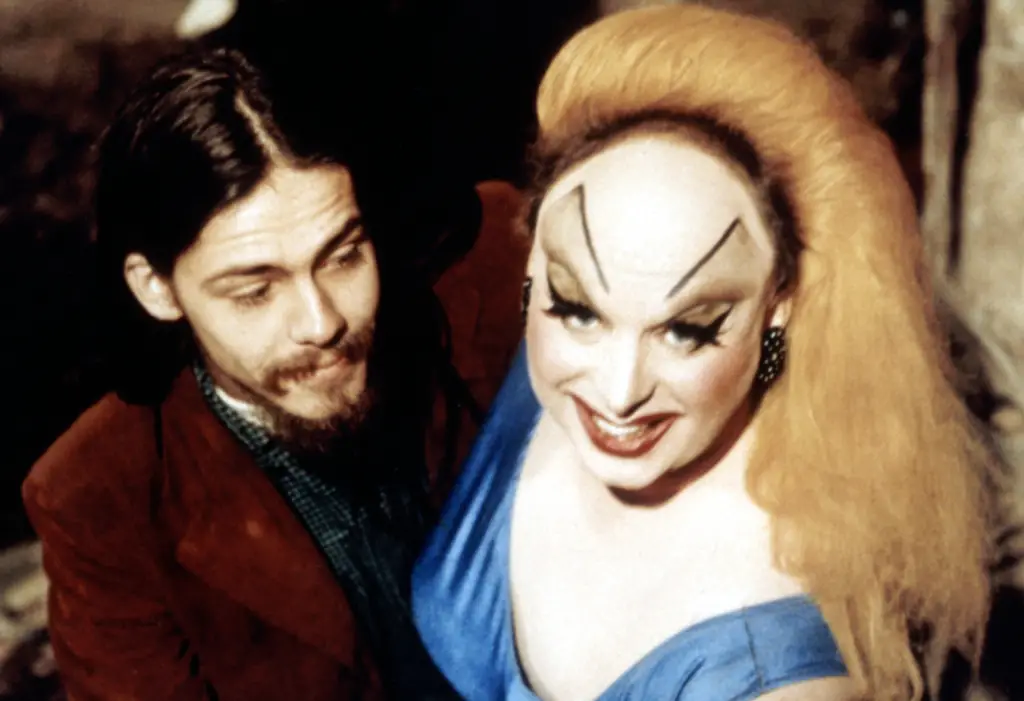
John Waters’ underground classic shocked nearly everyone who encountered it, even within counterculture circles. Its deliberately outrageous content was designed to offend conventional taste and polite society. Many theaters refused to show it, while midnight audiences embraced it as a badge of rebellion. It quickly became one of the most notorious cult films of all time.
What keeps it relevant is its fearless commitment to pushing artistic boundaries. Divine’s performance is unapologetically bold and unforgettable. The film represents a moment when independent cinema challenged mainstream norms head on. It still sparks conversation about shock, art, and cultural limits.