
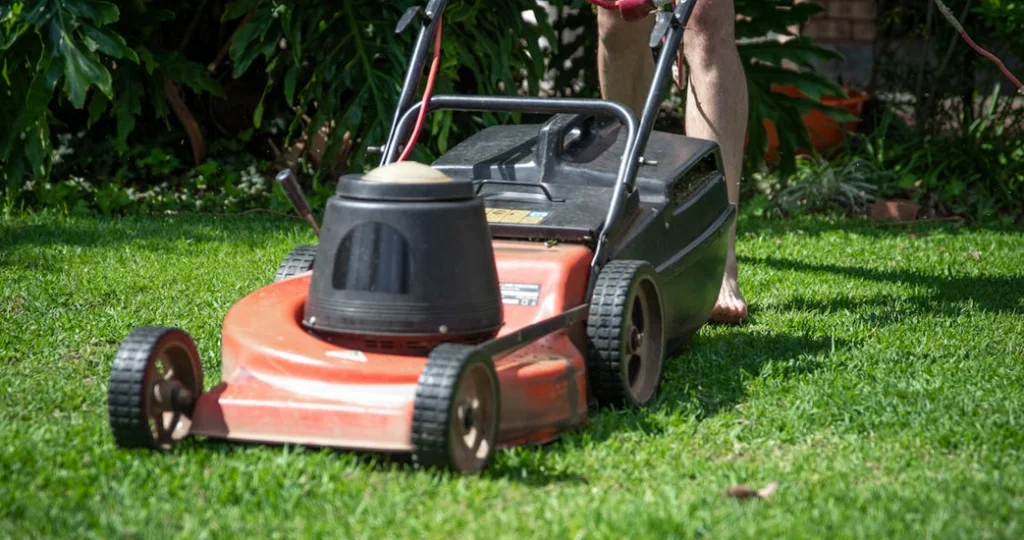
1. The Push Lawn Mower
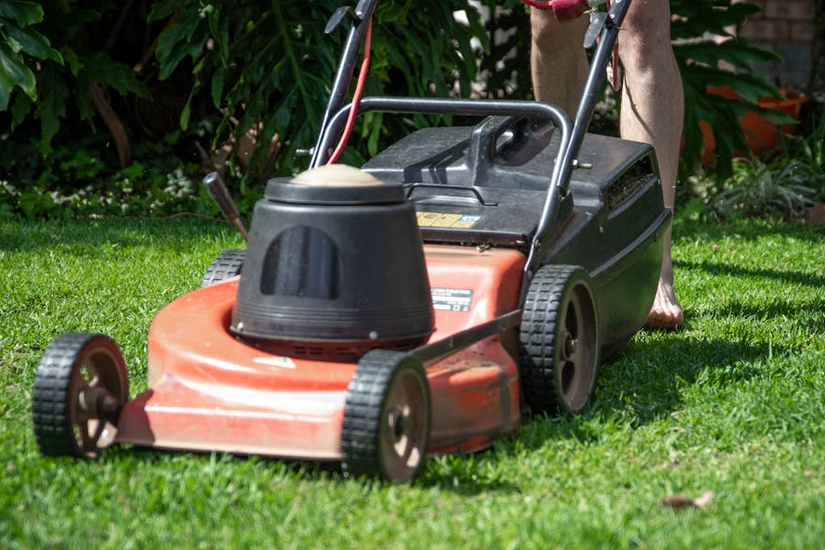
It always seemed like there was one mower in the garage that looked older than everything else around it. These were heavy, loud, and required real effort, especially if the grass was even slightly damp. The smell of gasoline lingered long after it was turned off, mixing with oil and cut grass. Starting it usually involved several aggressive pulls and a lot of muttering. Kids learned quickly to keep their distance when it was running. It felt less like a tool and more like a machine you negotiated with.
When it wasn’t in use, it took up a surprising amount of space. The handle was often folded down, though that rarely made it easier to move. Grass clippings dried onto the metal deck and stayed there for years. Even broken ones were rarely thrown away. They just sat there, waiting for someone to maybe fix them someday.
2. The Workbench Covered in Random Nails
Nearly every basement or garage had a workbench that doubled as a catch-all. The surface was never clear and was usually layered with nails, screws, washers, and mysterious bits of metal. Some of those nails were bent and reused more than once. Others had no clear purpose anymore but stayed anyway. The bench itself often wobbled slightly, no matter how many times someone tried to stabilize it.
Drawers underneath were stuffed with coffee cans or jars holding even more hardware. Labels were rare and organization was mostly theoretical. You could never find the exact nail you needed, but you could always find fifty that were close. The bench smelled faintly of sawdust and rust. It was less about productivity and more about possibility.
3. Coffee Cans Filled With Screws

Coffee cans were never just coffee cans in the ’70s. Once emptied, they became permanent storage for screws, bolts, and odds and ends. The lids were often missing, replaced with loose pieces of cardboard or nothing at all. Digging through one meant a lot of clinking metal and scraped knuckles. Everyone knew to shake it a little before reaching in.
The cans stacked easily and multiplied over time. Each one had a slightly different mix, though no one could explain why. Some screws were decades old and stripped beyond usefulness. Still, throwing them out felt wrong. They were part of the garage ecosystem and always might come in handy later.
4. The Old Freezer
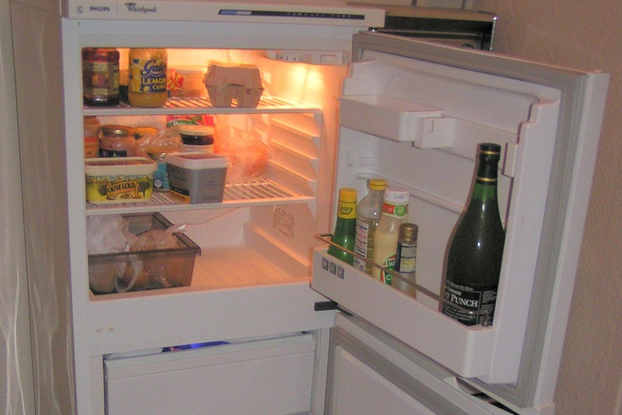
Many basements housed a second freezer that hummed constantly in the background. It was usually white or off-white and had dents that told their own story. Inside were wrapped packages of meat, frozen bread, and items no one remembered buying. Frost built up so thick it needed to be chipped away every few years.
The freezer was both practical and mysterious. Labels had faded or fallen off, leaving contents up to guesswork. Opening it released a blast of cold air and the smell of frozen time. It was dependable, even if it wasn’t pretty. Once it was there, it stayed for decades.
5. The Cardboard Box of Old Paint Cans

There was almost always a box or shelf holding half-used paint cans. Colors ranged from avocado green to mustard yellow, even if those rooms no longer existed. The lids were crusted shut and required a screwdriver to pry open. Dried drips hardened along the sides, creating thick rings.
Most of the paint inside was probably unusable, but no one wanted to check. Each can represented a project that once felt important. They sat untouched, just in case a touch-up was needed someday. The smell of old paint was unmistakable. Those cans were a frozen record of decorating trends.
6. The Folding Metal Chair
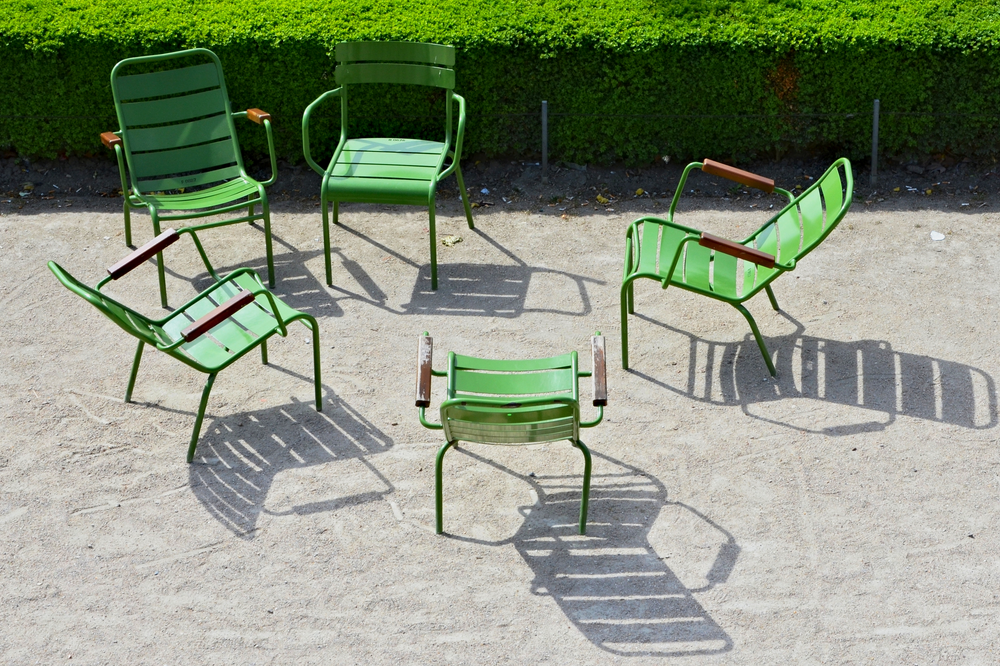
That single folding chair always seemed to live in the corner. It came out for card games, extra guests, or working on something low to the ground. The metal was cold and the seat sometimes pinched if you weren’t careful. It squeaked when you moved, announcing every shift.
When not in use, it leaned against the wall, folded but never put away neatly. It wasn’t comfortable, but it was reliable. Everyone knew where it was without asking. It felt like a permanent extra, waiting for its moment.
7. The Pegboard With Hooks
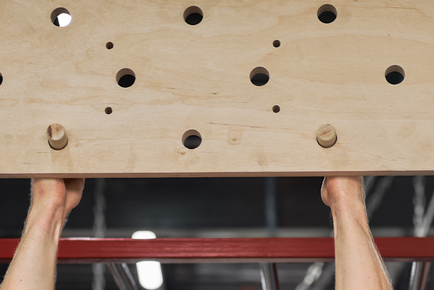
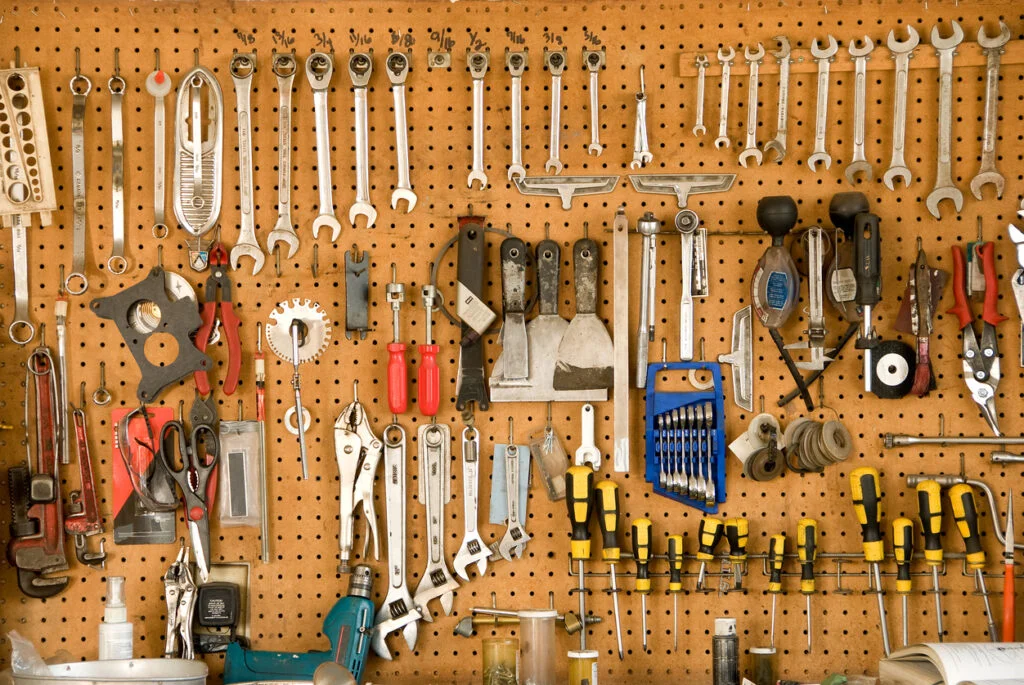
Pegboards were the organizational dream of the ’70s garage. Hooks held hammers, wrenches, and tools that sometimes returned to their place. The outline of each tool remained visible long after it was gone. Over time, the board developed holes where hooks were moved again and again.
Despite good intentions, the system usually broke down. Tools ended up on shelves or the floor instead. Still, the pegboard stayed on the wall, trying its best. It represented order, even when chaos won. The sight of one still feels familiar.
8. The Rusty Bicycle
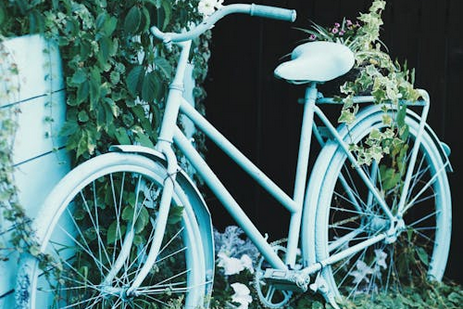
There was always at least one bike that hadn’t been ridden in years. Tires were flat, chains were rusty, and the seat might be cracked. It leaned against the wall or hung from a hook, collecting dust. Sometimes it belonged to a kid who had long outgrown it.
No one quite knew what to do with it. Fixing it felt like too much work, but throwing it out felt wasteful. It became part of the background. The bike waited quietly, frozen in time.
9. The Extension Cord
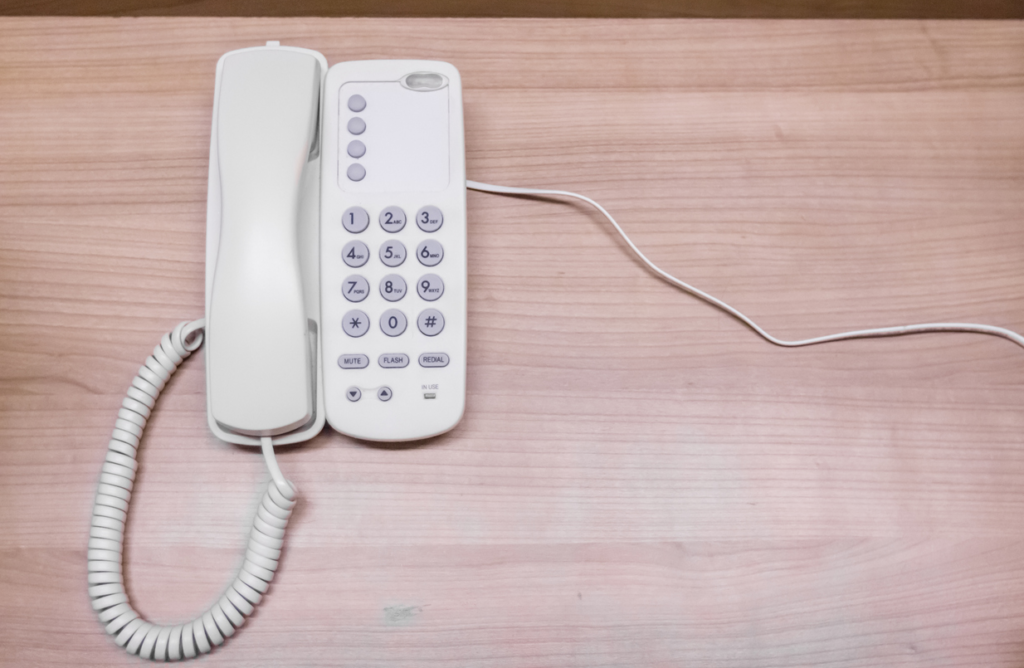
Bright orange or faded yellow, extension cords were everywhere. They were usually tangled no matter how carefully someone tried to coil them. Pulling one free often brought several others with it. The rubber felt stiff in cold weather.
These cords powered lawn tools, holiday lights, and random projects. Some had electrical tape wrapped around worn spots. They were trusted even when they probably shouldn’t have been. Every garage had more than one.
10. The Tool Box That Weighed a Ton
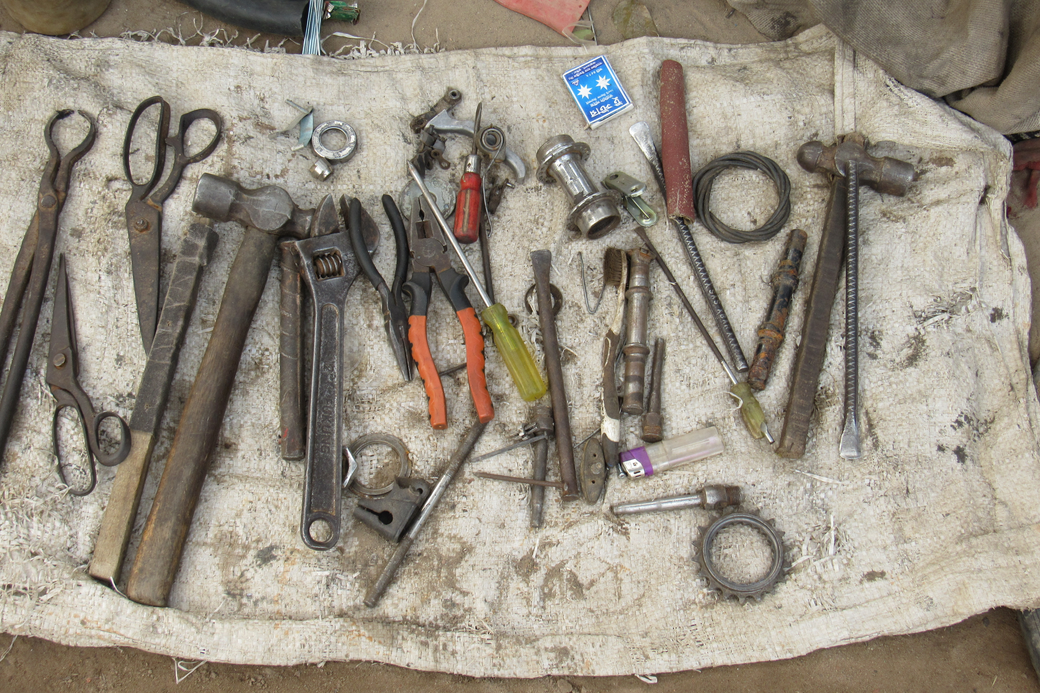
Metal tool boxes from the ’70s were solid and heavy. Opening one revealed layers of tools packed tightly together. The drawer slides rarely worked smoothly. Finding the right tool meant lifting several others first.
The box itself might have dents or chipped paint. It had been dropped more than once. Even so, it felt indestructible. Once you had one, you kept it forever.
11. The Stack of Old Lumber
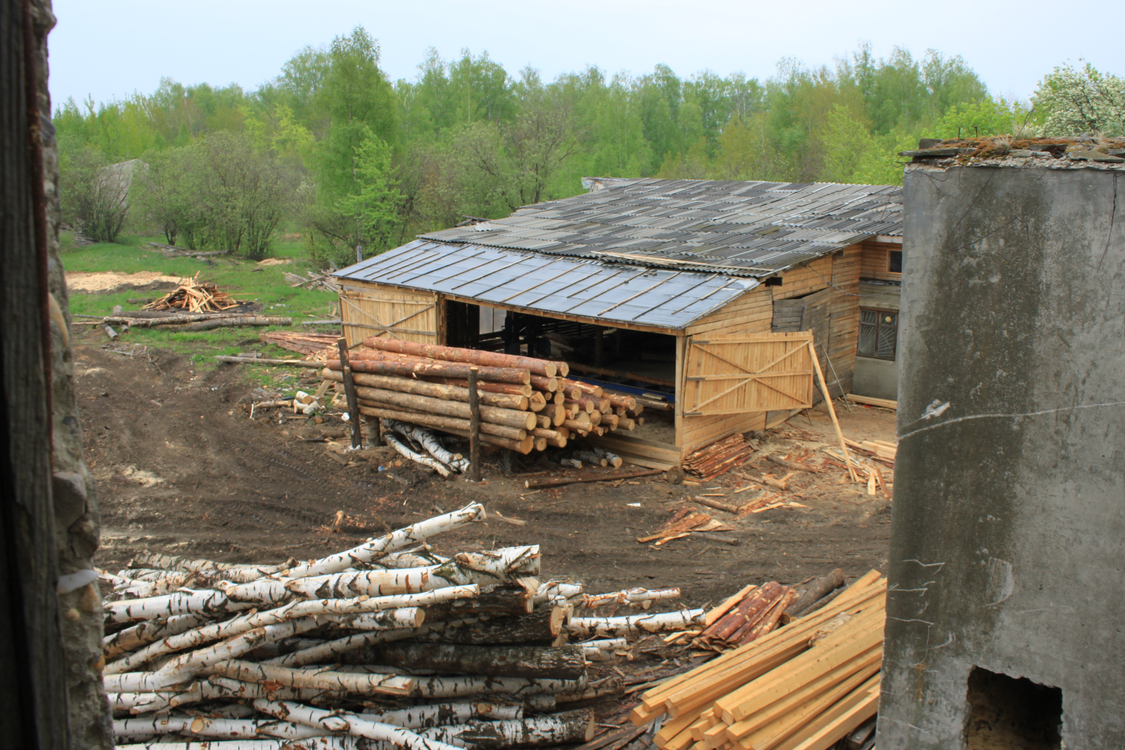
Leftover wood leaned against the wall or rested on ceiling hooks. Pieces varied in size and condition, some warped, some cracked. Each board was saved for a future project that might never happen. Nails often stuck out at odd angles.
The pile grew slowly over time. Moving it was always a hassle. Still, throwing it away felt wrong. That lumber represented potential and thrift.
12. The Box of Holiday Decorations

Basements especially held boxes labeled “Christmas” or “Decorations.” Inside were tangled lights, fragile ornaments, and faded decorations. The box itself was often soft and sagging from age. Tape held it together more than cardboard.
These boxes came out once a year and then disappeared again. Some decorations were older than the house itself. Opening them brought a rush of memories. They lived in the basement quietly, waiting for the season to return.