
1. Farrah Fawcett

For a stretch in the late ’70s, it felt like you couldn’t walk past a dorm room, dentist office, or record shop without seeing Farrah Fawcett’s famous red swimsuit poster. Her role as Jill Munroe on Charlie’s Angels turned her into a full-blown cultural phenomenon almost overnight. Even people who didn’t regularly watch the show knew exactly who she was and what that feathered hairstyle looked like. Fawcett had a warmth that made her feel approachable, but also a star quality that made her feel untouchable at the same time. Magazine covers, commercials, and talk shows all competed for her presence. It was the kind of fame that crossed age groups and social circles in a way few performers ever manage. She wasn’t just a TV star, she felt like a shared national crush.
What makes her larger-than-life era especially memorable is how quickly it all happened. One hit role transformed her into one of the most recognizable faces in America almost instantly. Even when she left Charlie’s Angels, the fascination didn’t fade, it simply shifted into curiosity about what she would do next. Later dramatic roles proved she had more range than the poster image suggested, but that early moment of pop culture saturation still defines her legend. People who lived through it often remember exactly where they first saw that poster or heard her name. It’s one of those shared memory markers that instantly places you in a certain moment in time. That kind of cultural imprint is rare.
2. John Travolta

In the late ’70s, John Travolta felt like he was everywhere at once, lighting up movie screens, radio playlists, and magazine covers. Saturday Night Fever turned him into the face of disco culture almost overnight. Then Grease followed and cemented him as the ultimate teen idol for an entirely new generation. You didn’t just watch Travolta, you danced like him, dressed like him, and tried to imitate his swagger. His smile and confidence made him feel larger than life in a way that felt effortless rather than manufactured. Even people who weren’t into disco knew his moves and his lines. He became a symbol of youthful energy and possibility.
What made his fame feel so overwhelming was how fast it arrived and how broadly it spread. In just a few years, he went from television actor to global movie star. Soundtracks connected to his films dominated record collections and car radios. Kids practiced dance routines in living rooms, and adults lined up for repeat viewings. His cultural footprint went far beyond box office numbers and into everyday behavior. When someone mentions the late ’70s today, Travolta’s image still comes to mind immediately. That kind of imprint doesn’t fade easily.
3. Cher
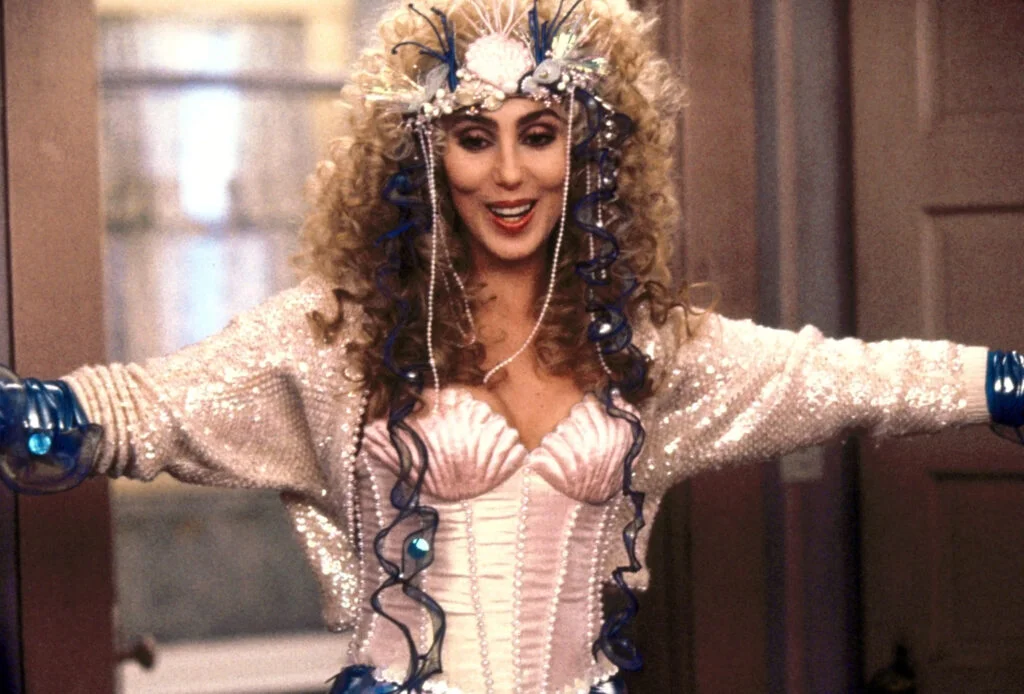
By the ’70s, Cher had already been famous for years, but that decade pushed her into true icon territory. Her solo music career exploded with hits that dominated radio and variety shows. Her fashion choices were bold, theatrical, and impossible to ignore, often stealing the spotlight wherever she appeared. She wasn’t just singing songs, she was shaping visual culture at the same time. Cher’s confidence felt fearless and unapologetic in a way that resonated deeply with fans. Even people who didn’t follow pop music knew exactly who she was. She carried herself like someone who knew she belonged in the center of attention.
Her television presence only amplified that feeling of grandeur. Variety specials and guest appearances showcased her humor, personality, and larger-than-life stage presence. She felt both glamorous and relatable, which is a difficult balance to achieve. Every era seemed to reinvent her image while still keeping her unmistakably herself. That adaptability kept her constantly visible in a crowded entertainment landscape. The ’70s cemented her status as more than a singer or celebrity, she became a cultural force. Few performers manage that level of longevity and reinvention.
4. Burt Reynolds
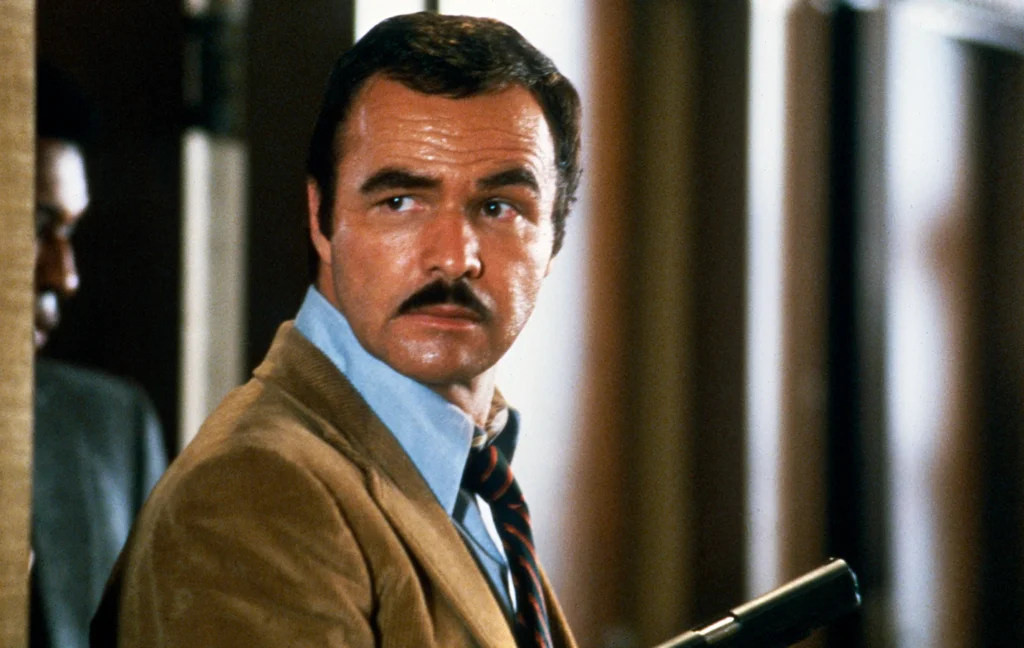
During the ’70s, Burt Reynolds embodied movie star charisma in its purest form. Films like Smokey and the Bandit turned him into a box office powerhouse practically overnight. His easy charm, humor, and confidence made audiences feel like they wanted to hang out with him as much as watch him on screen. Reynolds projected a relaxed masculinity that felt approachable rather than intimidating. He was equally comfortable delivering action, comedy, and romance. Magazine covers constantly featured his grin and mustache. He became one of the most recognizable faces in American pop culture.
What made his stardom feel larger than life was how consistently successful he remained throughout the decade. Year after year, his movies ranked among the highest grossing releases. He wasn’t just a hit once, he was a dependable draw that studios could count on. Audiences trusted his name as a guarantee of fun. His off-screen personality added to the myth, reinforcing the idea that he truly lived the confident lifestyle he portrayed. Even people who didn’t follow movies closely knew who Burt Reynolds was. That level of universal recognition is rare.
5. Diana Ross
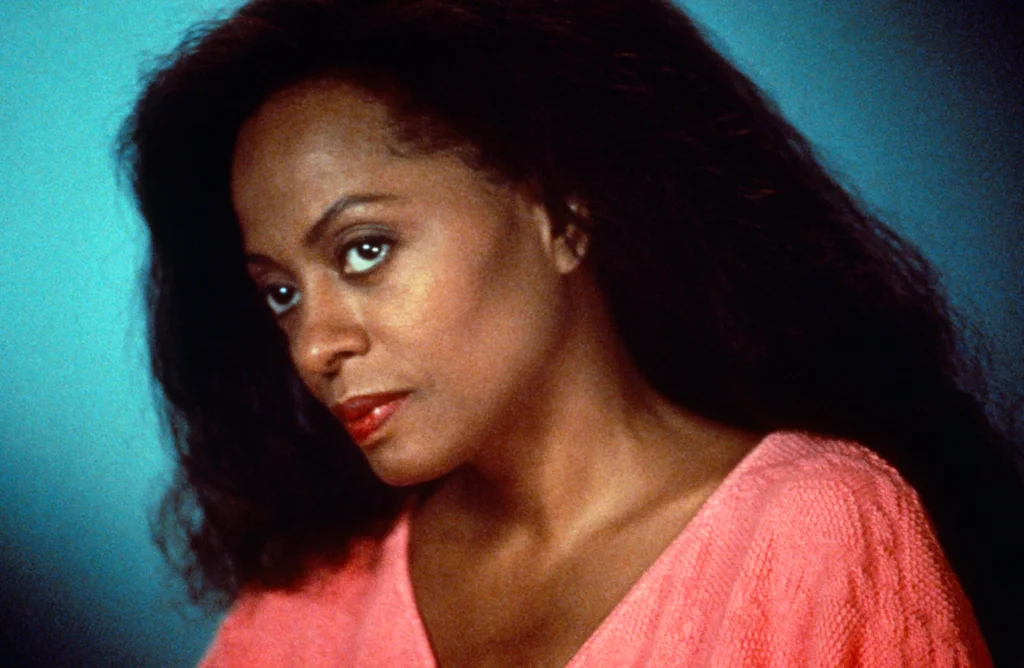
Diana Ross entered the ’70s already famous, but the decade elevated her into superstar territory. Her solo music career took off with chart-topping hits that dominated radio playlists. She brought a polished glamour that felt cinematic even in simple television performances. Ross had a commanding presence that made every appearance feel like an event. Her voice carried emotion and elegance in equal measure. Fashion magazines, award shows, and concert tours kept her constantly in the spotlight. She felt like a symbol of sophistication and ambition.
Her crossover into film further expanded her reach and influence. Audiences who may not have followed her music were suddenly introduced to her acting work. That versatility helped broaden her fan base across generations and demographics. She represented success on a global scale rather than just domestic popularity. The way she carried herself projected confidence and authority without losing warmth. Even decades later, her ’70s image still feels iconic and instantly recognizable. That kind of cultural staying power reflects how massive her presence once was.
6. Elton John
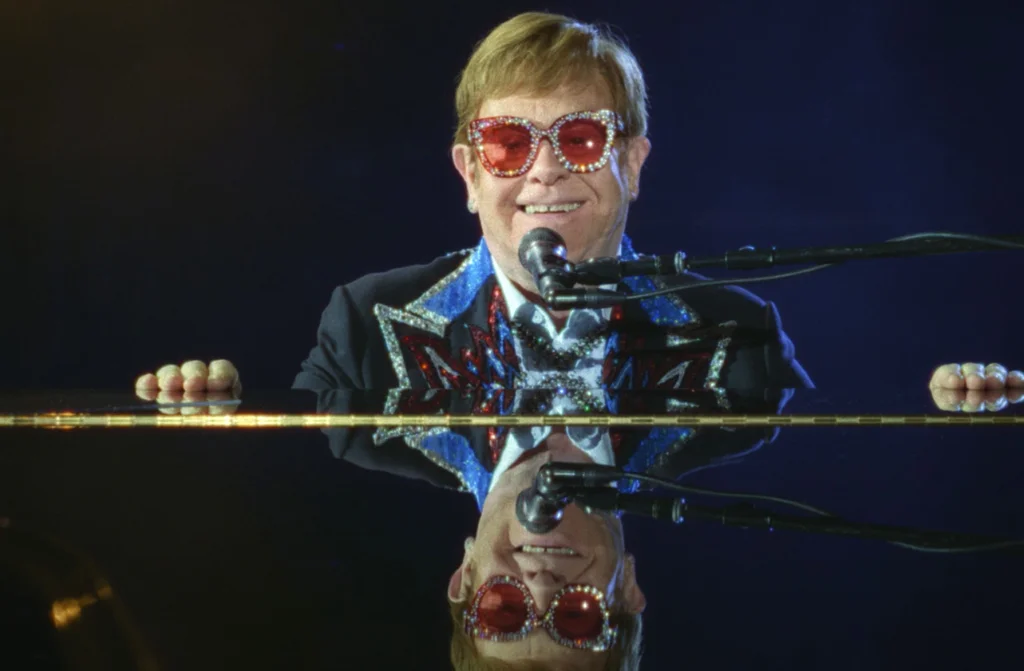
Elton John’s rise in the ’70s felt like a nonstop celebration of spectacle and songwriting brilliance. His music dominated radio while his concerts became full theatrical events. Sequined costumes, oversized glasses, and flamboyant stage energy made him impossible to ignore. He didn’t just perform songs, he created moments that people talked about long after the show ended. His melodies were catchy, emotional, and instantly memorable. Fans felt like they were witnessing something entirely new and fearless. Even people who didn’t own his records recognized his voice immediately.
What made him feel larger than life was the sheer volume of success packed into a short span of time. Album after album climbed the charts and produced enduring hits. His collaboration with Bernie Taupin consistently delivered deeply relatable lyrics wrapped in bold musical arrangements. He became both a pop star and a cultural personality. Television appearances amplified his eccentric charm and humor. He felt like a walking celebration of creativity and self-expression. That visibility turned him into one of the defining figures of the decade.
7. Lynda Carter

When Lynda Carter appeared as Wonder Woman on television, she instantly became a pop culture sensation. Her portrayal blended strength, warmth, and grace in a way that resonated with viewers of all ages. The costume, the spin transformation, and the confident presence became instantly recognizable. Carter wasn’t just playing a superhero, she embodied a larger-than-life ideal of empowerment and kindness. Kids admired her heroics while adults appreciated her charisma. She quickly became a household name through weekly television exposure. Merchandise and magazine features followed naturally.
What made her fame feel so expansive was how deeply the character embedded itself into everyday culture. Halloween costumes, lunchboxes, and playground games reflected her influence. She represented a rare female superhero lead at a time when that visibility mattered. Carter’s natural poise made the role feel authentic rather than campy. Even people who didn’t regularly watch the show knew exactly who Wonder Woman was. Her image became shorthand for strength and confidence. That enduring recognition shows how powerful her impact truly was.
8. Al Pacino
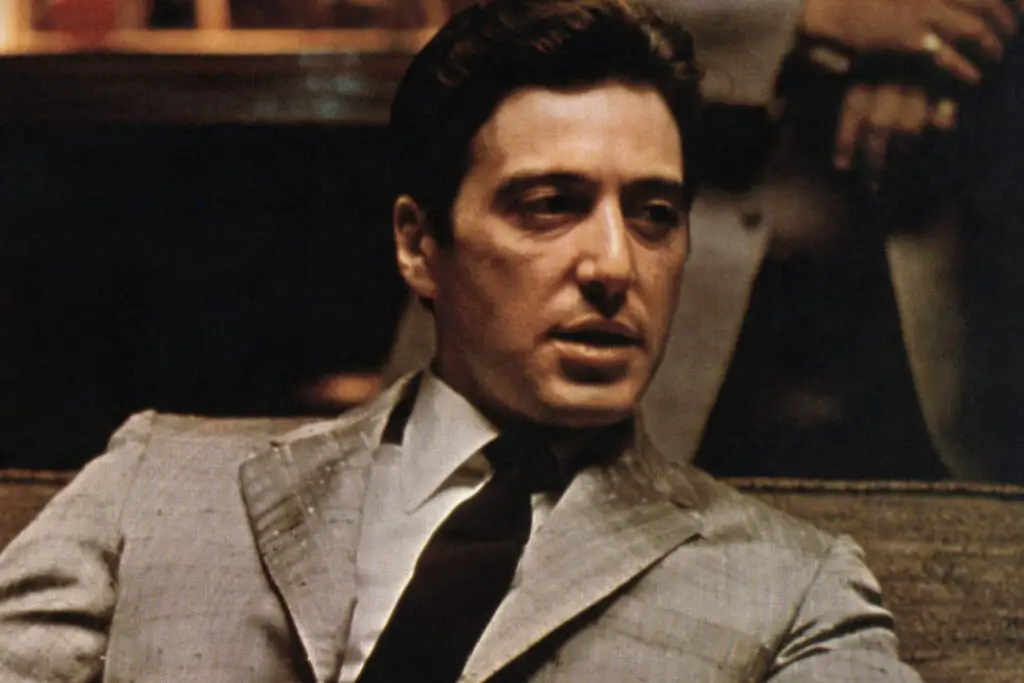
Al Pacino’s performances in the early ’70s transformed him into one of the most respected actors of his generation. The Godfather made him instantly recognizable as Michael Corleone. Audiences were captivated by his intensity and emotional depth. He brought a quiet menace and vulnerability that felt groundbreaking at the time. His acting style felt raw and unpredictable, keeping viewers fully engaged. Each new role carried a sense of anticipation. He quickly became synonymous with serious, high-quality cinema.
What elevated his presence into larger-than-life territory was how influential those performances became. Film culture itself shifted in response to the kind of realism he brought to the screen. Directors sought him out for challenging, dramatic roles. Critics frequently praised his commitment and emotional precision. His characters lingered in public memory long after the credits rolled. Even casual moviegoers recognized his voice and expressions. That level of artistic influence goes beyond typical celebrity fame.
9. Stevie Wonder
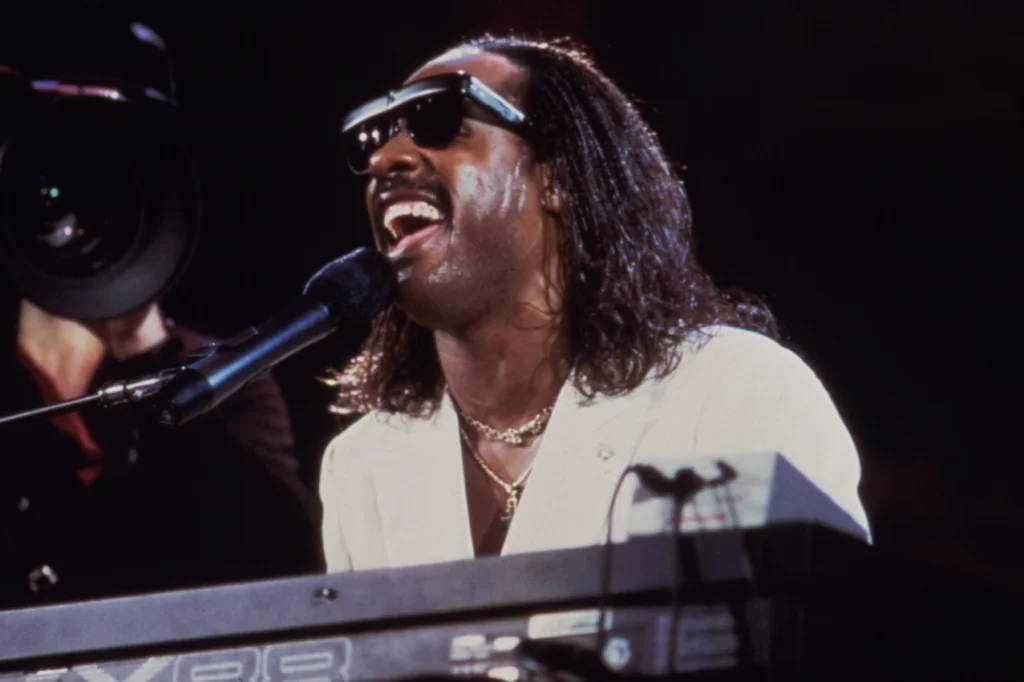
Stevie Wonder’s creative explosion in the ’70s reshaped popular music. Album after album delivered groundbreaking sounds, social commentary, and unforgettable melodies. His musicianship felt effortless while still pushing technical boundaries. Songs from this era became permanent fixtures on radio and in public spaces. Wonder’s voice carried optimism, reflection, and joy all at once. He wasn’t just releasing hits, he was redefining what pop and soul music could achieve. His influence crossed genre lines easily.
What made him feel larger than life was the scope of his artistic control and vision. He wrote, produced, and performed at a level that impressed both critics and casual listeners. His work addressed social issues while remaining deeply accessible. Concerts felt like communal celebrations rather than standard performances. He became a symbol of creative independence and excellence. Even people who didn’t follow music closely recognized his songs immediately. That universality is a hallmark of true cultural impact.
10. Sylvester Stallone
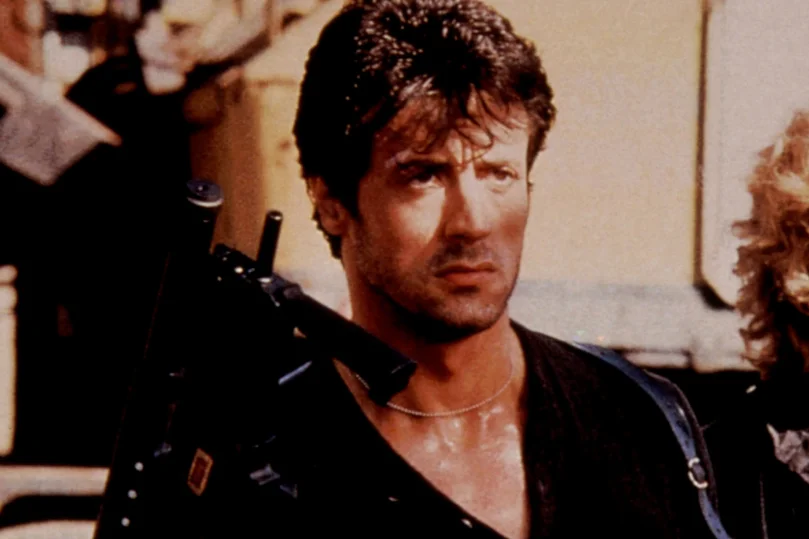
Sylvester Stallone’s rise with Rocky turned him into an unlikely symbol of determination and grit. Audiences connected deeply with the underdog story and his raw performance. The character became a motivational figure almost instantly. Stallone’s personal story of persistence mirrored the film’s message, adding authenticity to his fame. He quickly became associated with perseverance and self-belief. Posters, soundtracks, and sequels reinforced his visibility. He felt like a real-world embodiment of cinematic hope.
His larger-than-life status came from how deeply the character embedded itself into everyday language and culture. People quoted lines, mimicked training scenes, and referenced the story as inspiration. The success launched him into long-term action stardom. He represented a new kind of hero that felt emotionally accessible rather than distant. Even those who rarely watched movies knew the name Rocky. That level of recognition speaks to how powerful the impact was. The character and performer became inseparable in the public imagination.
11. Linda Ronstadt
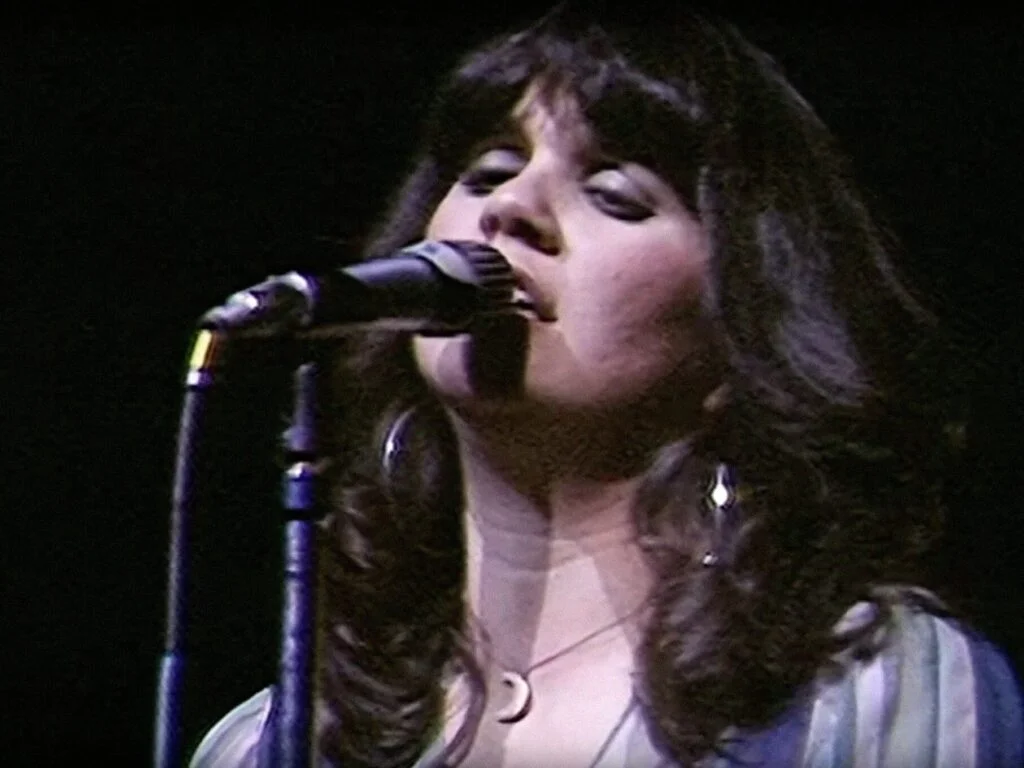
Linda Ronstadt’s voice dominated the airwaves throughout much of the ’70s. Her ability to move effortlessly between rock, country, and pop made her incredibly versatile. Each new release felt like an event rather than just another album. She had a warmth and clarity that drew listeners in immediately. Concerts consistently sold out as fans connected deeply with her emotional delivery. Radio stations relied heavily on her hits to anchor playlists. She became one of the defining voices of the decade.
Her larger-than-life reputation came from both critical acclaim and mainstream popularity. She appealed to casual listeners while also earning serious respect from musicians and critics. Her collaborations introduced audiences to new sounds and styles. Magazine covers reflected her growing cultural influence. She felt approachable while still maintaining undeniable star power. Many listeners associate specific life moments with her songs. That personal connection strengthened her lasting legacy.
12. Bruce Lee
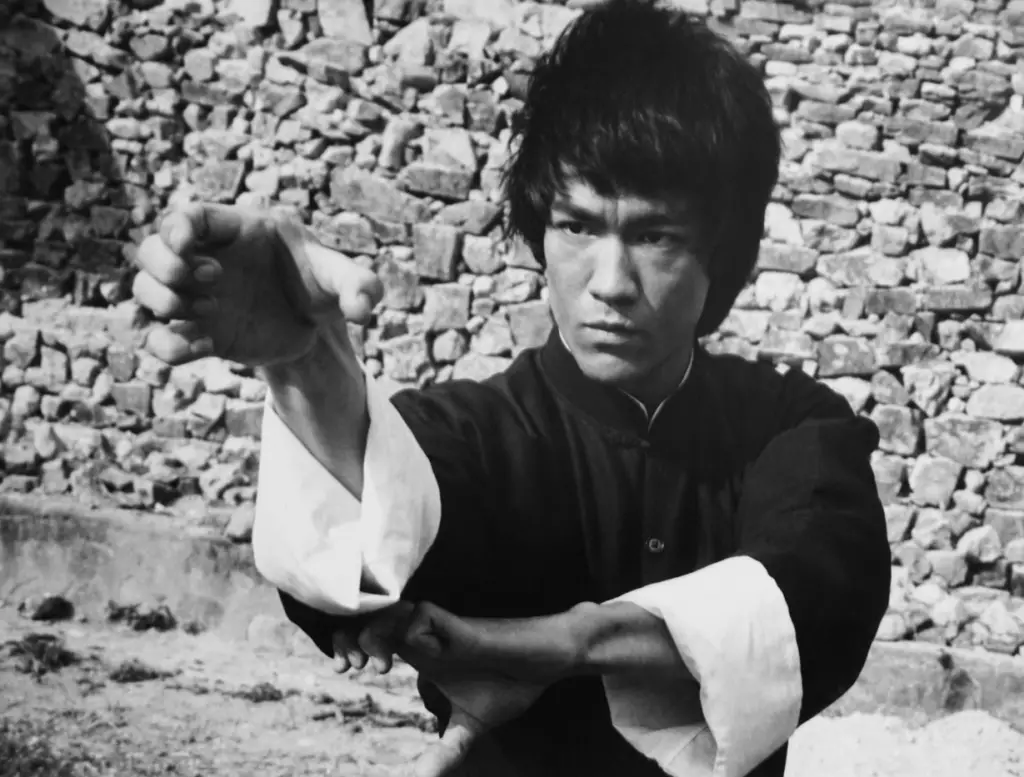
Although Bruce Lee passed away early in the decade, his influence exploded throughout the ’70s. His martial arts films became global sensations that introduced new styles of action cinema. Audiences were mesmerized by his speed, precision, and philosophical depth. Lee wasn’t just an action star, he felt like a symbol of discipline and self-mastery. His on-screen presence carried intensity and intelligence. Posters and movie screenings spread his image worldwide. He became an icon that transcended language and culture.
What made him truly larger than life was how his influence extended beyond film into fitness, philosophy, and pop culture. Martial arts schools saw increased interest inspired by his work. His quotes circulated widely and shaped how people thought about personal growth. He represented a blend of physical mastery and intellectual curiosity. Even decades later, his image remains instantly recognizable. Few performers achieve such global symbolic status. His legacy continues to shape entertainment and personal development alike.


