
1. “Stone Cold Fever” by Humble Pie
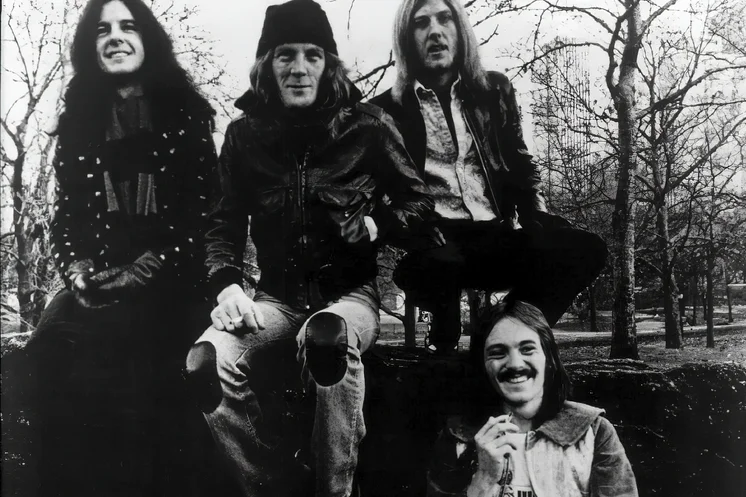
Humble Pie had the swagger and chops to rival the biggest names of the decade, but somehow “Stone Cold Fever” slipped through the cracks. With Steve Marriott’s gritty vocals and that raw guitar edge, this track captured everything that was exciting about British hard rock in the early ’70s. It was loud, unapologetic, and perfect for blasting on a summer night, but it never quite became a staple on classic rock radio. Maybe it was overshadowed by their live performances, which were legendary in their own right.
Even today, fans who stumble upon it wonder why it never reached the level of “30 Days in the Hole.” It feels like the kind of song that should’ve been on every jukebox and in every teenager’s car stereo back then. Yet somehow it’s been relegated to cult status, loved by those who dig deep but unknown to the casual listener. That makes it one of the true “should have been” classics of the ’70s rock era.
2. “Doctor My Eyes” by Jackson Browne

Jackson Browne is known for his heartfelt ballads and thoughtful songwriting, but “Doctor My Eyes” showed he could deliver a rock song with punch. Released in 1972, it had a driving piano rhythm, catchy chorus, and Browne’s signature bittersweet tone. Despite being an early hit for him, it’s often left out when people talk about the great rock songs of the decade.
It’s not that the song failed, but more that it didn’t carry the same cultural weight as the work of his peers. Put up against Eagles or Fleetwood Mac hits, it somehow gets forgotten. But play it now, and you’ll be surprised by how tight and timeless it feels. It’s one of those tracks that makes you shake your head and wonder why it didn’t get more love over the years.
3. “Salisbury” by Uriah Heep

Uriah Heep never quite made it into the same pantheon as Led Zeppelin or Deep Purple, but they had some daring tracks. “Salisbury,” a sprawling, orchestral rock piece from 1971, is a prime example. Clocking in at over 16 minutes, it was ambitious and bold, blending symphonic arrangements with heavy riffs.
The problem is that ambitious songs don’t always get remembered, especially if they never got mainstream airplay. “Salisbury” remains more of a deep-cut gem for prog fans than a household tune. Still, it showed the band’s willingness to push boundaries at a time when rock was expanding in every direction. It deserved far more attention than it ever got.
4. “Saturday Night Special” by Lynyrd Skynyrd
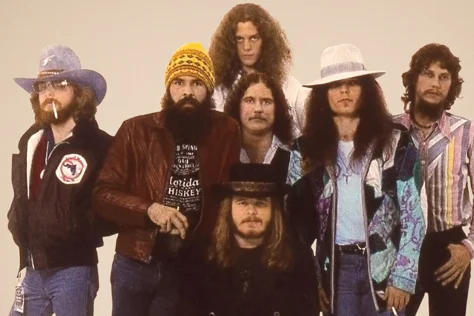
Lynyrd Skynyrd will always be remembered for “Free Bird” and “Sweet Home Alabama,” but “Saturday Night Special” is one of their most underrated gems. It carried a strong anti-gun message wrapped in a hard, swampy riff that was pure Skynyrd. For a Southern rock band, taking that kind of stance in 1975 was bold, and it gave the song an edge beyond the music.
Despite that, it never became the anthem it could have been. Maybe it was too heavy thematically, or maybe it was simply eclipsed by the band’s bigger hits. Whatever the case, it deserves more recognition as both a rocker and a social commentary. Play it now and it still feels urgent, which says a lot.
5. “Neon Knights” by Black Sabbath
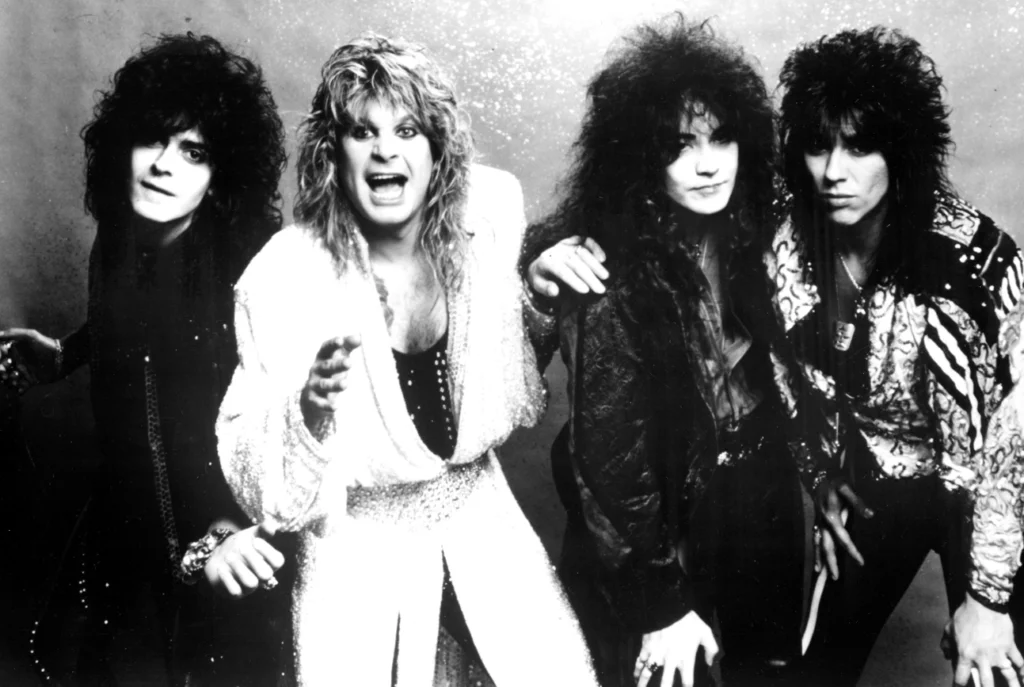
When people talk about Black Sabbath in the ’70s, they usually stick to the Ozzy years, which leaves later tracks like “Neon Knights” overlooked. This was from their early ’80s Dio era, but Sabbath was laying the groundwork in the late ’70s for that shift. The song itself was fast, fiery, and brought a new energy to the band’s sound.
It could have easily stood as one of the decade’s great metal songs, but Sabbath’s reputation was already tied to doom-laden riffs like “Iron Man.” As a result, tracks that showed their versatility just didn’t get the same exposure. Listening back now, it’s clear how much influence songs like this had on the metal movement that exploded later.
6. “Ballroom Blitz” by Sweet
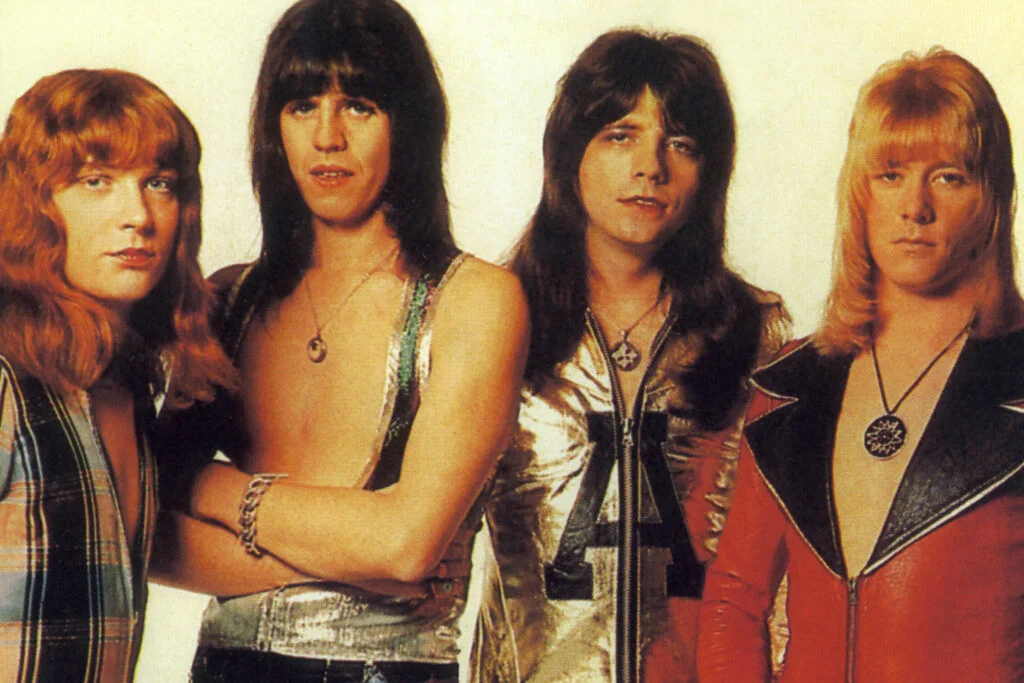
Sweet was often labeled a glam band, but “Ballroom Blitz” was pure rock energy. Released in 1973, it was raucous, cheeky, and made for blasting from a stage. It had everything—a killer opening, big hooks, and a sense of fun that made it unforgettable if you heard it live.
And yet, it somehow became more of a novelty than a staple. Maybe because glam rock itself was often dismissed, or because Sweet didn’t quite break out in the U.S. the way they hoped. Still, “Ballroom Blitz” is one of those songs that should be listed alongside “Rock and Roll All Nite” when people talk about party anthems of the decade. It deserves that level of recognition.
7. “Cherry Bomb” by The Runaways
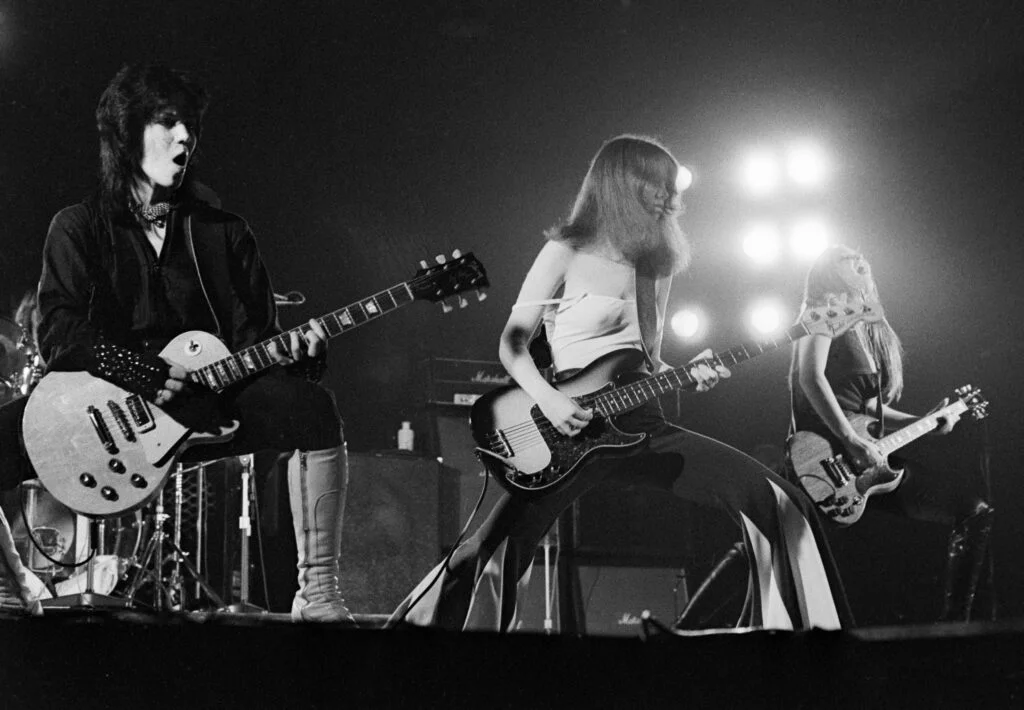
The Runaways were groundbreaking as an all-female teenage rock band, and “Cherry Bomb” was their calling card. Released in 1976, it was brash, raw, and had a rebellious sneer that perfectly captured the spirit of the time. Joan Jett and Cherie Currie brought an edge that should’ve made the song a classic.
But the industry wasn’t ready for a band like them, and the song stayed underground rather than blowing up mainstream. Today it’s celebrated by fans of rock history, but it’s still not as widely known as it should be. In reality, “Cherry Bomb” was a song way ahead of its time, and its lack of mainstream recognition feels almost criminal.
8. “Run Run Run” by Jo Jo Gunne
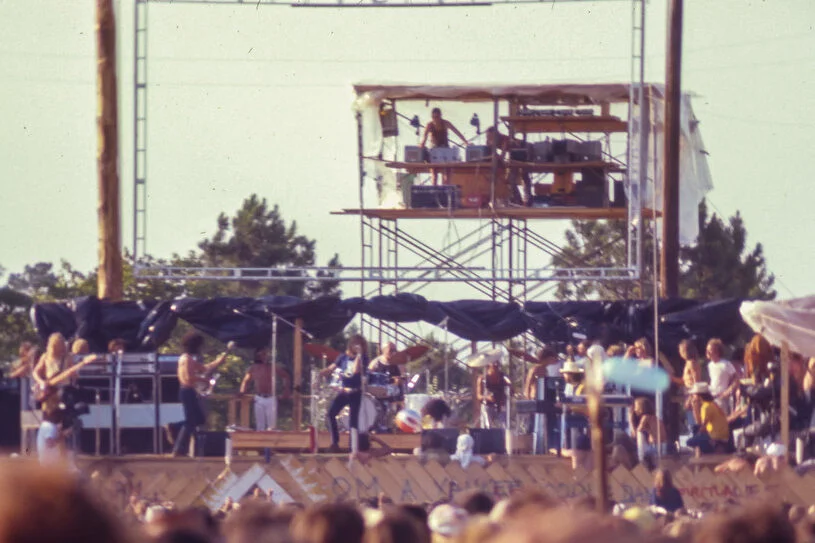
Formed by ex-members of Spirit, Jo Jo Gunne had all the makings of a hit band, and “Run Run Run” was their shot. The song is pure early ’70s rock, with a riff that sticks in your head and a chorus that begs to be shouted. It even charted decently in some places, but it never broke through to classic rock playlists.
Part of the problem is that Jo Jo Gunne never quite carved out a distinct identity. Still, this song has the kind of infectious drive that makes you wonder why it’s not remembered as fondly as other one-hit wonders. It’s one of those songs that would blow the roof off a bar if someone put it on the jukebox today.
9. “Go All the Way” by Raspberries

Power pop at its finest, “Go All the Way” was catchy, fun, and delivered with conviction. Eric Carmen’s vocals soared, and the crunchy guitar riff was pure rock bliss. It had all the hallmarks of a hit, and in some ways, it was, but it never cemented itself as a long-term classic.
For reasons that are hard to explain, it faded into semi-obscurity while other songs from the same era endured. Maybe it was because the band broke up too soon, or because Carmen went solo. Either way, “Go All the Way” deserved a bigger spotlight. It still holds up as one of the most infectious songs of the decade.
10. “Love Is the Drug” by Roxy Music
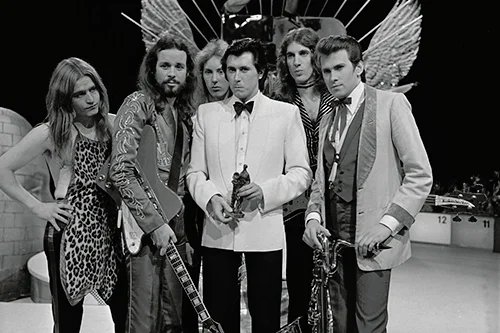
Roxy Music leaned heavily into art rock, but “Love Is the Drug” was a groove-heavy, funky rock song that could have made them huge in America. It was cool, stylish, and had an irresistible rhythm that set it apart. Released in 1975, it made some waves, but not enough to push it into the mainstream U.S. consciousness.
Over time, it’s been rediscovered by fans of alternative and glam, but it still doesn’t have the recognition it should. Compared to the massive hits of Bowie or T. Rex, this one just didn’t make the same dent. Yet when you listen today, it sounds every bit as fresh, if not more so. It’s the kind of song you expect to hear at a party, but rarely do.
11. “Fool for the City” by Foghat
Foghat is usually remembered for “Slow Ride,” but “Fool for the City” is the track that really showed off their gritty blues-rock sound. Released in 1975, it had a swaggering groove and a killer guitar riff that was every bit as catchy as their biggest hit. The song was tailor-made for blasting out of car speakers on a summer night, yet it never cemented itself as a staple on classic rock playlists.
Part of the reason might be that “Slow Ride” simply overshadowed everything else they did. Still, “Fool for the City” has the same energy and infectious spirit, and it deserves a place right alongside the era’s iconic rock anthems. It’s a song that makes you wonder how many other gems were overlooked in favor of the same handful of hits. Give it a listen now, and you’ll probably ask yourself why it isn’t played more often.
12. “Rock and Roll, Hoochie Koo” by Rick Derringer
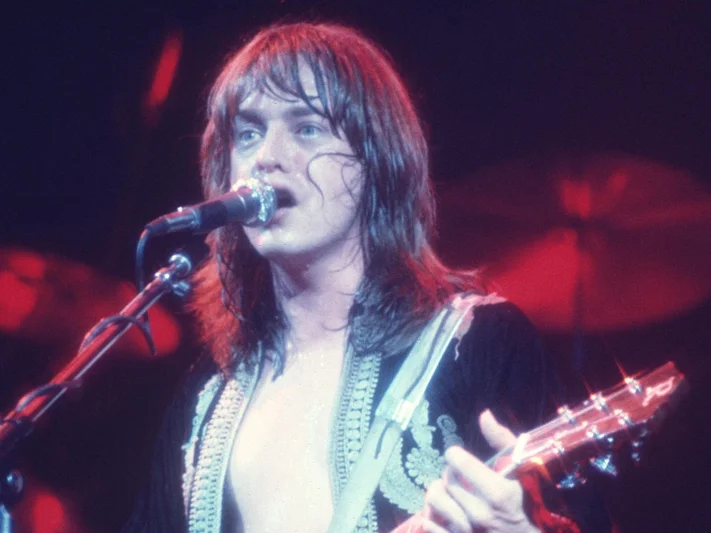
Rick Derringer had the chops, and “Rock and Roll, Hoochie Koo” was proof. It’s straightforward, fun, and built for cranking up the volume. Released in 1973, it had a riff that felt instantly familiar, and yet it never really found its permanent place in rock’s greatest hits.
The problem may have been timing, or maybe Derringer just didn’t have the same star power as some of his peers. But the song itself has everything you’d want in a classic. To this day, it feels like it should’ve been played right after “Smoke on the Water” on every rock station. Instead, it’s one of those tunes you hear occasionally and realize how much you’ve been missing.
13. “Radar Love” by Golden Earring
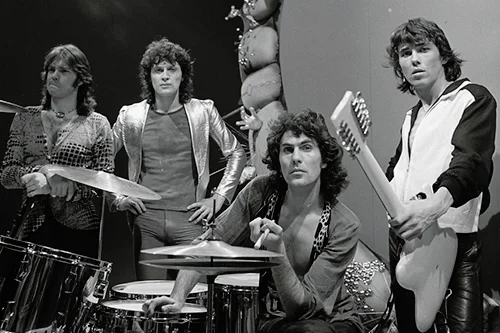
Ask anyone who’s heard it, and they’ll tell you “Radar Love” sounds like a road trip anthem. With its pulsing bassline and galloping rhythm, it was practically made for highways. It did chart, but it never became the mainstay that something like “Born to Run” did.
That’s a shame, because it has the same timeless, adrenaline-fueled vibe. Golden Earring themselves were a bit of an oddity in the U.S., which may have hurt its legacy. Still, “Radar Love” feels like it should be blasting out of every car window on a summer night. It’s rock and roll distilled into four and a half minutes.
14. “Highway Song” by Blackfoot

Blackfoot brought Southern rock into heavier territory, and “Highway Song” was one of their finest moments. Released in 1979, it was moody, expansive, and carried the same weight as a Skynyrd anthem. The way it built up into a soaring, guitar-driven finale was pure rock glory.
Unfortunately, it was released late in the decade, when tastes were shifting toward new wave and punk. That timing kept it from cementing itself as a radio staple. Still, anyone who hears it now recognizes its power. It’s one of those songs you feel in your bones, and it deserves a bigger audience.
15. “Hocus Pocus” by Focus
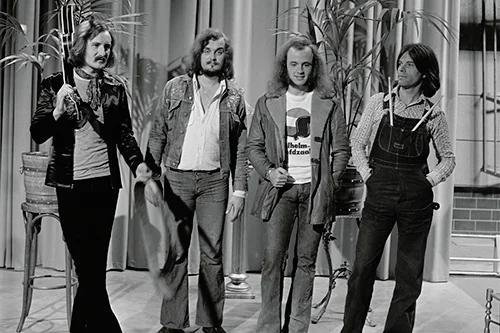
With its mix of heavy riffs, yodeling, and wild flute solos, “Hocus Pocus” by Dutch band Focus was unforgettable. Released in 1971, it was quirky, loud, and unlike anything else on the charts. It got some attention, but not enough to make it a permanent fixture of classic rock.
Part of the issue may have been that it was just too odd for mainstream listeners. But over time, it’s developed a cult following. Listen to it now, and it’s hard not to smile at how audacious it is. It’s the kind of song that should’ve been remembered as one of the decade’s defining rock moments.
16. “Jane” by Jefferson Starship

By the late ’70s, Jefferson Starship had reinvented themselves with a slicker, harder sound, and “Jane” was one of the best examples of it. Released in 1979, it was energetic, guitar-driven, and packed with power vocals that made it feel like an instant arena anthem. The song hit the charts but never got the same long-term love as earlier Jefferson Airplane tracks or later Starship ballads.
It’s a shame, because “Jane” bridged the gap between psychedelic rock roots and the polished stadium sound of the next decade. It had everything needed to live on as a radio staple, but somehow it just became one of those “oh yeah, I forgot about that one” tracks. Today, it still hits with that same rush of adrenaline, proving it deserved more staying power than it got.
17. “Over My Head” by Fleetwood Mac
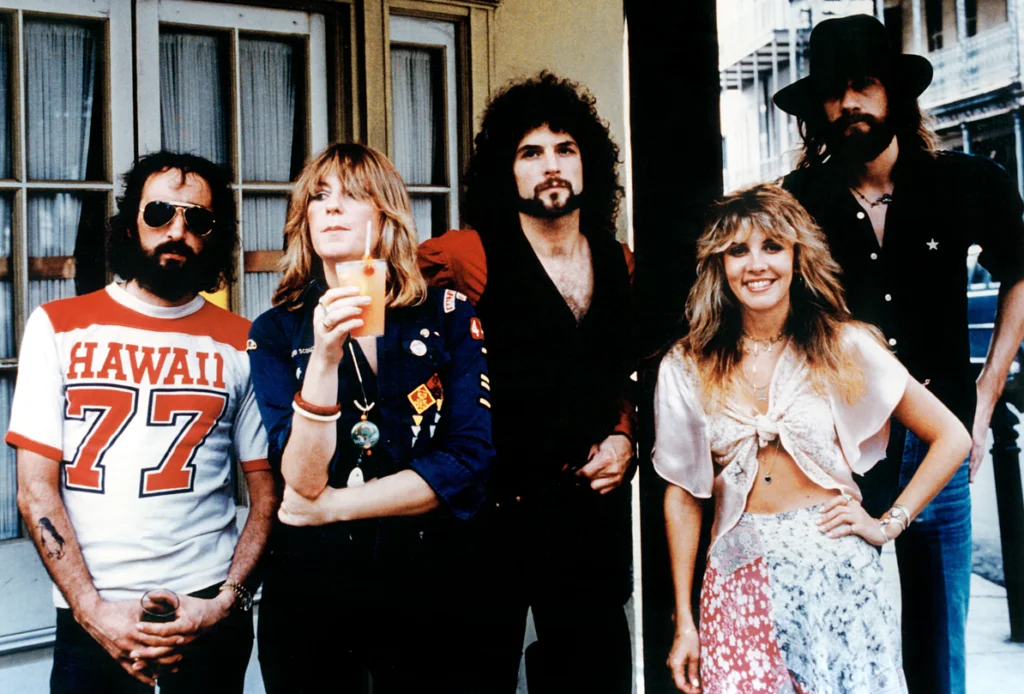
Fleetwood Mac’s Rumours tends to overshadow everything else, but Christine McVie’s “Over My Head” from 1975 was a gem. It was one of the first songs to break the band into mainstream U.S. radio, carried by McVie’s warm vocals and an understated, catchy groove. Unlike their later megahits, it had a softer, more soulful sound that could’ve become a standard in its own right.
Unfortunately, it got buried under the avalanche of hits that followed. Tracks like “Go Your Own Way” and “Dreams” became the face of Fleetwood Mac, while this early breakthrough slipped into semi-obscurity. Still, it holds up beautifully and shows a side of the band that’s often overlooked. It deserved to stick around in the same way their bigger songs did.
18. “Stone Blue” by Foghat
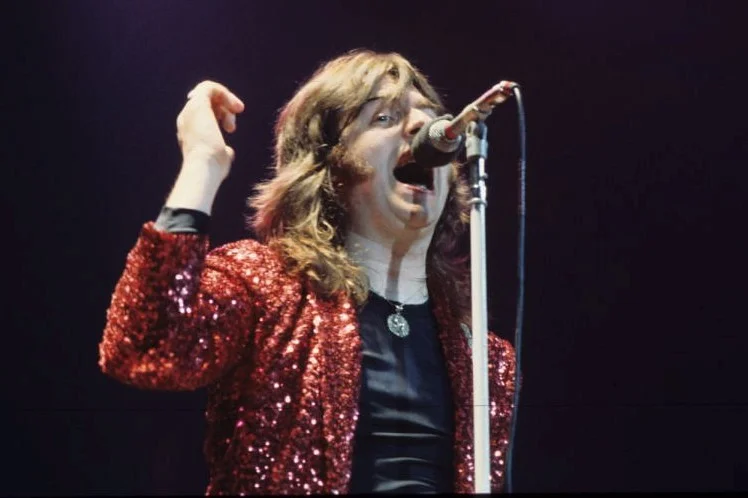
While Foghat is often reduced to “Slow Ride,” “Stone Blue” proved they had more than one gear. Released in 1978, it was punchy, bluesy, and carried a raw edge that made it perfect for live shows. The riffs were tight, the vocals gritty, and the whole track had a contagious energy that should have secured its place among ’70s rock classics.
Instead, it faded into the background, remembered mainly by hardcore fans and those who dig into full albums rather than just greatest hits compilations. Listening now, you can hear how it stood shoulder to shoulder with other hard rock hits of the era. It had that barroom, party-starting quality that never goes out of style. If it had gotten more radio play, it might have become as recognizable as their signature hit.
19. “Dance With Me” by Orleans
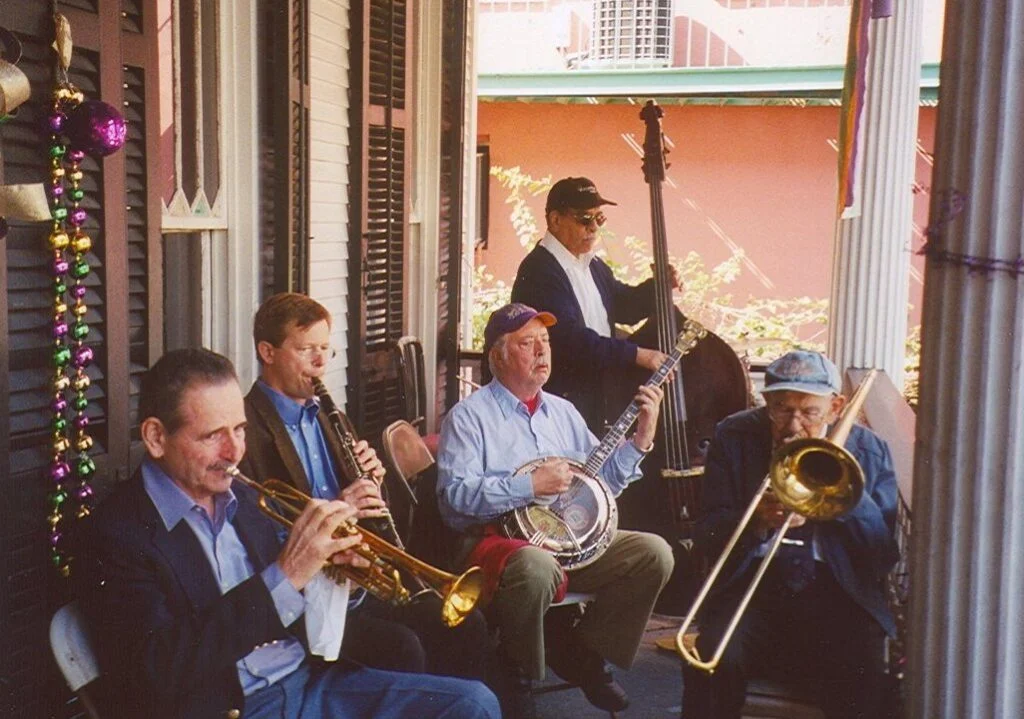
Orleans found success with “Still the One,” but “Dance With Me” from 1975 was just as strong, if not stronger in its charm. The song was breezy, melodic, and carried a sense of warmth that made it perfect for both radio and live shows. With its harmonies and feel-good tone, it captured the lighter side of ’70s rock.
But it never quite got the same cultural spotlight as their better-known hit. Maybe it was because it leaned a little too close to soft rock for some listeners, or because Orleans never became a household name. Either way, it’s a track that feels like it should have lasted longer in the public ear. Its simplicity and sweetness give it a timeless quality that deserved more recognition.
20. “Runaway” by Jefferson Starship
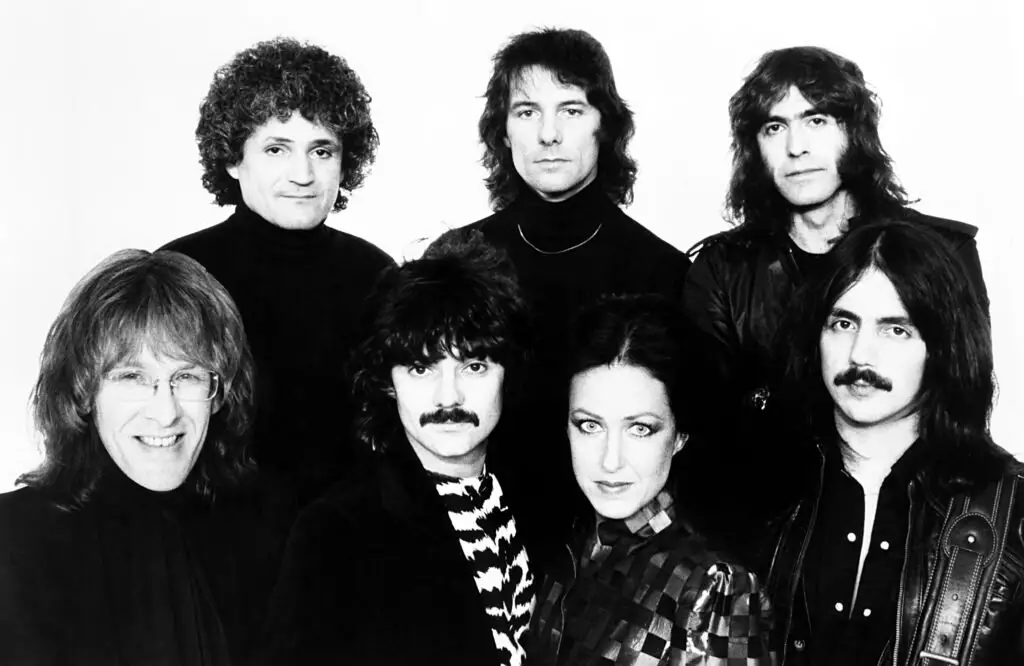
Another overlooked gem from Jefferson Starship, “Runaway” was a standout track from their 1978 album Earth. It had Grace Slick’s unmistakable presence and a driving rhythm that felt urgent and alive. It blended the band’s rock roots with a radio-friendly polish, making it an ideal single.
Despite that, it never climbed into the permanent rotation of classic rock radio. The band’s catalog is often remembered in fragments, with only a few tracks consistently resurfacing. “Runaway” is one of those songs that reminds you Jefferson Starship had far more depth than their handful of hits suggest. It’s a track that should have been a fixture of ’70s playlists but instead lingers in the background.