
1. Barney Miller
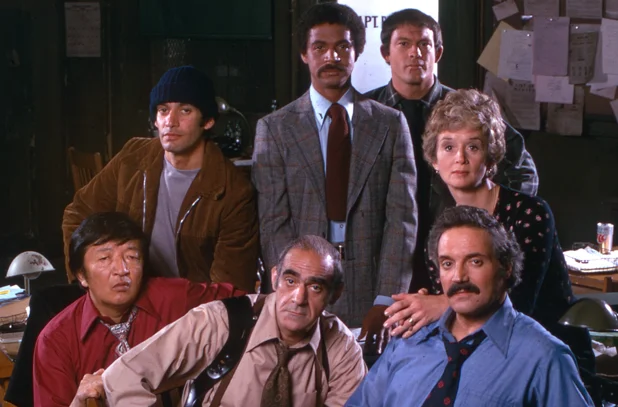
If you were anywhere near a television in the late ’70s, chances are you stumbled into Barney Miller at least once a week, even if you didn’t plan to. The precinct-set comedy felt like a constant presence in reruns and prime time, with its dry humor, low-key energy, and endlessly quotable squad room conversations. Hal Linden’s steady, grounded captain made the chaos around him feel strangely comforting, like checking in with coworkers you secretly liked. The show didn’t rely on flashy gimmicks or laugh-track antics, which made it feel smarter than a lot of sitcoms airing alongside it. For years, it seemed like every channel had it in rotation at some point during the day. You could flip on the TV and almost expect to land in that cramped police office. It quietly became part of the background of everyday viewing. Then one day, it simply wasn’t there anymore.
Outside of nostalgic cable blocks and occasional streaming appearances, Barney Miller no longer dominates the way it once did. Younger viewers often recognize the name but haven’t actually watched full episodes. It’s one of those shows that shaped sitcom tone and workplace comedy without getting constant modern rediscovery. The humor still holds up surprisingly well, but it doesn’t get the same meme culture or reboot attention as some of its peers. That absence makes it feel like a hidden gem rather than the ever-present staple it once was. For longtime fans, catching an episode now feels like stumbling across an old friend. The comfort is still there, just harder to find. It’s a quiet fade rather than a dramatic disappearance.
2. The Partridge Family
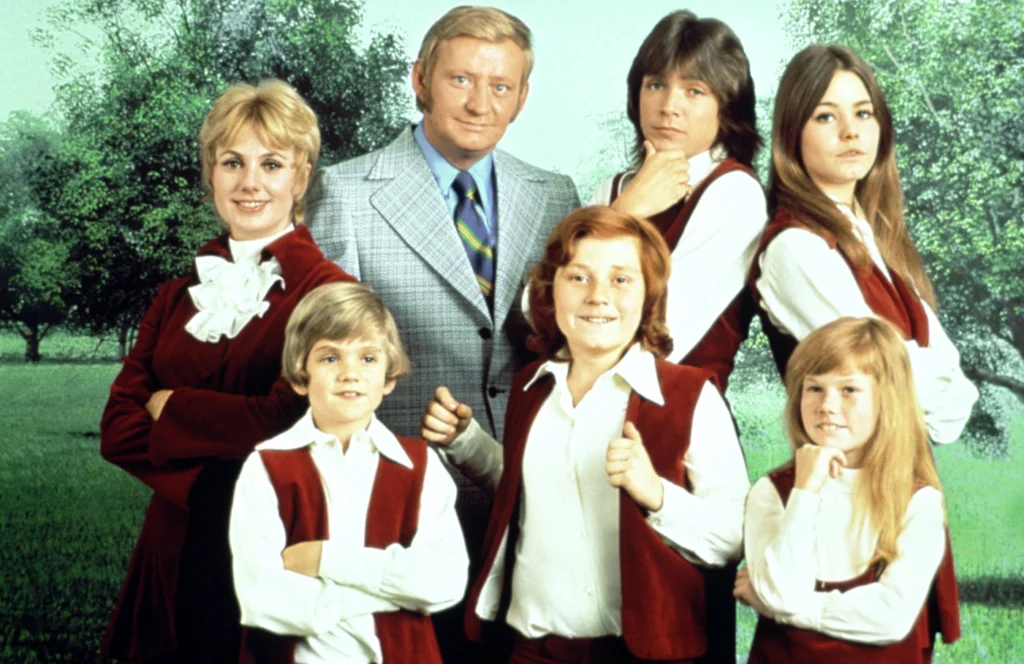
There was a stretch of the early ’70s when The Partridge Family felt unavoidable, especially if you had kids in the house or loved pop music tied to TV. The idea of a real-life family band touring in a colorful bus was pure wish fulfillment, and the bubblegum soundtrack made it even harder to escape. David Cassidy became a full-blown teen idol almost overnight, plastered on bedroom walls and magazine covers everywhere. The show blended sitcom hijinks with musical numbers in a way that felt fresh at the time. It aired constantly in reruns, especially after school, which helped lock it into a generation’s memory. Even if you didn’t watch religiously, you probably knew the theme song by heart. It was cheerful, glossy, and very much of its moment. For a while, it felt like pop culture oxygen.
Eventually, tastes shifted and the sugary optimism of The Partridge Family started to feel dated rather than comforting. The teen idol craze cooled, and newer generations didn’t connect with the same level of enthusiasm. While the show still pops up in nostalgia conversations and music retrospectives, it doesn’t dominate rerun schedules like it once did. Streaming platforms tend to spotlight grittier or more serialized classics instead. That leaves The Partridge Family living mostly in memory and old vinyl collections. When you do revisit it, the charm is still there, just framed by a very specific era. It’s a reminder of how fast pop culture cycles move on.
3. Good Times
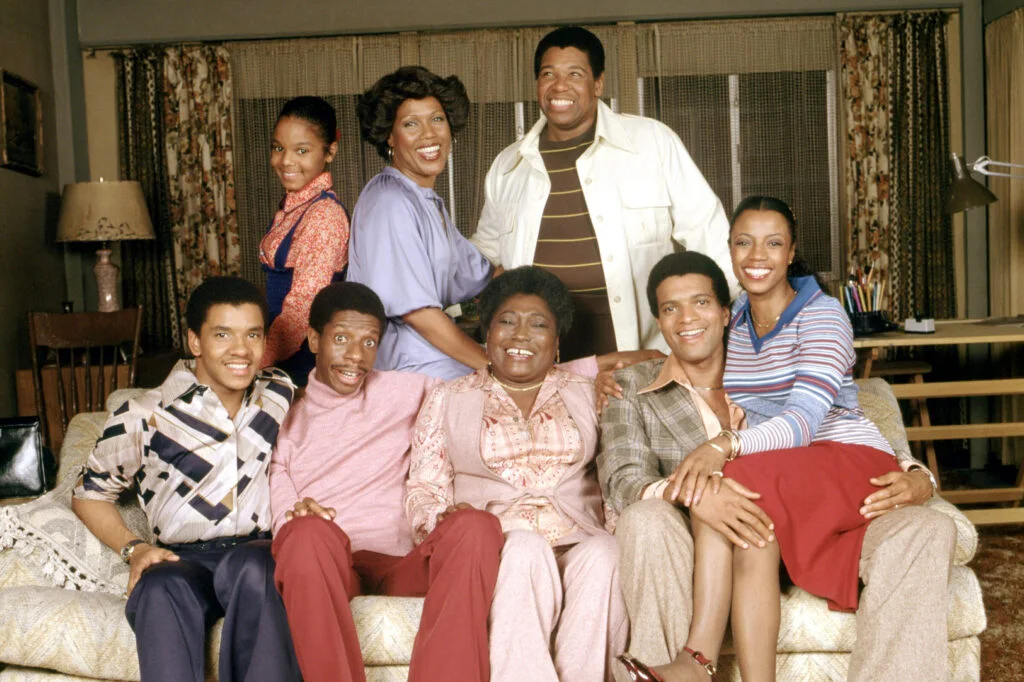
At its peak, Good Times felt like one of the most talked-about sitcoms on television, blending big laughs with surprisingly serious social themes. The Evans family became household names, and Jimmie Walker’s catchphrases seemed to echo everywhere. The show tackled real-world struggles around money, housing, and opportunity while still delivering crowd-pleasing comedy. It felt bold for its time and gave viewers characters they rooted for week after week. Reruns kept it alive long after its original run ended, making it feel permanently lodged in the TV landscape. You could stumble onto an episode almost any afternoon. The mix of humor and heart made it endlessly rewatchable. It was comfort viewing with substance.
Over time, though, Good Times became less visible compared to other Norman Lear-era hits. Some of its humor and character arcs sparked complicated conversations about stereotypes and representation, which shifted how it was programmed and discussed. It’s still respected historically, but it doesn’t enjoy the same nonstop exposure it once did. New audiences often encounter clips or references rather than full seasons. That makes the show feel more like a cultural artifact than a living rerun staple. Fans who revisit it often appreciate the emotional depth even more now. The disappearance feels gradual, not forgotten, but definitely quieter.
4. Welcome Back, Kotter
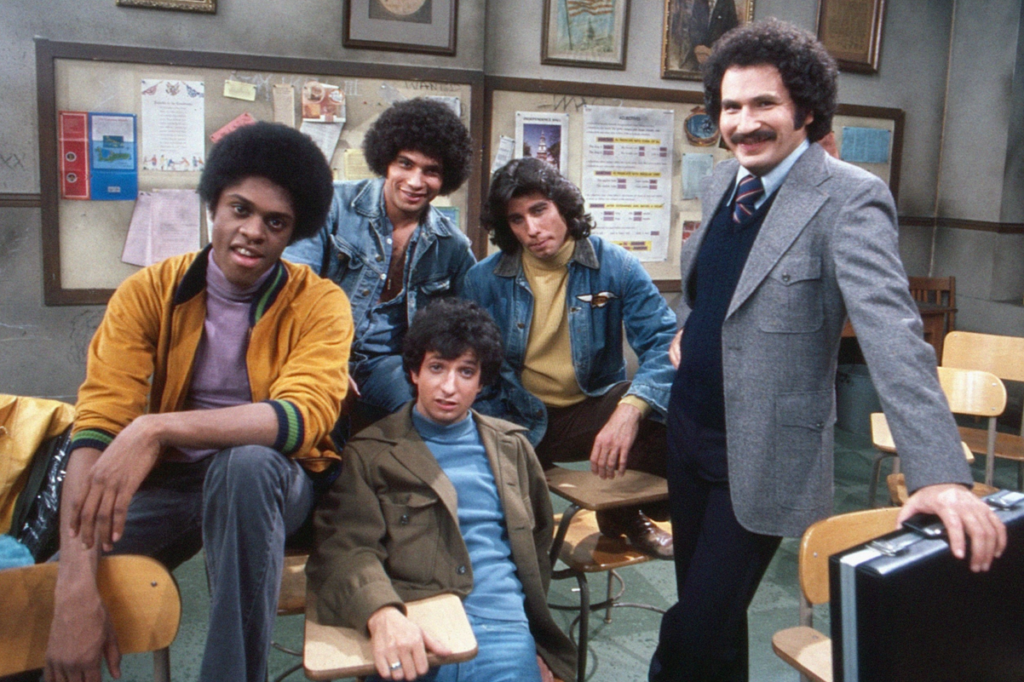
There was a moment when Welcome Back, Kotter felt like the coolest thing on television, especially if you were drawn to scrappy underdog stories and fast-talking humor. The Sweathogs’ classroom antics were endlessly quoted, and John Travolta’s breakout role made the show feel even bigger than life. It captured a specific slice of urban school life that felt edgy compared to squeaky-clean sitcoms of the era. Reruns helped cement it as a go-to afternoon favorite for years. You didn’t need to follow the story closely to enjoy the jokes, which made it easy to drop into at any time. The characters felt familiar even if you missed episodes. It was loud, energetic, and instantly recognizable. For a while, it seemed permanently etched into pop culture.
Then the cultural spotlight shifted, and Welcome Back, Kotter slowly slipped out of heavy rotation. Its humor feels firmly rooted in its decade, which can make it harder for new audiences to connect. Travolta’s film career overshadowed his TV origins, pulling attention away from the series itself. While fans still remember the catchphrases and characters, full reruns are less common now. It tends to resurface more in nostalgia articles than on daily programming. Watching it today feels like opening a time capsule. The energy is still fun, just not as omnipresent as it once was.
5. Three’s Company
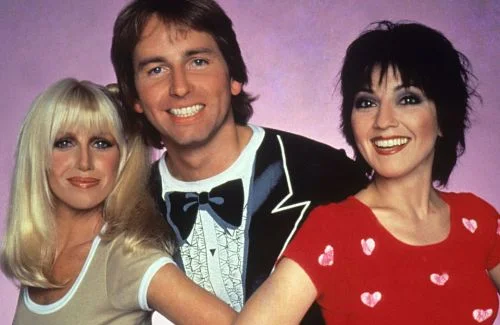
For a long stretch, Three’s Company was absolutely everywhere, especially in syndication. The farcical misunderstandings, slammed doors, and perfectly timed physical comedy made it an easy comfort watch. John Ritter’s comedic timing turned ordinary misunderstandings into full-blown chaos, and audiences couldn’t get enough. It aired so frequently that many viewers could quote entire scenes without realizing it. The show felt like a constant background companion during lazy afternoons and late nights. Even if you didn’t sit down intentionally to watch, you’d end up catching half an episode. It was light, silly, and endlessly replayable. At its peak, it felt impossible to avoid.
Today, Three’s Company still pops up, but not with the same saturation it once enjoyed. Some of the jokes feel very much tied to the social norms of the era, which can make modern viewing a mixed experience. Streaming services rotate it in and out rather than keeping it permanently front and center. That makes finding it feel a little more intentional than accidental now. Fans still love revisiting Ritter’s physical comedy, which remains impressive. The laughs hold up, but the omnipresence has faded. It’s shifted from everyday TV filler to nostalgic appointment viewing.
6. The Bob Newhart Show
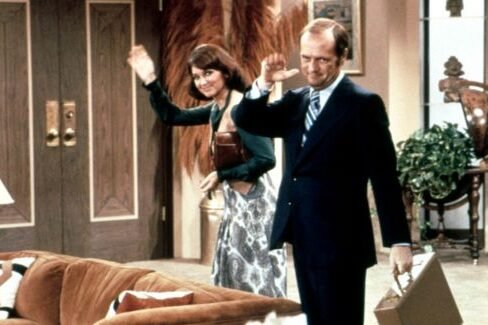
There was a time when Bob Newhart’s dry, deadpan humor felt like a constant presence in American living rooms. The Bob Newhart Show balanced gentle wit with relatable workplace and marriage dynamics, making it appealing across generations. The therapy office setting gave the show a clever twist without ever feeling gimmicky. It was the kind of sitcom you could watch with anyone and still find something funny. Reruns kept it alive well into the cable era, reinforcing its reputation as a comfort classic. You could jump into almost any episode and feel instantly at home. The humor aged gracefully compared to many of its peers. It quietly became a standard of smart sitcom writing.
Yet despite its lasting quality, The Bob Newhart Show doesn’t dominate modern TV schedules anymore. It tends to get overshadowed by flashier or more meme-driven classics. Younger viewers often know Newhart more for his later roles than for this original series. The show still streams and appears in curated lineups, but it’s no longer a constant channel-surfing discovery. That shift makes rediscovering it feel special rather than routine. The charm is still intact, just less visible in everyday viewing habits. It’s a gentle fade rather than a loss of relevance.
7. Chico and the Man
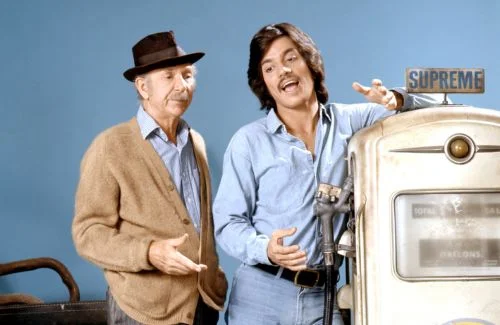
In the mid ’70s, Chico and the Man felt like one of the buzziest sitcoms on the air, mixing generational humor with heartfelt cultural commentary. The unlikely friendship at its center gave the show emotional weight beyond typical punchline comedy. It drew strong ratings and plenty of conversation during its original run. For a while, reruns kept it circulating widely, especially on local stations. Viewers remembered the warmth as much as the laughs. The show felt like a small window into changing American neighborhoods and attitudes. It had a sincerity that stood out among broader comedies. For a time, it seemed firmly embedded in the sitcom canon.
Over the years, however, Chico and the Man became harder to find. Rights issues and shifting programming priorities pushed it out of regular rotation. It’s less commonly streamed or syndicated than many of its contemporaries. That scarcity has made it feel more like a deep-cut memory than a shared pop culture touchstone. Fans who grew up with it often talk about it with a sense of surprise that it isn’t easier to access. The emotional impact still resonates when people revisit clips or old recordings. It’s one of those shows that faded quietly rather than dramatically.
8. The Love Boat
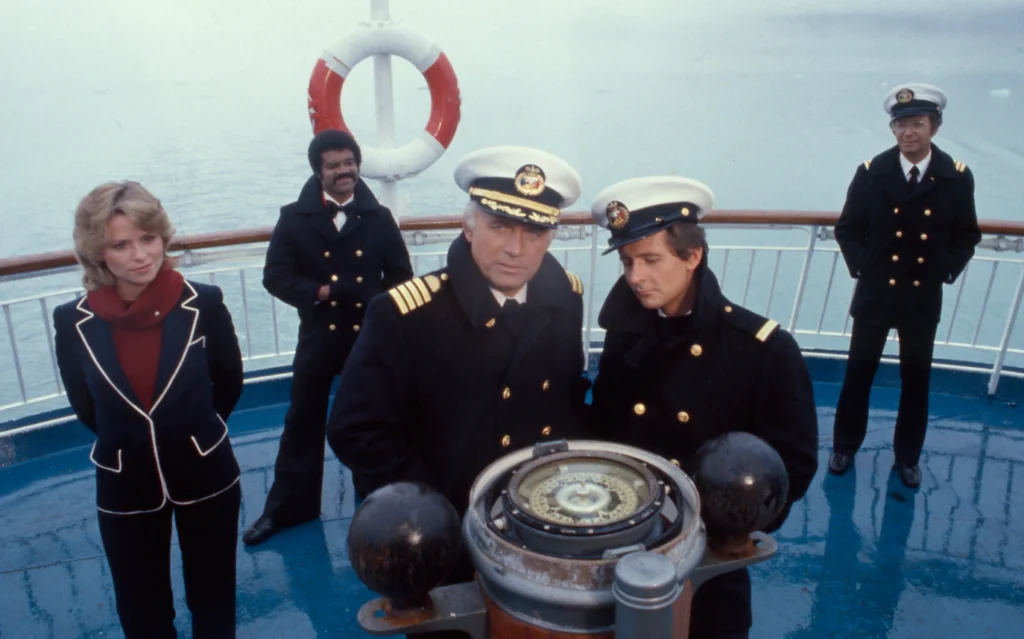
Few shows embodied escapist television quite like The Love Boat, which felt like a permanent vacation on your screen throughout the late ’70s and beyond. The rotating guest stars made every episode feel like an event, especially when familiar faces popped up unexpectedly. It aired constantly in reruns, becoming a staple of weekend and daytime programming. Viewers loved the mix of romance, comedy, and glossy fantasy settings. Even people who didn’t follow it closely recognized the theme song instantly. It was the kind of show you could watch casually without needing continuity. The predictable structure became part of its comfort appeal. It truly felt everywhere.
Eventually, changing tastes and programming trends pushed The Love Boat out of heavy rotation. Modern audiences gravitate toward serialized storytelling, which makes episodic anthology-style sitcoms feel less essential. While the show still has nostalgic appeal and occasional revivals on specialty channels, it’s no longer a default background option. Younger viewers may recognize the title but not the episodes themselves. That shift makes it feel like a relic of a different viewing era. Revisiting it now feels charmingly retro rather than current. The ubiquity has softened into fond memory.
9. Mork & Mindy
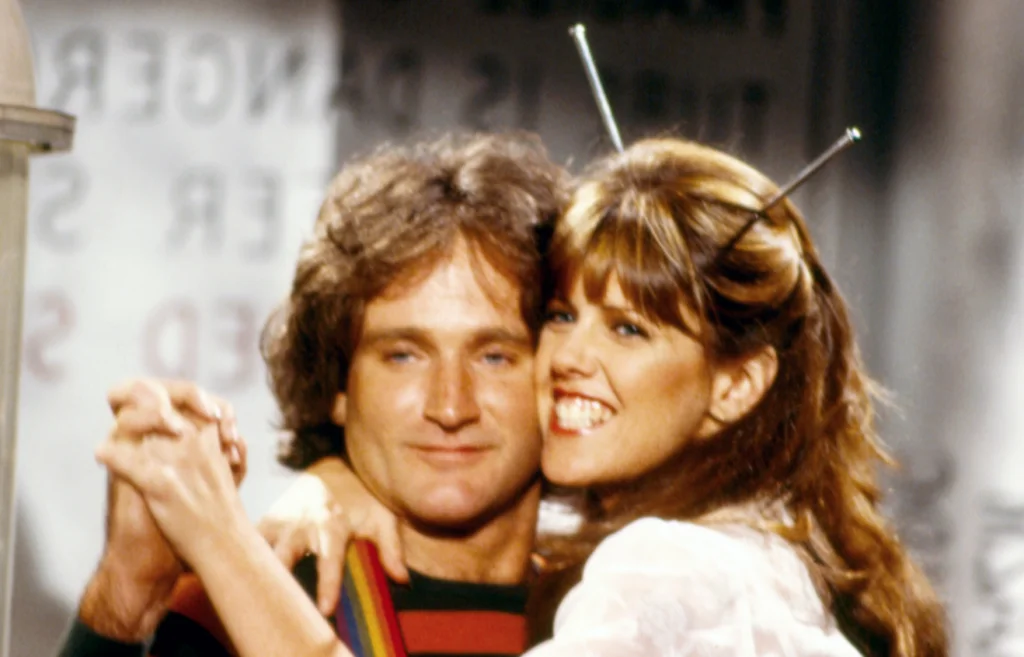
When Mork & Mindy premiered, it exploded into pop culture almost instantly, thanks largely to Robin Williams’ unpredictable energy. His rapid-fire improvisation made the show feel electric and different from anything else on television. Catchphrases and physical comedy moments spread fast, making Mork a recognizable character even outside the show. Reruns helped extend that popularity for years after the original run ended. It felt like you couldn’t avoid Williams’ manic charm during the late ’70s and early ’80s. The show became shorthand for quirky, high-energy comedy. Viewers tuned in as much for surprise as for story. It felt like lightning in a bottle.
As time passed, Mork & Mindy became more associated with Williams’ broader career than as a standalone sitcom. Some of the humor feels firmly tied to its era and improvisational novelty. While it still appears in nostalgic programming, it doesn’t dominate rerun schedules the way it once did. New audiences often encounter it through highlight clips rather than full episodes. That changes how the show is experienced and remembered. The spark is still there, but the constant exposure is gone. It’s remembered more as a launching pad than a daily fixture.
10. Soap
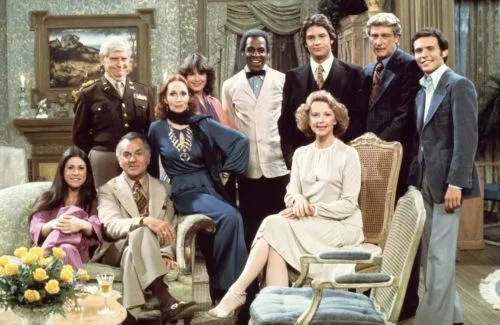
Soap felt daring and impossible to ignore when it first aired, parodying melodramatic soap operas with outrageous twists and cliffhangers. The serialized comedy format made viewers tune in religiously to see what absurd turn would happen next. It generated controversy, conversation, and strong loyalty from fans. Reruns helped keep it alive for a long time, especially for viewers discovering it late at night. The ensemble cast and overlapping storylines gave it a binge-like appeal before binge-watching was even a concept. It felt risky, smart, and endlessly unpredictable. You never quite knew what you were about to see. That unpredictability made it addictive.
Over time, though, Soap became more of a cult favorite than a mainstream staple. Its serialized structure makes casual reruns less accessible for new viewers. Some of its shock humor also feels firmly rooted in the cultural conversations of its original era. Streaming platforms occasionally revive interest, but it doesn’t circulate constantly anymore. That makes rediscovery feel intentional rather than accidental. Fans who revisit it often appreciate how ahead of its time it was. Its disappearance feels like a shift in viewing habits rather than a loss of quality.
11. One Day at a Time
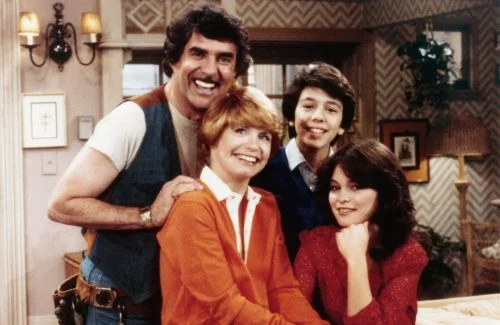
During its original run and years of syndication, One Day at a Time felt like a constant companion for many households. The show balanced family comedy with real-life issues in a way that felt both comforting and progressive. Viewers connected with the single-parent household dynamic, which felt relatable and honest. Reruns kept it in heavy circulation throughout the late ’70s and ’80s. It became one of those shows you’d catch in passing and end up watching longer than planned. The characters felt like extended family. It had a steady, reassuring rhythm. For a long time, it felt permanently embedded in daily programming.
In more recent years, One Day at a Time hasn’t maintained the same level of visibility. While it still holds cultural significance and has seen renewed interest through modern reinterpretations, the original series isn’t constantly aired. Younger audiences often know the concept more than the original cast and episodes. That shift makes the classic version feel like something you have to actively seek out. The warmth and humor still translate well when revisited. It’s just no longer an accidental discovery on channel surfing. The familiarity now lives mostly in memory.
12. Alice
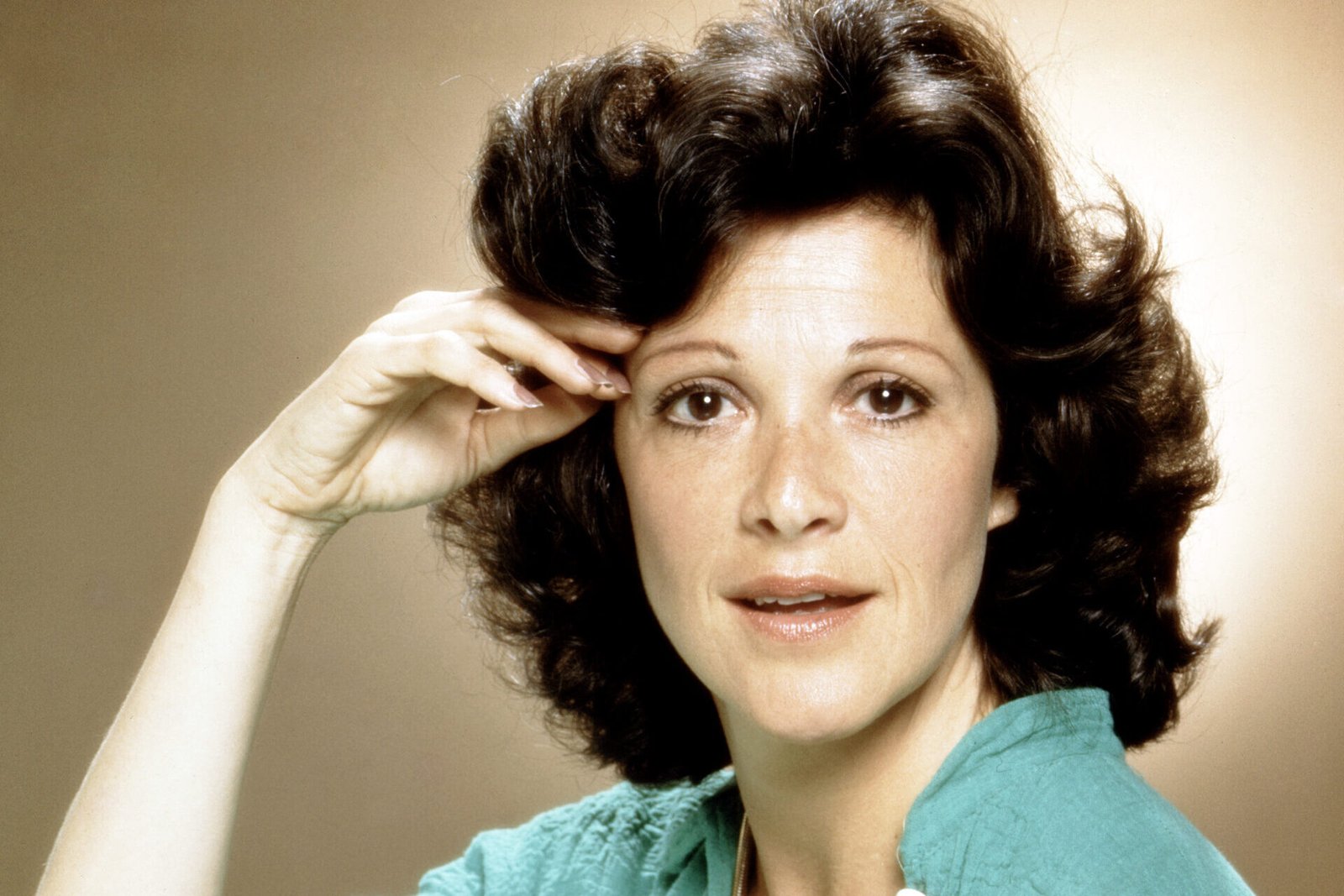
For many viewers, Alice was once a guaranteed presence on television, especially during syndication-heavy years. The diner setting made it cozy and easy to drop into, with recurring jokes and familiar rhythms. The catchphrases and characters became part of everyday conversation for a while. It aired so often that it almost felt like background noise in the best way. You didn’t need to start at the beginning to enjoy an episode. The working-class humor and camaraderie gave it staying power. It felt like a dependable TV staple. For years, it seemed permanently parked on someone’s schedule.
Today, Alice is far less visible than it once was. It doesn’t appear regularly on major streaming platforms or cable lineups. That absence makes it feel like a quietly fading classic rather than a constantly revived favorite. Fans still remember the comfort of the diner and the familiar banter. Revisiting it now feels like uncovering a forgotten chapter of television history. The charm remains intact, just less accessible. It’s one of those shows that went from everywhere to almost nowhere without much fanfare.