
1. “Afternoon Delight” by Starland Vocal Band
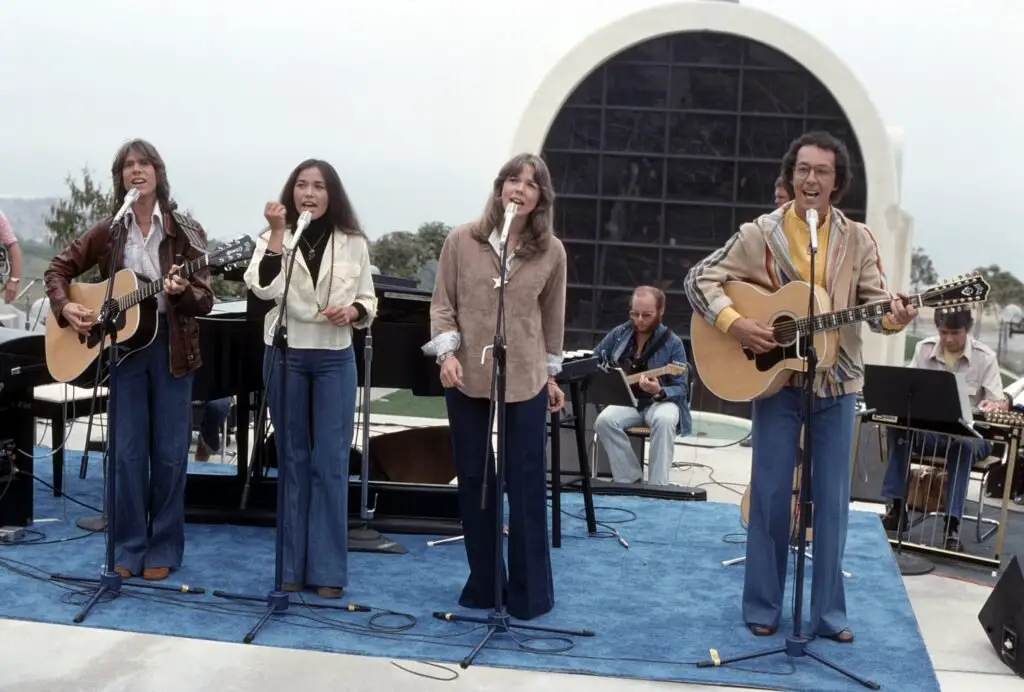
There was a moment in the mid ’70s when “Afternoon Delight” felt absolutely unavoidable. It shot to number one in 1976 and became one of those songs everyone could sing after hearing it just once. The harmonies were sweet, the melody was breezy, and radio stations leaned into it hard. At the time, it felt like the kind of feel good pop anthem that would live on for decades.
Instead, the song slowly turned into more of a novelty than a staple. Its innocent sounding lyrics started to feel a little awkward as pop culture shifted. Outside of nostalgic playlists and a few famous movie moments, it rarely gets regular airplay anymore. Many people remember the chorus but forget who sang it. It’s a perfect example of how massive success doesn’t always guarantee lasting presence.
2. “Seasons in the Sun” by Terry Jacks
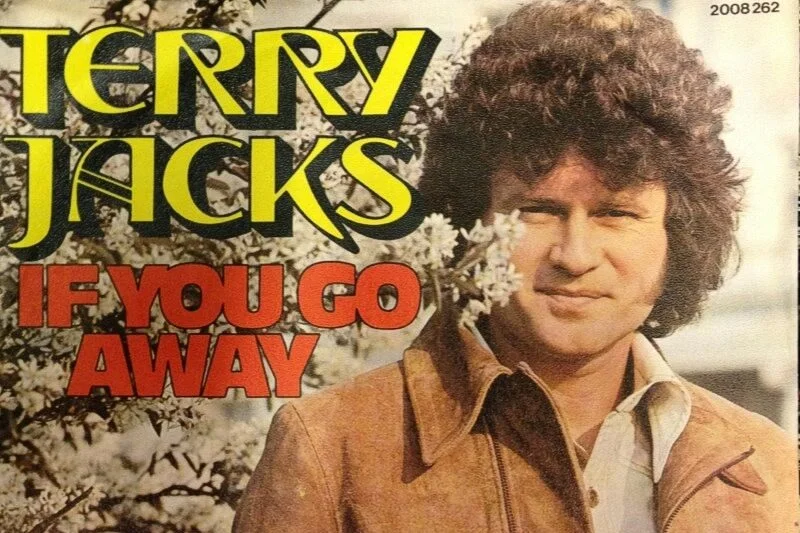
When “Seasons in the Sun” topped the charts in 1974, it felt emotionally unstoppable. The bittersweet farewell lyrics hit listeners hard, and the melody stuck like glue. It became one of the biggest selling singles of the decade. People genuinely thought it would remain a timeless tearjerker.
Over time, its dramatic tone began to feel overly sentimental to modern ears. It still pops up occasionally on oldies stations, but it no longer carries the same emotional punch. Many younger listeners barely recognize it at all. What once felt universal now feels firmly tied to its era.
3. “Kung Fu Fighting” by Carl Douglas
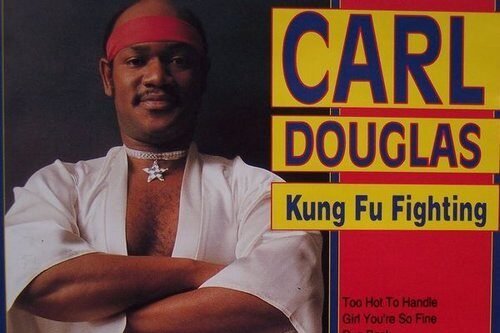
“Kung Fu Fighting” exploded in 1974, fueled by the popularity of martial arts movies and pop culture trends. The beat was infectious, and the hook was instantly memorable. It crossed genres and generations almost overnight. For a while, it felt like a novelty smash that would stay in rotation forever.
As the novelty wore off, the song became more of a party throwback than a lasting classic. It tends to surface mainly at themed events or retro playlists. Outside of those settings, it rarely gets serious airplay. The cultural moment that powered it simply moved on.
4. “The Night the Lights Went Out in Georgia” by Vicki Lawrence
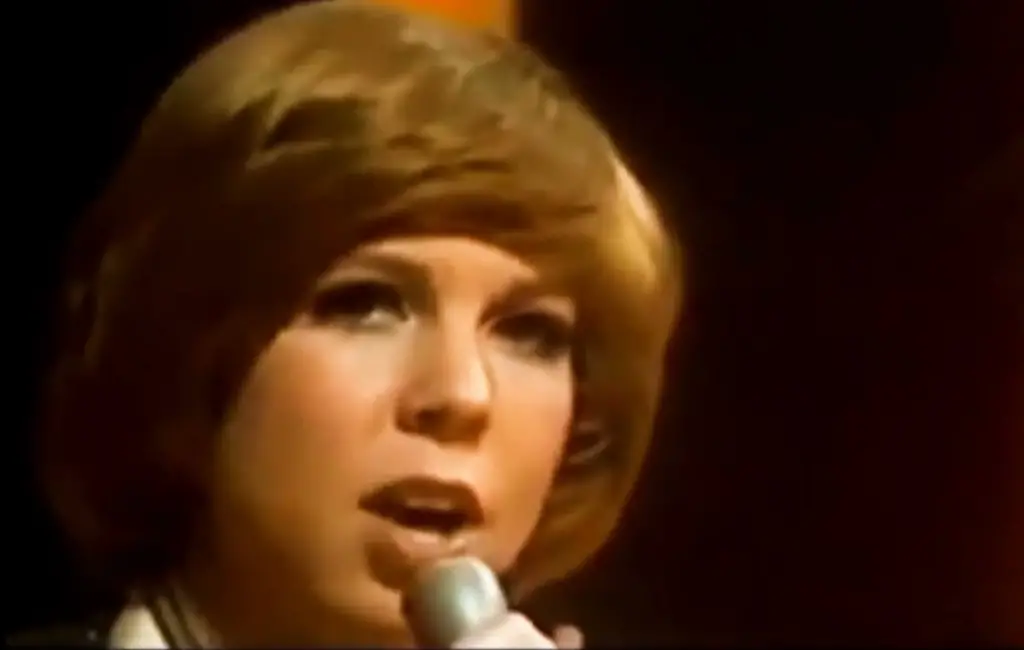
This dramatic story song captivated listeners in 1972 with its twist ending and Southern gothic feel. Vicki Lawrence surprised many people by delivering a number one hit outside of her television career. The song felt bold and cinematic for its time. It seemed destined to remain a storytelling staple.
While it’s still admired by fans of narrative songs, it doesn’t circulate widely anymore. Its long spoken verses make it less compatible with modern radio formats. Many people recognize the title but struggle to recall the full story. It has become more of a cult favorite than a mainstream fixture.
5. “Muskrat Love” by Captain & Tennille
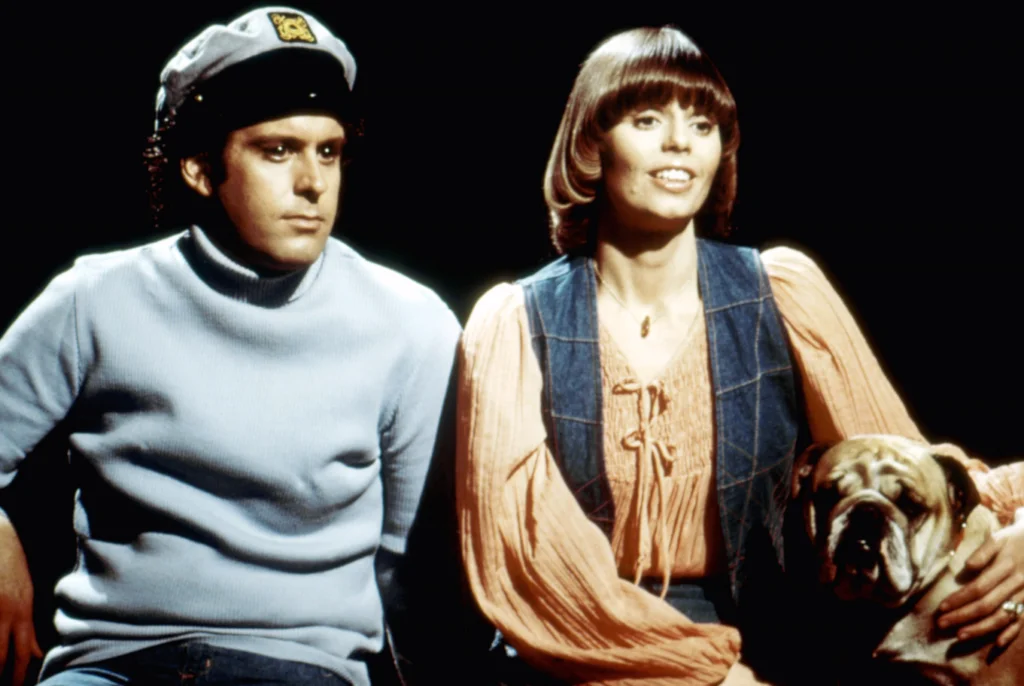
Few songs captured curiosity in 1976 quite like “Muskrat Love.” The unusual subject matter and soft production made it stand out immediately. It climbed the charts quickly and became a signature hit for the duo. At the time, it felt quirky in a charming way.
Today, the song often gets remembered more for its oddness than its musical strength. It tends to show up in trivia lists rather than playlists. Many listeners chuckle when they hear the premise again. Its staying power leaned more toward novelty than lasting appeal.
6. “You Light Up My Life” by Debby Boone
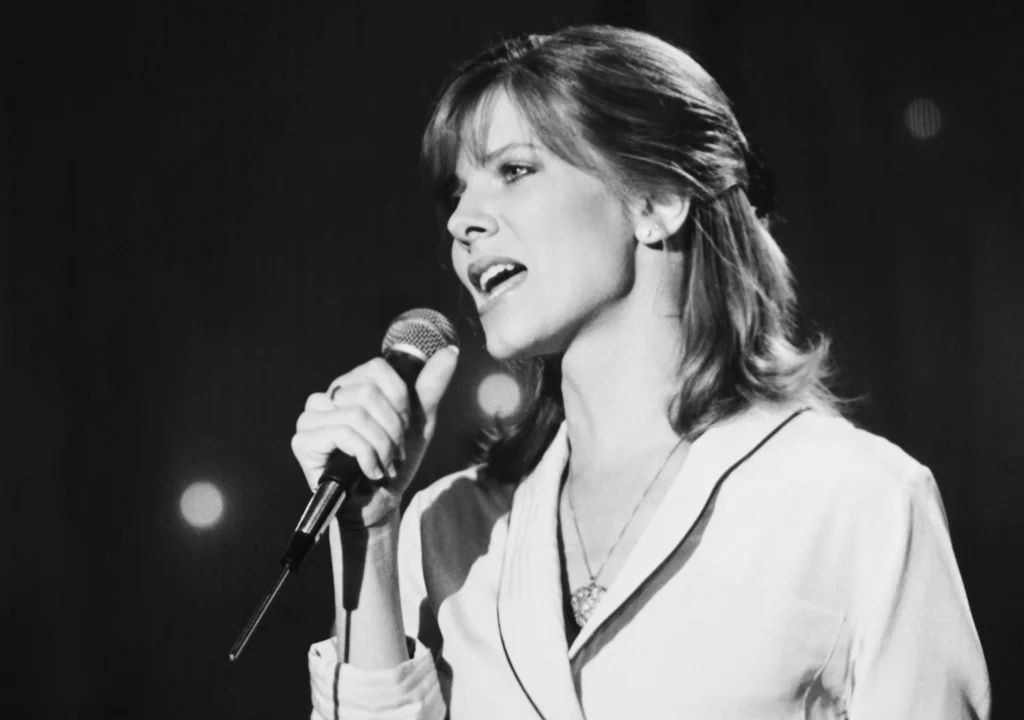
In 1977, “You Light Up My Life” dominated the charts and radio for weeks. It became one of the biggest hits of the entire decade. Weddings, graduations, and slow dances all seemed to feature it. People assumed it would become a permanent standard.
Over the years, its ultra sentimental style fell out of fashion. It still resonates with fans who grew up hearing it constantly, but it rarely appears in mainstream rotations now. Some listeners find it overly sweet by modern standards. Its cultural footprint has quietly faded.
7. “Tie a Yellow Ribbon Round the Ole Oak Tree” by Tony Orlando and Dawn
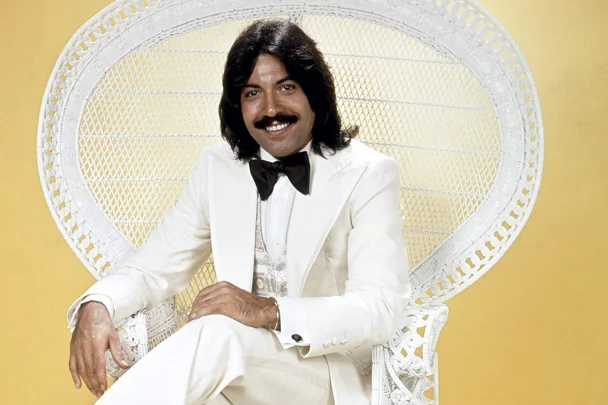
This song became an anthem in 1973, symbolizing hope, reunion, and second chances. It dominated radio and crossed into public celebrations and events. The sing along chorus made it easy to remember. It felt like a song that would live on in every generation.
While the phrase itself remains familiar, the song itself isn’t played as often. Younger audiences may recognize the ribbon symbolism without knowing the original tune. It mostly appears in nostalgia driven programming now. The emotional connection shifted with time.
8. “Billy, Don’t Be a Hero” by Bo Donaldson and The Heywoods
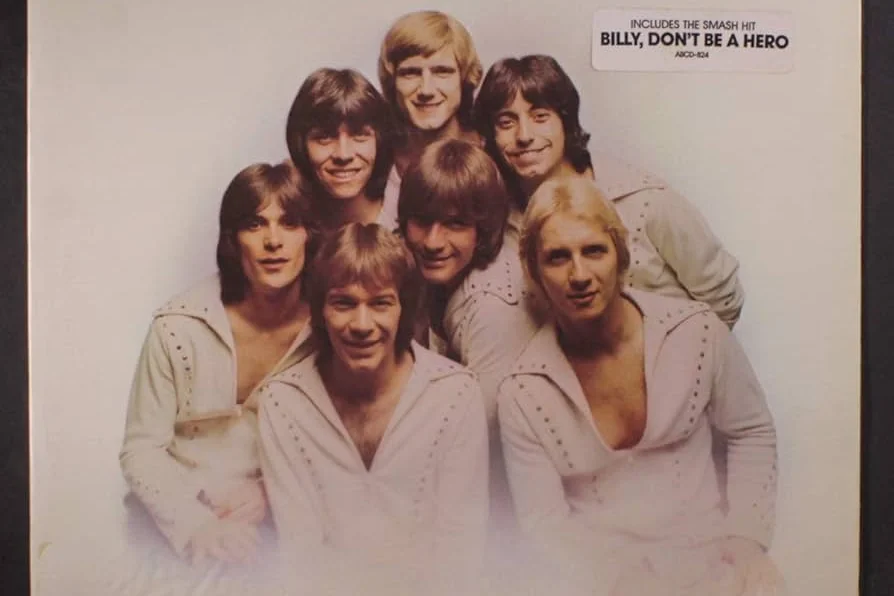
“Billy, Don’t Be a Hero” soared to number one in 1974 with its dramatic wartime storyline. The emotional hook made it unforgettable in the moment. It captured the era’s appetite for story driven pop songs. Many thought it would remain a radio staple.
As tastes changed, the melodrama began to feel dated. The song doesn’t receive much recurrent airplay today. It’s often remembered more as a curiosity of its time. Its chart dominance didn’t translate into long term cultural staying power.
9. “The Streak” by Ray Stevens
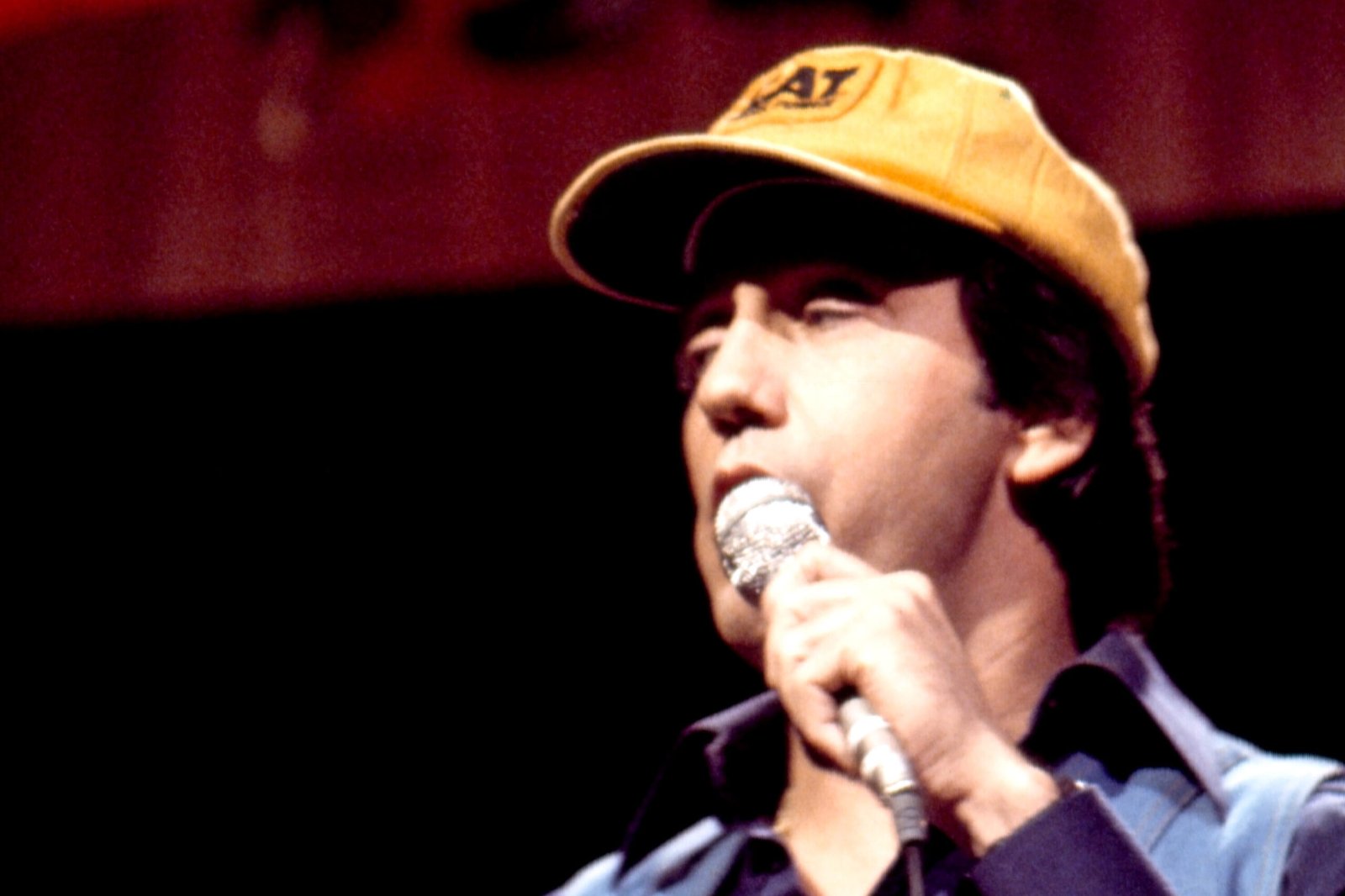
In 1974, novelty ruled the charts, and “The Streak” rode that wave straight to number one. Its humor reflected a very specific cultural moment. People quoted it endlessly and laughed every time it came on. It felt like a guaranteed party classic.
Once the joke faded, so did the song’s presence. It’s rarely played outside of novelty countdowns or throwback specials. Without the original cultural context, the humor doesn’t land the same way. Its lifespan was tied tightly to its moment.
10. “Rhinestone Cowboy” by Glen Campbell
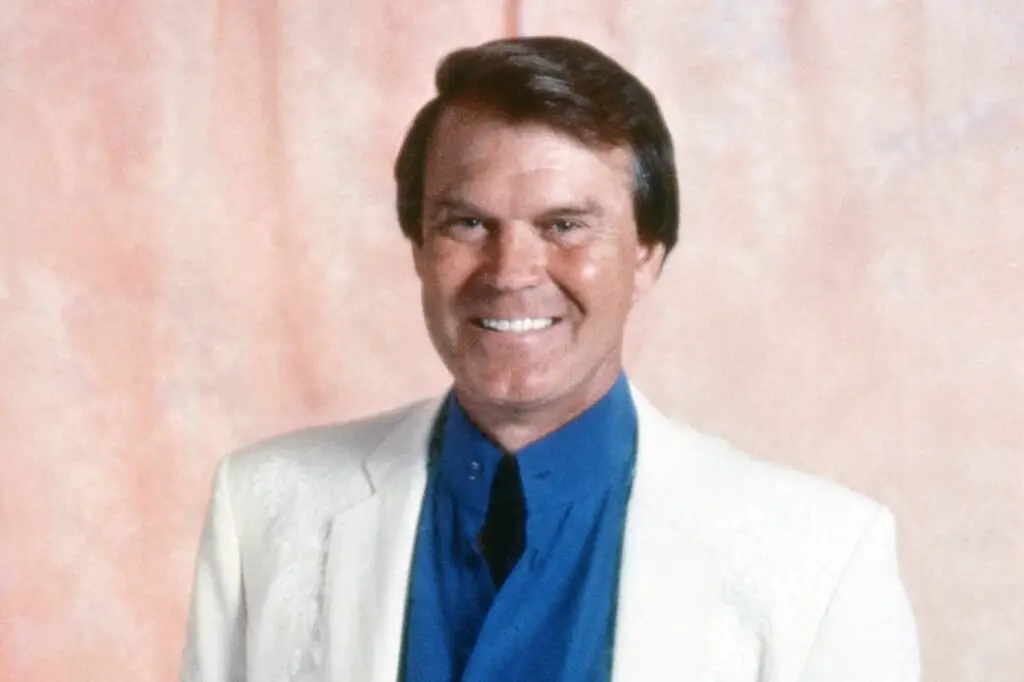
When “Rhinestone Cowboy” took over the charts in 1975, it felt like an instant American classic. Glen Campbell was already a household name, and this song pushed him even further into mainstream pop culture. The soaring chorus, hopeful lyrics, and crossover country pop sound made it feel timeless right out of the gate. It topped both the pop and country charts and became one of the biggest singles of the entire decade. For a while, it seemed like the kind of song that would always live comfortably in radio rotation.
Over the years, its presence has softened compared to other ’70s mega hits. It still appears on classic hits and country oldies stations, but not with the same frequency it once commanded. Younger listeners often recognize the phrase without immediately connecting it to the full song. Its glossy production also firmly places it in its era, rather than feeling universally timeless. What once felt like an unstoppable anthem now functions more as a nostalgic favorite than a daily radio staple.
11. “The Hustle” by Van McCoy
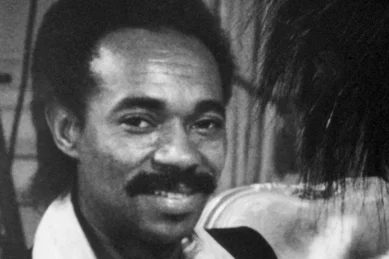
Disco was unstoppable in 1975, and “The Hustle” became one of its defining hits. Dance floors everywhere embraced the rhythm and accompanying dance craze. It won major awards and dominated airwaves. It seemed locked in as a permanent party staple.
As disco cooled off, so did the song’s everyday presence. It still surfaces during disco themed events and retro nights. Outside those settings, it doesn’t get much attention. Its legacy is strong, but its regular rotation has faded.
12. “Brandy (You’re a Fine Girl)” by Looking Glass
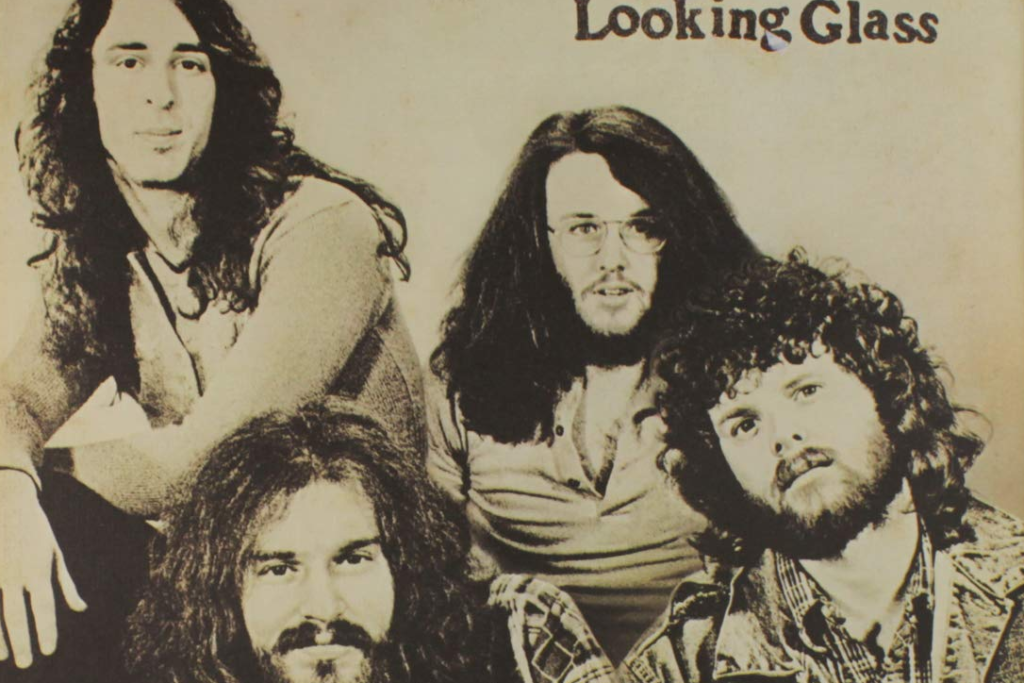
This 1972 hit told a bittersweet story that resonated deeply with listeners. The melody was easy to sing, and the narrative made it memorable. It quickly climbed to number one and became a defining soft rock moment. Many expected it to remain a constant radio favorite.
Over time, it settled into more of a nostalgic niche. It still gets occasional airplay, but not with the frequency it once commanded. Younger listeners often recognize the chorus without knowing the full song. Its emotional pull remains, even as its visibility has softened.
13. “Baker Street” by Gerry Rafferty
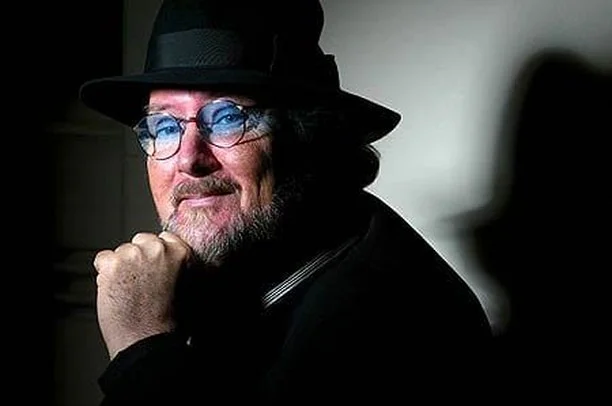
When “Baker Street” hit the airwaves in 1978, that winding saxophone riff instantly lodged itself in everyone’s brain. It climbed into the Top Three in the United States and became one of those songs you could identify within seconds. Gerry Rafferty suddenly felt like a major solo star after his work with Stealers Wheel, and this track seemed poised to anchor his long term legacy. The moody atmosphere and reflective lyrics gave it a sophistication that stood out from lighter pop hits of the era.
Over time, the song’s presence has softened compared to other late ’70s staples. It still appears in films, commercials, and classic rock rotations, but not with the same saturation it once enjoyed. Some listeners recognize the instrumental hook without immediately recalling the title or artist. Its melancholic tone doesn’t always fit modern programming trends. What once felt like an unavoidable radio fixture now feels more like a selective nostalgia favorite.
14. “Dreamer” by Supertramp

“Dreamer” helped introduce Supertramp to a wider audience in the mid ’70s and showcased their quirky blend of pop and progressive rock. The upbeat tempo, playful keyboards, and optimistic lyrics made it feel like the kind of song that would age effortlessly. It became a major hit internationally and helped set the stage for the band’s later blockbuster albums. At the time, it seemed destined to remain one of their defining tracks forever.
Today, “Dreamer” often gets overshadowed by the band’s later, bigger hits. It still pops up on classic rock playlists, but it isn’t always the first song people associate with Supertramp. Many fans remember the melody instantly but might not seek it out deliberately. Its bright, almost whimsical sound firmly places it in its decade. The song remains beloved, but its cultural visibility isn’t quite as dominant as once expected.
15. “Kiss You All Over” by Exile
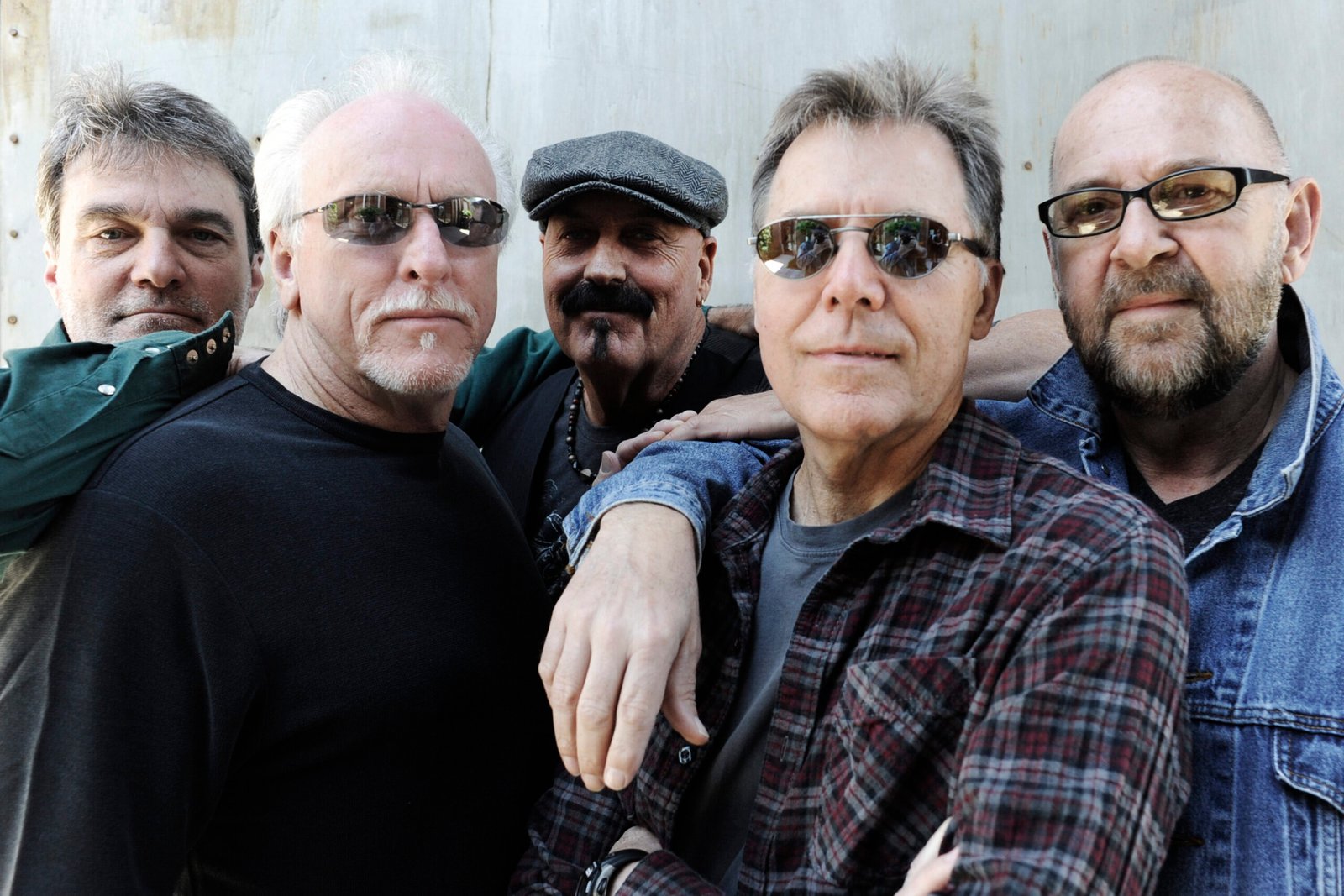
In 1978, “Kiss You All Over” was everywhere, spending weeks at number one and dominating pop radio. The sultry delivery and catchy chorus made it instantly memorable, and Exile suddenly found themselves in the spotlight. It felt like the kind of crossover smash that would stay locked into party playlists for generations. The song’s playful confidence gave it a bold personality that stood out among softer ballads.
As the years passed, its radio presence gradually cooled. While many people still recognize the chorus, fewer can name the band behind it. It tends to resurface mostly on nostalgia themed stations or countdowns rather than daily rotation. Its production style clearly reflects late ’70s pop trends. What once felt like a guaranteed evergreen hit now lives comfortably as a throwback favorite.
16. “Sailing” by Rod Stewart
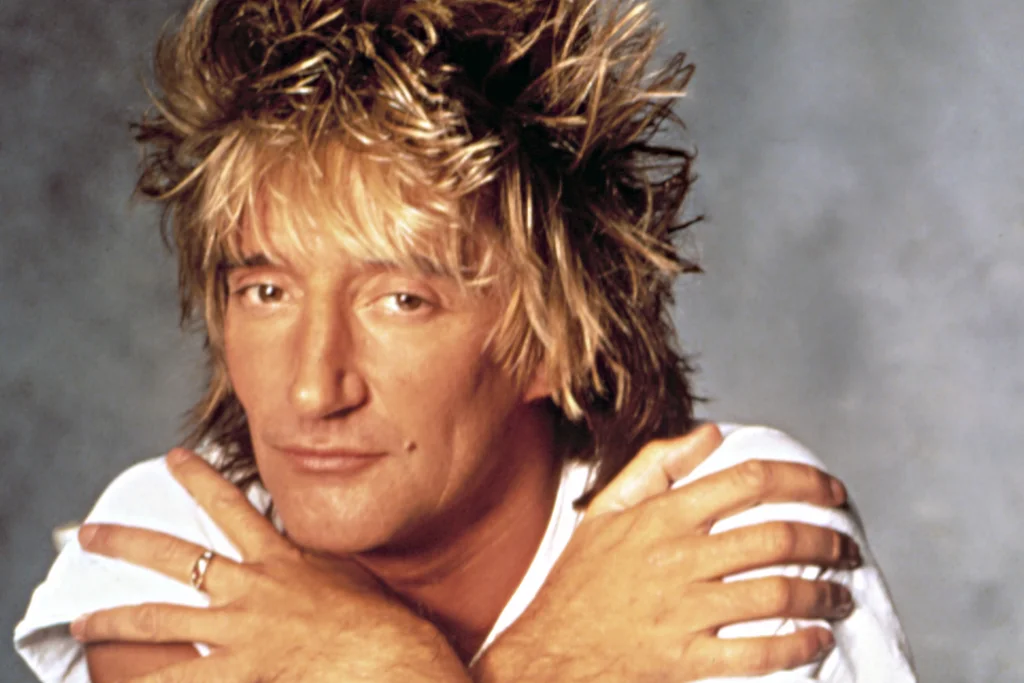
When Rod Stewart released “Sailing” in the mid ’70s, it became one of his most emotionally resonant ballads. The sweeping melody and heartfelt delivery connected strongly with listeners across generations. Stewart was already a superstar, and this song seemed destined to remain one of his permanent signature pieces. It became closely associated with major life moments, from graduations to farewells.
Over time, it has become less common on mainstream playlists compared to Stewart’s more upbeat hits. It still holds emotional weight for longtime fans, but its slower tempo makes it less radio friendly today. Some younger listeners recognize the song without immediately connecting it to Stewart. Its sentimental tone feels rooted in its era. The legacy remains strong, even if its everyday visibility has softened.
17. “Shadow Dancing” by Andy Gibb
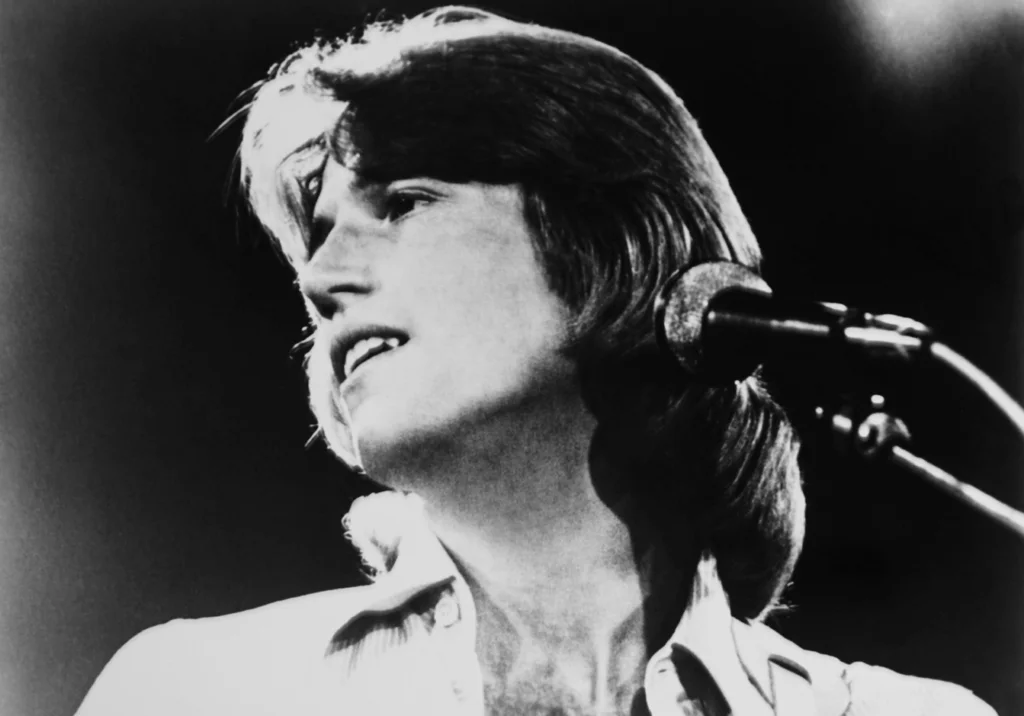
“Shadow Dancing” was an absolute phenomenon in 1978, spending seven weeks at number one and cementing Andy Gibb as a pop idol. The disco driven groove and irresistible hook made it impossible to escape during its peak. Gibb’s youthful charisma and chart dominance made many people assume he would enjoy a long, unstoppable career. The song felt like a guaranteed permanent fixture in pop culture.
As disco’s popularity cooled, the song gradually slipped from constant rotation. It still appears on disco playlists and retro stations, but not with the saturation it once commanded. Many listeners remember the chorus immediately, even if they don’t hear it often anymore. Its glossy production firmly anchors it in the late ’70s sound. What once felt like an everlasting smash now lives primarily as a nostalgic snapshot of the disco era.