
1. Bobby Sherman
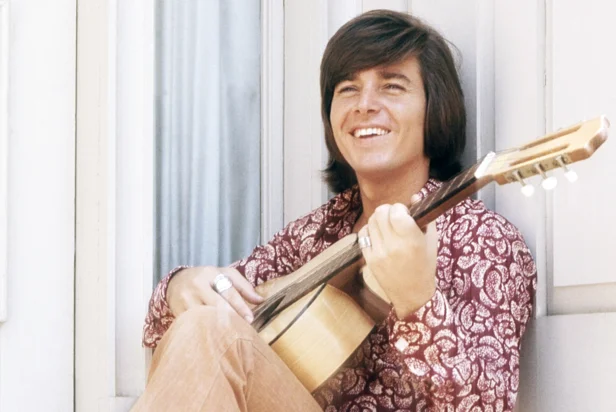
If you were a teen in the early ’70s, Bobby Sherman’s face was probably taped inside your locker or tucked into a notebook. He had hit singles, a squeaky clean image, and that friendly grin that made him feel approachable instead of untouchable. Sherman also starred on Here Come the Brides, which only amplified the heartthrob factor. At the peak of his fame, he was selling out concerts and moving mountains of fan magazines. It looked like a lifelong career in entertainment was practically guaranteed.
Instead, Sherman surprised everyone by stepping away from show business altogether. He retrained as a paramedic and later became a reserve deputy sheriff in Los Angeles County. The shift wasn’t a publicity stunt, he genuinely wanted a career built around service and stability. Fans were stunned, but many admired the way he chose a meaningful second act over celebrity. It was one of the clearest examples of a teen idol intentionally closing the spotlight door.
2. Shaun Cassidy
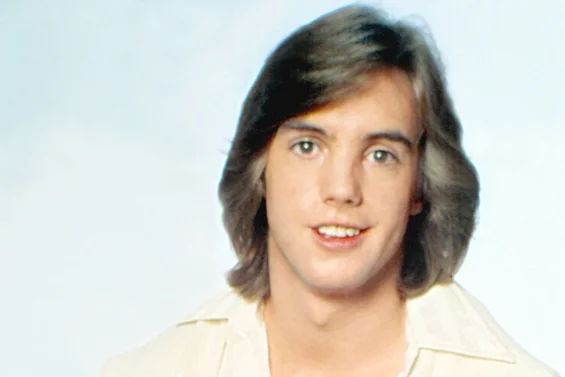
Shaun Cassidy felt like the natural heir to the teen idol throne in the mid to late ’70s. With hit songs like “Da Doo Ron Ron” and a starring role on The Hardy Boys, he was everywhere at once. His shaggy hair and boy next door charm made him instantly relatable to young fans. Cassidy also carried the legacy of his famous family, which added to the sense that stardom was baked into his DNA.
Then, rather than staying in front of the camera forever, Cassidy quietly pivoted. He moved into writing and producing, eventually working behind the scenes on shows like American Gothic and New Amsterdam. The screaming fans faded, replaced by long hours in writers’ rooms and production offices. Cassidy didn’t vanish from entertainment, he just chose a much quieter role within it. For many fans, it still feels strange that such a visible teen idol became almost invisible by choice.
3. Kristy McNichol
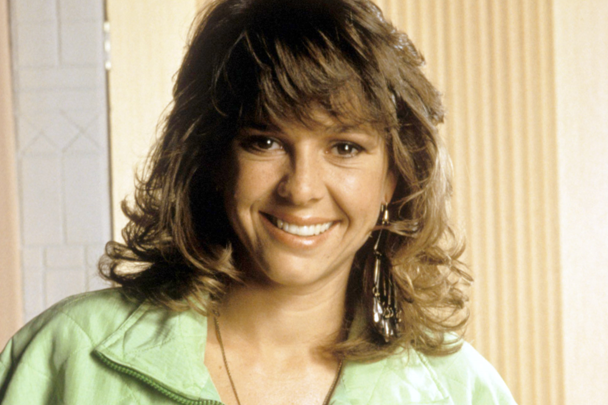
Kristy McNichol was one of the most beloved young stars of the late ’70s and early ’80s. Audiences adored her on Family, and her natural warmth made her feel like someone you might actually know in real life. She also made a successful leap into movies, proving she wasn’t just a TV phenomenon. At a time when many child and teen stars struggled to grow up on screen, McNichol seemed to manage it gracefully.
Behind the scenes, though, the pressure took a toll. McNichol eventually stepped away from acting in the early 2000s to focus on her health and personal well being. She has largely stayed out of the public eye since then, living a much more private life. Fans still talk fondly about her performances, but she has shown no interest in returning to the spotlight. Her decision is often cited as a healthy example of choosing life balance over fame.
4. Susan Dey
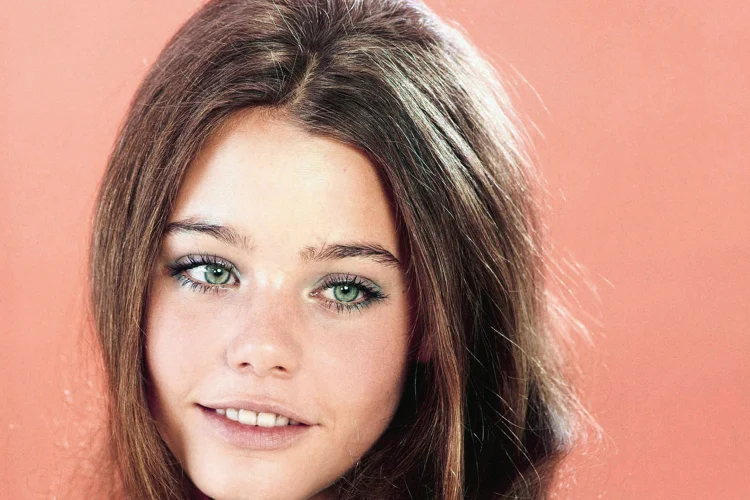
Susan Dey became a household name as Laurie Partridge on The Partridge Family. Her girl next door appeal made her easy to root for, and she grew up on screen in front of millions of viewers. Dey successfully transitioned into more mature roles later, including her acclaimed run on L.A. Law. For a while, it seemed like she had managed the rare feat of turning teen idol fame into a lasting adult career.
Then, after the mid 2000s, Dey quietly stepped away from acting. She largely withdrew from Hollywood and public appearances, choosing a far more private lifestyle. There was no dramatic announcement or farewell tour, just a gradual disappearance from new projects. Fans still revisit her work through reruns and streaming, often wondering what might have come next. In her case, walking away looked calm, deliberate, and deeply personal.
5. Tony DeFranco
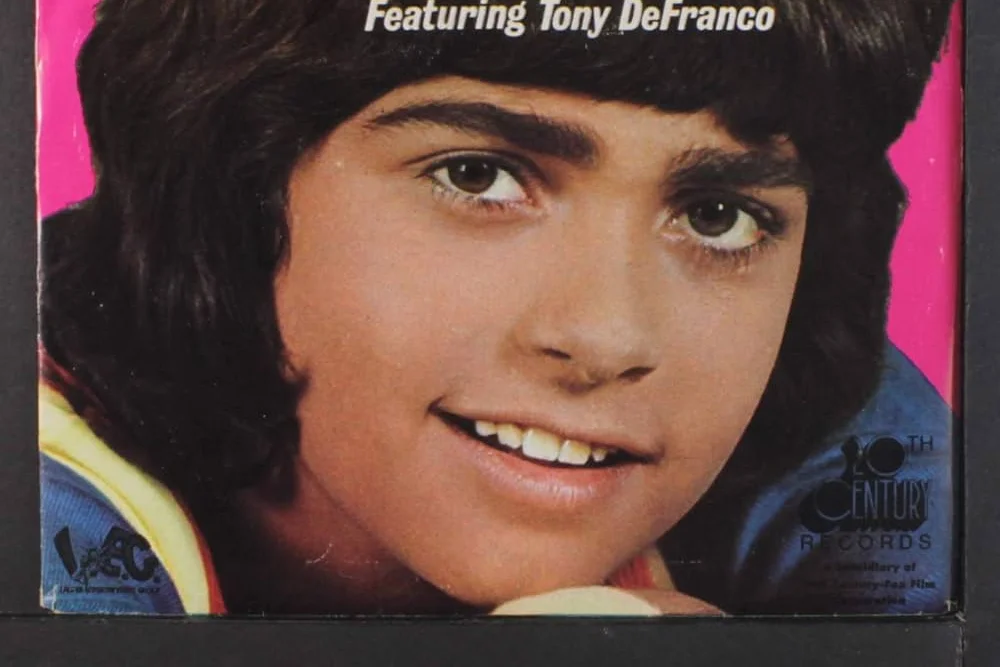
Tony DeFranco was the face of The DeFranco Family, a pop group that briefly rivaled the biggest teen acts of the early ’70s. With his youthful voice and cherubic looks, he became a staple of teen magazines and TV variety shows. The band’s success was intense but short lived, which was typical of many bubblegum pop acts from that era. For a moment, it seemed like DeFranco might grow into a long term solo career.
Instead, he chose a completely different path. DeFranco left the entertainment industry and went into finance, eventually working as a successful stockbroker. The screaming crowds were replaced by boardrooms and spreadsheets, a transition that could not have been more drastic. He has occasionally acknowledged his pop past but clearly embraced his new professional identity. For fans, it remains one of the most surprising post idol career pivots of the decade.
6. Leif Garrett
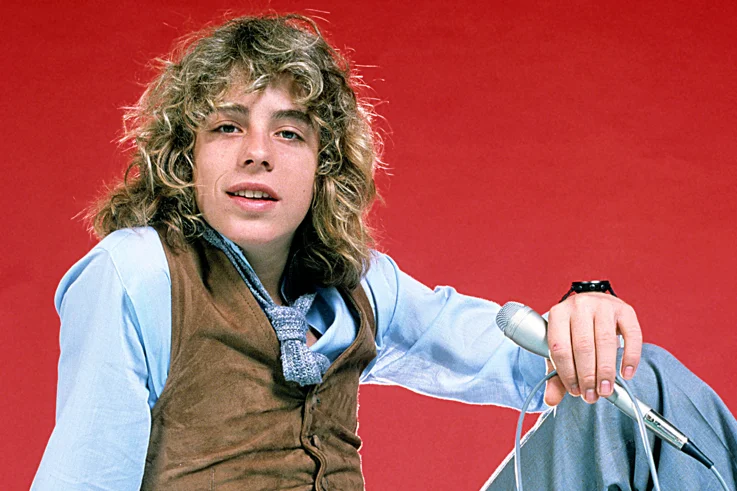
Leif Garrett was the definition of a glossy teen idol in the late ’70s. His posters were everywhere, his songs dominated youth radio, and his blond surfer look fit perfectly with the era’s pop fantasy. Garrett also appeared in films and TV, reinforcing the sense that he was destined for long term stardom. Fame came fast, and so did the expectations that came with it.
As the years passed, Garrett pulled back from mainstream acting and music. Personal struggles and changing tastes in pop culture reshaped his career trajectory. While he has made occasional appearances and projects, he largely stepped away from the nonstop teen idol machine. The shift was gradual rather than dramatic, but it marked a clear end to his days as a constant media presence. Many fans still associate him almost entirely with that intense burst of ’70s fame.
7. Rex Smith
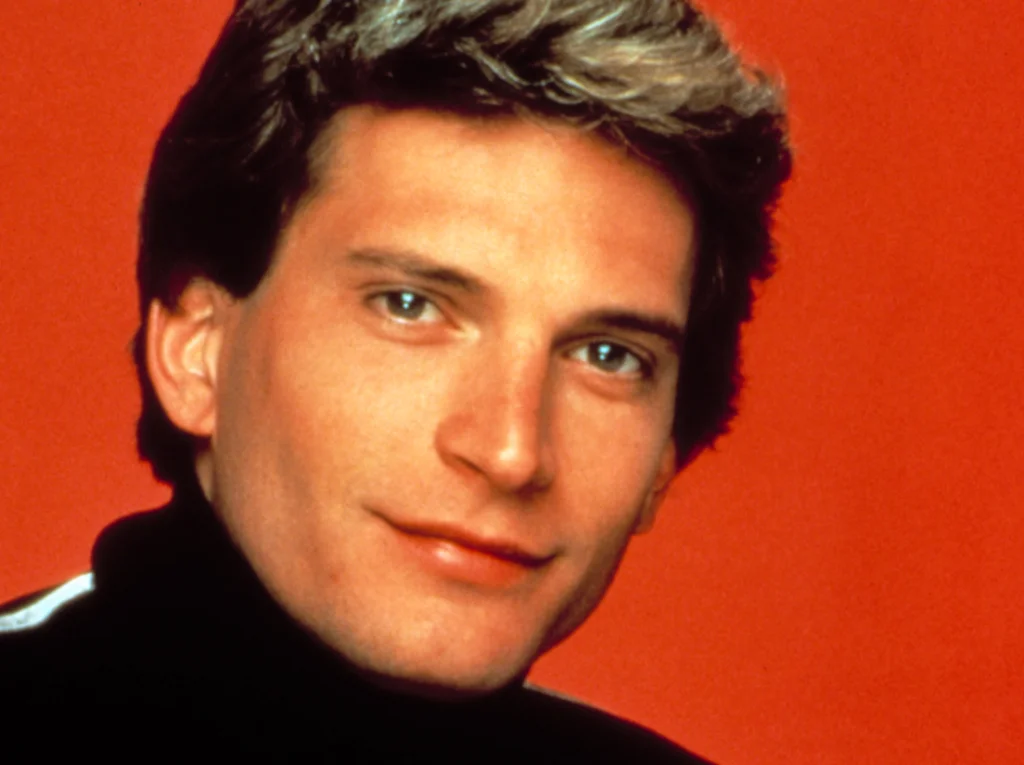
Rex Smith became a heartthrob thanks to his music career and his role on Street Hawk in the mid ’80s, after building momentum in the late ’70s pop scene. His clean cut image and romantic ballads made him a frequent guest on teen focused TV shows and magazine spreads. He had the kind of crossover appeal that often leads to decades long fame. For a while, it looked like he might follow the path of multi platform stardom.
Instead, Smith gradually shifted toward theater and teaching. He has spent years working in musical theater and mentoring young performers rather than chasing mainstream celebrity. The pivot kept him creatively active while stepping away from the constant glare of pop culture attention. Fans who stumble across his later work are often surprised to learn how intentionally he redirected his career. It is a quieter kind of success, but one rooted in longevity rather than hype.
8. Parker Stevenson
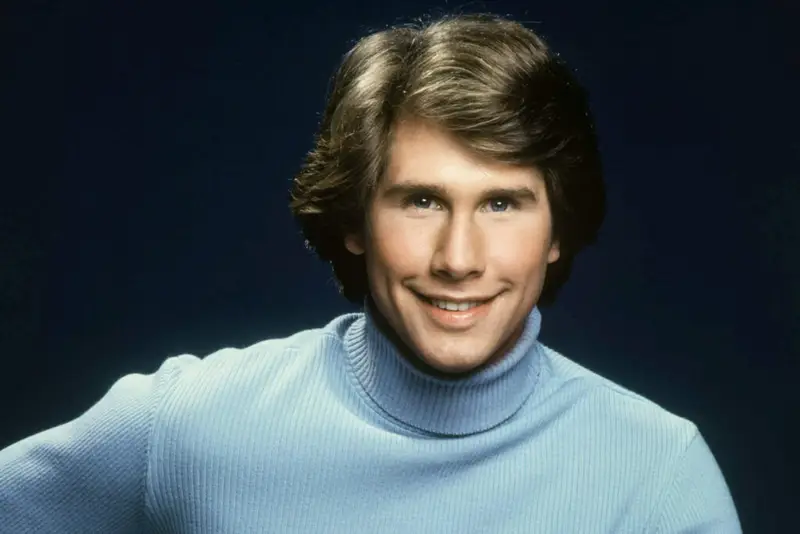
Parker Stevenson became a familiar face as one of the stars of The Hardy Boys, sharing the teen idol spotlight with Shaun Cassidy. His laid back charm and adventurous on screen persona made him especially popular with young viewers. Stevenson seemed positioned for a long acting career in television and film. Throughout the late ’70s, he was part of that wave of youthful stars who felt unavoidable.
Over time, Stevenson moved away from regular acting work and into directing and production. He has stayed connected to the industry, just not in a highly visible way. The fan frenzy naturally faded as his career became more behind the scenes. Many viewers still remember him vividly from those early years, even if they lost track of his later projects. His career arc reflects a quiet evolution rather than a sudden exit.
9. Willie Aames
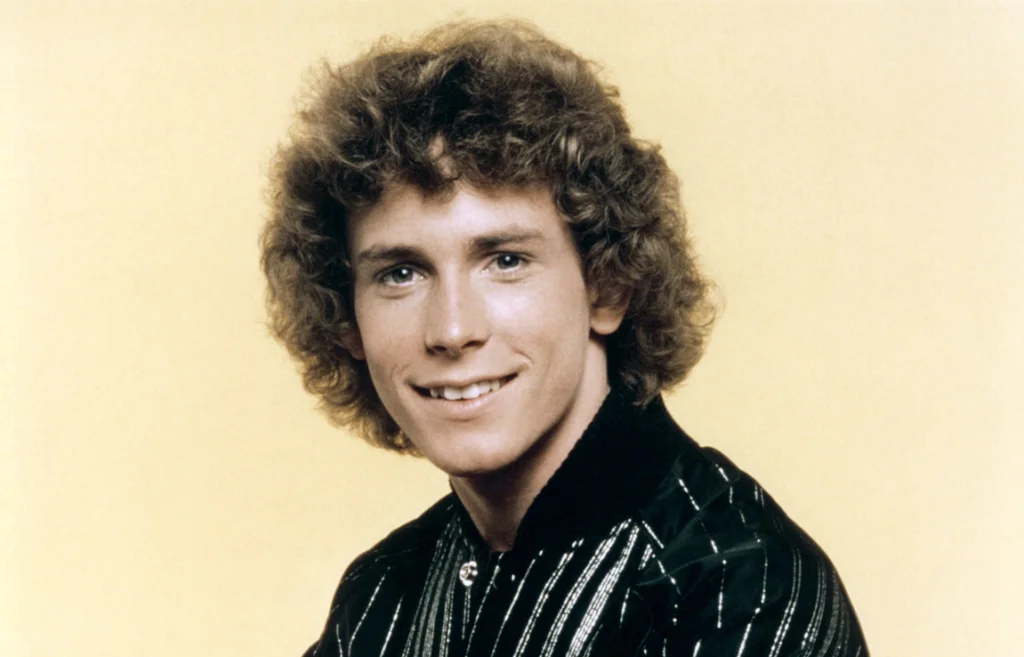
Willie Aames gained attention in the late ’70s with roles on Eight Is Enough and other family friendly shows. He had the wholesome appeal that made parents comfortable and teens enthusiastic. Magazine covers and fan mail followed quickly, cementing his teen idol status. It looked like he was set for a steady climb through Hollywood’s ranks.
Aames later stepped back from acting for extended periods and explored work in cruise ship entertainment and Christian media projects. His career became more selective and less centered on mainstream fame. While he has returned to acting at various points, the nonstop celebrity phase never really resumed. For many fans, his early popularity remains the strongest memory. His story reflects how teen fame does not always translate into lifelong stardom.
10. Barry Williams
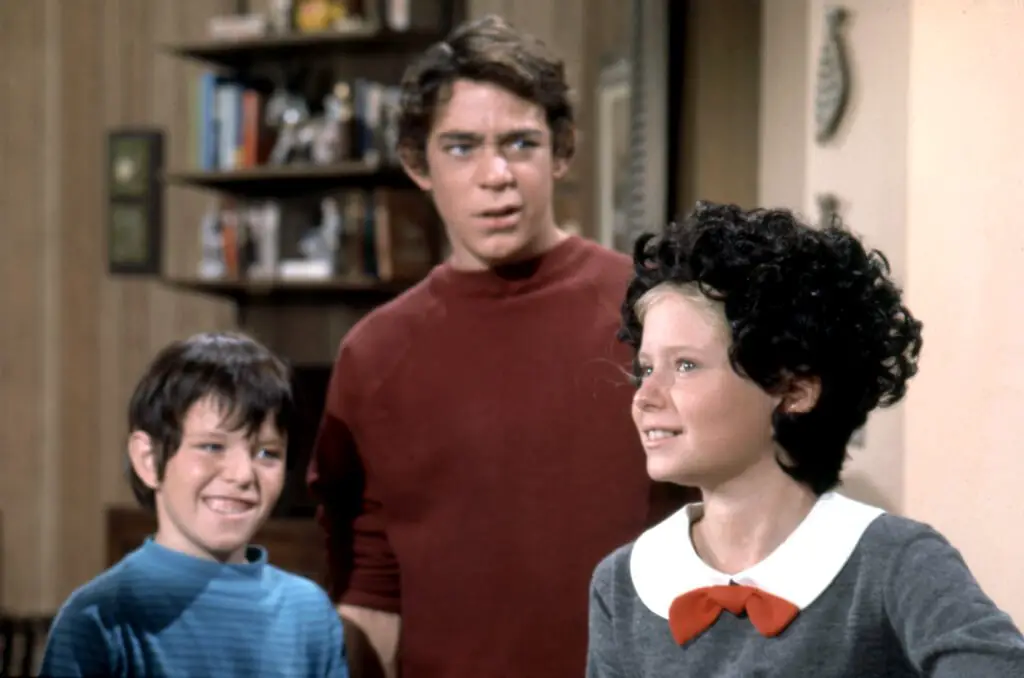
Barry Williams became a teen favorite as Greg Brady on The Brady Bunch, even though the show began in the late ’60s and exploded in popularity through the ’70s in reruns. His role as the charming oldest sibling made him a crush for an entire generation of viewers. Williams leaned into the fame with music tours and stage appearances tied to the Brady brand. For a while, it seemed like the character would define his entire public identity.
Eventually, Williams stepped away from chasing mainstream acting stardom. He focused more on theater, personal projects, and selective appearances rather than constant screen work. The teen idol intensity naturally cooled as the cultural moment shifted. Fans still associate him strongly with Greg Brady, but Williams has embraced a life outside nonstop celebrity. It is a reminder that sometimes walking away simply means redefining success.
11. Robby Benson
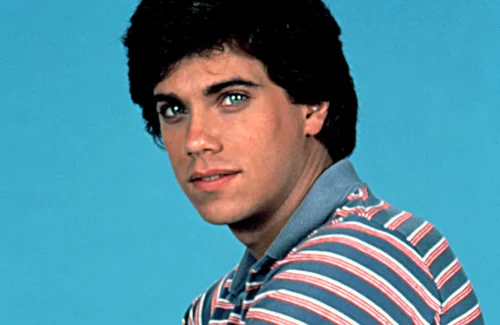
Robby Benson became a romantic favorite in late ’70s films like Ice Castles and One on One. His sensitive leading man image stood out during a decade filled with swaggering male stars. Benson attracted a devoted fan base that followed his film and TV appearances closely. He seemed positioned to become a long term Hollywood leading man.
Instead, Benson gradually transitioned into directing and teaching. He became a respected professor of film and theater while continuing occasional creative work. The spotlight shifted from red carpets to classrooms and behind the camera projects. Fans often rediscover his films and wonder why he did not remain a constant presence on screen. In reality, he chose a career rooted in mentorship and creative control.
12. Jan Michael Vincent
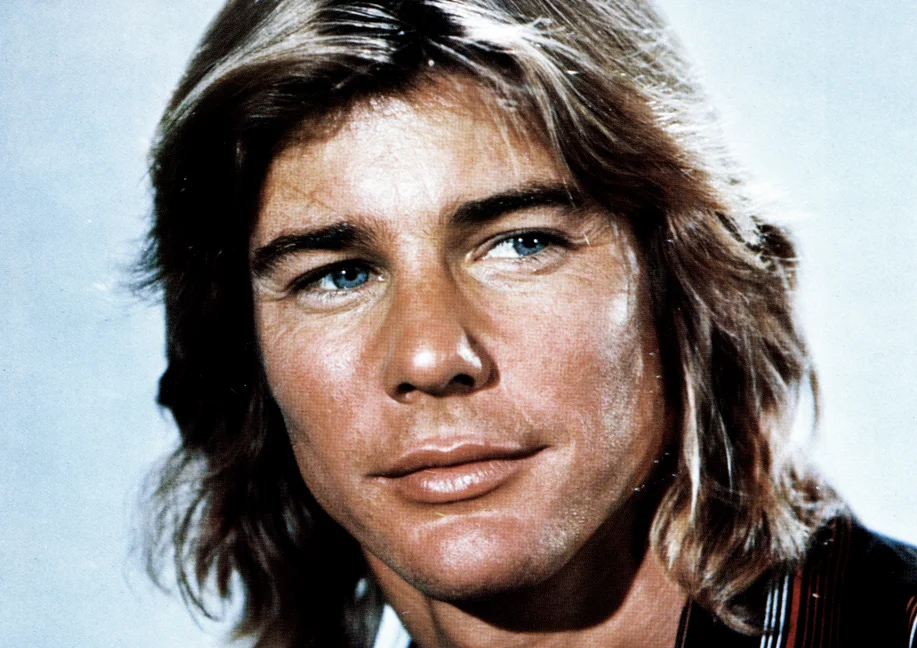
Jan Michael Vincent rose to fame in the ’70s with films like Big Wednesday and a steady stream of television appearances. His rugged good looks and laid back charisma made him a frequent teen magazine subject. He carried the image of the carefree California heartthrob that defined part of the decade’s youth culture. Success came quickly and intensely.
Personal struggles eventually pushed Vincent away from consistent acting work. While he later resurfaced in projects like Airwolf in the ’80s, his teen idol era never truly returned. The long gaps between roles signaled a clear shift away from sustained stardom. Fans who loved his early work often remember him as a symbol of both promise and unpredictability. His story reflects how fragile fame can be when life complications intervene.
13. David Naughton
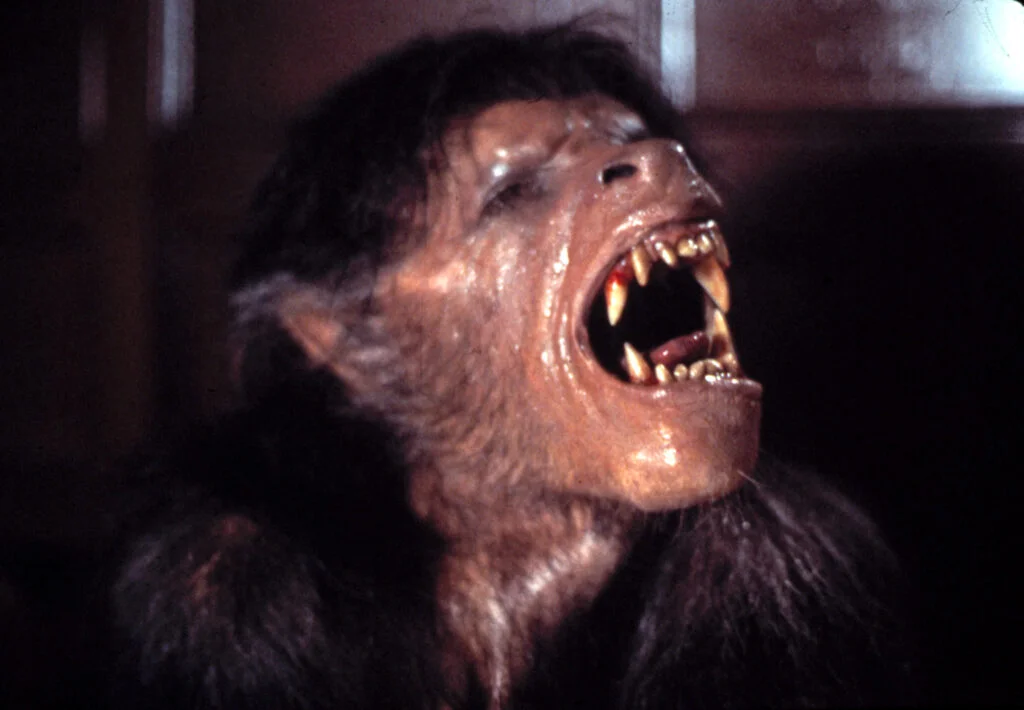
David Naughton became instantly recognizable in the late ’70s thanks to his cheerful Dr Pepper commercials and early acting roles. He had the fresh faced charm that advertisers and casting directors loved. Viewers associated him with a bright, upbeat image that fit perfectly with teen oriented marketing of the era. For a moment, it seemed like he might dominate lighthearted film and TV roles for years.
After his early peak, Naughton scaled back from high profile acting. He continued to work but never pursued the intense celebrity track that many of his peers chased. The commercials that made him famous remained more iconic than his later roles. Fans often remember the jingle before the filmography. His quieter career path shows how some stars prefer steady work over constant visibility.
14. Christopher Atkins

Christopher Atkins burst onto the scene with The Blue Lagoon in 1980 after building teen heartthrob momentum in the late ’70s modeling and publicity circuit. His beach ready image made him a staple of youth oriented pop culture. Teen magazines embraced him quickly, framing him as the next big romantic lead. The attention was sudden and overwhelming.
Rather than sustaining blockbuster momentum, Atkins moved into smaller projects and later into business ventures outside acting. He continued working, but the intensity of fame never returned. Over time, he balanced entertainment with entrepreneurial pursuits and family life. Fans still associate him strongly with his breakout era. His career demonstrates how fast early fame can level out into something much quieter.
15. Scott Baio
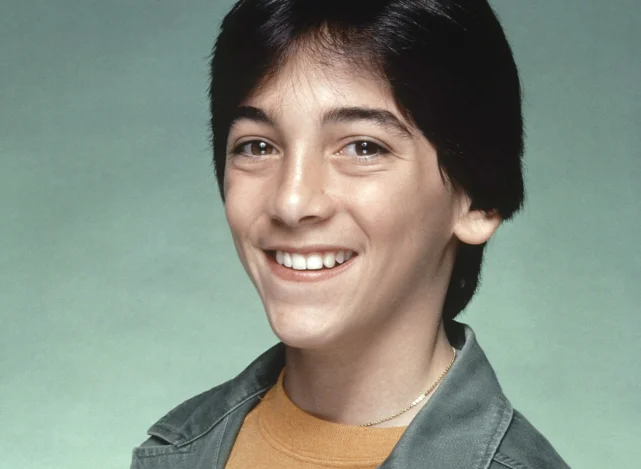
Scott Baio became a major teen idol through Happy Days and later Charles in Charge, building momentum that started in the late ’70s. His confident, mischievous charm made him especially popular with young audiences. Baio’s image was everywhere, from posters to magazine interviews to television reruns. He seemed firmly embedded in pop culture for a long stretch.
In later years, Baio stepped back from mainstream scripted acting and shifted into reality television and occasional appearances. The constant teen idol spotlight faded as his career evolved in a different direction. He no longer occupied the same central place in youth culture that he once did. Fans who grew up watching him often remember the early years most vividly. His trajectory reflects how teen fame can peak sharply and then settle into a quieter phase.