
1. American Graffiti (1973)

George Lucas’s American Graffiti wasn’t just a movie, it was a cultural time capsule. Set in the early ’60s but released in the ’70s, it captured the thrill of cruising, jukebox tunes, and the uncertainty of life after high school. With a young cast including Richard Dreyfuss, Ron Howard, and Harrison Ford, it showed the universal crossroads of growing up and figuring out what comes next. For many teens in the ’70s, it felt like looking into a mirror of their own experiences.
What made it so defining was the way it connected music and memory. Every song on the soundtrack carried a wave of nostalgia, making teenagers feel like their lives could be just as cinematic. It proved that teen movies could be more than fluff, weaving real heart and nostalgia into the fun.
2. Carrie (1976)
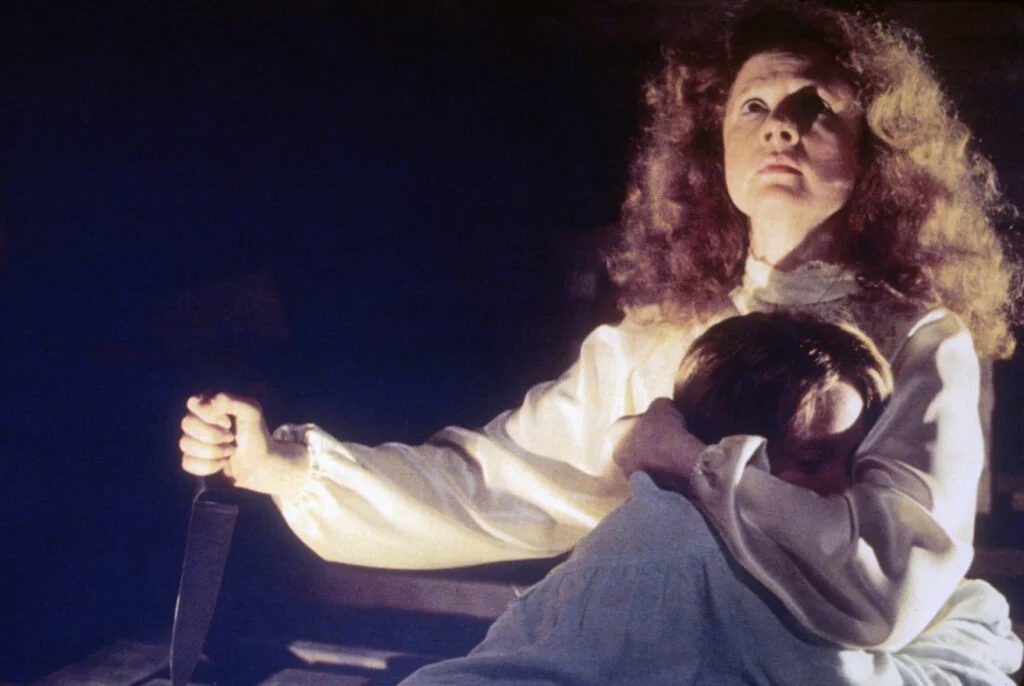
Stephen King’s Carrie turned the teenage coming-of-age story into pure horror. The film followed Sissy Spacek’s shy and bullied teen as she navigated high school cruelty, an overbearing mother, and her own terrifying powers. It resonated with teens who felt like outsiders, while shocking audiences with its intensity.
Carrie’s prom scene is one of the most unforgettable moments in cinema. For teens in the ’70s, it was both cathartic and terrifying, reminding everyone how painful those years could be. It gave the teen genre a darker edge, showing that adolescence wasn’t always bubblegum and dances.
3. Saturday Night Fever (1977)

While not strictly a “teen” movie, Saturday Night Fever tapped into what it felt like to be young and searching for identity. John Travolta’s Tony Manero was stuck in a dead-end life but came alive on the disco floor. Teenagers related to that hunger for freedom and self-expression.
The film’s soundtrack by the Bee Gees became the heartbeat of the era. Suddenly, every teen wanted to dance, dress sharp, and claim their own spotlight. It was about more than disco, it was about the universal need to belong and to dream bigger.
4. Grease (1978)
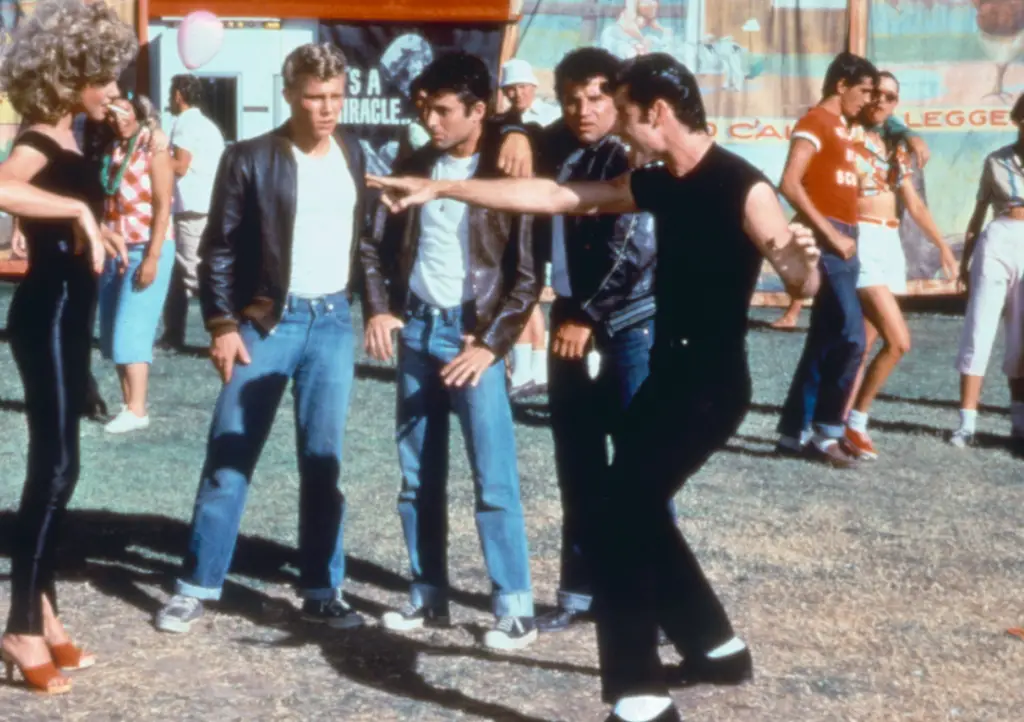
Even though it was set in the ’50s, Grease became a defining film for ’70s teens. John Travolta and Olivia Newton-John made Sandy and Danny’s romance unforgettable, while the musical numbers turned high school antics into pure fun. It was nostalgic and fresh all at once.
For teens watching in the ’70s, the movie made school feel like one big stage. It inspired everything from fashion to hairstyles and remains a rite of passage for new generations. The movie celebrated the energy, awkwardness, and drama of being young in a way everyone could relate to.
5. Over the Edge (1979)
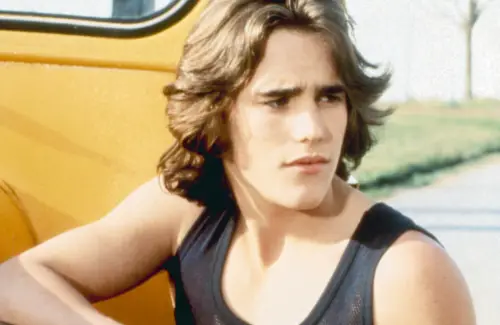
Over the Edge was gritty, raw, and almost too real. Starring a young Matt Dillon, it followed disaffected teens in a planned suburban community where boredom and neglect led to rebellion. Unlike glossy musicals, this film tapped into the frustration many kids actually felt.
It shocked adults but struck a chord with teens who recognized themselves in the chaos. The movie showed the consequences of ignoring youth voices, making it as much a social commentary as a drama. Its rebellious spirit would go on to inspire later teen classics like Heathers.
6. Badlands (1973)

Terrence Malick’s Badlands told the story of young lovers on the run, loosely inspired by real events. Martin Sheen and Sissy Spacek embodied the dangerous mix of innocence and recklessness that can come with youth. It wasn’t a typical teen movie, but it tapped into the restlessness and thrill-seeking spirit of adolescence.
Teens who watched it were mesmerized by its mix of beauty and violence. It suggested that being young could mean crossing lines just to feel alive. The dreamy narration paired with the shocking violence left audiences unsettled, but also fascinated.
7. Cooley High (1975)

Cooley High was a warm and funny film that also packed a heartbreaking punch. Following a group of Black high school friends in Chicago, it showed the joy, trouble, and dreams of youth. The story was relatable to anyone who grew up balancing friendship, mischief, and big ambitions.
Its blend of humor and tragedy made it unforgettable. For teens of the ’70s, it was proof that their struggles and joys mattered on screen. The film also influenced later classics like Boyz n the Hood and helped redefine what a teen movie could look like.
8. Foxes (1979)
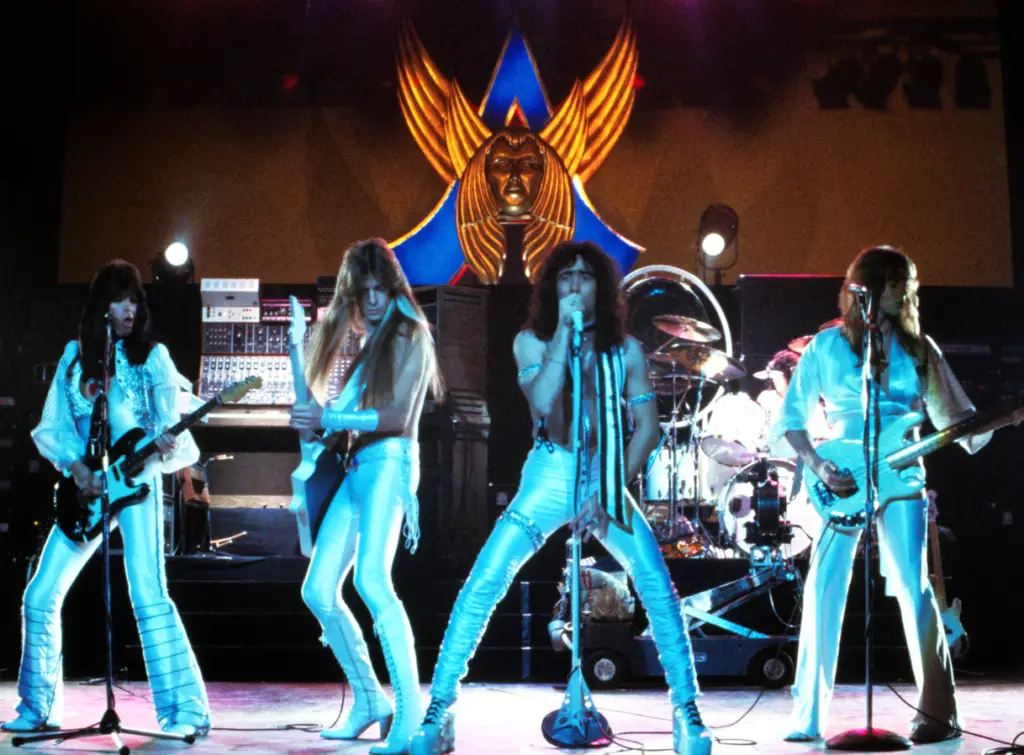
Jodie Foster led Foxes, a movie that dared to show teen girls in a raw, honest way. It was about friendships, family struggles, and the search for independence in Los Angeles. Unlike glossy portrayals, it showed the darker realities of growing up too fast.
For ’70s girls, it felt like someone finally understood them. The movie highlighted the importance of female friendships at a time when most teen films centered on boys. It was messy, emotional, and authentic in a way that set it apart.
9. The Bad News Bears (1976)
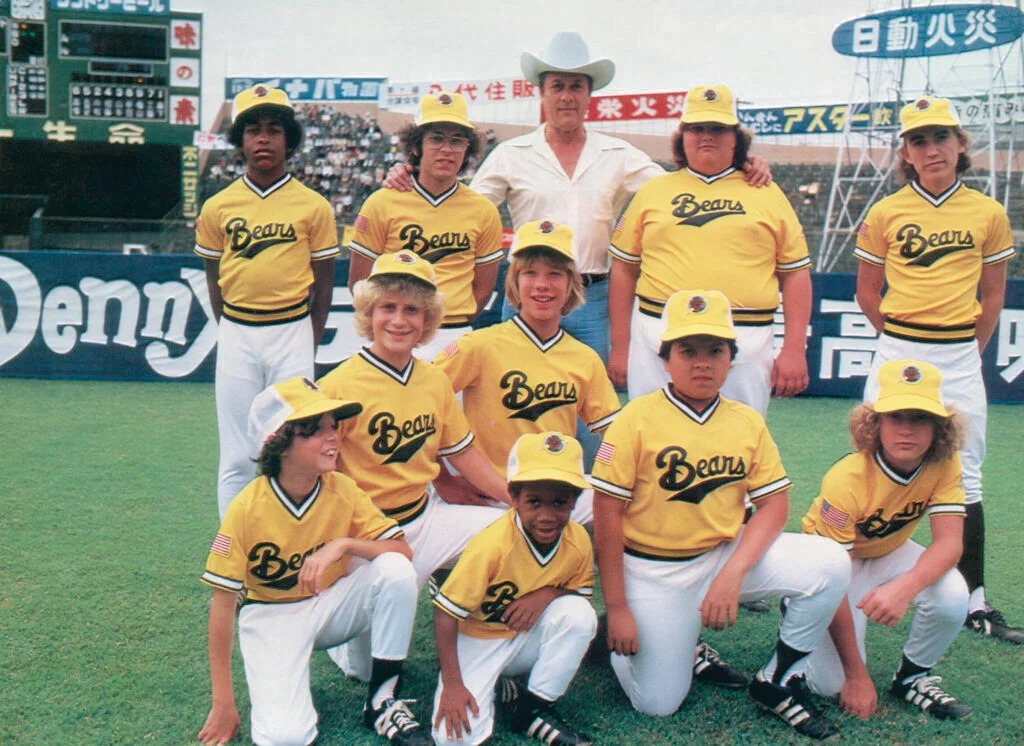
On the surface, The Bad News Bears was about a ragtag little league team, but at its core, it was a movie about being young and underestimated. Walter Matthau’s grumpy coach and Tatum O’Neal’s pitching prodigy made it irresistible. It was both hilarious and heartfelt.
Teens loved it because it showed that misfits could still shine. It wasn’t about winning, it was about finding belonging and proving yourself. The film carried a scrappy spirit that felt refreshing and relatable to anyone who ever felt like an underdog.
10. Breaking Away (1979)

Breaking Away captured small-town restlessness with humor and heart. Following four friends in Indiana, it told the story of young men trying to find their place after high school. Dennis Christopher’s obsession with Italian cycling gave it a quirky charm, but its themes ran deep.
For teens in the ’70s, it was about dreaming beyond what was expected of you. It balanced comedy with the bittersweet truth of growing up and moving on. Its authenticity made it a surprise hit and a film that spoke to restless youth everywhere.
11. Our Winning Season (1978)

Though not as well-known, Our Winning Season told a heartfelt story about a high school track runner chasing both athletic and personal dreams. With Dennis Quaid in an early role, it touched on the excitement and uncertainty of those pivotal teen years.
It didn’t have the flash of Grease or Saturday Night Fever, but it connected with audiences on a quieter level. For many teens, it was about the struggles of balancing ambition with the messiness of life. That made it a hidden gem of the era.
12. Thank God It’s Friday (1978)
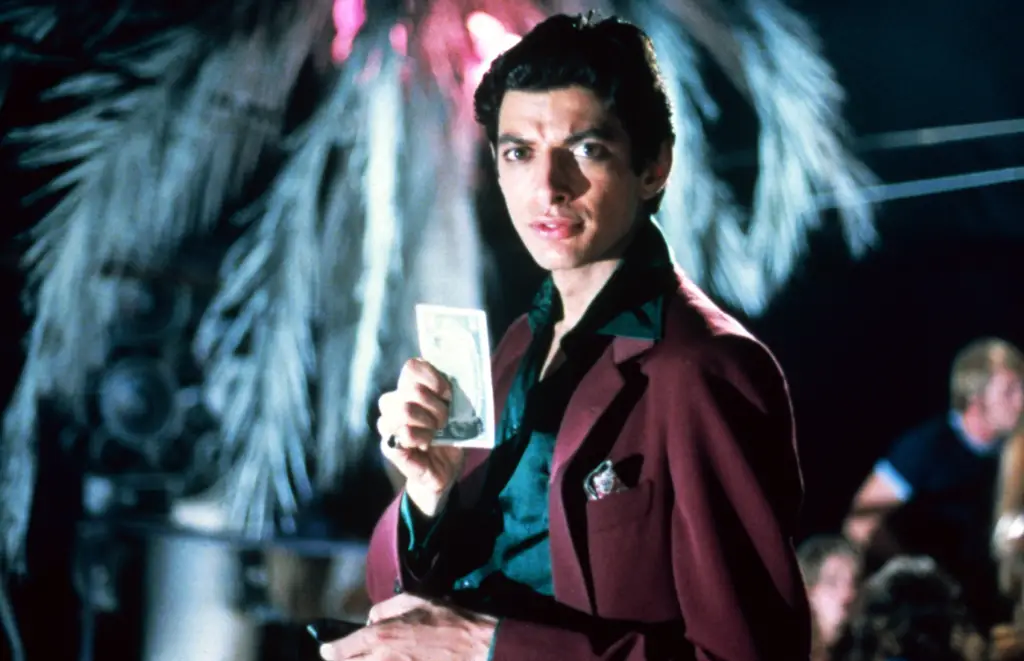
If Saturday Night Fever made disco iconic, Thank God It’s Friday showed the fun side of it. Centered around one big night at a disco club, the film featured Donna Summer and a cast of colorful characters. It was less about deep storytelling and more about the joy of being young and free.
Teens in the ’70s connected with its party atmosphere. It was all about music, dancing, and the fleeting magic of a single night. The movie captured the excitement of living in the moment, which made it resonate with its audience.
13. A Little Romance (1979)

Diane Lane made her debut in A Little Romance, a charming story about two young lovers who run away together in Paris. It was sweet, romantic, and gave teens a fantasy of adventure and first love. With Laurence Olivier adding gravitas, it appealed to both young and older audiences.
For teens, it was a reminder of the beauty of young love and the desire to carve out your own story. It showed that first romances, though fleeting, could feel as epic as any adult love story. Its mix of innocence and grandeur made it unforgettable.
14. Rock ’n’ Roll High School (1979)
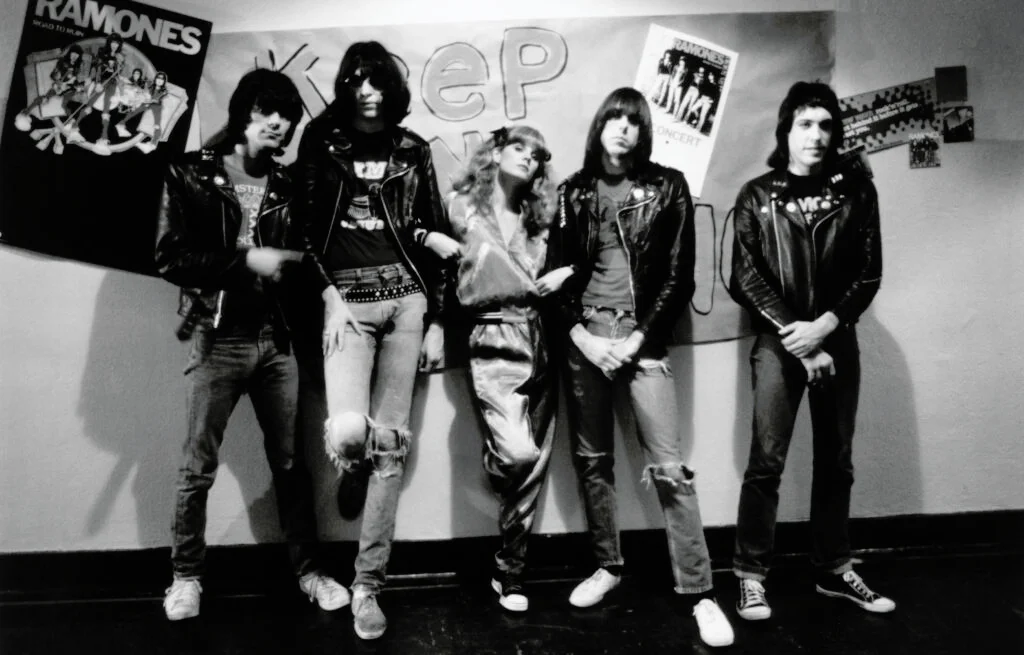
Rock ’n’ Roll High School brought punk energy into the teen movie scene. With the Ramones at the center, it turned a high school rebellion into a musical riot. It was campy, wild, and unlike anything else in theaters at the time.
For teens who loved rock music, it was a fantasy come to life. The movie captured the thrill of breaking rules and celebrating youth culture with loud guitars. It proved that teen films didn’t have to play it safe—they could be as rebellious as the kids they represented.
15. Pretty Baby (1978)

Controversial and provocative, Pretty Baby starred a very young Brooke Shields in a story about growing up too quickly in a harsh world. While not an easy film, it reflected the way society often placed adult pressures on teens. Its shock value made it one of the most talked-about films of the decade.
For teenagers in the ’70s, it sparked conversations about innocence, exploitation, and growing up. It wasn’t a lighthearted movie, but it made an impact by forcing audiences to confront uncomfortable truths. Its legacy remains complicated but undeniably significant.