

1. “The Interview,” All in the Family
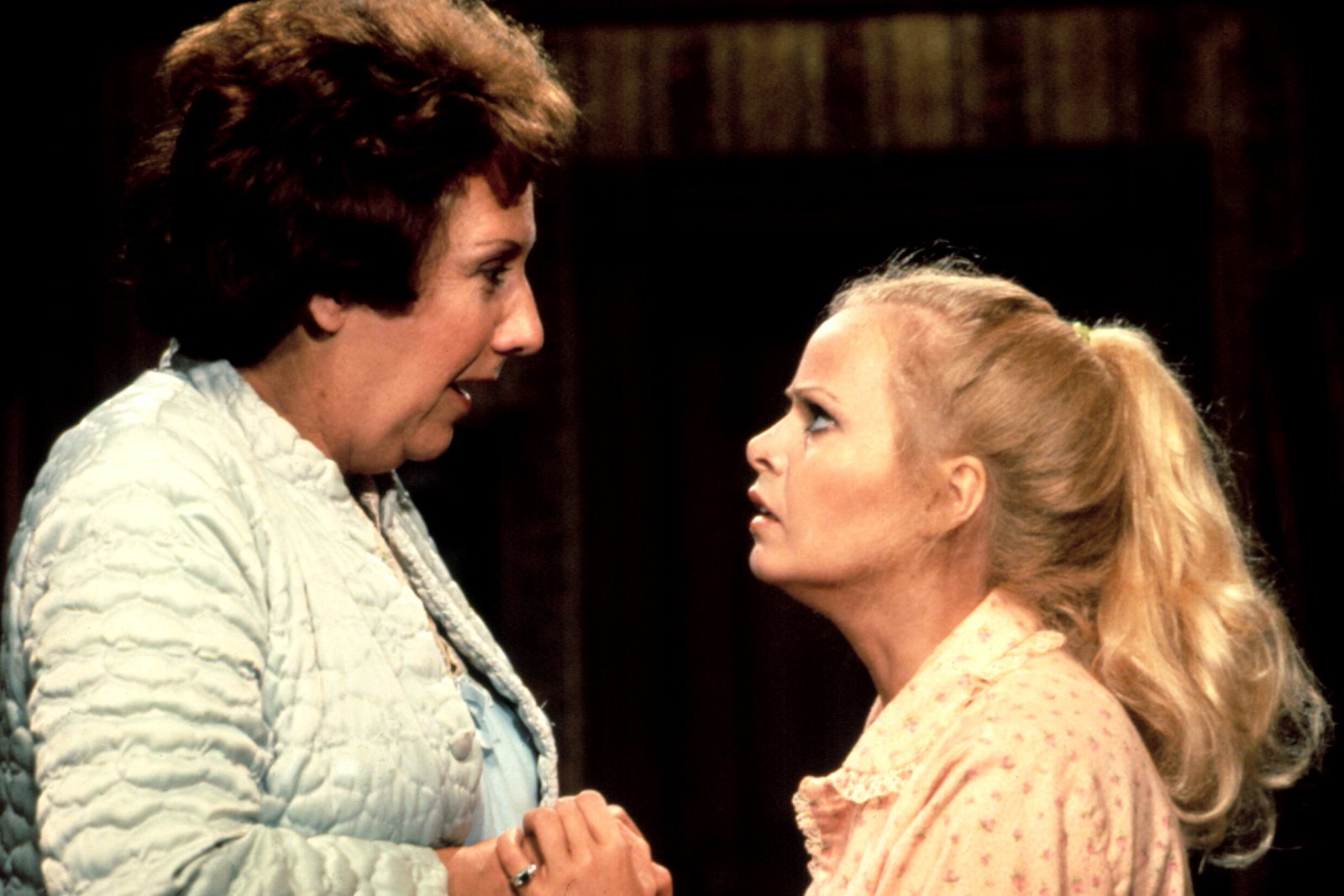
When this episode aired in 1971, it felt like television crossing a line that had never been crossed before. Archie and Mike argue about race, politics, and prejudice with a bluntness that stunned viewers who were used to euphemisms and polite silence. People talked about it at work the next day because it felt uncomfortably real. The arguments were not softened, and there was no tidy resolution by the final commercial break.
What made it feel like an event was the sense that everyone was watching at the same time, bracing themselves. For many families, it sparked real conversations that continued long after the credits rolled. Norman Lear proved that sitcoms could be confrontational and still bring people together. It marked a turning point for what television was allowed to say out loud.
2. “The Chuckles Bites the Dust,” The Mary Tyler Moore Show
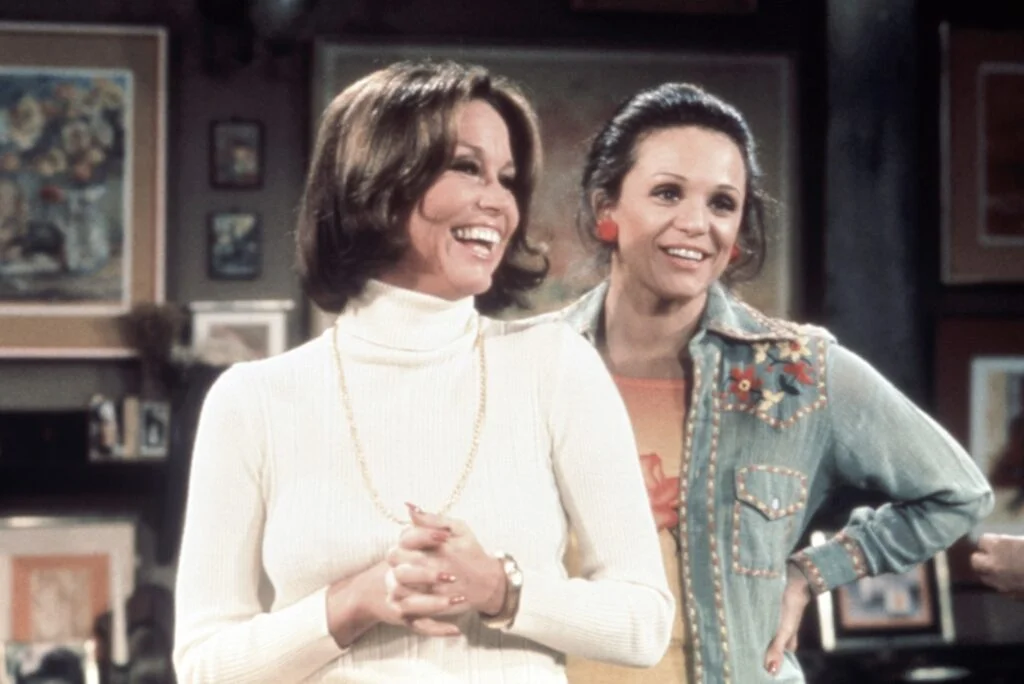
At first, viewers thought this episode would be another workplace comedy built around Mary’s gentle optimism. Instead, it delivered one of the most famous scenes in TV history as the newsroom struggles not to laugh during a funeral. The emotional whiplash caught audiences off guard. Comedy and grief collided in a way that felt daring for the time.
People tuned in expecting comfort and got something sharper and more human. The episode showed that sitcoms could handle death without becoming sentimental. It was replayed, quoted, and debated endlessly. Many fans still remember exactly where they were when they first saw it.
3. “The Final Flight of the Dragon,” M*A*S*H
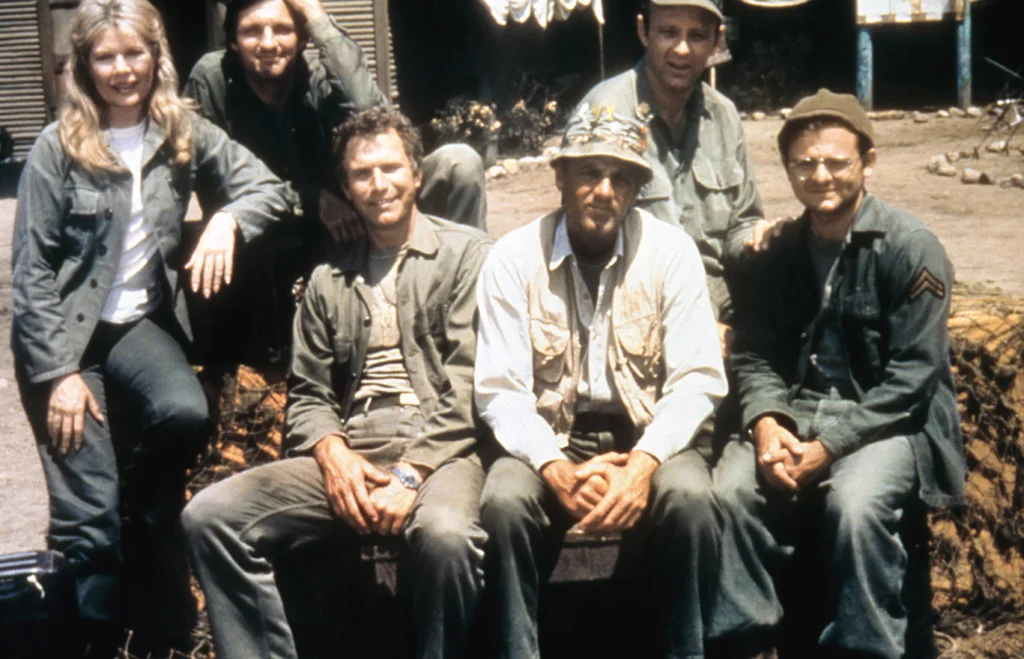
This episode was promoted heavily, and viewers knew something big was coming. When the fate of Henry Blake was revealed in the final moments, it landed like a gut punch. War comedies did not do this kind of thing, especially not to a beloved character. The silence that followed in living rooms across the country was real.
It felt like television growing up in real time. Viewers were angry, shocked, and deeply moved all at once. The episode changed expectations for serialized storytelling. It also cemented M*A*S*H* as something more than a comedy.
4. “Sammy’s Visit,” All in the Family
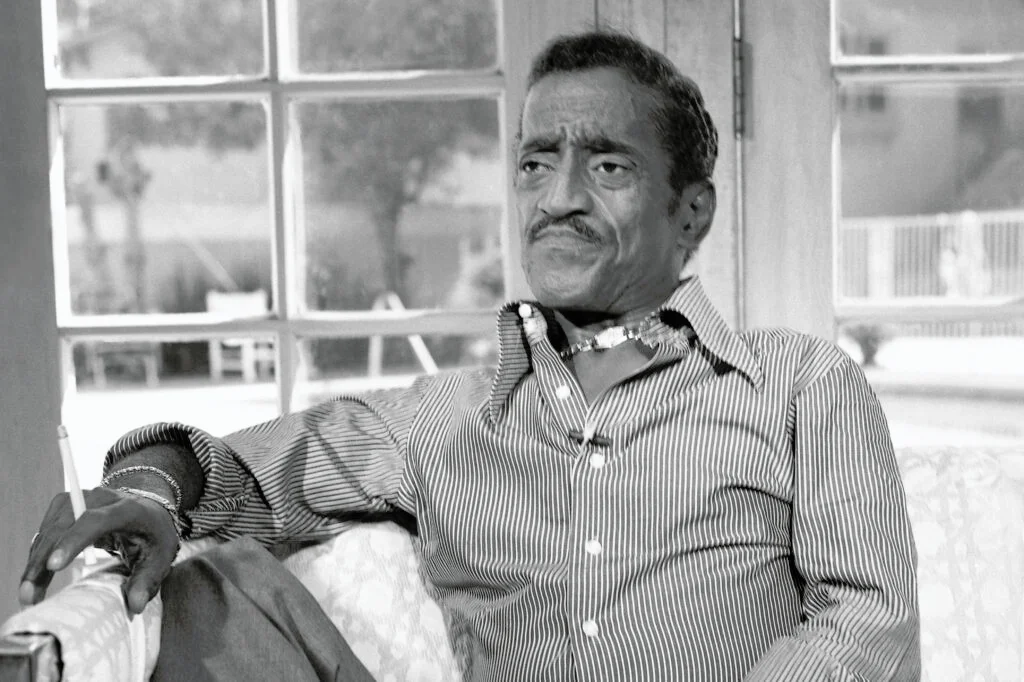
When Sammy Davis Jr. appeared on the show, it was treated as a genuine cultural moment. His interaction with Archie Bunker carried enormous weight. The episode balanced humor with racial tension in a way that felt risky and immediate. Audiences knew they were watching something that would be talked about.
The famous kiss at the end became an instant flashpoint. Viewers argued about it in newspapers, at dinner tables, and on talk shows. It was not subtle, and it was not meant to be. That was exactly why it felt so important.
5. “The Good-bye,” The Waltons
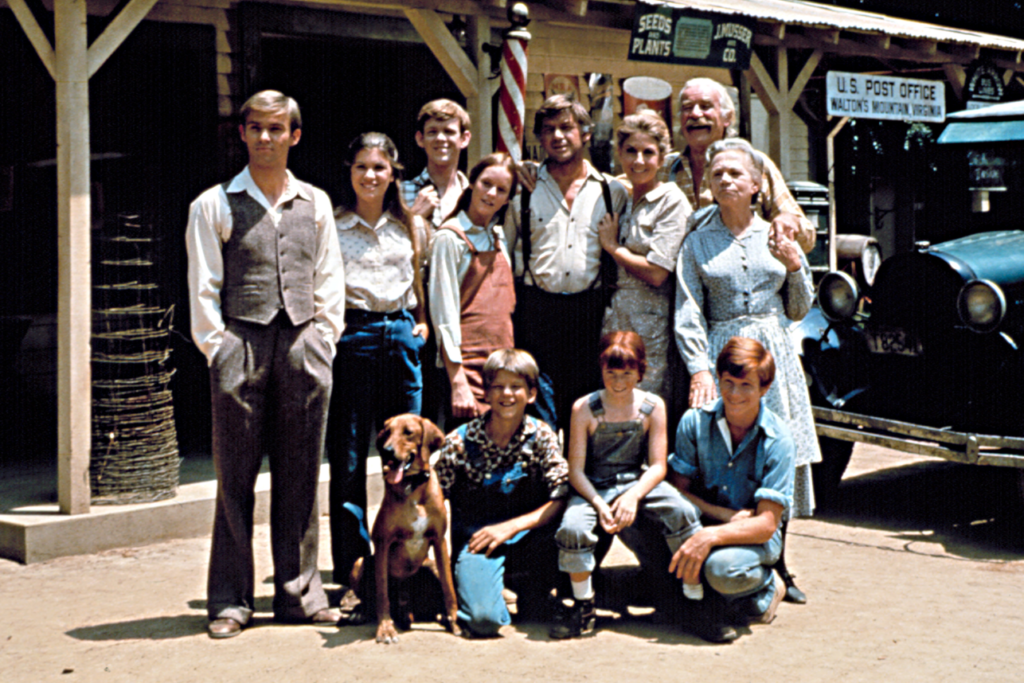
This episode aired during a time when family dramas were appointment viewing. Its emotional weight came from quiet moments rather than spectacle. Viewers felt as though they were saying goodbye to someone in their own family. The pacing encouraged reflection instead of distraction.
People cried openly watching it, which was common for The Waltons but still powerful. It reinforced the show’s reputation as emotional comfort television. Episodes like this were shared experiences, not background noise. You watched, then you sat with it.
6. “Who Shot J.R.,” Dallas
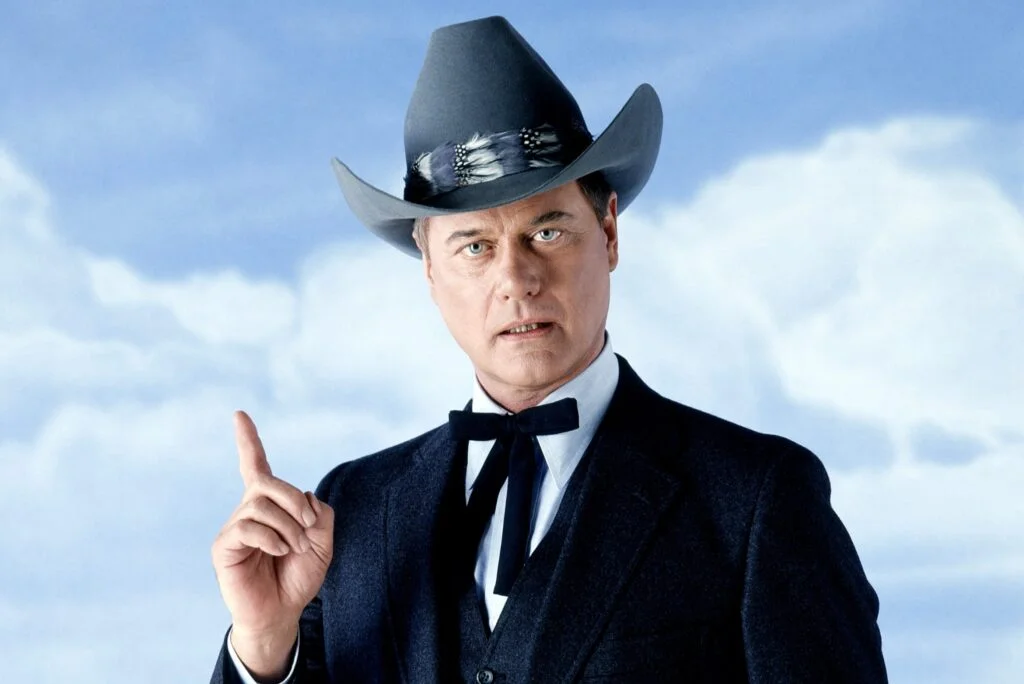
Although it aired at the very end of the decade, it defined what a TV event could be. The cliffhanger dominated headlines and casual conversation for months. Everyone had a theory, and everyone felt invested. It blurred the line between entertainment and obsession.
Even people who did not normally watch Dallas tuned in. The episode proved that television could control the national conversation. It also changed how networks thought about season finales. After this, nothing felt quite the same.
7. “The Wedding,” Rhoda
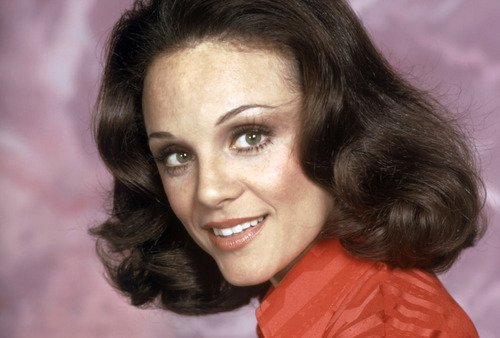
This episode drew massive ratings because viewers genuinely cared about Rhoda’s happiness. Weddings were not always treated as major television events yet. The anticipation had been built carefully over multiple episodes. Audiences showed up in force.
It felt celebratory and communal, like being invited to a shared party. People planned their evenings around it. The success showed how deeply viewers could connect to characters. It also proved that sitcom milestones mattered.
8. “Abyssinia, Henry,” M*A*S*H
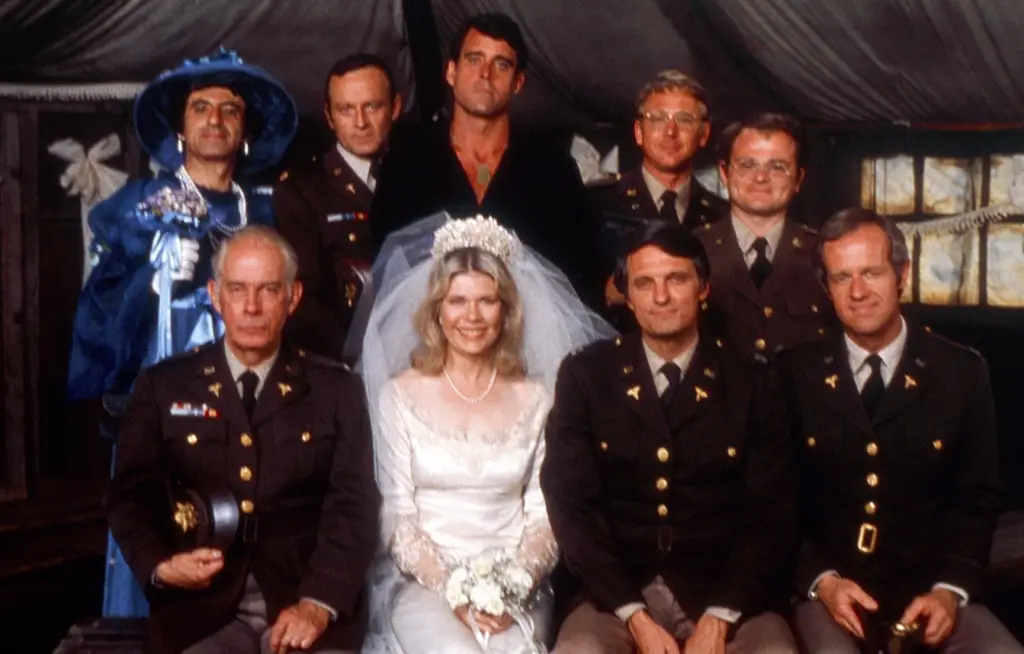
The title alone did not prepare viewers for what they were about to see. The episode played like a standard farewell until the final seconds. When the news was delivered, it was devastating. The studio audience’s stunned reaction mirrored the country’s.
Viewers felt betrayed and grateful at the same time. It forced audiences to confront the realities of war in a way sitcoms rarely attempted. This was not escapism. It was television demanding emotional engagement.
9. “The Last Episode,” The Bob Newhart Show
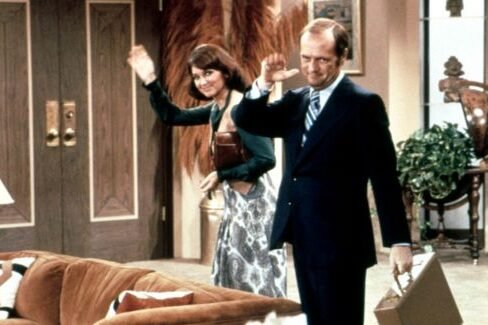
Finales were not always treated as sacred events yet, but this one stood out. Viewers tuned in knowing it was the end of something familiar. The tone was gentle, reflective, and surprisingly emotional. It respected the audience’s attachment.
People talked about it as a farewell rather than a conclusion. It felt like losing a weekly routine. The episode reinforced the bond between viewers and characters. That bond was what made it memorable.
10. “Maude’s Abortion,” Maude
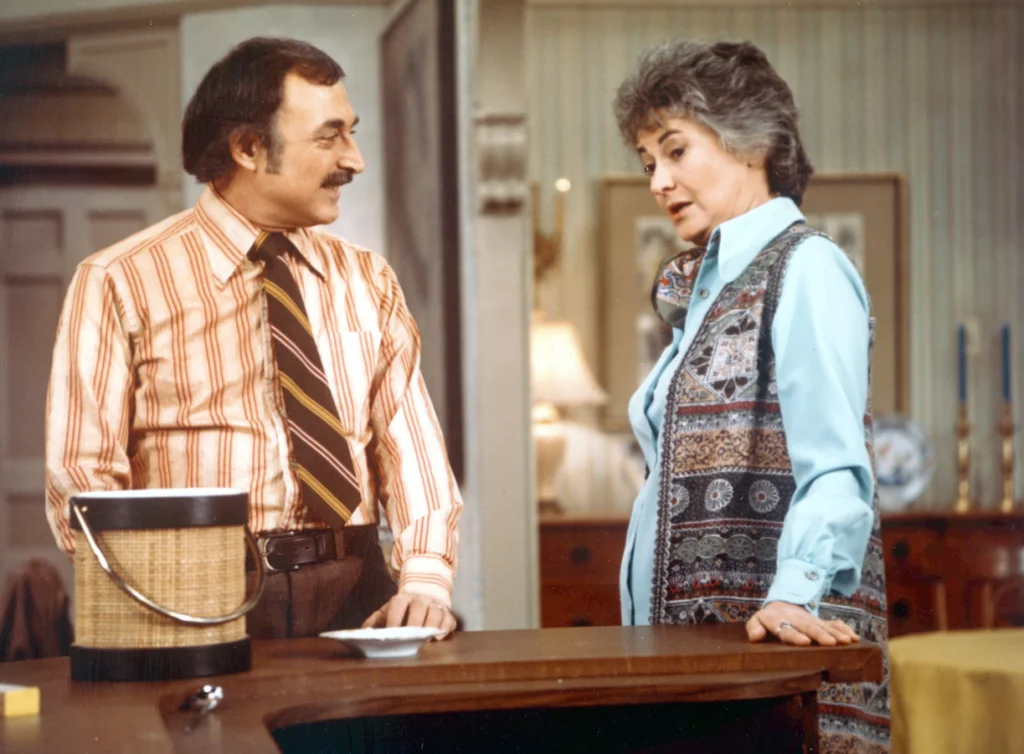
This two-part storyline aired in 1972 and immediately became controversial. Many stations refused to rebroadcast it. Viewers who did see it knew they were witnessing something unprecedented. A sitcom addressing abortion directly was unheard of.
The conversations it sparked were intense and unavoidable. Families argued, critics debated, and the press took notice. The episode felt urgent and political. It proved television could not be separated from real life.
11. “The Lord’s Prayer,” Little House on the Prairie
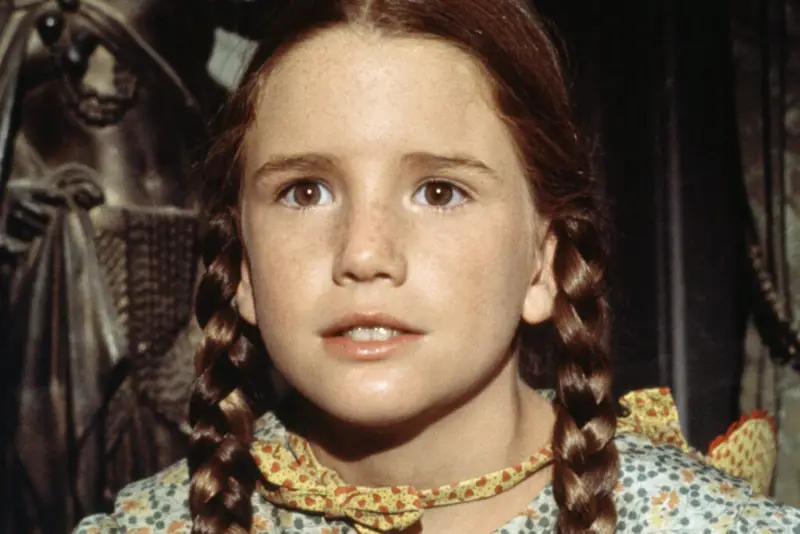
This episode struck a deep emotional chord with its themes of loss and resilience. Viewers were already emotionally invested in the Ingalls family. Seeing them face grief so directly felt personal. Many households watched in silence.
It became one of those episodes people remembered years later. Not because of shock, but because of empathy. It reinforced the show’s emotional power. That shared vulnerability made it feel like an event.
12. “Roots: Part One,” Roots
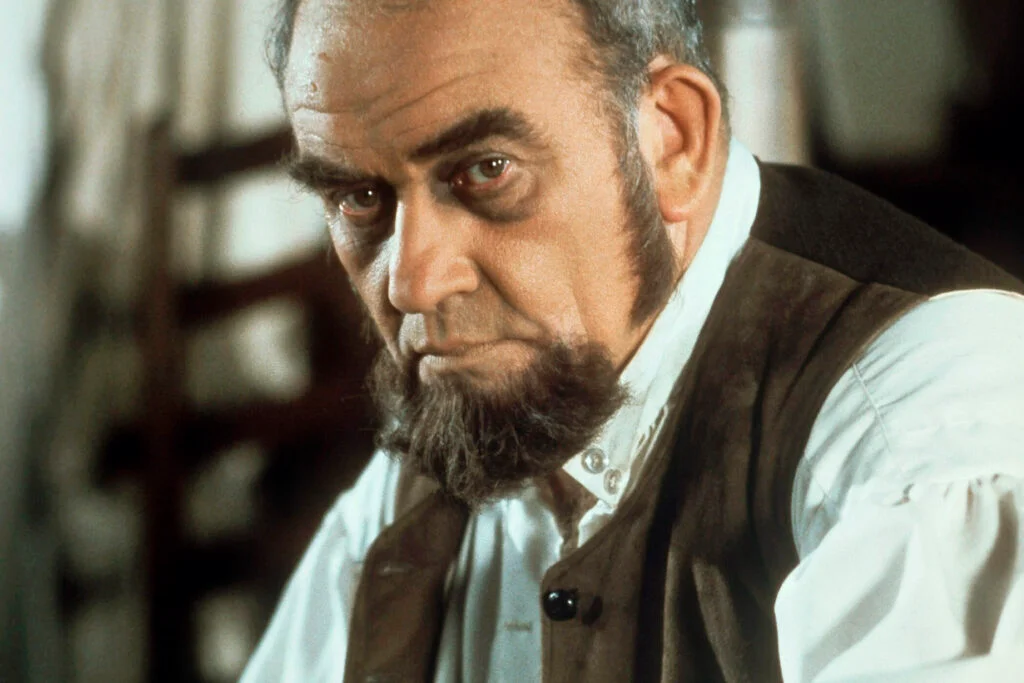
When Roots premiered, it was more than television programming. It was a national moment that demanded attention. Families planned their schedules around it. The subject matter felt urgent and necessary.
Viewers understood immediately that this was different. The emotional impact was overwhelming and lasting. It sparked conversations that extended far beyond the screen. For many, it redefined what television could accomplish.