
1. M*A*S*H — “Abyssinia, Henry” (1975)
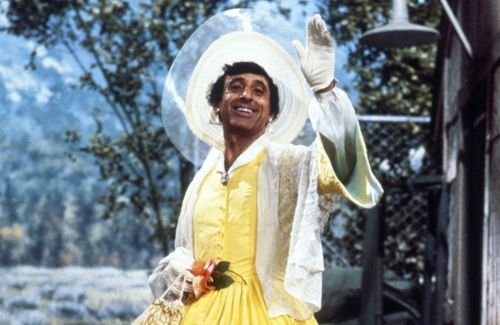
For much of the ’70s, M*A*S*H balanced humor with heartbreak, but few moments shocked audiences like the final scene of “Abyssinia, Henry.” Throughout the episode, the characters throw a farewell party for Henry Blake, who has just been honorably discharged and is finally heading home. It feels lighthearted, almost celebratory, and viewers at the time likely assumed the story would end on a hopeful note. Then, in the final seconds, Radar enters the operating room with devastating news that Blake’s plane has been shot down over the Sea of Japan. The room falls silent, and the show abruptly cuts to black.
People across the country talked about that moment for days. Many viewers had never seen a sitcom deliver such a sudden and tragic twist. The emotional whiplash was powerful, and it reminded audiences that the Korean War setting was more than just a backdrop for jokes. For countless families gathered around the TV that night, it felt like something bigger than an episode had just happened.
2. All in the Family — “Sammy’s Visit” (1972)
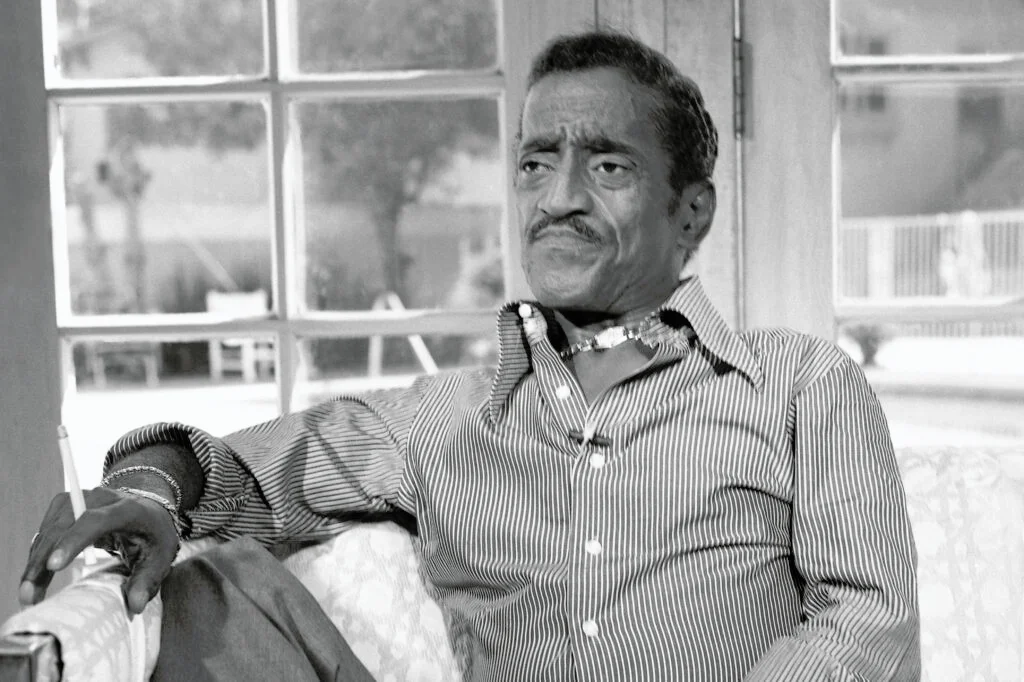
When Sammy Davis Jr. guest starred on All in the Family, it immediately became a must-watch event. The episode revolves around Archie Bunker meeting Davis after a mix-up with a briefcase. Archie spends much of the episode nervously trying to behave himself while struggling with his own prejudices. The tension builds as viewers wait to see whether Archie will embarrass himself in front of the famous entertainer. Davis, meanwhile, plays the situation with calm humor and perfect timing.
The episode’s unforgettable moment comes at the end, when Davis plants a quick kiss on Archie’s cheek before a photograph is taken. The stunned look on Archie’s face became one of the most replayed moments in ’70s television. Millions tuned in, and it sparked conversations about race and tolerance in living rooms across America. It showed how sitcoms could tackle social issues while still delivering laughs.
3. Happy Days — “Fonzie Loves Pinky, Part 2” (1977)
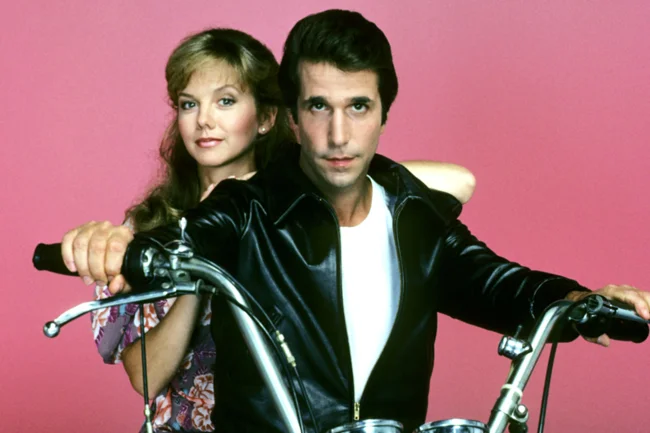
During the height of Happy Days popularity, anything involving Fonzie felt like a big deal. The two-part story about Fonzie’s romance with Pinky Tuscadero pulled in massive attention. Pinky, played by Roz Kelly, was introduced as a tough, motorcycle-riding match for Fonzie. Their relationship quickly became the center of the show’s biggest storyline of the season. Fans were glued to their televisions wondering if the two rebellious characters would stay together.
The climactic motorcycle jump scene pushed the excitement even higher. The dramatic stunt was pure ’70s television spectacle, with everyone waiting to see if Fonzie would make it. Kids talked about it at school the next day, and families replayed the moment in their conversations for weeks. It felt like the entire country had tuned in just to see Fonzie prove himself once again.
4. The Mary Tyler Moore Show — “Chuckles Bites the Dust” (1975)
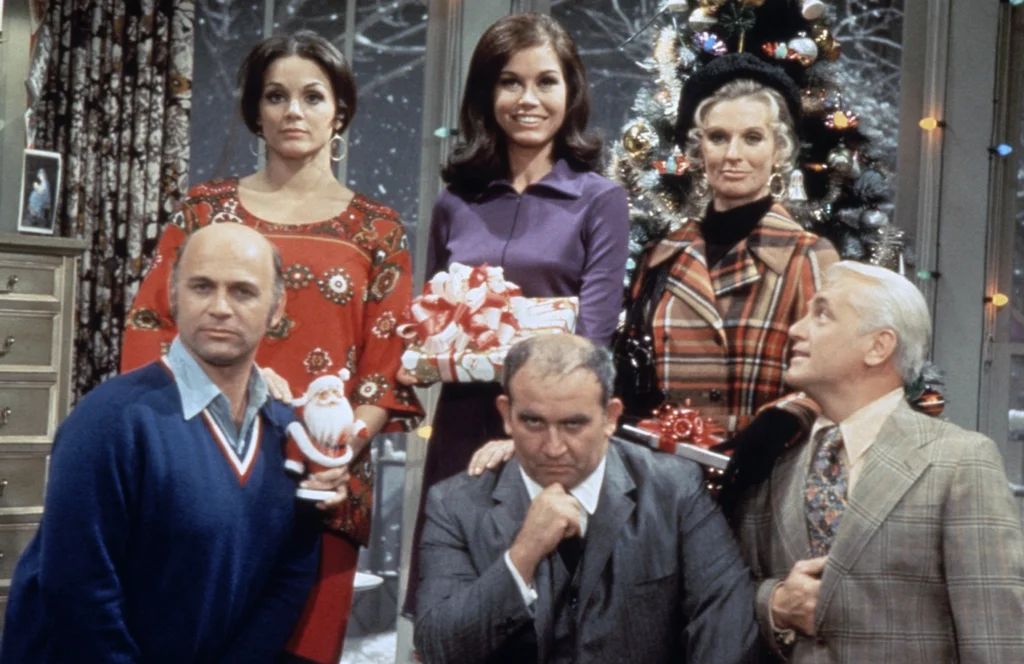
“Chuckles Bites the Dust” began with an oddly absurd premise that slowly turned into one of television’s most memorable episodes. Chuckles the Clown, a recurring off-screen character at the TV station, dies in a bizarre parade accident while dressed as a peanut. The newsroom staff struggles with how to react, especially when the circumstances seem so ridiculous. Mary Richards tries to maintain professionalism, insisting the situation should be treated with respect. Meanwhile, her coworkers can’t stop making jokes about it.
The episode builds to the funeral scene, where Mary finally loses control and bursts into laughter. The moment is painfully human and surprisingly relatable. Viewers recognized the awkward way people sometimes react to grief. Critics and fans alike praised the episode, and it remains one of the most celebrated sitcom installments ever aired.
5. Dallas — “A House Divided” (1978)
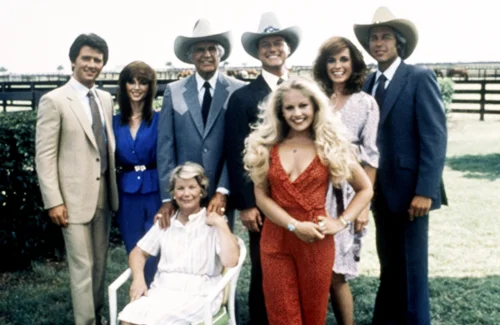
When Dallas premiered in the late ’70s, it quickly became appointment television. The episode “A House Divided” turned up the drama with family betrayals and power struggles within the Ewing dynasty. J.R. Ewing was already emerging as one of television’s most compelling villains. Every scene seemed to build tension between him and the people closest to him. Viewers sensed that the show was building toward something explosive.
By the time the episode aired, audiences were hooked on the ruthless world of the Ewings. Office conversations the next day often revolved around what J.R. might do next. The show had tapped into something addictive about wealth, family, and ambition. It felt like the beginning of a new kind of television drama that people simply could not stop watching.
6. Roots — Episode Eight Finale (1977)
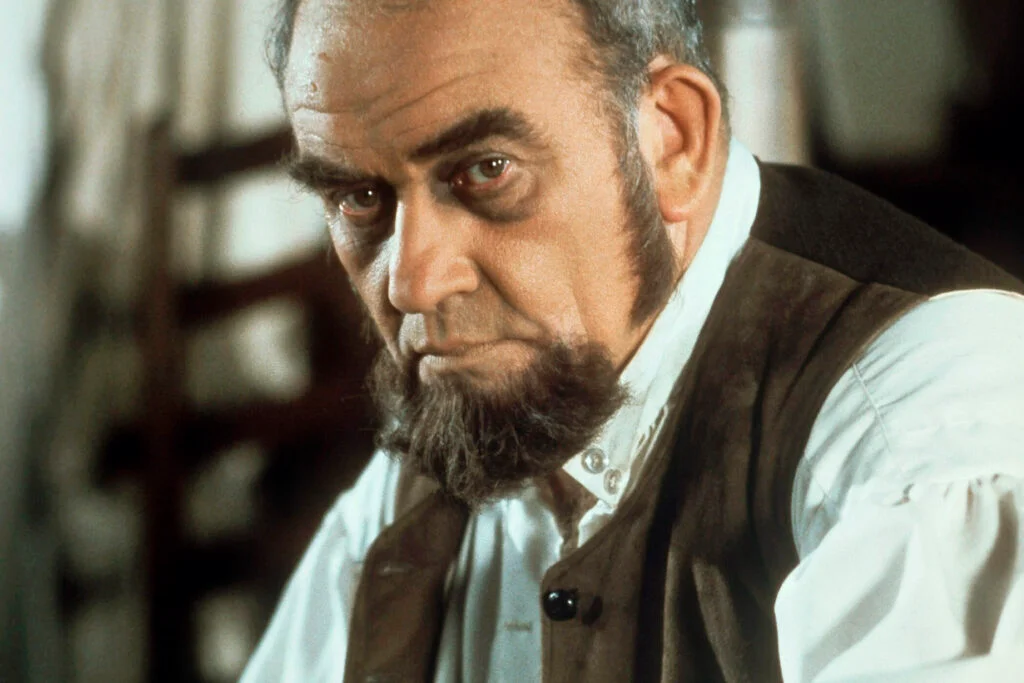
The miniseries Roots became one of the most watched television events of the decade, and its final episode carried enormous emotional weight. For eight consecutive nights, families across America followed the story of Kunta Kinte and his descendants. By the time the finale aired, viewers were deeply invested in the characters and their struggles. The concluding chapter brought several storylines together while reflecting on generations of resilience. It was powerful, educational, and deeply moving.
Schools, workplaces, and churches discussed the series while it was airing. Many people felt they were witnessing an important piece of history unfold on television. The finale drew staggering ratings and remains one of the most viewed broadcasts in American television history. For many viewers, it was the kind of shared cultural moment television rarely creates anymore.
7. The Brady Bunch — “The Cincinnati Kids” (1973)

Although The Brady Bunch often focused on lighthearted family stories, “The Cincinnati Kids” turned into a memorable event for fans. The episode centers on a national newspaper contest in which families must submit original songs. The Brady kids write and perform “Keep On,” hoping their musical talents will win the competition. Watching the entire Brady clan come together for the performance felt like a big moment for viewers who loved the show. It captured the wholesome spirit that made the series so popular.
Kids especially were captivated by the musical number. The scene quickly became one of the show’s most recognizable moments. Families gathered around the television to watch the Bravdy children sing and cheer each other on. For fans of the show, it felt like rooting for their own family members.
8. Little House on the Prairie — “I’ll Ride the Wind” (1978)
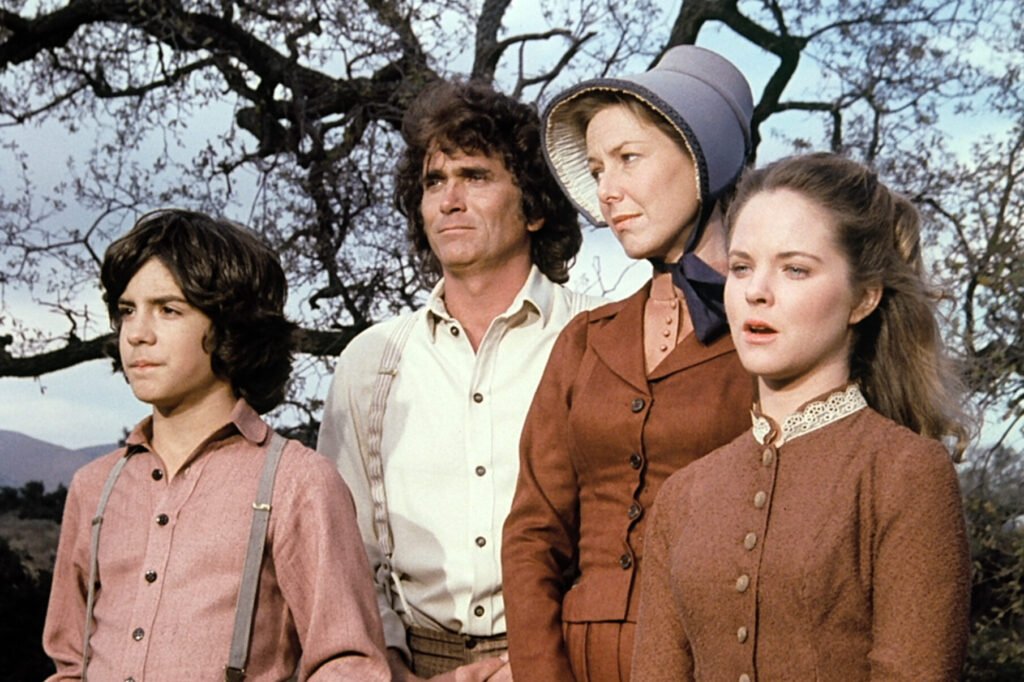
When Mary Ingalls left Walnut Grove to attend a school for the blind, the storyline struck a deeply emotional chord with viewers. The episode “I’ll Ride the Wind” shows Mary preparing to leave home and begin a completely new chapter of her life. The Ingalls family struggles with the idea of letting her go. Laura in particular has trouble imagining life without her sister nearby. The emotional weight of the farewell builds throughout the episode.
Families watching at home often found themselves wiping away tears. The show had always emphasized family bonds, and this story captured that theme perfectly. Mary’s departure represented both loss and growth. For many viewers, it felt like saying goodbye to a member of their own extended television family.
9. The Jeffersons — “Lionel’s Engagement” (1975)
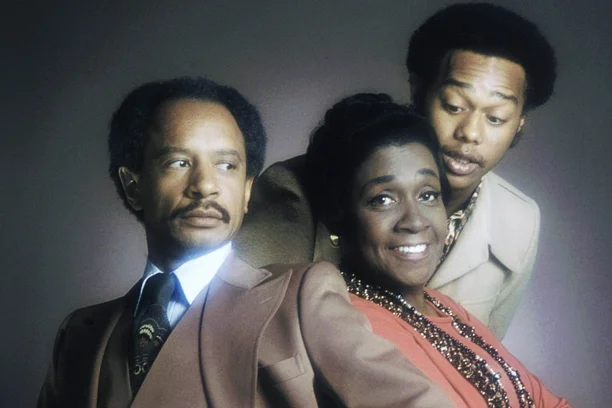
Early in its run, The Jeffersons created buzz with the episode “Lionel’s Engagement.” Lionel announces that he plans to marry Jenny Willis, whose parents are an interracial couple. George Jefferson reacts in his usual loud and opinionated fashion. The episode mixes humor with genuine social commentary. Viewers could feel the tension as George struggled to accept the relationship.
The story resonated because it reflected real conversations happening in American households. Norman Lear’s sitcoms were known for pushing boundaries, and this episode was no exception. Audiences tuned in knowing they would see both laughs and meaningful discussion. It showed how television could spark dialogue about changing social attitudes.
10. The Six Million Dollar Man — “The Moon and the Desert” (1974)
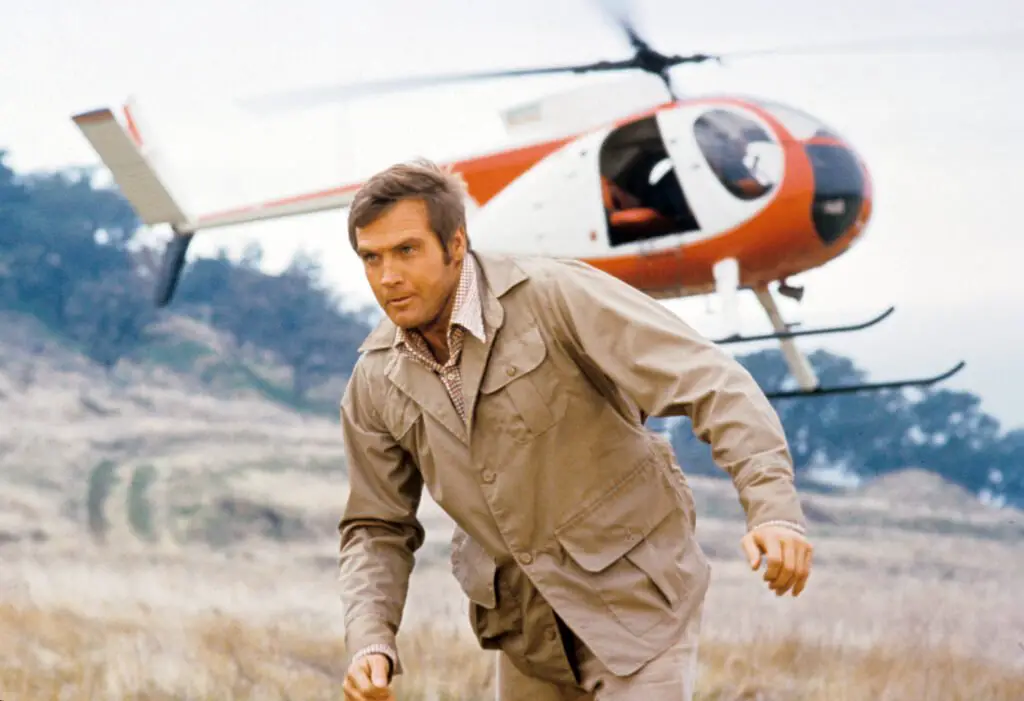
During the mid ’70s, The Six Million Dollar Man captured imaginations with its mix of science fiction and adventure. In “The Moon and the Desert,” astronaut Steve Austin faces a dangerous mission involving a space probe crash in the desert. The episode showcased the show’s trademark slow motion action sequences. Kids everywhere pretended to run in slow motion the next day, imitating Austin’s bionic abilities. The idea of a man rebuilt with superhuman technology felt thrilling and futuristic.
Viewers loved the blend of action and science fiction. The show tapped into the decade’s fascination with space exploration and technology. Episodes like this turned Steve Austin into a pop culture icon. For many families, it was the kind of television you absolutely had to watch when it aired.
11. Kojak — “The Marcus-Nelson Murders, Part 1” (1973)
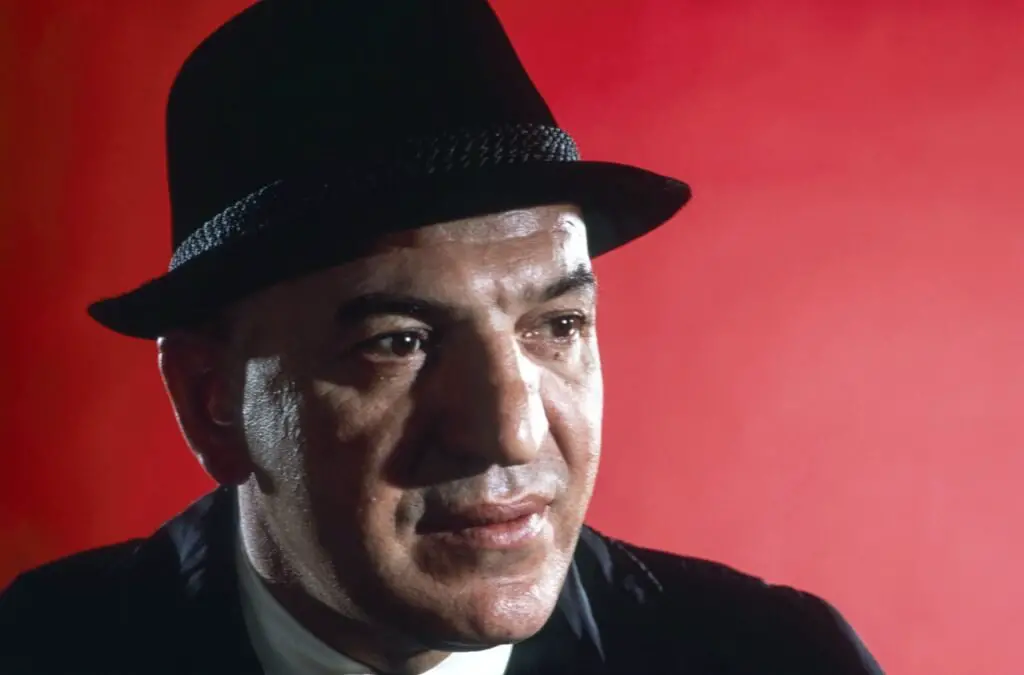
Before Kojak became a regular series, it premiered with the intense television movie “The Marcus-Nelson Murders.” The story followed Detective Theo Kojak as he investigated a brutal crime in New York City. The gritty tone felt different from many police shows that had come before. Viewers were drawn in by Telly Savalas’ commanding performance. His tough but thoughtful approach made Kojak instantly memorable.
The broadcast generated strong ratings and widespread attention. Audiences were fascinated by the realistic portrayal of police work. Savalas’ famous catchphrase and lollipop quickly became part of pop culture. The success of the episode led directly to the long-running series.
12. Taxi — “Like Father, Like Daughter” (1979)
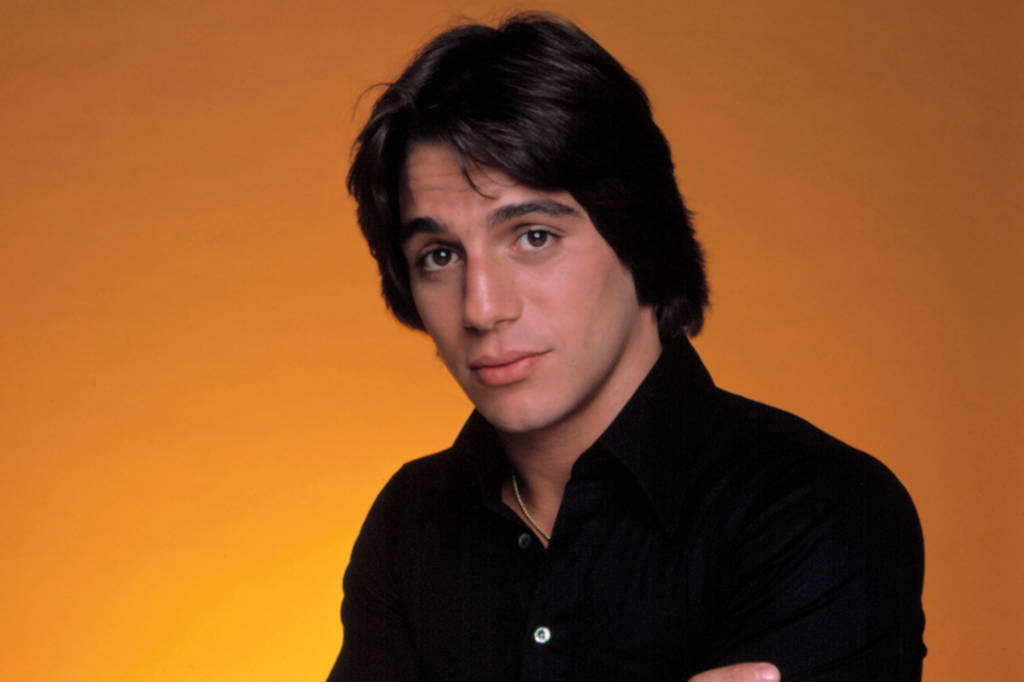
Toward the end of the decade, Taxi was gaining a reputation for blending comedy with emotional storytelling. In “Like Father, Like Daughter,” Louie De Palma’s complicated relationship with his daughter becomes the focus. Louie, normally loud and abrasive, shows a surprisingly vulnerable side. The episode allows Danny DeVito to explore a softer dimension of the character. Viewers were surprised to see Louie struggle with real parental feelings.
The shift in tone made the episode stand out. Audiences realized that even the show’s most outrageous characters had depth. It demonstrated how sitcoms in the late ’70s were beginning to mix humor with genuine emotion. For fans of the show, it was an episode that lingered long after the credits rolled.