
1. Happy Days, “Hollywood: Part 3” (Jumping the Shark)
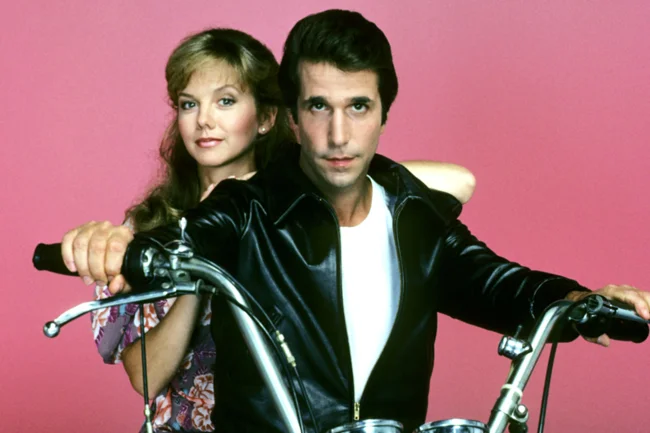
This is the episode that literally gave us the phrase “jumping the shark,” and it earns its reputation honestly. Fonzie waterskis in his leather jacket and jumps over a shark, which felt completely detached from the show’s original Milwaukee teen hangout vibe. Even at the time, viewers knew something strange was happening tonally. Today, it plays like a joyful piece of accidental absurdity that nobody could quite stop once it started rolling.
What makes it still hilarious is how seriously everyone treats the moment, as if shark jumping were a normal vacation activity. It is a reminder of how far long running sitcoms can drift when ratings pressure kicks in. Fans now watch it with affectionate disbelief instead of outrage. It has become a cultural reference point rather than a creative misstep.
2. The Brady Bunch, “Hawaii Bound” Trilogy (The Tiki Idol Curse)
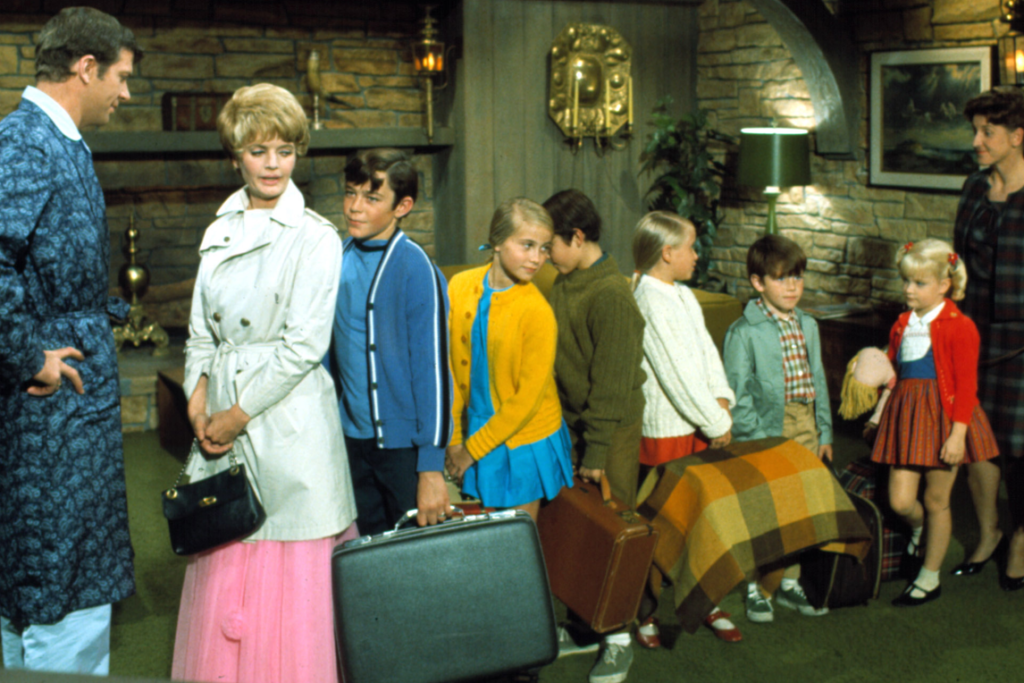
The Brady family heads to Hawaii and somehow stumbles into a full blown curse storyline involving a creepy tiki idol. Objects fall, accidents multiply, and everyone looks increasingly nervous while still trying to enjoy paradise. It feels like a sitcom briefly wandered into a low budget adventure movie. The seriousness of the curse mixed with the family’s sunny optimism makes it oddly charming.
Watching it now, the plastic idol and dramatic music make the whole thing even funnier. The kids’ wide eyed fear contrasts sharply with the show’s usual gentle humor. It also gave the series one of its most iconic visual props. The episodes remain endlessly rewatchable because they commit so hard to the silliness.
3. WKRP in Cincinnati, “Turkeys Away”
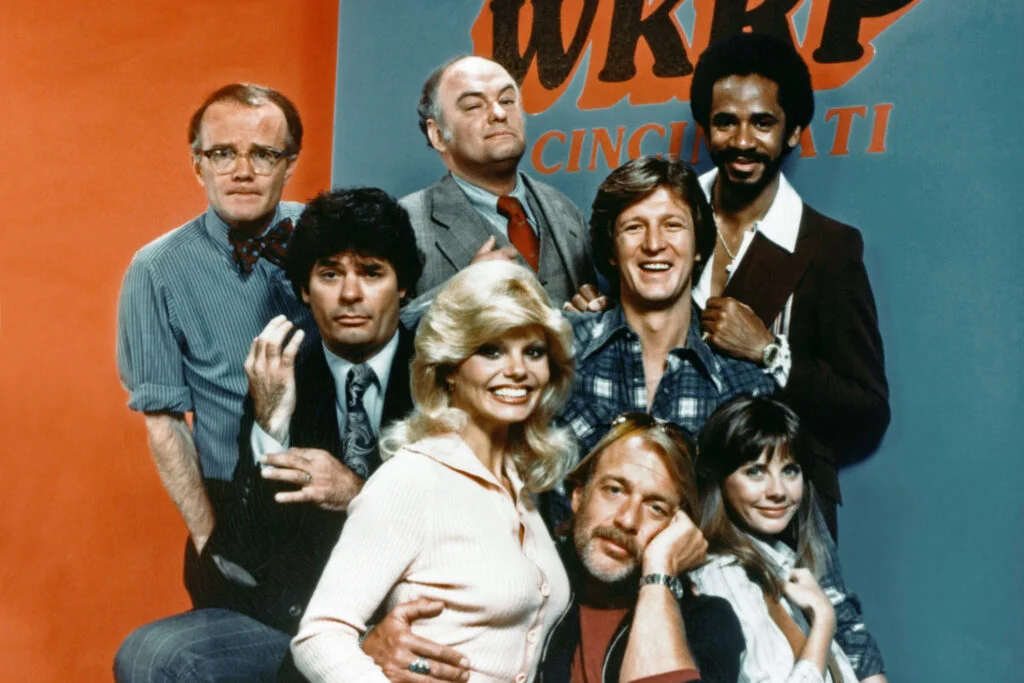
This episode centers on a Thanksgiving promotion that involves dropping live turkeys from a helicopter. The news report describing the disaster is delivered with deadpan sincerity, which makes it legendary. Viewers hear that “as God is my witness, I thought turkeys could fly,” and the line never gets old. The entire concept is ridiculous yet staged with perfect comic timing.
Even people who have never seen the series usually know this episode by reputation. The humor still lands because the writing trusts the audience to connect the dots rather than over explain the joke. It is a master class in escalating chaos without ever showing the actual stunt. Decades later, it remains one of television’s most quoted moments.
4. All in the Family, “Sammy’s Visit”

Sammy Davis Jr. guest stars as himself and ends up kissing Archie Bunker on the cheek. The moment shocked audiences in 1972 and instantly became television history. Archie’s stunned reaction sells the entire scene without a single extra gag. The episode blends social commentary with genuine farce in a way few shows could pull off.
Today, the kiss still lands as both funny and culturally fascinating. It captures how television was pushing boundaries in real time. The audience reaction alone makes it worth revisiting. It is awkward, bold, and strangely sweet all at once.
5. The Six Million Dollar Man, “The Secret of Bigfoot”
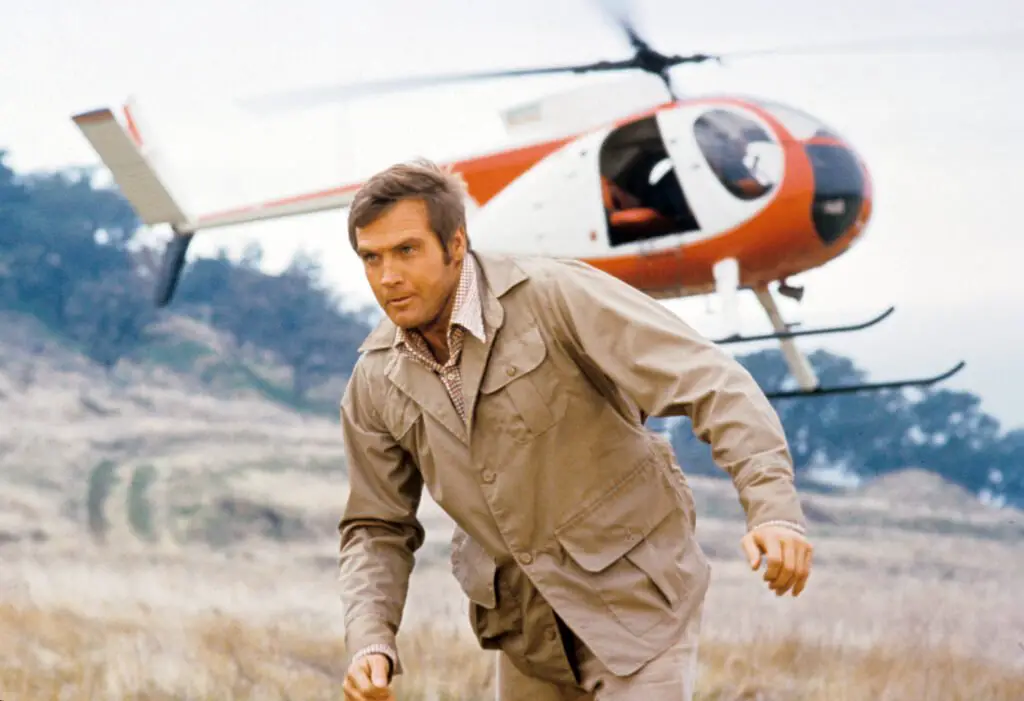
Steve Austin faces off against Bigfoot, who is portrayed as a roaring, slow motion battling creature. The special effects were ambitious for the time and slightly bonkers even then. Watching it now, the fuzzy costume and dramatic music add unintentional comedy. It feels like a superhero show collided with a Saturday afternoon monster movie.
The seriousness of the performances only amplifies the silliness. No one winks at the camera or treats it as camp, which makes it more entertaining. It became one of the series’ most remembered storylines. Fans still debate it with affectionate amusement.
6. Soap, Burt’s Alien Abduction Arc
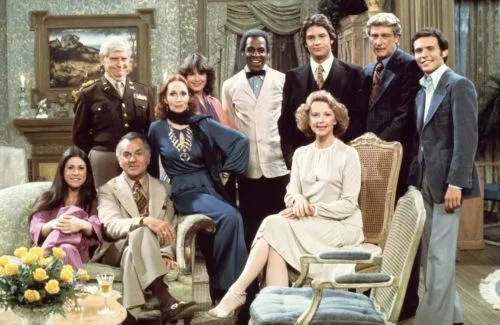
In one of the strangest sitcom storylines ever, Burt is abducted by aliens and taken aboard a spaceship. The show leans fully into science fiction while maintaining its rapid fire joke delivery. Characters discuss alien encounters with the same casual tone they use for family drama. It is wildly unpredictable in the best way.
Seeing a domestic comedy suddenly introduce extraterrestrials feels delightfully unhinged. The low budget effects only enhance the humor now. It captures the fearless experimentation that defined the series. Even modern audiences are surprised by how far the show was willing to go.
7. Mork & Mindy, “Mork Gets Mindy” (Mork Hatches from an Egg)
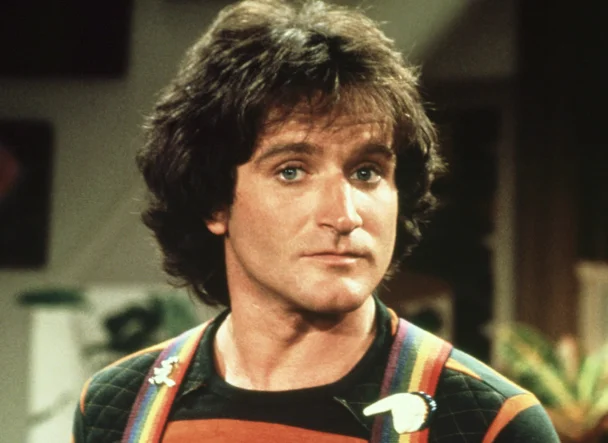
Mork arrives on Earth by hatching from a giant egg, which immediately sets the tone for the series’ playful weirdness. Robin Williams’ physical comedy turns the simple concept into nonstop energy. The fish out of water humor lands quickly and confidently. It is strange, cheerful, and oddly wholesome all at once.
Rewatching it today highlights how fearless network television briefly became in the late ’70s. The premise alone feels like something that would normally belong in animation. Williams’ improvisational style keeps the episode feeling fresh. It remains a joyful kind of weird rather than confusing weird.
8. Fantasy Island, Early Wish Gone Wrong Episodes
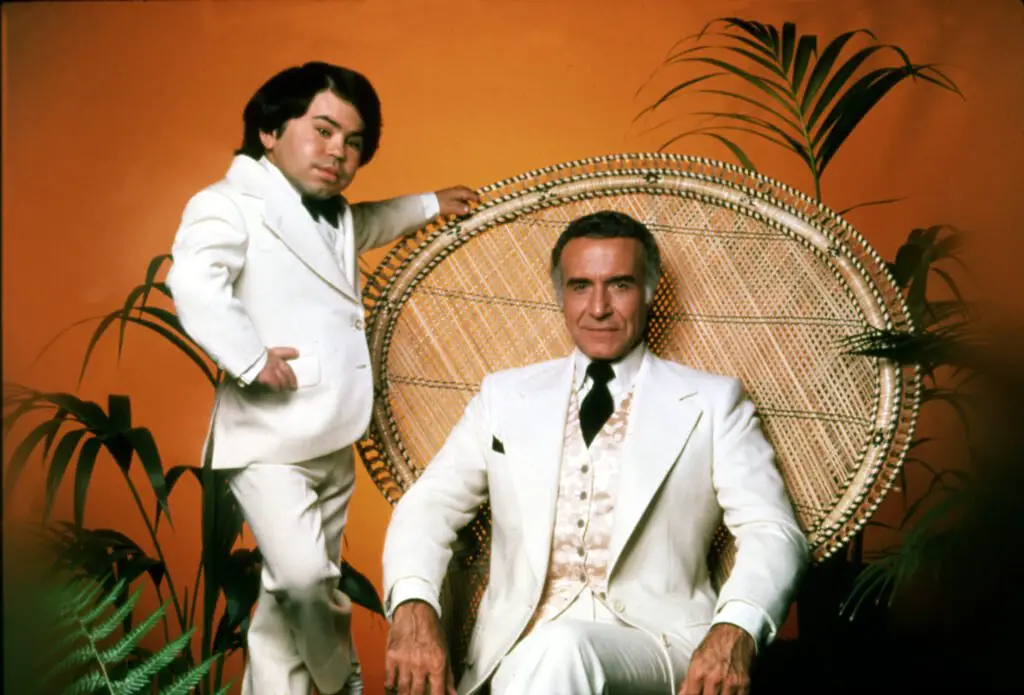
Guests arrive with big dreams that almost always spiral into strange consequences. People wish for youth, fame, romance, or adventure and end up learning oddly dramatic lessons. The tonal shifts between fantasy, romance, and mild horror can feel jarring. Each episode plays like a mini morality tale wrapped in tropical camp.
Modern viewers often laugh at how earnest the performances are against the sometimes flimsy setups. The show embraces melodrama without irony. It feels like a soap opera took a vacation inside a dream sequence. The unpredictability keeps it entertaining even when it makes very little sense.
9. Three’s Company, The Original Misunderstanding Pilot
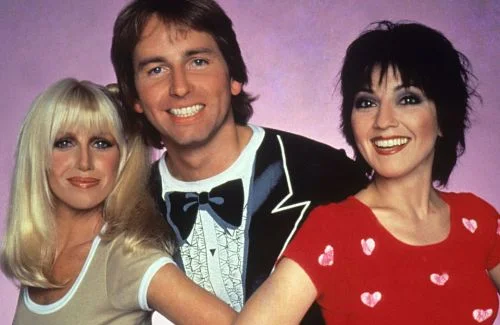
Jack pretends to be gay so he can live with two women in a shared apartment. The premise was bold and slightly outrageous for network television in the late ’70s. Much of the humor comes from exaggerated misunderstandings and nervous physical comedy. Watching the setup unfold now feels both dated and oddly fearless.
The farce still lands because of strong comic timing and chemistry. It captures a transitional moment in TV comedy where social taboos were being gently poked. The nervous energy of the characters keeps the episode lively. It remains a fascinating snapshot of shifting cultural norms.
10. Laverne & Shirley, The Hollywood Crossover Episodes
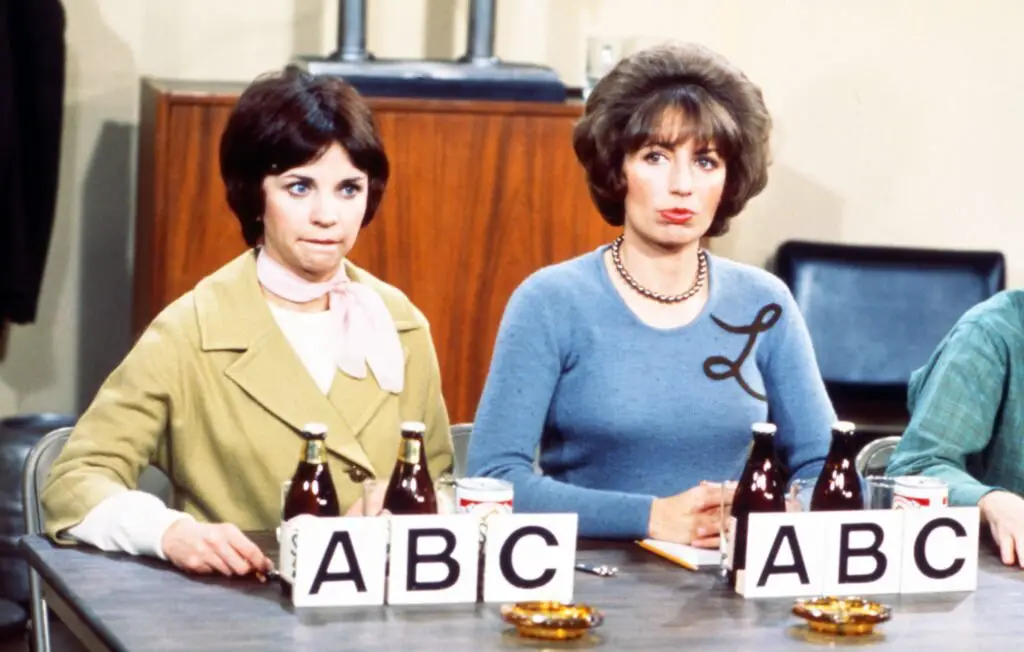
The girls head to Hollywood and cross paths with familiar faces from Happy Days. Suddenly, the show becomes part road trip comedy, part backstage musical chaos. The tone leans into exaggerated show business fantasy. Everything feels slightly larger than life and intentionally silly.
Today, the crossover energy feels charmingly excessive. The costumes, musical numbers, and guest appearances pile on quickly. It reflects the era’s love of shared television universes before the term even existed. The episodes play like joyful fan service before fan service was a thing.
11. Charlie’s Angels, Disguise Heavy Casino Adventures
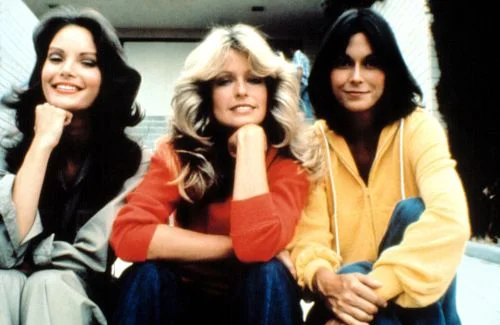
The Angels frequently go undercover in elaborate disguises, including casino performers and glamorous decoys. The transformations are often so dramatic that suspension of disbelief completely evaporates. Action sequences mix with fashion runway energy in a way that feels delightfully over the top. The plots sometimes seem secondary to the visual spectacle.
Rewatching now, the wigs and outfits generate as many laughs as the dialogue. The earnest seriousness of the villains only heightens the camp factor. It is stylish, silly, and proudly theatrical. The episodes still deliver entertainment even when logic takes a vacation.
12. The Bionic Woman, The Fembots Storyline
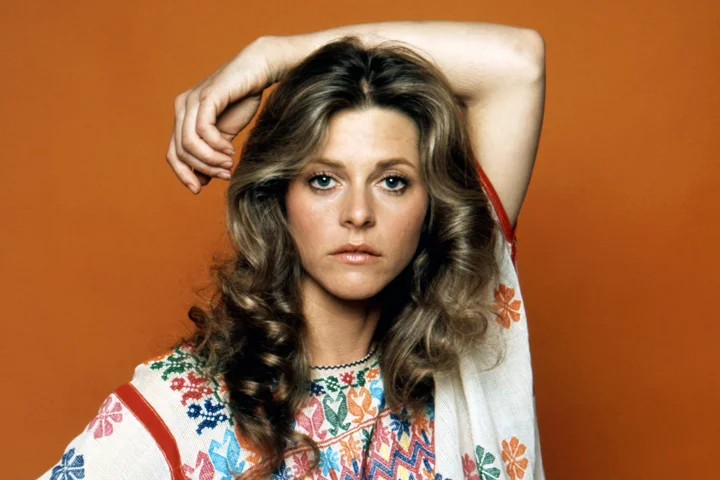
Jaime Sommers faces off against robotic doubles that look human but behave eerily. The concept leans into science fiction paranoia with a straight face. The stiff movements and dramatic reveals now feel charmingly dated. It plays like a comic book story translated directly to live action television.
Modern viewers often enjoy it as retro sci fi camp. The ambition of the idea outpaces the available technology in an endearing way. It captures the era’s fascination with robots and artificial intelligence long before it became mainstream. The result is unintentionally funny but still oddly compelling.