
1. Hawkeye’s Breakdown in “Sometimes You Hear the Bullet” on M*A*S*H
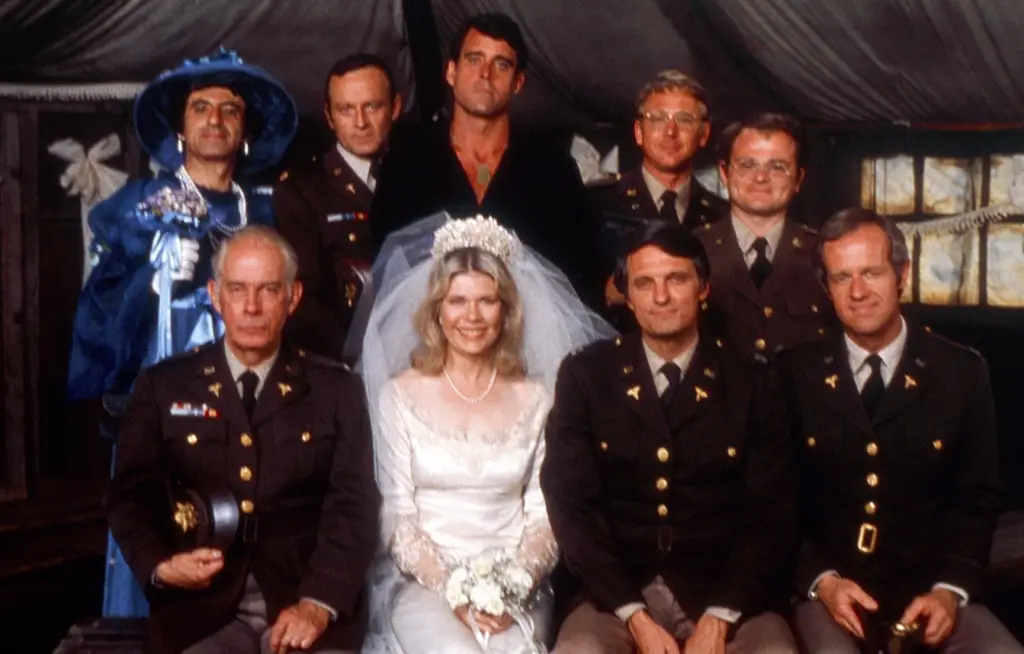
When M*A*S*H aired “Sometimes You Hear the Bullet” in 1972, viewers weren’t prepared for how somber it would get. Hawkeye losing a close friend stripped away the laugh track expectations entirely. The episode treated death as abrupt and unfair, not noble or tidy. That tonal shift felt jarring for a sitcom.
The next day, people talked about whether comedy shows should make them feel that way. Some viewers admitted it stayed with them longer than dramas did. Others felt blindsided but impressed. It became one of the first moments where audiences realized M*A*S*H was doing something different.
2. Edith’s Assault in “Edith’s 50th Birthday” on All in the Family
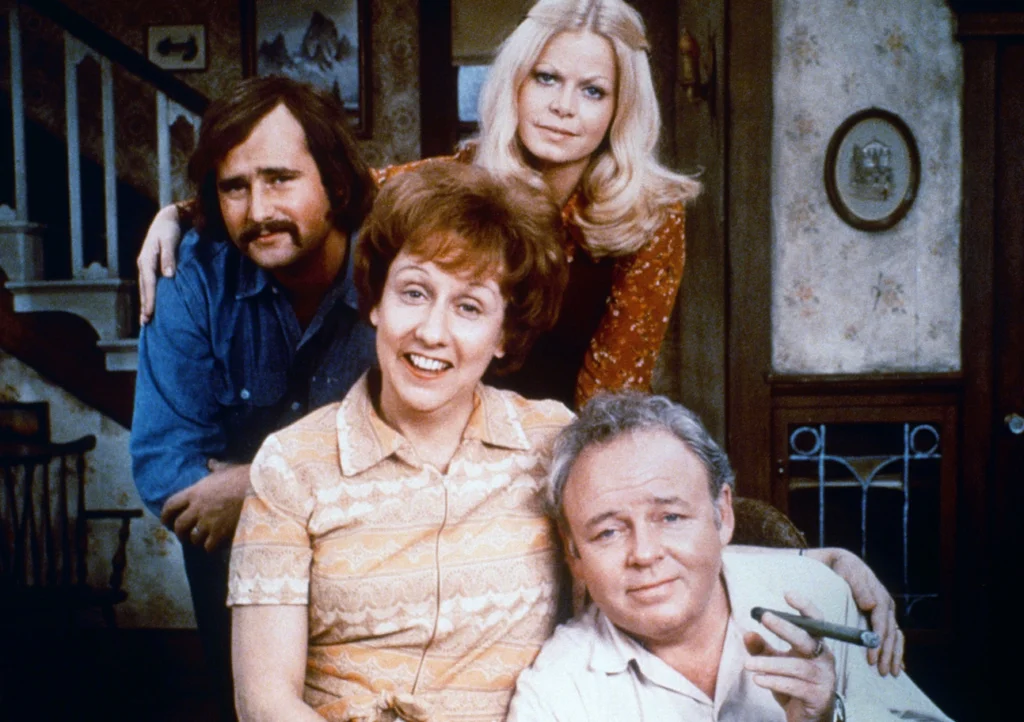
When All in the Family aired Edith’s assault storyline in 1977, it shocked viewers nationwide. The episode was stark, quiet, and intentionally uncomfortable. Edith’s fear and confusion were portrayed without jokes or relief. It felt painfully real.
The next morning, conversations were hushed but intense. People debated whether television should ever depict something so serious. Many praised Jean Stapleton’s performance as devastatingly honest. The episode became one of the show’s most discussed moments for years.
3. Chuck Cunningham Quietly Disappears on Happy Days
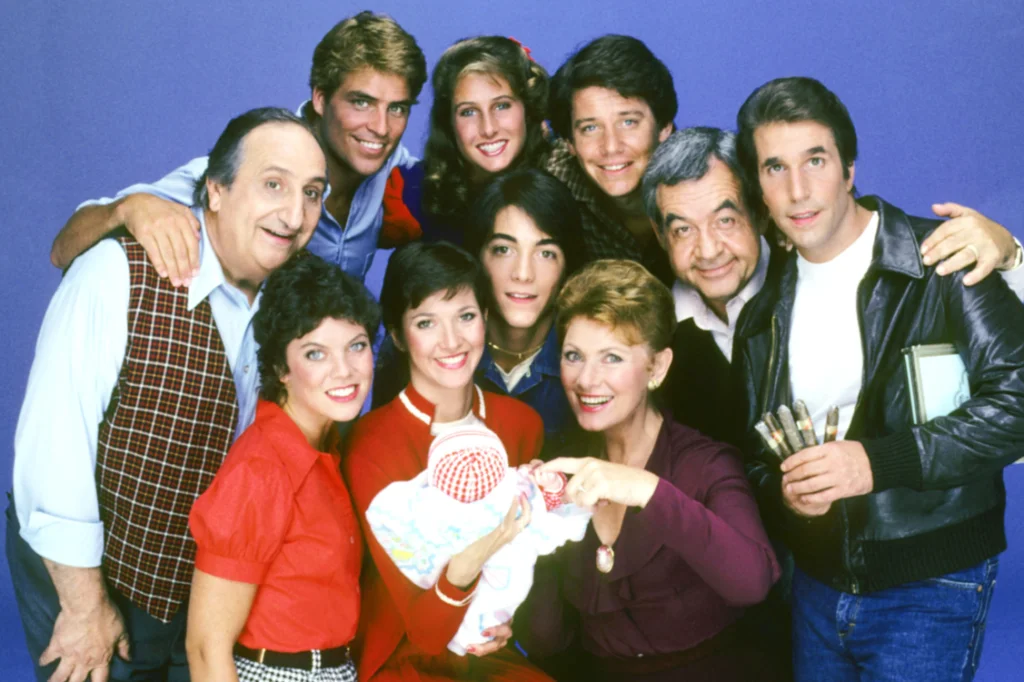
Chuck Cunningham’s unexplained disappearance from Happy Days became a strange talking point almost overnight. He simply stopped appearing, with no explanation and no goodbye. Viewers noticed immediately. It felt oddly unsettling for such a cheerful show.
By the next day, people were joking, speculating, and genuinely confused. Kids asked parents what happened, and parents had no answer. It became an early example of television quietly rewriting its own reality. The mystery only grew with time.
4. Mary Richards Chooses Her Career on The Mary Tyler Moore Show
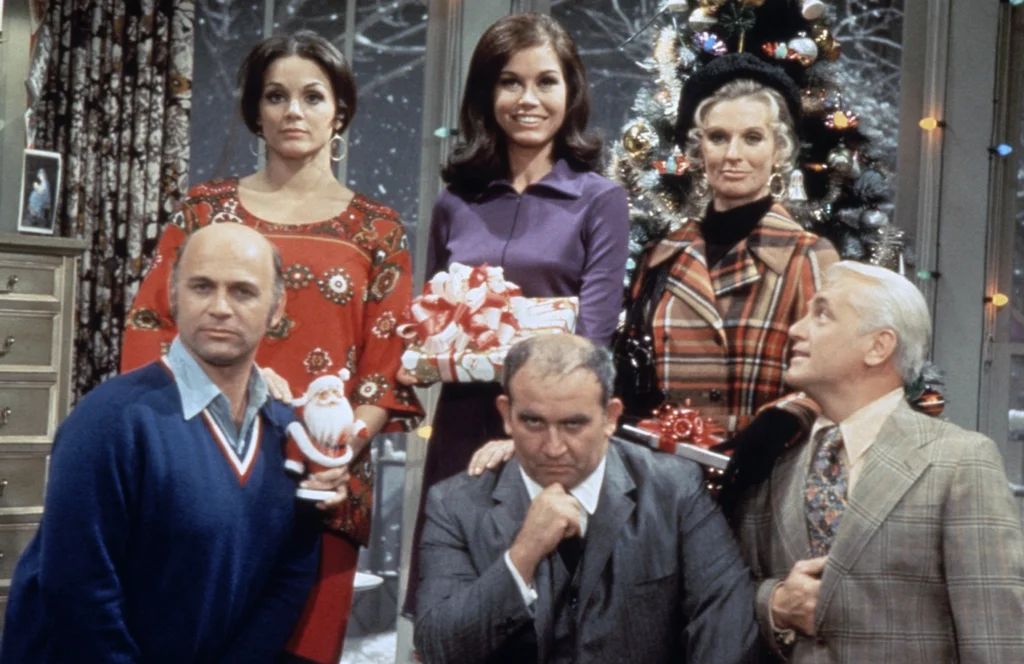
Several episodes in the early ’70s showed Mary choosing work over romance, but audiences especially noticed when she firmly stood her ground. These moments weren’t loud or dramatic. They were calm, confident decisions. That subtlety made them powerful.
The next day, viewers talked about how unusual it felt to see a woman make those choices without punishment. Some saw Mary as aspirational. Others weren’t sure what to make of it. Either way, it sparked conversations about changing expectations.
5. The Fire That Kills Dr. Jim on Emergency!
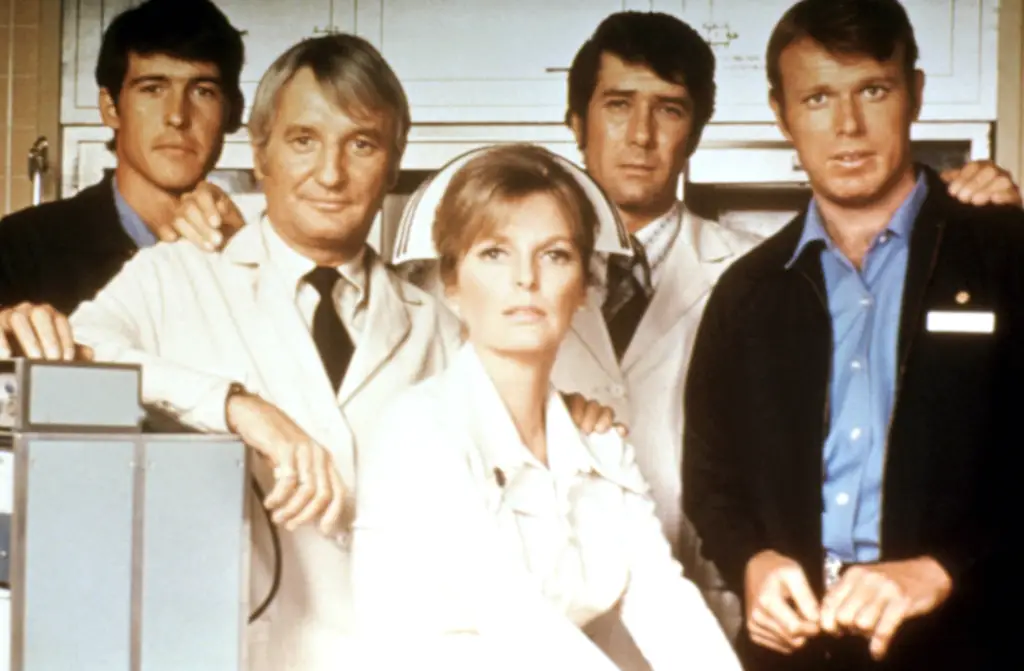
When Dr. Jim Vance died during a rescue on Emergency!, it hit viewers hard. The show usually saved lives, not lost its heroes. The suddenness made it feel real. There was no time to prepare emotionally.
The next day, fans talked about how shaken they felt. Some questioned whether the show had crossed a line. Others felt it honored the risks first responders face. It was a reminder that even familiar shows could surprise you.
6. Mary Ingalls Goes Blind on Little House on the Prairie
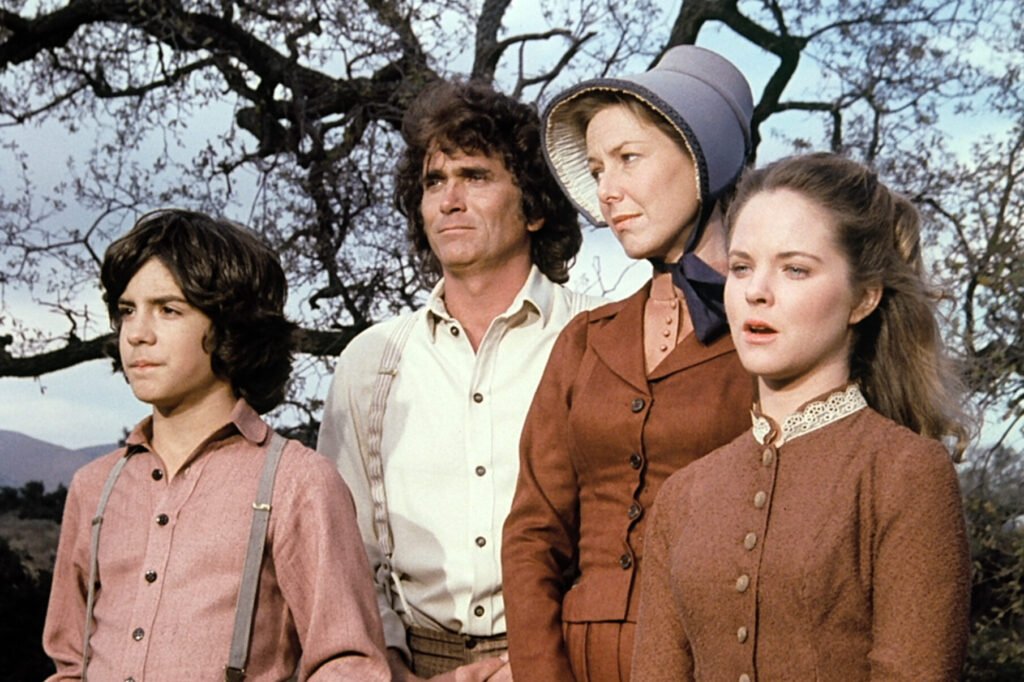
When Little House on the Prairie aired the two part episode “I’ll Be Waving As You Drive Away” in 1978, viewers were stunned by how permanent the outcome was. Mary Ingalls contracts scarlet fever and ultimately loses her eyesight. Unlike many TV illnesses of the era, this one did not resolve neatly by the end of the story. The show made it clear that Mary’s life had changed forever.
The next day, people talked about how unexpectedly devastating it felt. Parents discussed it with their kids, because the episode didn’t soften the reality of disability or grief. Viewers were struck by how quiet and restrained the story was. Many remember realizing, for the first time, that Little House on the Prairie was willing to let consequences last.
7. Sammy Davis Jr. Kisses Archie Bunker on All in the Family
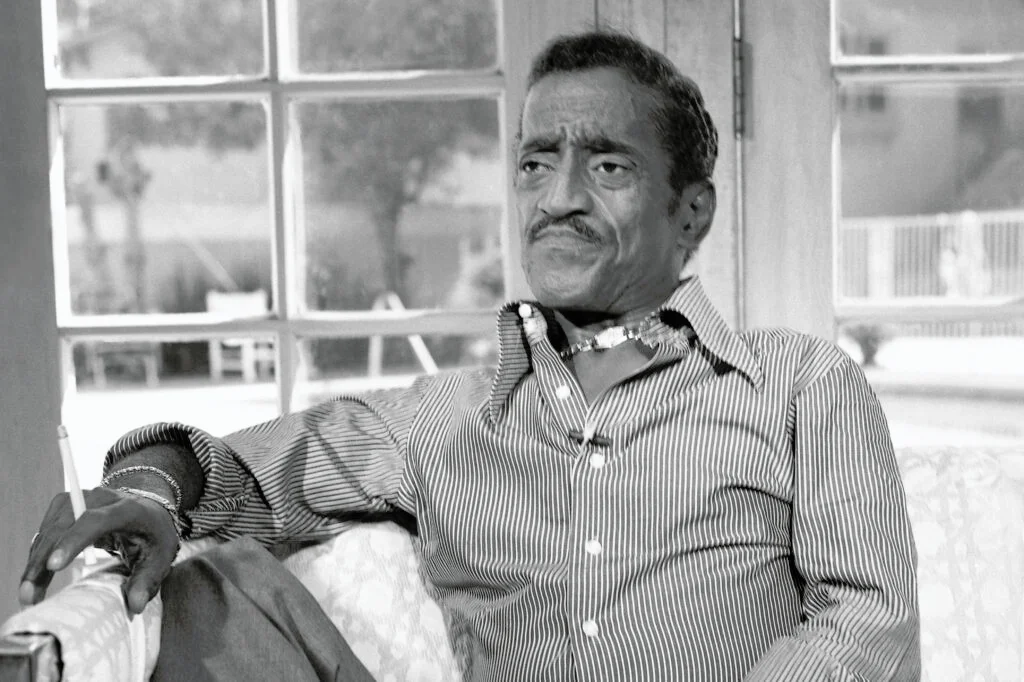
When Sammy Davis Jr. appeared on All in the Family and kissed Archie Bunker on the cheek, it was electric television. The moment was brief but loaded with meaning. Archie’s stunned reaction said everything.
The next day, everyone was talking about it. Some laughed, some gasped, some argued. It perfectly captured how the show used shock to expose prejudice. The kiss became one of the most replayed moments of the decade.
8. The Death of Ben in “My Wife, the Ghost” on The Waltons
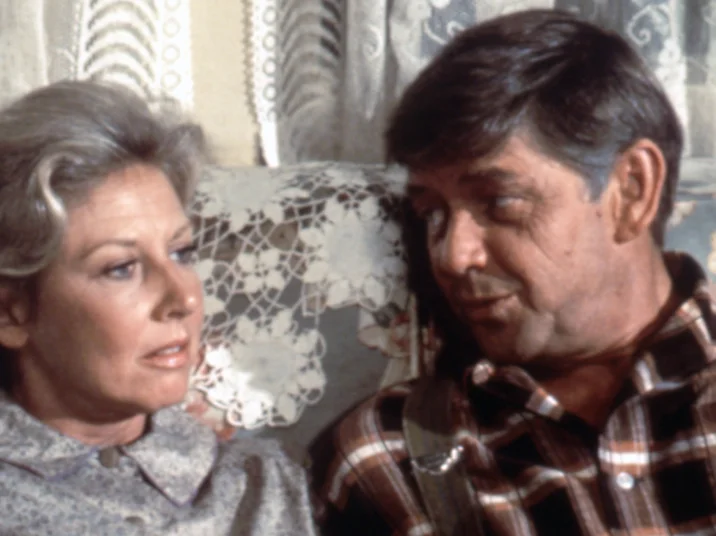
When Ben’s wife died suddenly on The Waltons, it felt brutally realistic. There was no long buildup, just loss. The family’s quiet grief mirrored real life more than TV drama.
The next day, viewers talked about how understated it was. Many said it reminded them of losses in their own families. The episode showed how silence could be more powerful than speeches. It became one of the show’s most remembered moments.
9. Rhoda’s Wedding on The Mary Tyler Moore Show
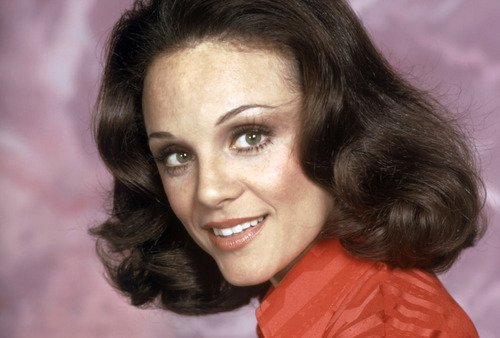
Rhoda finally getting married felt like a long-awaited celebration for viewers. The wedding episode drew huge anticipation. It symbolized hope and growth for a beloved character.
The next day, people talked about how invested they were in Rhoda’s happiness. Some debated whether marriage would change her independence. Others simply enjoyed seeing her moment. It felt like a shared emotional milestone.
10. The Final Shot of The Bob Newhart Show
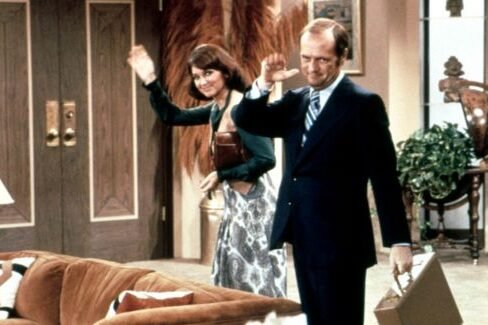
When The Bob Newhart Show ended with Bob waking up from a dream, viewers were stunned. The ending recontextualized the entire series in seconds. It was clever, unexpected, and risky.
The next morning, people tried to explain it to coworkers who missed it. Some loved the joke, others felt tricked. Everyone seemed to be talking about it. It became one of the most famous finales in TV history.
11. Fonzie Jumps the Shark on Happy Days
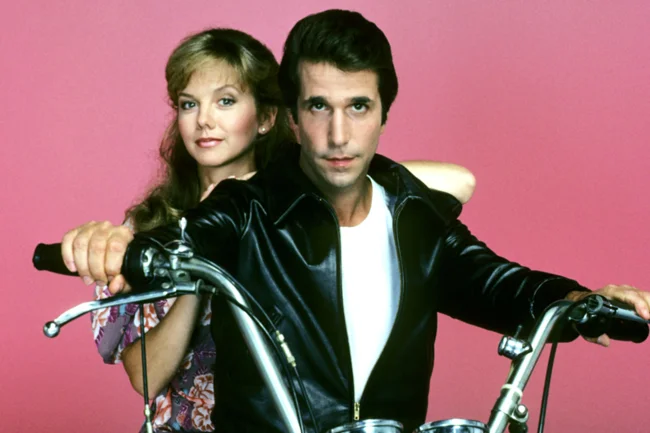
When Fonzie water-skied over a shark, viewers couldn’t believe what they were seeing. The moment felt cartoonish compared to earlier episodes. It stood out immediately.
The next day, people joked about whether the show had gone too far. Some defended it as harmless fun. Others felt it marked a turning point. The phrase “jump the shark” was born from that exact reaction.
12. The Ending of “The Interview” on M*A*S*H
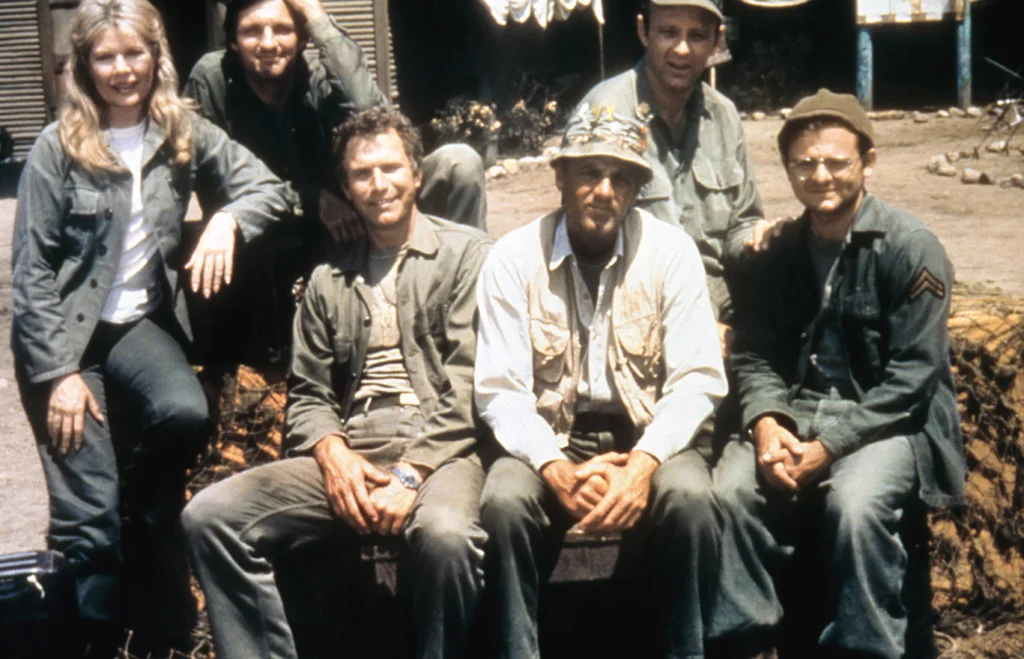
“The Interview” broke format by having characters speak directly to the camera. It felt intimate and unsettling. The absence of a laugh track made everything feel heavier.
The next day, viewers talked about how personal it felt. Some loved the realism, others found it uncomfortable. It showed how M*A*S*H could reinvent itself without warning. The episode stayed in the cultural conversation long after it aired.