
1. The “Who Shot J.R.?” Cliffhanger
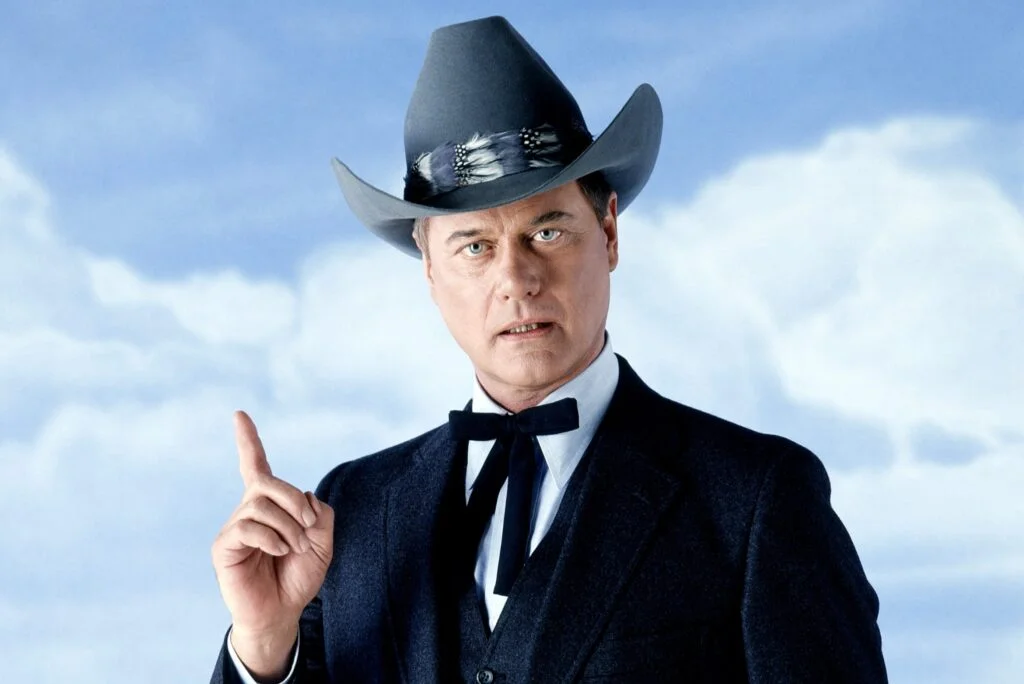
The Dallas season three finale was the ultimate watercooler moment that essentially invented the modern cliffhanger. When J.R. Ewing was gunned down by an unseen assailant in the episode “A House Divided,” the entire country stopped breathing for a second. It wasn’t just a TV show; it was a national mystery that dominated every conversation at the office and the grocery store. You couldn’t go anywhere without seeing those “Who Shot J.R.?” t-shirts, and the speculation was relentless.
People spent the entire summer of 1980 debating motives and scouring episodes for clues we might have missed. It felt like a collective cultural fever dream because the payoff was months away, leaving everyone in a state of perpetual suspense. Even if you weren’t a die-hard fan of the Ewings, you were pulled into the gravity of the drama. The morning after that shot rang out, the world felt a little more mysterious. It proved that television had the power to unite a global audience through a single, shocking frame.
2. Elvis Presley: Aloha from Hawaii via Satellite
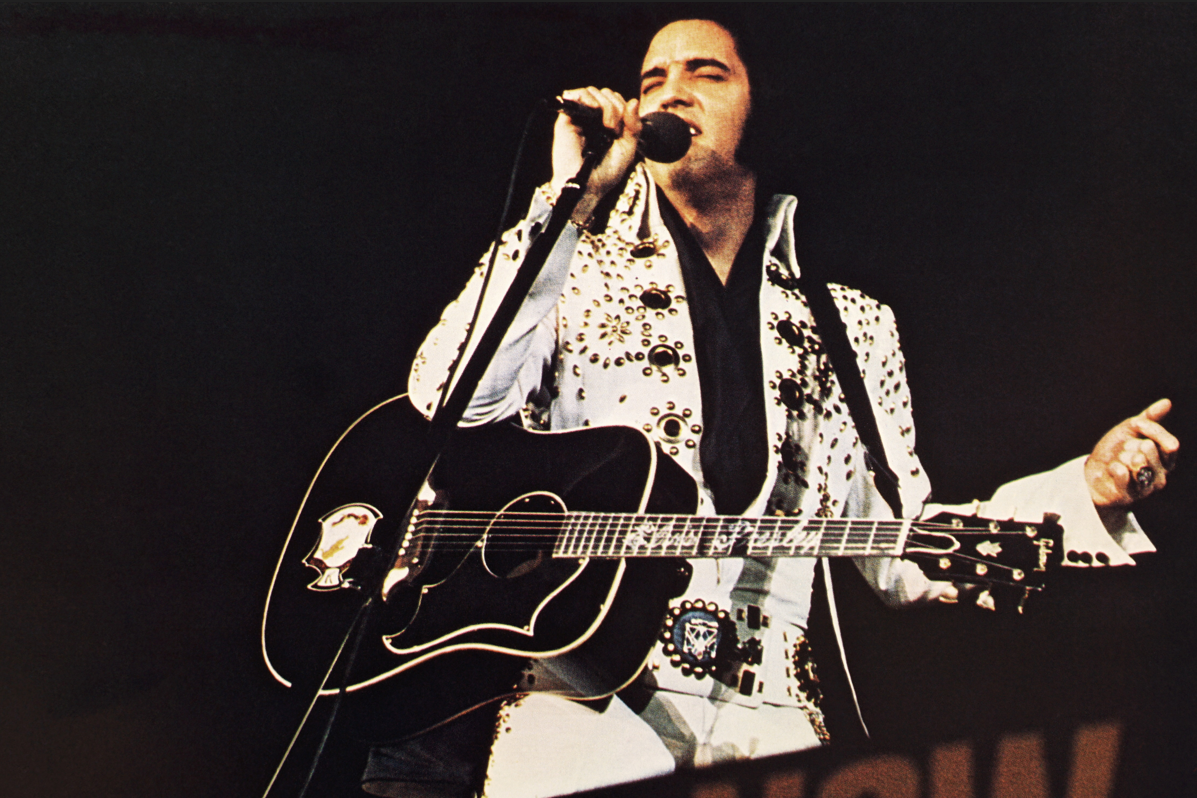
In 1973, seeing Elvis Presley perform live in your living room via a global satellite broadcast felt like stepping into the future. Aloha from Hawaii via Satellite was a massive technical feat that brought the King of Rock and Roll to over a billion people. Dressed in his iconic white eagle jumpsuit, Elvis looked like a literal god descending from the heavens to serenade the masses. The scale of the production was unprecedented, and the sheer charisma he projected through the screen was palpable.
The next morning, the conversation wasn’t just about his voice or the setlist, but the fact that we had all watched the same thing simultaneously across oceans. It made the world feel smaller and more connected in a way that regular broadcasts never could. Fans were gushing over his rendition of “Can’t Help Falling in Love” and the dramatic cape toss that closed the show. It was a high-water mark for the spectacle of 1970s entertainment. We all knew we had witnessed a piece of music history that would be talked about for decades.
3. The Series Finale of M*A*S*H
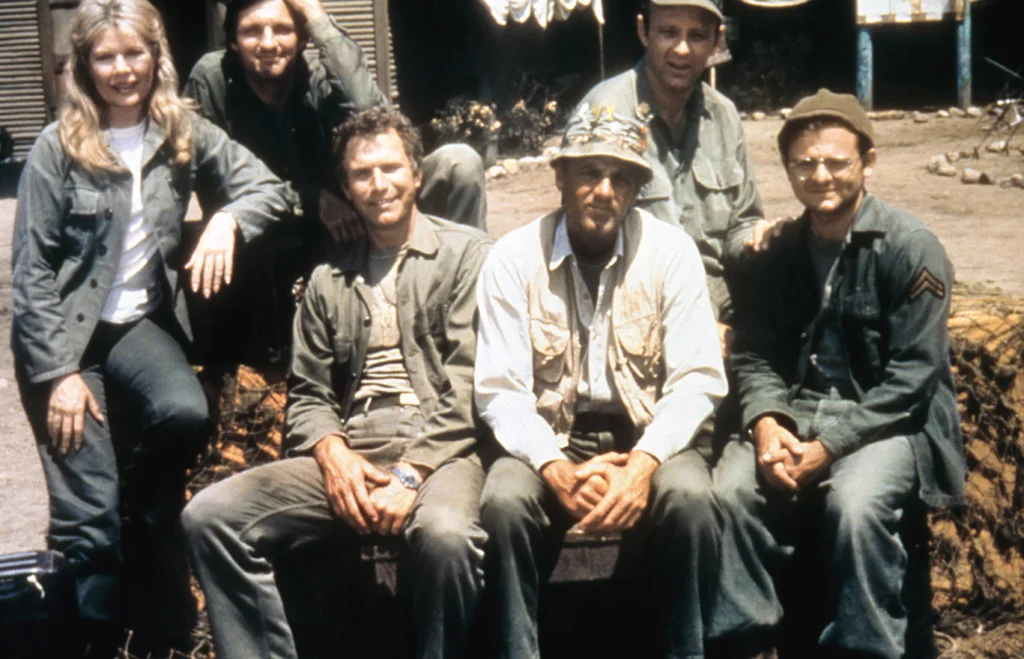
While technically airing in the early ’80s, the buildup and the cultural weight of M*A*S*H were defined by its decade-long run through the ’70s. The finale, “Goodbye, Farewell and Amen,” felt like losing a group of close friends who had been in our homes every week. Seeing Hawkeye finally leave the 4077th was an emotional gut punch that resonated with millions of viewers who had lived through the Vietnam era. The show managed to balance comedy with the grim realities of war, and saying goodbye felt like a heavy, shared catharsis.
The morning after it aired, there was a strange, quiet sense of mourning in the air as people recounted their favorite Hawkeye quips or B.J.’s heartbreaking farewell message. It remains one of the most-watched television episodes in history, a record that likely won’t be broken in our fragmented streaming age. You couldn’t walk into a coffee shop without hearing someone bring up the “chicken” scene or the final helicopter shot. It was a moment of television that demanded reflection and a few boxes of tissues. The show’s ending marked the true conclusion of an era for the American public.
4. Billie Jean King vs. Bobby Riggs
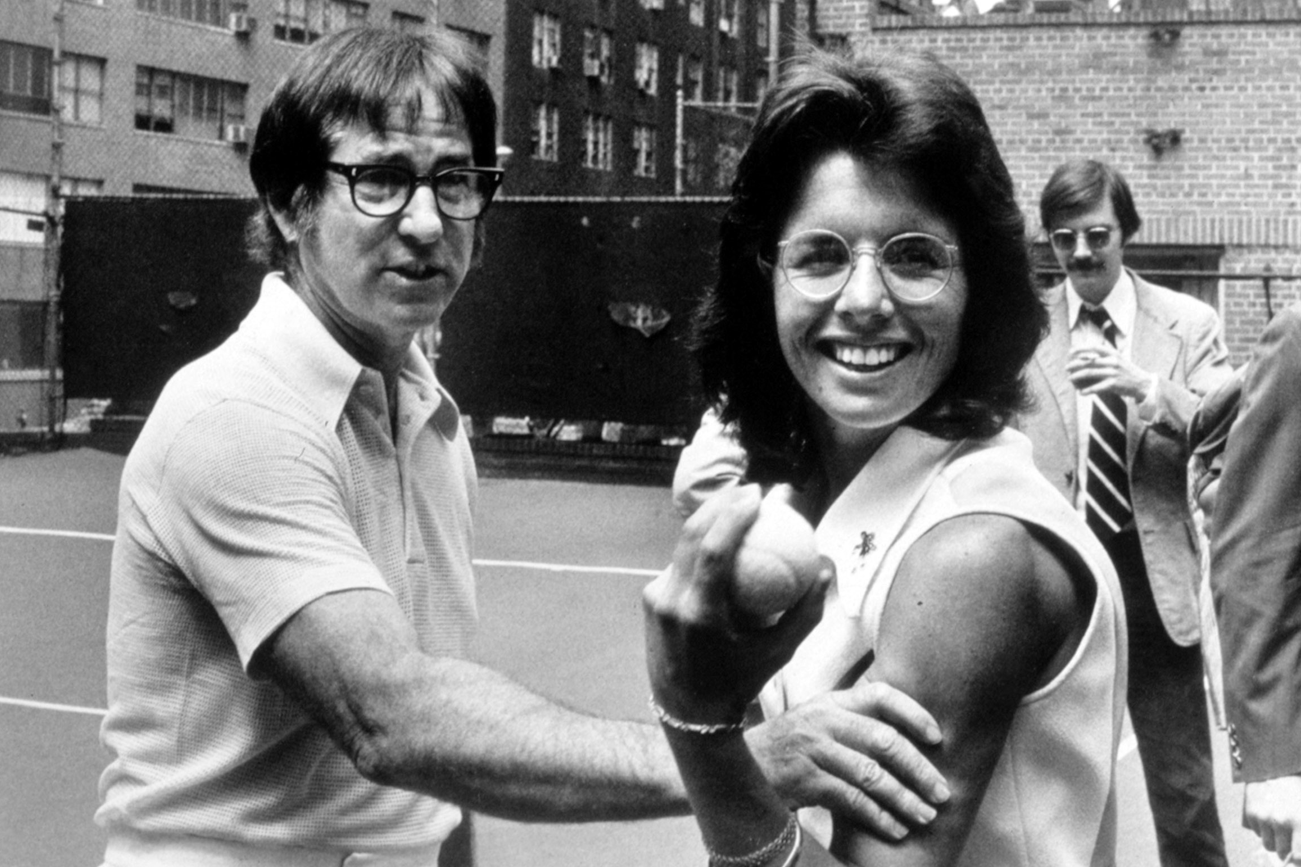
The “Battle of the Sexes” in 1973 was so much more than a tennis match; it was a televised referendum on gender roles. When Billie Jean King stepped onto that court to face the outspoken Bobby Riggs, the stakes felt impossibly high for women everywhere. The spectacle was pure ’70s kitsch, with King being carried in like Cleopatra and Riggs wearing a Sugar Daddy jacket. Despite the circus atmosphere, the tension was very real and the audience was massive.
When King dominated the match and won in straight sets, it felt like a collective victory for equality that people couldn’t stop talking about the next day. Men and women alike were debating the implications of the win at water coolers and dinner tables across the country. It gave women a sense of pride and a tangible argument against the era’s rampant chauvinism. The morning after, the sports pages weren’t just reporting a score; they were reporting a social shift. It was a rare moment where a sporting event felt like a genuine turning point in the culture.
5. The Debut of Saturday Night Live
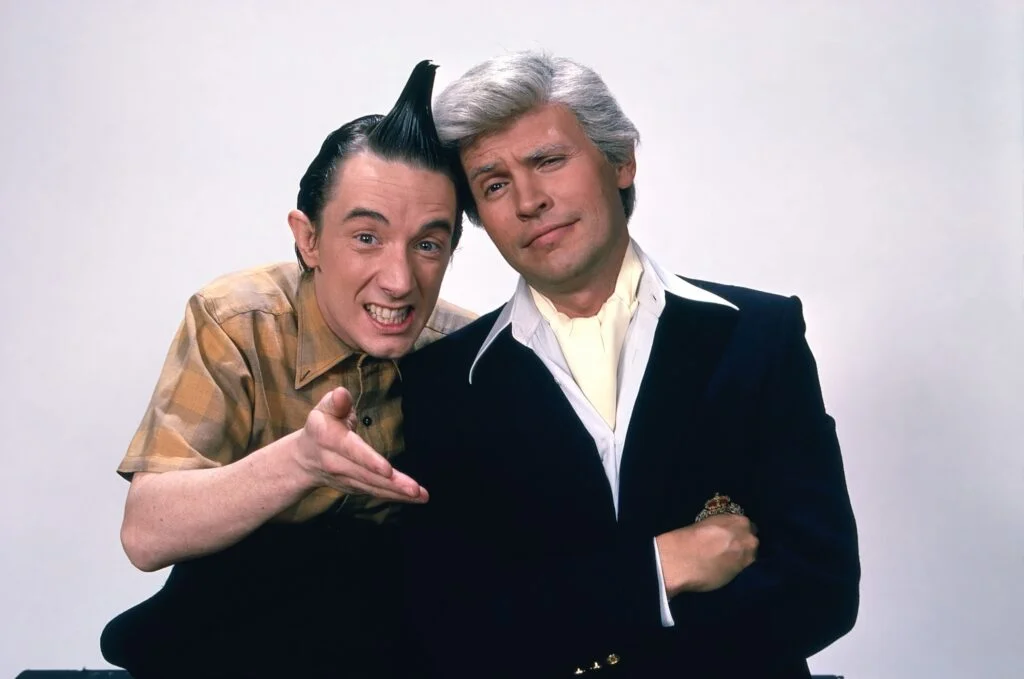
On October 11, 1975, television changed forever when Saturday Night Live (then titled NBC’s Saturday Night) premiered. It was raw, dangerous, and felt like it was being broadcast from a basement where the parents weren’t home. The “Not Ready for Prime Time Players” brought a counterculture energy that the medium desperately needed. From George Carlin’s opening monologue to the absurd sketches, it was clear that the rules of comedy were being rewritten in real time.
The next morning, young people were frantically asking each other if they had stayed up to see the chaos. It felt like a secret club that suddenly everyone wanted to join, and the buzz was electric. The show gave a voice to a generation that didn’t see itself reflected in the polished variety hours of the past. You could feel the shift in the cultural landscape as catchphrases and characters started to permeate daily life immediately. It was the birth of a comedy institution that made Saturday nights feel mandatory.
6. Roots Mini-Series Finale
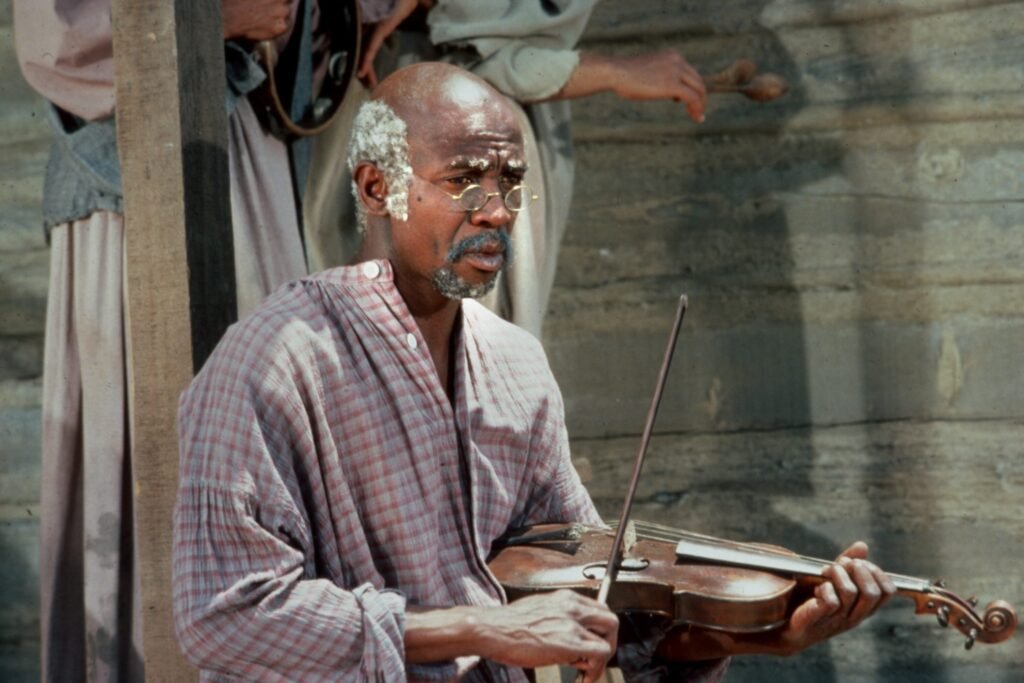
In 1977, the mini-series Roots became a cultural phenomenon that forced the entire nation to reckon with the horrors of slavery. Over eight consecutive nights, the story of Kunta Kinte and his descendants gripped the public’s imagination and conscience. It was a brutal, honest, and deeply moving portrayal that hadn’t been seen on a scale like this before. By the time the finale aired, it felt like the entire country had been on a grueling but necessary journey together.
The morning after the final episode, the atmosphere was somber and contemplative as people processed the weight of what they had seen. It sparked difficult but vital conversations about race, history, and the American identity in living rooms and classrooms. The sheer viewership numbers were staggering, meaning you could assume almost everyone you met had seen it. It wasn’t just a show; it was an educational landmark that changed the way history was taught and discussed. Roots proved that television could be a powerful tool for social reflection and empathy.
7. Carol Burnett’s “Went with the Wind” Sketch
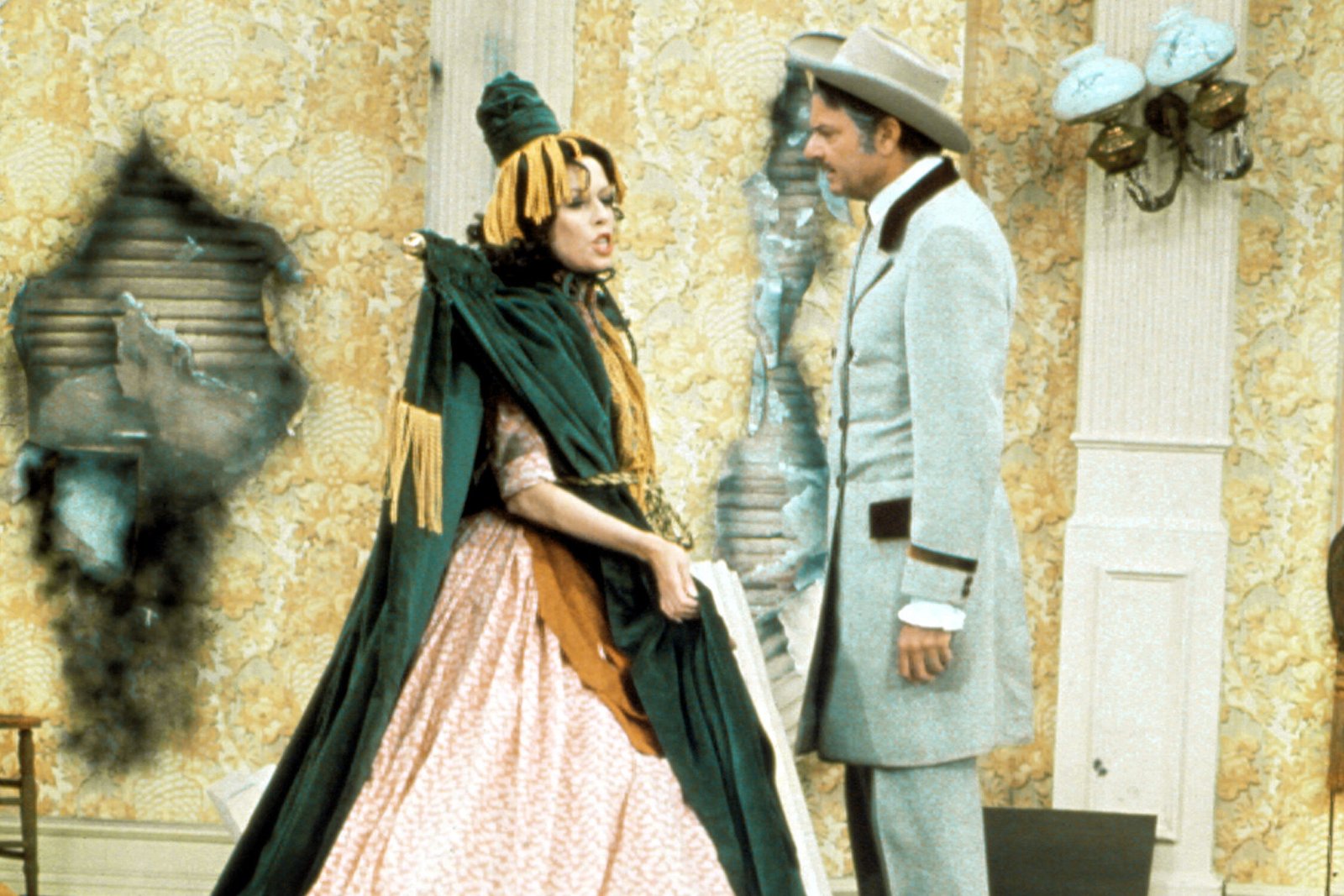
Comedy reached a surreal peak in 1976 when The Carol Burnett Show aired its parody of Gone with the Wind. The moment Carol descended the stairs wearing a green velvet dress that still had the curtain rod attached is burned into the collective memory of anyone who saw it. It was a stroke of comedic genius that relied on perfect timing and a ridiculous visual gag. The studio audience’s roar of laughter was genuine because nobody saw that curtain rod coming.
The next morning, people were still laughing just thinking about the image of her swinging that rod around. It was the kind of joke that you tried to describe to friends, but you really just had to see it to believe it. Bob Mackie’s costume design became instantly legendary, proving that a single prop could define an entire career. It was a bright spot of pure, unadulterated joy that gave everyone something lighthearted to bond over. Even years later, that one moment remains the gold standard for physical comedy on television.
8. Nixon’s Resignation Speech
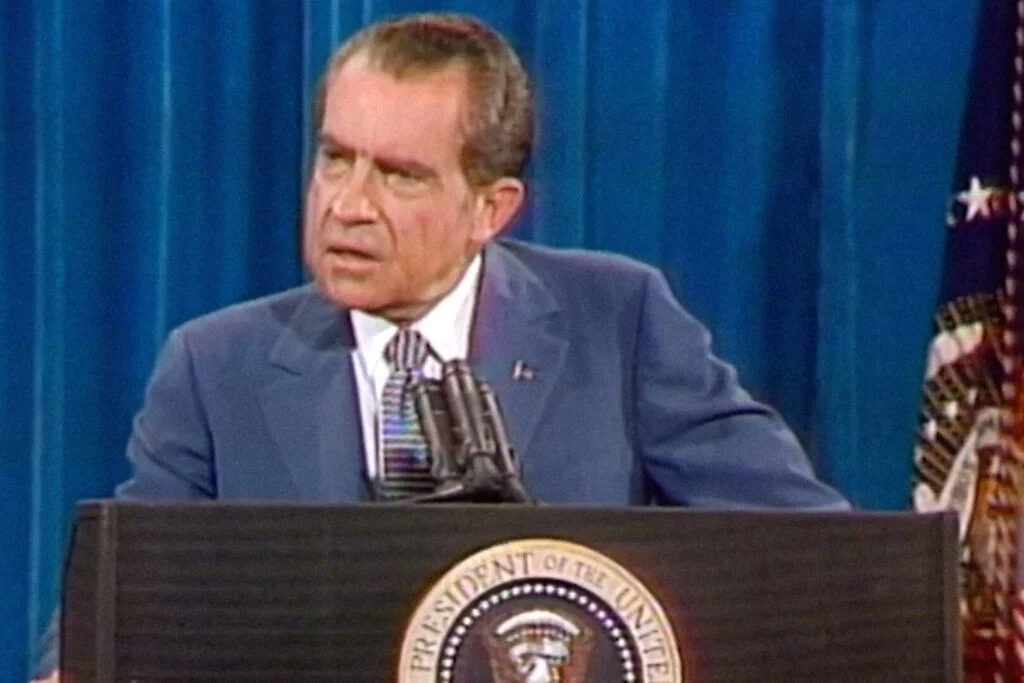
While it was a news event, Richard Nixon’s resignation in August 1974 was arguably the most dramatic “television episode” of the decade. Seeing a President of the United States admit defeat and leave office on live TV was a surreal, somber experience that felt like the world was shifting on its axis. The image of him flashing the peace signs before boarding the helicopter is one of the most indelible sights of the 20th century. It was a moment of profound political theater that played out in real-time in every American living room.
The morning after, there was a palpable sense of uncertainty and relief as the country tried to figure out what came next. The newspapers were plastered with the word “RESIGNS,” but it was the television footage that stayed in people’s minds. Conversations centered on the fragility of power and the unprecedented nature of the transition to Gerald Ford. It felt like a long national nightmare was finally over, but the scars were visible in the public discourse. This wasn’t just news; it was a shared trauma and transformation that changed the way we viewed the presidency.
9. The Fonz Jumps the Shark
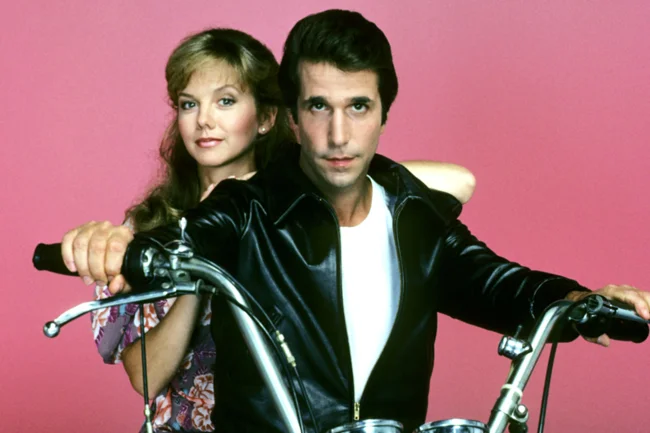
In a 1977 episode of Happy Days, Fonzie literally jumped over a shark while on water skis in California. At the time, it was a massive “event” episode designed to drum up excitement for the show’s fifth season. Everyone tuned in to see the coolest guy on TV perform a death-defying stunt in his signature leather jacket. It was peak 1970s spectacle—loud, colorful, and a bit over-the-top.
However, the morning after, there was a lingering feeling that maybe the show had pushed things a little too far. While fans enjoyed the thrill, the sheer absurdity of the premise started the conversation about shows losing their way. This moment eventually birthed the phrase “jumping the shark,” but at the time, it just felt like a huge, weird TV milestone. It was the topic of every playground and lunchroom, with kids trying to figure out how he kept his hair so perfect in the ocean spray. It remains one of the most analyzed and debated moments in the history of sitcoms.
10. The Apollo-Soyuz Mission Link-Up
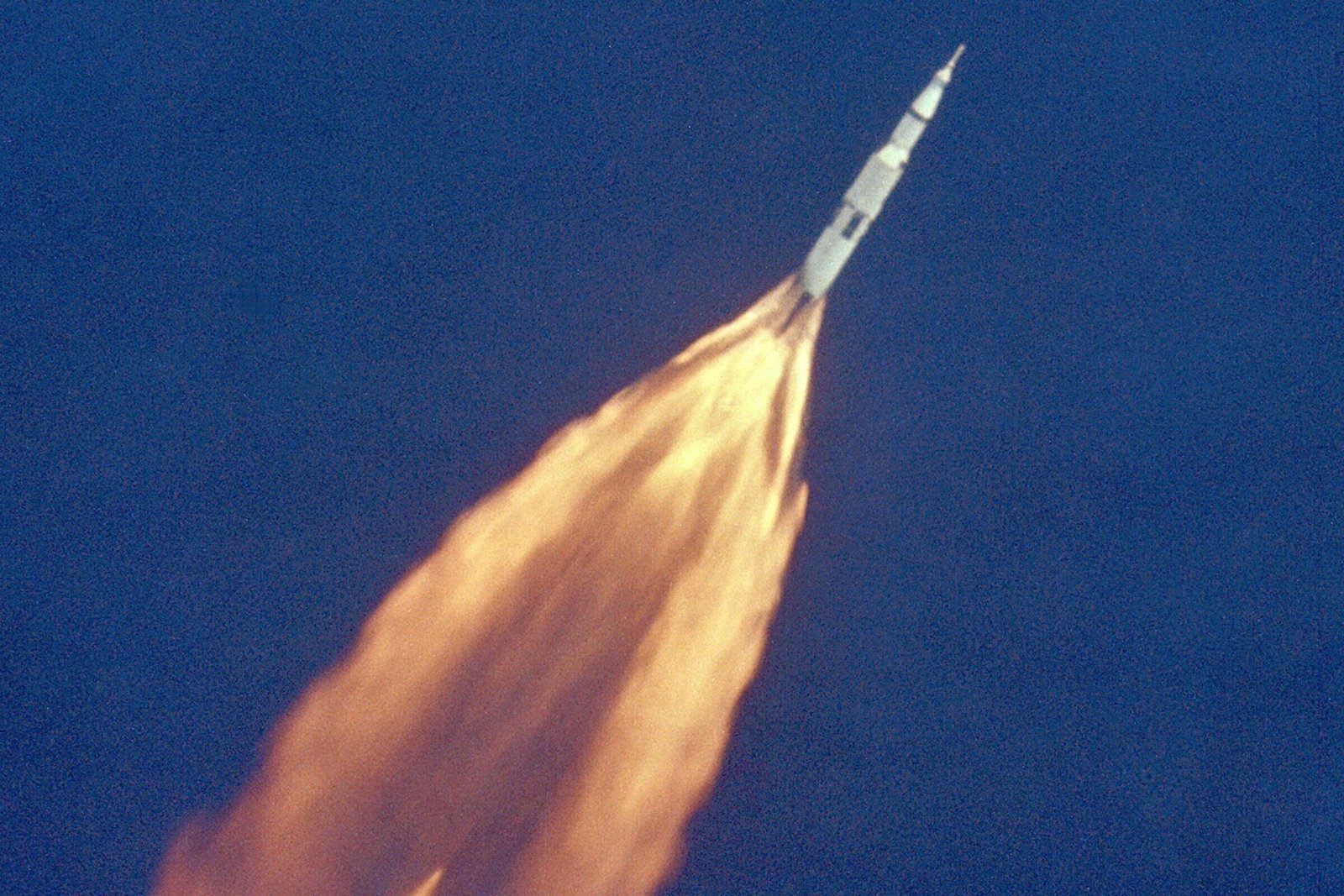
In 1975, the Cold War took a literal backseat as American astronauts and Soviet cosmonauts shook hands in space. The live broadcast of the Apollo and Soyuz spacecraft docking was a stunning display of “space diplomacy” that captivated the world. Seeing these two rival nations cooperate in the vacuum of space felt like a glimmer of hope during a very tense era. It was a technical marvel to watch the hatch open and see the men exchange gifts and greetings.
The next morning, the world felt slightly less divided, as if the vastness of space had put our earthly squabbles into perspective. People were talking about the logistics of the docking and the symbolic importance of the handshake. It was a moment that made you feel like you were living in the “space age” promised by science fiction. For a few hours, the ideological walls between East and West seemed to crumble, at least on the screen. It was a rare instance of pure, optimistic television that celebrated human achievement over political rivalry.
11. The Debut of The Muppet Show
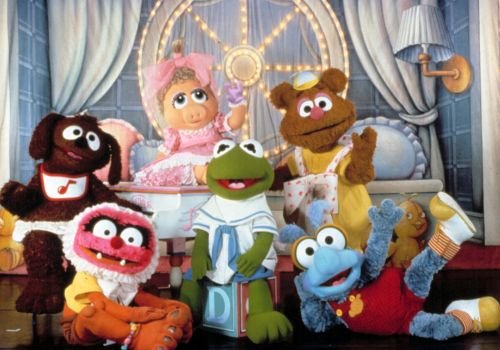
When The Muppet Show first hit the airwaves in 1976, nobody quite knew what to make of these sophisticated puppets. It wasn’t just for kids; it was a fast-paced variety show with celebrity guests and a biting, meta sense of humor. Seeing Kermit the Frog try to manage a chaotic theater full of monsters and divas was unlike anything else on TV. It felt fresh, weird, and incredibly smart, bridging the gap between generations.
The next morning, adults were laughing about Statler and Waldorf’s heckling just as much as kids were talking about Fozzie Bear’s bad jokes. It became an overnight sensation because it treated its audience with intelligence and a healthy dose of absurdity. The chemistry between the puppets and the human guest stars was surprisingly seamless and charming. It was the kind of show that made you feel like you were in on the joke, and it immediately became a staple of the weekly viewing schedule. The Muppets weren’t just characters; they were stars in their own right.
12. The Rumble in the Jungle
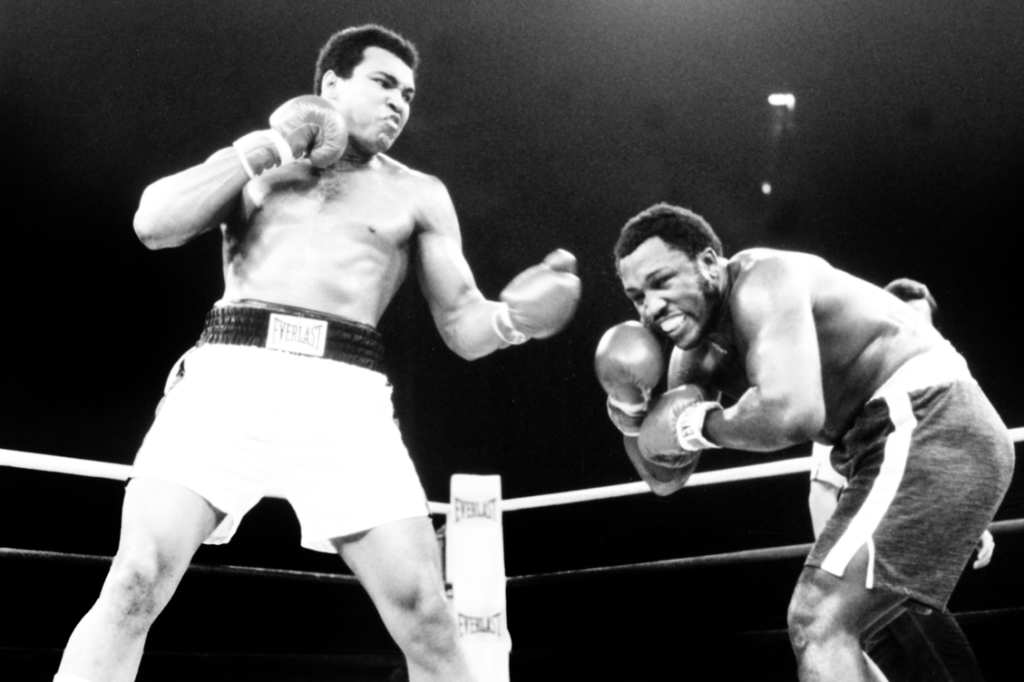
The 1974 heavyweight title fight between Muhammad Ali and George Foreman was a global event of massive proportions. Billed as “The Rumble in the Jungle,” the match was broadcast from Zaire and saw Ali reclaim his title in spectacular fashion. His “rope-a-dope” strategy was a masterclass in psychological and physical endurance that left viewers stunned. When Ali finally knocked out the seemingly invincible Foreman, the reaction was deafening.
The morning after, Ali’s status as a folk hero was cemented even further, and the fight was the only thing anyone wanted to discuss. People were analyzing every round and marveling at Ali’s speed and resilience at an age when many thought he was past his prime. It was a moment of pure athletic brilliance that felt like it had social and political weight behind it. The victory wasn’t just about a belt; it was about the return of a King. To this day, the echoes of that fight still resonate as one of the greatest moments in sports history.