
1. Edith’s Assault on All in the Family
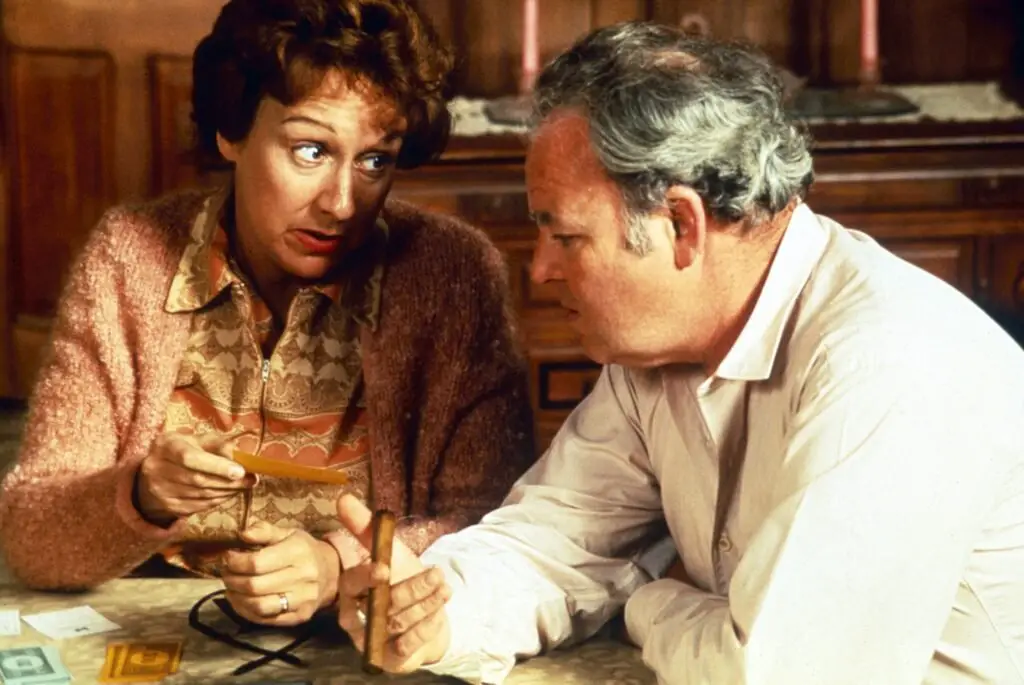
When All in the Family aired “Edith’s 50th Birthday” in 1977, viewers had no idea they were about to watch one of the most unsettling episodes in sitcom history. Edith Bunker, usually the sweet and fluttery heart of the show, was nearly assaulted in her own home. The episode balanced tension and vulnerability in a way that felt almost too real for prime time. For many families, the room went completely silent. This was not the usual laugh track comfort zone. It forced people to talk about crime and women’s safety at the dinner table the next day.
What made it even more powerful was Jean Stapleton’s performance. Edith wasn’t played for laughs, she was human and shaken. The episode proved that Norman Lear’s sitcom could confront serious issues without losing its emotional core. In an era when most comedies stayed light, this felt daring. It was the kind of television moment that made you realize the medium was growing up.
2. “Chuckles Bites the Dust” on The Mary Tyler Moore Show
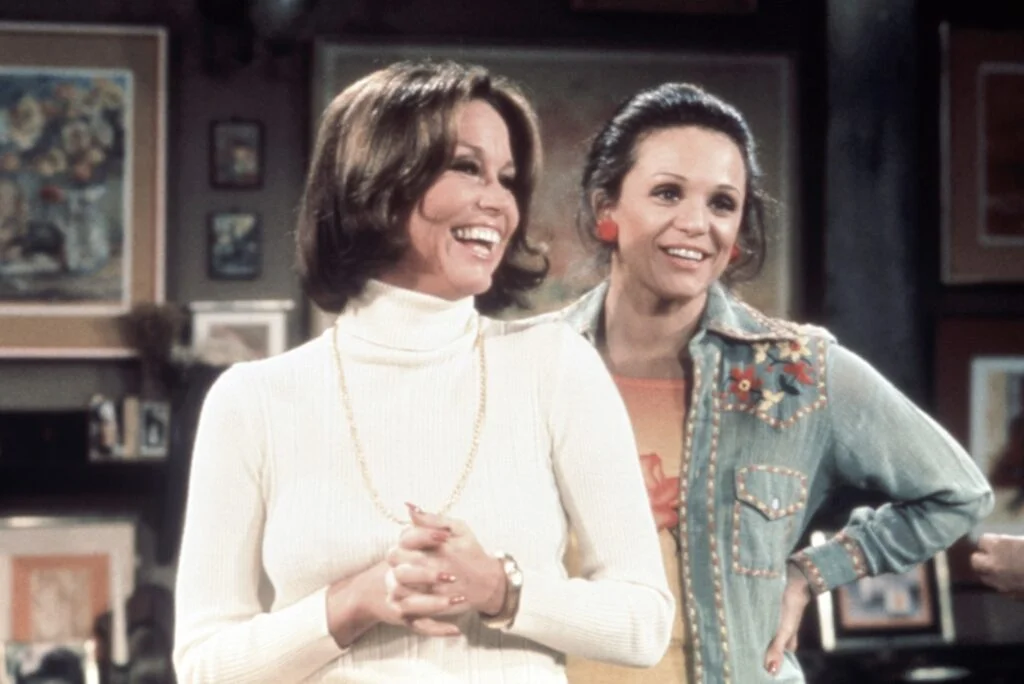
In 1975, The Mary Tyler Moore Show delivered an episode that people still cite as one of the greatest sitcom installments ever made. “Chuckles Bites the Dust” revolved around the sudden, absurd death of a children’s TV host dressed as a peanut. The humor was dark, almost uncomfortable at first. Mary Richards spends much of the episode trying to keep her composure. Then comes the funeral scene, where she finally loses it.
Mary Tyler Moore’s breakdown was both hilarious and painfully relatable. It captured that strange, inappropriate laughter that sometimes accompanies grief. Audiences talked about it for days because it felt honest. It also showed that sitcoms could mine deep emotion from ridiculous circumstances. That balance made it unforgettable.
3. The Goodbye on M*A*S*H
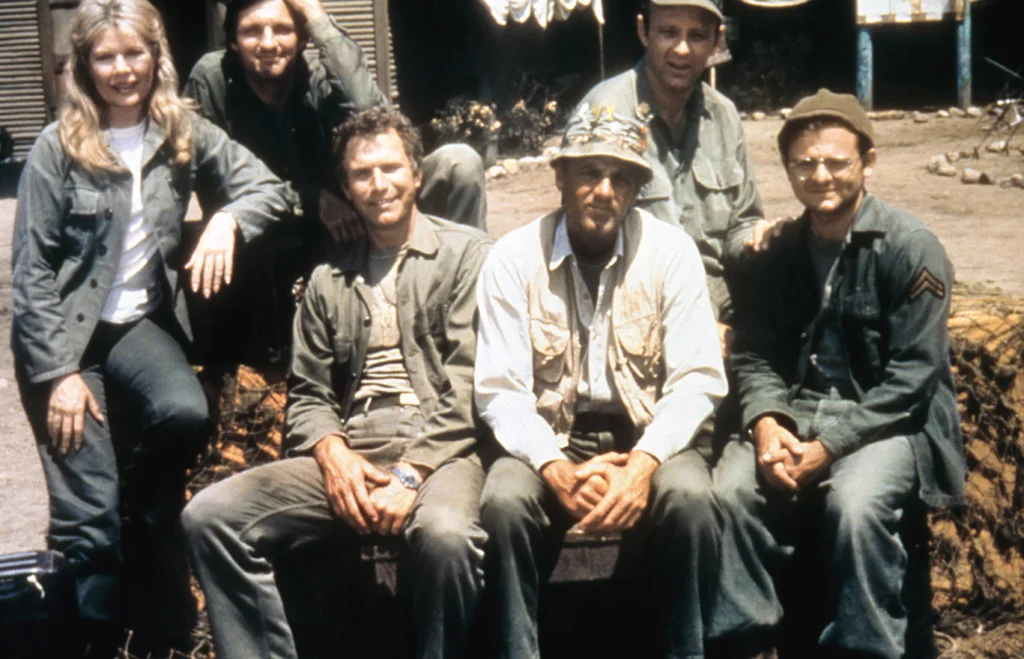
When McLean Stevenson’s Henry Blake received his discharge in 1975 on M*A*S*H, viewers thought they were getting a sweet farewell. The camp celebrated, saluted, and watched him depart by helicopter. Then, in the final seconds, Radar walked into the operating room with devastating news. Henry’s plane had been shot down over the Sea of Japan. There were no survivors.
The shock was immediate and widespread. There had been no spoilers, no warning. The actors’ reactions were largely genuine because the cast had not been told in advance. It was a brutal reminder that even in a comedy, war has consequences. People still remember exactly where they were when they heard that announcement.
4. The “Who Shot J.R.?” Cliffhanger on Dallas
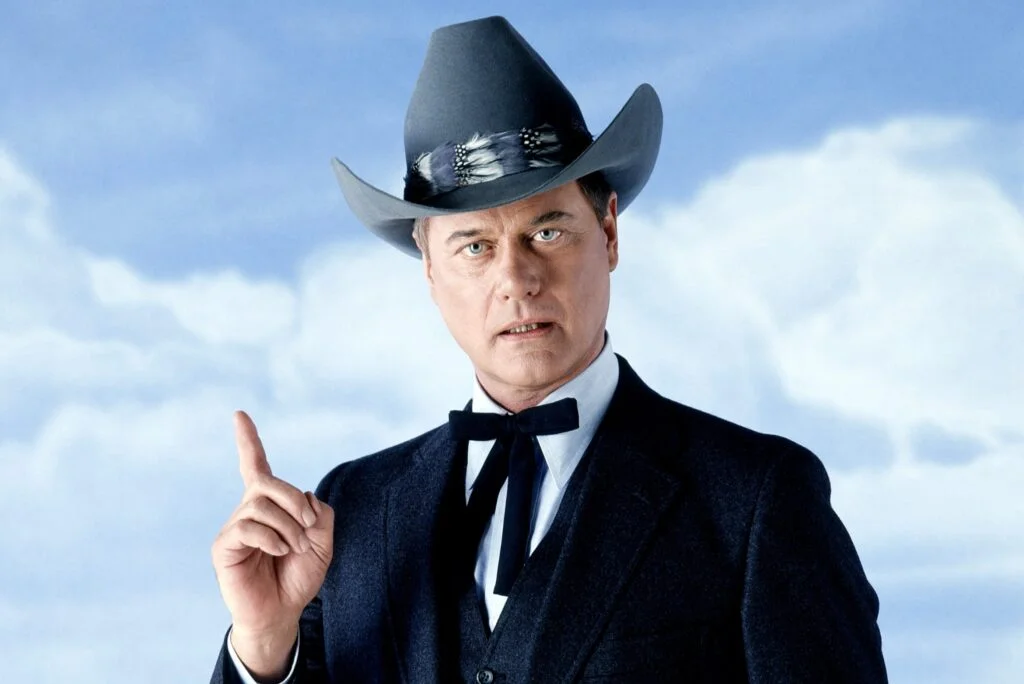
In March 1980, Dallas ended its season with J.R. Ewing being shot by an unknown assailant. The image of Larry Hagman’s scheming oil baron collapsing in his office became a cultural obsession. Over the summer, “Who shot J.R.?” was a national conversation. T-shirts were printed. Bets were made. Even international audiences weighed in.
When the answer finally came months later, the ratings were enormous. More than 80 million people reportedly tuned in to find out that Kristin Shepard pulled the trigger. It was one of the highest-rated episodes in television history. The cliffhanger strategy changed how dramas handled suspense. It proved that TV could command the kind of anticipation once reserved for blockbuster films.
5. Archie Meets Sammy Davis Jr. on All in the Family
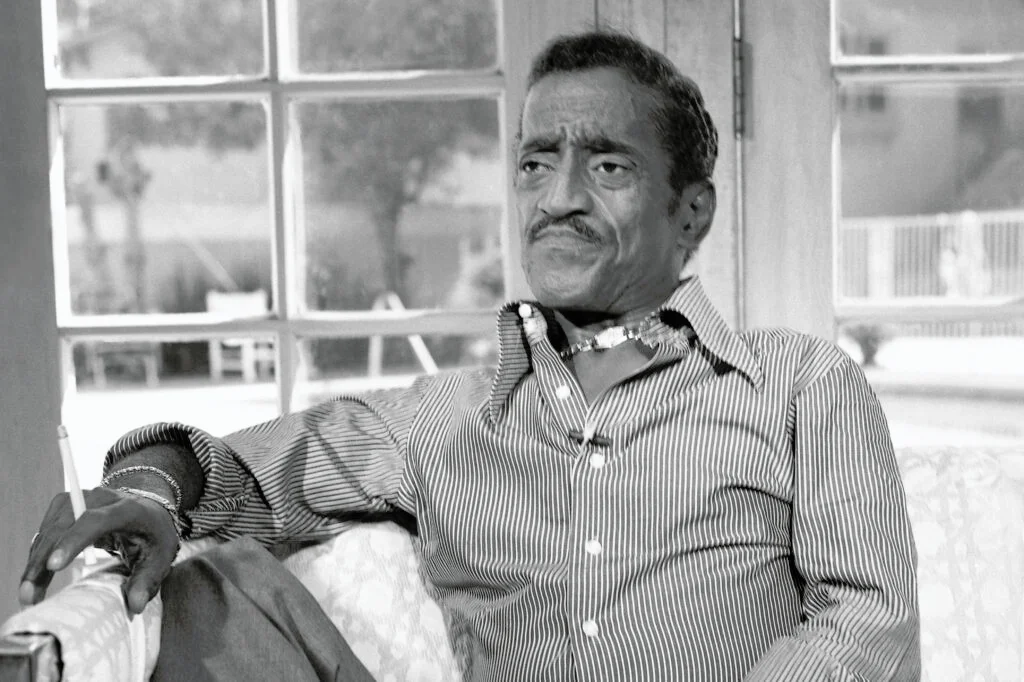
In 1972, Sammy Davis Jr. guest-starred as himself on All in the Family, and the episode instantly became iconic. Archie Bunker, known for his prejudices, had to interact face-to-face with a Black celebrity he grudgingly admired. The tension was thick but laced with humor. Davis matched Carroll O’Connor beat for beat. The episode built to one of the most famous kisses in TV history.
That spontaneous kiss on Archie’s cheek felt like a cultural statement. It was bold, funny, and quietly revolutionary. Viewers saw bigotry confronted in a way that was both entertaining and pointed. It sparked conversations about race in living rooms across America. Few sitcom guest spots have ever carried that kind of weight.
6. Rhoda’s Wedding on Rhoda
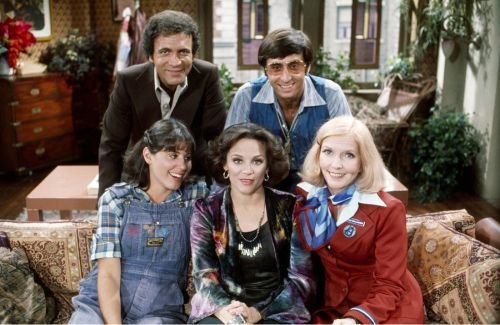
When Rhoda Morgenstern married Joe Gerard in 1974, it was treated like a real society wedding. CBS heavily promoted the event. Viewers tuned in not just to watch a storyline but to attend a television celebration. Nearly 50 million people reportedly watched the ceremony. For a sitcom spinoff, that was extraordinary.
The wedding episode felt communal. People dressed up to watch at home. Rhoda’s happiness mattered because audiences had followed her journey from Minneapolis to New York. It was proof that viewers were deeply invested in these characters’ personal milestones. The ratings reflected that emotional connection.
7. The Final Episode of The Mary Tyler Moore Show

In 1977, The Mary Tyler Moore Show ended with “The Last Show.” Instead of a wedding or a birth, the finale centered on layoffs at WJM-TV. One by one, beloved characters lost their jobs. The newsroom that had felt like family was dismantled. Then came the group hug, one of the most replayed scenes in television history.
Audiences wept openly. The image of the cast shuffling toward the door together, only to realize they forgot to turn off the lights, was simple but devastating. It felt like saying goodbye to friends. The finale drew massive ratings and widespread acclaim. It set the standard for how sitcoms say farewell.
8. The Bionic Reveal on The Six Million Dollar Man
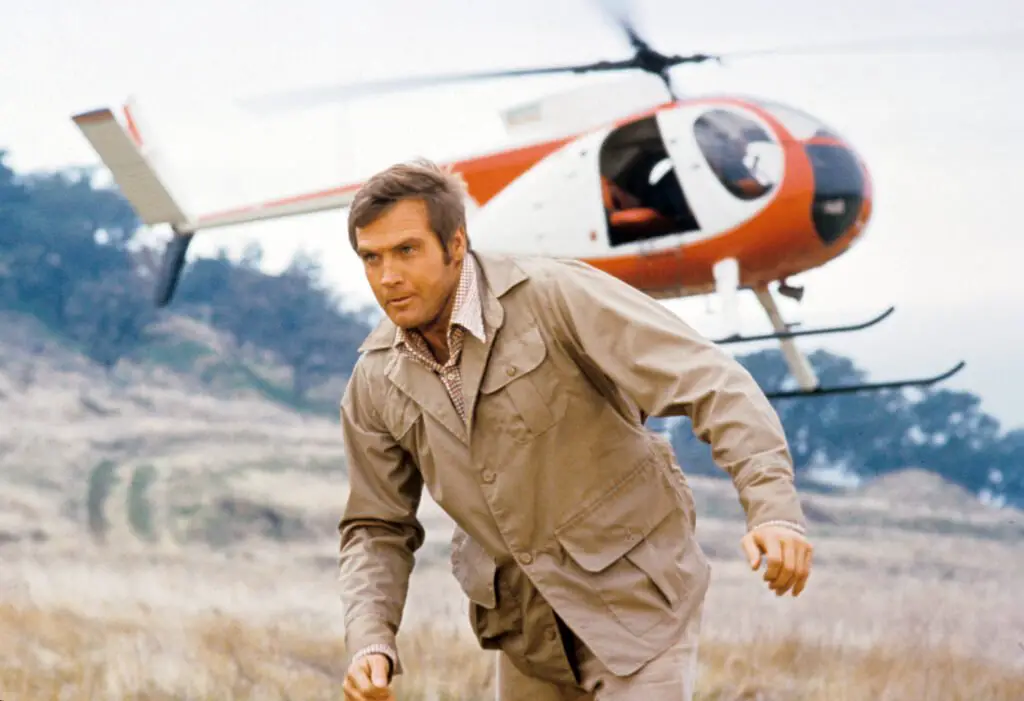
When Steve Austin first flexed his superhuman abilities on The Six Million Dollar Man in 1974, it felt futuristic and thrilling. Slow-motion running sequences became instantly recognizable. Kids on playgrounds mimicked that mechanical sound effect. The idea of rebuilding a man with technology captured imaginations nationwide. It was science fiction presented as near reality.
The show turned Lee Majors into a household name. It also launched a merchandising wave, from action figures to lunchboxes. The concept of the “bionic” hero felt cutting-edge in the post–Apollo era. Viewers tuned in weekly to see just how far those enhancements could go. It was event television for the space-age generation.
9. The Death of Maude’s Marriage on Maude
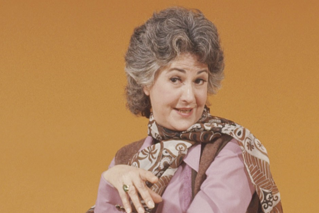
In the late ’70s, Maude took a bold step by showing the deterioration of Maude and Walter Findlay’s marriage. Their separation in 1978 was not played as a temporary spat. It was painful and grounded. For a sitcom, that level of realism was startling. Bea Arthur delivered scenes that felt almost theatrical in their intensity.
Many viewers saw reflections of their own relationships. Divorce rates were rising in America, and the show did not shy away from that cultural shift. Watching a middle-aged couple part ways felt significant. It acknowledged that not all TV marriages end in tidy reconciliation. That honesty made it resonate.
10. The First Interracial Kiss on The Jeffersons
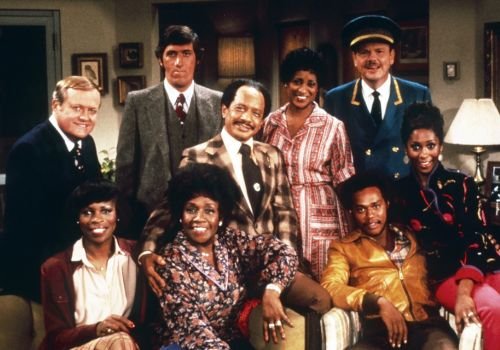
In 1975, The Jeffersons featured an interracial couple, Tom and Helen Willis, as regular characters. While television had depicted interracial kisses before, the presence of the Willises in a mainstream sitcom was itself groundbreaking. Their marriage was central to the show’s exploration of race and class. The conversations they sparked felt immediate. Audiences were watching history evolve in real time.
The show handled sensitive topics with humor but not avoidance. George Jefferson’s clashes with Tom Willis were uncomfortable and revealing. Viewers were forced to confront their own biases. The visibility of an interracial marriage on a hit sitcom mattered. It signaled that network television was beginning to reflect a changing America.
11. The Exorcism Episode of Soap
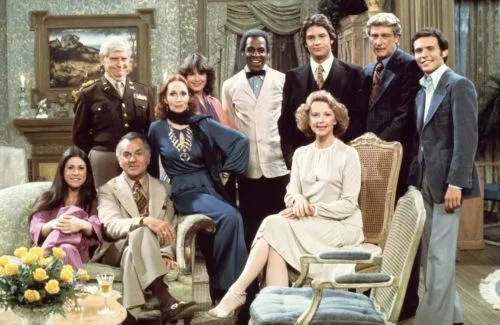
When Soap premiered in 1977, it immediately stirred controversy. One storyline involved possession and an exorcism, blending satire with the supernatural. Religious groups protested before the show even aired. Sponsors were nervous. The buzz only made more people tune in.
The episode itself was outrageous and unlike anything else on network TV. It pushed boundaries in content and tone. For some viewers, it was hilarious. For others, it was shocking. Either way, it felt like television testing its limits in public.
12. The Moon Landing on The Wonderful World of Disney
Although the moon landing itself was broadcast live in 1969, the reverberations carried into the early ’70s, including special programming and retrospectives on shows like The Wonderful World of Disney. When Disney aired space-themed specials capitalizing on America’s fascination with Apollo missions, families gathered as if it were a holiday. Space exploration had become part of pop culture. Television reinforced that sense of shared achievement.
Kids who had watched astronauts walk on the moon were now seeing the magic retold with Disney storytelling. It blurred the line between science and imagination. The country was still basking in that accomplishment. These broadcasts felt communal and aspirational. They reminded viewers that television could bring the whole nation together.