1. Fonzie Jumps the Shark on Happy Days
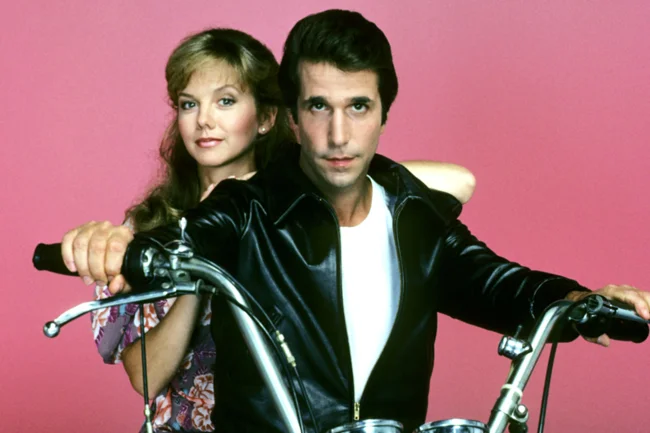
If you were a kid in the late ’70s, you almost certainly heard someone say, “Did you see Fonzie on the water skis last night?” The episode where Fonzie literally jumps a shark aired in 1977, and it felt impossible to avoid the conversation the next morning. Some kids thought it was the coolest thing they had ever seen, because Fonzie could apparently do anything and still look cool. Others were already arguing that the show had gone a little too far with the stunt. Even if you didn’t watch the episode, someone was acting it out on the playground.
What made it stick was how instantly memorable and ridiculous it was. You could picture the leather jacket, the thumbs up, and the ocean all colliding into one strange moment. Teachers probably wondered why half the class suddenly wanted to talk about sharks instead of math. Decades later, “jumping the shark” became a phrase, which says a lot about how deeply that one scene landed. At the time, though, it was simply the thing everyone could not stop talking about.
2. Sammy Davis Jr. Kisses Archie on All in the Family
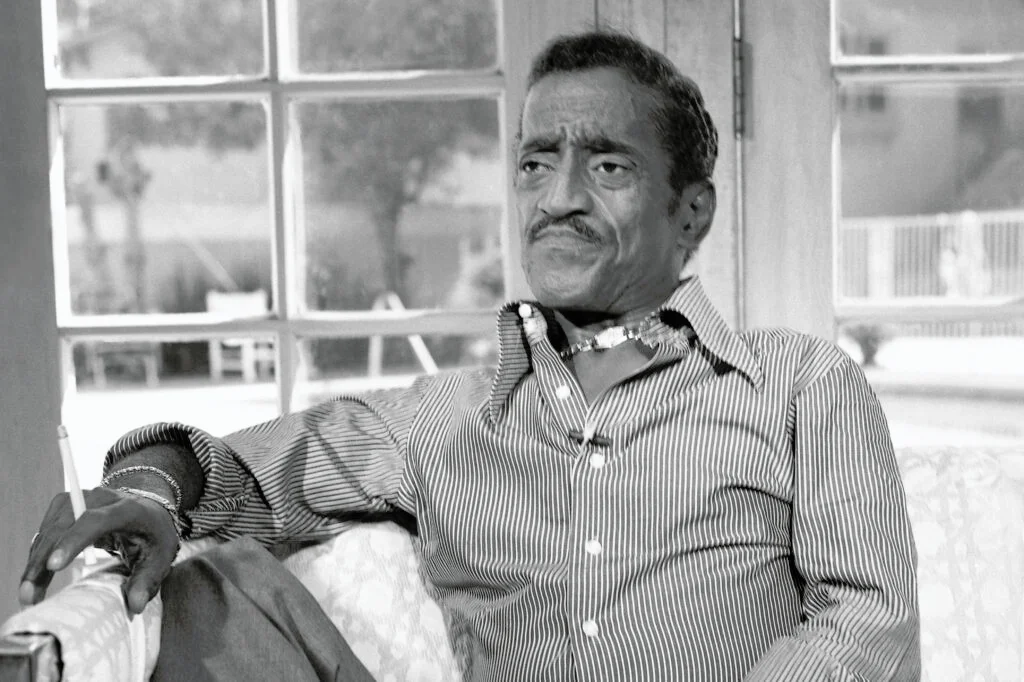
When Sammy Davis Jr. appeared on All in the Family and planted a kiss on Archie Bunker, it sent shockwaves through living rooms and school hallways alike. Kids came in buzzing about whether that really just happened on TV the night before. Even students who didn’t normally watch the show had heard about it by lunchtime. The moment felt daring, funny, and slightly uncomfortable all at once, which made it perfect fuel for playground debate.
Some kids repeated Archie’s shocked reaction line for line, while others tried to explain why the joke mattered culturally. It was one of those scenes that made you feel like television was pushing boundaries right in front of you. Parents were talking about it at home, which only made kids more curious. That mix of comedy and controversy made it unforgettable for an entire generation of viewers.
3. Henry Blake’s Death on M*A*S*H
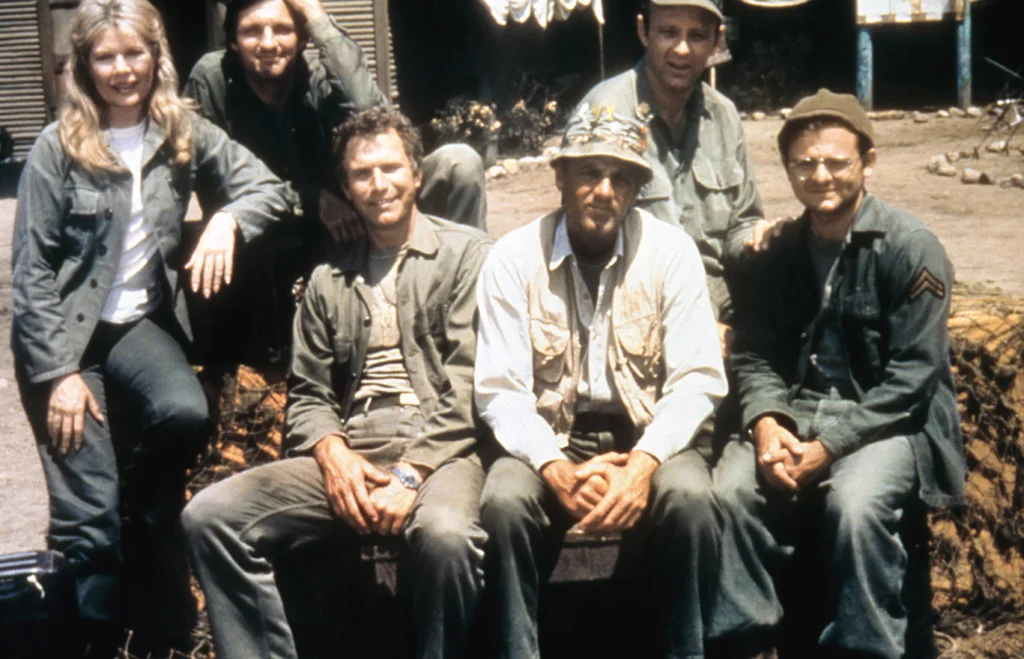
The episode of M*A*S*H that revealed Henry Blake had died in a plane crash blindsided just about everyone who watched it. Kids walked into school quiet and stunned, asking each other if they really heard the ending correctly. Up until that moment, TV shows rarely did something so final to a beloved character. It felt personal, like losing someone you actually knew.
Classrooms that morning were filled with hushed conversations and wide eyed disbelief. Some kids admitted they had cried, even if they tried to play it cool. Others debated whether the writers would somehow undo it in the next episode. The emotional punch made it one of those scenes that stuck with people for decades, not just a week of chatter.
4. The Group Hug Finale on The Mary Tyler Moore Show
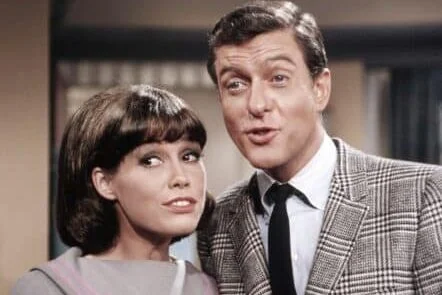
When The Mary Tyler Moore Show ended with the cast huddled together in a teary group hug, it hit viewers right in the feelings. Kids who had grown up seeing these characters every week suddenly realized it was truly over. The next morning at school, people talked about how sad and sweet the ending felt. Even kids who usually joked about sitcoms admitted the finale had gotten to them.
There was something strangely comforting about watching grown adults on TV struggle with goodbyes just like everyone else. Some kids tried to recreate the group hug with friends in the hallway, half joking and half sincere. Others wondered if any show would ever end that perfectly again. It became a shared emotional memory that everyone seemed to recognize.
5. The Tarantula in Hawaii on The Brady Bunch

The Hawaii episodes of The Brady Bunch were already exciting, but the moment with the tarantula crawling across Greg’s face took things to another level. Kids came to school wide eyed, describing how close the spider got and how nobody on screen noticed it at first. It felt genuinely suspenseful, especially for a show that was usually so cheerful and safe. Even students who hated bugs couldn’t stop talking about it.
Some kids insisted they would have screamed if that happened to them, while others pretended they would have stayed totally calm. The scene became one of those exaggerated playground retellings, with the spider getting bigger every time someone described it. Teachers probably overheard more spider talk than they wanted that day. It was a small moment, but it burned itself into memory.
6. Kunta Kinte’s Punishment in Roots
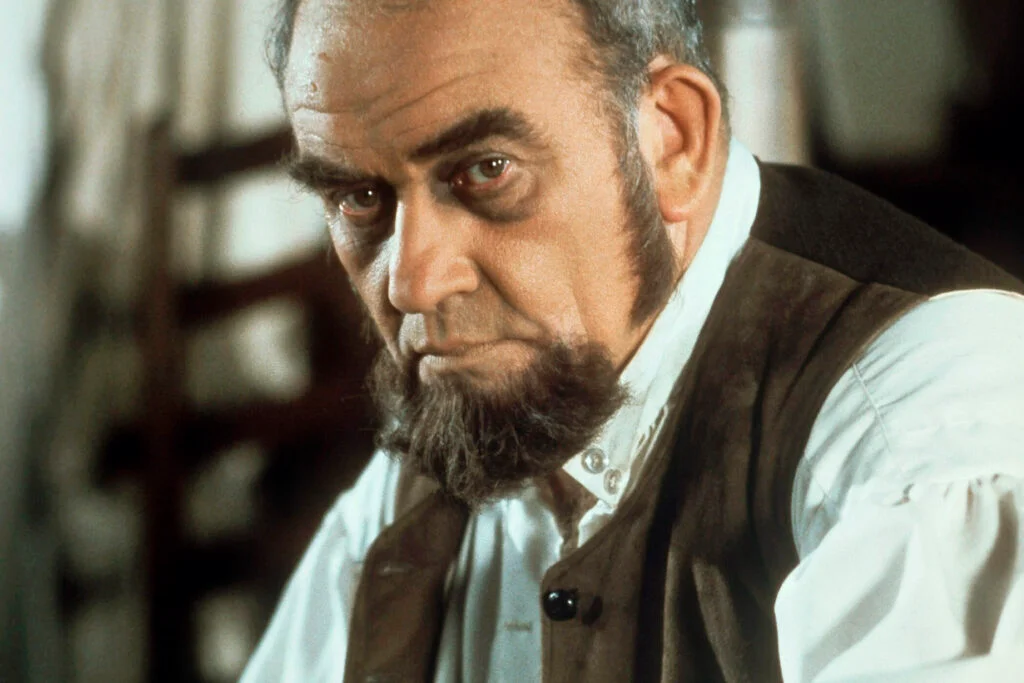
When Roots aired, it felt like the entire country was watching at the same time. The scene where Kunta Kinte is brutally punished for refusing to give up his name was especially hard to process, even for younger viewers. Kids showed up to school shaken, trying to make sense of what they had seen and felt. It wasn’t the kind of TV anyone could just shrug off.
Classroom conversations were quieter and more serious than usual. Some students asked teachers questions about history and slavery that had never come up before. Others just shared how upsetting and powerful the scene was. It showed many kids for the first time that television could be emotionally heavy and educational at the same time.
7. Steve Austin Becomes Bionic on The Six Million Dollar Man
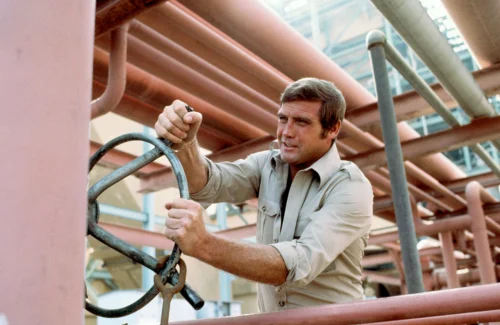
The slow motion shots, the sound effects, and the reveal of bionic strength on The Six Million Dollar Man fascinated kids everywhere. After watching Steve Austin get rebuilt, playgrounds were suddenly full of kids running in exaggerated slow motion. Everyone wanted to pretend they had bionic legs or a bionic eye. The visual style alone made the scene unforgettable.
The next morning at school, kids compared their favorite parts and argued over what bionic power they would choose. Some tried to recreate the sound effects during recess, usually much louder than necessary. It turned into a full blown imagination game that lasted well beyond a single day. Few TV moments inspired that much physical play and creativity.
8. Jodie Comes Out on Soap
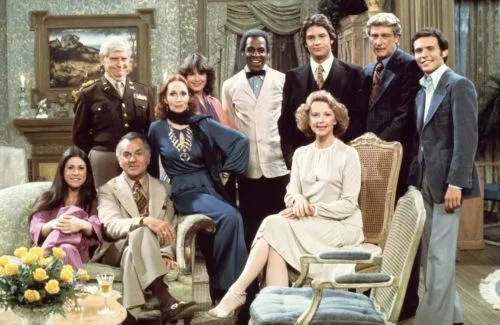
When Soap introduced Jodie Dallas as an openly gay character, it sparked a lot of conversation, even among kids who barely understood the full context. The show’s mix of comedy and serious themes made it feel different from anything else on television. Kids came to school repeating things they had overheard from parents or older siblings about the episode. It felt like everyone knew it was a big deal, even if they could not fully explain why.
Some kids were confused, others curious, and a few just thought the show was weird and funny. Teachers occasionally had to redirect conversations that wandered into uncomfortable territory. It was one of those moments that made television feel like it was changing in real time. Years later, people still point to it as an early step toward representation on TV.
9. The Jeffersons “Move on Up” in the Pilot of The Jeffersons
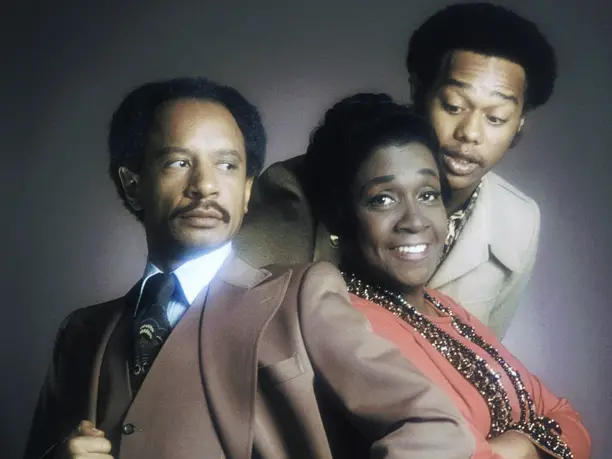
Seeing George and Louise Jefferson finally move into their deluxe apartment in the sky felt triumphant and exciting. Kids talked about the fancy building, the new neighbors, and how different the show felt from its roots. The theme song alone was stuck in everyone’s head the next morning. It felt like watching someone actually win at life on television.
At school, kids debated whether they liked the new setting better than the old one. Some pretended to sing the theme song in the hallway, usually off key. Others talked about how big and modern the apartment looked compared to their own homes. It was a moment that made success feel visible and celebratory.
10. Chevy Chase’s Falls on the First Episode of Saturday Night Live
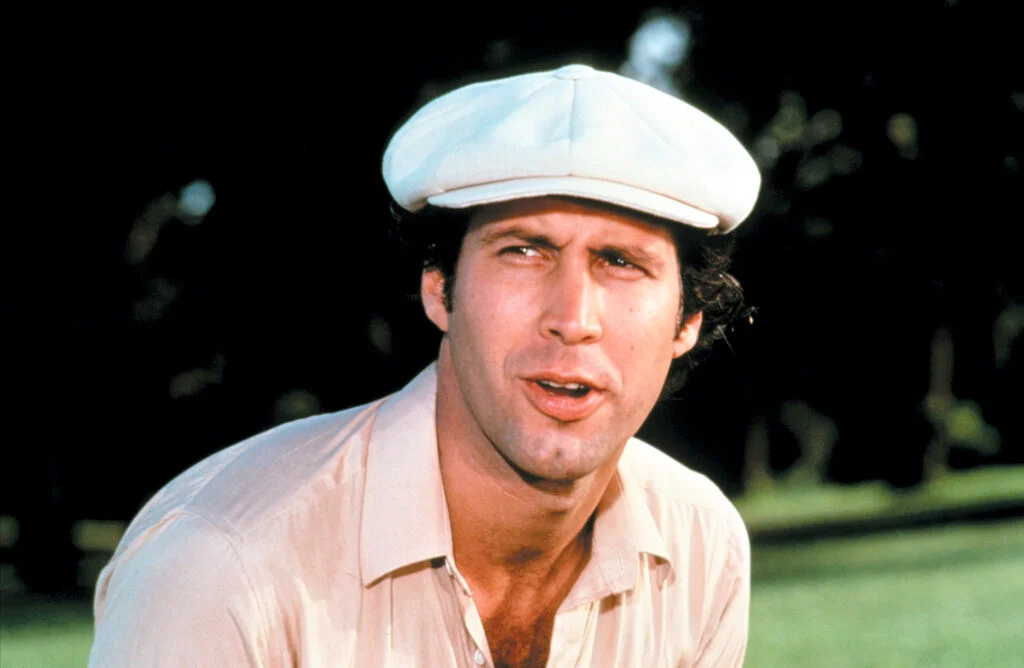
The very first episode of Saturday Night Live introduced a kind of comedy that felt wild and unpredictable. Chevy Chase’s exaggerated pratfalls instantly became something kids tried to imitate, sometimes with mixed results. The next morning, everyone seemed to have a favorite fall they wanted to describe or reenact. It felt like late night TV suddenly mattered to younger audiences too.
Some kids stayed up later than they were supposed to just to watch it, which made the bragging rights even stronger. Teachers probably noticed a few extra sleepy faces that day. The energy and chaos of the show made it feel like a secret club you were lucky to be part of. That sense of discovery made the scenes stick.
11. The Turkey Drop on WKRP in Cincinnati
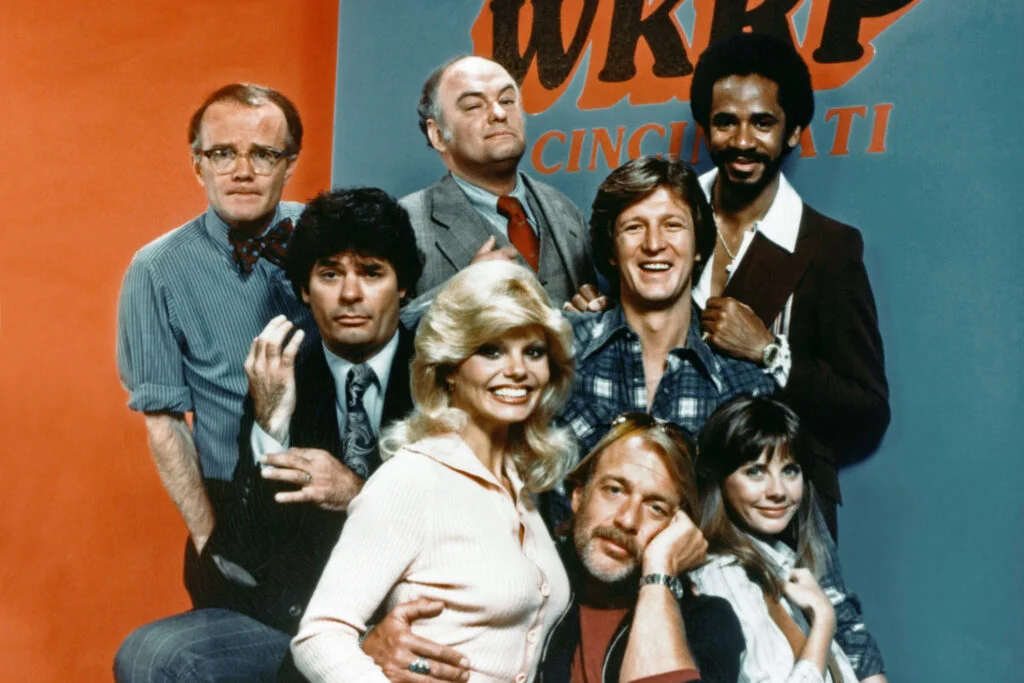
The infamous turkey drop episode of WKRP in Cincinnati became instant legend. Kids could not stop laughing about the idea of turkeys being dropped from a helicopter, especially when the plan went horribly wrong. Even if you missed the episode, someone was happy to retell the entire thing in dramatic detail. The absurdity made it perfect for schoolyard storytelling.
Quotes from the episode got repeated over and over, sometimes incorrectly but always enthusiastically. It was one of those moments that proved sitcoms could still surprise you in ridiculous ways. Some kids even tried to sketch the scene in notebooks during class. The memory of that episode lingered far beyond the week it aired.
12. J.J.’s “Dyn O Mite” Breakout on Good Times
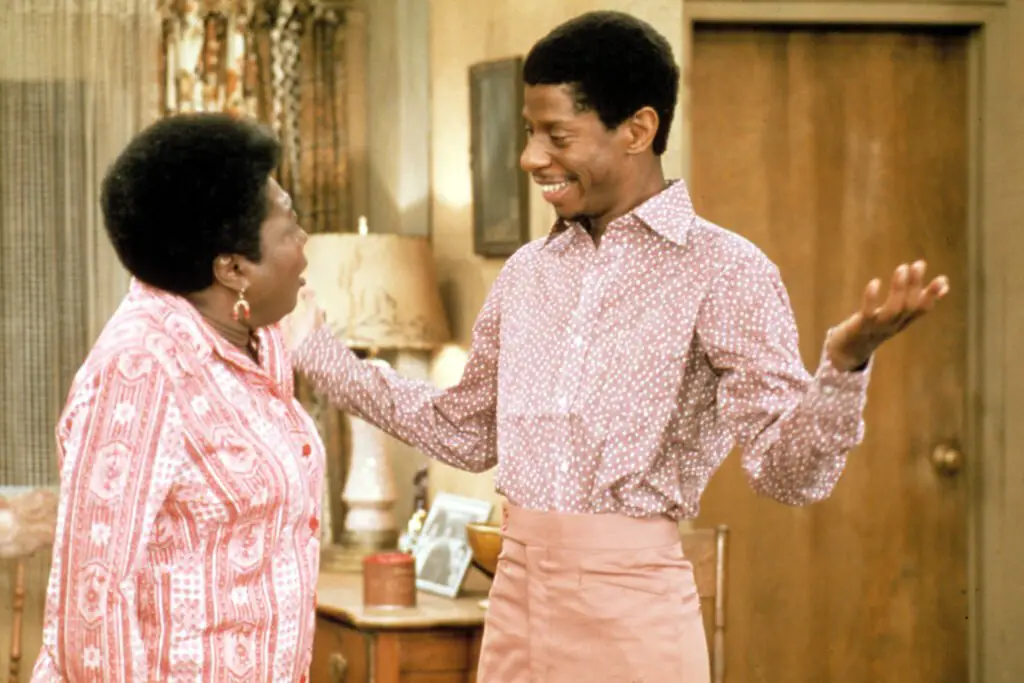
When J.J. Evans really leaned into his “Dyn O Mite” catchphrase on Good Times, it exploded into everyday life almost overnight. Kids shouted it across playgrounds, hallways, and even classrooms when teachers were not listening. The energy of the character made the show feel louder, funnier, and more alive. It became a shared joke that everyone understood instantly.
Some kids practiced saying it just right, trying to match J.J.’s timing and expression. Others groaned because they were already tired of hearing it by lunchtime. Either way, the catchphrase dominated conversations and jokes for weeks. It showed how quickly TV could shape the way kids talked and played.
13. The Angels’ Glamorous Debut on Charlie’s Angels
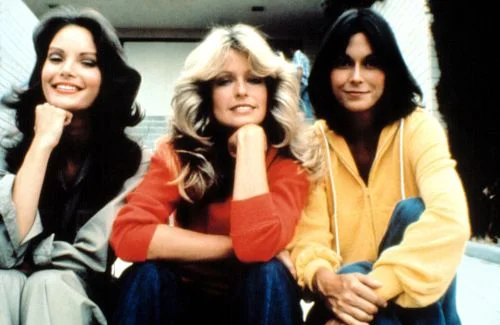
The premiere of Charlie’s Angels introduced a glossy, action packed style that instantly caught attention. Kids came to school talking about the fast cars, the disguises, and especially the three leads who looked like superheroes without capes. The idea of stylish crime fighting women felt fresh and exciting for the time. Even kids who usually preferred cartoons were curious about what they had missed.
Some tried to mimic the poses and slow motion walk they remembered from the episode. Others debated which Angel was the coolest, turning it into an ongoing argument that lasted days. It felt like the start of something culturally big, even if no one used that phrase back then. The show’s debut planted itself firmly in schoolyard conversation.
14. Laverne and Shirley Get Trapped in the Basement on Laverne & Shirley
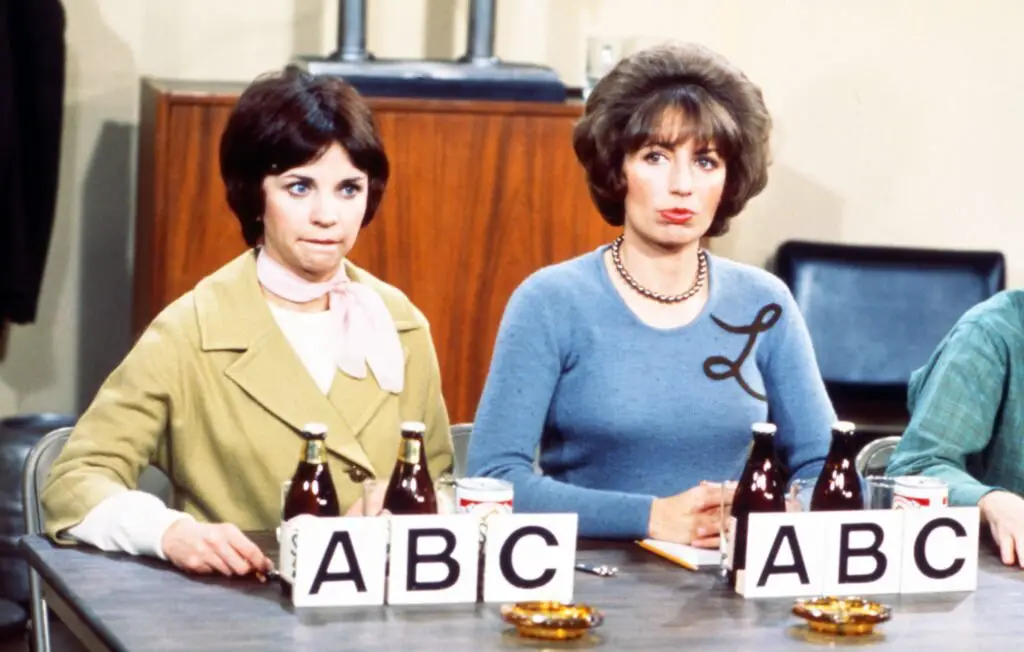
The episode where Laverne and Shirley accidentally lock themselves in the brewery basement had kids laughing and slightly anxious at the same time. The mix of slapstick panic and fast talking jokes made it one of those scenes everyone wanted to recap in detail the next morning. Kids argued over which character handled the situation worse and who had the funniest meltdown. Even classmates who missed the episode felt like they had seen it after hearing three different retellings before lunch. It was classic physical comedy that played perfectly to a younger audience.
Some kids tried reenacting the frantic running around during recess, complete with exaggerated yelling. Others focused on how clever the escape ended up being, even if the logic was a little wobbly. Teachers probably wondered why so many kids suddenly wanted to talk about basements and locked doors. The episode stuck because it balanced genuine tension with big laughs. It was the kind of TV moment that lived on through playground storytelling.
15. The Shark Attack Movie Night on Three’s Company
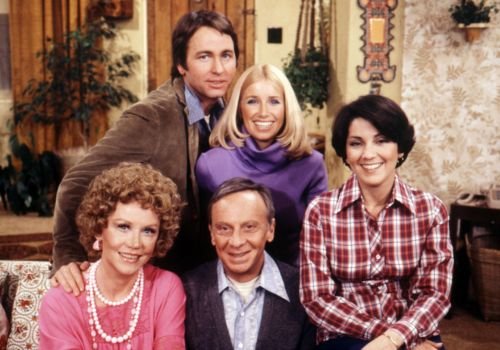
One of the most talked about episodes of Three’s Company was the movie night chaos sparked by a shark attack film playing on TV. The characters’ over the top reactions, misunderstandings, and panicked energy made it pure comedy gold for younger viewers. Kids came to school quoting the funniest screams and reactions. Even those who were usually scared of sharks admitted the scene was more funny than frightening. It turned into one of those episodes everyone assumed their friends had seen.
Some kids joked about being afraid to go swimming after watching it, even if they lived nowhere near the ocean. Others acted out the exaggerated fear during recess, usually collapsing dramatically for laughs. It sparked a lot of playful teasing and reenactments. The absurdity made it memorable long after the episode aired. It showed how even simple setups could explode into unforgettable sitcom chaos.
16. The Face-Off Between Kojak and the Suspect on Kojak
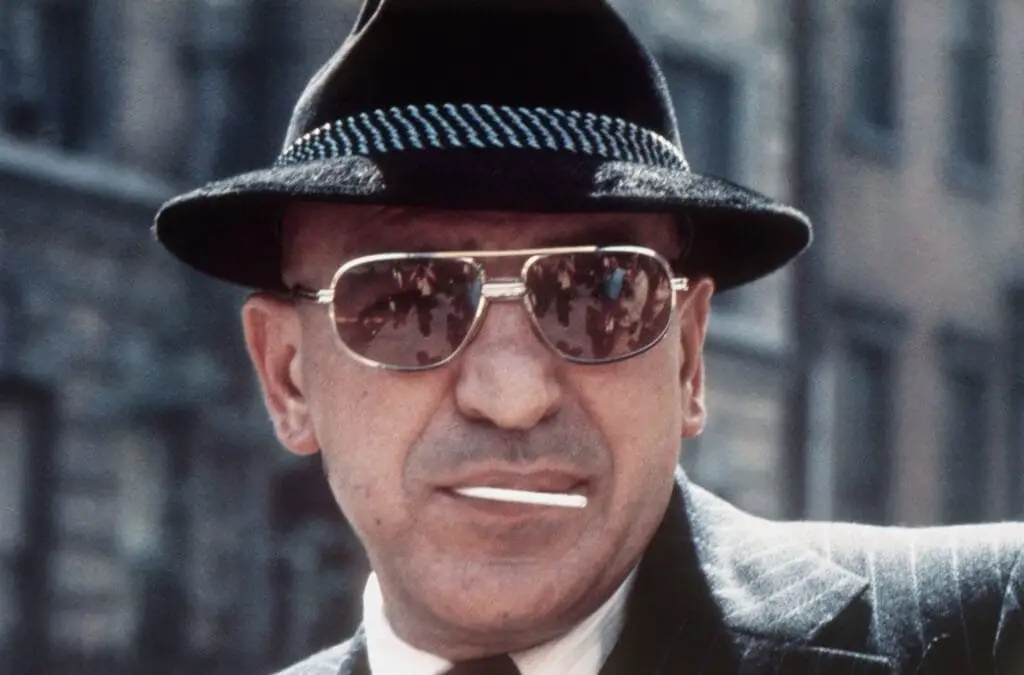
Whenever Kojak finally cornered a suspect in a tense interrogation scene, it felt like an event. Kids talked about how tough and confident he seemed, especially with his trademark lollipop and cool one liners. The next morning, classmates tried quoting his sharpest lines, usually with mixed accuracy. It made detective work feel dramatic and heroic, even for younger viewers who did not catch every plot detail.
Some kids pretended to interrogate each other during recess, complete with exaggerated serious voices. Others focused on the intensity of the stare downs and the sudden confession moments. It added a sense of grown up drama to school conversations. Those confrontations felt cinematic in a way that stuck in kids’ memories. The character’s swagger made the scenes especially easy to remember.
17. The Wedding Disaster on The Partridge Family
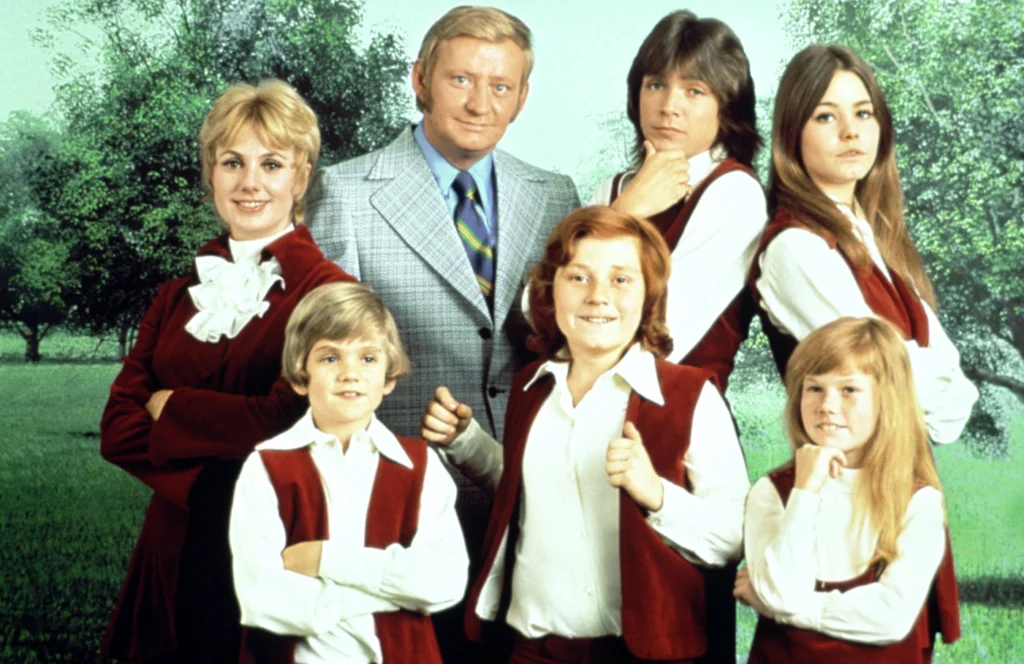
The episode featuring a wedding that spiraled into chaos on The Partridge Family quickly became schoolyard gossip. Kids laughed about everything that went wrong, from awkward timing to unexpected interruptions. It felt exciting to see a usually cheerful show dip into messy, unpredictable comedy. The next morning, kids compared which moment made them laugh the hardest. Even classmates who rarely watched the show knew something wild had happened.
Some kids joked about how stressful weddings must be after seeing the episode. Others focused on the music and family reactions woven into the chaos. It sparked conversations about big family events and how nothing ever goes exactly as planned. The blend of humor and heart made it stick with viewers. It became one more shared memory everyone seemed to recognize.