1. All in the Family
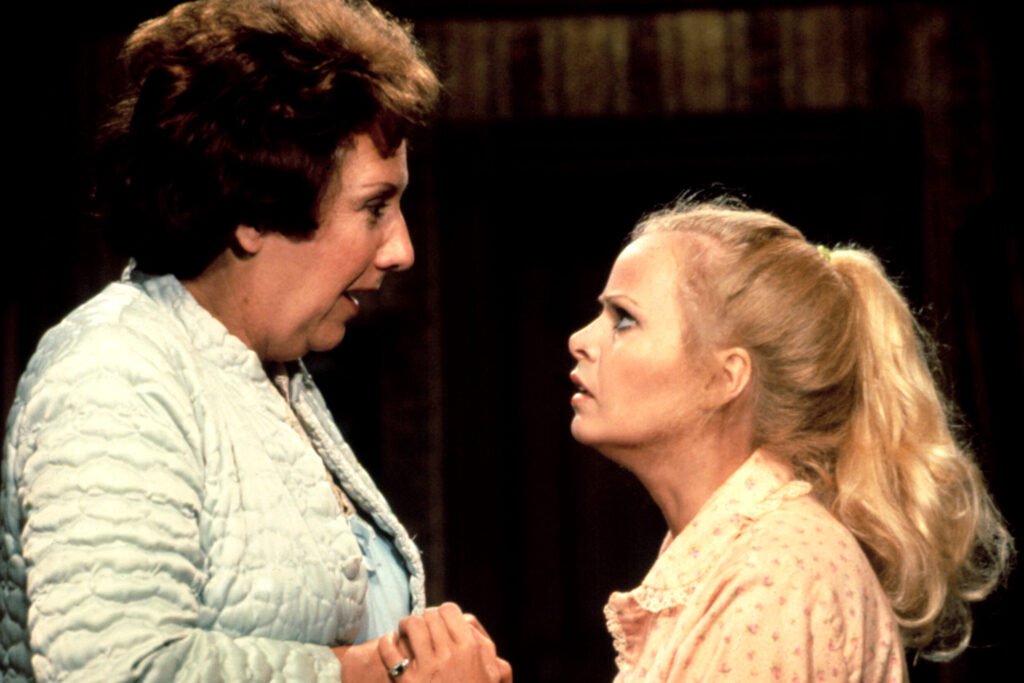
When All in the Family premiered in 1971, it didn’t just become a hit, it became an event. Families would gather to watch Archie Bunker say the things no one else on television dared to say out loud. You could practically feel the tension in the living room during certain arguments. Parents laughed knowingly while kids tried to figure out what half the jokes meant. The show had a way of making uncomfortable topics feel unavoidable. Sunday nights suddenly felt important.
By Monday morning, everyone at work or school had an opinion about what Archie or Edith had done. The series tackled politics, race and generational clashes in a way that made it impossible to ignore. Even people who claimed they didn’t like it still watched it. It was the kind of program that sparked debates at the dinner table. For many families, it marked the official end of the weekend.
2. The Waltons
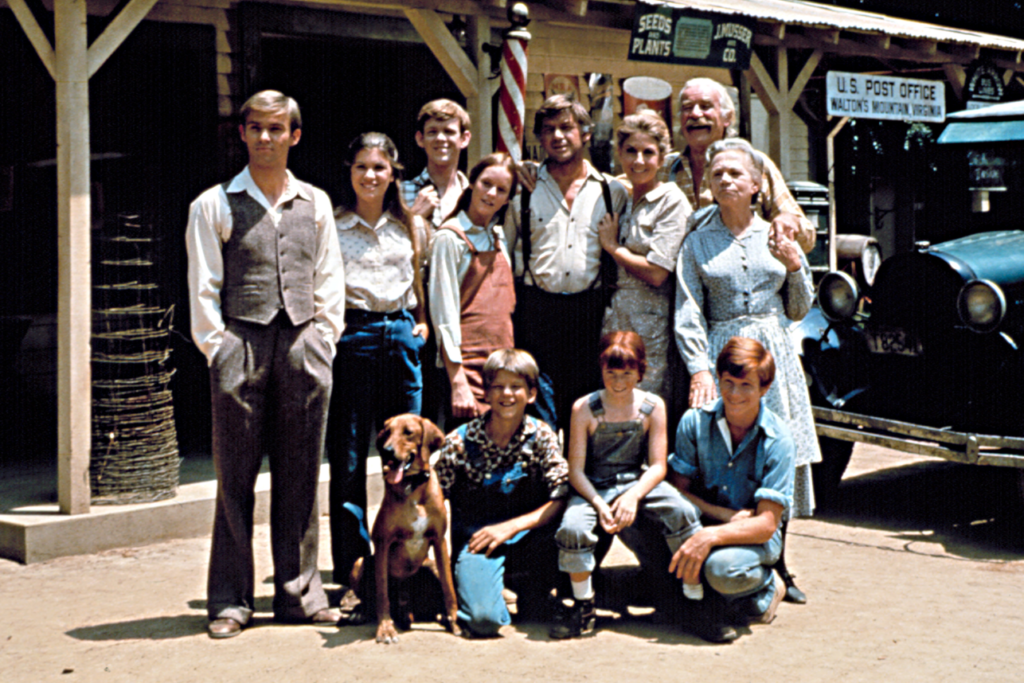
On Thursday nights, the words “Good night, John-Boy” became a ritual in homes across America. The Waltons offered something gentler, a quiet hour that felt like a warm blanket after a long day. Families who rarely agreed on anything could agree on this show. It was wholesome without feeling forced. The Depression-era setting gave parents something nostalgic to connect to. Kids absorbed the lessons without even realizing it.
The series had a steady, comforting rhythm that made it easy to build a weekly routine around it. Viewers felt like they were checking in on relatives rather than fictional characters. It reminded people of the value of kindness and sticking together. Even in louder households, the volume went down when the Walton family came on screen. Thursday nights belonged to the mountain.
3. Happy Days
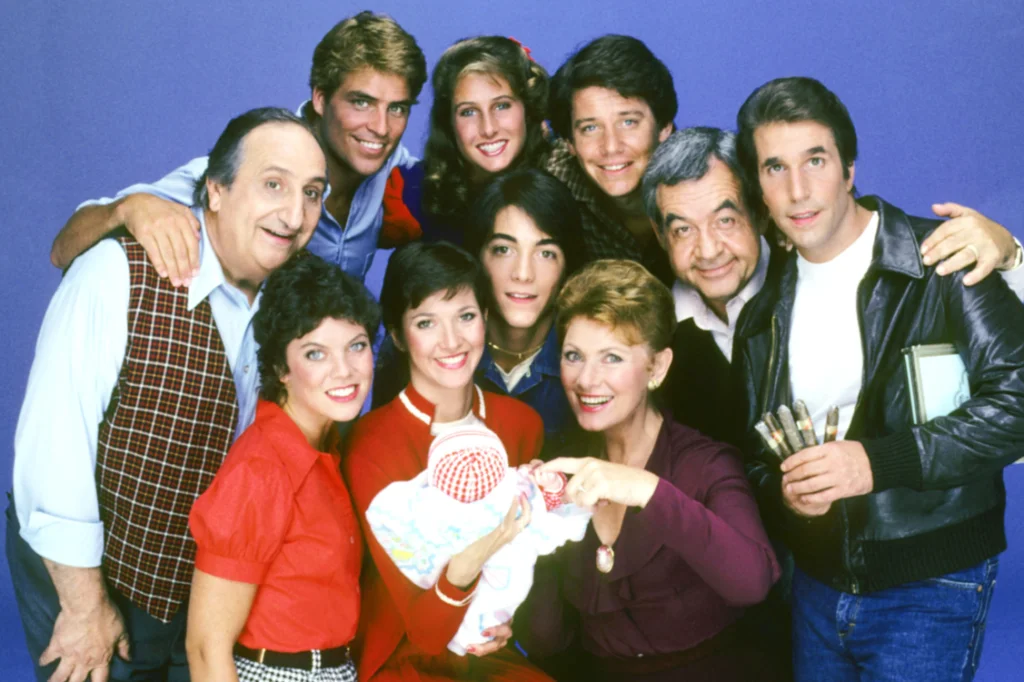
When Happy Days hit its stride in the mid ’70s, Tuesday nights turned into a trip back to the ’50s. The Fonz became a cultural force almost overnight. Kids practiced snapping their fingers and saying “Ayyy,” hoping for a fraction of that cool factor. Parents appreciated the nostalgia while teens latched onto the humor and style. The show was light, upbeat and easy to love. It felt safe but never dull.
The Cunningham living room started to feel like an extension of everyone’s own. Entire evenings were scheduled so no one would miss the opening theme. It was the kind of show you could watch together without negotiating. For many households, it became the anchor of ABC’s lineup. You knew exactly where you were supposed to be when that jukebox started playing.
4. M*A*S*H
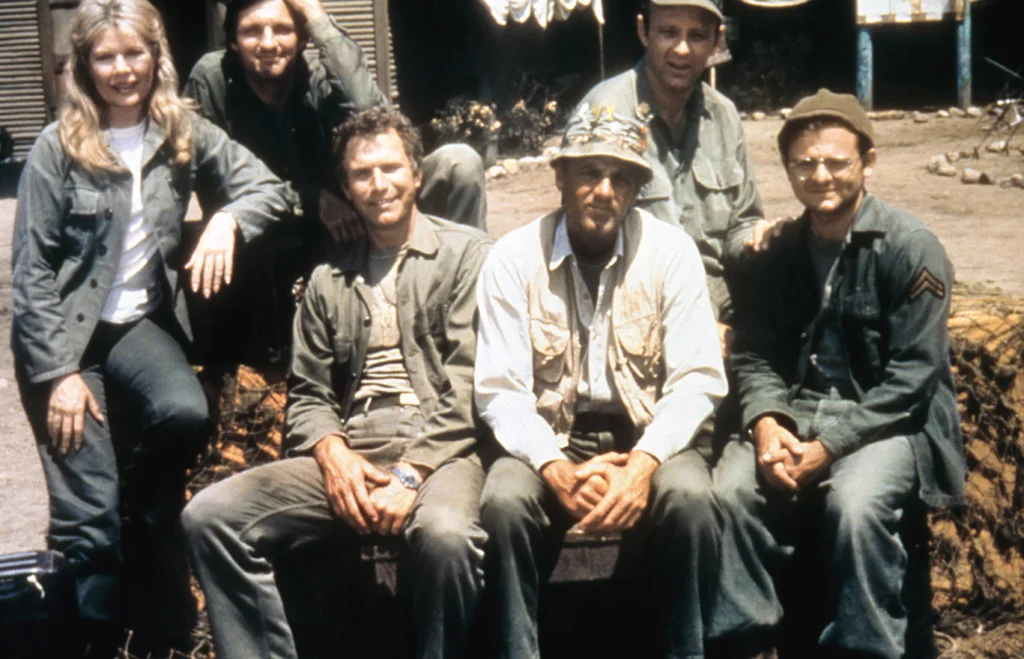
Even with its laugh track, M*A*S*H carried an emotional weight that families took seriously. The mix of humor and heartbreak kept viewers fully invested. Parents who remembered the Korean War or Vietnam felt it differently than their children did. Yet everyone watched. Hawkeye’s wisecracks were quoted all week long. The operating room scenes demanded quiet in the house.
The show didn’t shy away from loss, and that made it feel important. It sparked conversations that other sitcoms avoided. Families planned dinners earlier so they could settle in on time. Tuesday nights felt heavier but meaningful. It was comedy that required attention.
5. The Brady Bunch

Afternoons were one thing, but prime time reruns of The Brady Bunch often became shared viewing in the ’70s. Blended families saw pieces of themselves in the Bradys. Even families that didn’t resemble the Brady household found comfort in its predictability. The conflicts were simple and always resolved by the end. Siblings watched closely to see who got in trouble that week. Parents appreciated the gentle lessons.
The show’s bright colors and catchy theme song made it instantly recognizable. It was the kind of program you could drop into at any point. Families didn’t argue over whether to watch it, they just did. It became background music to growing up. Weeknights felt incomplete without a Brady moment.
6. Little House on the Prairie
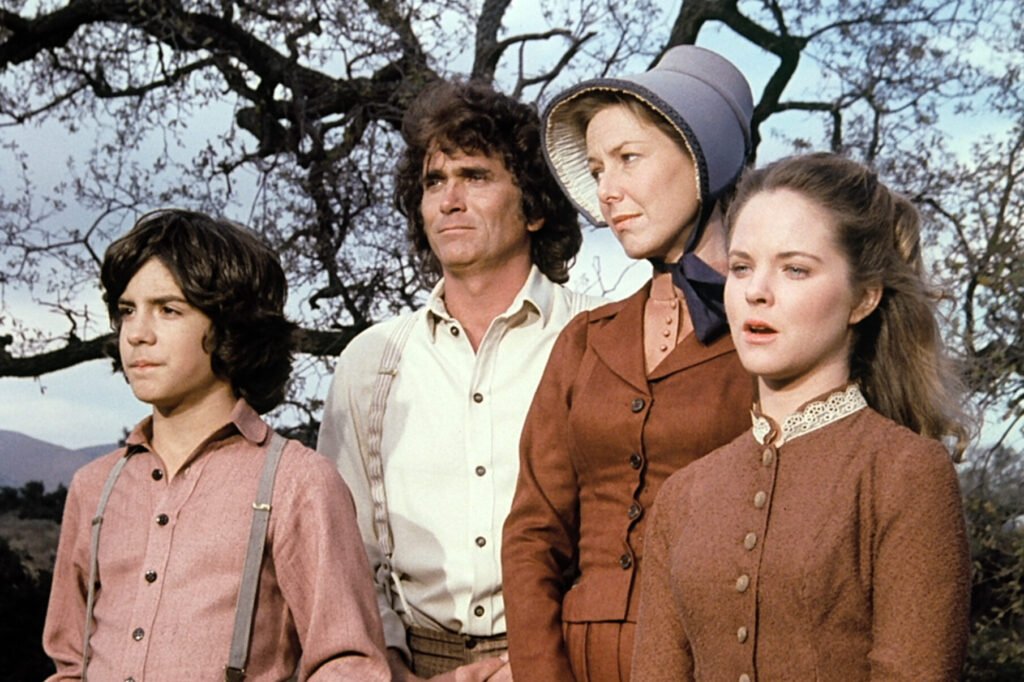
When Little House on the Prairie aired, the house quieted almost automatically. Michael Landon’s storytelling struck a deeply emotional chord. Parents reached for tissues as often as their kids did. The show wasn’t afraid to tackle hardship, illness or injustice. Yet it always circled back to family and resilience. Sunday evenings felt reflective because of it.
Many households treated it as a shared moral compass. It prompted conversations about gratitude and strength. Even restless kids sat still for certain episodes. The prairie setting felt vast, but the themes were intimate. It became part of the rhythm of the week.
7. Sanford and Son
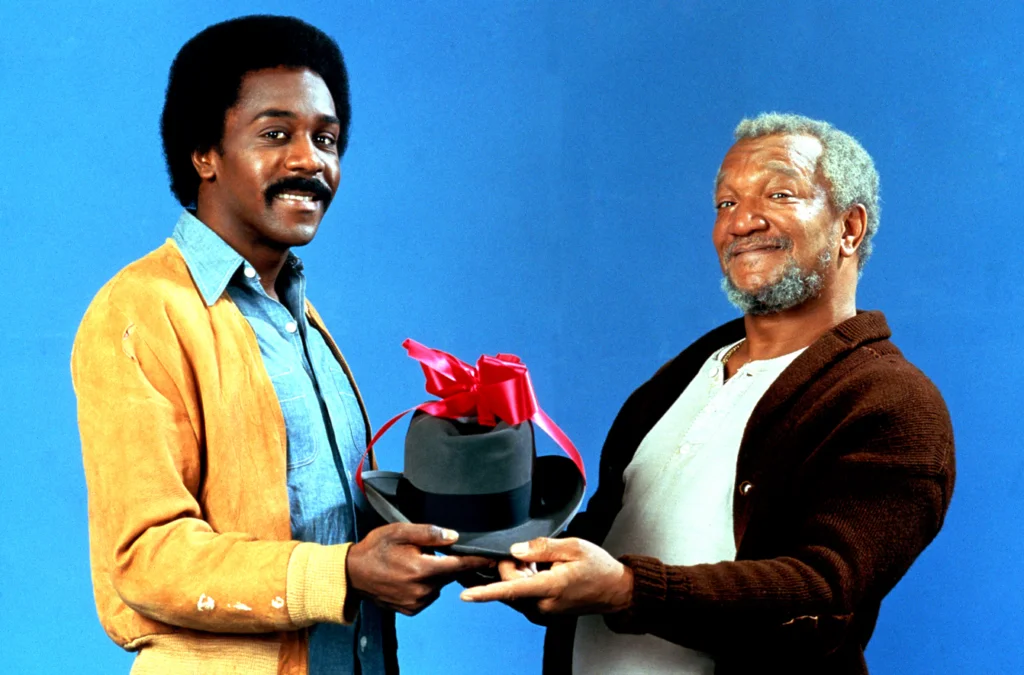
Friday nights had a different energy when Sanford and Son came on. The sharp humor between Fred and Lamont was irresistible. Parents laughed at jokes that sailed over younger viewers’ heads. The catchphrases quickly made their way into everyday conversations. It felt fast, clever and slightly rebellious. Not every family agreed on everything, but they agreed this was funny.
The junkyard setting was simple, but the chemistry was electric. It offered a perspective rarely seen on television at the time. Families didn’t want to miss a single insult or exaggerated heart attack. The timing of the jokes demanded attention. It was the perfect way to ease into the weekend.
8. The Carol Burnett Show
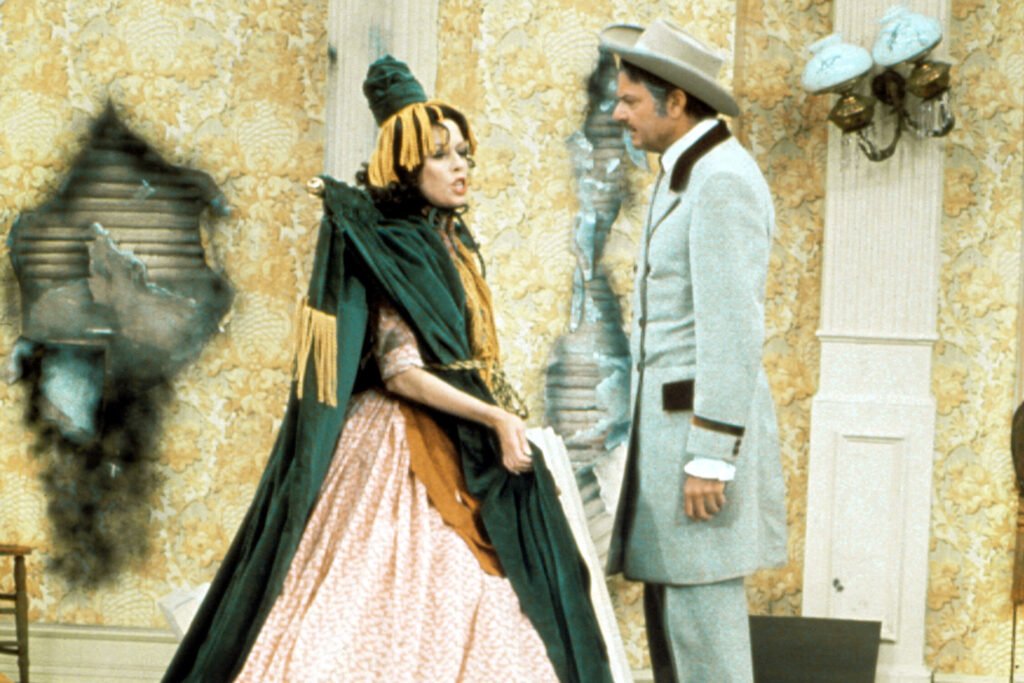
Saturday nights meant variety, and The Carol Burnett Show delivered it. Sketch after sketch gave families something to quote all week. Parents loved the musical numbers while kids waited for the slapstick. Tim Conway’s improvisations often had everyone howling. The cast’s chemistry felt spontaneous and joyful. It turned the living room into a small theater.
Viewers tuned in knowing anything could happen. It was one of the few shows that appealed across generations without compromise. Families adjusted plans to make sure they were home in time. The closing ear tug became a comforting tradition. Saturday night laughter was nonnegotiable.
9. The Jeffersons
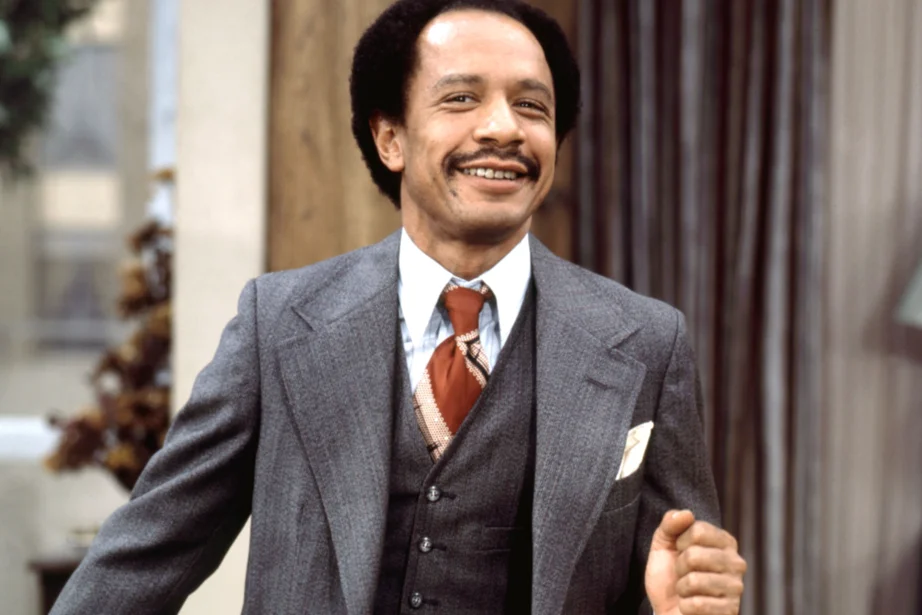
When The Jeffersons moved on up in 1975, audiences followed eagerly. The show carried over some of the social bite from its predecessor but added its own rhythm. George and Louise’s dynamic felt both familiar and fresh. Families watched to see how the couple would navigate their new surroundings. It was funny, sharp and unapologetic. The theme song alone signaled it was time to settle in.
The series addressed class and race with a boldness that kept viewers talking. Parents appreciated the nuance while kids latched onto the humor. It quickly became part of the weekly schedule. Missing an episode felt like missing a chapter in a continuing story. The East Side apartment became a must-visit destination.
10. The Six Million Dollar Man
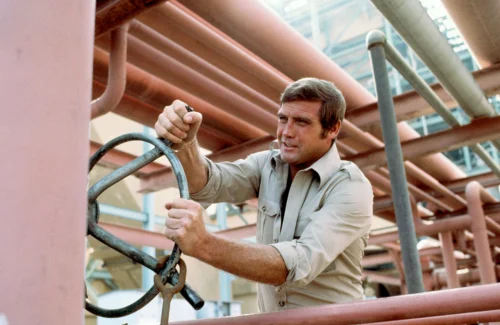
For many kids, The Six Million Dollar Man was appointment television. The slow-motion running scenes were reenacted on playgrounds the next day. Parents enjoyed the science fiction premise but also the steady heroism. The show felt futuristic without being inaccessible. Families gathered to see what mission Steve Austin would tackle next. The suspense made the hour fly by.
It tapped into a fascination with technology that defined the decade. Fathers and sons especially bonded over it, though daughters watched just as closely. The iconic sound effects became instantly recognizable. Even adults found themselves humming the theme. Weeknights felt incomplete without bionic action.
11. Charlie’s Angels
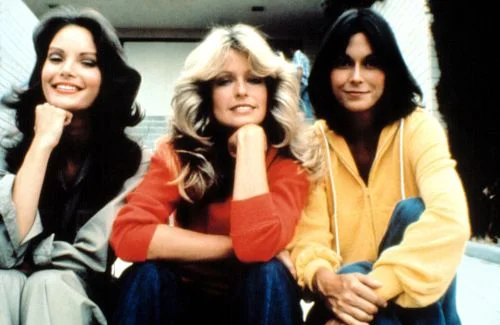
When Charlie’s Angels debuted in 1976, it quickly became a Thursday night fixture. The mix of glamour and detective work felt new and stylish. Families tuned in to see how the Angels would outsmart the villains. Parents debated whether it was progressive or just flashy. Teens were captivated by the fashion and attitude. It carried an edge that made it stand out.
The unseen voice of Charlie added a layer of mystery. Water-cooler conversations often revolved around the latest case. Even viewers who claimed it was just fluff rarely skipped an episode. The show became a cultural talking point. Thursday nights suddenly felt a little more glamorous.
12. Three’s Company
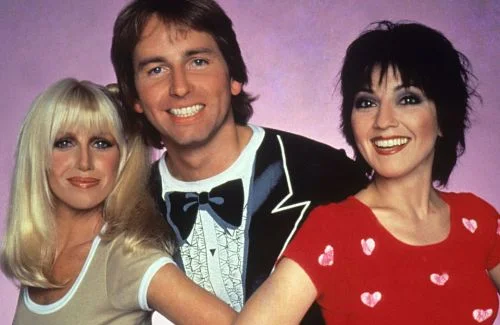
By the late ’70s, Three’s Company had families rearranging schedules for its comedic chaos. The misunderstandings were exaggerated but addictive. Parents sometimes shook their heads at the suggestive humor, yet they still laughed. Kids caught only part of the joke but enjoyed the physical comedy. The trio’s dynamic felt unpredictable and energetic. Each episode promised escalating confusion.
The bright apartment set became instantly familiar. Catchphrases slipped into everyday speech without effort. It was easy to watch but hard to miss. Monday nights felt lighter because of it. For many households, it was the perfect way to start the week.