1. All in the Family
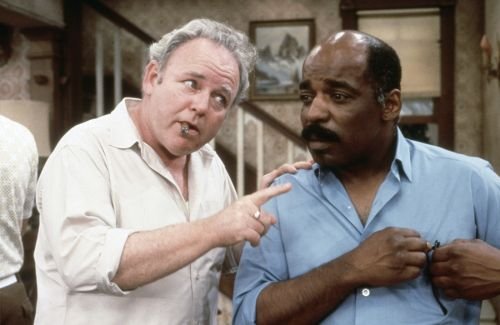
Watching All in the Family each week felt less like entertainment and more like bracing for a conversation everyone knew was coming. Archie Bunker’s opinions were uncomfortable, loud, and impossible to ignore, which made the show feel urgent in a way sitcoms rarely do now. Families planned to be in front of the TV because missing an episode meant missing what everyone would be talking about the next day. It wasn’t background noise, it demanded attention.
At the same time, the show became a kind of shared cultural checkpoint. You didn’t just watch it, you debated it, quoted it, and argued about it at work or school. The laughter often came with tension, which made the half hour feel important. Skipping it felt like opting out of a national conversation. That sense of obligation turned it into a true weekly appointment.
2. M*A*S*H
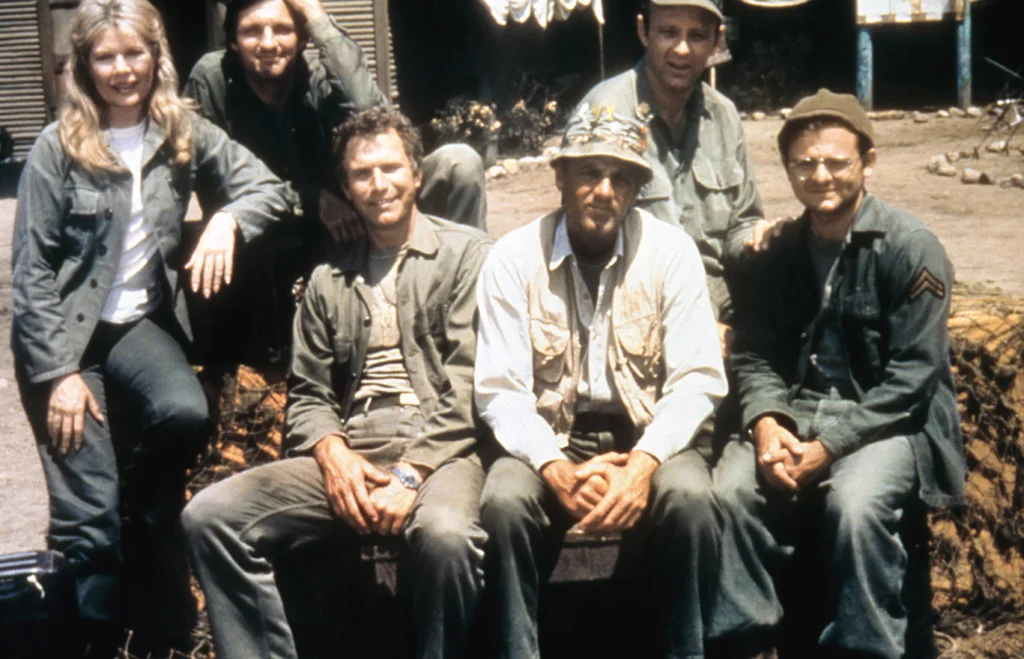
M*A*S*H aired during a time when television rarely mixed comedy and emotional weight so deliberately. Viewers showed up every week knowing they would laugh but also knowing something heavier might land without warning. That unpredictability kept people glued to their schedules. You didn’t want to hear about a powerful episode secondhand.
The show also rewarded regular viewing because the characters grew and changed over time. Hawkeye, Radar, and the rest started to feel like people you checked in on weekly. Miss an episode and you missed a piece of that ongoing emotional thread. It created loyalty through consistency and care. That made tuning in feel necessary, not optional.
3. The Mary Tyler Moore Show

This show had a quieter pull, but it was just as strong. Viewers returned each week because they wanted to spend time in Mary Richards’ world again. The newsroom felt familiar, like a place you knew well enough to miss when you were away. That comfort created routine.
It also helped that the show trusted its audience to appreciate subtlety. There weren’t constant gimmicks or cliffhangers, just smart writing and characters who felt real. Watching became a ritual of settling in and paying attention. You made room for it because it made room for you. That mutual respect kept people loyal.
4. Columbo
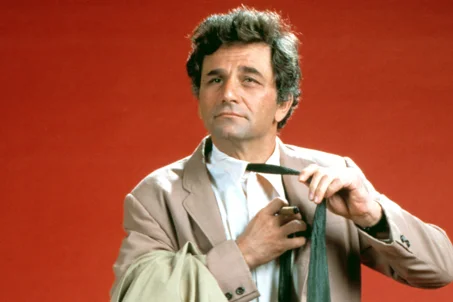
With Columbo, the hook was simple but powerful, you knew who did it, now watch how they get caught. That structure made every episode feel like a special event rather than disposable TV. Viewers planned their evenings around seeing how Columbo would unravel the case this time. Missing it meant missing the entire experience.
Peter Falk’s performance was another reason people showed up on schedule. His rumpled presence and slow unraveling of suspects rewarded patience. You couldn’t drop in halfway through and get the same satisfaction. Watching live mattered. That necessity turned each episode into an appointment.
5. The Rockford Files
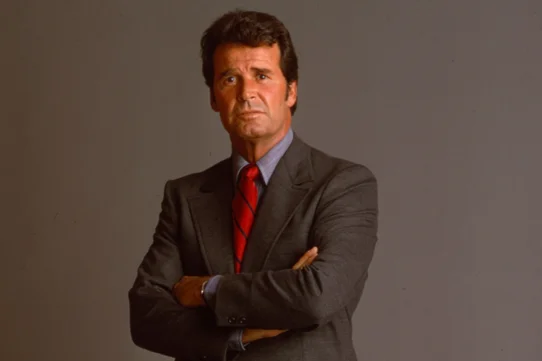
The Rockford Files had a laid-back tone that still demanded loyalty. Jim Rockford felt like someone you checked in with weekly, partly to see how he’d scrape by this time. The show balanced humor and grit in a way that felt grounded. That balance worked best when seen consistently.
Because the stories were character-driven, regular viewers felt more connected. You learned Rockford’s habits, frustrations, and moral lines over time. Missing an episode meant missing part of that relationship. It wasn’t flashy TV, but it was dependable. That dependability kept people tuning in.
6. Happy Days
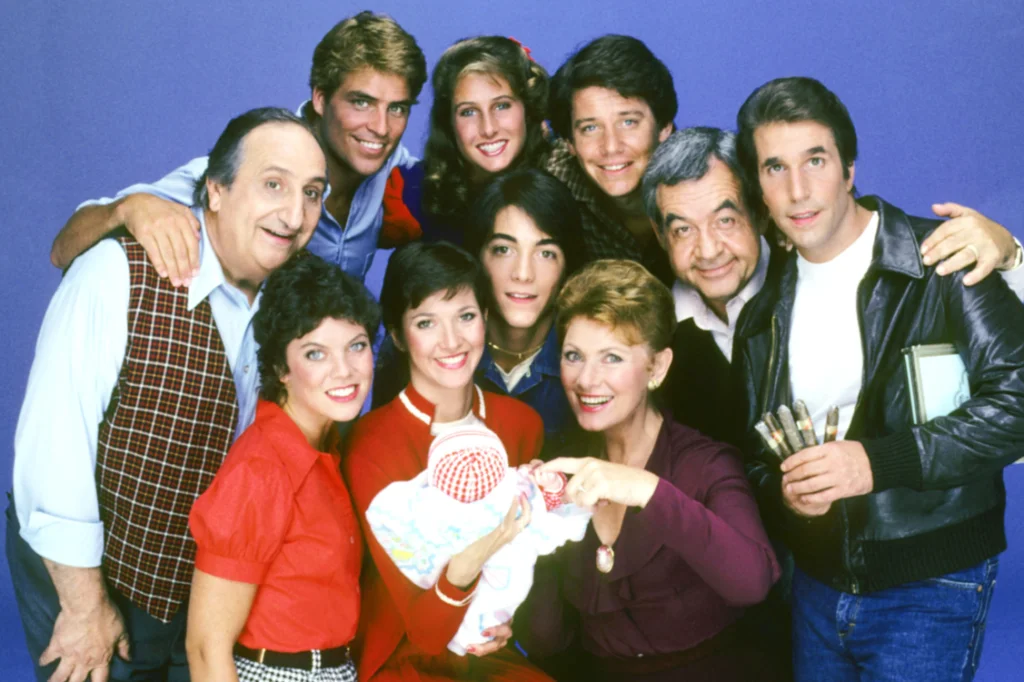
For many households, Happy Days marked a shift in the evening. It was upbeat, familiar, and safe, which made it easy to build into a routine. Families gathered because it felt good to watch together. The show promised comfort, and it delivered it weekly.
Characters like Fonzie became cultural shorthand almost overnight. You didn’t want to miss the moments everyone would quote later. Watching live meant being in sync with everyone else. That shared timing mattered. It turned a simple sitcom into a standing date with the TV.
7. Saturday Night Live
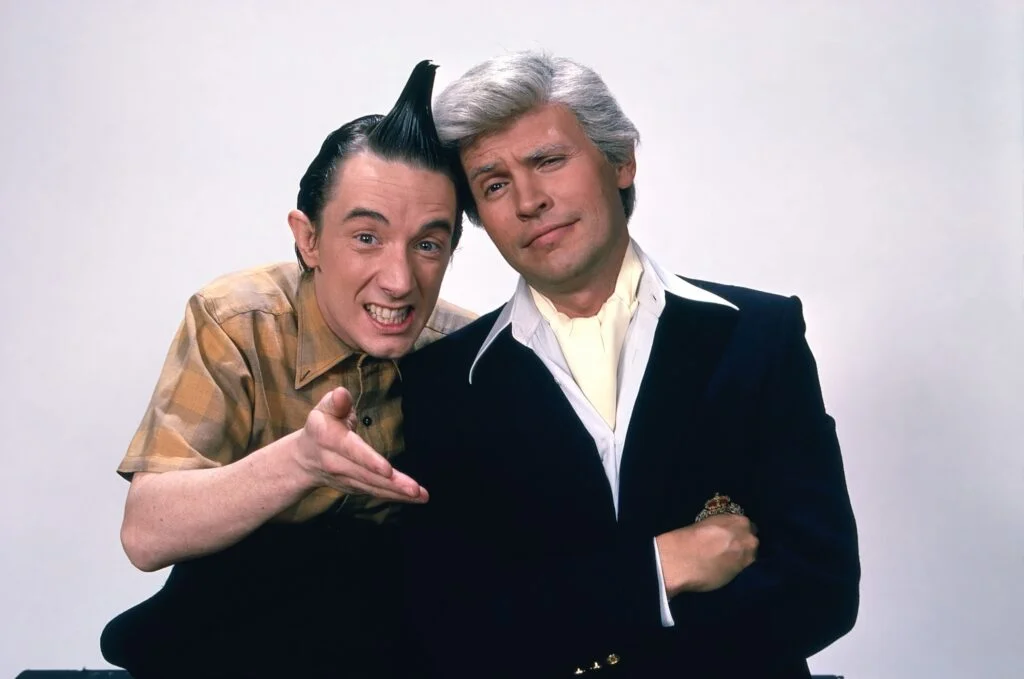
SNL was appointment television almost by definition. If you didn’t watch it live, you risked missing the joke entirely by Monday morning. Sketches became instant references, and being out of the loop was noticeable. Staying up late was part of the commitment.
There was also the thrill of unpredictability. You never knew which sketches would land or which guest would surprise you. That sense of anything could happen pulled viewers back week after week. Watching later just wasn’t the same. Live viewing felt essential.
8. Roots
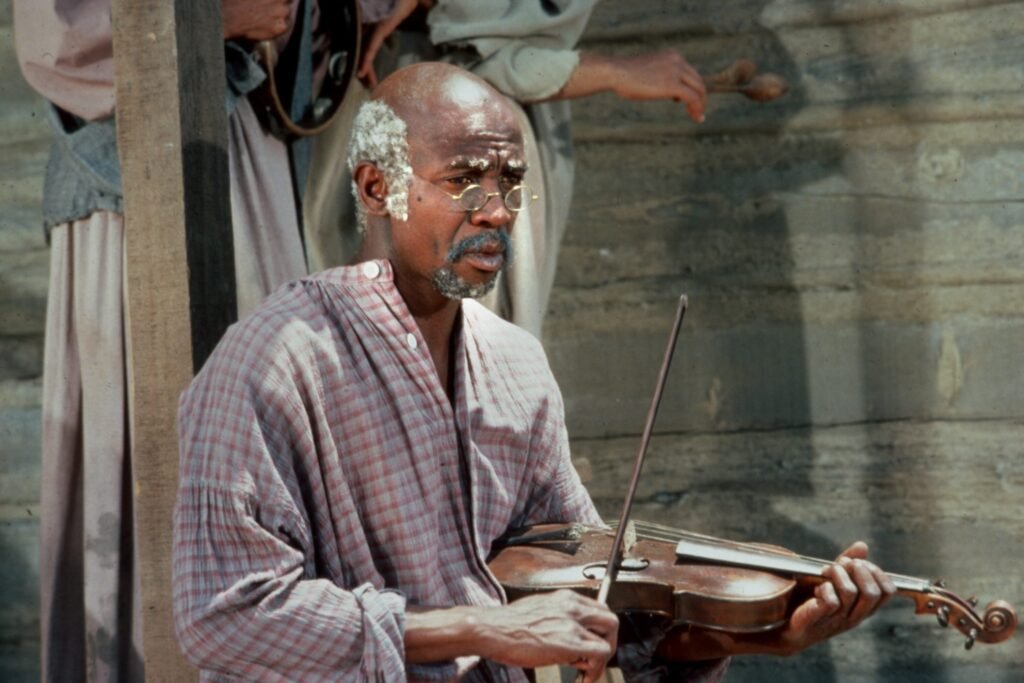
When Roots aired, it stopped normal television habits altogether. Families planned entire evenings around it because it felt historic even as it was happening. Missing an installment meant losing a piece of a larger, unfolding story. The gravity of the subject made tuning in feel necessary.
It wasn’t casual viewing, it was intentional. People watched together, discussed it afterward, and carried it with them into daily conversations. The show demanded focus and respect. That demand created a powerful sense of appointment viewing. Television rarely felt that consequential.
9. The Waltons
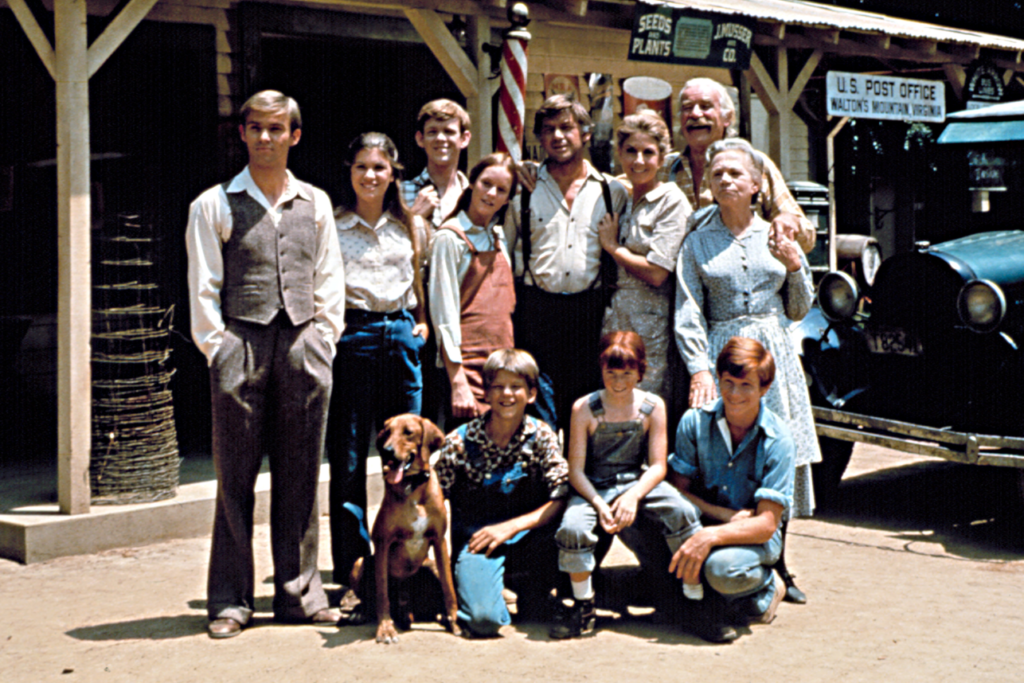
The Waltons offered something quieter but deeply dependable. Watching it weekly felt like checking in with a familiar family you cared about. The rhythms of the show encouraged routine rather than urgency. That steadiness made it easy to commit to.
Viewers didn’t tune in for shock or spectacle. They came for reassurance and continuity. Missing an episode felt like missing Sunday dinner. That emotional pull turned the show into a habit rather than a choice. Habits are what make appointments stick.
10. Kojak
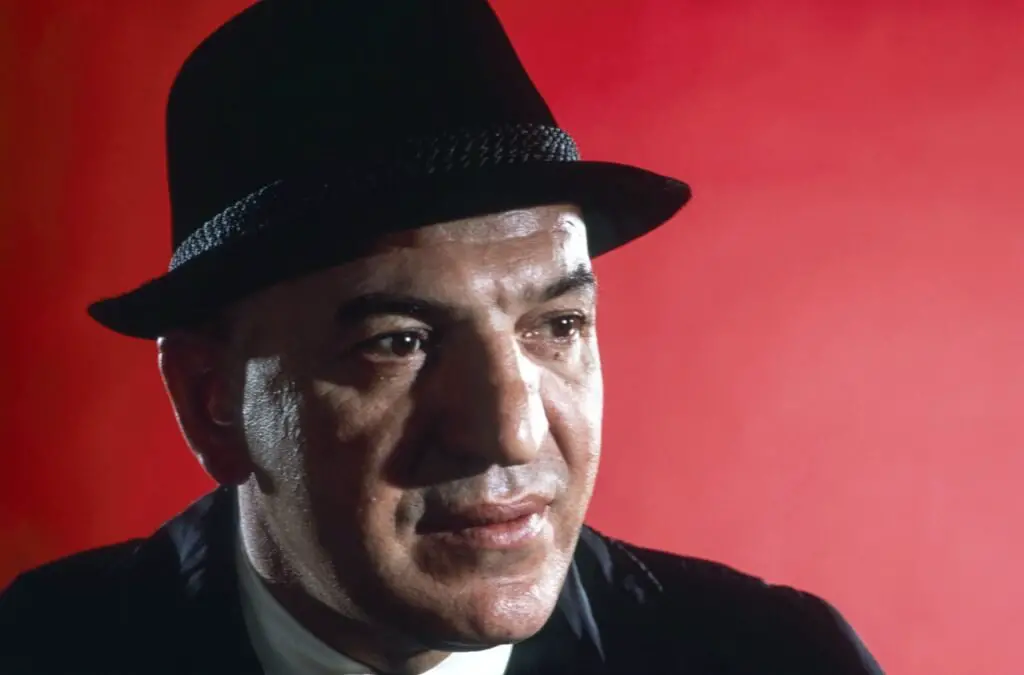
Kojak carried a sense of authority that demanded attention. Telly Savalas’ presence made each episode feel definitive. You watched because you trusted the show to deliver a complete, satisfying story. That trust kept viewers loyal.
Crime shows like this worked best when followed weekly. The tone and pacing rewarded full attention. Dropping in late or skipping episodes broke the spell. People made time because the show made it worth their time. That mutual investment mattered.
11. Charlie’s Angels
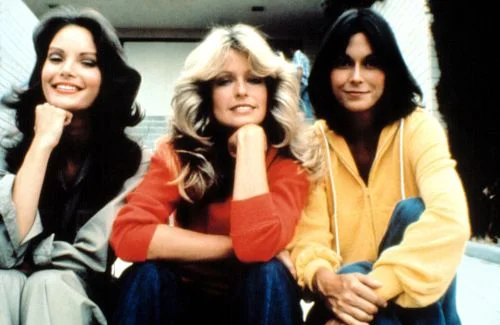
Charlie’s Angels became a weekly event almost immediately. It mixed glamour, action, and mystery in a way that felt fresh for the time. Viewers wanted to see what the Angels would do next, and how they would do it. That anticipation fueled routine viewing.
The show also thrived on shared conversation. People talked about the fashion, the stunts, and the guest stars the next day. Missing an episode meant missing that shared moment. Watching together, even separately, created community. That sense of shared timing turned it into appointment TV.
12. Three’s Company
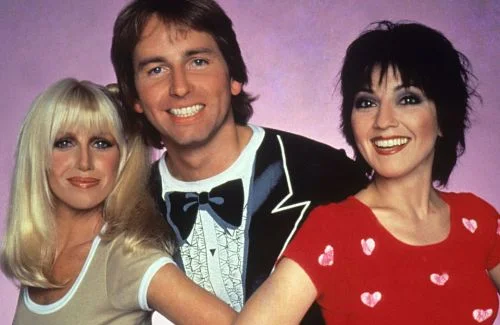
With Three’s Company, timing was everything. The jokes depended on misunderstandings that worked best when watched from start to finish. You couldn’t jump in late and expect the same payoff. That made regular viewing feel necessary.
It also became part of weekly social rhythms. People gathered specifically to watch it, knowing exactly what kind of humor they’d get. The predictability was part of the appeal. You showed up because it reliably delivered laughs. That reliability made it an appointment, not just a show.