
1. Kelly LeBrock
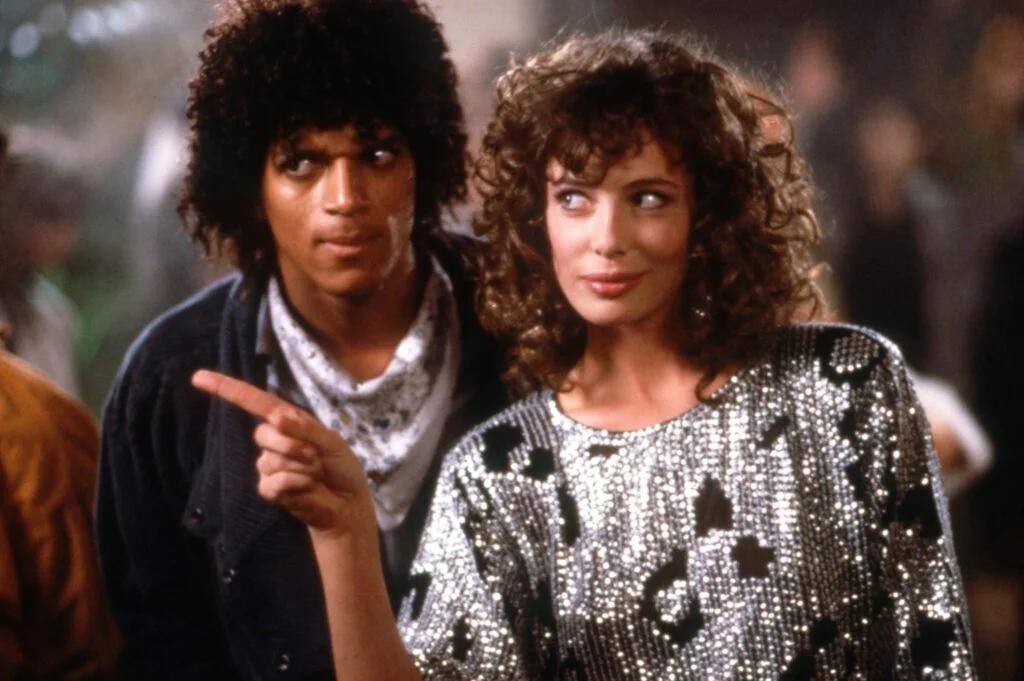
For a few years in the mid ’80s, Kelly LeBrock seemed to pop up everywhere at once. She made a strong impression in The Woman in Red, but it was Weird Science that cemented her as a pop culture fixture. Between movie posters, magazine covers, and quotable lines, she became instantly recognizable even to people who had not seen the films. Her look was so specific that it felt inescapable for a brief stretch. She also became closely associated with fashion and beauty advertising during that same period. It all happened very fast.
Not long after, LeBrock stepped back from Hollywood in a noticeable way. She appeared in far fewer films, which made her earlier saturation feel even more intense in hindsight. That short window now feels frozen in time, very much tied to the mid ’80s aesthetic. When her name comes up today, it almost always circles back to that brief moment. It is a classic case of cultural ubiquity followed by a quiet retreat.
2. C. Thomas Howell
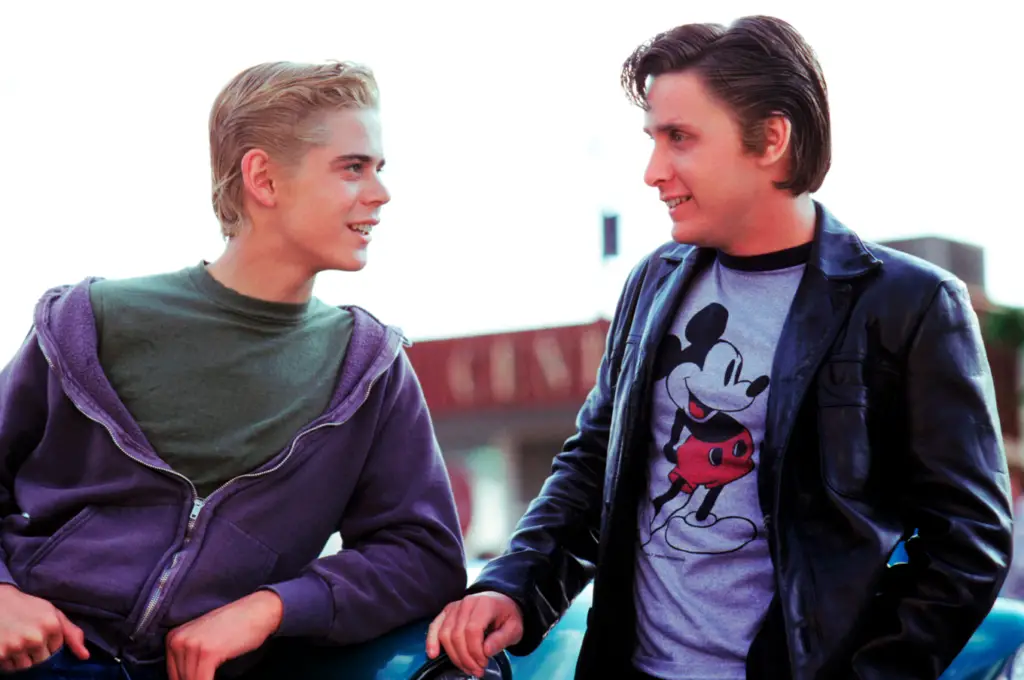
C. Thomas Howell was suddenly everywhere in the early ’80s, especially after The Outsiders. He quickly followed that with leading roles in films like Red Dawn and The Hitcher. For a moment, he felt positioned as a major young star. His face became familiar across movie theaters, teen magazines, and TV appearances. The pace was fast and constant. It felt like Hollywood had big plans.
Then the momentum slowed just as quickly. Howell continued working steadily, but the era of top billing faded. That early burst still defines how many people remember him. His career never disappeared, but the level of exposure changed dramatically. That sharp contrast makes his early fame stand out even more.
3. Debra Winger
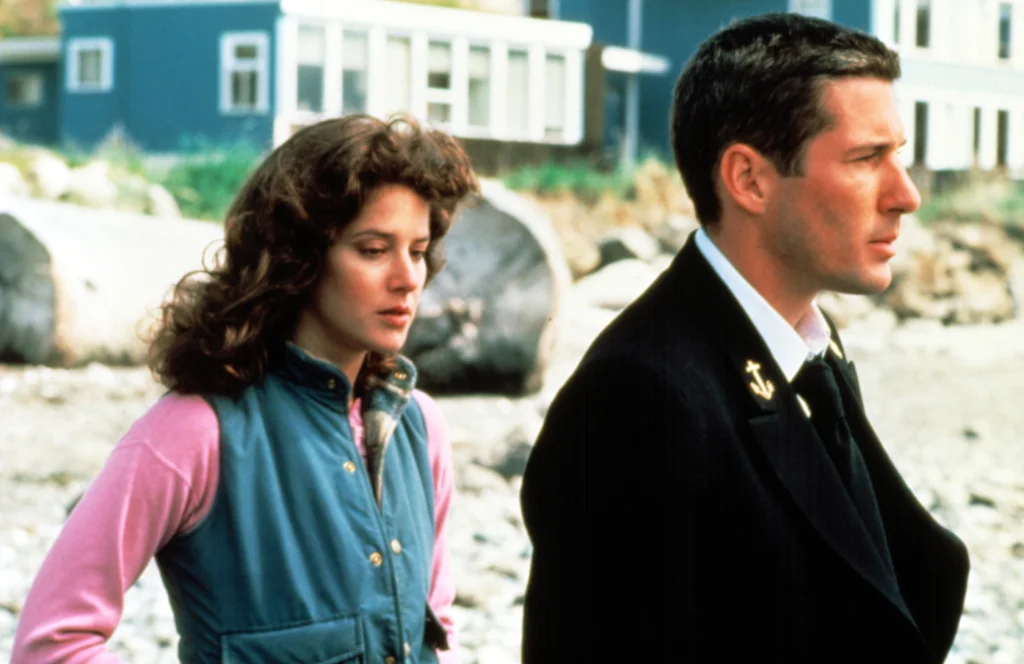
Debra Winger dominated conversations in the early to mid ’80s thanks to films like An Officer and a Gentleman and Terms of Endearment. She earned critical praise and major awards attention in quick succession. For a stretch, she felt like one of the defining actresses of the decade. Her performances were everywhere people were talking about serious films. She was not just visible, she was unavoidable.
Then she made a conscious decision to step away from the spotlight. Winger became selective about her roles, which changed her public presence dramatically. The shift was noticeable because her rise had been so strong. That brief period of constant visibility still defines her ’80s image. It is remembered as intense, respected, and relatively short-lived.
4. Rick Moranis
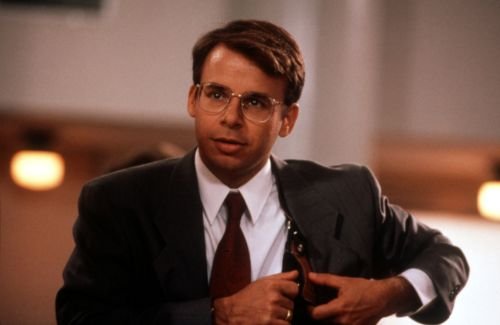
Rick Moranis was a staple of ’80s comedies, often appearing in multiple hits within just a few years. From Ghostbusters to Spaceballs to Honey, I Shrunk the Kids, his face was instantly familiar. He brought a specific kind of humor that fit the era perfectly. Audiences could count on him to show up in big mainstream movies. For a while, he felt unavoidable.
Then Moranis stepped back from acting in the ’90s to focus on his family. That decision effectively froze his image in the ’80s for many viewers. Because he left so deliberately, his earlier saturation feels even more concentrated. His brief window of constant presence has aged into something almost nostalgic. People still associate him strongly with that specific era.
5. Phoebe Cates
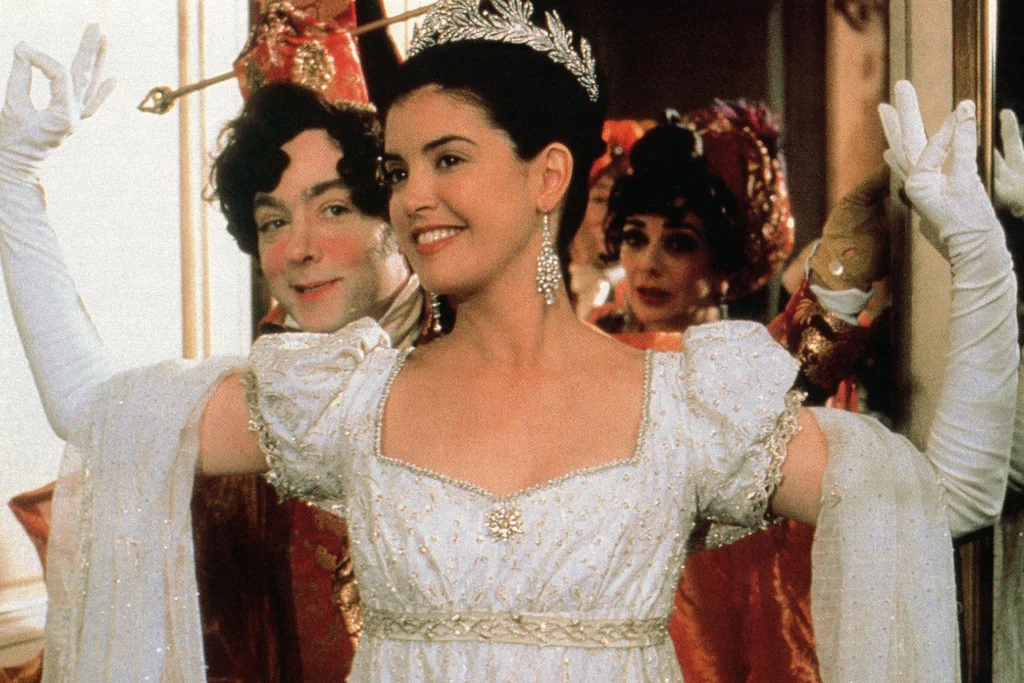
Phoebe Cates became an ’80s icon almost overnight. Films like Fast Times at Ridgemont High and Gremlins made her instantly recognizable. She was featured heavily in teen magazines and pop culture conversations. Her image became shorthand for a certain kind of ’80s stardom. It all happened very quickly.
Cates later chose to step away from acting to focus on her family. That choice made her period of fame feel especially compact. She did not fade so much as she exited. As a result, her presence remains tightly tied to a specific moment in time. That brief window still carries a lot of cultural weight.
6. Andrew McCarthy
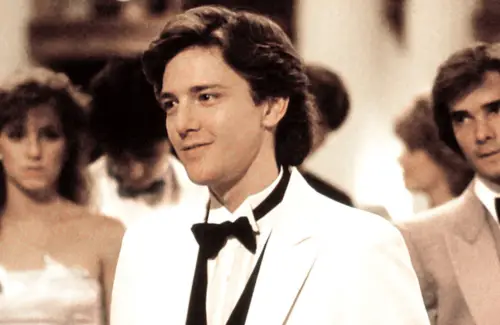
Andrew McCarthy was a key figure in the Brat Pack era, showing up in films like Pretty in Pink and St. Elmo’s Fire. For a few years, it seemed like he was in every youth-focused movie. His sensitive, introspective roles resonated strongly with audiences. He became a familiar face almost overnight. The exposure was intense.
As the decade moved on, his visibility shifted more toward television and later directing. The leading man phase did not last long. That short burst now feels very specific to the mid ’80s. McCarthy never disappeared, but the spotlight changed shape. His early fame remains tightly tied to that brief period.
7. Judd Nelson
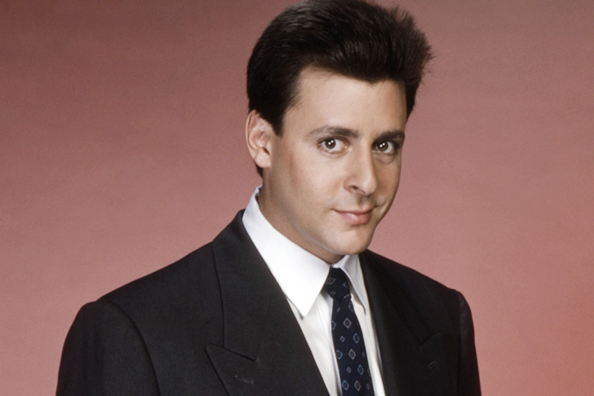
Judd Nelson had a powerful run in the mid ’80s, anchored by The Breakfast Club and St. Elmo’s Fire. He became known for playing intense, rebellious characters. His persona felt sharply defined and very much of the moment. For a few years, he was everywhere teen audiences were looking. The recognition came fast.
That intensity may have limited the longevity of his leading roles. As trends shifted, his visibility cooled. Nelson continued acting, but the era of constant exposure ended. That short window still looms large in pop culture memory. It remains closely tied to a very specific type of ’80s angst.
8. Lea Thompson
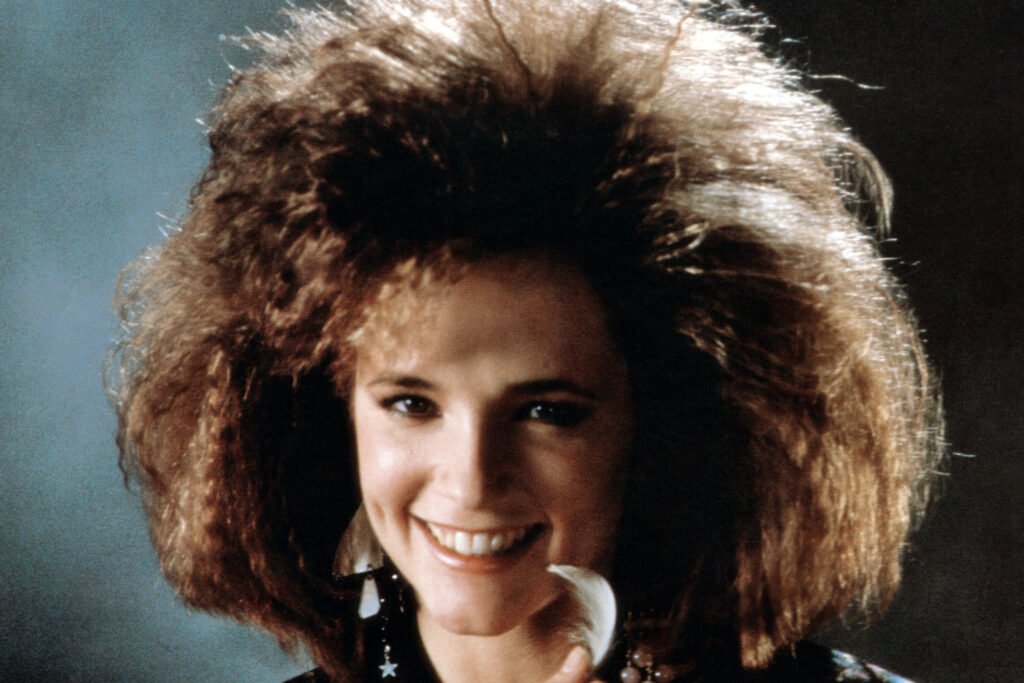
Lea Thompson seemed to be in constant rotation during the mid ’80s. She appeared in films like Back to the Future, Some Kind of Wonderful, and Red Dawn. Her versatility made her adaptable to many genres. Audiences recognized her immediately. She felt like a dependable presence.
As the decade closed, her career gradually shifted toward television. The movie-star level visibility did not last as long as her popularity suggested it might. That makes her ’80s run feel especially concentrated. She is still remembered fondly for that stretch. It stands out as a distinct phase rather than a long arc.
9. Michael Paré
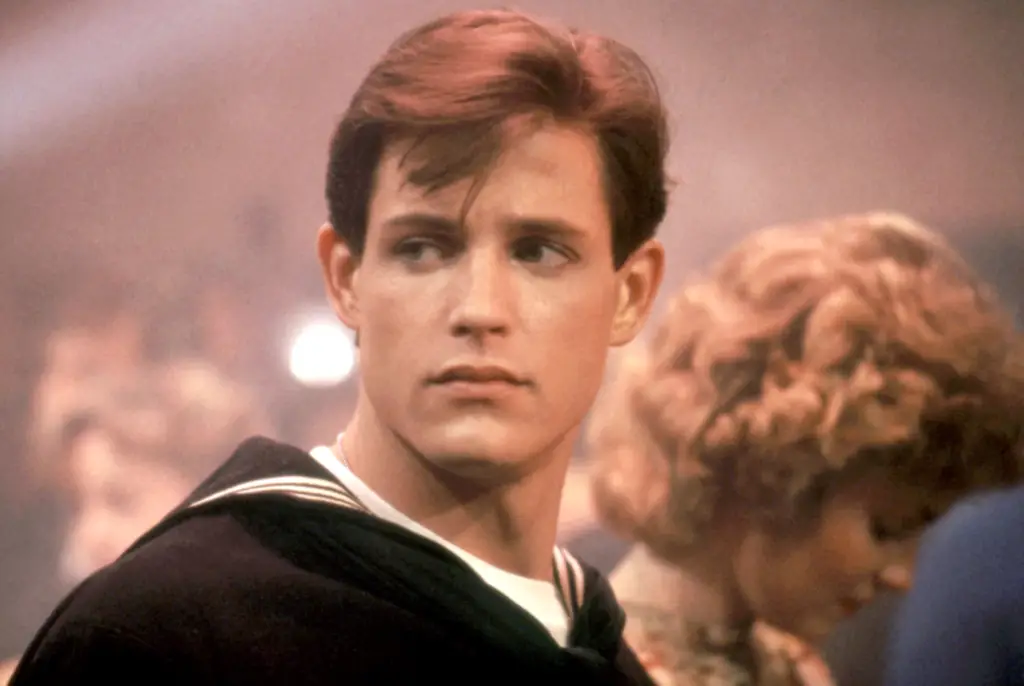
Michael Paré had a brief but noticeable surge in visibility during the ’80s. Films like Eddie and the Cruisers and Streets of Fire positioned him as a potential breakout star. For a moment, he felt poised for something bigger. His look and screen presence fit the era perfectly. The attention came quickly.
The momentum did not fully carry forward. Paré continued working consistently, but the mainstream spotlight faded. That early burst now feels like a snapshot. It is remembered more for its promise than its longevity. The contrast makes his ’80s moment feel especially brief.
10. Ally Sheedy
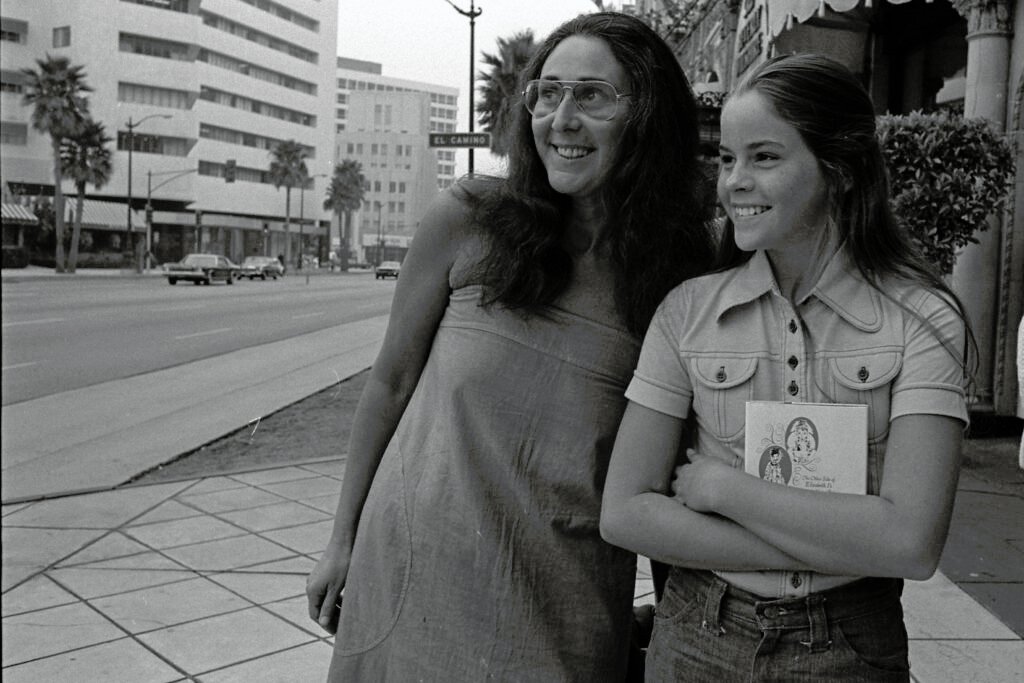
Ally Sheedy was everywhere for a short stretch, particularly in mid ’80s youth films. The Breakfast Club, WarGames, and St. Elmo’s Fire put her squarely in the cultural conversation. She became associated with smart, slightly offbeat characters. Her presence felt constant for a few years. She was instantly recognizable.
Later, Sheedy deliberately moved toward smaller and more unconventional projects. The shift changed her public profile significantly. That earlier period of mass exposure stands apart from the rest of her career. It feels contained and specific. Her ’80s ubiquity remains a defining chapter.
11. Eric Roberts

Eric Roberts had a striking rise in the ’80s, earning acclaim for roles in films like Star 80 and Runaway Train. For a time, he was both critically respected and highly visible. His performances were intense and widely discussed. He seemed poised for long-term leading man status. The attention was significant.
Over time, his career took a different path, becoming far more prolific but less high-profile. The shift was noticeable given how strong the early momentum had been. That early window still stands out sharply. It feels like a moment when everything aligned at once. The contrast makes the period memorable.
12. Molly Ringwald
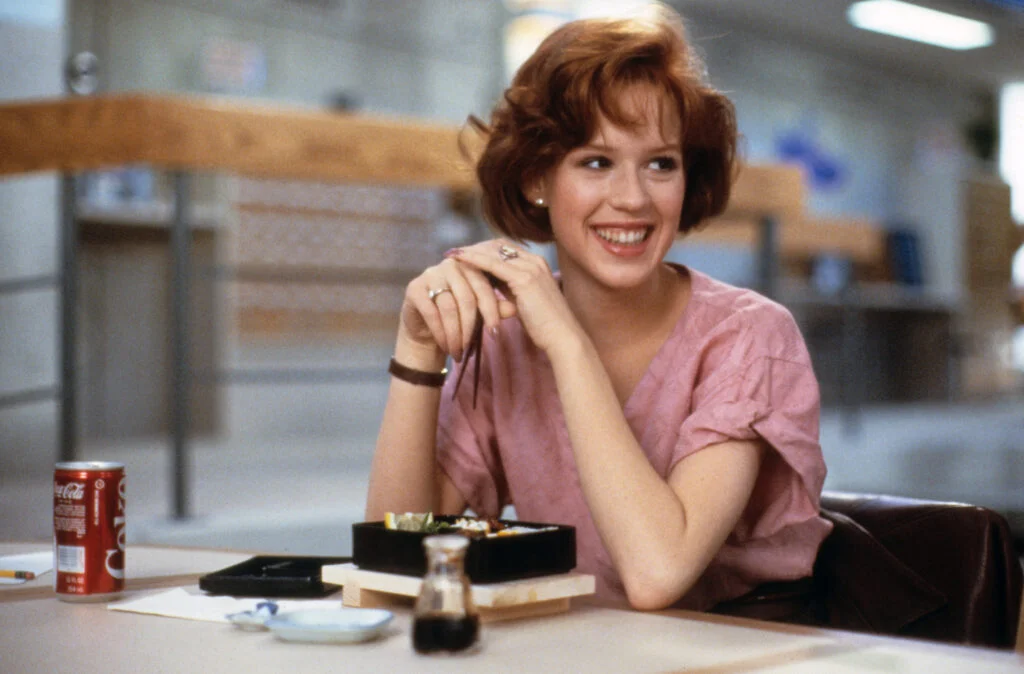
Molly Ringwald became the face of teen cinema almost overnight. Films like Sixteen Candles, The Breakfast Club, and Pretty in Pink dominated the decade’s youth culture. She felt inescapable for several years. Her image became synonymous with the era. It was a powerful run.
That level of exposure did not extend far beyond the decade. Ringwald continued acting, but the cultural saturation eased. The intensity of her early fame makes it feel shorter than it actually was. It remains tightly associated with one specific era. Few stars are so instantly linked to a single moment.
13. Judge Reinhold
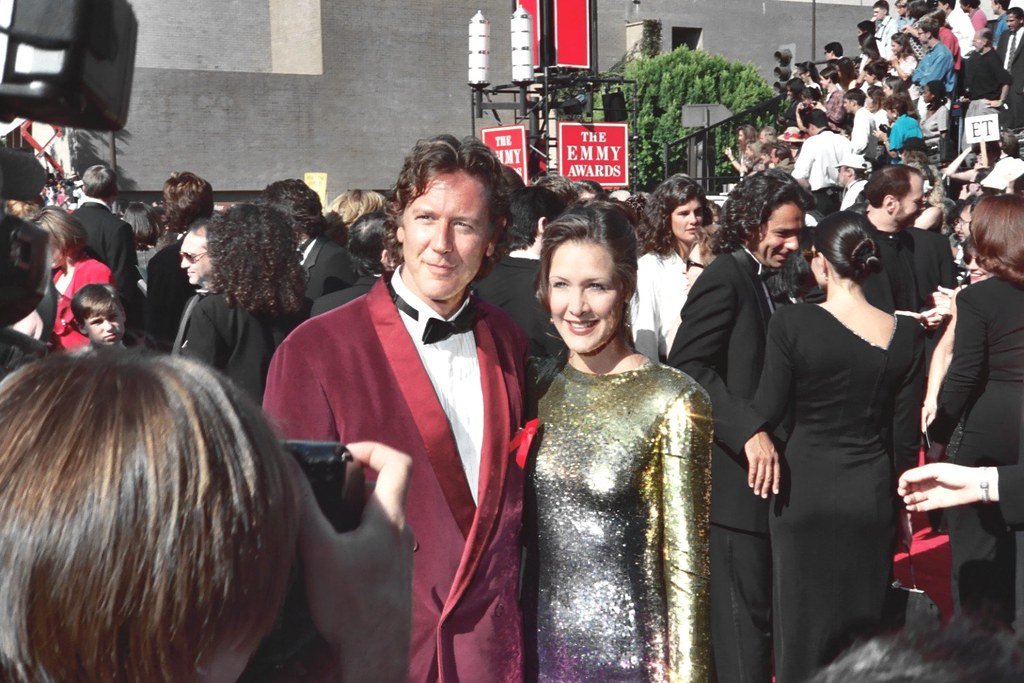
Judge Reinhold was a familiar face across multiple major ’80s hits. From Fast Times at Ridgemont High to Beverly Hills Cop, he kept showing up in crowd-pleasing films. He often played the slightly awkward everyman. Audiences recognized him immediately. His presence felt constant.
As the decade ended, those roles became less frequent. Reinhold continued acting, but the blockbuster visibility slowed. That makes his earlier run feel especially compact. His face still triggers instant ’80s recognition. It is a classic example of brief but memorable ubiquity.