
1. Hypercolor T-Shirts
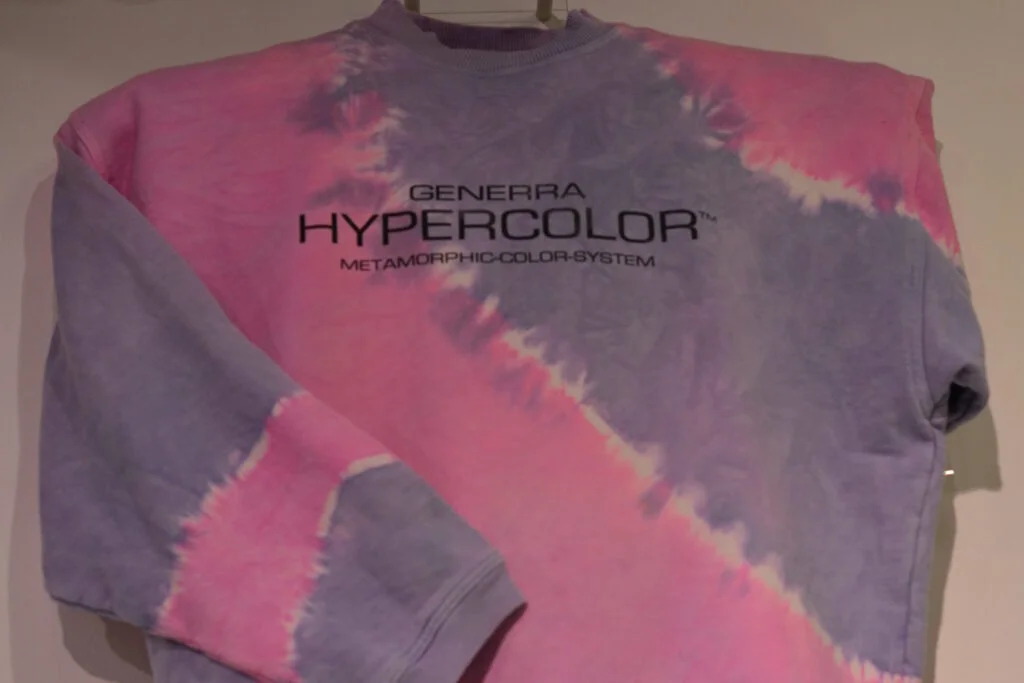
These shirts felt like science experiments you could wear, changing color based on body heat or a warm hand. At the time, that felt futuristic and mildly magical. Kids spent entire school days pressing their palms against each other just to see the colors bloom. The novelty wore off quickly once everyone realized sweat patterns were not especially flattering.
Looking back, it is strange how eager we were to broadcast exactly where we were overheating. The shirts also faded fast, turning into a permanently blotchy reminder of gym class. What felt like cutting-edge fashion quickly became awkward evidence of how warm you ran. It is hard to imagine anyone choosing that now.
2. Shoulder Pads Everywhere
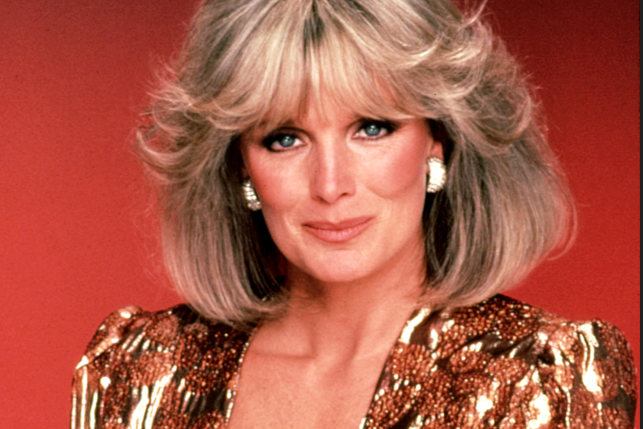
Shoulder pads were not just for power suits, they showed up in blouses, dresses and even sweaters. The goal was confidence, authority and presence, even if you were just going to the mall. People truly believed broader shoulders equaled instant respect. Subtlety was not part of the equation.
Today, the exaggerated shapes look more costume than clothing. They often overwhelmed the rest of the outfit and the person wearing it. Instead of strength, they now read as uncomfortable and restrictive. It is a trend that tried very hard and now feels very dated.
3. Big Hair

Big hair was a lifestyle choice that required time, product and commitment. The goal was height, volume and the ability to survive wind without moving an inch. Aqua Net was practically a household staple. A good hairstyle could last days if you were careful.
Now it is hard to imagine willingly creating something that stiff. The crunch, the smell and the helmet-like shape feel excessive. Natural movement has become far more appealing. Mall hair now looks more like performance art than everyday style.
4. Parachute Pants
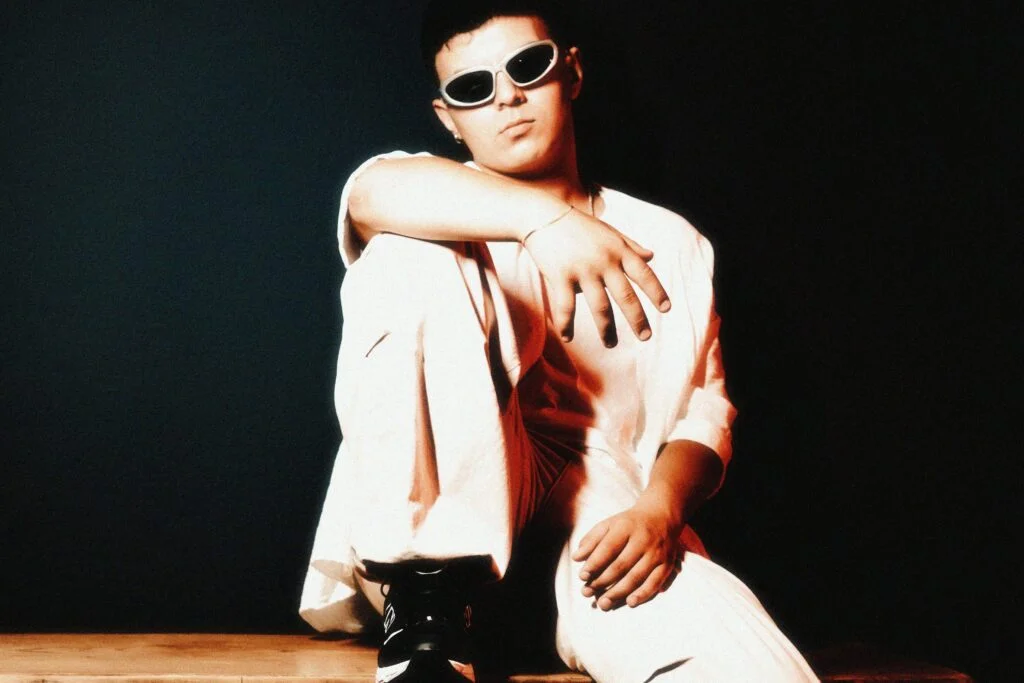
Parachute pants promised comfort and cool factor at the same time. They swished loudly with every step, announcing your presence before you even entered a room. Inspired by breakdancing and music videos, they felt undeniably current. Wearing them meant you were paying attention.
In hindsight, the noise alone is baffling. The fabric trapped heat and offered little flexibility despite the name. They were neither practical nor subtle. It is strange how long we accepted that constant swishing as normal.
5. Jelly Shoes
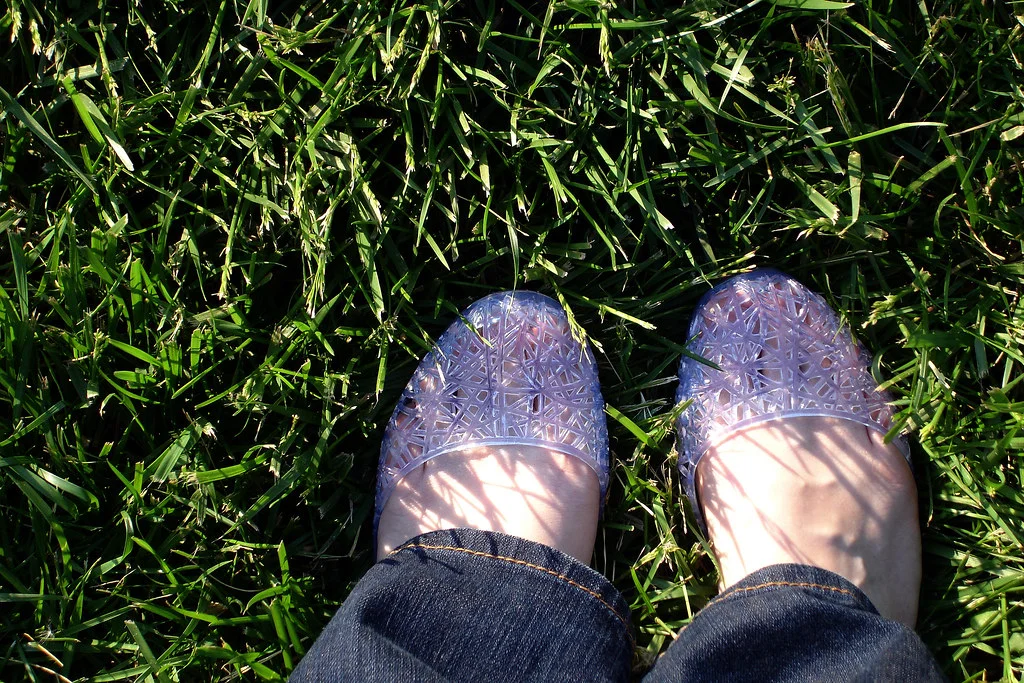
Jelly shoes were colorful, shiny and smelled unmistakably like plastic. They came in every color imaginable and often glittered under bright lights. Kids loved them because they felt playful and indestructible. Parents liked them because they were cheap.
Comfort was clearly not a priority. The rigid plastic caused blisters, and warm weather only made things worse. What once felt fun now seems borderline cruel to feet. The novelty does not quite justify the discomfort.
6. Members Only Jackets

Owning one of these jackets felt like a status symbol. The name alone implied exclusivity and belonging. People wore them everywhere, regardless of weather or outfit. It was more about what the jacket represented than how it looked.
Today, the idea of clothing announcing membership feels oddly insecure. The jackets themselves were fine but not remarkable. The social meaning has not aged well. Fashion no longer needs to declare who is in and who is out.
7. Slap Bracelets
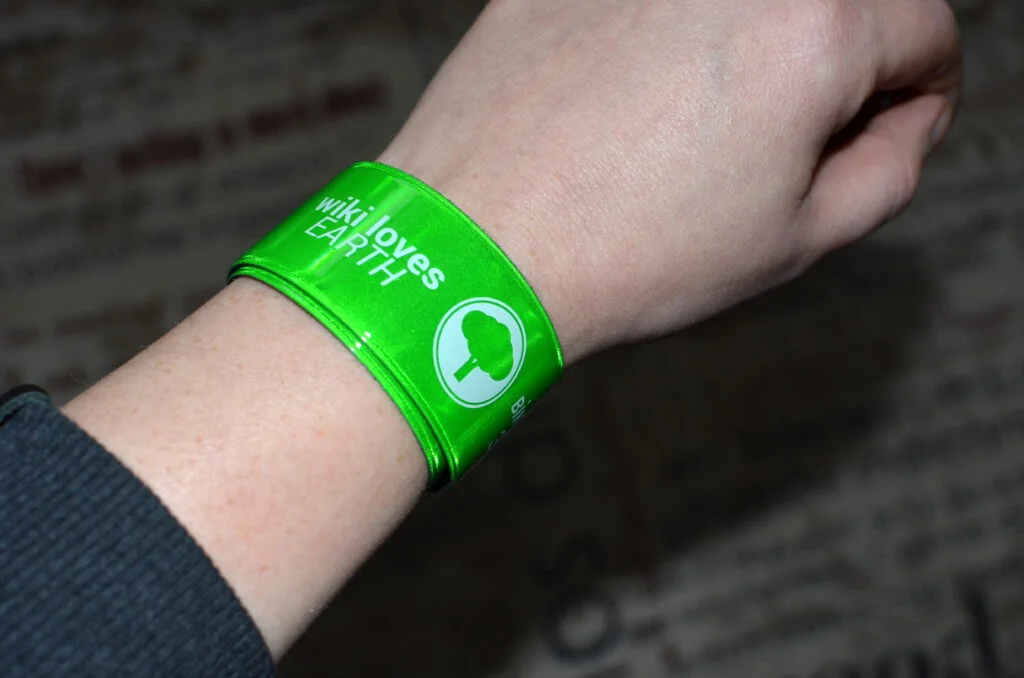
Slap bracelets were irresistible because they combined jewelry with a small jolt of surprise. You snapped them onto your wrist just for the thrill of it. Classrooms were full of that sharp clicking sound. It was simple entertainment.
Eventually, safety concerns caught up with the trend. The novelty faded once the shock wore off. As accessories, they offered very little. It is hard to understand why they felt essential for as long as they did.
8. Leg Warmers as Everyday Wear
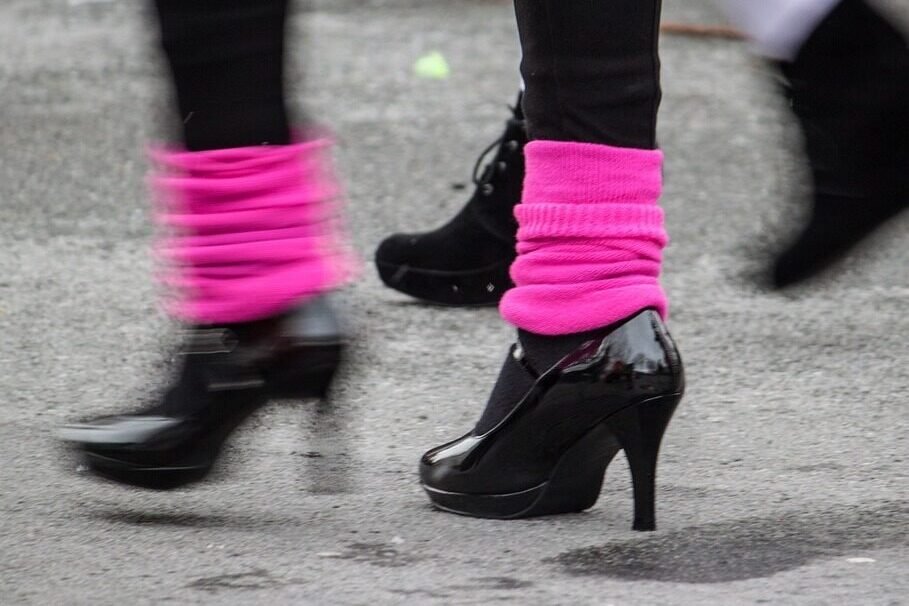
Originally designed for dancers, leg warmers migrated into daily outfits. People wore them with sneakers, heels and just about anything else. They were bright, cozy and undeniably visible. Function quickly became secondary.
Outside of dance studios, their purpose was always a bit unclear. They added bulk without real warmth. Now they read more as costume pieces than practical clothing. The context that made them make sense has mostly disappeared.
9. Rubik’s Cube Obsession
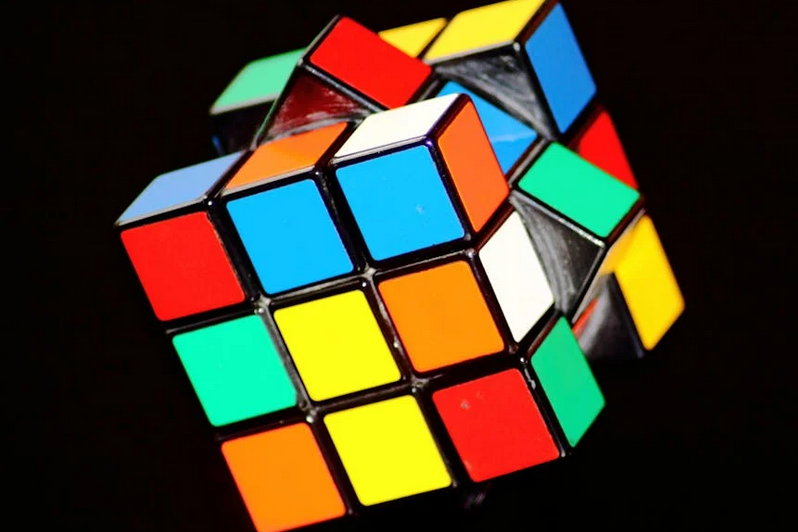
The Rubik’s Cube turned problem-solving into a cultural phenomenon. Everyone either had one or desperately wanted one. Solving it felt like a badge of intelligence and patience. Unsolved cubes sat on desks everywhere.
Once the novelty passed, many cubes stayed scrambled forever. The frustration outweighed the satisfaction for most people. Today, it feels more like a novelty toy than a life-consuming challenge. The intensity of the obsession is hard to recreate.
10. Acid-Wash Denim

Acid-wash jeans looked bold and edgy when they first appeared. The uneven bleaching made every pair feel unique. They were everywhere, from jackets to skirts. It was denim turned up to maximum volume.
Now the look feels harsh and overly processed. The contrast draws attention in a way that feels dated. Simpler washes have aged far better. Acid wash now signals a very specific moment in time.
11. Fingerless Lace Gloves
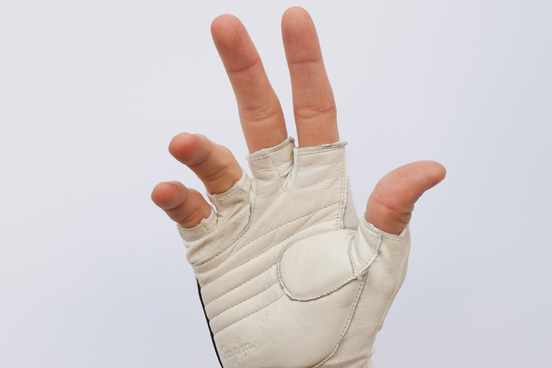
These gloves were meant to feel rebellious and fashion-forward. They appeared in music videos and quickly filtered into everyday wear. People paired them with everything, regardless of practicality. Style was the only goal.
In reality, they served no functional purpose. They did not keep hands warm or protected. Today they feel more theatrical than stylish. The drama outweighs the usefulness by a wide margin.
12. Phone Book Hoarding

Phone books arrived automatically and piled up without question. Homes kept multiple copies, just in case. Flipping through pages felt like the only way to find anything. It was a routine part of life.
Now the sheer volume seems absurd. Digital search has replaced the need entirely. The idea of storing outdated contact information feels wasteful. It is one of those habits that vanished almost overnight.
13. TV Antenna Adjusting Rituals
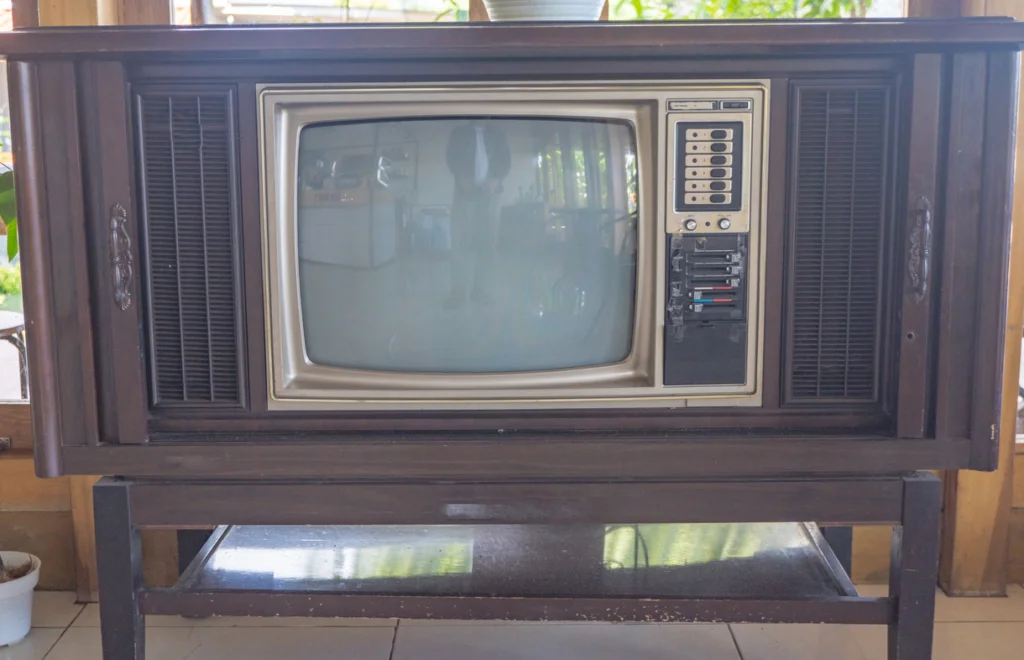
Getting good reception required patience and negotiation. Someone always had to stand near the TV holding the antenna just right. Families shouted instructions from the couch. It was oddly communal.
Today, the whole process feels unnecessarily complicated. Clear signals are expected, not earned. The ritual itself is almost forgotten. It is strange how normal it once felt.
14. Cabbage Patch Kid Frenzy
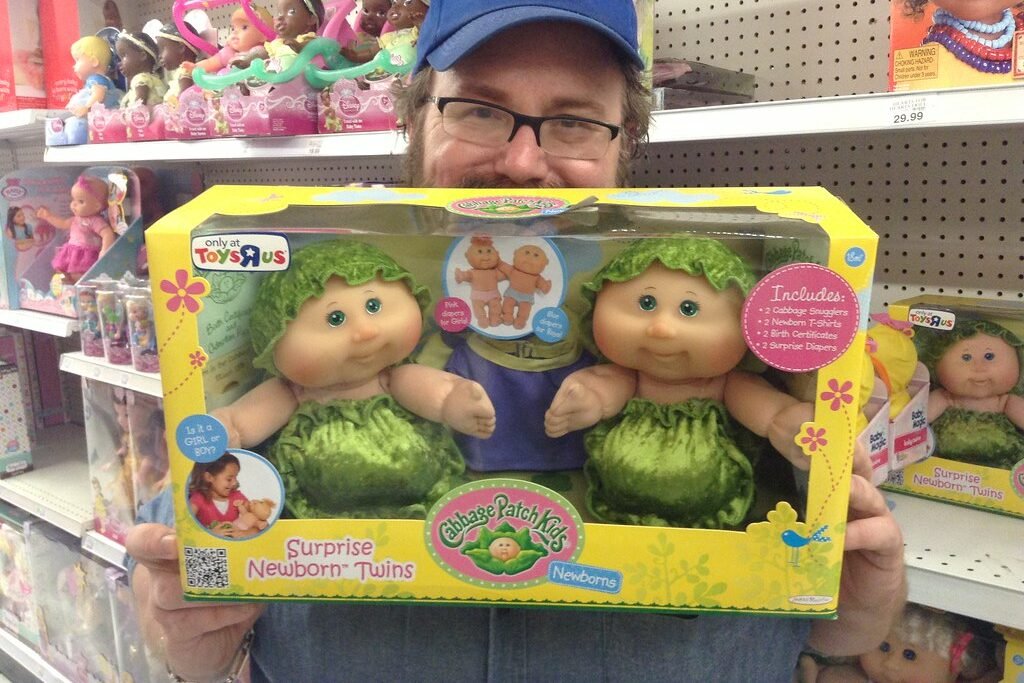
These dolls inspired intense devotion and even stronger competition. Parents lined up for hours hoping to find one. Each doll felt personal, complete with a name and adoption papers. It was more than a toy.
Looking back, the scale of the frenzy seems extreme. The dolls themselves were simple. The emotional investment was enormous. It is hard to imagine a toy causing that level of chaos now.
15. Recording Songs Off the Radio
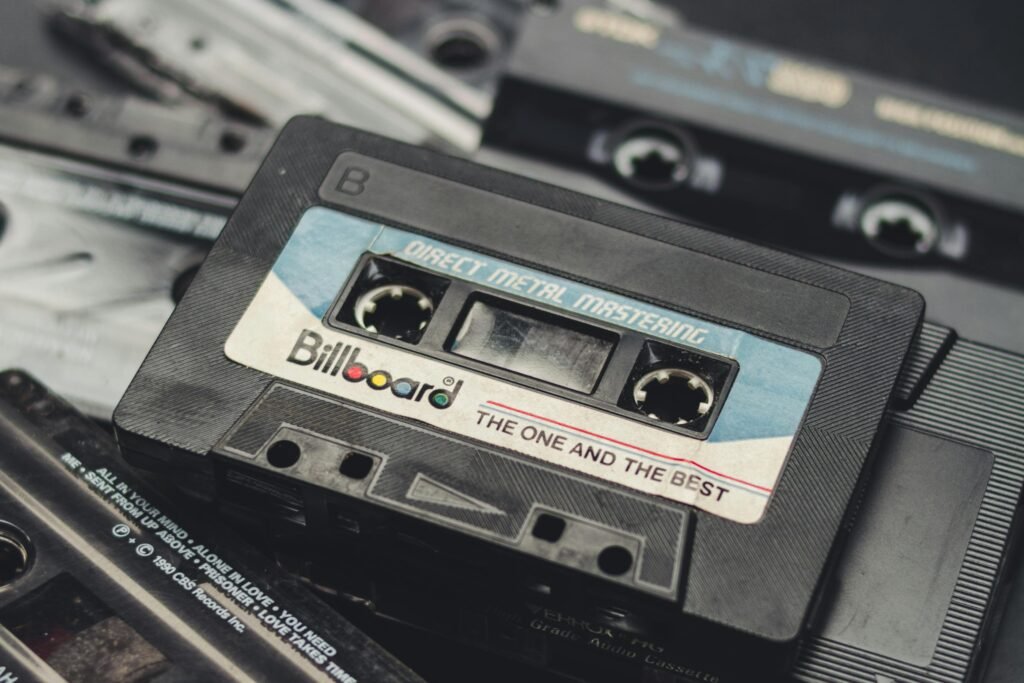
Timing a recording perfectly felt like a true skill. You waited through chatter and commercials, finger hovering over the button. Catching the full song felt like a small victory. Imperfections were part of the charm.
Now, instant access makes that effort feel unnecessary. The patience required seems excessive by modern standards. Interruptions would be unacceptable today. It is a habit that no longer fits how we listen to music.