
1. Fashion Watches as Personality Statements
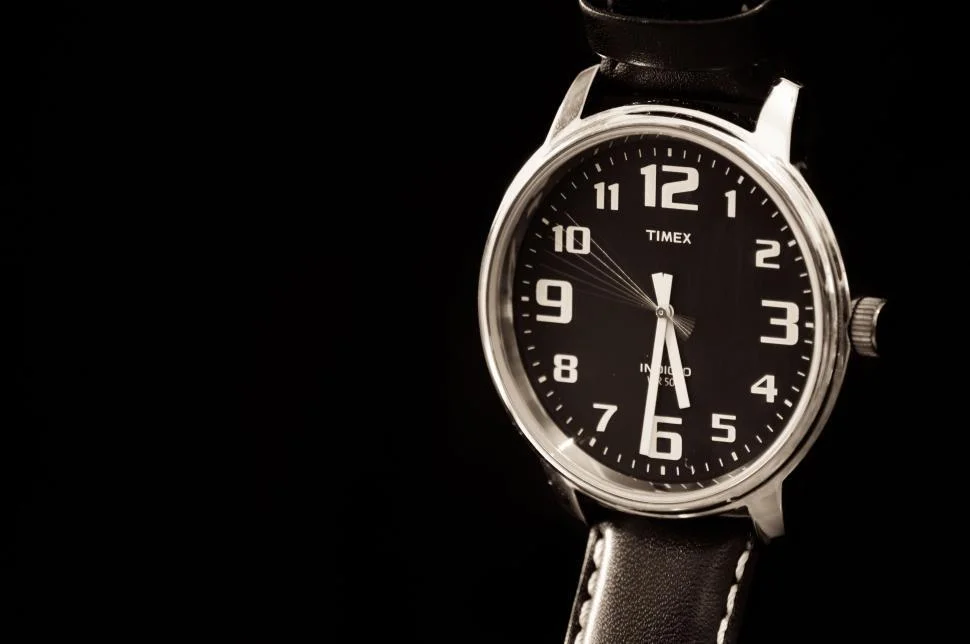
Watches were not just for telling time in the ’80s, they were a declaration. The style you wore was supposed to say something specific about who you were. Swapping bands or faces felt meaningful, not frivolous. Some people owned several and rotated them carefully depending on mood or outfit.
They were noticed and openly admired. A new watch often sparked conversations. It felt like an extension of your identity rather than an accessory. Looking back, it is surprising how much emotional weight we gave them.
2. Leg Warmers as Everyday Fashion
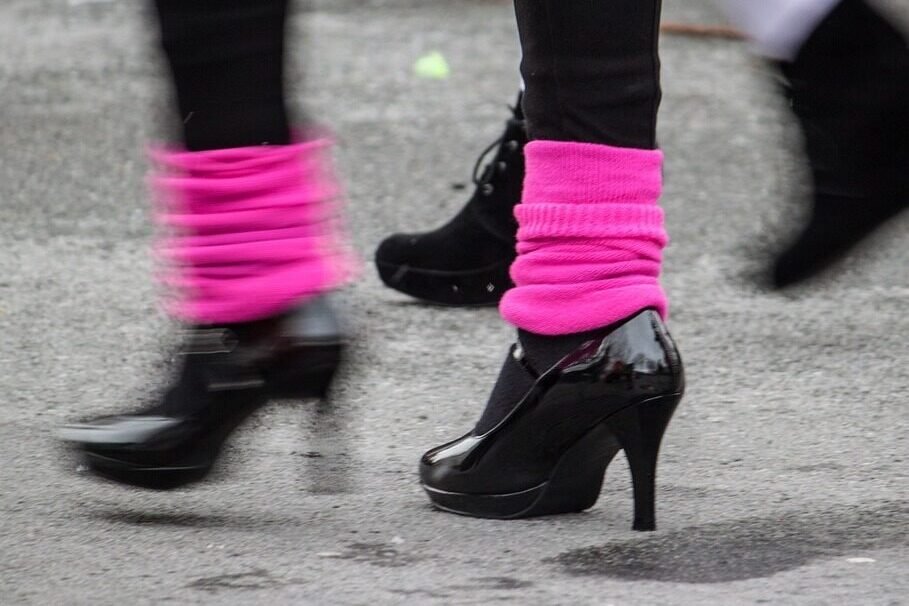
Leg warmers were not just for dancers or aerobics instructors, they were a real wardrobe choice. People wore them to school, the mall, and sometimes even to work without a second thought. They came in every color imaginable and were often layered over jeans or tights. The goal seemed to be looking active even if you were just standing around.
They were treated as practical too, as if everyone’s calves were constantly at risk of getting cold. Entire outfits were planned around them, usually involving oversized sweatshirts. Looking back, it is funny how serious everyone was about getting the right pair. At the time, though, leg warmers felt like a lifestyle commitment.
3. Rubik’s Cubes as a Measure of Intelligence

Solving a Rubik’s Cube was treated like proof that your brain worked on a higher level. If you could do it quickly, people genuinely looked impressed. Those who could not solve it often carried one around anyway, hoping persistence would pay off. It was part puzzle, part status symbol.
People practiced specific moves as if training for an exam. The cube went everywhere, to school desks, car rides, and family gatherings. It was not just a toy, it was a challenge to your self worth. Even unfinished cubes were displayed proudly, as if effort alone counted.
4. Shoulder Pads in Everything
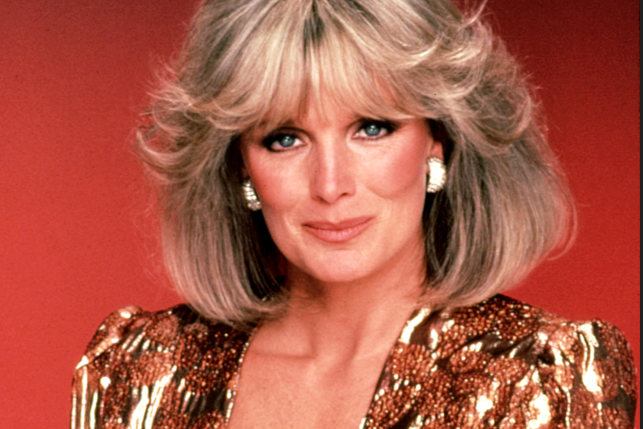
Shoulder pads did not stop at suits, they showed up in sweaters, dresses, and even casual tops. The idea was to look powerful and put together at all times. Bigger shoulders meant more authority, or at least that was the theory. No one questioned why everyday errands required such dramatic structure.
People accepted the boxy silhouettes as flattering and modern. Entire closets were built around this shape. Taking the pads out felt almost rebellious. At the time, though, they symbolized confidence and success.
5. Big Hair as a Personal Responsibility

Hair was not just styled, it was engineered. People spent serious time teasing, spraying, and sculpting every morning. A can of hairspray was as essential as a toothbrush. Flat hair was seen as a personal failure.
Weather conditions were monitored closely because humidity could ruin everything. Hair routines took planning and commitment. Compliments were often about volume first, style second. The effort felt necessary, not excessive.
6. Acid Wash Jeans as High Fashion

Acid wash jeans were worn with complete sincerity. The uneven bleaching was considered edgy and cool. People paid extra for jeans that already looked worn out. The more dramatic the pattern, the better.
They were paired with anything from blazers to graphic tees. No one questioned whether the look would age well. At the time, it felt modern and bold. Those jeans were worn proudly until they practically fell apart.
7. Matching Tracksuits for Daily Life

Tracksuits were not limited to workouts or lounging. People wore them to run errands, meet friends, and even travel. Matching tops and bottoms felt polished in a strange way. Comfort and style were treated as the same thing.
Bright colors and shiny fabrics were especially popular. Wearing the full set mattered, mixing pieces felt wrong. It was an outfit that announced effort while pretending to be effortless. No one laughed at it then.
8. Cassette Mix Tapes as Emotional Documents
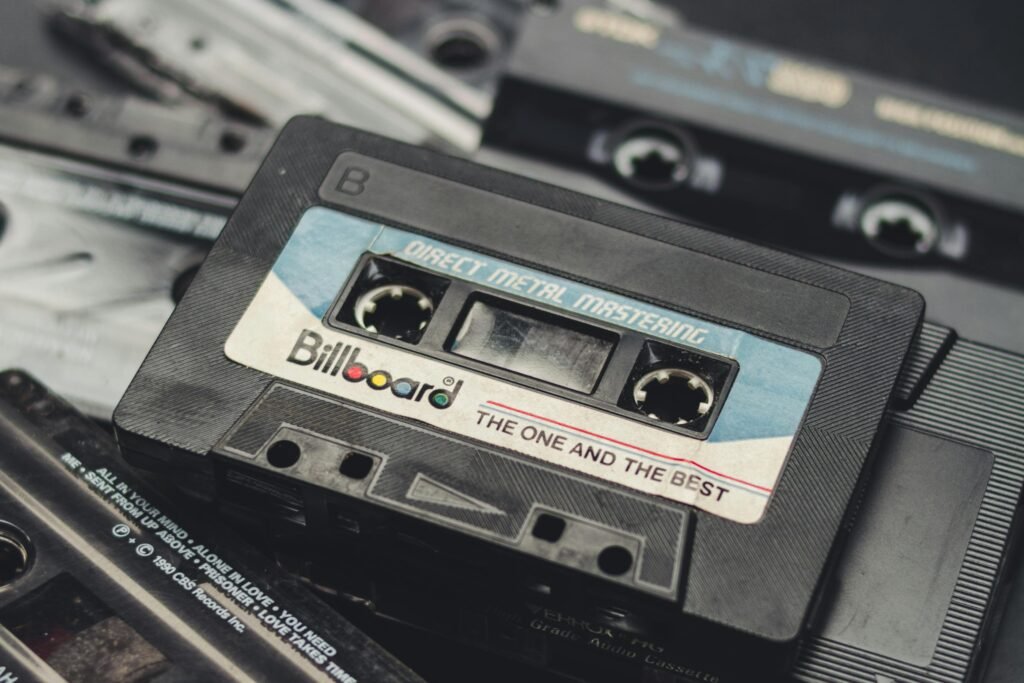
Making a mix tape was taken very seriously. Song order mattered and could take hours to perfect. Each tape told a story, usually about feelings you could not say out loud. Giving one to someone was a big deal.
People rewound and rerecorded endlessly to avoid gaps. Handwritten labels were carefully designed. A bad mix could ruin your reputation. These tapes were treated like personal artifacts, not just music collections.
9. Power Dressing for Everyday Jobs
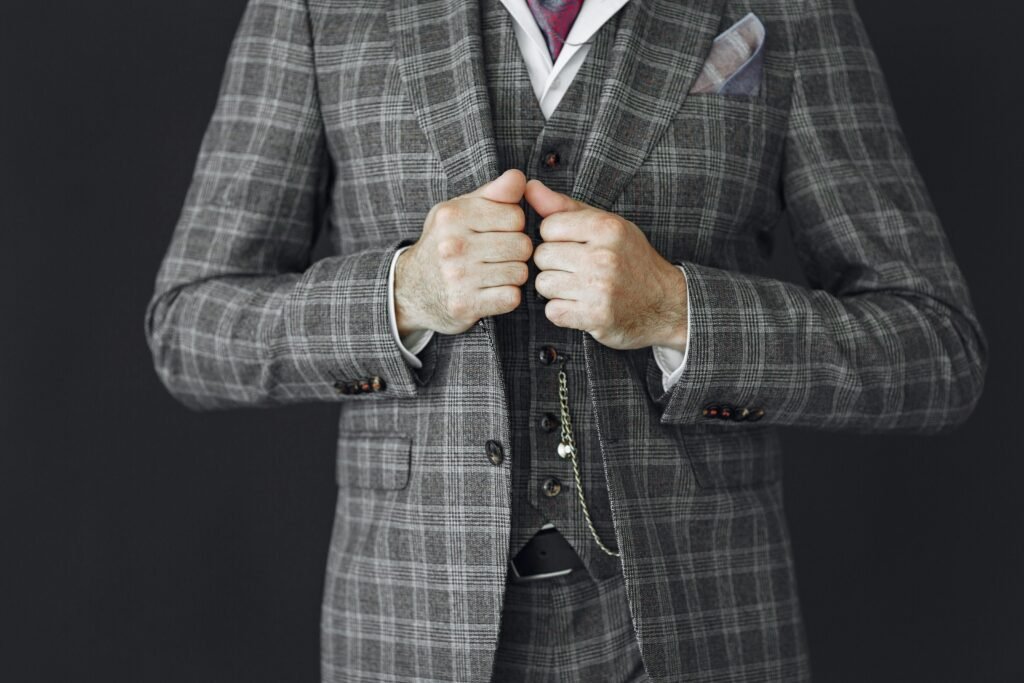
Even ordinary office jobs required dramatic outfits. Structured suits and bold accessories were the norm. Clothes were meant to project ambition at all times. Casual wear had very little place in professional settings.
People believed dressing the part could change their future. Outfits were chosen with long term goals in mind. It felt logical to dress like a boss before becoming one. That seriousness shaped an entire decade of workwear.
10. Owning the Latest Home Electronics
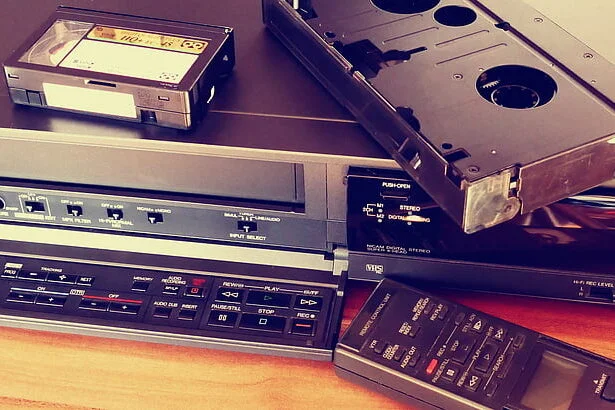
VCRs, answering machines, and stereo systems were major status symbols. People talked about features the way others talk about cars. Having the newest model mattered. Guests were often given demonstrations.
Instruction manuals were read carefully and saved. These devices were treated with respect and caution. Using them correctly felt important. Technology felt impressive and serious, not disposable.
11. Wearing Workout Clothes Without Working Out
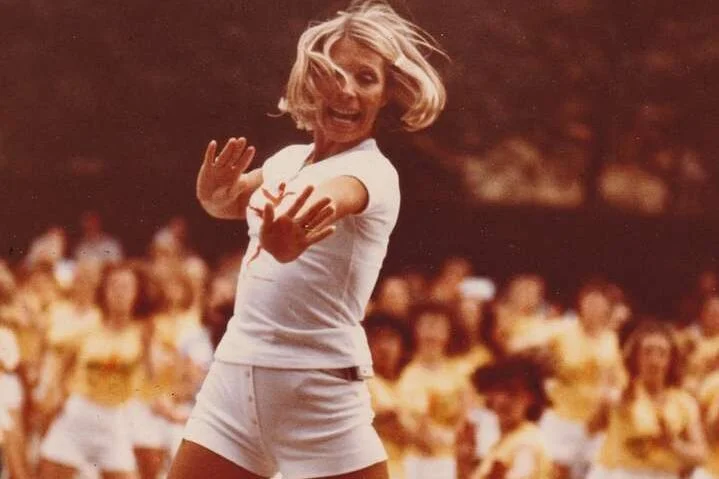
Athletic wear became everyday clothing even for people who never exercised. Sneakers, sweatbands, and gym shorts showed up everywhere. Looking active was almost more important than being active. Fitness was a look as much as a habit.
People committed to the aesthetic fully. Outfits suggested dedication and discipline. No one questioned the contradiction. The image alone felt meaningful.
12. Mall Culture as a Weekly Ritual

Going to the mall was not casual, it was planned. People dressed up for it and met friends there regularly. It was treated as a social event, not just shopping. Time was set aside specifically for wandering.
You expected to see people you knew. Stores were visited in a certain order. Food court decisions were debated seriously. The mall felt like the center of everything.
13. Collecting Anything Branded

If something had a logo or character, it felt worth owning. Collections were built around cartoons, soda brands, and TV shows. Displaying them mattered just as much as having them. This was treated as a real hobby.
People kept items in pristine condition. Shelves were arranged carefully. It was not about irony or nostalgia yet. It was about genuine enthusiasm.
14. Self Help Trends with Big Promises

Books and seminars promised total life transformation. People followed advice with real dedication. Positive thinking was treated as a solution to everything. Skepticism was minimal.
Mantras were repeated and journals were kept. These ideas were discussed seriously with friends. Change felt achievable if you followed the rules. The optimism was sincere.
15. Video Game Skills as Social Currency
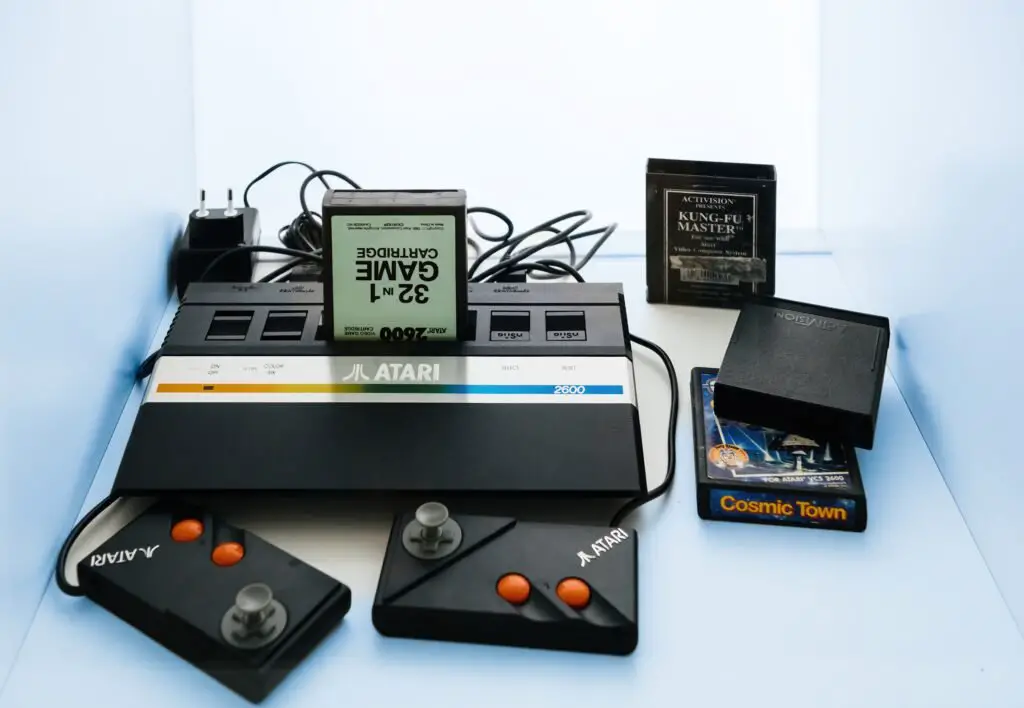
Being good at arcade or home video games earned real respect. High scores were memorized and shared. Friends gathered to watch someone play well. Skill mattered more than graphics.
Games were practiced like sports. Strategies were discussed in detail. Losing meant starting over without complaint. It all felt very important at the time.