1. Shoulder Pads
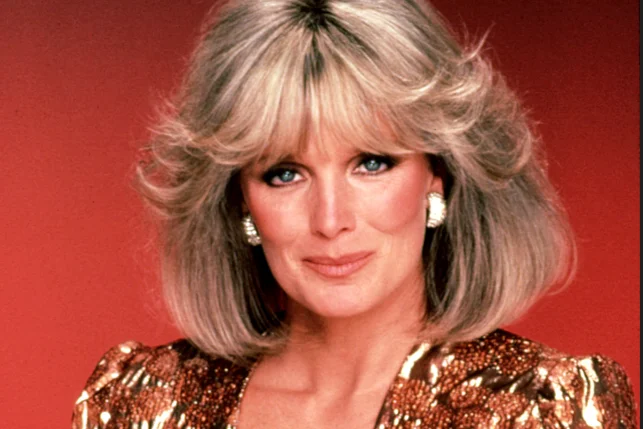
There was a time when bigger shoulders meant bigger confidence. Shoulder pads turned blazers, dresses, and even sweaters into statements of authority. They made people feel taller, sharper, and more in control. For many, they felt like built in confidence.
Designers, TV shows, and magazines pushed the look relentlessly. You could not watch a prime time drama without seeing exaggerated shoulders everywhere. Eventually, the rigid shape began to feel dated. Softer silhouettes slowly replaced the padded look.
2. Acid Wash Jeans

Acid wash jeans felt rebellious and modern the moment they appeared. The dramatic contrast made denim look bold instead of basic. Wearing them suggested you were plugged into youth culture. They instantly stood out in a crowd.
For a while, they seemed unstoppable in malls and catalogs. Nearly every denim brand offered a version. Over time, the harsh patterns became harder to style. Clean, classic denim made a quiet comeback.
3. Neon Everything
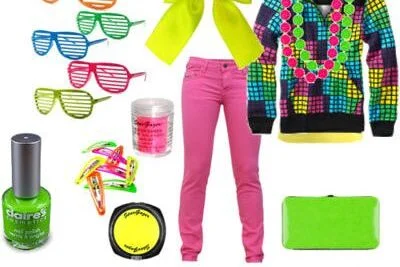
Neon colors were loud, playful, and impossible to miss. Sweatshirts, socks, accessories, and even makeup glowed in electric shades. Wearing neon felt energetic and fearless. It was fashion designed to be noticed.
At the time, the brightness felt timeless and fun. Music videos and aerobics culture kept it alive. Eventually, eyes got tired of the intensity. Softer colors took over everyday wardrobes.
4. Parachute Pants
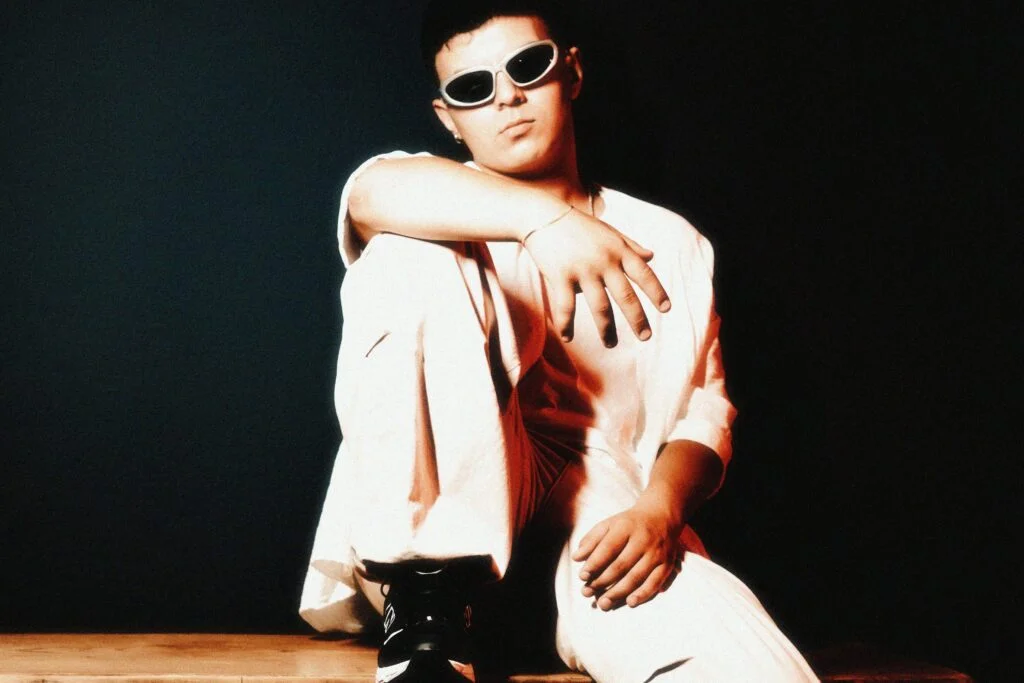
Parachute pants promised comfort and movement with a futuristic edge. The lightweight fabric felt different from traditional pants. They became closely tied to dance culture and pop music. Wearing them felt trendy and athletic.
For a moment, they seemed like the future of casual wear. The zippers and shiny material added excitement. Over time, the noise and stiffness became annoying. Simpler pants replaced them.
5. Big Hair with Hairspray
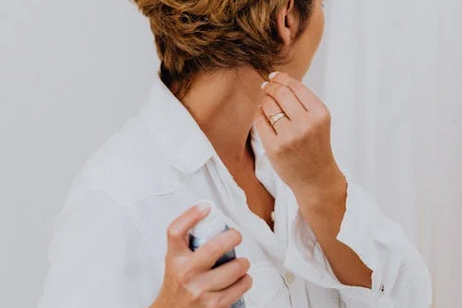
Big hair was not optional in the ’80s. Volume was everything, and hairspray was a daily necessity. The bigger the hair, the more confident it seemed. It felt glamorous and powerful.
Celebrities and everyday people committed fully to the look. Teasing and spraying became routine. Eventually, the maintenance became exhausting. Natural textures returned to favor.
6. Leg Warmers
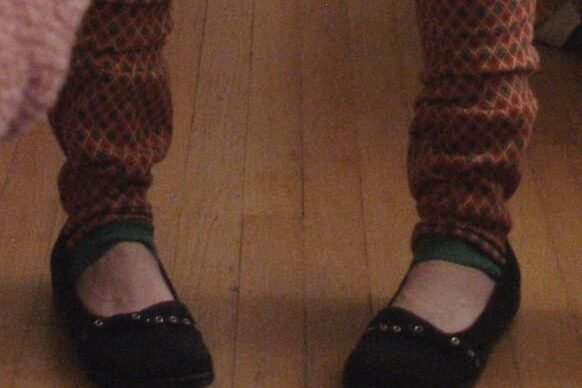
Leg warmers started as dancewear but quickly crossed into everyday fashion. They added color and personality to simple outfits. Wearing them felt sporty and creative. They worked with jeans, leggings, and skirts.
Movies and music videos made them feel essential. For a while, everyone owned at least one pair. Eventually, they began to look costume like. They faded back into niche use.
7. Power Suits
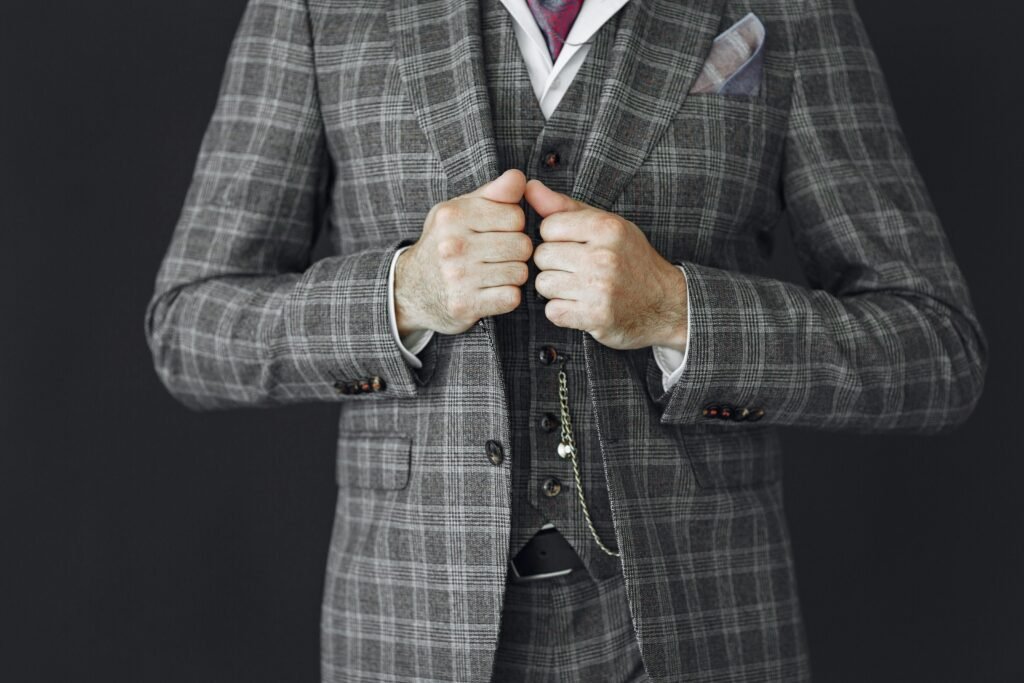
Power suits symbolized ambition and authority. Strong tailoring and bold colors sent a clear message. Wearing one felt professional and commanding. Fashion finally matched career goals.
At the time, it felt like workwear had permanently changed. Offices were expected to look sharp and structured. Later, dress codes relaxed. Comfort and individuality gained priority.
8. Fingerless Gloves
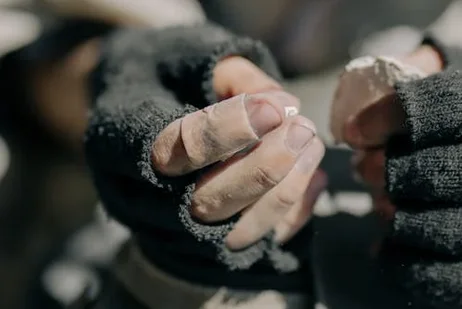
Fingerless gloves added edge to almost any outfit. They suggested rebellion and creativity. Pop stars helped make them iconic. Wearing them felt expressive and cool.
They seemed versatile enough to last. You could wear them casually or as a statement. Over time, they felt unnecessary. Fashion moved toward cleaner looks.
9. Oversized Sweaters
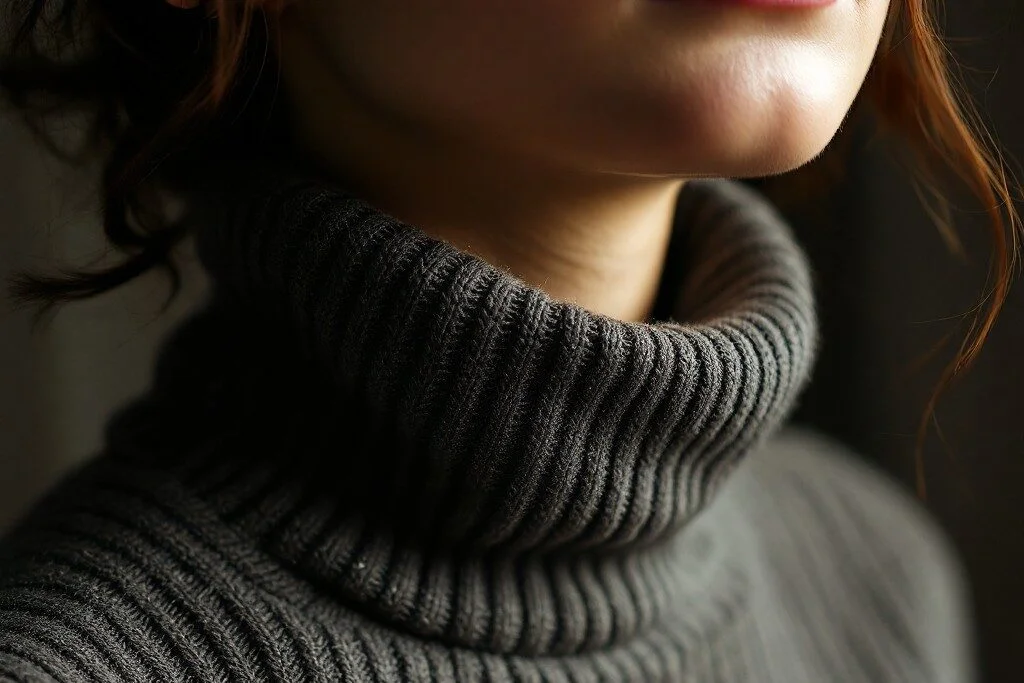
Oversized sweaters felt cozy and effortlessly stylish. They could be worn slouchy or belted for shape. Comfort finally felt fashionable. The look felt relaxed but intentional.
Because they were easy to wear, they felt permanent. They dominated casual wardrobes for years. Eventually, silhouettes shifted again. Fitted styles regained popularity.
10. Stirrup Pants
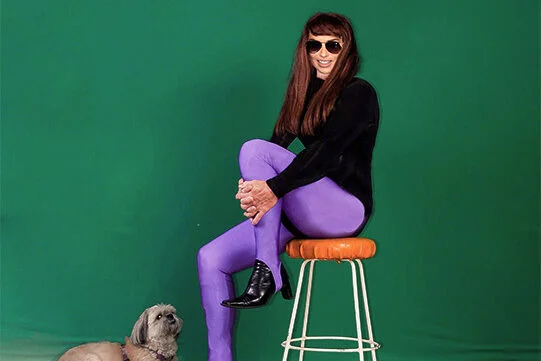
Stirrup pants were seen as sleek and practical. The strap kept the fabric perfectly in place. They were popular for workouts and everyday wear. The look felt streamlined and modern.
At first, they seemed like a smart innovation. No more bunching at the ankle. Over time, the strap became irritating. Simpler leggings won out.
11. Jelly Shoes
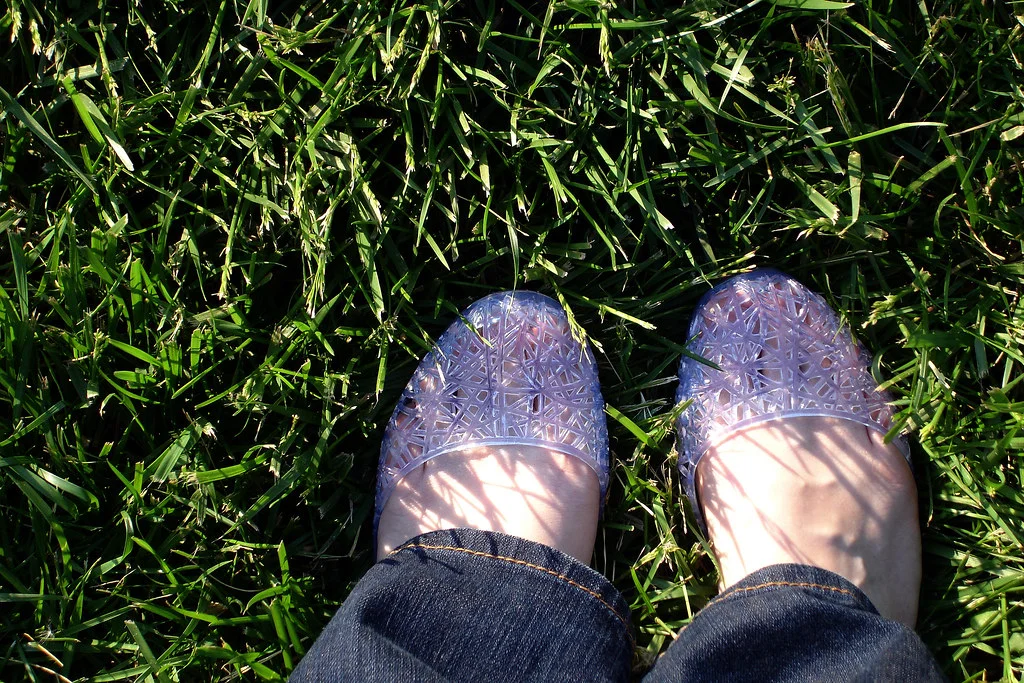
Jelly shoes were colorful, playful, and unmistakably ’80s. They came in bright shades and smelled faintly like plastic. Wearing them felt youthful and fun. They were especially popular in summer.
They seemed like a perfect novelty trend. Both kids and adults embraced them. Eventually, comfort issues became obvious. Practical shoes replaced them.
12. Graphic Logo Tees
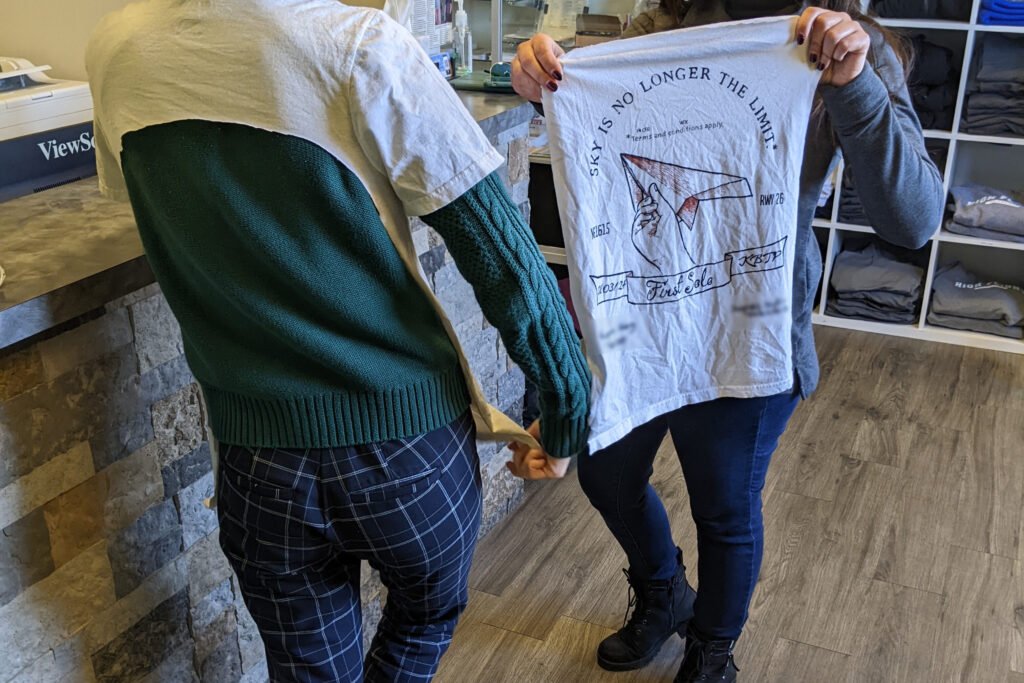
Big logo tees proudly displayed brands and identities. Wearing one felt like belonging to a group. Logos became fashion statements. The bigger, the better.
For a while, branding felt essential to style. Clothing doubled as advertising. Later, minimalism pushed back. Quiet designs felt more timeless.
13. High Waisted Everything
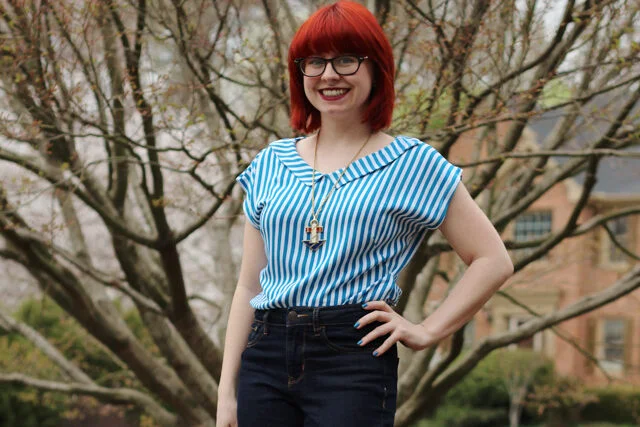
High waisted jeans, skirts, and shorts defined the decade. They created a recognizable silhouette. The style paired perfectly with tucked in tops. It felt flattering and polished.
Because it worked for so many outfits, it felt permanent. Low rise styles later challenged that idea. Fashion shifted dramatically. High waists would return years later.
14. Statement Belts

Wide belts cinched waists and completed outfits instantly. They added structure and drama. Wearing one felt intentional. Accessories took center stage.
For a while, outfits felt unfinished without one. The look was bold and expressive. Eventually, simpler accessories took over. Statement belts faded.
15. Metallic Fabrics
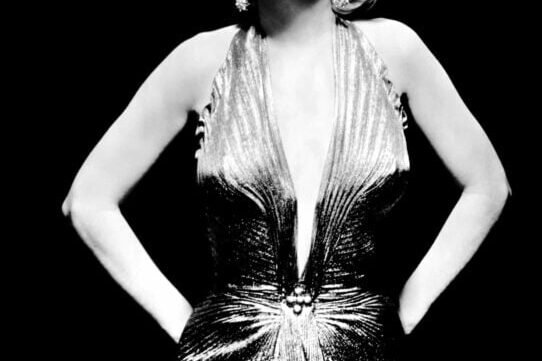
Metallic fabrics made outfits feel futuristic. Shiny tops and skirts caught the light and attention. Wearing them felt daring and glamorous. The future seemed bright and stylish.
At the time, it felt like fashion was heading permanently in that direction. Everything was sleek and reflective. Eventually, the shine felt excessive. Metallics became occasional accents instead.