
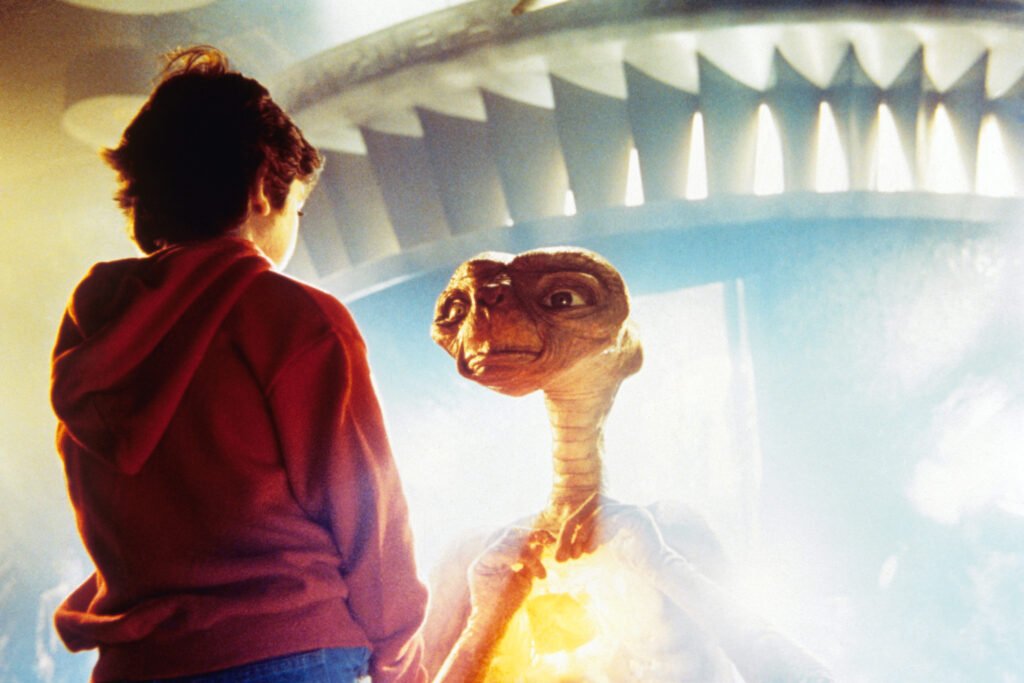
1. E.T. the Extra-Terrestrial
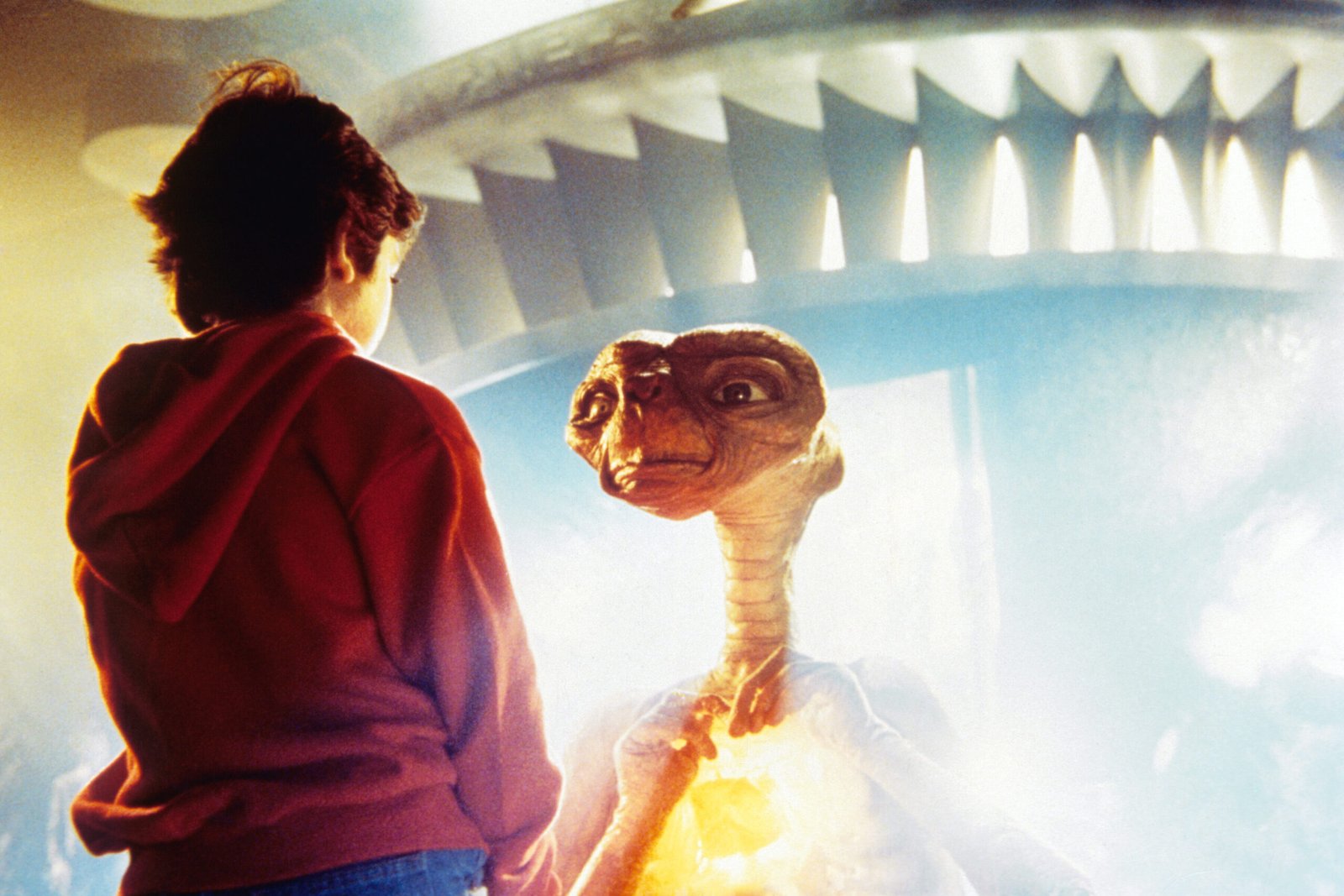
When E.T. the Extra-Terrestrial arrived in 1982, it felt like everyone in America went to see it at least once, and many people went back multiple times. Steven Spielberg’s gentle alien story managed to make audiences cry, laugh, and believe in a glowing-fingered visitor from the stars. Kids begged for E.T. toys, lunchboxes, and anything else they could get their hands on. The image of the bicycle flying across the moon became an instant piece of pop culture shorthand.
What really made it feel like a milestone was how it changed the way studios looked at family films and summer blockbusters. It proved that a movie could be huge without being cynical or overly flashy. Parents and kids genuinely shared the experience together, which was not always the case at the time. Even decades later, many people still remember exactly where they were when they first saw it.
2. Back to the Future
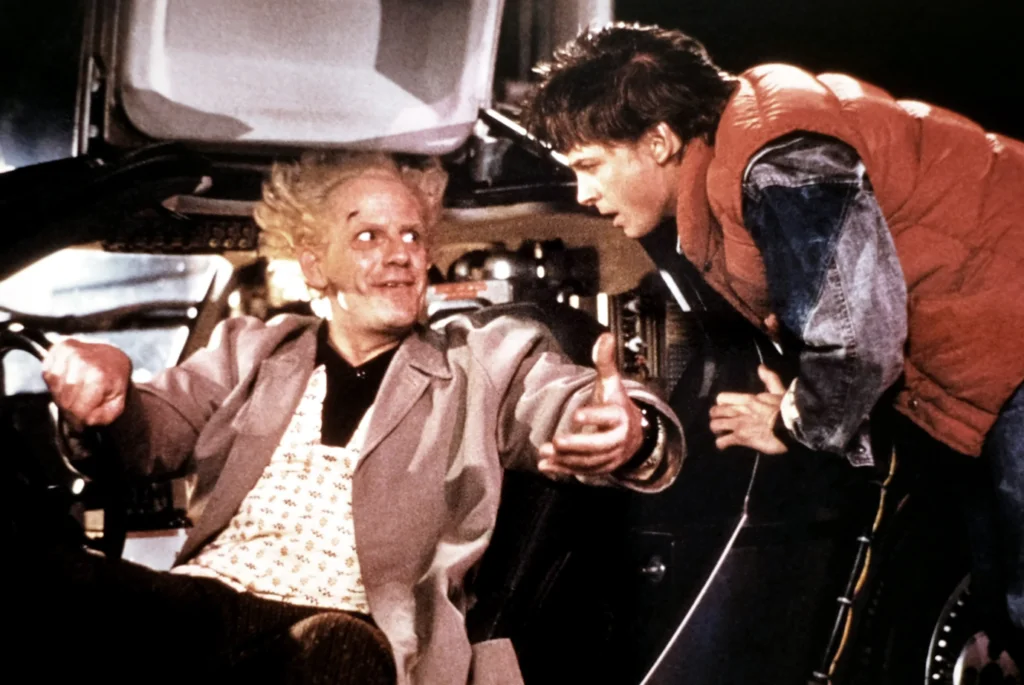
In 1985, Back to the Future felt like a lightning bolt of fun and imagination. The idea of a teenager accidentally traveling back in time to meet his parents was instantly relatable and wildly entertaining. Michael J. Fox and Christopher Lloyd created a duo that audiences immediately adored. The DeLorean itself became a pop culture icon almost overnight.
The movie also tapped into a growing fascination with nostalgia and the idea of rewriting your own past. People quoted lines, copied Doc Brown’s wild hair for Halloween, and debated what they would change if they had a time machine. It was the kind of movie everyone talked about on Monday morning. Even now, it still feels like one of the defining adventure films of the decade.
3. Ghostbusters
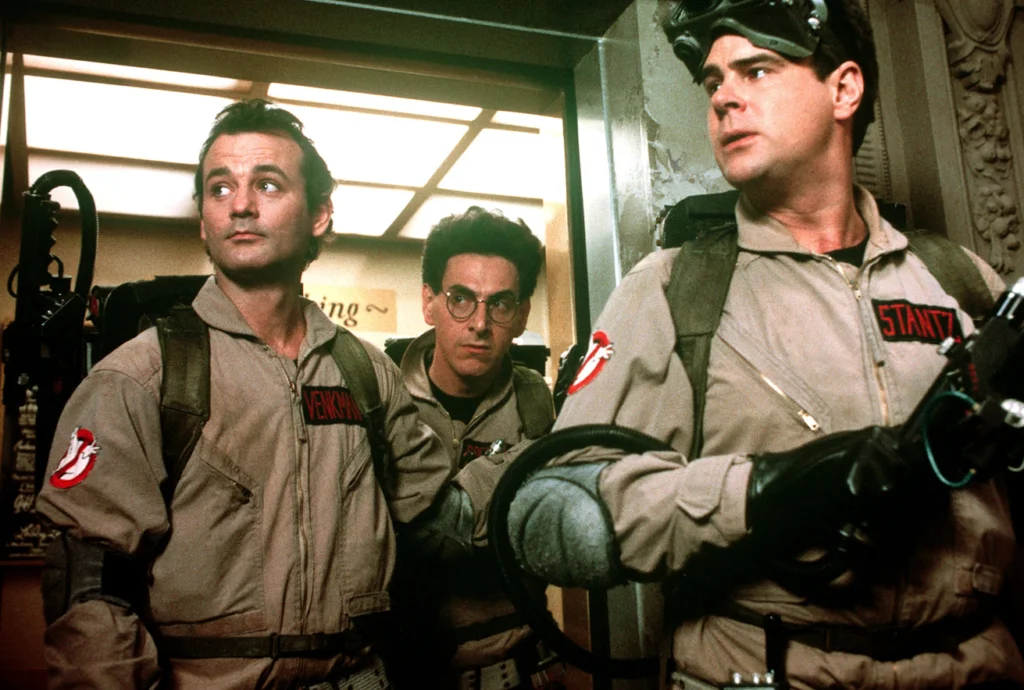
When Ghostbusters hit theaters in 1984, it felt like comedy and special effects collided in the best possible way. The mix of sarcastic humor, catchy theme song, and spooky visuals made it impossible to ignore. Kids ran around pretending to be ghost hunters with homemade proton packs. Adults loved the smart jokes and Bill Murray’s dry delivery.
The phrase “Who you gonna call?” instantly became part of everyday conversation. It also helped prove that a big effects movie could still be genuinely funny and character driven. The Stay Puft Marshmallow Man became one of the strangest and most memorable movie monsters ever. For a while, it felt like the entire culture was slimed in a good way.
4. The Breakfast Club
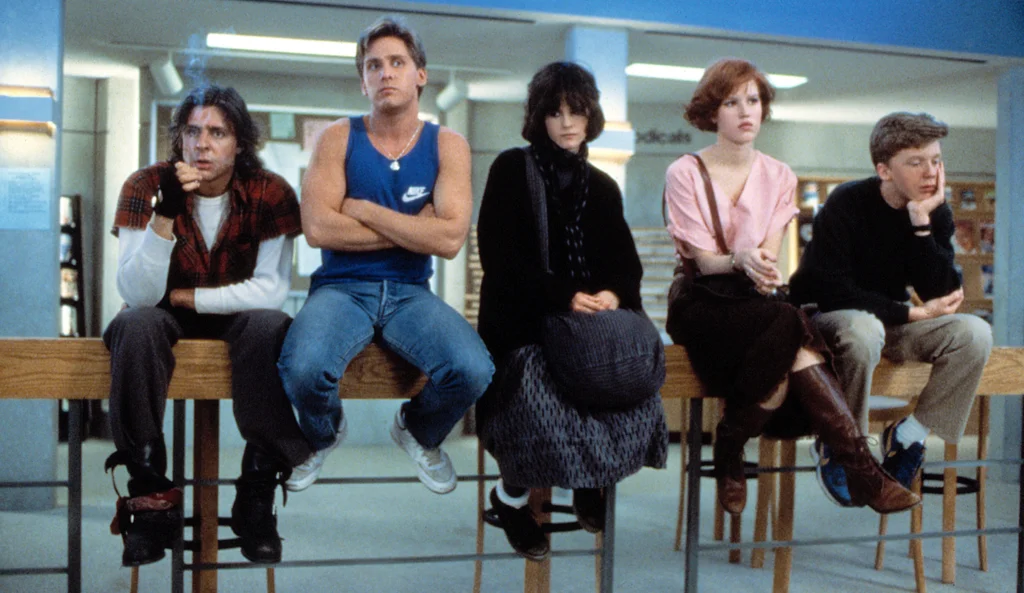
In 1985, The Breakfast Club spoke directly to teenagers in a way few movies had before. John Hughes captured the awkwardness, insecurity, and quiet longing of high school life with surprising honesty. Viewers saw pieces of themselves in each of the five students stuck in detention. The soundtrack, especially “Don’t You (Forget About Me),” became inseparable from the film.
The movie helped define how teen stories were told for years afterward. It treated young people as emotionally complex rather than cartoon stereotypes. Many fans still quote the dialogue and debate which character they relate to most. It felt less like a movie and more like a shared generational confession.
5. Top Gun
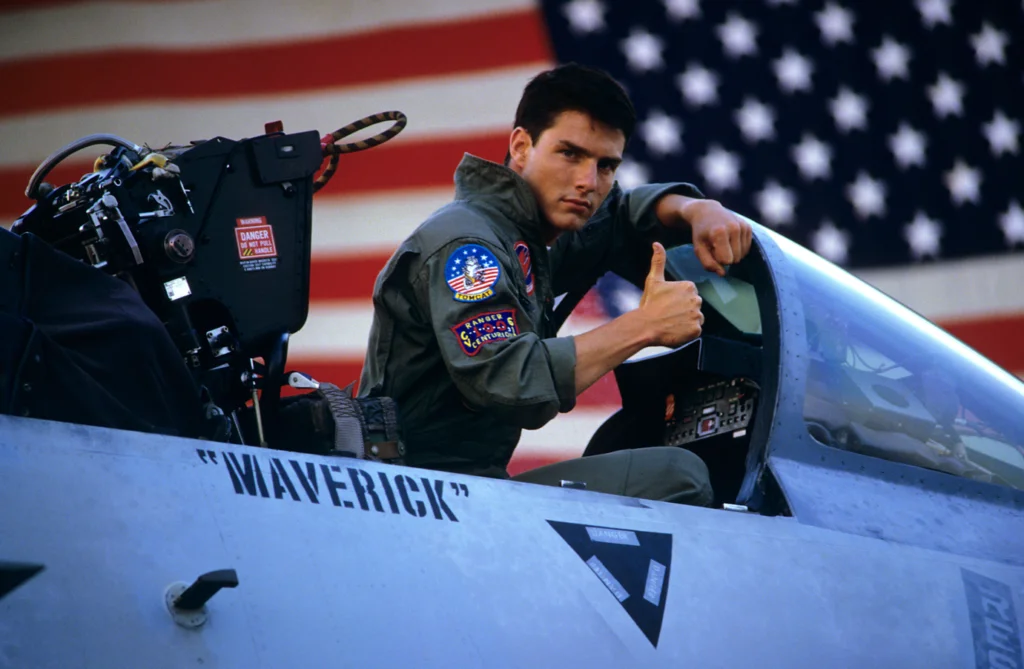
When Top Gun landed in 1986, it turned fighter pilots into rock stars overnight. The aerial photography felt thrilling and new, especially on a big theater screen. Tom Cruise became a full-fledged superstar almost instantly. The soundtrack dominated radio stations and cassette players everywhere.
The movie also influenced fashion, from aviator sunglasses to leather jackets. Navy recruitment reportedly surged, showing how powerful the movie’s cultural pull really was. Lines and scenes were endlessly quoted and parodied. For a while, it felt like everyone wanted to ride a motorcycle next to a runway at sunset.
6. Raiders of the Lost Ark

Raiders of the Lost Ark burst onto screens in 1981 and reminded audiences what pure adventure could feel like. Harrison Ford’s Indiana Jones was rugged, funny, and instantly iconic with his fedora and whip. The movie moved at a breathless pace that kept crowds glued to their seats. It felt like a modern update of classic serials, only bigger and louder.
The film reignited interest in old-school adventure storytelling. Kids played treasure hunters in their backyards and schoolyards. The boulder chase became one of the most referenced action scenes of the decade. It set a template for blockbuster pacing that studios chased for years.
7. The Karate Kid
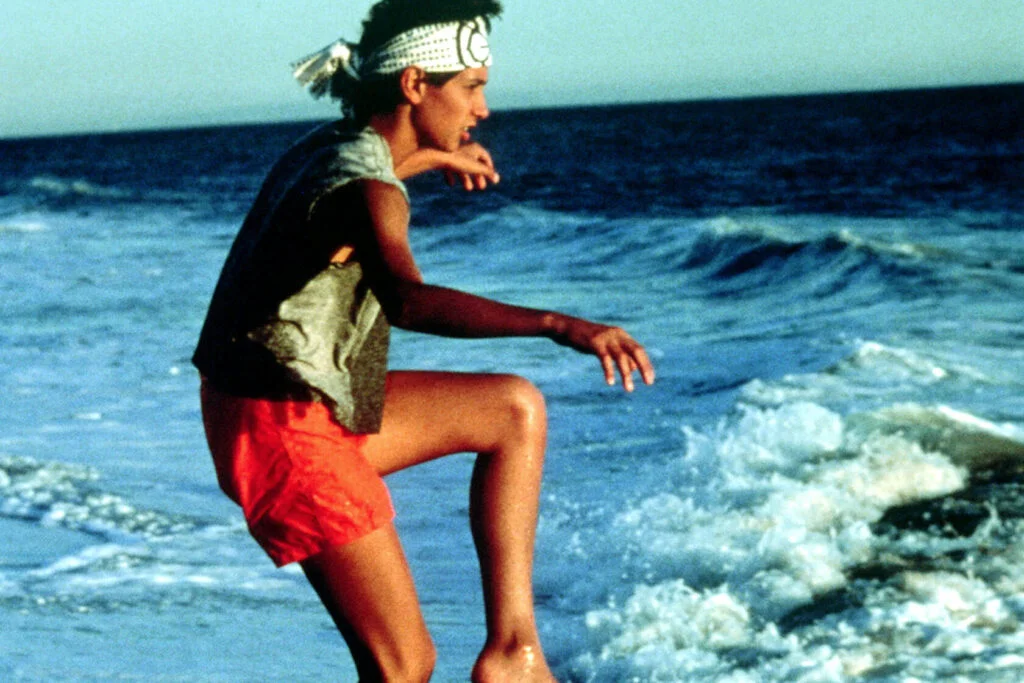
In 1984, The Karate Kid quietly became one of the most inspiring crowd-pleasers of the decade. The underdog story of Daniel learning discipline and confidence resonated with kids and adults alike. Mr. Miyagi’s calm wisdom gave the movie surprising emotional depth. “Wax on, wax off” quickly entered everyday vocabulary.
The final tournament scene had audiences cheering like it was a real sporting event. Many viewers walked out wanting to learn karate or at least practice balance in their living rooms. The movie proved that heart could matter just as much as spectacle. It created a legacy that has lasted far beyond the ’80s.
8. Batman
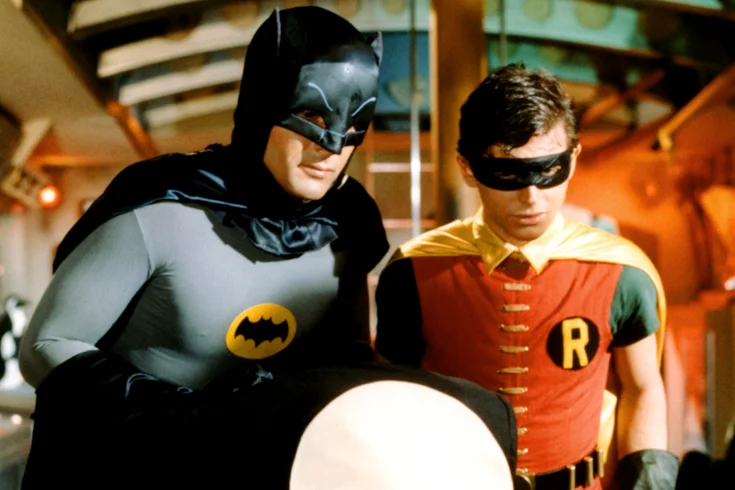
Tim Burton’s Batman arrived in 1989 and felt like a cultural takeover. The dark tone was a dramatic shift from the campy image many people associated with the character. Merchandise flooded stores, from T-shirts to cereal boxes. The Prince soundtrack was everywhere, adding to the sense that the movie was unavoidable.
Lines wrapped around theaters for weeks, and the Bat symbol became a fashion statement. It showed that comic book movies could be stylish, moody, and commercially massive. Jack Nicholson’s Joker left a lasting impression on pop culture villains. For a time, Gotham City felt like the center of the entertainment universe.
9. Die Hard
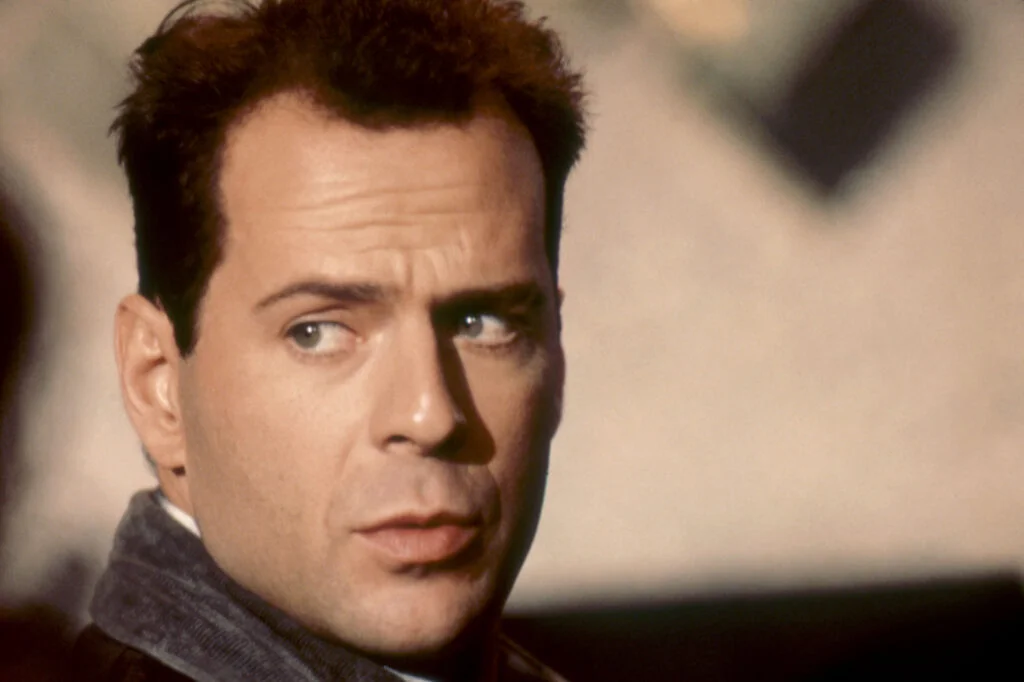
When Die Hard hit in 1988, it redefined what an action movie hero could look like. Bruce Willis played a vulnerable, sarcastic cop rather than an invincible muscle machine. The confined skyscraper setting made the tension feel personal and relentless. Audiences loved the blend of suspense and humor.
The movie quickly became a reference point for countless later action films. People still quote John McClane’s one-liners and debate its holiday-movie status. It raised the bar for pacing and clever set pieces. At the time, it felt like the action genre had suddenly leveled up.
10. Beverly Hills Cop
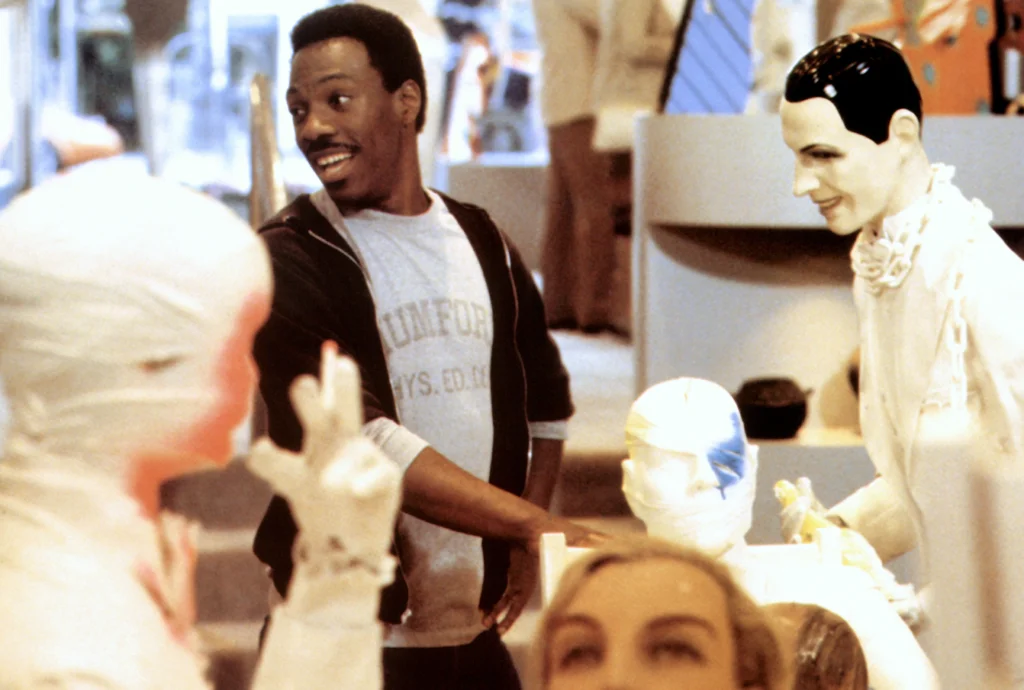
Beverly Hills Cop exploded onto screens in 1984 with Eddie Murphy’s unstoppable charisma. His fast-talking, fearless Axel Foley felt fresh and electric. The movie balanced comedy, action, and slick style in a way audiences had not quite seen before. The synth-heavy score became instantly recognizable.
Murphy’s star power soared almost overnight. The film crossed generational lines, appealing to teens, adults, and casual moviegoers alike. It helped shape the buddy-cop trend for the rest of the decade. For a while, Axel Foley felt like he was everywhere.
11. The Terminator

In 1984, The Terminator introduced a darker, more intense kind of science fiction action. Arnold Schwarzenegger’s relentless cyborg villain was genuinely intimidating. The idea of machines hunting humans from the future tapped into growing technological anxieties. James Cameron’s tight storytelling kept audiences on edge.
The movie’s catchphrases and imagery quickly seeped into pop culture. It showed that low-to-mid-budget sci-fi could still feel ambitious and polished. Fans debated the time-travel logic long after leaving the theater. It laid the groundwork for one of the most influential action franchises of all time.
12. Purple Rain
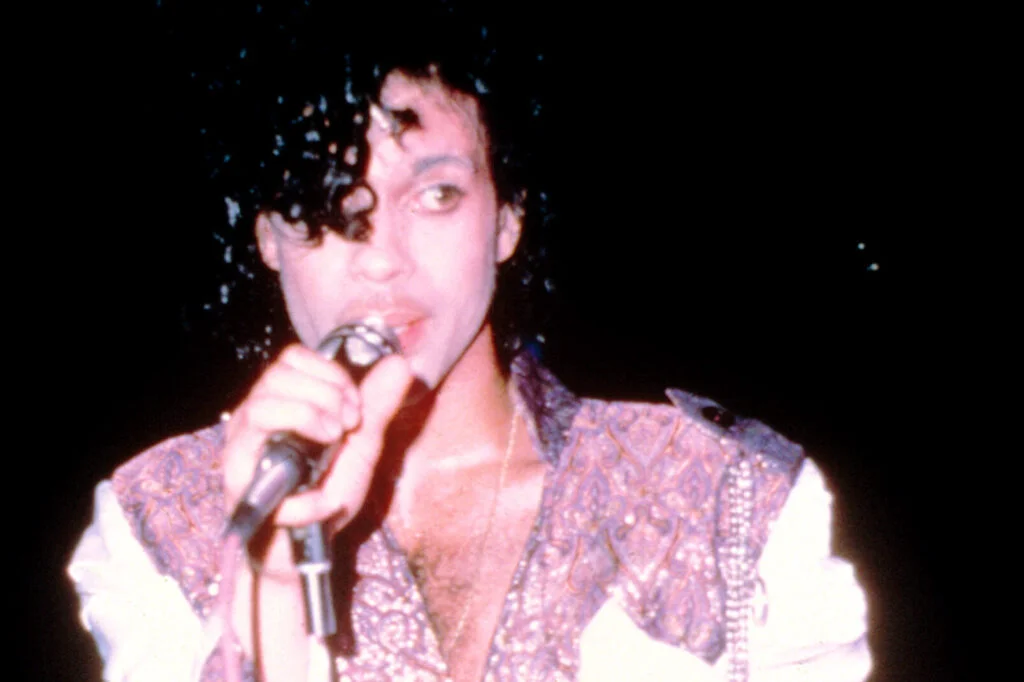
Purple Rain was not just a movie in 1984, it was a full-blown cultural event tied to Prince’s explosive popularity. The film blended music, romance, and personal drama in a way that felt raw and immediate. Songs from the soundtrack dominated charts and radio. Concert footage in the film made audiences feel like they were witnessing something special.
The movie helped solidify Prince as a generational icon. Fashion, hair, and attitude from the film influenced fans everywhere. It blurred the line between film and music stardom. For many viewers, it felt like being invited into a moment that defined the decade’s sound and style.
13. Ferris Bueller’s Day Off
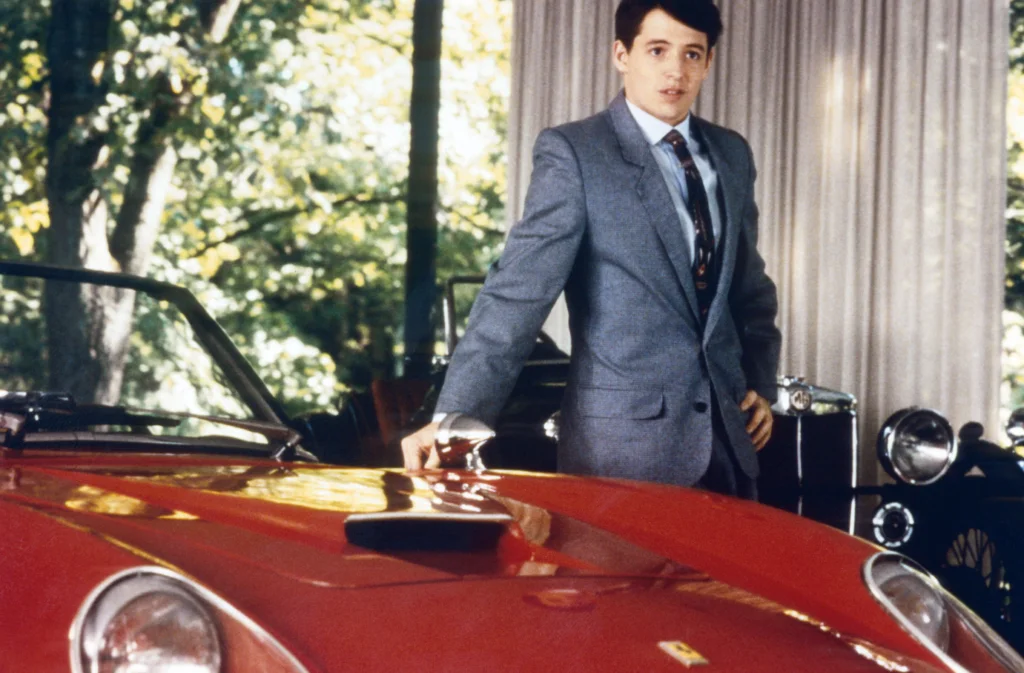
In 1986, Ferris Bueller’s Day Off captured the fantasy of skipping responsibility and savoring youth. Matthew Broderick’s mischievous charm made Ferris feel like a friend audiences wanted to hang out with. The Chicago parade scene became legendary almost instantly. The movie balanced humor with a surprising sense of reflection about growing up.
Viewers quoted the lines endlessly and dreamed of their own perfect day off. It celebrated freedom in a way that felt personal and joyful. The film also cemented John Hughes’ influence on teen storytelling. Even people who did not normally love comedies felt pulled into its playful spirit.
14. Who Framed Roger Rabbit
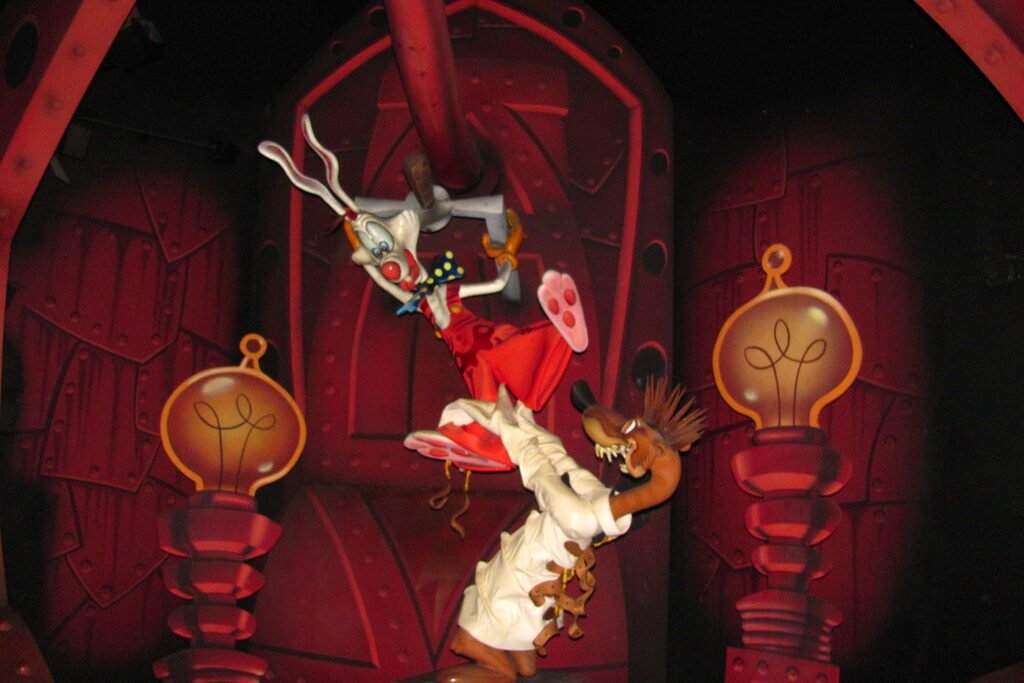
When Who Framed Roger Rabbit debuted in 1988, audiences were stunned by how seamlessly animation and live action blended together. Seeing classic cartoon characters share the screen with real actors felt magical. The technical achievement alone made it a must-see event. Kids loved the slapstick humor, while adults caught the noir-style jokes.
The movie felt like a celebration of animation history wrapped in a mystery story. It reminded viewers how powerful visual innovation could be in storytelling. The characters became instantly recognizable to a new generation. For many, it felt like watching the future of filmmaking unfold in real time.
15. Rain Man
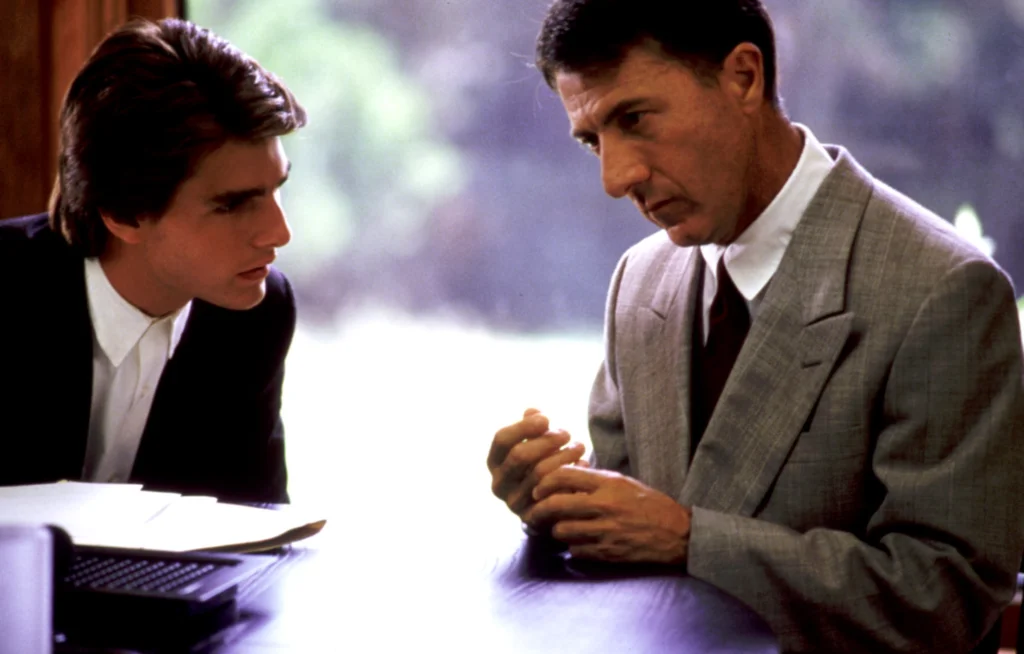
Rain Man arrived in 1988 and surprised many people with its emotional depth and mainstream success. Dustin Hoffman’s performance drew intense attention and conversation. The road-trip structure made the story accessible while still tackling complex themes. Tom Cruise showed a different, more vulnerable side of his screen persona.
The film sparked widespread discussions about autism, even if later perspectives would critique its portrayal. It dominated awards season and water-cooler conversations. Audiences left theaters talking about family, responsibility, and connection. At the time, it felt like one of those rare movies everyone seemed to have seen and discussed.