
1. Tiffany

In 1987, you couldn’t walk through a suburban mall without hearing the infectious synth-pop strains of “I Think We’re Alone Now.” Tiffany Darwish became the definitive face of the “mall tour” phenomenon, appearing as the relatable girl next door who just happened to have a powerhouse voice. Her debut album shot to the top of the charts, making her the youngest female artist to reach number one at the time. For a couple of years, she was the ultimate teen idol, appearing on every magazine cover and inspiring a generation of denim-clad fans.
The momentum began to shift as the decade closed and the bubblegum pop era faced a changing musical landscape. Her second album, Hold an Old Friend’s Hand, featured the hit “All This Time” and went platinum, but it didn’t quite capture the same cultural lightning. As she transitioned into more mature sounds with New Inside, the massive pop audience moved on to the next big thing. While she remains a beloved icon of the era and continues to perform, that specific window of “Tiffany-mania” was a brief, neon-colored whirlwind.
2. Rick Astley
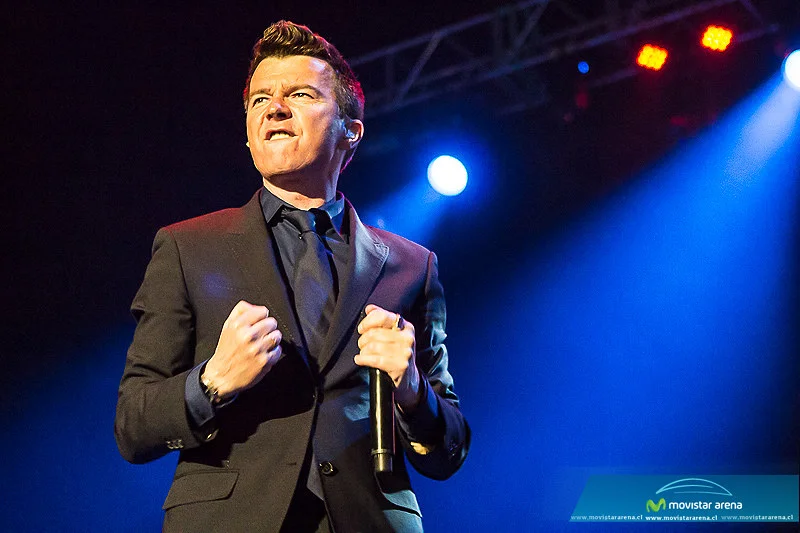
Rick Astley’s arrival on the scene was a genuine shock to the system because that deep, soulful baritone didn’t seem to match his youthful, boyish looks. When “Never Gonna Give You Up” dropped in 1987, it became a global juggernaut, topping charts in 25 countries and defining the Stock Aitken Waterman production sound. He wasn’t just a singer; he was a phenomenon who managed to make sincere, upbeat dance-pop feel incredibly cool. For a brief period, he was arguably the biggest male pop star on the planet, dominating radio waves and MTV alike.
His follow-up hits like “Together Forever” proved he wasn’t a one-hit wonder, solidifying his status as a late ’80s heavyweight. However, the intense pressures of fame and the rigid “pop puppet” image began to weigh on him. By the time he released Free in 1991, he was moving toward a more soul-oriented sound and eventually stepped away from the spotlight at the height of his career. Of course, he’s had a massive second life via the “Rickroll” meme, but his actual chart dominance was a concentrated burst of perfection.
3. Falco
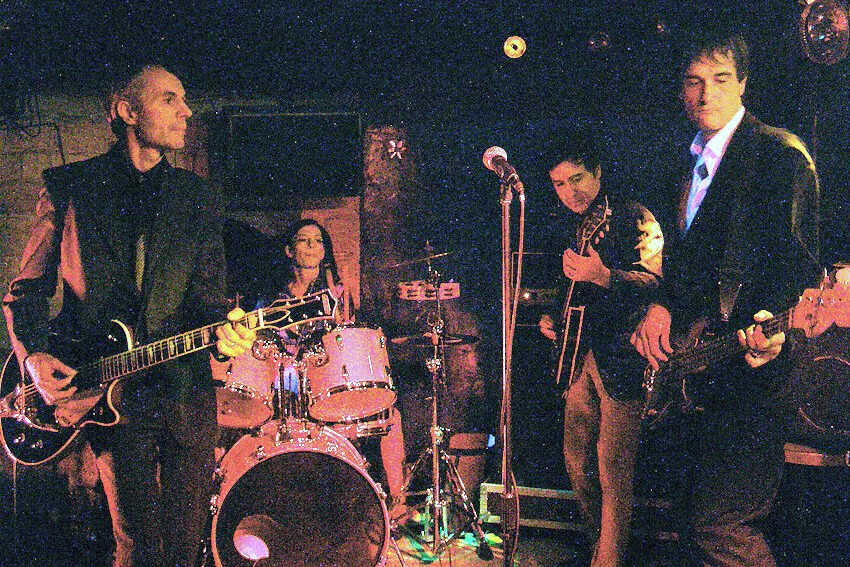
The Austrian superstar Falco achieved something nearly impossible by bringing German-language rap-pop to the top of the American Billboard Hot 100. In 1986, “Rock Me Amadeus” was absolutely everywhere, blending classical influences with a slick, 1980s European cool that felt entirely unique. He had this mysterious, high-fashion persona that made him feel like a visitor from a more sophisticated planet. For that year, he was the bridge between underground European synth-pop and mainstream global success.
The follow-up single “Vienna Calling” also saw significant chart action, and his album Falco 3 became a staple in record collections worldwide. Despite his massive talent and charisma, maintaining that level of crossover success in the English-speaking market proved difficult. He remained a legend in Europe, but in the U.S. cultural consciousness, he is primarily remembered for that mid-decade peak. He brought a theatrical flair to the ’80s that no one else could quite replicate during his time in the sun.
4. Terence Trent D’Arby
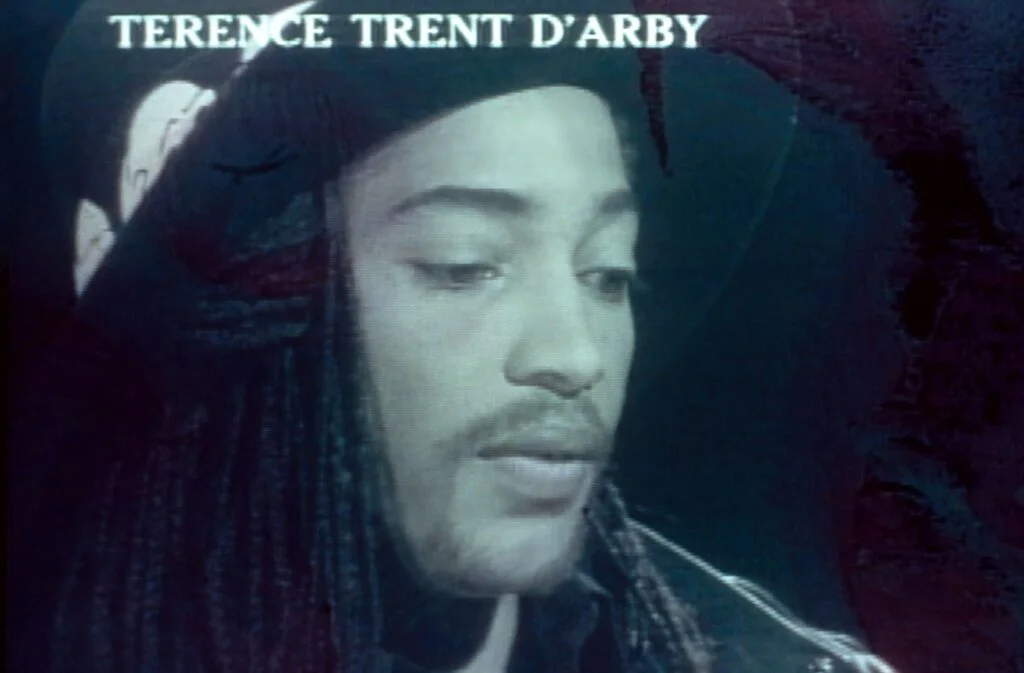
When Terence Trent D’Arby released Introducing the Hardline According to Terence Trent D’Arby in 1987, the critics weren’t just impressed; they were hailing him as the next Prince or Michael Jackson. He had a swagger that was bordering on arrogance, but he backed it up with an incredible vocal range and hits like “Wishing Well.” For a window of about eighteen months, he was the most exciting new voice in R&B and pop. He moved with a feline grace and possessed a raw, gritty soulfulness that felt both vintage and futuristic.
His debut was a massive commercial success, moving millions of copies and earning him a Grammy. However, his follow-up project, Neither Fish Nor Flesh, was a complex, experimental departure that confused the casual fans who wanted more radio-friendly hits. The industry wasn’t quite ready for his rapid artistic evolution, and the massive commercial spotlight dimmed significantly. He later changed his name to Sananda Maitreya and continued to create art on his own terms, leaving his ’80s peak as a tantalizing “what if” in pop history.
5. Debbie Gibson
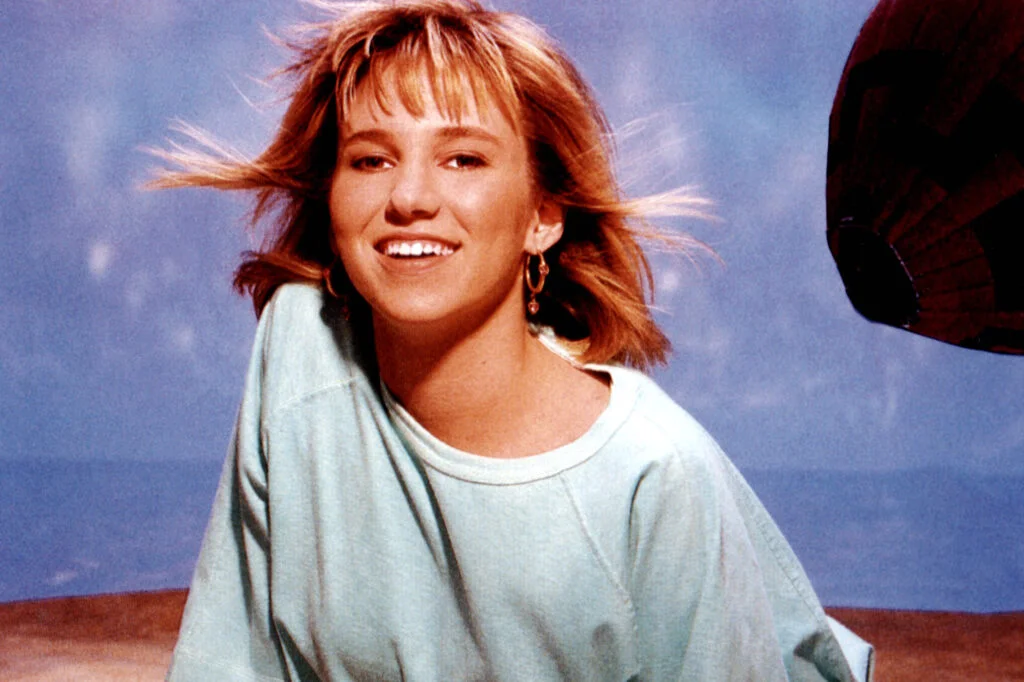
Before the era of modern teenage singer-songwriters, there was Debbie Gibson, the “Original Pop Princess” who actually wrote, produced, and performed her own hits. She burst onto the scene with Out of the Blue in 1987, delivering a string of hits like “Only In My Dreams” and “Shake Your Love.” There was a genuine authenticity to her music because it felt like it was coming directly from a teenager’s diary. She became the youngest female artist to write, produce, and perform a number one single with “Foolish Beat.”
Her sophomore album Electric Youth kept the momentum going in 1989, complete with her own perfume line and a signature style involving hats and painted jeans. She was a true multi-hyphenate talent who seemed poised for decades of Top 40 dominance. However, as the 1990s ushered in the era of grunge and hip-hop, the demand for bright, optimistic pop began to wane. She successfully pivoted to a long and prestigious career in Broadway theater, but her time as a teen pop ruler was a specific, high-energy chapter.
6. Culture Club
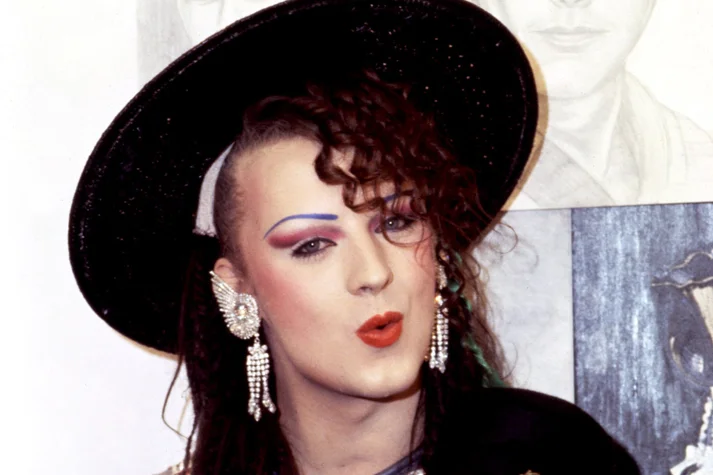
While Boy George is still a household name, people sometimes forget just how much Culture Club absolutely owned the early 1980s. Between 1982 and 1984, they were a relentless hit machine with tracks like “Do You Really Want to Hurt Me” and “Karma Chameleon.” Boy George’s androgynous look and soulful voice made him the biggest fashion icon of the MTV era. They weren’t just a band; they were a cultural movement that promoted inclusivity and soulful, reggae-infused pop.
During their peak, they were one of the few British groups to achieve massive success on both sides of the Atlantic simultaneously. However, internal band tensions and George’s highly publicized personal struggles led to a rapid decline in their chart presence by 1986. Their album From Luxury to Heartache failed to match the sales of their previous efforts, and the group disbanded shortly after. For those few years, though, you couldn’t turn on a television without seeing George’s braided hair and hearing his unmistakable voice.
7. Paul Young
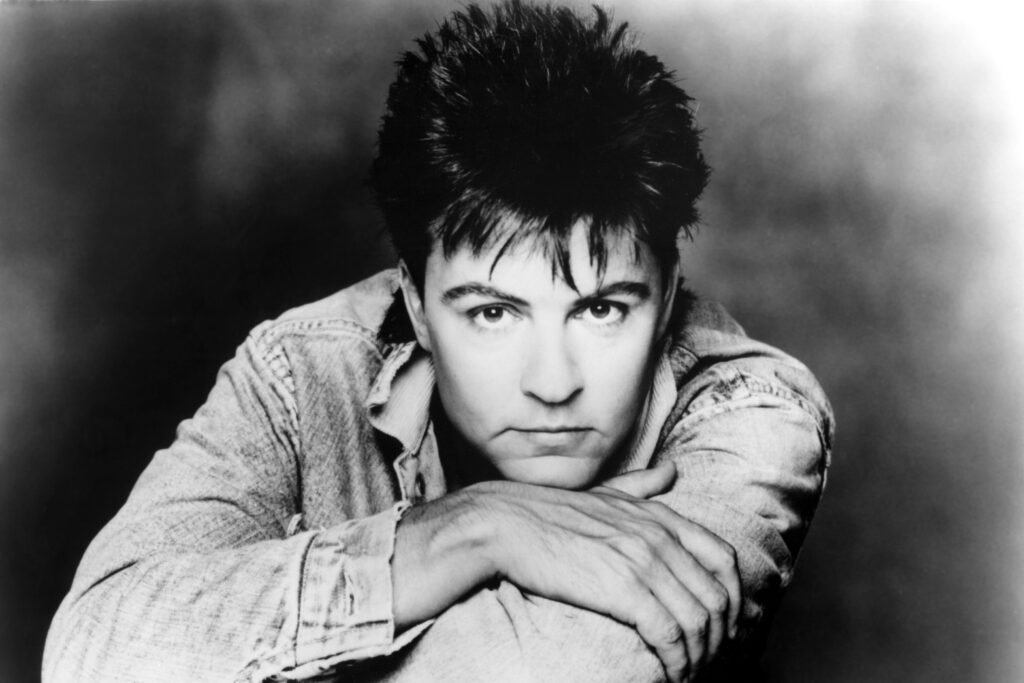
Paul Young was the undisputed king of blue-eyed soul in the mid-’80s, possessing a raspy, emotive voice that made every cover song feel brand new. His 1985 hit “Every Time You Go Away” was a ubiquitous radio staple that showcased his ability to blend pop sensibility with genuine heart. He had a suave, slightly rugged charm that made him a favorite on MTV and a fixture in teen magazines. At the time of Live Aid, he was considered one of the premier vocalists in the world, even opening the UK portion of the concert.
His albums No Parlez and The Secret of Association were massive successes, particularly in the UK where he was a consistent chart-topper. Unfortunately, the vocal strain from his intense touring schedule began to take a toll on his signature raspy delivery. By the time the decade was closing, his momentum had slowed, and the pop landscape was shifting toward new jack swing and dance-pop. He transitioned into more niche musical projects, but for a solid few years, he was the gold standard for soulful male pop.
8. The Jets
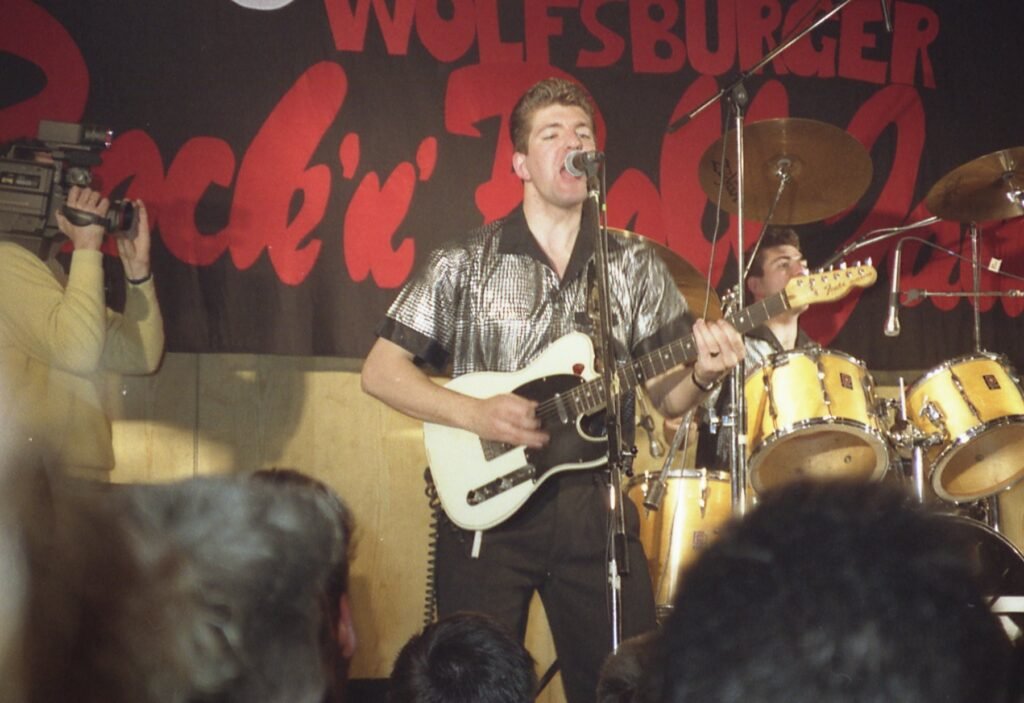
The Jets were a family band of siblings from Tonga who brought a wholesome, high-energy funk-pop sound to the late ’80s. With hits like “Crush on You” and the soaring ballad “You Got It All,” they were constant fixtures on the Billboard charts between 1985 and 1988. They had a unique appeal, combining synchronized dance moves with genuine instrumental talent and multi-part harmonies. For a young audience, they were the ultimate relatable group, looking like a cool family you’d want to hang out with.
They managed to cross over between R&B, pop, and adult contemporary stations with ease, showing incredible versatility. However, the sheer size of the group and the changing tastes of the music industry made it difficult to sustain that level of success into the next decade. Family dynamics and a shift in management also played a role in their fading from the mainstream spotlight. They remain a nostalgic favorite for anyone who grew up during their hit-making window, representing a very specific era of polished ’80s production.
9. Corey Hart
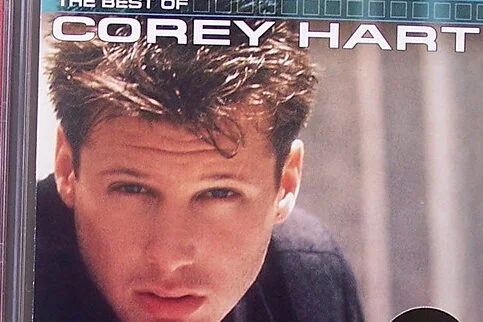
Canadian singer Corey Hart became an overnight sensation in 1984 with the release of “Sunglasses at Night,” a song that defined the moody, synth-heavy aesthetic of the time. With his brooding good looks and James Dean-style intensity, he was a natural for the video age. He followed up with the massive power ballad “Never Surrender,” which further cemented his status as a top-tier heartthrob and serious songwriter. For a few years in the mid-’80s, his face was plastered on bedroom walls across North America.
Hart was actually a very talented musician who wrote his own material, which gave him more artistic weight than your average teen idol. However, he grew weary of the relentless machinery of fame and the “pretty boy” image that the industry pushed on him. He eventually chose to step back from the massive spotlight to focus on his family and private life in the early ’90s. While he continued to record music, he never sought to reclaim the frantic level of superstardom he experienced during his mid-80s peak.
10. Fine Young Cannibals
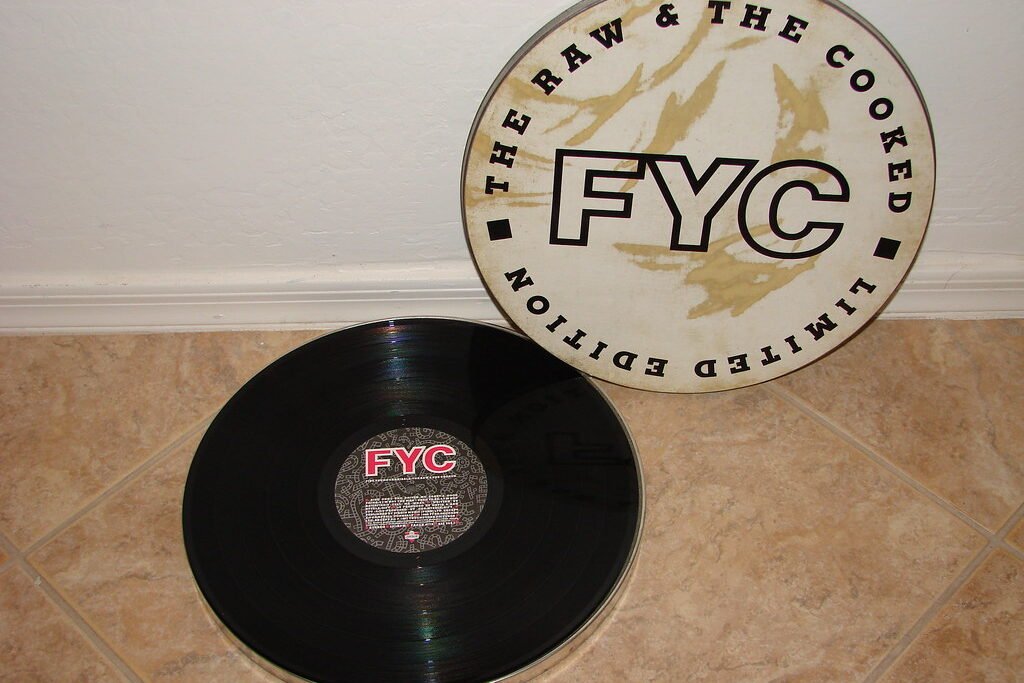
Fine Young Cannibals, led by the charismatic Roland Gift, felt like the coolest band in the world for a brief moment in 1989. Their album The Raw & the Cooked was a masterpiece of soul, rock, and electronic beats that produced two massive number one hits: “She Drives Me Crazy” and “Good Thing.” Gift’s unique, high-pitched warble and movie-star looks made them stand out in a crowded field of late-’80s acts. They managed to be both critically acclaimed and commercially unstoppable for that calendar year.
They were everywhere—from movie soundtracks to heavy rotation on MTV—and they even won two Brit Awards during their height. However, instead of immediately capitalizing on their massive success with a follow-up, the band took a long hiatus and Gift pursued acting. The momentum evaporated as the ’90s began, and they never released another studio album together. Their brief window of dominance was bright and incredibly stylish, leaving behind one of the most iconic sounds of the decade’s end.
11. Taylor Dayne
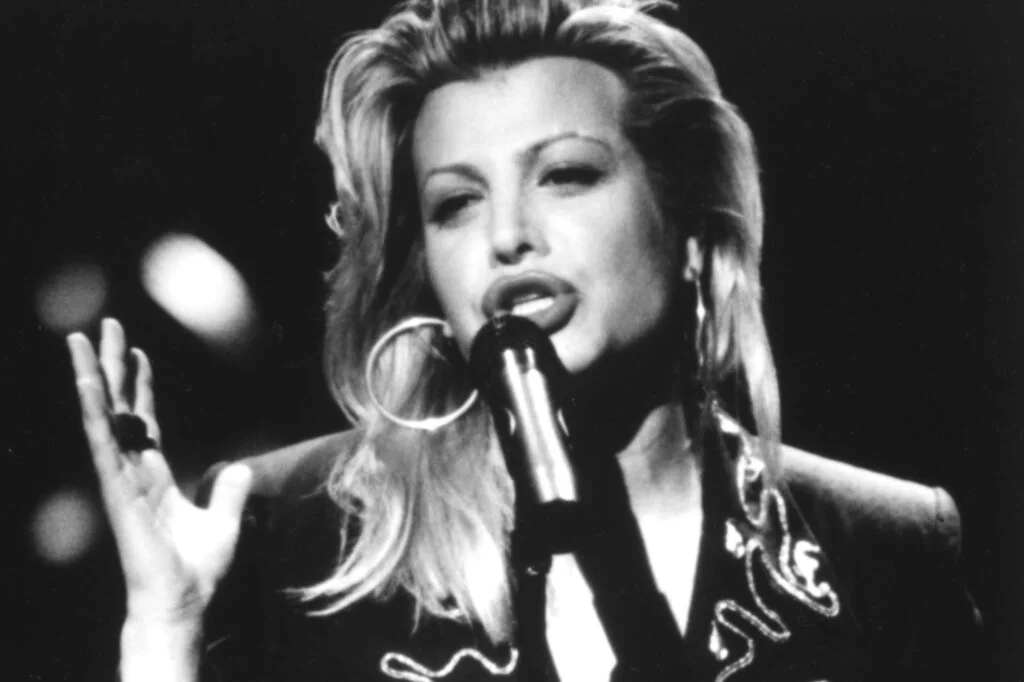
Taylor Dayne burst onto the scene in 1987 with “Tell It to My Heart,” a dance-pop anthem that featured her remarkably powerful, raspy vocals. She didn’t sound like the typical pop star of the era; she had a mature, soulful grit that felt more like a disco diva than a teen queen. For the next three years, she was a hit machine, landing seven consecutive Top 10 singles including “Love Will Lead You Back” and “Prove Your Love.” She was the queen of the high-energy dance track and the dramatic power ballad.
Her look was pure ’80s glamour, with big hair and bold fashion that made her a favorite for music videos. By the time her third album arrived in the early ’90s, the “diva-pop” sound was being overshadowed by the rise of Mariah Carey and the shift toward hip-hop-influenced pop. While she continued to have success on the dance charts and in musical theater, her tenure as a mainstream Top 40 titan was a concentrated blast of late-’80s energy. She remains a powerful vocalist, but that initial run was her cultural peak.
12. Nu Shooz
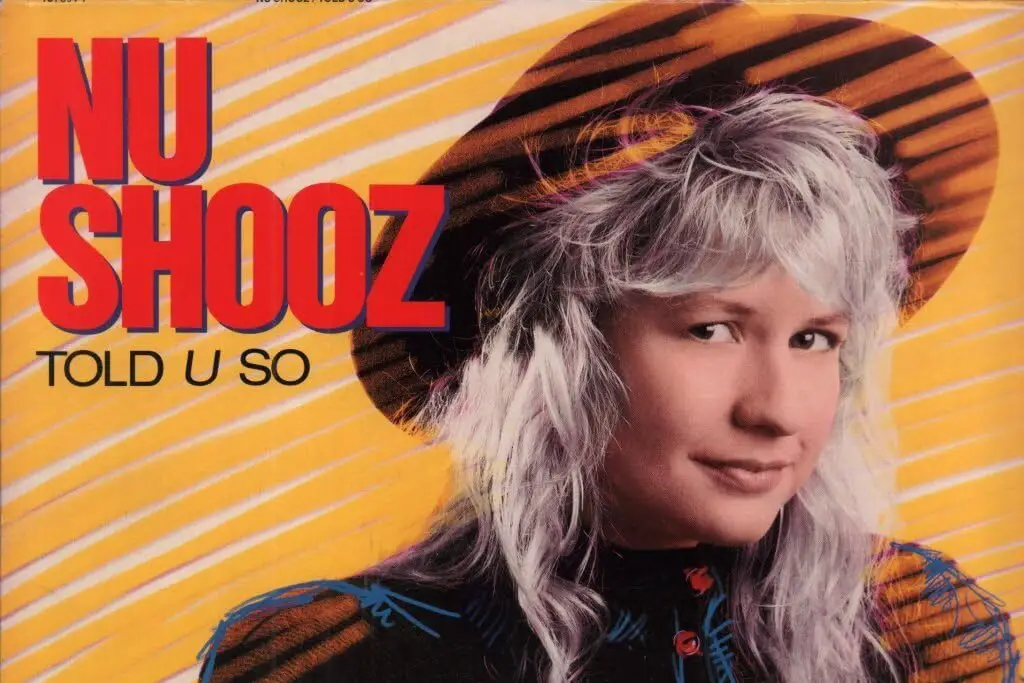
Based in Portland, Oregon, the husband-and-wife duo Nu Shooz brought a quirky, freestyle-influenced sound to the pop world in 1986. Their hit “I Can’t Wait” featured a distinctive vocal hook and a groovy, infectious beat that made it an instant classic on both pop and R&B radio. For a brief window, they were the faces of a new kind of electronic pop that felt both soulful and experimental. They followed up with “Point of No Return,” which also performed well and solidified their place in the mid-’80s dance scene.
The duo, Valerie Day and John Smith, were seasoned musicians who had been playing in jazz and funk bands for years before their big break. This musicality was evident in their work, but the “one-hit wonder” label (though they had two hits) began to stick as the decade progressed. They struggled to maintain their chart momentum as the freestyle sound evolved into other genres. They eventually returned to their indie roots, but “I Can’t Wait” remains one of the most recognizable and sampled tracks from that specific era of pop history.
13. Mr. Mister
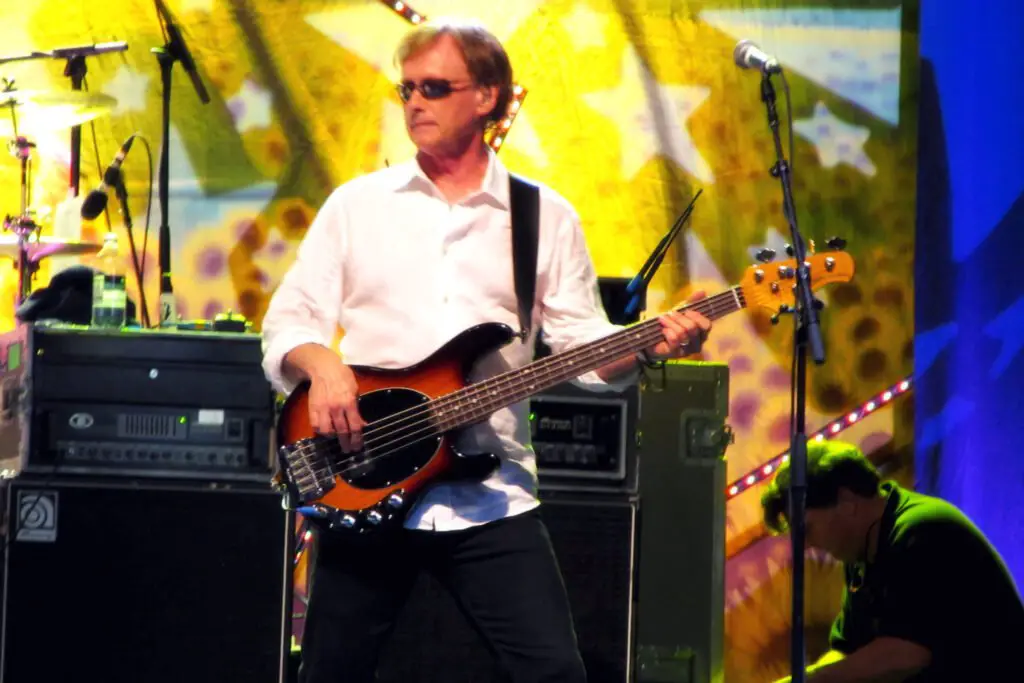
Mr. Mister epitomized the polished, “big” arena-pop sound of the mid-1980s. In 1985 and 1986, they were inescapable thanks to the massive success of their album Welcome to the Real World, which featured the number one hits “Broken Wings” and “Kyrie.” They had a serious, atmospheric quality to their music that appealed to both pop fans and rock listeners. For about eighteen months, lead singer Richard Page was one of the most recognizable voices on the radio, known for his incredible range and clarity.
The band was comprised of highly sought-after session musicians, which gave their music a level of technical perfection that was very popular at the time. However, their follow-up album, Go On…, failed to capture the same massive audience, as it took a more experimental and somber tone. By the time they recorded a fourth album, their label chose not to release it, and the group disbanded. They were a definitive part of the mid-80s soundscape, but their stay at the very top of the mountain was surprisingly short.
14. Samantha Fox
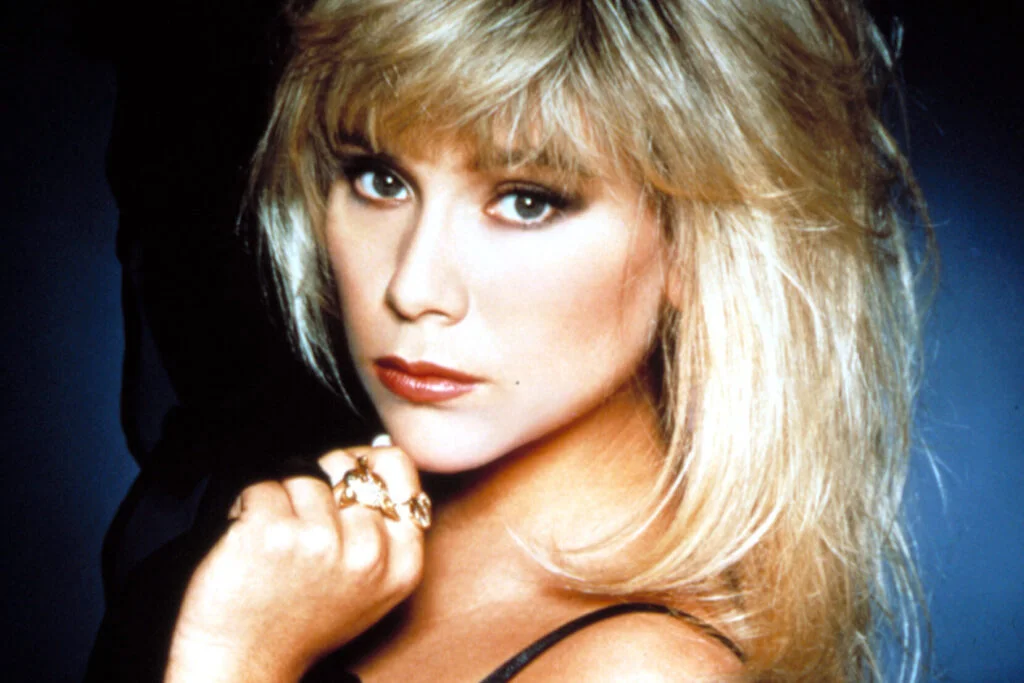
Samantha Fox was already a famous “Page 3” model in the UK before she pivoted to a music career, which made her a massive tabloid fixture from the start. In 1986, her single “Touch Me (I Want Your Body)” became a global smash, reaching the Top 10 in dozens of countries including the U.S. She marketed a bold, provocative image that perfectly suited the burgeoning MTV culture of the mid-to-late ’80s. For a few years, she was one of the most photographed women in the world and a consistent presence on the pop charts.
She managed to land a few more hits like “Naughty Girls (Need Love Too)” and “I Wanna Have Some Fun,” working with top-tier producers like Full Force. While critics often dismissed her, there was no denying her commercial impact and her ability to dominate the pop cultural conversation. However, as the ’90s approached, the novelty of her transition from modeling to music began to wear off for the general public. She continued to record and perform, but her time as a mainstream pop provocateur was tied strictly to that late-’80s window.
15. Kim Wilde
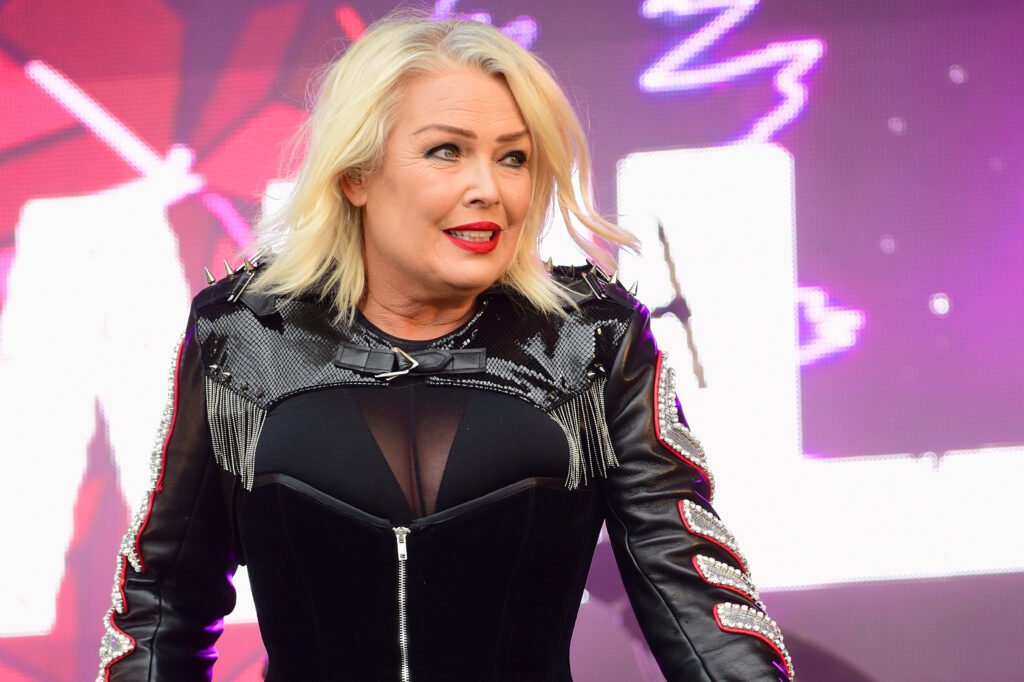
While Kim Wilde had been a star in the UK since 1981, she had a very specific and massive American “moment” in 1986 and 1987. Her high-energy, synth-driven cover of “You Keep Me Hangin’ On” went to number one in the States, introducing her to a whole new audience. She had a cool, blonde, New Wave aesthetic that felt very modern and sophisticated compared to some of her contemporaries. For that brief stretch, she was the British “it girl” of the American pop scene.
She followed up with the hit “You Came” and even toured with Michael Jackson on his Bad world tour, which was the ultimate endorsement of her stardom. However, the American audience proved fickle, and she found it difficult to maintain that level of crossover success as the decade ended. She remained a huge star in Europe for many years, but her window of total U.S. pop culture dominance was a bright, neon-lit flash. Interestingly, she later found a second career as a professional landscape gardener while still performing her classic hits.
16. Milli Vanilli
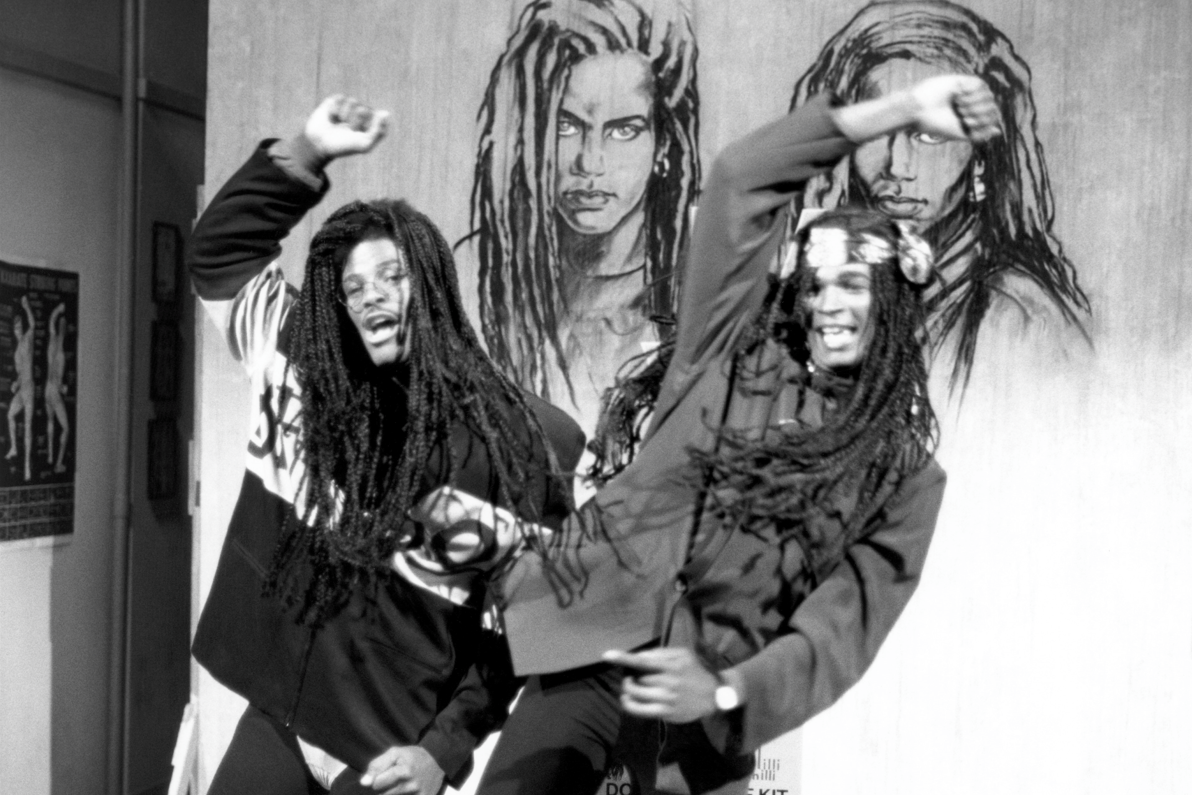
No list of short-lived ’80s dominance is complete without the rise and fall of Rob Pilatus and Fab Morvan, better known as Milli Vanilli. In 1989, they were arguably the biggest stars in the world, with three number-one hits—”Girl You Know It’s True,” “Baby Don’t Forget My Number,” and “Blame It on the Rain.” They had the look, the hair, and the dance moves that perfectly captured the late-’80s aesthetic. They even won the Grammy for Best New Artist, seemingly cementing their place in pop history.
The window of their success was incredibly intense but slammed shut in 1990 when it was revealed they hadn’t actually sung on their records. The ensuing scandal was a media firestorm that resulted in them being stripped of their Grammy and becoming the subject of endless late-night jokes. While the men themselves were caught in a manipulative industry machine, their era of dominance ended as quickly as it began. They remain the ultimate cautionary tale of the decade, representing both the peak and the peril of manufactured pop stardom.