
1. Michael Jackson

If you were around in the ’80s, it often felt like Michael Jackson was the center of the entertainment universe. When Thriller arrived in 1982, it did more than top charts, it changed the scale of what a pop album could achieve. The videos for “Billie Jean,” “Beat It,” and “Thriller” turned MTV into an event. His moonwalk during the Motown 25 special instantly became part of pop culture history. Stadium tours sold out with ease, and headlines followed his every move. Even people who did not regularly buy records knew his songs. For several years, he seemed less like a star and more like a global institution.
He followed up with Bad in 1987, producing five number one singles on the Billboard Hot 100, a record at the time. The red leather jacket, the single glove, and the precision choreography were immediately recognizable. Award shows often felt built around his presence. Merchandising, endorsements, and international tours expanded his reach even further. Radio, television, and magazines all revolved around his releases. Every new project felt like a cultural moment. In that decade, Jackson’s dominance appeared absolute.
2. Madonna
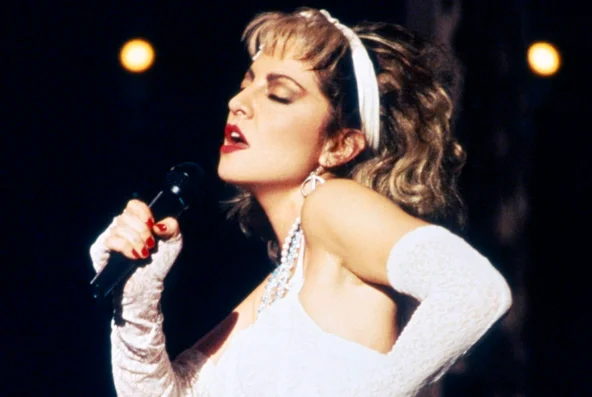
Madonna emerged in the early ’80s with a clear understanding of image and reinvention. Songs like “Holiday” and “Like a Virgin” kept her climbing the charts. Her 1984 MTV Video Music Awards performance made it clear she knew how to command attention. Each album introduced a slightly different persona, which kept audiences curious. She combined pop hooks with calculated controversy. Fashion trends often followed her lead. It was difficult to find a stretch of the decade where she was not making headlines.
By the time Like a Prayer arrived in 1989, she had solidified her place at the top tier of pop music. She also crossed into film with Desperately Seeking Susan. Critics debated her, but they rarely ignored her. Fans saw her as bold and unapologetic. Her tours became spectacles that pushed boundaries. Radio programmers relied on her singles to drive ratings. In the ’80s, Madonna’s momentum felt relentless.
3. Prince
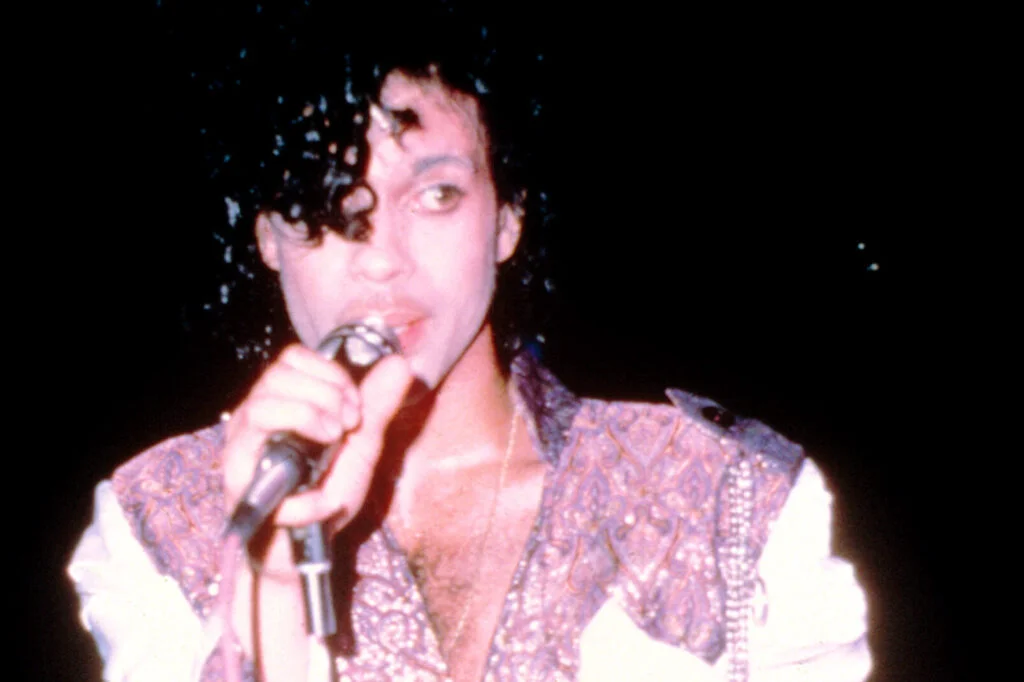
Prince operated with a level of control that set him apart. With 1999 and Purple Rain, he fused rock, funk, and pop into something distinctly his own. The 1984 film Purple Rain amplified his crossover appeal. Songs like “When Doves Cry” dominated both radio and MTV. He wrote, produced, and played multiple instruments, adding to the mystique. Onstage, he was electrifying and unpredictable. His fashion choices challenged convention.
Albums like Sign o’ the Times reinforced his reputation for innovation. Critics regularly cited him among the most creative artists of the era. He also wrote hits for other performers, expanding his influence. Fans admired both his musicianship and his confidence. Each release suggested he was operating on a different creative plane. While trends shifted around him, Prince seemed to dictate his own pace. In the ’80s, his artistry felt inexhaustible.
4. Bruce Springsteen
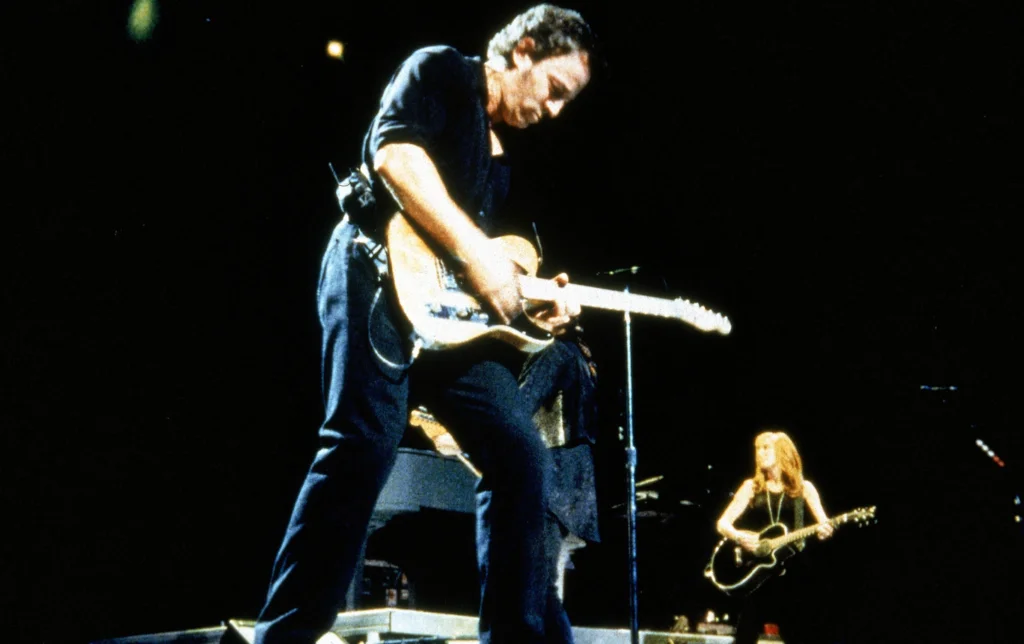
Bruce Springsteen had already built a loyal following, but the ’80s elevated him to megastar status. Born in the U.S.A. in 1984 produced seven top ten singles. Songs like “Dancing in the Dark” were nearly impossible to avoid. His live shows were known for their length and intensity. He embodied a certain vision of American grit and ambition. Stadiums filled night after night. Even casual listeners recognized his raspy voice.
Magazine covers and radio rotations kept him in constant view. Political figures sometimes tried to align themselves with his music. The imagery of him in jeans and a white T shirt became iconic. His storytelling resonated across demographics. Fans viewed him as authentic and hardworking. By the late ’80s, he was firmly established as a defining voice of the decade. His upward trajectory showed no sign of slowing.
5. Whitney Houston
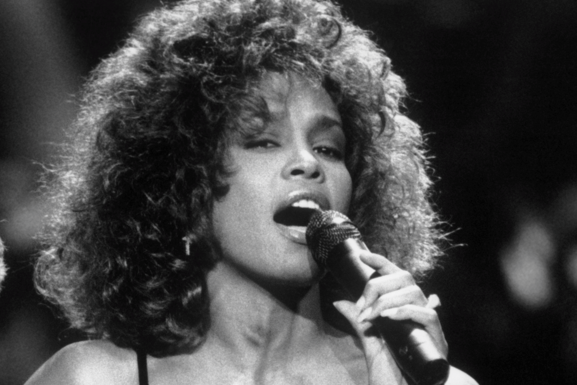
Whitney Houston’s debut album in 1985 introduced a voice that immediately stood out. Singles like “How Will I Know” climbed rapidly up the charts. Her vocal control and range drew comparisons to legendary performers. Award shows frequently recognized her early success. She followed with Whitney in 1987, becoming the first female artist to debut at number one on the Billboard 200. Her string of number one hits made chart history. She crossed seamlessly between pop and R&B audiences.
Ballads like “Greatest Love of All” became staples at major events. Industry observers described her as a once in a generation talent. Each new single seemed to surpass the last. Her poise in interviews reinforced her broad appeal. Radio stations relied heavily on her music. Fans saw her as both glamorous and relatable. In the ’80s, Houston’s rise felt inevitable.
6. Eddie Murphy
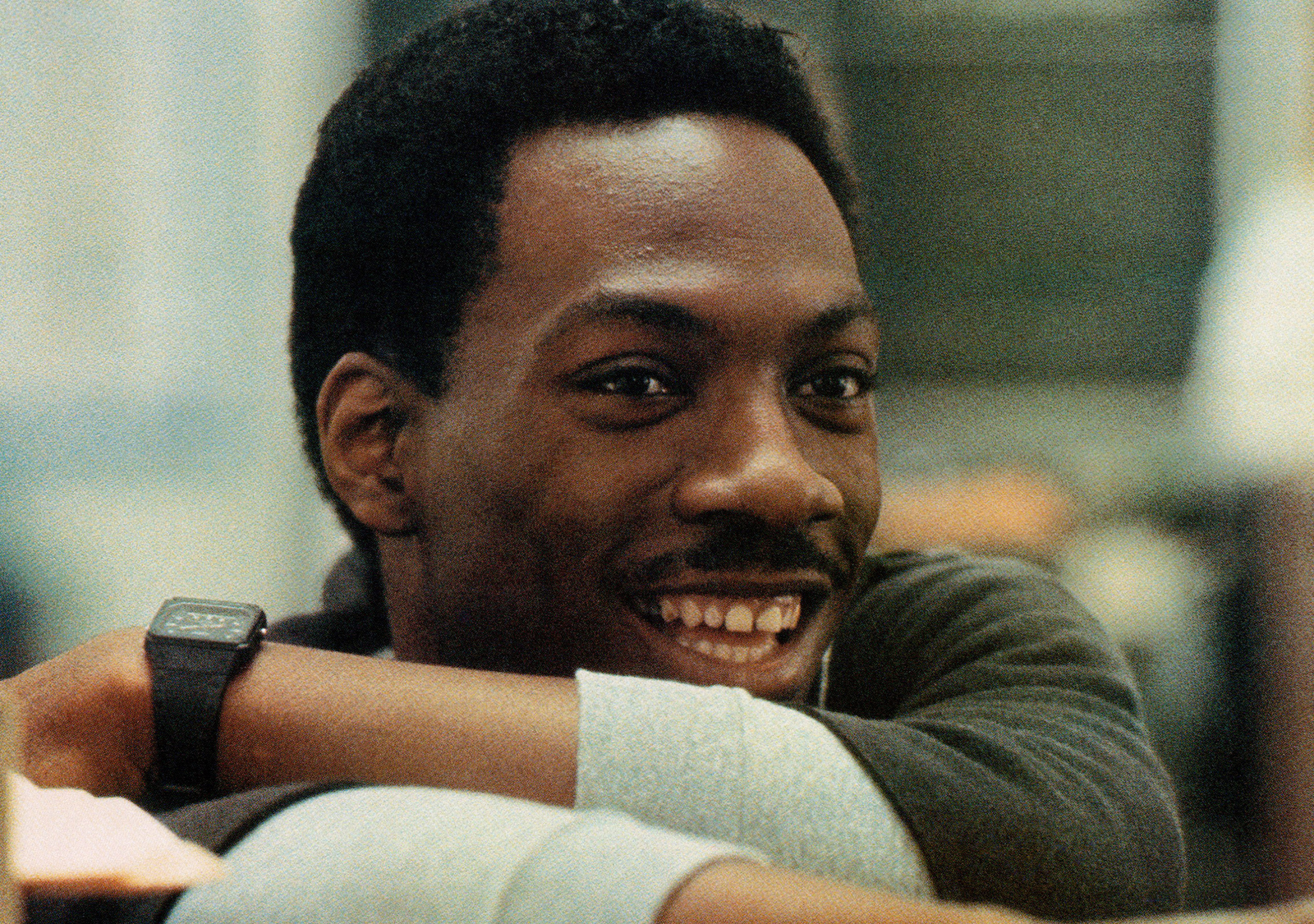
Eddie Murphy’s leap from stand up to film was remarkably swift. After standout work on Saturday Night Live, he headlined movies like Beverly Hills Cop. The films were box office hits and established him as a bankable star. His stand up specials Delirious and Raw became cultural touchstones. Studios built projects around his charisma. Audiences trusted his comedic timing. He seemed to move effortlessly between genres.
He even scored a music hit with “Party All the Time.” Magazine profiles often labeled him the biggest movie star of the moment. His name alone could open a film strongly. Comedians cited him as a major influence. Fans packed theaters expecting to laugh. For several years, he appeared incapable of a misstep. In the ’80s, Murphy’s career felt unstoppable.
7. Tom Cruise
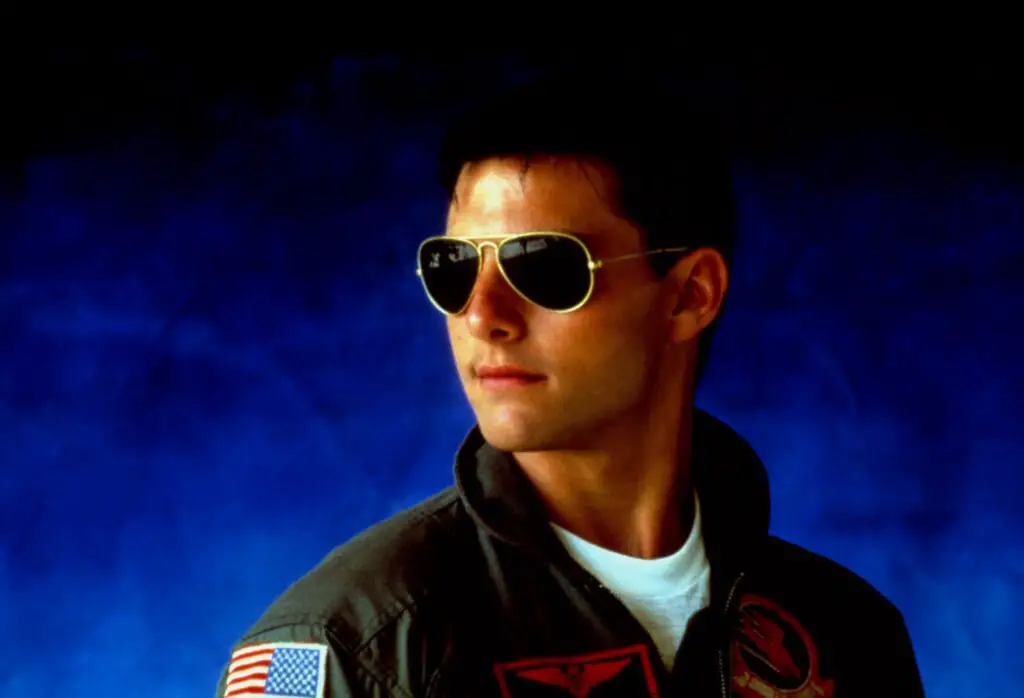
Tom Cruise’s ascent was rapid and carefully managed. Risky Business in 1983 introduced him as a charismatic lead. Top Gun in 1986 turned him into a global heartthrob. Aviator sunglasses and leather jackets became instantly associated with him. He balanced commercial hits with prestige projects. Directors sought him for ambitious roles. His box office appeal was consistent.
By the end of the decade, films like Rain Man and Born on the Fourth of July showcased his range. Award nominations added critical credibility. Audiences showed up reliably for his projects. Studios invested heavily in his star power. He became both a romantic lead and serious dramatic actor. Public interest in his career rarely waned. In the ’80s, Cruise’s momentum appeared limitless.
8. Meryl Streep
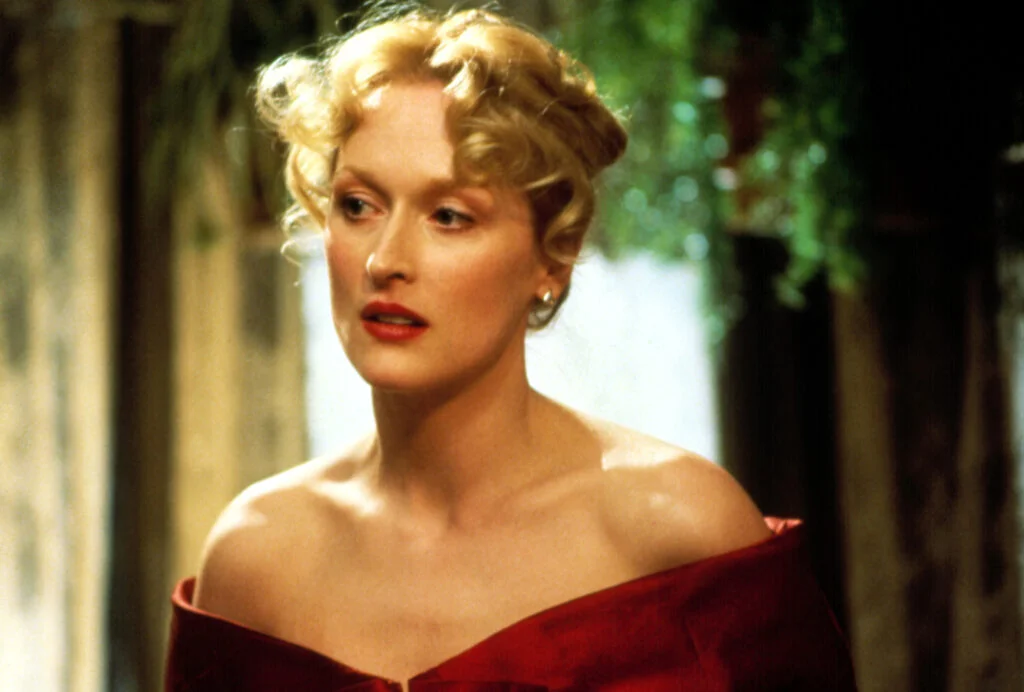
Meryl Streep entered the ’80s with respect, but the decade cemented her status. Performances in Sophie’s Choice and Out of Africa earned major accolades. She was known for mastering accents and emotionally demanding roles. Directors trusted her with complex material. Critics frequently praised her versatility. Award nominations seemed almost routine. Her name signaled prestige.
Even in ensemble casts, she commanded attention. Audiences associated her with quality filmmaking. Younger actors cited her as a model of craft. She navigated drama and romance with equal skill. Industry insiders regarded her as a benchmark for excellence. Each new role reinforced her reputation. In the ’80s, Streep’s dominance was steady and unmistakable.
9. Hulk Hogan
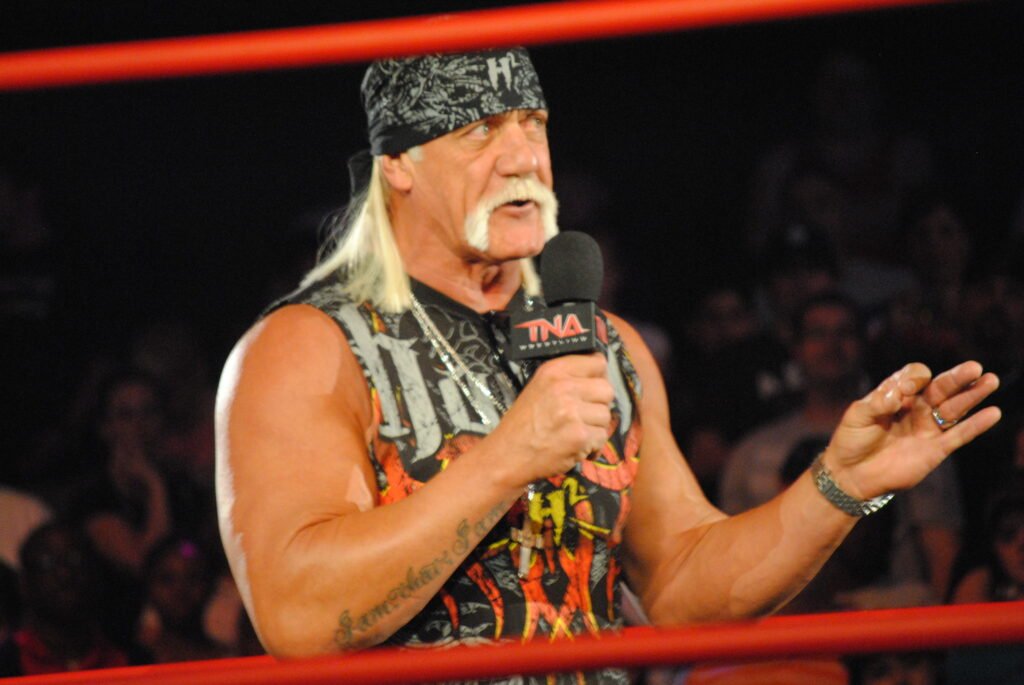
Hulk Hogan became the face of professional wrestling in the mid ’80s. As a central figure in the World Wrestling Federation, he headlined major events like WrestleMania. His red and yellow gear and catchphrases were widely recognized. Children and adults alike cheered his victories. Wrestling gained renewed mainstream visibility during his run. Merchandise bearing his likeness sold briskly. For many, wrestling in the ’80s meant Hogan.
He crossed into film and television, expanding his reach beyond the ring. Media outlets covered his rivalries as major spectacles. Fans memorized his slogans and imitated his poses. The crowds responded with intense enthusiasm. Even non fans knew his name. Promoters built entire events around his presence. In that era, Hogan’s prominence felt unshakeable.
10. Tina Turner
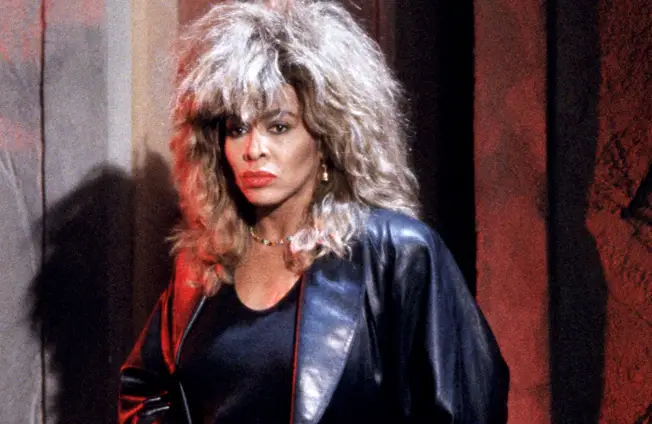
Tina Turner’s comeback defined the mid ’80s. Private Dancer in 1984 returned her to the top of the charts. “What’s Love Got to Do with It” became a number one hit. Her stage presence was commanding and physical. Audiences admired both her voice and resilience. International tours drew large crowds. She reintroduced herself to a new generation.
She also appeared in films like Mad Max Beyond Thunderdome. Fashion magazines highlighted her bold style. Award wins reinforced her resurgence. Industry observers pointed to her as proof that reinvention was possible. Each performance underscored her stamina. Fans responded with renewed loyalty. In the ’80s, Turner’s revival felt triumphant and enduring.
11. Sylvester Stallone
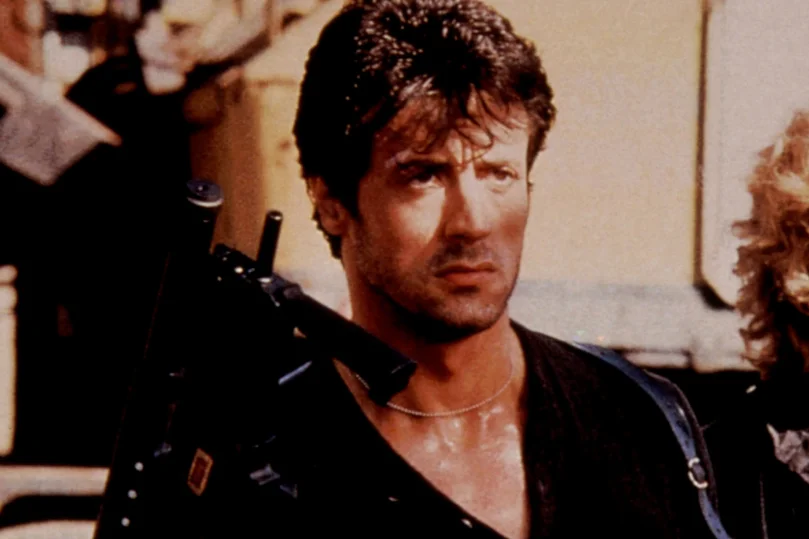
Sylvester Stallone carried two major franchises through the decade. As Rocky Balboa and John Rambo, he defined a certain brand of action hero. Films like Rocky IV and First Blood Part II performed strongly at the box office. Training montages became cultural shorthand. His physique symbolized a broader fitness craze. Posters of his characters were common in bedrooms. He represented a specific vision of toughness.
Studios relied on his name to anchor big budget releases. Audiences expected spectacle and intensity. His roles often blended patriotism with physical endurance. Even critics who questioned the scripts acknowledged the impact. He maintained consistent visibility throughout the decade. Fans saw him as larger than life. In the ’80s, Stallone’s action reign felt secure.
12. Oprah Winfrey
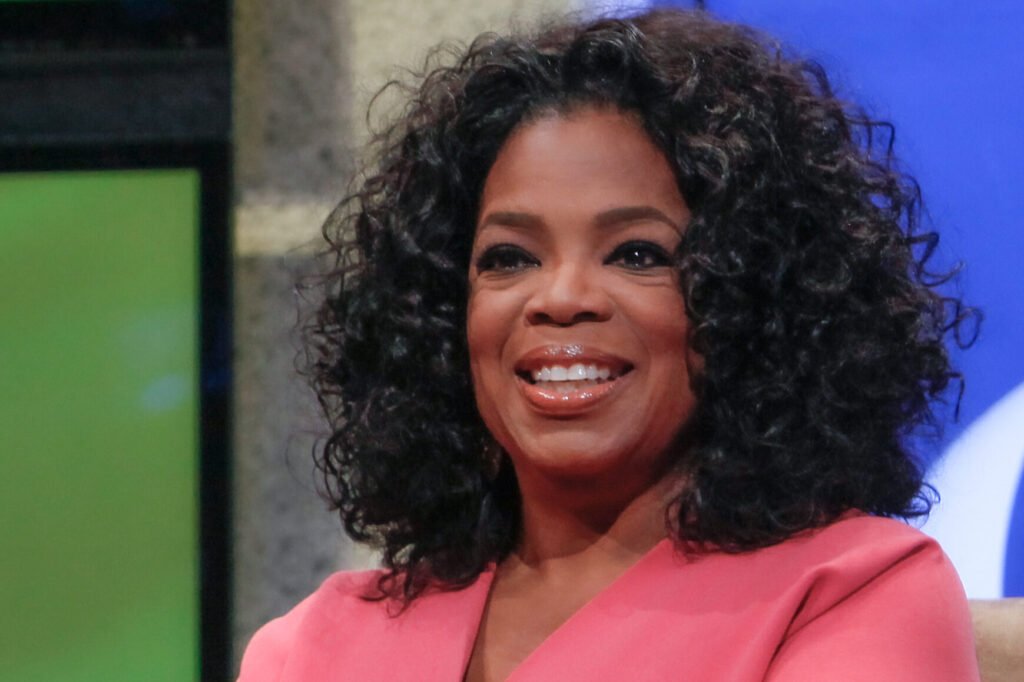
Oprah Winfrey transformed daytime television after her show went national in 1986. Her conversational style felt direct and empathetic. Ratings climbed quickly. Viewers trusted her interviews with both celebrities and everyday guests. She also earned acclaim for her acting role in The Color Purple. By the late ’80s, she had become a major media figure. Her influence extended beyond television.
Book recommendations could propel titles up bestseller lists. Advertisers recognized her reach and credibility. The show became a daily ritual for millions. Her presence reshaped the talk show format. Industry peers acknowledged her business acumen. She built a brand rooted in relatability. In the ’80s, Winfrey’s ascent seemed unstoppable.
13. George Michael
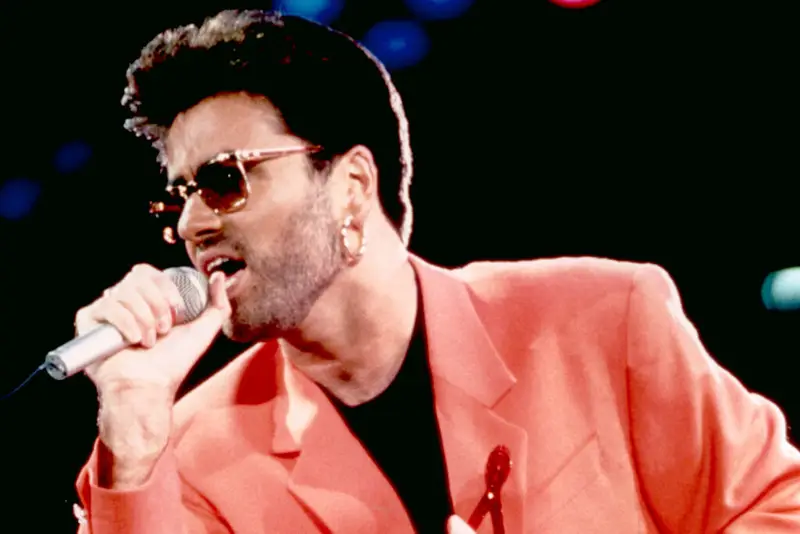
George Michael began the decade as part of Wham!, delivering hits like “Wake Me Up Before You Go Go.” His transition to solo artist with Faith in 1987 solidified his superstar status. The album produced multiple number one singles in the United States. MTV kept his videos in heavy rotation. His blend of pop and soul resonated widely. He cultivated both commercial success and critical respect. Fans viewed him as more than a teen idol.
Grammy Awards recognized his achievements. His style and image became emblematic of late ’80s pop. Radio stations leaned heavily on his singles. Each new release reinforced his staying power. He balanced catchy hooks with polished production. Audiences across continents embraced his music. In the ’80s, George Michael appeared poised for long term dominance.