
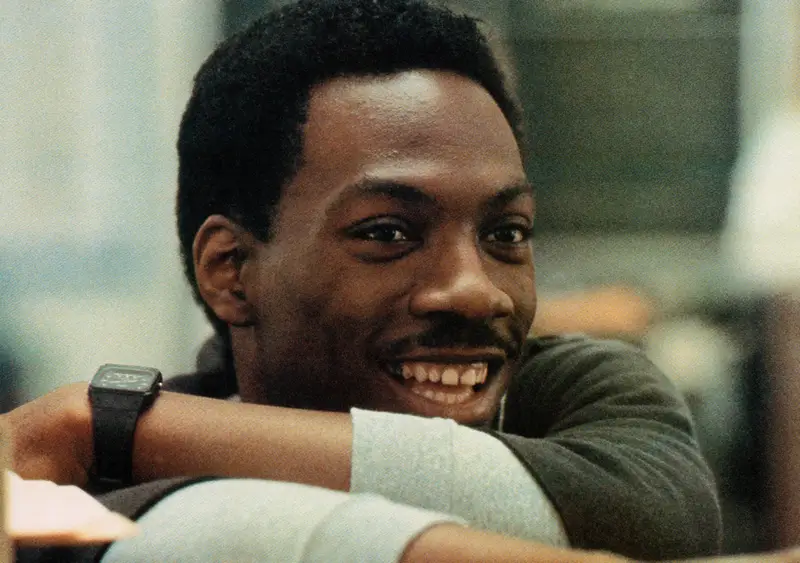
1. Eddie Murphy
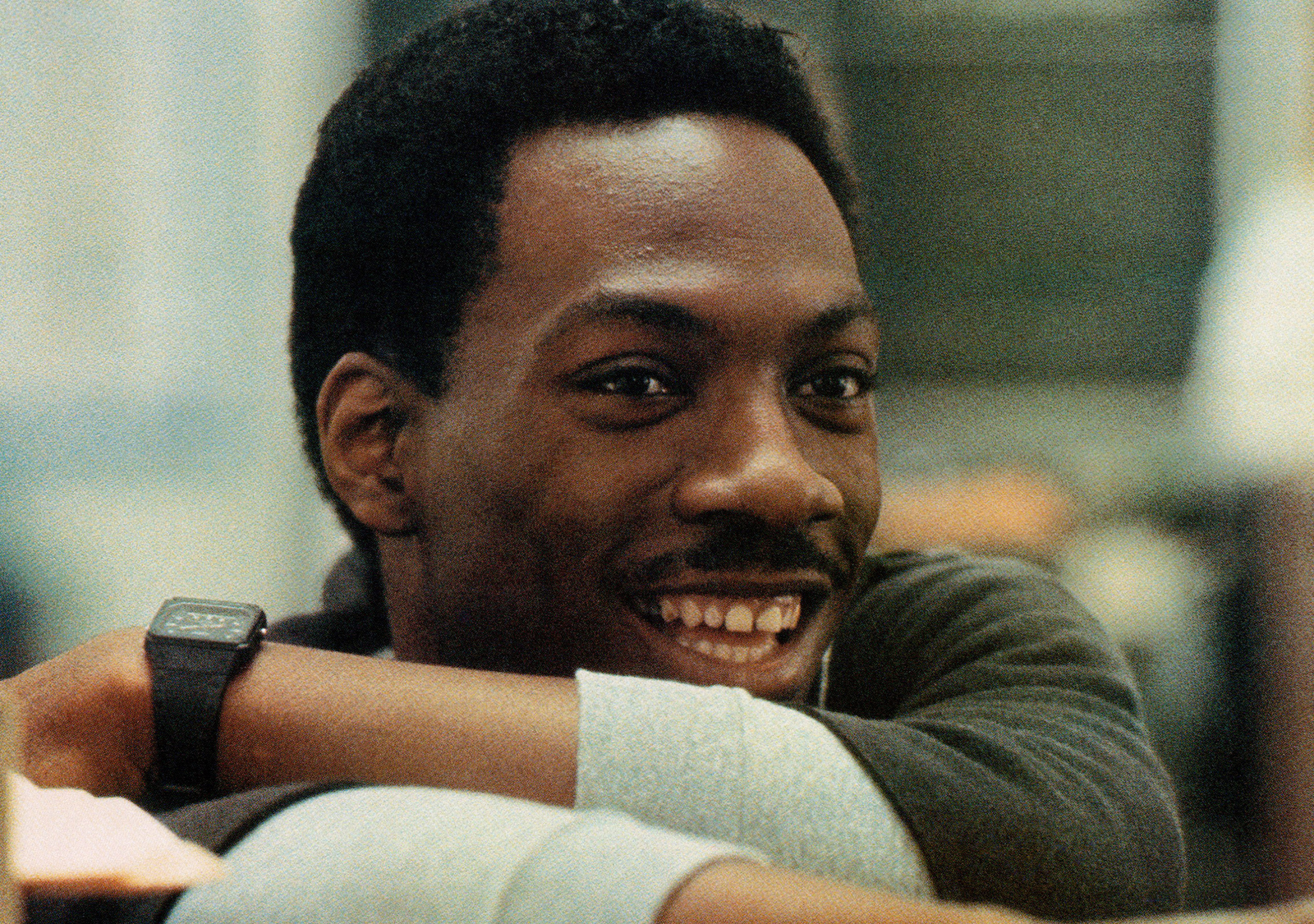
For much of the ’80s, it felt impossible to go anywhere without running into Eddie Murphy in some form. He moved from Saturday Night Live to blockbuster movies at a pace that felt almost unreal at the time. Films like 48 Hrs., Trading Places, and Beverly Hills Cop arrived one after another, each bigger than the last. He was young, loud, confident, and completely in tune with the decade’s energy. His laugh alone became a pop culture signature. Even people who did not go to the movies knew who he was. Murphy felt less like a movie star and more like a constant presence.
What made him feel unavoidable was how many lanes he occupied at once. He was a box office draw, a stand-up comic, and a television star all at the same time. His style influenced comedy clubs, fashion, and even how other performers delivered punchlines. Studios built projects around him with the assumption that audiences would show up automatically. By the late ’80s, his name alone could sell a movie. It was the kind of saturation that only comes once in a generation.
2. Madonna
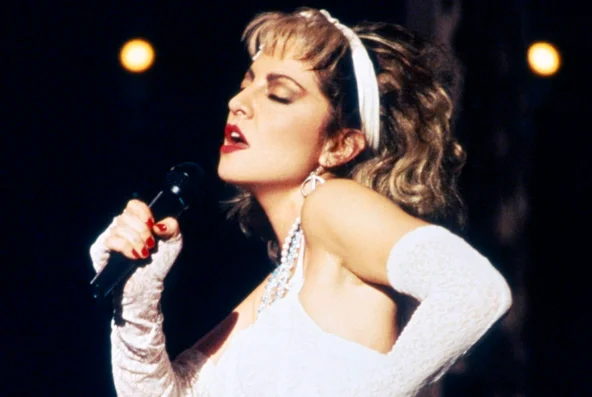
Madonna did not just dominate the ’80s, she practically narrated them. Every year brought a new look, a new sound, and a new controversy. Her music videos played nonstop on MTV, making her face as familiar as a friend’s. Even people who claimed not to like her knew every lyric anyway. She had a way of staying one step ahead of both critics and imitators. The attention never seemed to slow down.
Part of her inescapability came from how deliberately she controlled her image. She understood the power of reinvention before most pop stars did. Each album felt like an event rather than just a release. She blurred the line between music, fashion, and attitude in a way that felt fresh every time. Madonna was not just popular, she was omnipresent. In the ’80s, ignoring her took actual effort.
3. Michael J. Fox
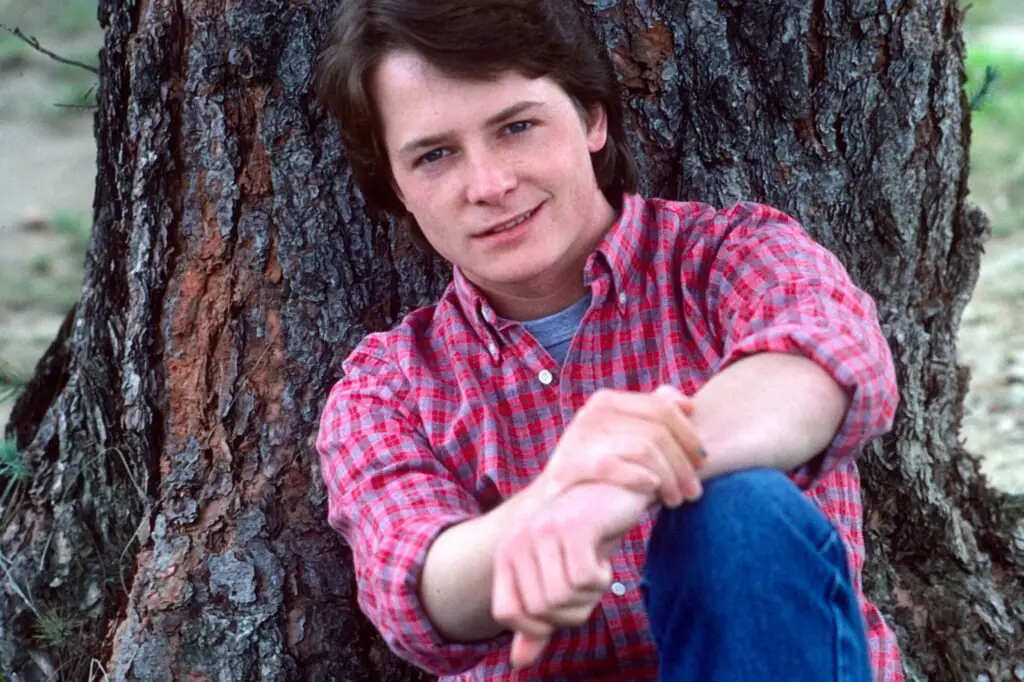
Michael J. Fox was the definition of approachable stardom in the ’80s. He was the face of Family Ties, a show that seemed to be on every television in America. Then Back to the Future turned him into a full-blown movie star almost overnight. His energy was fast, charming, and relentlessly upbeat. He felt like the guy everyone wanted to root for. That likability made him feel unavoidable.
What set Fox apart was how seamlessly he bounced between television and film. He never seemed overexposed even though he was everywhere. His performances made success look effortless. Studios trusted him with leading roles because audiences trusted him instinctively. By the middle of the decade, seeing him on screen felt completely normal. He was woven into the fabric of everyday pop culture.
4. Prince
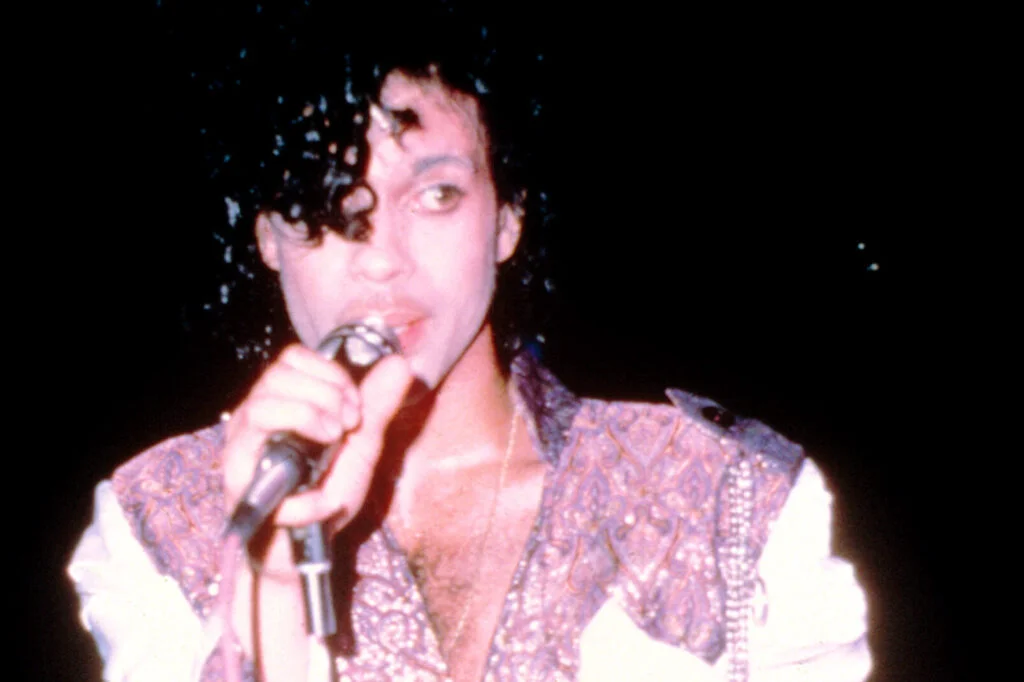
Prince existed in a category entirely his own during the ’80s. His music was everywhere, but so was his image, his voice, and his mystique. Songs from Purple Rain seemed to play constantly on radio and television. He challenged expectations around genre, fashion, and performance with fearless confidence. People talked about him as much as they listened to him. That conversation never really stopped.
What made Prince unavoidable was his unpredictability. You never knew what he would do next, but you knew it would be discussed. His influence extended far beyond charts and awards. Other artists followed his lead even when they could not quite replicate it. Prince felt less like a performer and more like a cultural force. In the ’80s, he was impossible to tune out.
5. Bill Murray
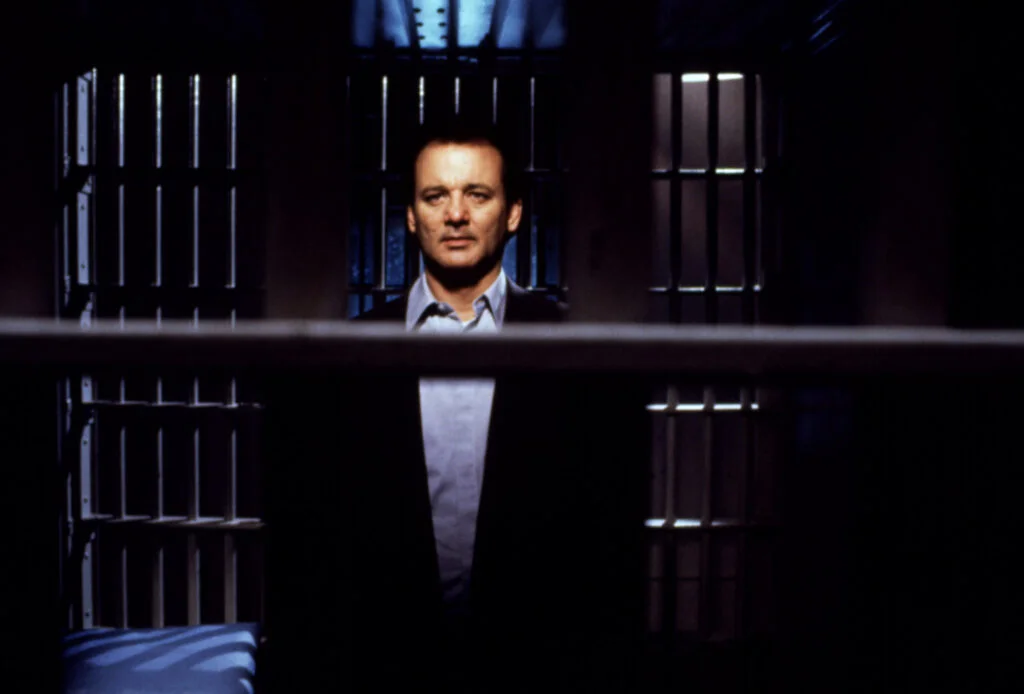
Bill Murray’s presence in the ’80s felt oddly constant without ever feeling forced. He emerged from Saturday Night Live and slid directly into a string of memorable film roles. Movies like Caddyshack, Ghostbusters, and Stripes became cable staples. His dry delivery and slightly detached persona stood out immediately. Even small moments of his performances were endlessly quoted.
Murray’s appeal was that he never seemed to be trying too hard. He made comedy feel casual and offhand, which only made it more effective. Audiences came to expect his particular brand of humor. Studios kept finding new ways to use him because it worked every time. His face became synonymous with smart, slightly weird comedy. By the end of the decade, he felt permanently embedded in the entertainment landscape.
6. Tom Cruise
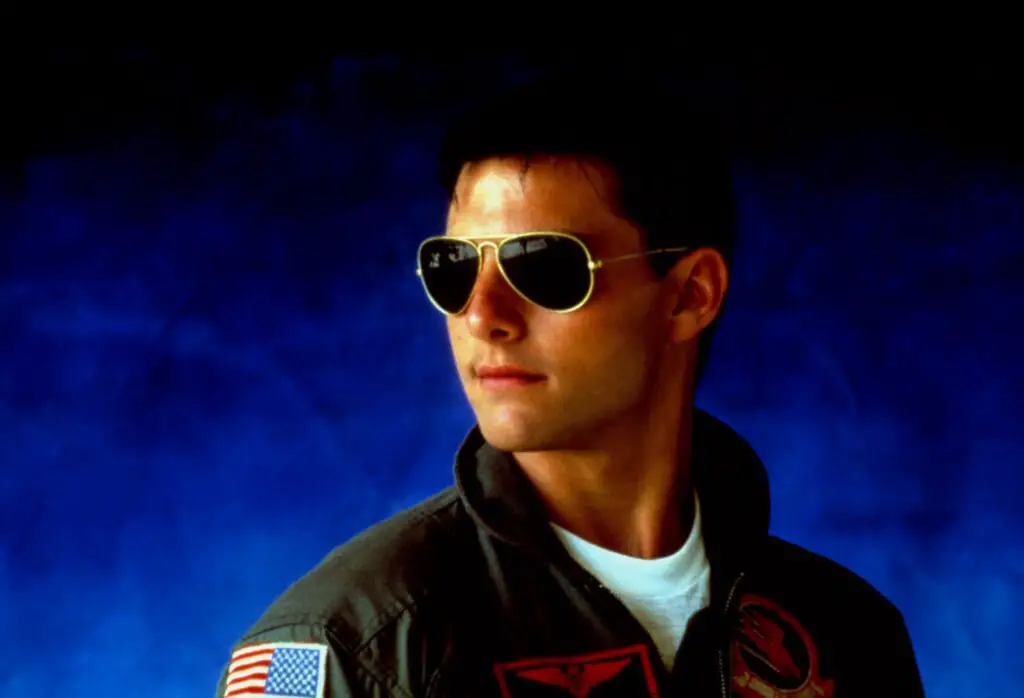
Tom Cruise’s rise in the ’80s was fast and relentless. After Risky Business, his trajectory felt locked in place. Films like Top Gun turned him into a full-scale movie star almost overnight. His grin, his confidence, and his intensity became instantly recognizable. He embodied a certain kind of glossy, driven ambition that fit the decade perfectly.
Cruise also benefited from being everywhere at just the right moment. He headlined hit after hit without long gaps in between. Each new film reinforced the idea that he was the leading man of the moment. Magazines, posters, and trailers kept his image constantly in view. By the late ’80s, he was no longer emerging, he had arrived. It felt like he would always be there.
7. Cyndi Lauper
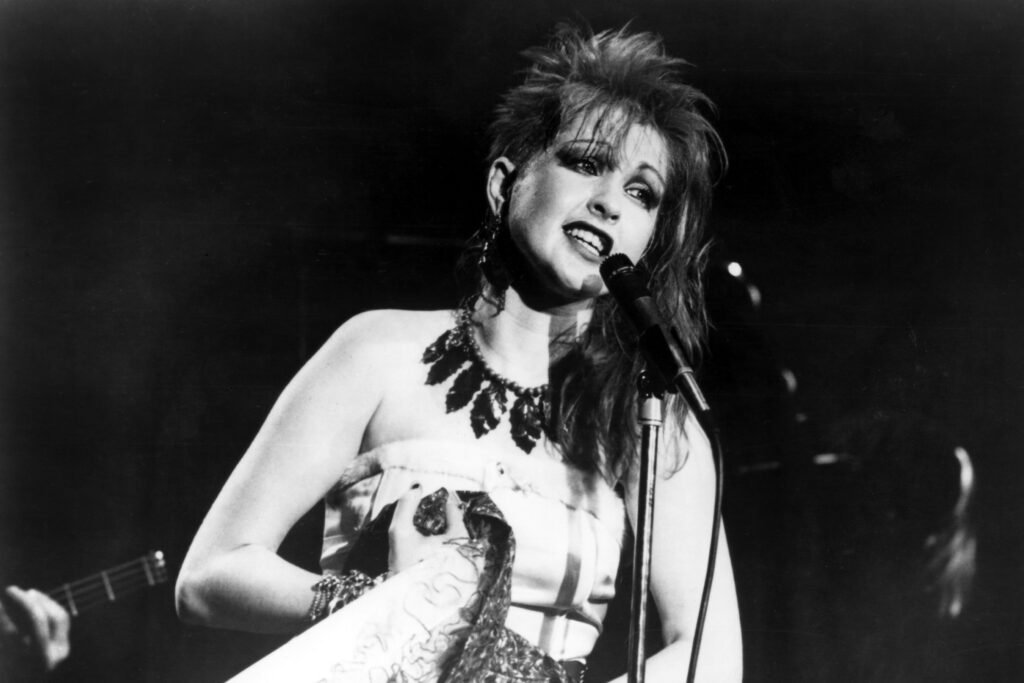
Cyndi Lauper burst onto the scene with a look and sound that could not be ignored. Her voice was instantly distinctive, and her style felt playful and rebellious at the same time. Songs like “Girls Just Want to Have Fun” became unavoidable singalongs. Her videos were colorful, energetic, and constantly replayed. She stood out even in a decade known for excess.
What made Lauper feel omnipresent was how quickly she became a symbol. She represented a kind of joyful individuality that resonated widely. Her image appeared on television, in magazines, and on posters everywhere. Even parodies and imitators kept her in the spotlight. She managed to feel both mainstream and unconventional. For a stretch of the ’80s, she was simply everywhere.
8. Harrison Ford

By the ’80s, Harrison Ford had already secured iconic roles, but the decade made him unavoidable. He carried Indiana Jones into blockbuster territory with ease. At the same time, he remained closely associated with Star Wars. His calm, grounded presence contrasted sharply with the era’s louder stars. That contrast worked in his favor.
Ford’s appeal was rooted in consistency. He played heroes who felt capable but human. Audiences trusted him to anchor big movies without overwhelming them. Studios relied on that trust repeatedly. His films dominated theaters and later cable rotation. By the end of the decade, he felt like a permanent fixture of popular cinema.
9. Oprah Winfrey
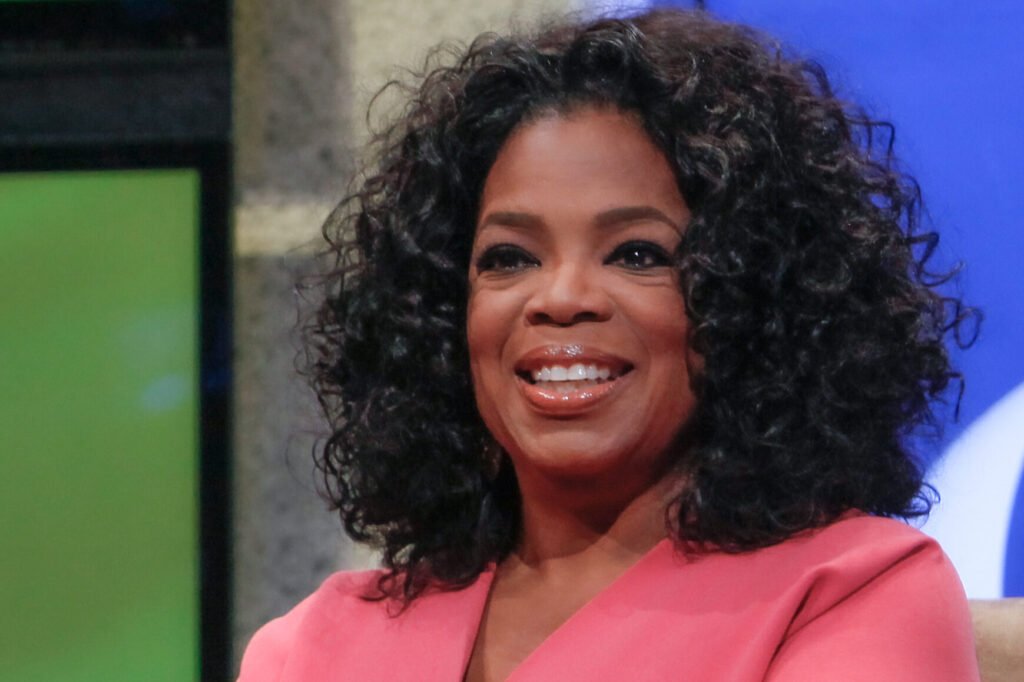
Oprah Winfrey’s rise in the ’80s changed daytime television entirely. Her talk show spread rapidly through syndication and became part of daily routines. She connected with audiences in a way that felt personal and genuine. Viewers did not just watch, they listened. That connection made her presence feel constant.
What made Oprah unavoidable was how quickly she expanded beyond her show. She appeared in magazines, interviews, and cultural discussions everywhere. Her influence extended into books, film, and broader conversations about self improvement. She was not just a host, she became a trusted voice. By the late ’80s, her name alone carried enormous weight. It was impossible to miss her impact.
10. Robin Williams
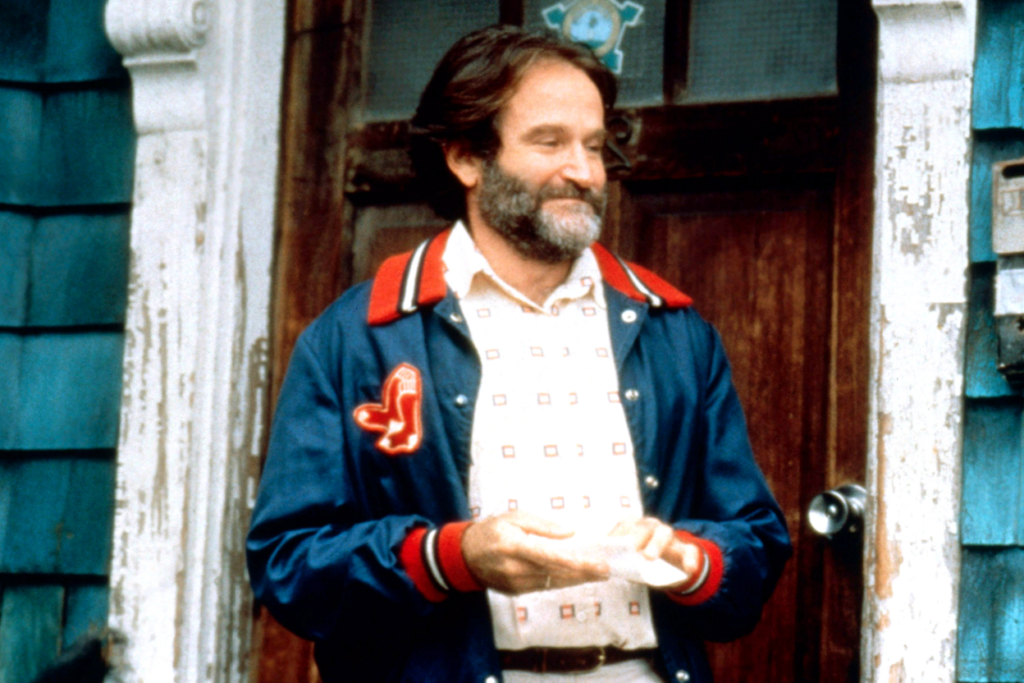
Robin Williams brought a kind of kinetic energy that defined the ’80s for many people. His stand-up, television work, and films all fed into one another. Movies like Good Morning, Vietnam showcased his rapid-fire delivery perfectly. He seemed to operate at a different speed than everyone else. That intensity made him unforgettable.
Williams also benefited from being in constant motion. He appeared in comedies, dramas, and talk shows with equal enthusiasm. Audiences never quite knew what he would do next, but they knew it would be memorable. His improvisational style set him apart immediately. He felt like a performer who could not be contained by one medium. In the ’80s, he was impossible to ignore.
11. Bruce Springsteen
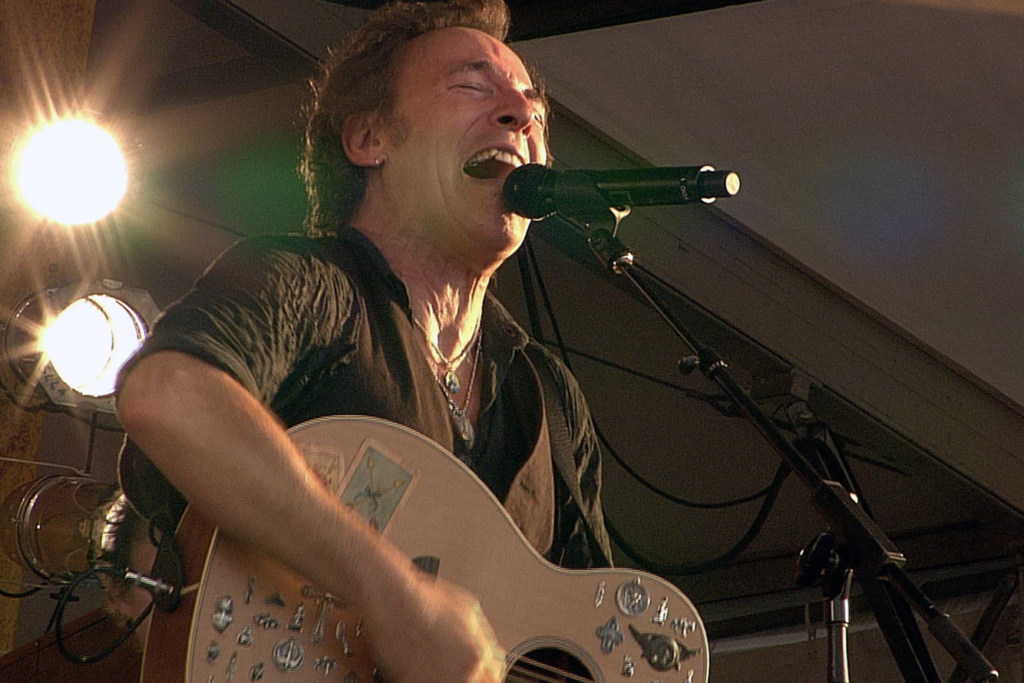
Bruce Springsteen’s music felt inescapable during the ’80s, especially after Born in the U.S.A.. His songs dominated radio playlists and stadium tours alike. The imagery surrounding his work became instantly recognizable. He represented a specific vision of American life that resonated widely. Even casual listeners knew his voice and themes.
Springsteen’s reach went beyond just hit singles. His concerts became legendary events. Media coverage followed him closely wherever he went. He felt both deeply personal and massively popular at the same time. That balance kept him constantly in the spotlight. For much of the decade, he was a defining sound.
12. Whoopi Goldberg
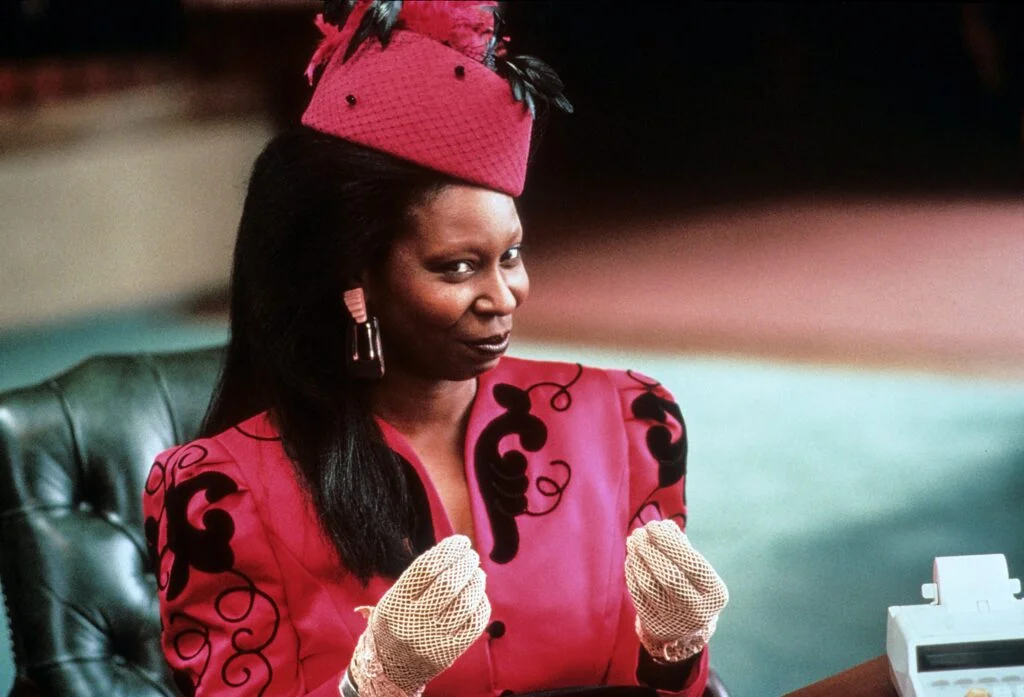
Whoopi Goldberg arrived in the ’80s with a presence that felt completely new. Her breakout performances immediately set her apart from other comedians. She moved easily between stand-up, film, and television appearances. Audiences responded to her honesty and sharp intelligence. She did not fit into any existing mold.
Goldberg’s visibility increased quickly as studios recognized her versatility. She appeared in serious roles as well as comedies without losing credibility. Talk show appearances and award recognition kept her constantly in view. She felt refreshingly different at a time when sameness could dominate. That difference made her unforgettable. In the ’80s, she was everywhere for a reason.
13. Daryl Hannah
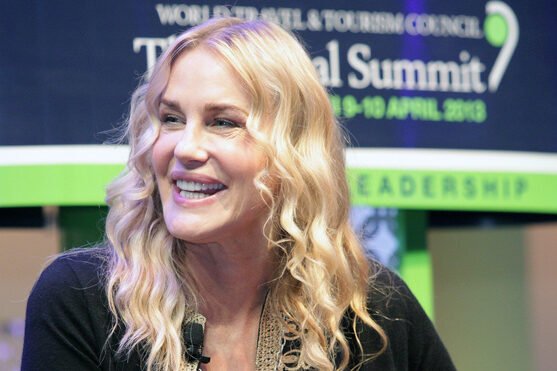
Daryl Hannah’s presence in the ’80s felt both glamorous and slightly otherworldly. Roles in films like Splash and Blade Runner made her instantly recognizable. She embodied a certain cinematic ideal of the decade. Her image appeared frequently in magazines and movie promotions. She became a visual shorthand for ’80s style.
Hannah’s appeal rested on her distinctive look and screen presence. She did not need to dominate scenes to be memorable. Directors used her carefully, knowing audiences would remember her. Repeated appearances kept her firmly in public consciousness. She felt like part of the era’s visual identity. For a time, she was simply unavoidable.