
1. “Tainted Love” – Soft Cell
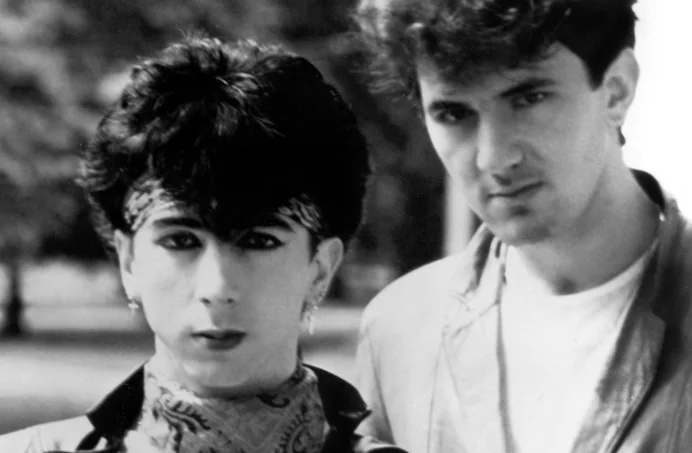
There was a stretch in the early ’80s when you could not escape “Tainted Love.” It blasted from car radios, roller rinks, mall speakers, and every countdown show that mattered. The song’s pulsing synth beat and dramatic heartbreak delivery felt instantly modern at the time, especially compared to the rock-heavy playlists still lingering from the ’70s. Marc Almond’s aching vocal made the breakup sound theatrical and slightly dangerous, which gave it real personality. It topped charts across multiple countries and became one of the defining singles of the early MTV era. For a while, it felt like the future of pop had officially arrived.
Yet somehow, despite its massive success, “Tainted Love” slowly drifted into novelty territory. It pops up now mostly in retro playlists or movie soundtracks looking to signal “the ’80s” in a hurry. Younger listeners often recognize the melody but cannot name the artist or year it ruled the airwaves. Its cultural impact remains real, but its everyday presence has faded. Time has a way of reshuffling which hits remain permanent and which quietly slip into memory. This one still hits when you hear it, just not nearly as often as it once did.
2. “Take On Me” – a-ha
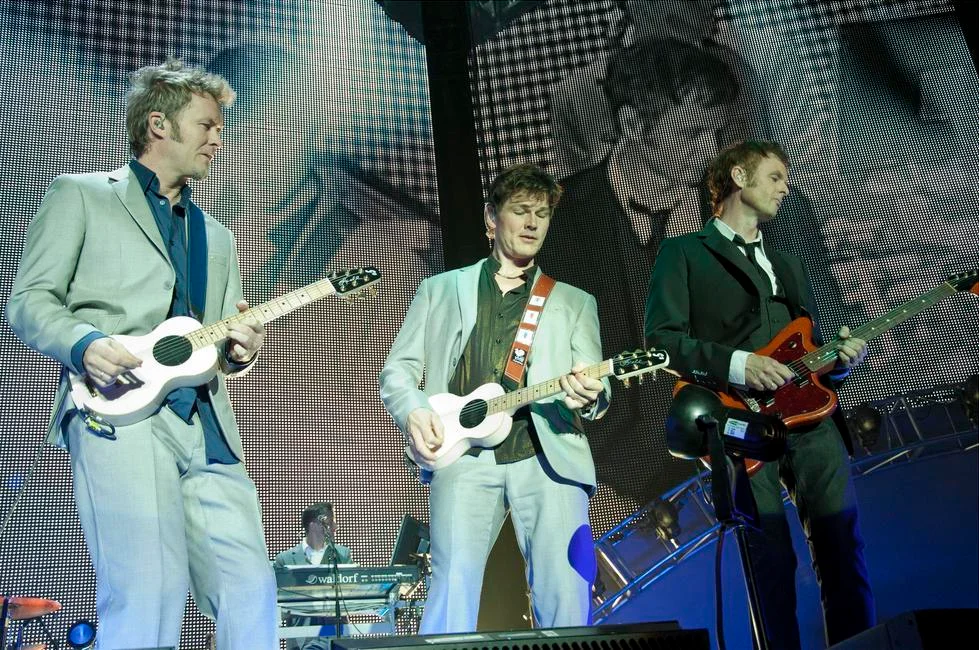
“Tie On Me” was a full sensory event when it arrived, not just a song but a cultural moment powered by that unforgettable animated video. The soaring falsetto hook made it impossible not to sing along, even if you could not quite hit the notes. MTV played it relentlessly, and suddenly a-ha were everywhere, from teen magazines to award shows. The song felt like pure pop joy wrapped in cutting-edge visuals. For many people, it was one of the first times a music video truly enhanced the song itself. It became an instant anthem of youthful optimism and glossy ’80s energy.
Despite its legendary video status, the song itself is not as omnipresent on radio as it once was. It tends to resurface during themed countdowns, commercials, or nostalgic playlists rather than daily rotation. Plenty of listeners remember the visuals more vividly than the verses or bridge. Its influence is undeniable, but its saturation has cooled dramatically. It is no longer the song you hear five times a day without trying. Instead, it lives comfortably in the memory vault of pop history.
3. “Karma Chameleon” – Culture Club
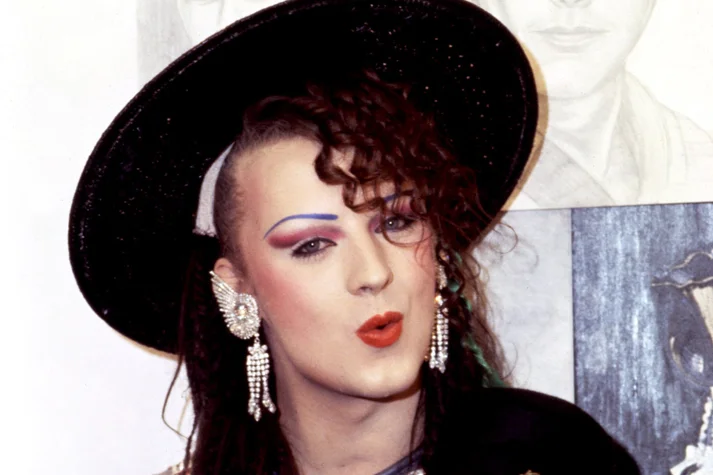
There was a moment when you could not walk into a grocery store without hearing “Karma Chameleon.” Boy George’s colorful image and warm, soulful voice made the band feel both playful and emotionally sincere. The song’s bright melody and singalong chorus made it instantly approachable for all ages. It topped charts worldwide and turned Culture Club into full-blown pop royalty. The tune felt sunny even when you were not paying close attention to the lyrics. It was pure feel-good radio gold.
Over time, though, the song’s constant presence softened into occasional nostalgia. It still gets love during throwback programming, but it no longer dominates casual listening spaces. Many people associate it more with the fashion and visuals of the era than with the musical craftsmanship itself. Its cheerful simplicity made it easy to overplay, which may have accelerated listener fatigue. That does not make it any less iconic, just less unavoidable. It quietly shifted from cultural staple to nostalgic cameo.
4. “Everybody Wants to Rule the World” – Tears for Fears
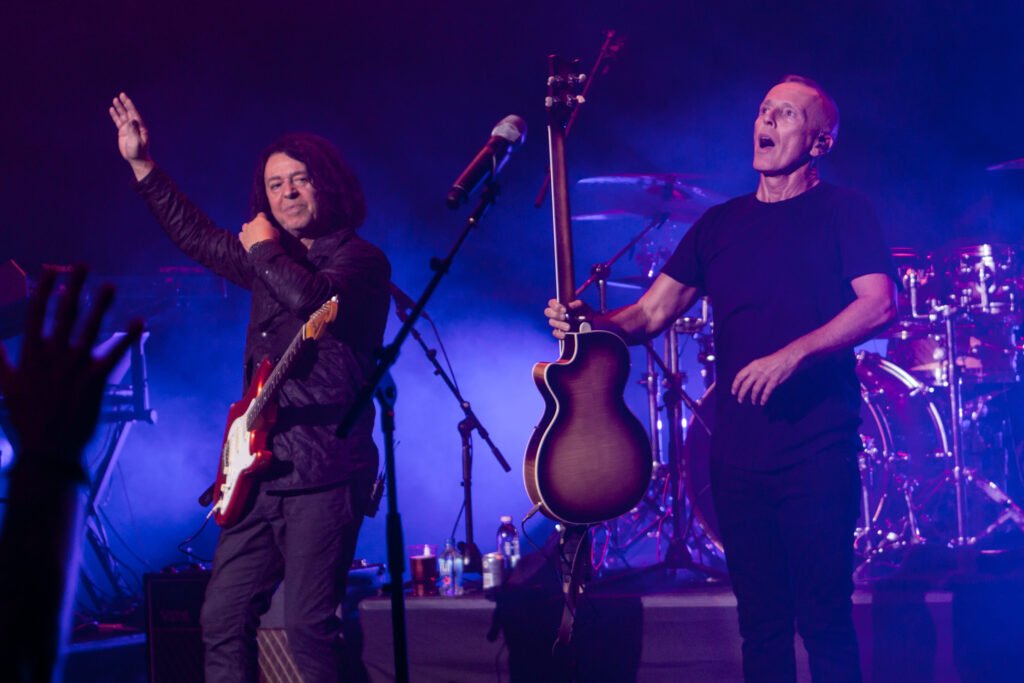
This song felt like the soundtrack to growing up in the mid ’80s, thoughtful yet radio-friendly in a way few pop hits managed. The relaxed groove and reflective lyrics gave it emotional depth without sacrificing catchiness. It played constantly on pop, rock, and adult contemporary stations alike. You could hear it during late-night drives, school dances, and weekend countdowns. The band struck a rare balance between intellectual songwriting and mass appeal. It felt timeless even when it was brand new.
Ironically, that sense of timelessness has allowed it to slip quietly into the background rather than dominate the airwaves today. It still appears in films, commercials, and curated playlists, but not with the same relentless frequency. Some younger listeners discover it organically rather than through cultural saturation. The song remains beloved, just not unavoidable. Its legacy has matured into quiet respect rather than nonstop exposure. That subtle shift makes it feel almost rediscovered each time it comes on.
5. “I Want Candy” – Bow Wow Wow
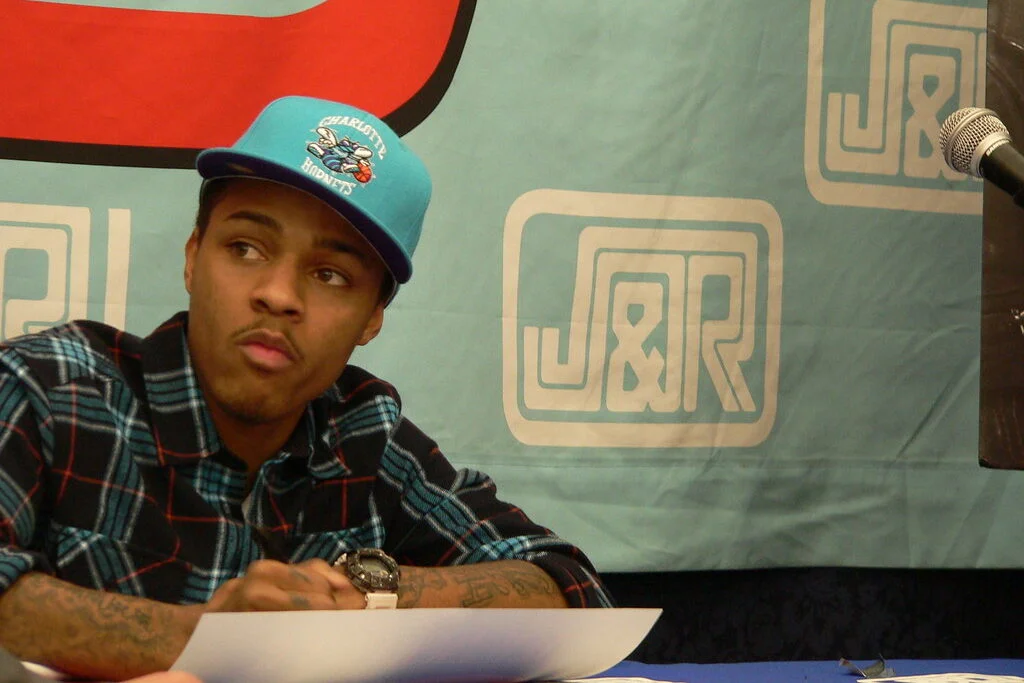
“I Want Candy” was pure sugar rush pop, loud, playful, and impossible to ignore when it hit radio rotation. The chant-along chorus stuck in your head whether you wanted it there or not. It became a staple at school dances, skating rinks, and teen party soundtracks. The song felt mischievous and slightly rebellious in a harmless way. Its energy perfectly captured the colorful chaos of early MTV culture. It was catchy to the point of being unavoidable.
These days, the song mostly pops up as a novelty callback rather than a regularly played hit. Many people remember it instantly but rarely seek it out. Its simplicity, which once made it irresistible, also limited its long-term staying power. It works best as a quick burst of nostalgia rather than extended listening. The track still sparks smiles, just not daily airplay. It remains a fun memory rather than a permanent fixture.
6. “Walk Like an Egyptian” – The Bangles
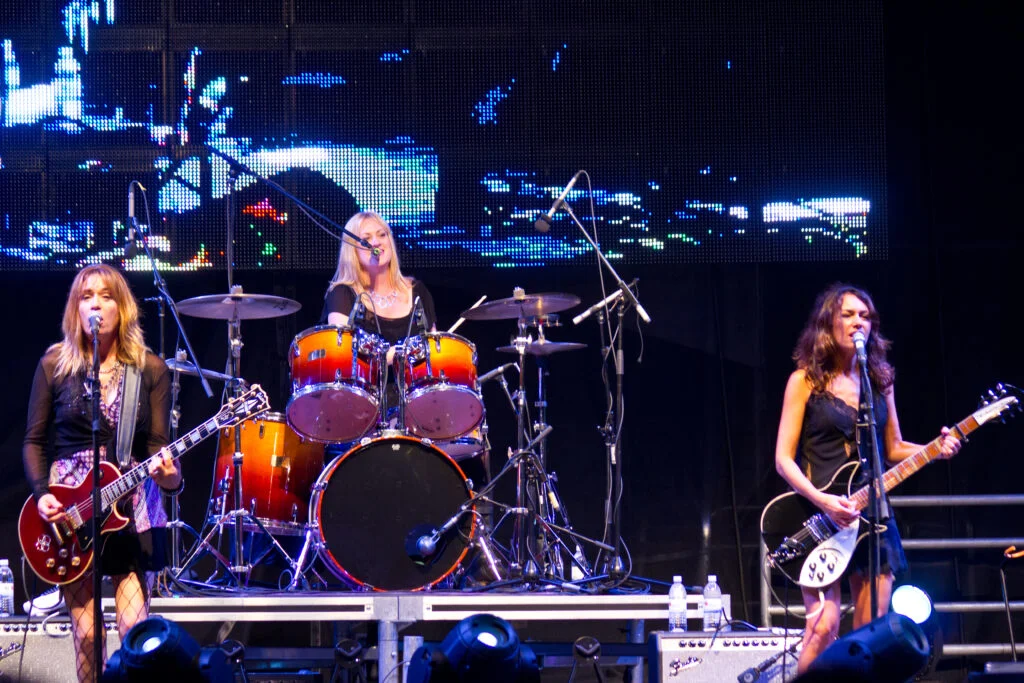
Few songs captured a quirky cultural moment quite like “Walk Like an Egyptian.” The playful lyrics, hand-clapping rhythm, and dance craze made it feel like a party wherever it played. It dominated radio and MTV, becoming one of the biggest singles of the decade. Even people who did not follow pop music knew how to mimic the dance. The song’s lighthearted silliness gave it wide appeal across age groups. It was pop culture wrapped in three irresistible minutes.
Over time, its novelty factor became both its charm and its limitation. It still resurfaces during themed playlists or retro dance moments but rarely holds a permanent slot in daily rotation. Some listeners associate it more with parody or kitsch than with serious pop artistry. That shift has gently pushed it into nostalgia-only territory. It remains instantly recognizable, but no longer unavoidable. Its legacy lives more in memory than in repetition.
7. “Come On Eileen” – Dexys Midnight Runners
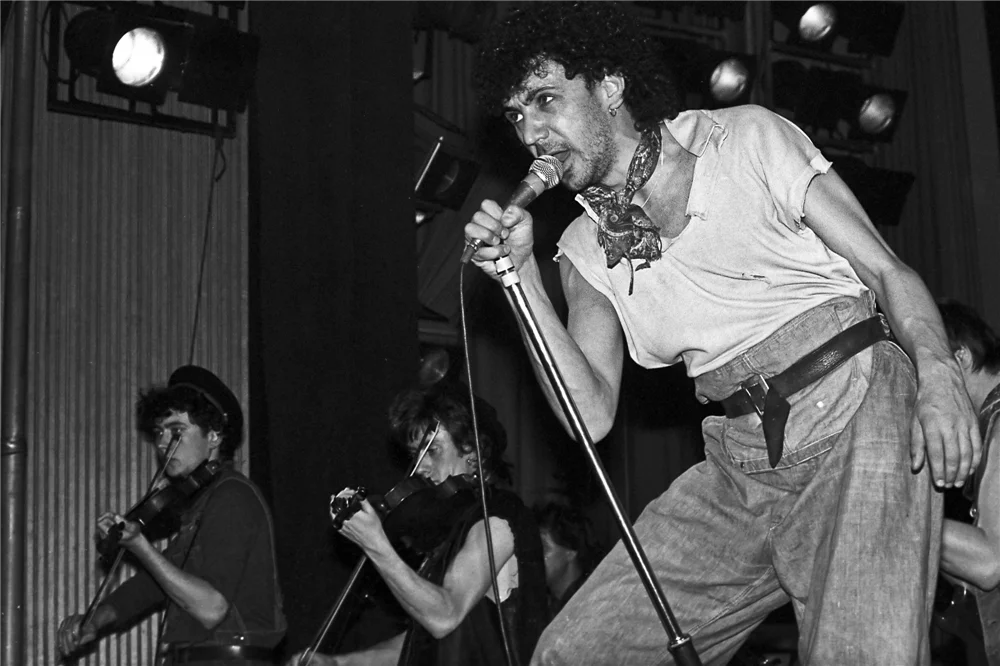
This song exploded with joyful chaos, blending Celtic-inspired instrumentation with pop hooks in a way that felt fresh and unexpected. The dramatic build and singalong chorus turned it into an instant crowd favorite. It ruled radio stations, wedding dance floors, and party playlists for years. The energy felt contagious, like everyone in the room was suddenly part of the same celebration. It was loud, messy, and completely irresistible. Few songs could ignite a room faster.
Now, “Come On Eileen” tends to appear mainly at nostalgic gatherings or throwback-heavy events. It still gets people singing, but it is no longer a daily radio staple. Some listeners only encounter it during weddings or themed parties rather than casual listening. Its overexposure in earlier decades likely contributed to its retreat. The song has not lost its spark, just its constant presence. It lives on as a guaranteed crowd-pleaser rather than a chart regular.
8. “Don’t You Want Me” – The Human League

This synth-driven breakup anthem helped define the early ’80s new wave sound. The back-and-forth vocals gave it a dramatic, almost theatrical edge that felt fresh at the time. It climbed charts quickly and became a staple on both radio and MTV. The melody was sharp, catchy, and endlessly replayable. For many listeners, it represented the moment electronic pop fully entered the mainstream. It felt futuristic without being alienating.
Over the years, the song’s constant rotation slowed, making it more of a specialty throwback than a daily fixture. It still earns plenty of love from fans of the genre, but it is not as omnipresent as it once was. Younger listeners often discover it through curated playlists rather than organic radio exposure. The production now sounds charmingly vintage rather than cutting-edge. Its influence remains clear, even as its visibility has softened. Time reshaped it into a classic rather than a constant.
9. “We Built This City” – Starship
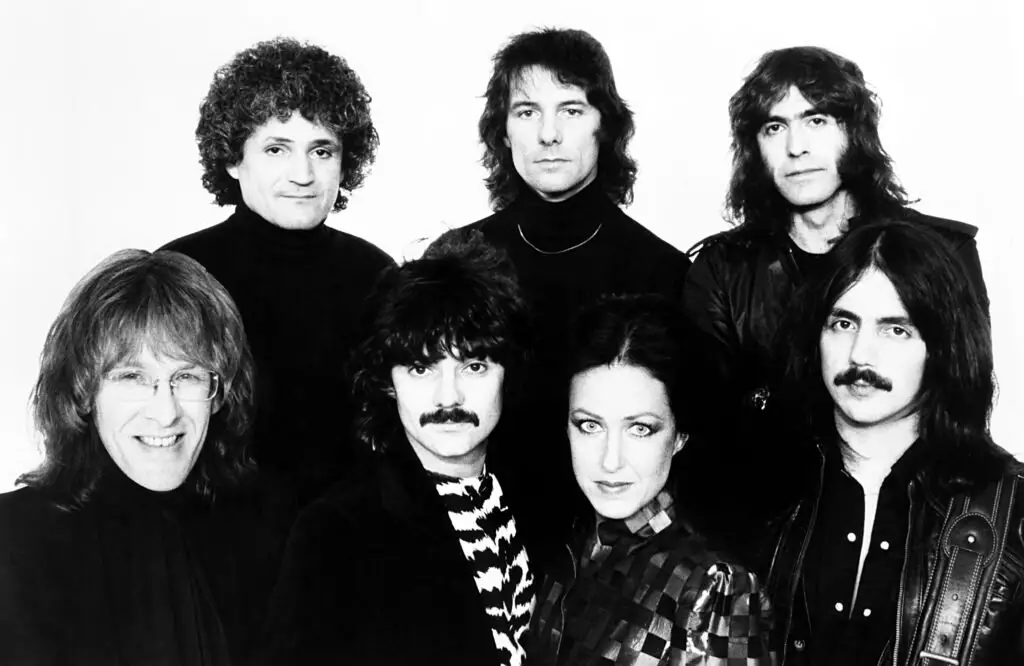
Love it or hate it, this song was absolutely everywhere in the mid ’80s. The glossy production, big chorus, and arena-ready energy made it radio gold. It topped charts and became a defining sound of mainstream pop-rock at the time. You could not escape it during commutes, shopping trips, or weekend countdowns. The song felt huge, bold, and unapologetically commercial. It embodied the excess and confidence of the era.
As tastes shifted, the song became more polarizing than celebrated. It now often appears on “most divisive hits” lists rather than greatest hits collections. While still instantly recognizable, it does not enjoy the same affectionate nostalgia as some of its peers. Many stations limit its rotation or reserve it for novelty programming. Its reputation evolved even as its familiarity remains. It is remembered vividly, just not always fondly or frequently.
10. “She Drives Me Crazy” – Fine Young Cannibals
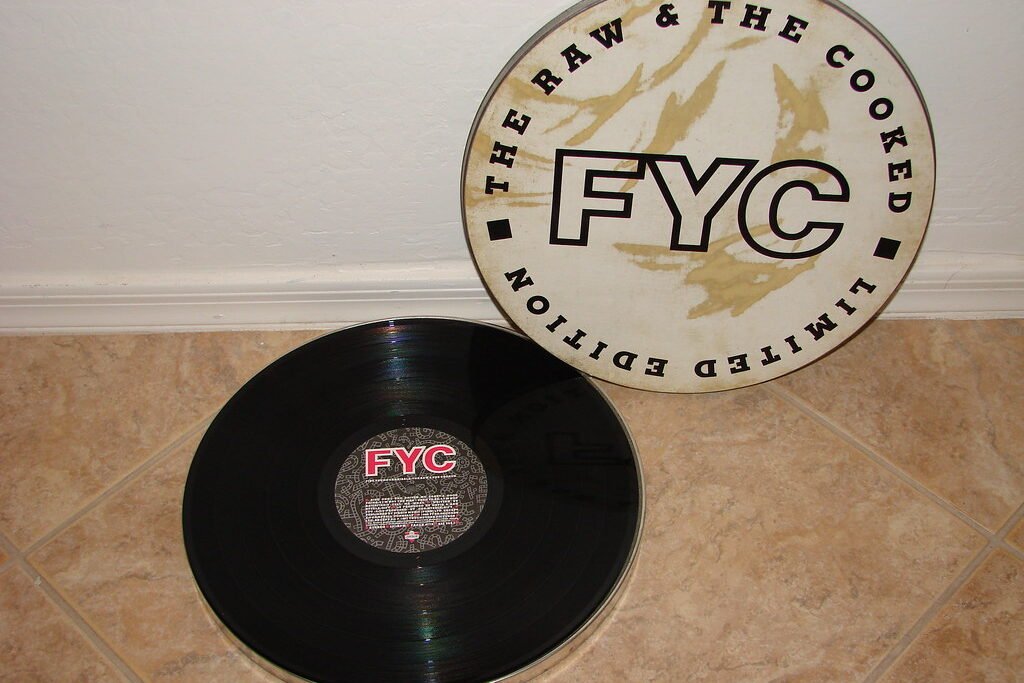
The offbeat production and falsetto vocals made this song feel refreshingly different when it first arrived. It jumped across pop and alternative audiences with surprising ease. The rhythm was quirky but catchy enough to dominate radio charts. It became one of those songs you heard constantly without realizing how unusual it actually was. The band suddenly felt like overnight stars. The track captured a playful, slightly eccentric energy that fit the late ’80s perfectly.
Today, the song appears more sporadically than during its peak. It still resonates with listeners who remember its original run, but it is not part of everyday rotation anymore. Younger audiences may recognize it from commercials or soundtracks rather than radio. Its unique sound keeps it memorable, even if exposure has decreased. It remains a time capsule of late-decade pop experimentation. Familiar, but no longer unavoidable.
11. “Total Eclipse of the Heart” – Bonnie Tyler
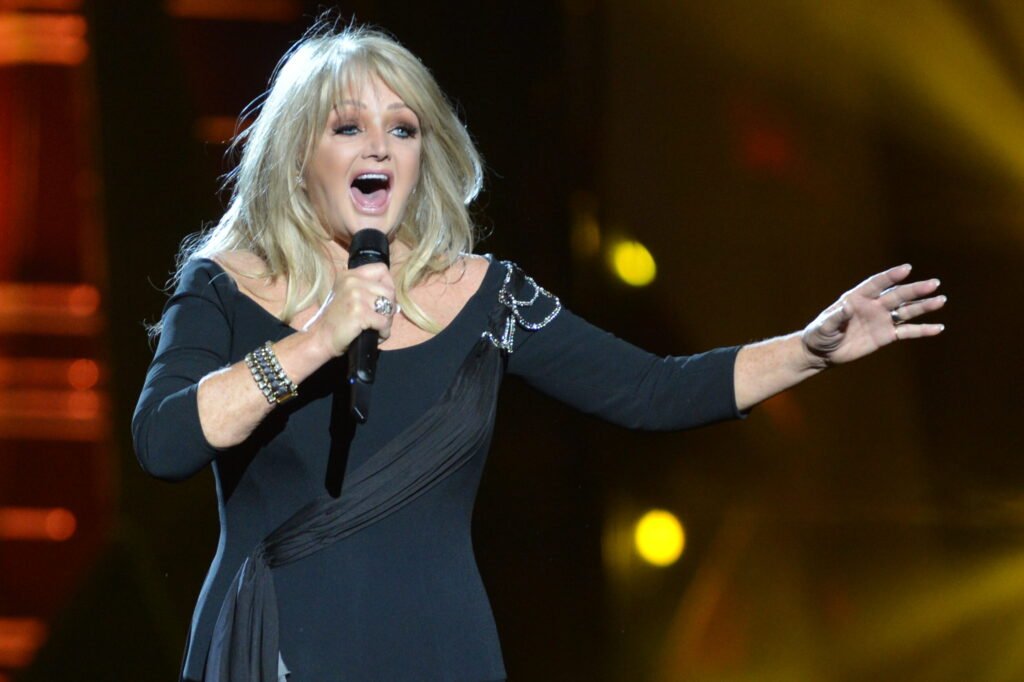
This power ballad felt massive when it ruled the airwaves, emotionally and sonically. Bonnie Tyler’s raspy vocals gave the song a dramatic intensity that stood out immediately. It dominated slow dances, late-night radio, and emotional movie montages. The sweeping production made heartbreak feel cinematic. For many listeners, it became the ultimate late-night singalong anthem. It was impossible to ignore during its peak.
Over time, the song’s theatrical nature pushed it more into novelty territory. It resurfaces during karaoke nights, themed countdowns, or humorous pop culture moments. While still beloved, it no longer dominates radio programming the way it once did. Some listeners associate it more with parody than emotional sincerity now. Its staying power is undeniable, but its saturation has faded. It remains iconic without being omnipresent.
12. “Funkytown” – Lipps Inc.
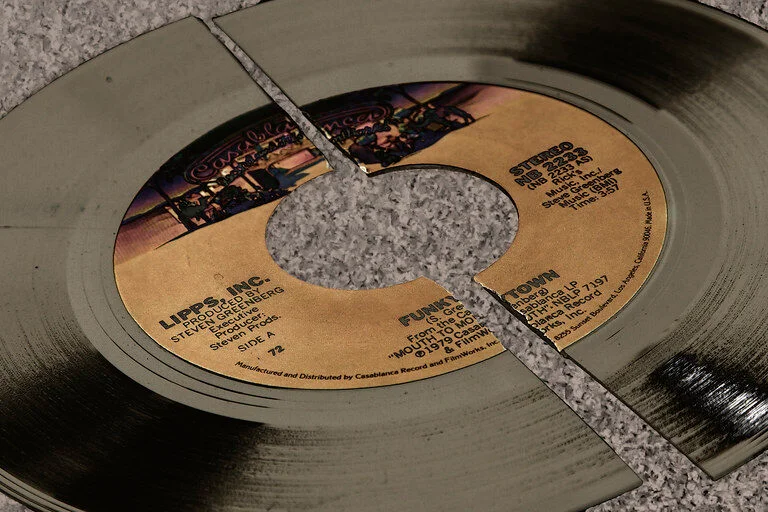
“Funkytown” brought infectious disco-pop energy right as dance music was evolving into the early ’80s. Its driving beat and futuristic synth line made it impossible not to move. It crossed genres effortlessly, landing on pop charts and club playlists alike. The song felt endlessly replayable during its peak years. It became a staple at parties and skating rinks everywhere. Its groove seemed unstoppable at the time.
Today, the track lives mostly in retro playlists and movie soundtracks. It still sparks instant recognition, but it no longer dominates everyday listening. Some listeners know the hook without knowing the artist. Its sound now feels firmly tied to a specific era rather than timeless pop. That does not diminish its fun factor, only its cultural saturation. It remains a joyful throwback rather than a daily presence.