
1. Air Supply

Before MTV turned pop stardom into a visual sport, Air Supply was absolutely everywhere on radio. Songs like “Lost in Love” and “All Out of Love” dominated early ’80s airwaves and made Graham Russell and Russell Hitchcock household names without flashy videos or stylized branding. Their soft rock ballads fit perfectly into the era’s romantic radio programming, especially on adult contemporary stations. You could hear them in grocery stores, on car radios, and at every slow dance. They built massive popularity based purely on melody, harmonies, and emotional songwriting. At their peak, they were selling out arenas and stacking Top 10 hits with remarkable consistency.
Once MTV became the primary tastemaker for younger audiences, Air Supply’s gentle image suddenly felt out of step with the high-energy visuals and edgy fashion dominating the channel. Their videos never matched the theatrical appeal of newer acts like Duran Duran or Madonna. Radio still supported them for a while, but their chart momentum steadily cooled as pop culture became more image driven. They continued touring and recording, especially with loyal fans overseas. The songs never disappeared, but the cultural spotlight shifted elsewhere. Air Supply became a classic-radio staple rather than a front-line pop force.
2. Olivia Newton-John
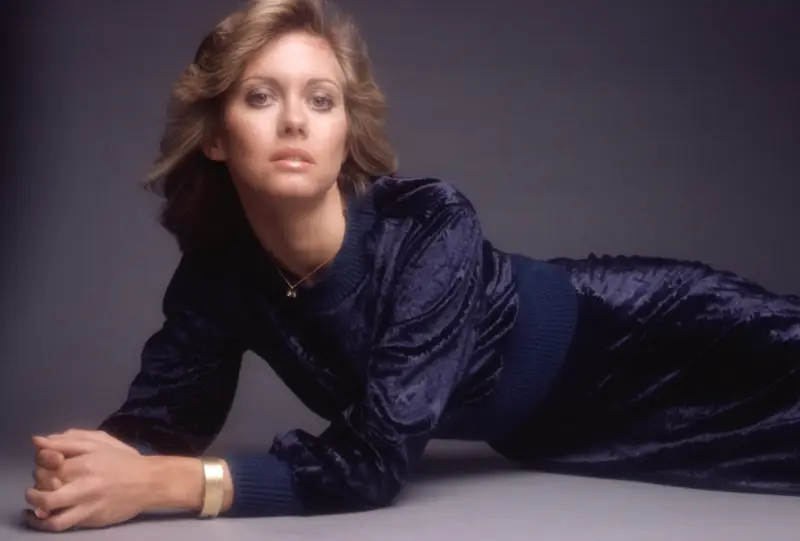
Olivia Newton-John entered the ’80s riding enormous success from both pop radio and film. “Physical” became one of the decade’s biggest singles, and her crossover appeal reached far beyond traditional pop audiences. She had a wholesome image paired with undeniable hit-making power. Radio embraced her instantly, and her voice was instantly recognizable. She represented a bridge between ’70s soft pop and early ’80s mainstream radio dominance. At that moment, she didn’t need flashy visuals to remain dominant.
As MTV reshaped pop stardom into a visual arms race, Newton-John’s clean-cut image struggled to evolve in ways that connected with younger audiences. Her later music leaned more adult contemporary than cutting-edge pop. While she remained respected and commercially stable for years, her chart presence slowed noticeably. MTV favored artists who constantly reinvented their look and sound. Newton-John’s legacy stayed strong, but the center of pop conversation moved on. Her earlier hits remain iconic, even as her momentum softened in the video era.
3. Christopher Cross

Christopher Cross exploded onto the charts with massive soft rock hits like “Sailing” and “Arthur’s Theme.” His debut album was a commercial juggernaut that dominated radio playlists. His smooth voice and polished production defined early ’80s adult pop. Audiences connected with the laid-back sophistication of his sound. He collected major awards and enjoyed heavy airplay without relying on visual branding. At the time, success was still largely built on radio presence and record sales.
When MTV began prioritizing artists with striking visual identities, Cross struggled to translate his mellow image into compelling video content. His understated stage presence didn’t fit the increasingly theatrical pop landscape. While his songwriting remained strong, younger listeners gravitated toward more visually dynamic performers. Radio support gradually softened as trends shifted. Cross continued releasing music and touring, but the cultural buzz diminished. His early success became more nostalgic than current.
4. Juice Newton

Juice Newton blended country, pop, and adult contemporary into a string of early ’80s radio hits. Songs like “Angel of the Morning” and “Queen of Hearts” crossed multiple formats and stayed in heavy rotation. Her approachable voice and catchy hooks made her easy to embrace. She benefited from a time when radio still drove mainstream success across genres. Her records sold well, and her name was familiar far beyond country audiences. She built her reputation primarily through airplay rather than visuals.
As MTV’s influence grew, Newton’s low-key visual presentation didn’t command the same attention as more image-forward pop stars. Her crossover lane narrowed as pop became increasingly stylized and youth driven. Country radio remained supportive, but mainstream pop exposure faded. She continued performing and recording with loyal fans. Her earlier hits never truly disappeared from playlists. Still, the pop spotlight moved toward artists with stronger visual identities.
5. Leo Sayer

Leo Sayer entered the early ’80s with major recognition from late ’70s hits that kept carrying over on radio. His distinctive voice and theatrical delivery made him instantly identifiable. Songs like “You Make Me Feel Like Dancing” remained staples across formats. He already had global recognition before MTV became dominant. His appeal was rooted in personality and vocal character rather than visual branding. Radio kept him relevant into the early years of the decade.
Once MTV reshaped pop marketing, Sayer’s quirky image didn’t translate as seamlessly into the emerging video-driven marketplace. His musical style leaned toward earlier pop sensibilities rather than the slick synth-driven sound taking over. Chart momentum slowed as newer acts captured younger viewers. He continued recording and touring internationally. His catalog remained beloved among longtime fans. But his presence in mainstream pop conversation steadily declined.
6. Billy Ocean
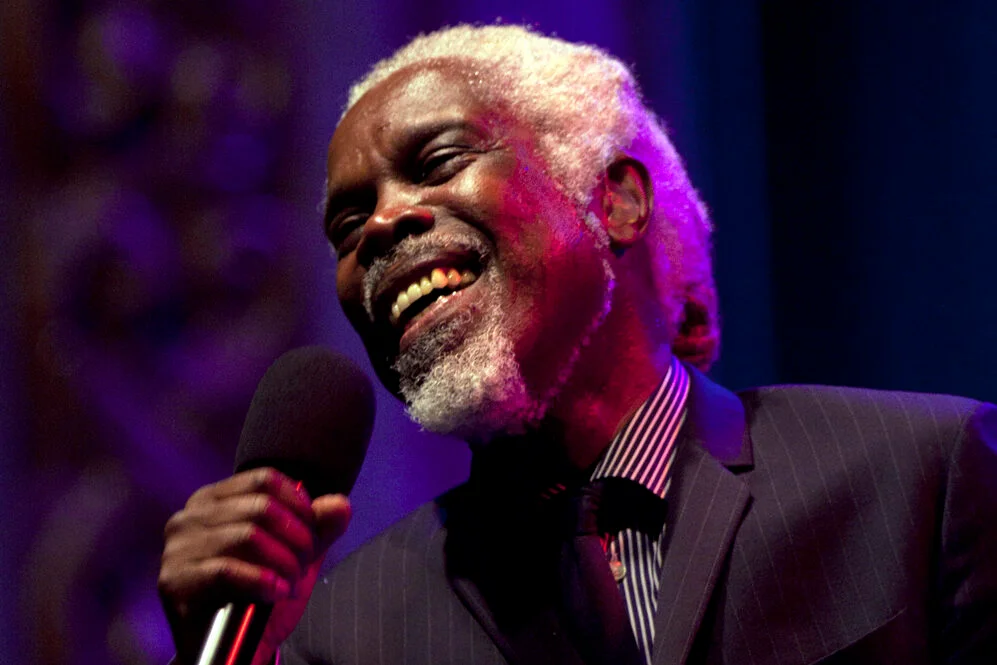
Billy Ocean scored huge radio success in the early ’80s with smooth, dance-friendly pop and R&B crossover hits. His voice was powerful, polished, and instantly recognizable. Tracks like “Caribbean Queen” dominated airwaves and dance floors alike. He benefited from a strong radio-first music industry that rewarded consistent hitmakers. His sound traveled easily across formats and international markets. He was a familiar name before MTV fully dictated pop culture.
As video aesthetics became increasingly central, Ocean faced stronger competition from younger, heavily stylized artists. While some of his videos performed well, his momentum slowed as trends shifted toward edgier visual storytelling. His later releases didn’t generate the same cultural excitement. He continued touring successfully and maintained a loyal audience. His earlier hits remained fixtures on throwback playlists. The mainstream spotlight, however, gradually moved on.
7. Kim Carnes
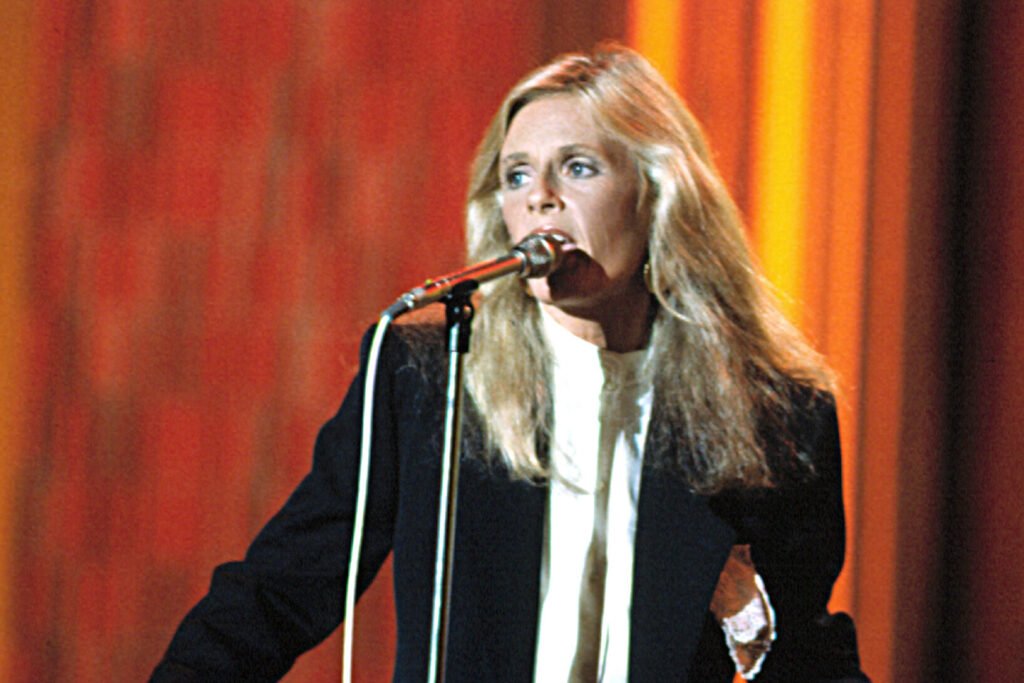
Kim Carnes became a massive presence on early ’80s radio thanks to the unmistakable rasp of “Bette Davis Eyes.” The song dominated charts and defined an era of pop radio. Her voice stood out immediately in any playlist. She built recognition on airplay strength rather than visual branding. Listeners connected to the emotional grit in her delivery. For a brief moment, she felt unstoppable on the charts.
MTV’s rise shifted attention toward artists with visually striking personas and high-concept videos. Carnes’ focus remained centered on songwriting and vocals rather than image reinvention. Follow-up singles never matched the cultural impact of her breakout hit. Radio support gradually softened. She continued writing and performing successfully behind the scenes. Her signature hit remains timeless, but her chart dominance faded.
8. Sheena Easton

Sheena Easton emerged in the early ’80s with strong radio momentum and a polished pop sound. Her singles crossed formats and found broad appeal quickly. She benefited from a moment when vocal ability still drove mainstream pop success. Her early image was relatively understated compared to what MTV would soon reward. She built credibility through consistent radio airplay and solid songwriting. Her voice carried much of her early recognition.
As MTV pushed visual reinvention and bold imagery, Easton adapted with varying success. Some later projects leaned heavily into image shifts that divided audiences. While she maintained visibility and occasional hits, her initial momentum slowed. Competition intensified from younger, visually dominant stars. She remained respected and productive in music and stage work. Her early radio era remains her strongest commercial period.
9. Airwaves Darling Tiffany

Tiffany burst onto the scene as a teen pop phenomenon built largely on radio exposure and mall tours. Her cover of “I Think We’re Alone Now” became an undeniable hit. She quickly developed a massive fan base without heavy reliance on MTV programming. Her success leaned on grassroots promotion and catchy pop hooks. She became a familiar voice on pop radio almost overnight. Her image initially aligned more with wholesome teen pop than high-concept visuals.
As MTV-driven pop evolved rapidly, Tiffany’s sound and branding struggled to mature alongside changing trends. Newer teen stars entered with more polished video strategies and stronger label backing. Her chart presence cooled faster than expected. She continued recording and touring independently for devoted fans. Her early hits remain nostalgic favorites. But her mainstream momentum faded in the competitive video era.
10. Debby Boone
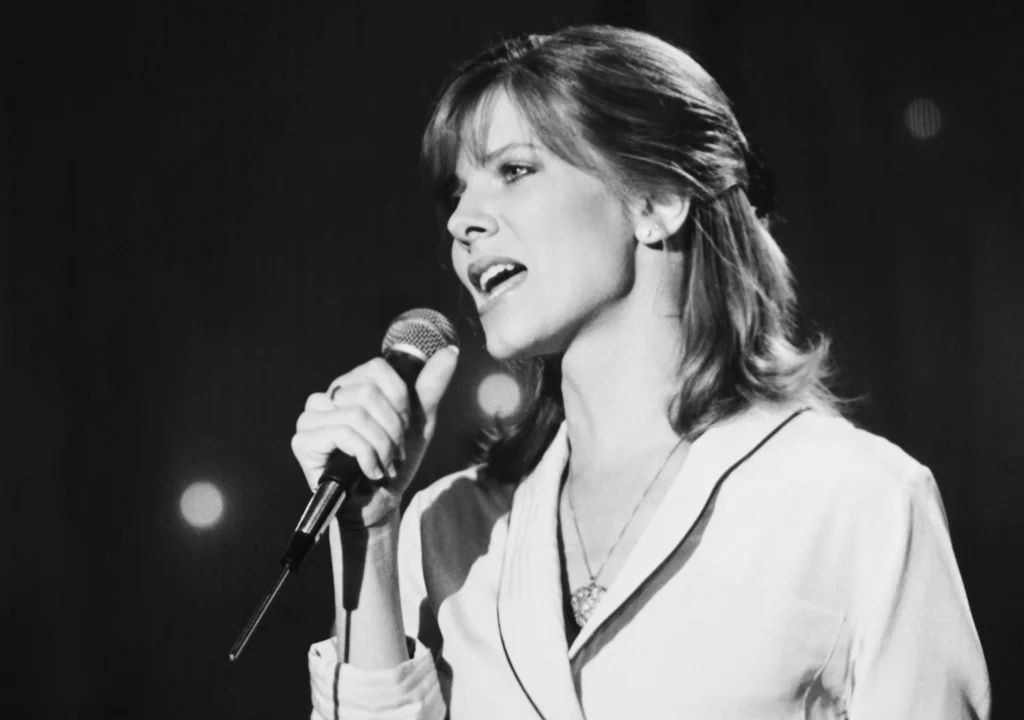
Debby Boone’s massive success carried over from late ’70s adult pop dominance into the early ’80s. “You Light Up My Life” remained one of the era’s defining ballads on radio. Her wholesome image resonated strongly with adult listeners. She built her popularity long before visual branding mattered much in pop marketing. Radio programmers embraced her clean sound and emotional delivery. She enjoyed steady recognition across easy listening formats.
When MTV shifted youth attention toward edgier, visually driven artists, Boone’s style felt increasingly traditional. Her music remained respected but less culturally central. Chart appearances slowed as trends leaned more synth-heavy and image-focused. She continued performing and recording in faith-based and theatrical spaces. Her signature hit endured across generations. But her pop momentum softened significantly.
11. Rick Springfield
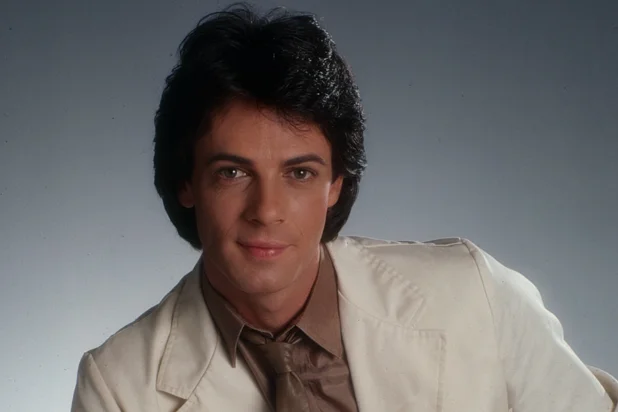
Rick Springfield achieved massive early ’80s success driven by radio-friendly power pop and teen idol appeal. “Jessie’s Girl” became a cultural phenomenon almost instantly. His songs connected strongly with mainstream audiences before MTV fully reshaped artist branding. He benefited from crossover exposure through television acting as well. Radio airplay propelled his albums into multi-platinum territory. He felt omnipresent at his commercial peak.
As MTV accelerated competition and musical trends evolved, Springfield’s chart momentum gradually declined. New wave and dance-driven pop began dominating youth culture. While he maintained a loyal fan base and continued touring, mainstream radio support softened. His later albums didn’t replicate his early chart impact. He remained visible through acting and live performances. His legacy rests heavily on his early hits.
12. Laura Branigan
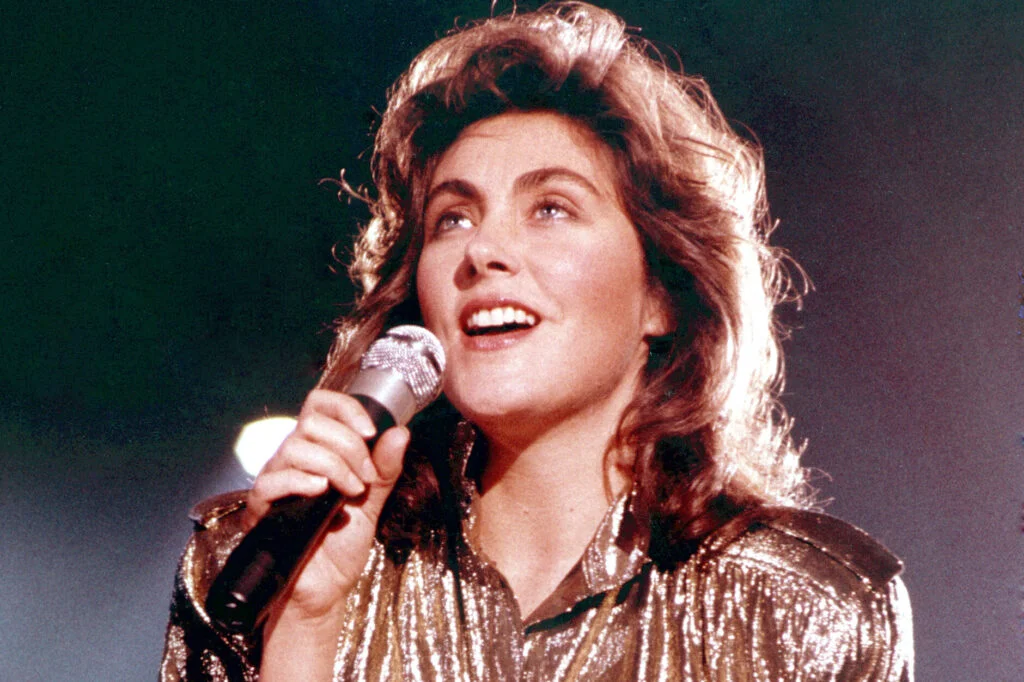
Laura Branigan commanded early ’80s radio with powerhouse vocals and dramatic pop anthems. “Gloria” became a staple across multiple formats and international charts. Her voice gave her immediate credibility in an era still driven by vocal performance. She built recognition largely through airplay rather than image spectacle. Her songs carried emotional intensity that resonated strongly with listeners. She quickly became a reliable hitmaker.
As MTV emphasized visual branding and youth culture, Branigan’s theatrical vocal style felt less aligned with emerging trends. Her later singles received diminishing radio attention. Competition from visually dominant pop acts intensified. She continued recording and touring with dedicated fans. Her signature hits remained enduring favorites. But her mainstream chart momentum gradually tapered.
13. Kenny Loggins

Kenny Loggins dominated early ’80s radio with soundtrack-driven hits that felt inescapable. Songs tied to blockbuster films gave him massive exposure without heavy reliance on music videos. His smooth pop-rock sound fit perfectly with adult contemporary and pop stations. He built credibility across decades before MTV reshaped the industry. His name became synonymous with feel-good radio hits. His catalog stacked quickly with recognizable anthems.
As MTV shifted attention toward visually dynamic performers, Loggins’ presence became more soundtrack-focused than pop-forward. His radio dominance softened as musical trends evolved. He remained highly respected as a songwriter and performer. Touring continued successfully for years. His music maintained strong nostalgic appeal. But the mainstream pop spotlight gradually moved away.
14. Paul Young
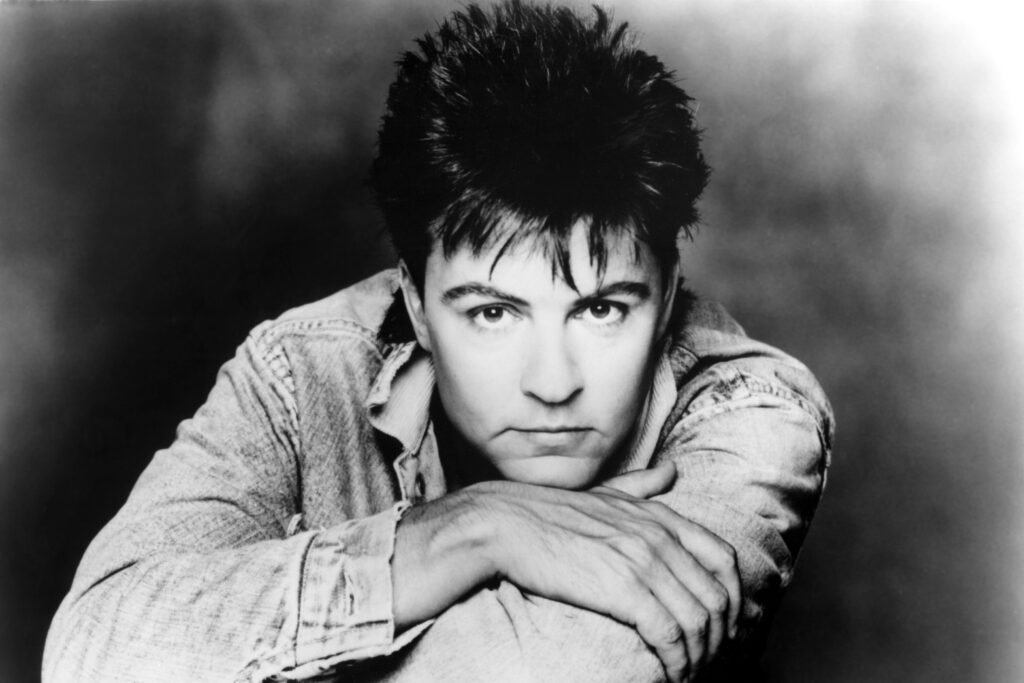
Paul Young achieved early ’80s international success through strong radio play and soulful pop vocals. “Every Time You Go Away” became a defining ballad for the era. His smooth delivery and emotional phrasing resonated widely. He benefited from a transitional period when radio still carried enormous influence. His popularity grew quickly across multiple markets. His voice drove recognition more than visual branding.
As MTV accelerated competition, Young’s momentum slowed in the crowded pop marketplace. New acts dominated youth-driven visual culture. While he remained respected and continued recording, chart impact decreased. His earlier hits retained lasting appeal on adult contemporary stations. Touring sustained his career internationally. The mainstream spotlight, however, gradually shifted elsewhere.