
1. M*A*S*H “Goodbye, Farewell and Amen”
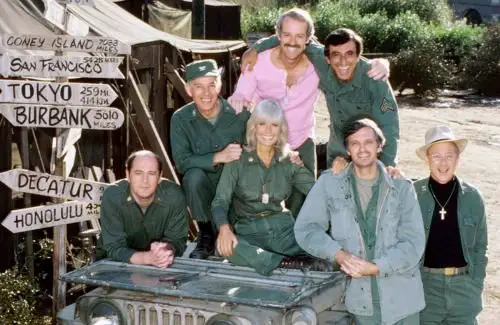
When M*A*S*H aired its finale in February 1983, more than one hundred million viewers tuned in, a record that stood for decades. Instead of a tidy sitcom goodbye, the episode leaned into heartbreak, trauma, and the emotional cost of war. Characters we had laughed with for years were suddenly grappling with permanent separation and unresolved pain. It proved a comedy could deliver the kind of emotional weight normally reserved for serious dramas.
The episode also felt cinematic in scope, running more than two hours and unfolding like a feature film rather than a typical TV installment. Viewers realized that a sitcom could demand patience, reflection, and genuine emotional investment. It raised expectations for what finales could accomplish and encouraged networks to let major shows go out with ambition rather than convenience. Even today, it’s often cited as the gold standard for ending a series with purpose and impact.
2. Cheers “Thanksgiving Orphans”
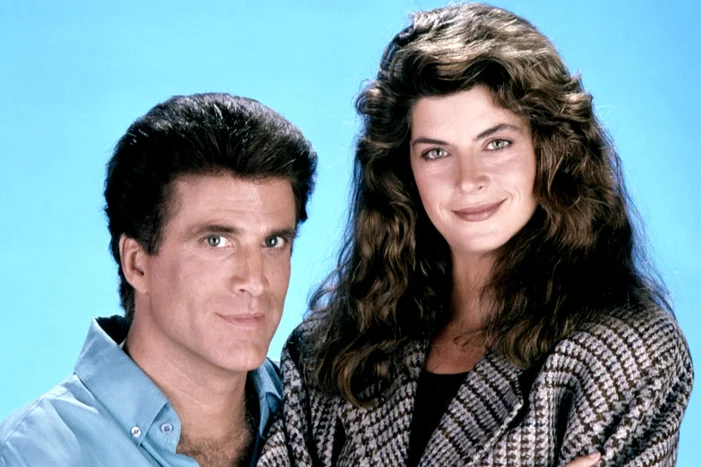
“Thanksgiving Orphans” took a simple holiday setup and turned it into a masterclass in ensemble comedy. Instead of sentimental speeches and easy resolutions, the episode leaned into sharp timing, escalating chaos, and deeply funny character clashes. It showed how a sitcom could feel intimate and theatrical at the same time. Every line felt calibrated for maximum payoff.
The episode influenced how later sitcoms approached holiday specials, shifting away from syrupy morals toward sharper, character-driven humor. It proved that a bottle episode could feel expansive if the writing and performances were strong enough. Many modern comedies still chase this balance of warmth and ruthless wit. For a lot of viewers, it reset expectations for what a “special episode” could deliver.
3. Family Ties “A, My Name Is Alex”
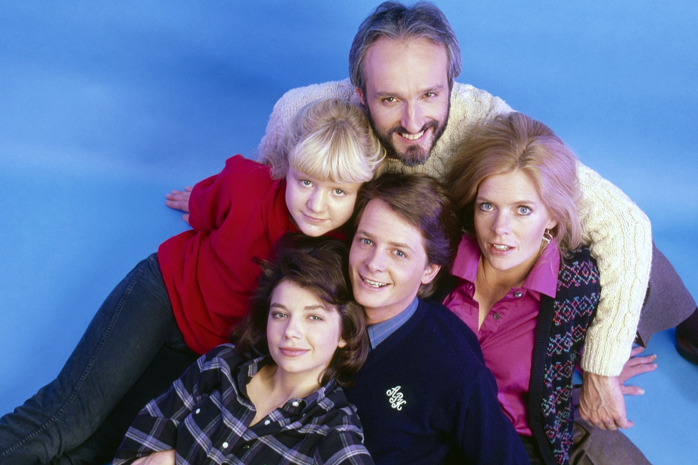
This two-part episode stunned audiences by following Alex Keaton as he processes the sudden death of a close friend. Instead of laugh tracks and punchlines, the show leaned into grief, denial, and emotional vulnerability. Michael J. Fox delivered a performance that surprised viewers who knew him mostly for fast-talking comedy. The tonal shift felt bold and risky for prime-time sitcoms of the era.
The episode demonstrated that sitcom characters could experience lasting emotional consequences rather than resetting each week. It encouraged writers to trust viewers with heavier subject matter and layered storytelling. Later comedies increasingly experimented with long-form emotional arcs because of moments like this. It helped blur the line between comedy and drama in mainstream television.
4. Murphy Brown “You Say Potatoe, I Say Potato”
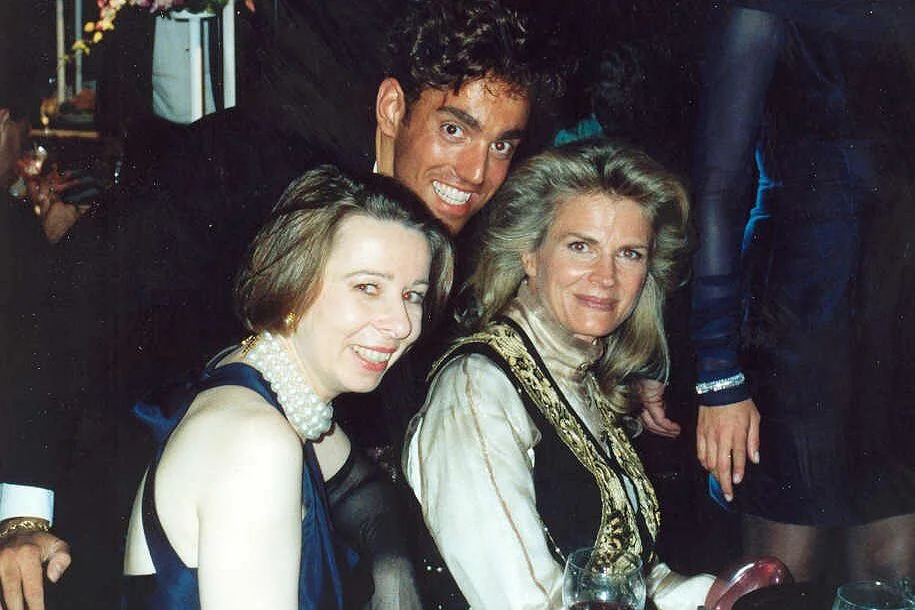
This episode tackled gender politics, workplace power, and public image through Murphy’s clash with a new boss. Instead of softening the conflict for comfort, the script let Murphy remain unapologetically herself. The tension felt real rather than cartoonish, giving the comedy a sharp edge. It made viewers rethink how sitcom heroines could be written.
The episode helped normalize outspoken, professionally driven female leads who didn’t need constant likability. It also showed that topical political and cultural commentary could coexist with humor. Many later workplace comedies borrowed this blend of sharp satire and character-driven conflict. Murphy Brown became a template for smart, fearless sitcom writing.
5. Seinfeld “The Chinese Restaurant”
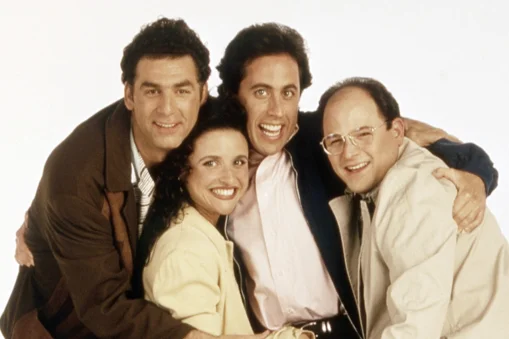
Set almost entirely in a crowded waiting area, this episode broke conventional sitcom pacing and structure. Nothing “big” happens, yet everything feels funny because the characters spiral into petty frustration. The show trusted observational humor rather than plot mechanics to carry the episode. At the time, this kind of minimalism felt radical.
The episode helped redefine what a sitcom could be about, proving that everyday annoyances were enough to anchor a half hour of television. It influenced countless later comedies that embraced awkwardness, inertia, and anti-climactic storytelling. Viewers began paying closer attention to writing and rhythm rather than big story beats. It quietly reshaped comedic storytelling on TV.
6. The Simpsons “Simpsons Roasting on an Open Fire”
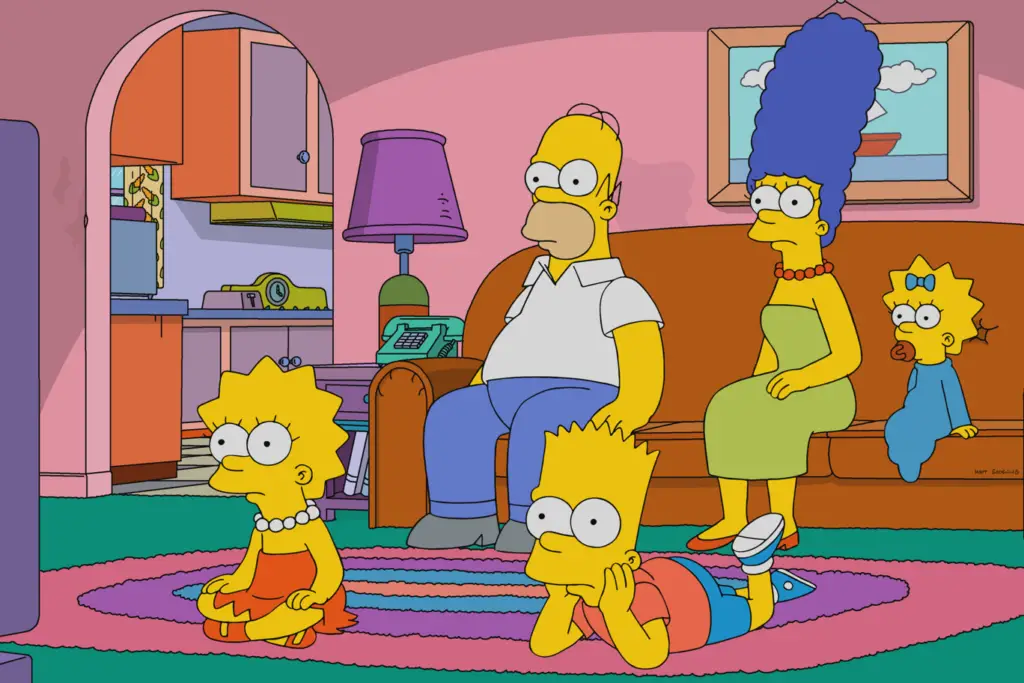
This Christmas special introduced audiences to an animated family that felt imperfect, relatable, and emotionally grounded. Instead of cartoon slapstick alone, the episode leaned into financial stress, parental pride, and family loyalty. It immediately distinguished itself from traditional animated programming. Viewers realized cartoons could appeal directly to adults without losing heart.
The episode helped open the door for animated sitcoms to tackle real-world issues with humor and intelligence. It set the tone for decades of adult animation that followed. Networks became more willing to invest in animation as prime-time storytelling rather than novelty programming. The way we consume animated comedy today traces directly back to this moment.
7. Roseanne “Lovers’ Lane”
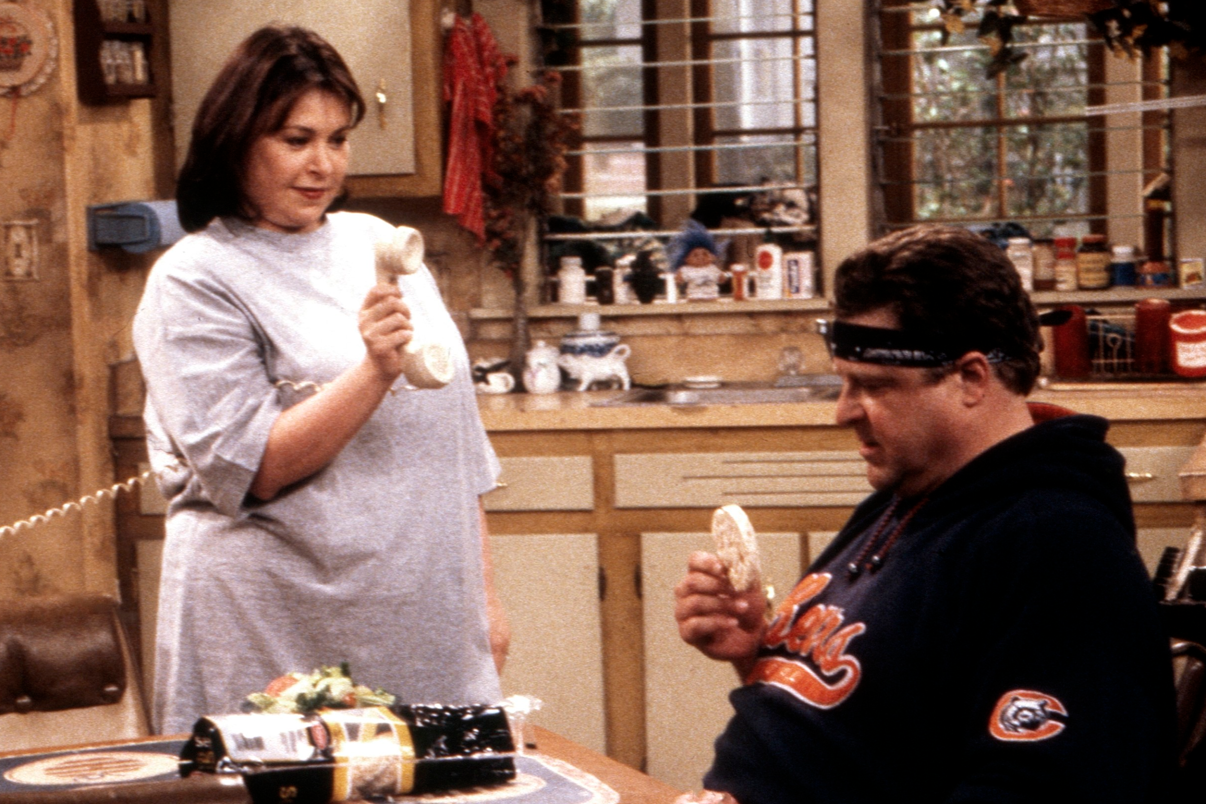
This episode focused on Dan and Roseanne navigating jealousy, insecurity, and marital trust in a refreshingly honest way. Instead of exaggerated sitcom misunderstandings, the conflict felt grounded and emotionally realistic. The dialogue sounded like something real couples might actually say. It helped redefine how working-class families were portrayed on TV.
The episode reinforced the idea that sitcom marriages could be complex, messy, and still loving. Viewers connected to the authenticity rather than idealized perfection. It influenced later family comedies to lean into realism rather than fantasy. Roseanne helped shift sitcoms toward more socially grounded storytelling.
8. Married… with Children “I’ll See You in Court”
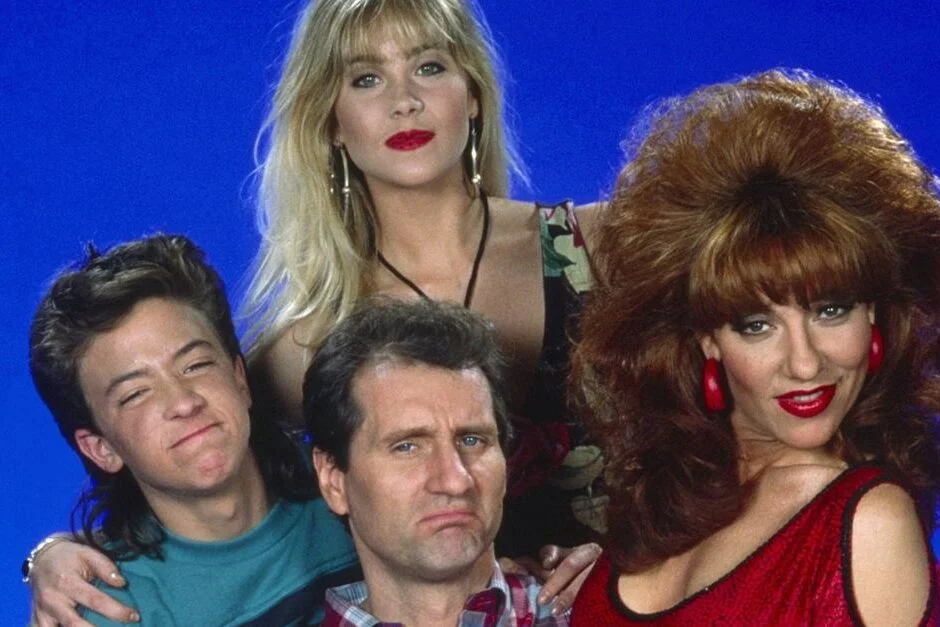
This episode leaned unapologetically into crude humor and boundary-pushing jokes that shocked many viewers. Instead of polite family comedy, it embraced provocation and satire. Love it or hate it, the episode signaled that network sitcoms could challenge taste standards. It broke away from the wholesome template dominating earlier decades.
The show’s willingness to push buttons paved the way for edgier comedies in the years that followed. Audiences began expecting sitcoms to take risks rather than play it safe. Networks learned that controversy could drive attention and loyalty. It permanently widened the range of acceptable sitcom humor.
9. The Wonder Years “Pilot”
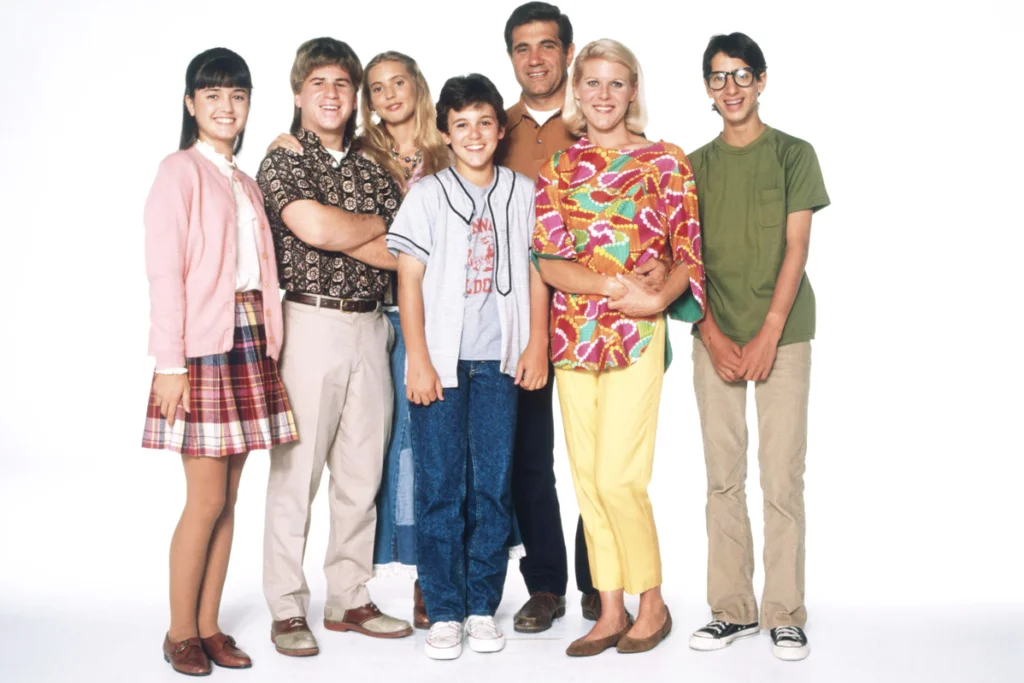
The pilot blended nostalgia, voiceover storytelling, and emotional realism in a way few sitcoms had attempted. It framed childhood memories with adult reflection, giving the comedy a bittersweet tone. The storytelling felt cinematic and intimate rather than stage-bound. Viewers immediately sensed they were watching something different.
This approach influenced later series that blended comedy with reflective narration and long-term character growth. It showed that sitcoms could feel personal and memory-driven rather than purely joke-based. The emotional texture encouraged audiences to engage more deeply with characters over time. It expanded the narrative vocabulary of television comedy.
10. Diff’rent Strokes “The Bicycle Man”
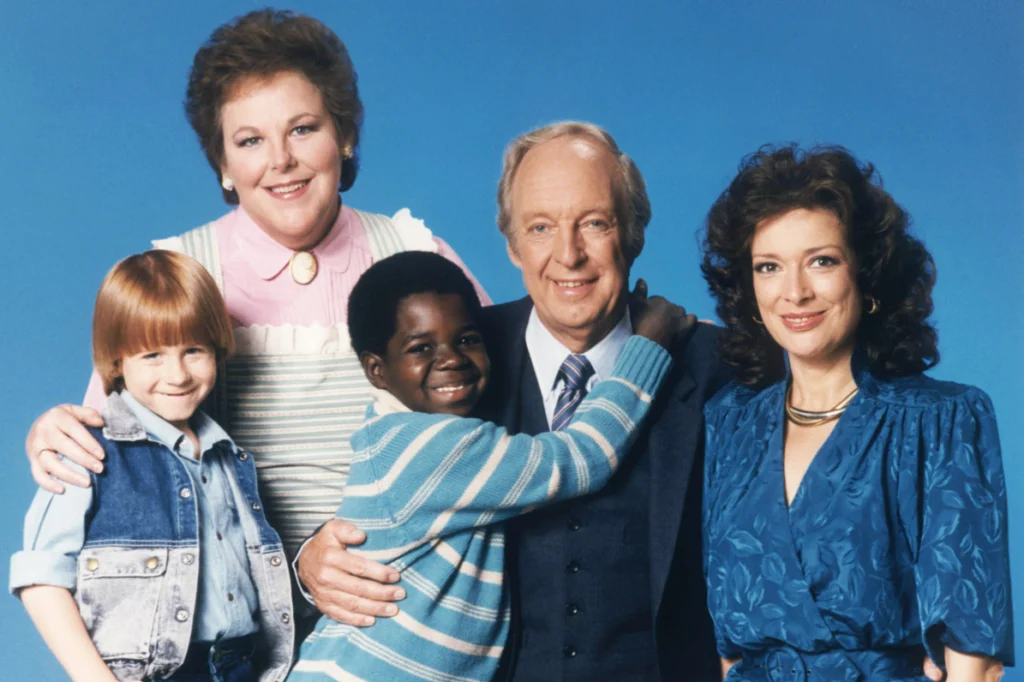
This controversial episode addressed child exploitation in a direct and serious way that stunned audiences. The show abandoned light comedy to confront a frightening real-world issue. It sparked national conversations about safety and awareness. Viewers realized sitcoms could be vehicles for public education.
While the episode remains debated for its execution, its cultural impact is undeniable. Networks recognized the power of using popular shows to address social dangers. It pushed boundaries on what topics could appear in family programming. Sitcoms began carrying greater responsibility alongside entertainment.
11. Designing Women “Killing All the Right People”

This episode delivered sharp political satire through fast-paced dialogue and unapologetic viewpoints. The characters debated social issues without watering down their convictions. It felt intellectually charged while remaining funny and character-driven. The writing trusted viewers to keep up.
The episode demonstrated that sitcoms could engage in serious political discourse without losing accessibility. It influenced later ensemble comedies that embraced opinionated characters and topical humor. Audiences began expecting smarter, more layered dialogue. It raised the bar for comedic writing on network television.
12. The Golden Girls “The Break In”
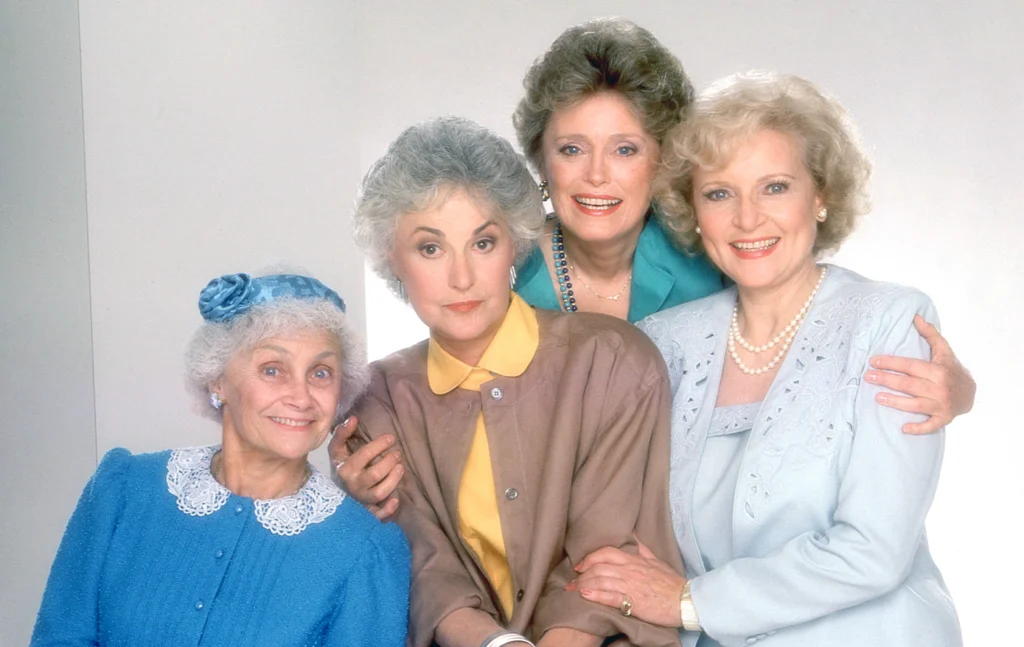
This episode explored aging, vulnerability, and personal safety with humor and sensitivity. Instead of treating older women as punchlines, the show treated their fears and resilience with respect. The emotional honesty resonated across generations. It challenged stereotypes about older characters on TV.
The episode helped normalize complex storytelling for older protagonists in sitcoms. It showed that meaningful themes didn’t require youthful casts to feel relevant. Viewers gained a broader sense of who sitcoms could center and celebrate. Representation expanded in subtle but lasting ways.
13. ALF “Try to Remember”
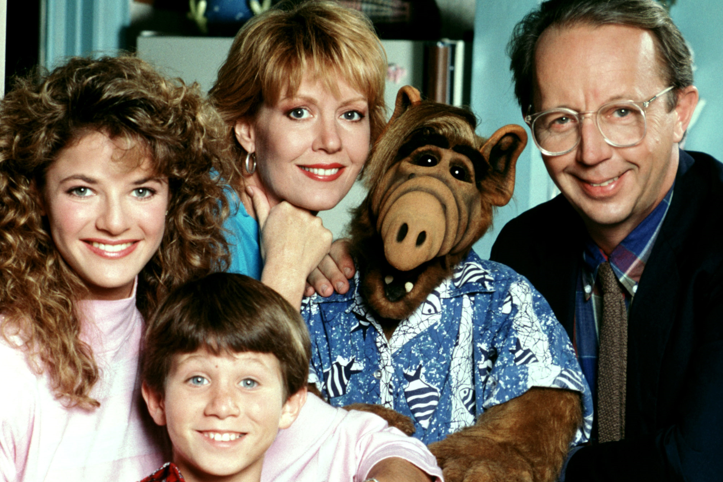
This episode revealed a neighbor’s Holocaust survival story, shifting abruptly from light comedy into solemn reflection. The contrast was jarring but intentional, reminding viewers of history’s lasting emotional weight. The show treated the subject with sincerity rather than gimmicks. It surprised audiences who expected only alien hijinks.
The episode demonstrated that even high-concept sitcoms could carry serious historical narratives. It expanded the emotional range audiences expected from comedy programming. Writers learned they could address profound themes without abandoning accessibility. It broadened the tonal flexibility of sitcom storytelling.
14. Full House “The Seven-Month Itch”
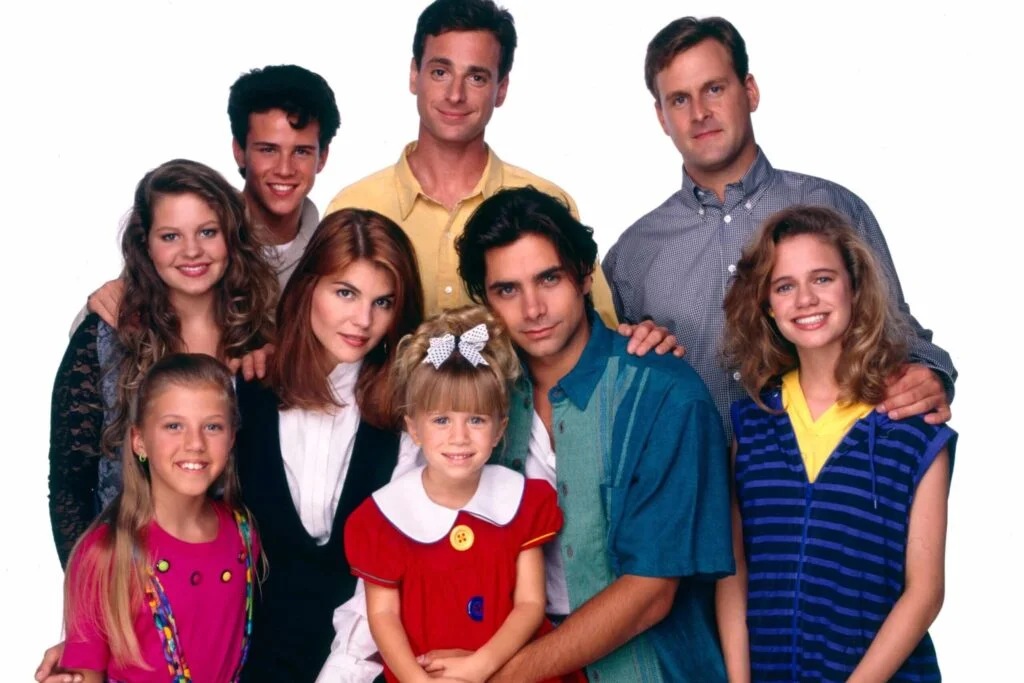
This episode dealt with temptation, trust, and emotional boundaries within a marriage. Instead of brushing the issue aside, the show framed it as a meaningful moral test. It reinforced accountability without heavy-handed preaching. Viewers saw family sitcoms handling adult emotional dilemmas.
The episode helped normalize honest discussions of marriage in family-friendly programming. It encouraged writers to explore relational complexity while maintaining approachable tone. Audiences began expecting sitcoms to model healthy communication rather than simplistic resolutions. The genre matured quietly through episodes like this.
15. Who’s the Boss? “Sam’s New Job”
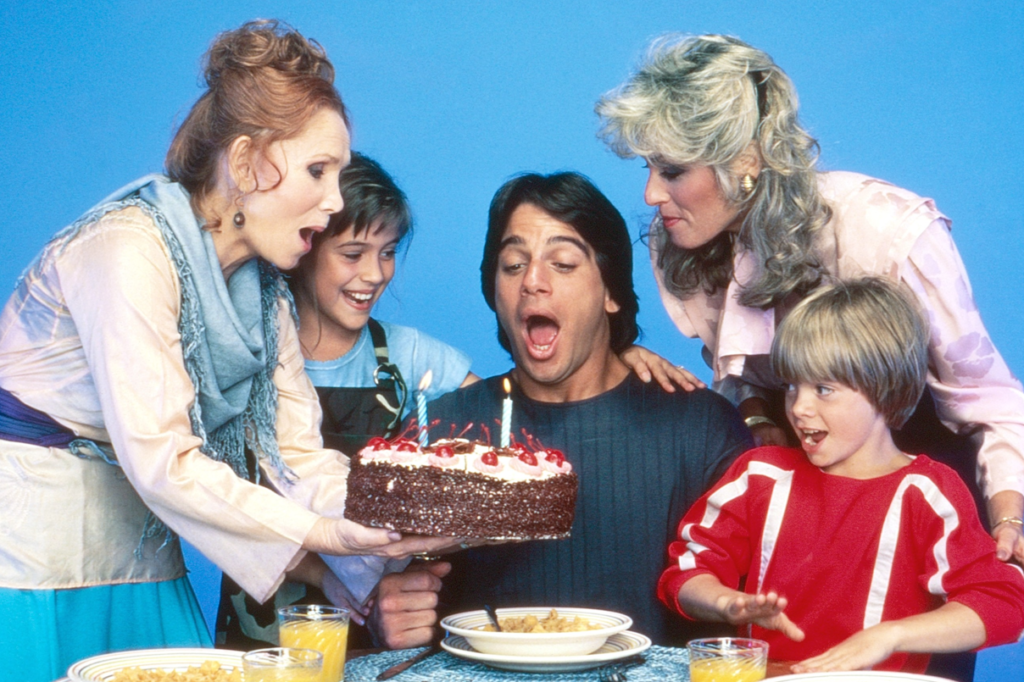
The pilot reversed traditional gender roles by placing a male housekeeper in a female executive’s home. The premise challenged assumptions about work, parenting, and masculinity. It framed social change through humor rather than confrontation. Viewers quickly embraced the role reversal dynamic.
The show helped normalize evolving family structures and gender expectations on mainstream television. It influenced later sitcoms that experimented with unconventional household dynamics. Audiences became more open to progressive premises in comedy. It reshaped how sitcom families could be imagined.
16. The Cosby Show “Pilot”

The pilot introduced a family that felt aspirational yet grounded, blending warmth with smart humor. It presented professional success, loving parenting, and everyday chaos in balanced harmony. The tone felt inviting rather than preachy. Viewers immediately connected with the authenticity.
The show helped redefine prime-time sitcom success and broadened representation on television. It demonstrated that intelligent family comedy could dominate ratings while maintaining cultural impact. Networks began investing more confidently in character-driven ensemble storytelling. It reshaped audience expectations for mainstream sitcom quality and reach.