
1. Rick Astley
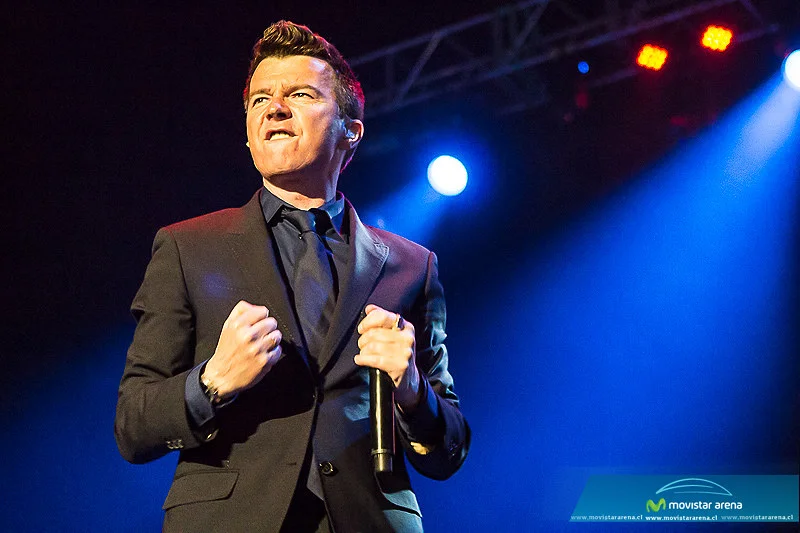
For a brief stretch in the late ’80s, it felt impossible to turn on the radio without hearing Rick Astley’s voice. “Never Gonna Give You Up” wasn’t just a hit, it was everywhere, playing at malls, school dances, and on constant rotation on MTV. His clean cut image and deep voice made him stand out instantly in a crowded pop field. People who didn’t even follow pop music knew who he was.
What’s striking is how quickly that moment passed. After a handful of singles, Astley stepped away from the spotlight and pop culture moved on fast. He didn’t crash or burn, he simply faded from the front lines. That short reign, however, was strong enough to stick in collective memory for decades.
2. Tiffany

Tiffany’s rise happened almost overnight, powered by mall tours and a cover song that became a chart topper. For a moment, she was the face of teen pop, with posters on bedroom walls and nonstop magazine coverage. She represented a very specific late ’80s youth culture that felt optimistic and glossy. Adults might have rolled their eyes, but kids were fully locked in.
Then the tide turned just as quickly. Musical trends shifted, and her image felt suddenly dated. While she continued making music, the intense pop culture grip loosened fast. That brief peak still defines how most people remember her today.
3. Corey Haim
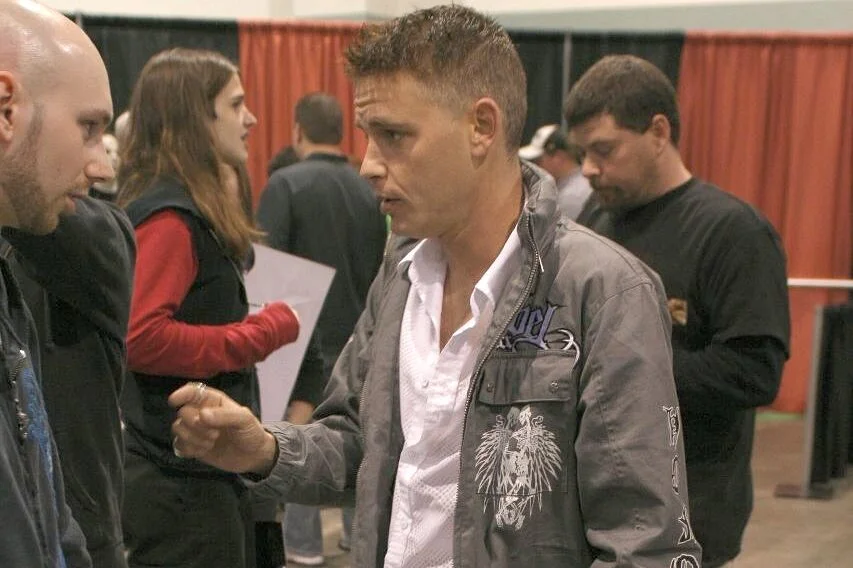
Corey Haim was everywhere for a few years, especially if you watched movies aimed at teens. Films like The Lost Boys made him a household name almost instantly. He had the kind of fame where his haircut alone felt culturally important. For young audiences, he was unavoidable.
But that level of attention came and went quickly. As Hollywood tastes changed, so did the opportunities offered to him. His peak burned bright but short. The memory of that moment, though, remains powerful and bittersweet.
4. MC Hammer
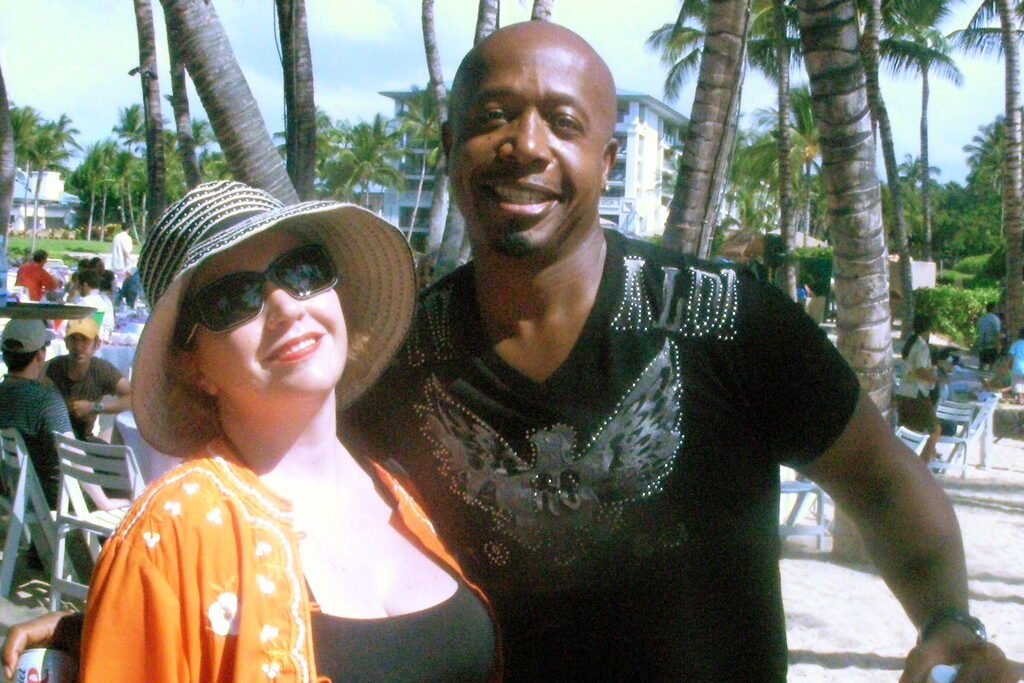
MC Hammer didn’t just have a hit, he had a movement. His pants, dance moves, and music crossed into every corner of pop culture. Even people who never bought his records knew exactly who he was. For a while, his name felt synonymous with mainstream hip hop.
That dominance didn’t last long. Shifts in musical style and public taste moved quickly in the early ’90s. Hammer’s larger than life presence faded almost as fast as it arrived. His brief rule, however, left a permanent imprint.
5. Debbie Gibson
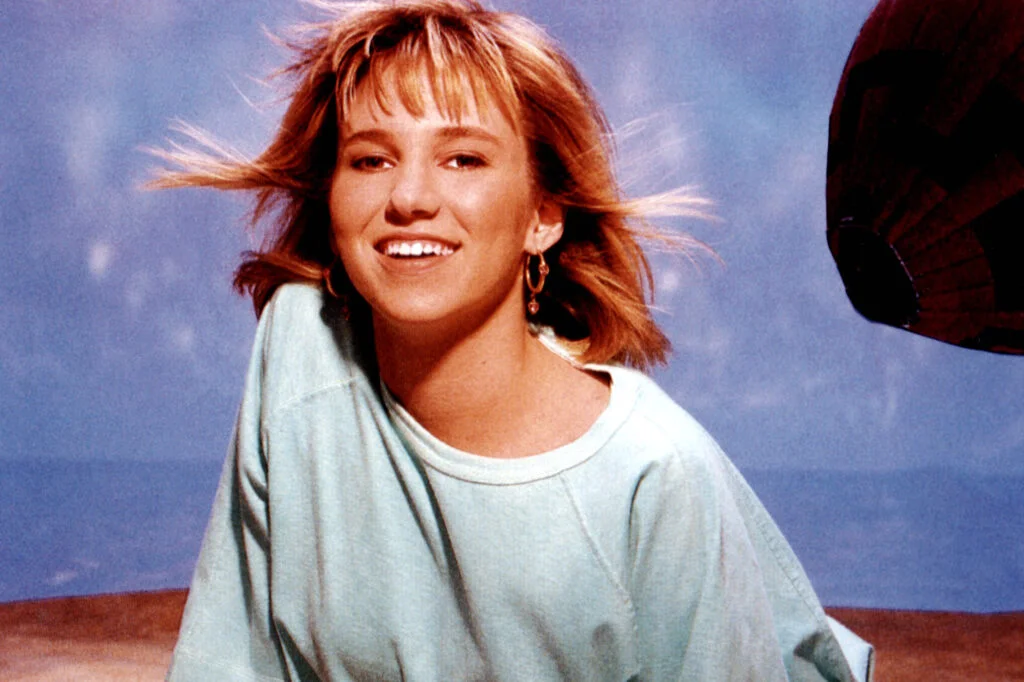
Debbie Gibson stood out as both a teen idol and a songwriter, which felt impressive at the time. Her songs played everywhere, from radio countdowns to skating rinks. She projected confidence and polish that matched the era perfectly. For a while, she felt like the future of pop.
Then newer acts arrived and attention drifted. The spotlight narrowed, even though her talent remained. That short window of dominance defined her public image. It was enough to secure a lasting place in ’80s pop memory.
6. Andrew McCarthy
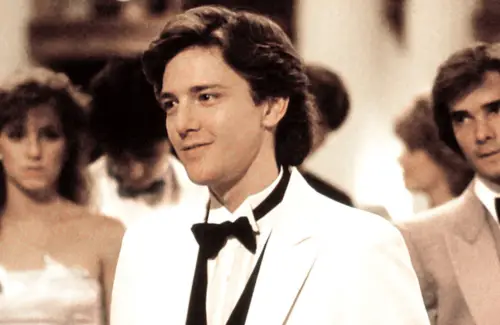
Andrew McCarthy’s face became instantly recognizable thanks to a handful of defining films. For a brief period, he was the embodiment of sensitive, slightly awkward romantic leads. His roles spoke directly to the emotional tone of the decade. Teen audiences connected quickly.
But Hollywood moved on just as fast. New leading men replaced him, and the cultural focus shifted. McCarthy didn’t disappear, but that central pop culture moment passed. His impact remains tied tightly to that short era.
7. Belinda Carlisle
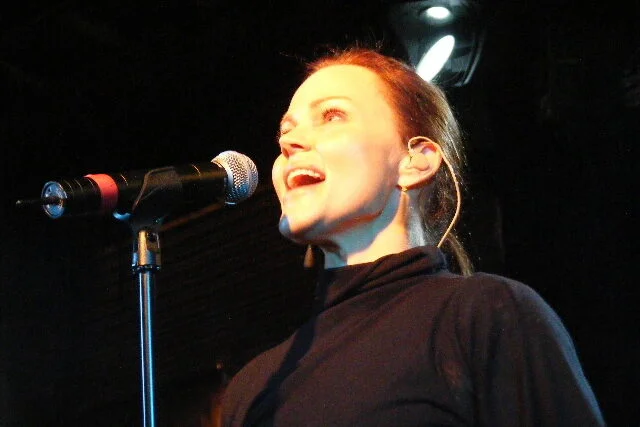
Belinda Carlisle’s transition from band frontwoman to solo star hit at exactly the right moment. Her music matched the glossy, emotional tone of late ’80s pop perfectly. Songs like “Heaven Is a Place on Earth” felt unavoidable. She became a radio staple almost overnight.
That level of saturation didn’t last forever. Musical tastes changed, and her presence on the charts softened. Still, that brief stretch defined her as a solo icon. It was a short but powerful reign.
8. Emilio Estevez
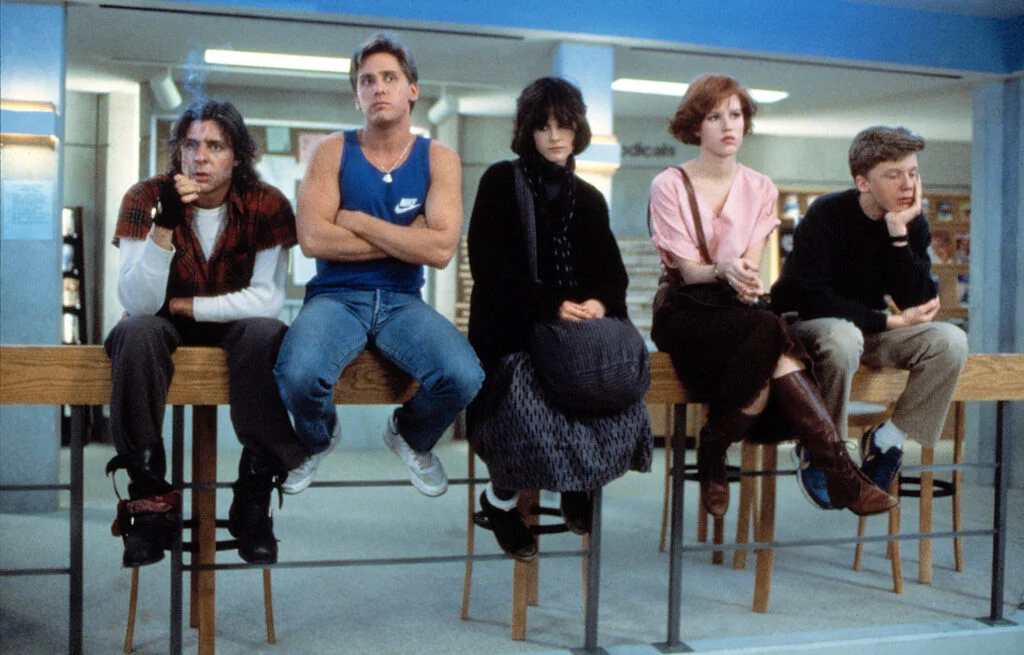
Emilio Estevez had a run where his name alone felt like a guarantee of relevance. As part of a certain youth driven film wave, he appeared constantly in pop culture conversations. He wasn’t flashy, which made him feel relatable. Audiences recognized him instantly.
Then the spotlight shifted. New trends brought new faces, and his visibility declined. He continued working, but the pop culture obsession moved on. That concentrated burst of fame remains very specific to the ’80s.
9. Wang Chung
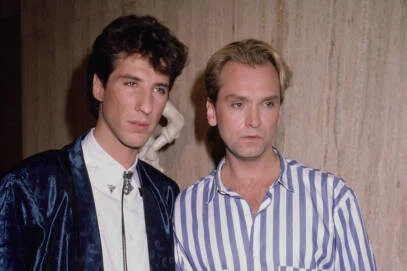
For a moment, even people who didn’t know the band knew the phrase “Everybody Have Fun Tonight.” Wang Chung captured the playful side of ’80s pop perfectly. Their sound fit the era so well it felt inescapable. They were everywhere for a short window.
Then that window closed. Musical trends evolved quickly, leaving little room for their specific style. Their cultural moment became tightly tied to a single song. That brief dominance is exactly what keeps them memorable.
10. Judd Nelson
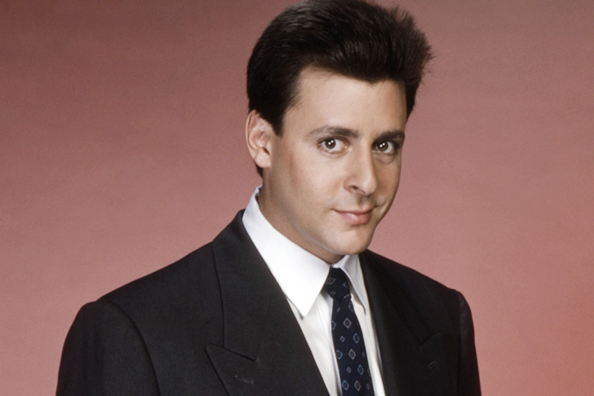
Judd Nelson’s intensity made him stand out in a decade full of big personalities. His performances left a strong impression and defined a specific type of ’80s rebellion. For a while, he felt like the voice of teenage frustration. His presence was unmistakable.
But that image was hard to evolve past. As trends changed, so did casting priorities. His time at the center of pop culture was short. It remains closely tied to that specific moment.
11. Sheena Easton
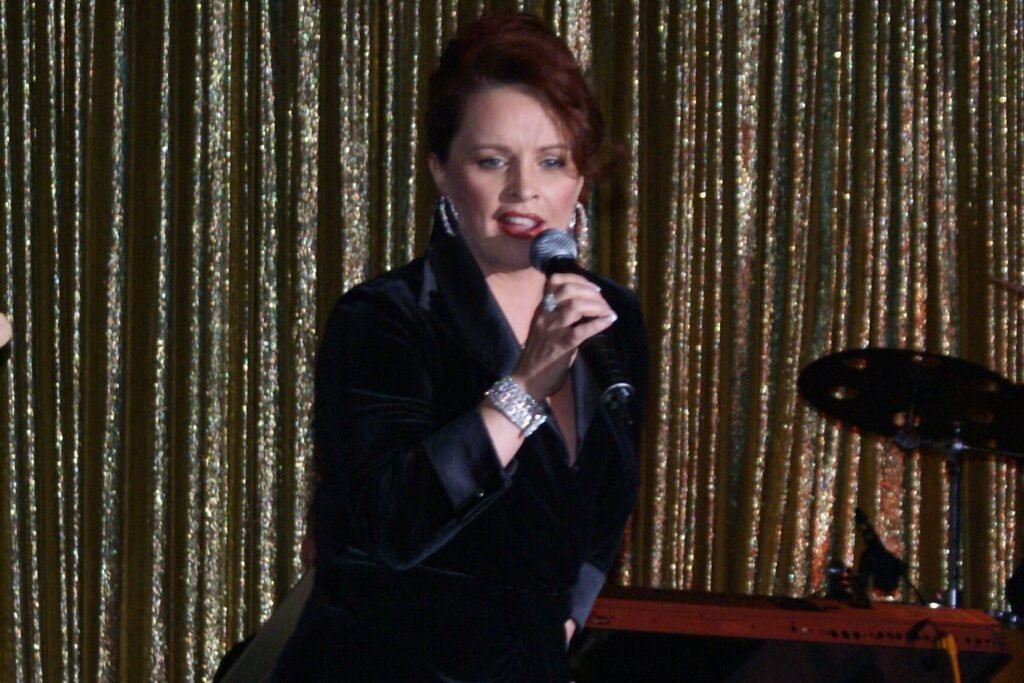
Sheena Easton had a run where her songs and image were everywhere at once. She crossed between pop styles with ease and confidence. For a while, it felt like she was constantly releasing hits. Her visibility was undeniable.
Then attention shifted elsewhere. The industry moved quickly, and her chart dominance faded. What remains is the memory of that intense burst of success. It was brief, but unmistakable.
12. Rick Springfield
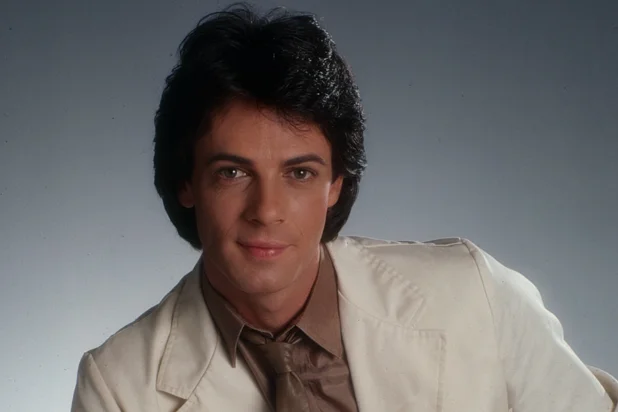
Rick Springfield’s fame reached far beyond music alone. Between hit songs and television exposure, he became a pop culture fixture. His appeal cut across age groups in a way few artists manage. For a moment, he seemed unavoidable.
That level of attention didn’t last indefinitely. New sounds and new stars took over. Springfield continued performing, but the cultural frenzy cooled. That short peak still defines how many remember him.
13. Paula Abdul
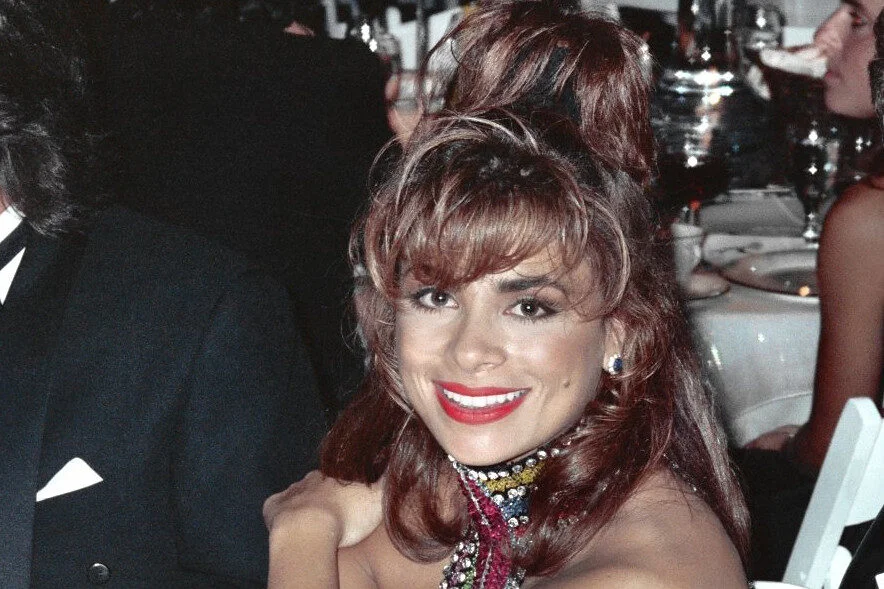
Paula Abdul’s rise combined music, dance, and personality into a perfect late ’80s package. Her choreography and videos helped shape the MTV era. For a time, she was at the center of pop conversations everywhere. Her presence felt constant.
Then the spotlight shifted as trends changed. While she remained influential, that intense dominance eased quickly. Her peak was concentrated and powerful. It remains one of the clearest examples of brief ’80s pop rule.