
1. Personal Computers at Home

When personal computers started showing up in living rooms, they felt like something straight out of science fiction. Suddenly families had a machine that could store information, play games, and even help with homework. Booting one up felt ceremonial, complete with blinking cursors and mechanical sounds. It gave people the sense that the future had officially arrived in beige plastic form.
Even if you barely knew how to use it, having a computer made a household feel advanced. Parents talked about how it would prepare kids for jobs that did not even exist yet. Simple programs felt powerful, even when they crashed constantly. The promise mattered more than the reality.
2. Cordless Phones
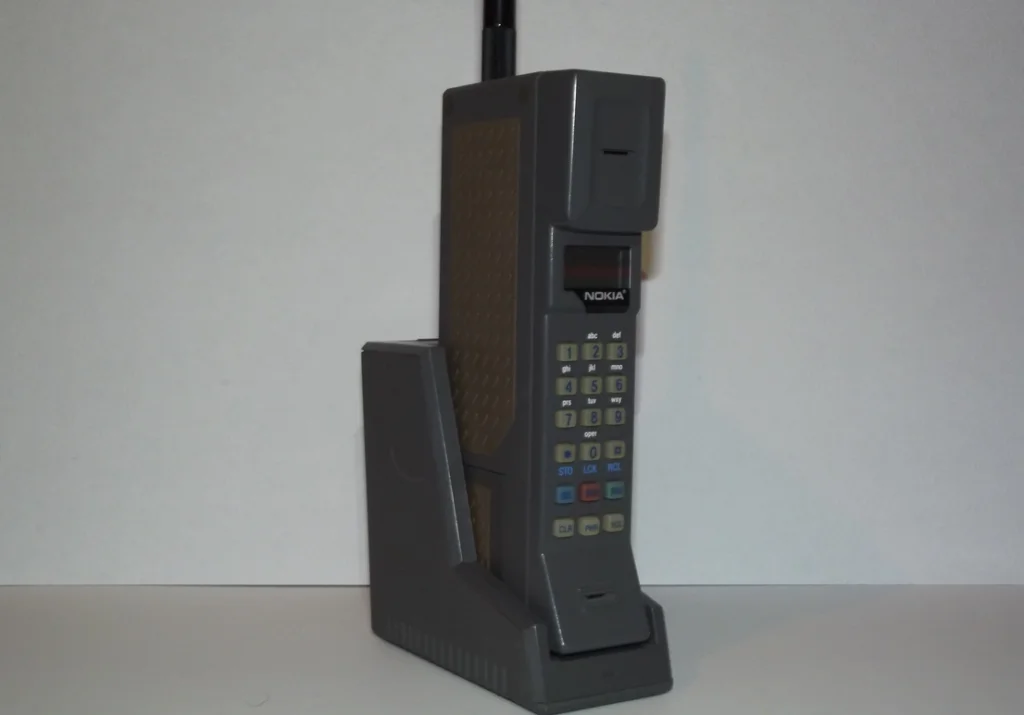
Cordless phones felt wildly futuristic the first time someone walked into another room while still talking. The idea that you were no longer physically attached to the wall was thrilling. It felt like a small taste of total freedom inside your own house. Even pacing during a phone call suddenly felt high tech.
The sound quality was not great, but no one cared. Static just felt like part of the innovation. You could step outside, wander into the kitchen, or hide in a bedroom for privacy. It made everyday conversations feel upgraded.
3. Video Game Consoles
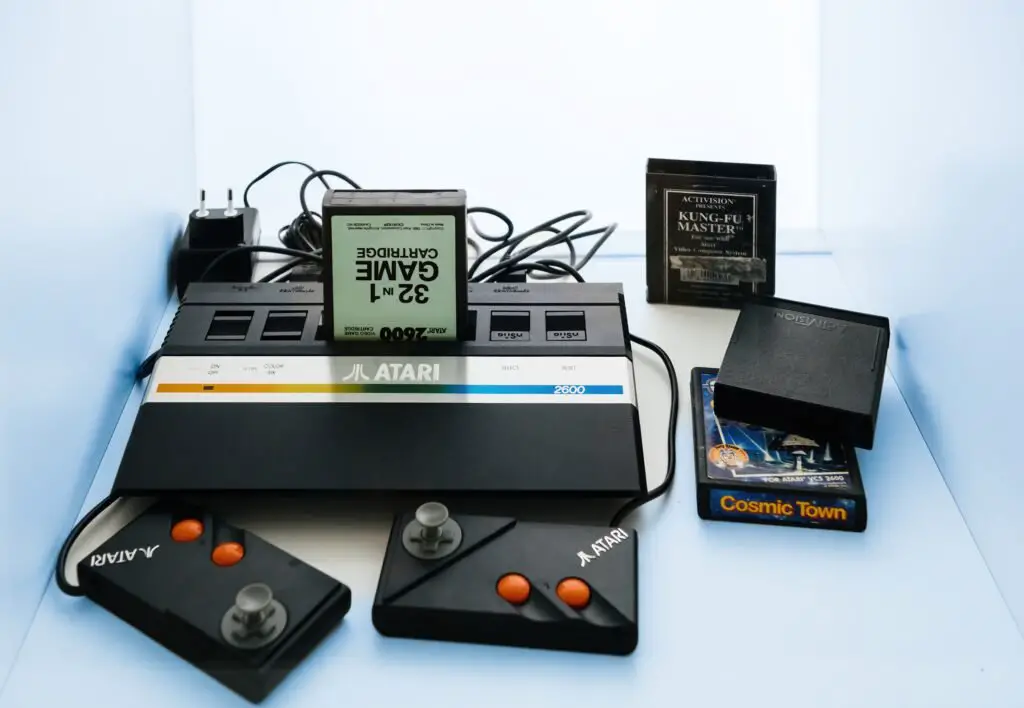
Early video game systems made it seem like entertainment had entered a new era. Instead of watching a screen, you were suddenly controlling what happened. That shift felt enormous, even when the graphics were simple. It was easy to believe this was only the beginning of something much bigger.
Arcade style games at home felt like a miracle. Friends gathered around TVs the way people once gathered around radios. The idea of mastering a game felt futuristic and competitive. It made screens feel interactive in a brand new way.
4. Digital Watches
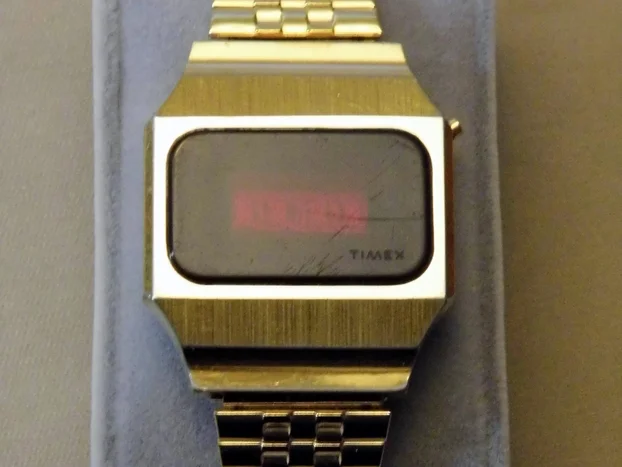
Digital watches made traditional analog faces feel old overnight. Seeing the exact time displayed in glowing numbers felt precise and modern. Some even beeped, lit up, or included calculators, which seemed almost excessive in the best way. Wearing one felt like wearing technology, not just an accessory.
They suggested a future where everything would be electronic and efficient. Kids loved showing off extra features they barely needed. The novelty of pushing buttons never really wore off. It was a small device that hinted at bigger changes ahead.
5. Cable Television
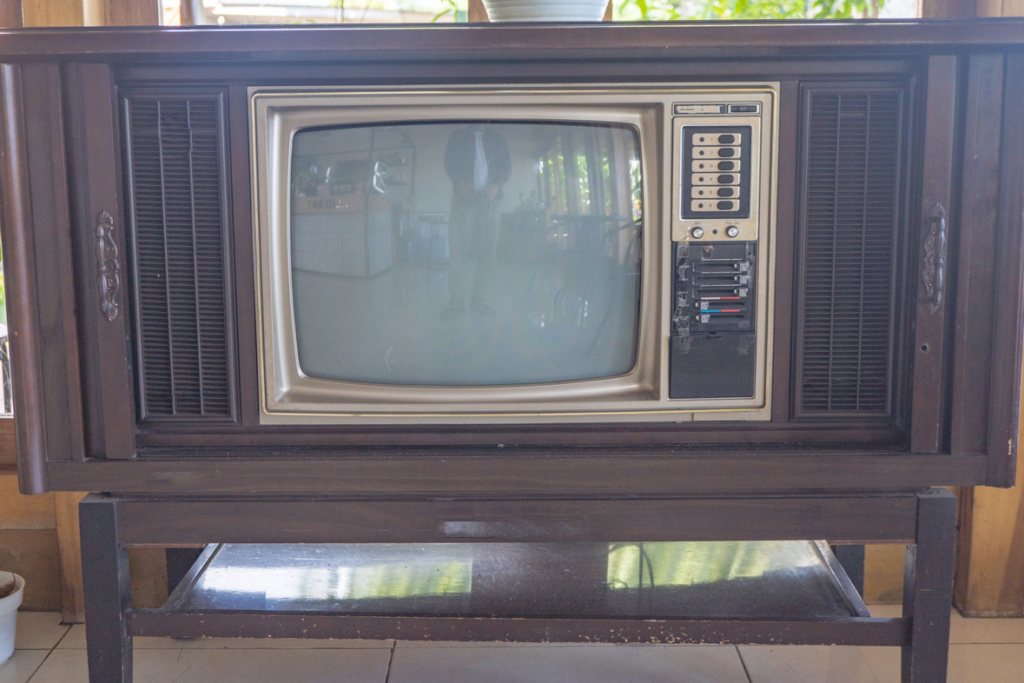
Cable TV expanded viewing options in a way that felt endless at the time. More channels meant more choice, which felt incredibly modern. It changed how people thought about television entirely. Suddenly there was always something on.
Flipping through channels felt like browsing the future. Specialized networks made it seem like TV could be tailored to anyone. Late night viewing became a whole new experience. It reshaped how families spent their evenings.
6. VCRs
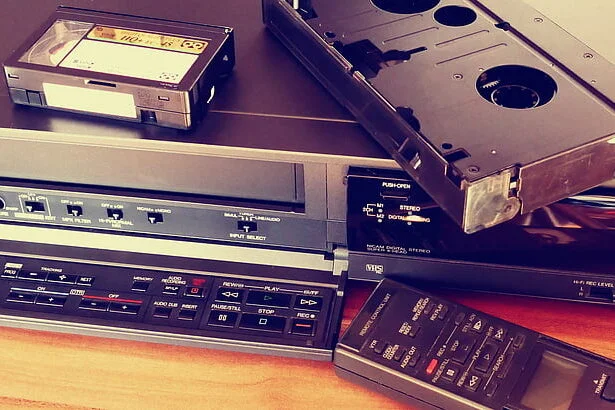
The VCR introduced the idea that you could control time itself. Recording a show and watching it later felt revolutionary. Fast forward and rewind gave viewers power they had never had before. It made television feel flexible instead of fixed.
Movie nights at home suddenly felt special and intentional. Owning tapes made people feel like they had a personal media library. Even setting the clock incorrectly became part of the experience. It changed expectations permanently.
7. Walkmans
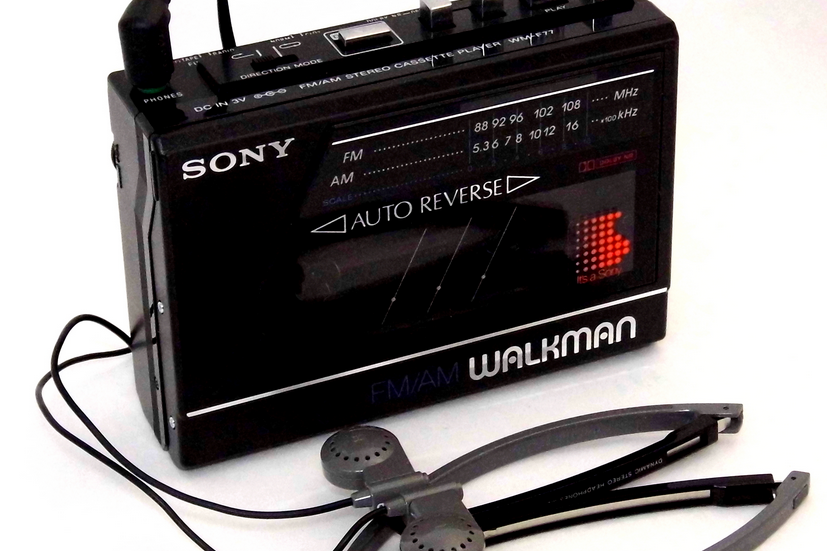
Portable music felt like a glimpse into the future of personal space. Being able to carry your favorite songs anywhere felt almost unreal. Headphones created a private world in public places. Music suddenly followed you instead of staying in one room.
It made commutes, walks, and waiting feel different. People curated their moods with tapes. The act of pressing play felt empowering. It suggested a future where everything could be customized.
8. Synthesized Music
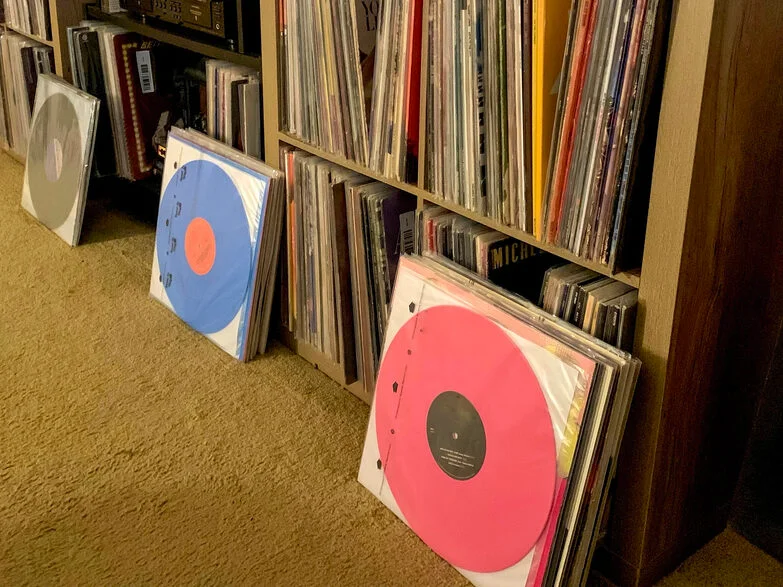
Synthesizers made music sound futuristic by default. Electronic tones felt modern and experimental. Songs seemed to come from machines instead of instruments. That sound became strongly tied to the idea of progress.
It made pop music feel forward looking and sleek. Even ballads felt technological. The sound was unmistakably of its time. It shaped how people imagined music evolving.
9. Car Phones
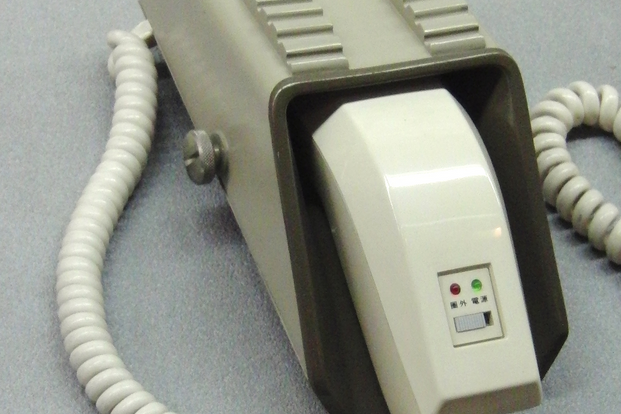
Car phones looked like something meant only for executives or action heroes. Talking on the phone while driving felt impossibly advanced. It blurred the line between travel and communication. Seeing one in use felt impressive and rare.
They suggested a future where you were always reachable. The size and cost only added to their mystique. Few people had them, which made them feel even more futuristic. They represented mobility before it was common.
10. Remote Controls
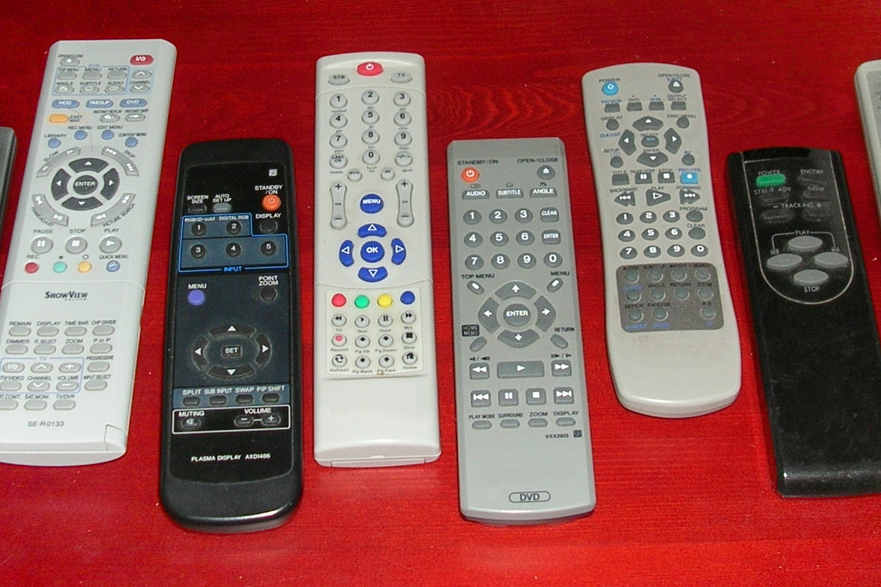
Remote controls changed the relationship between people and their TVs. Suddenly you did not need to get up to change the channel. That small convenience felt like a major leap. It gave viewers effortless control.
The remote became a symbol of comfort and modern living. Arguments over who held it became common. It hinted at a future built around ease. Even simple buttons felt powerful.
11. Electronic Keyboards
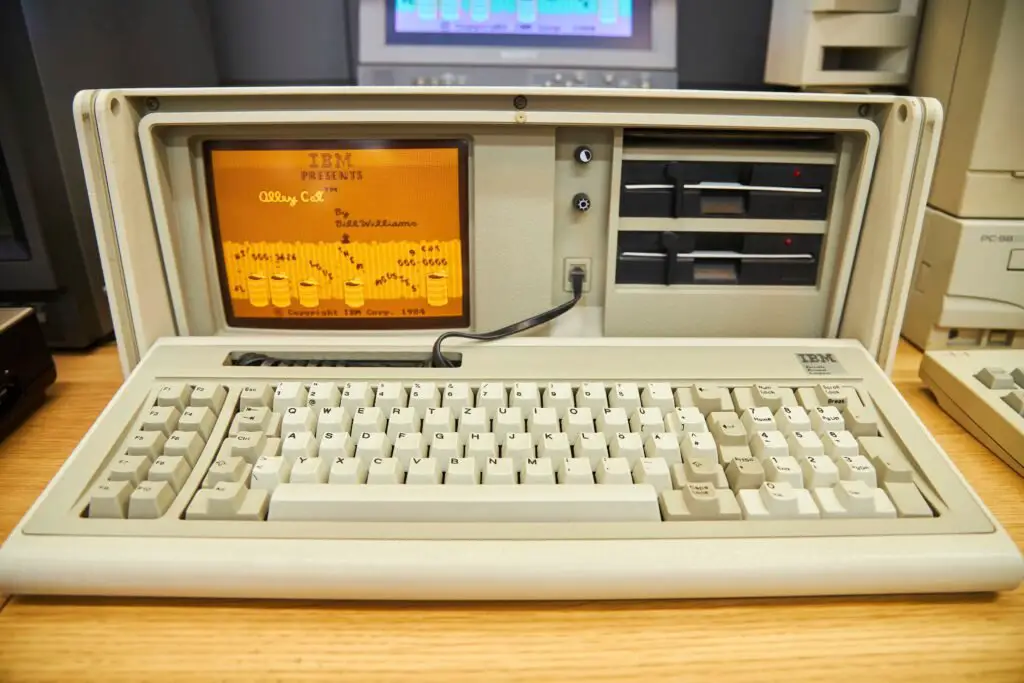
Electronic keyboards made it feel like anyone could create music. Preset sounds turned beginners into instant performers. The idea of programmed rhythms felt advanced. It removed barriers between imagination and sound.
They showed up in living rooms and classrooms alike. Playing one felt like touching the future. Even novelty sounds felt impressive. It encouraged experimentation without pressure.
12. LaserDisc
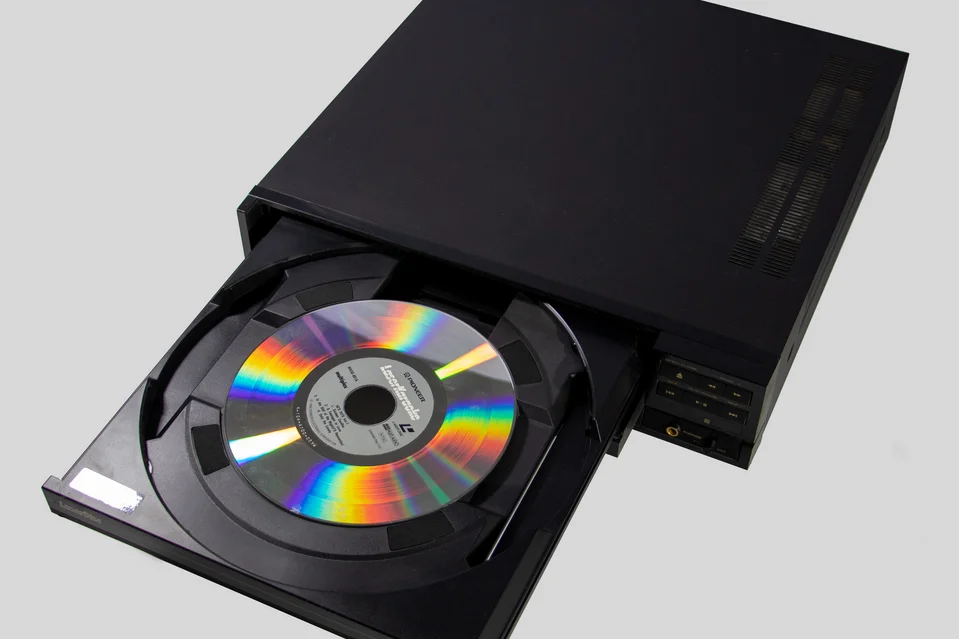
LaserDiscs looked and felt futuristic, even if few people owned them. The shiny surface suggested cutting edge technology. Watching movies on something that looked like a giant CD felt advanced. It seemed like the next big thing.
The format promised better quality and innovation. It made VHS look bulky by comparison. Even explaining it felt impressive. It symbolized optimism about where media was headed.
13. Digital Calculators
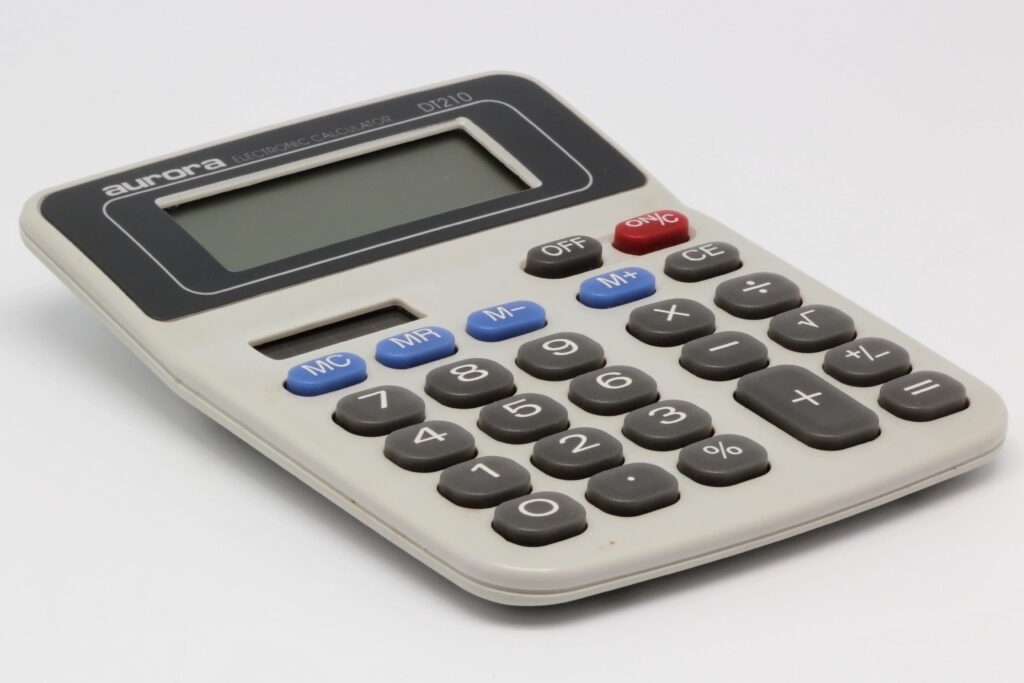
Calculators becoming common felt like a leap forward in everyday intelligence. Suddenly complex math was accessible instantly. Buttons and digital displays made them feel authoritative. Using one felt efficient and modern.
They changed how people approached problem solving. Mental math felt optional instead of required. Schools debated their impact, which only added to their mystique. They represented automation entering daily life.
14. Home Video Cameras
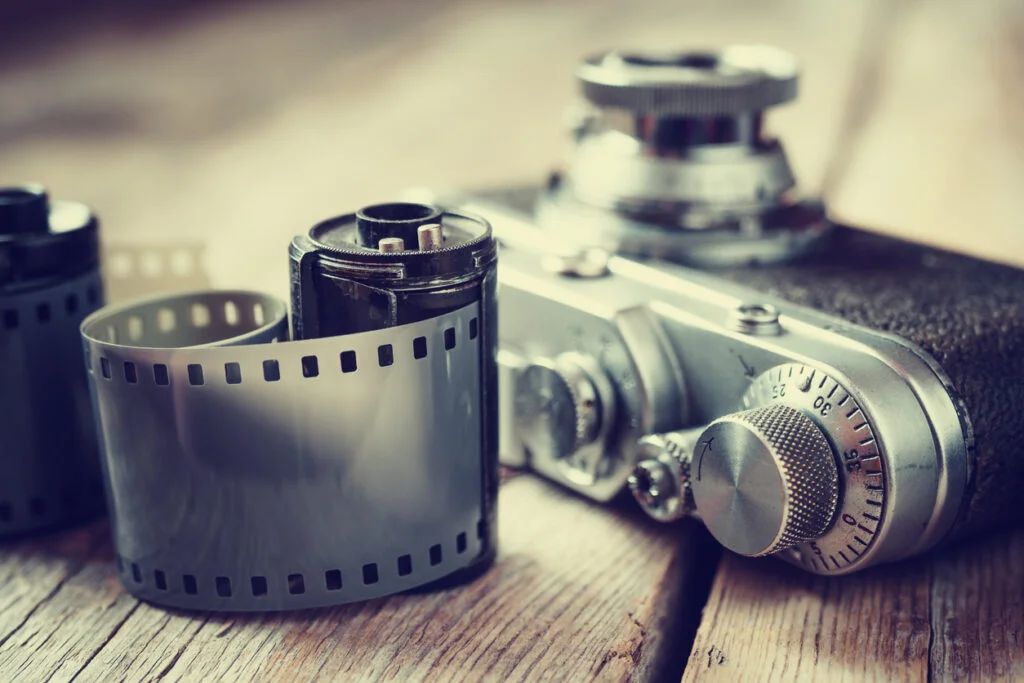
Home video cameras made it feel possible to document life like a professional. Recording birthdays and holidays felt important and forward thinking. The ability to capture motion changed memories. It felt like preserving life in real time.
Watching footage back felt magical. People imagined future generations watching these tapes. The equipment itself looked serious and advanced. It made everyday moments feel significant.
15. Early Home Automation
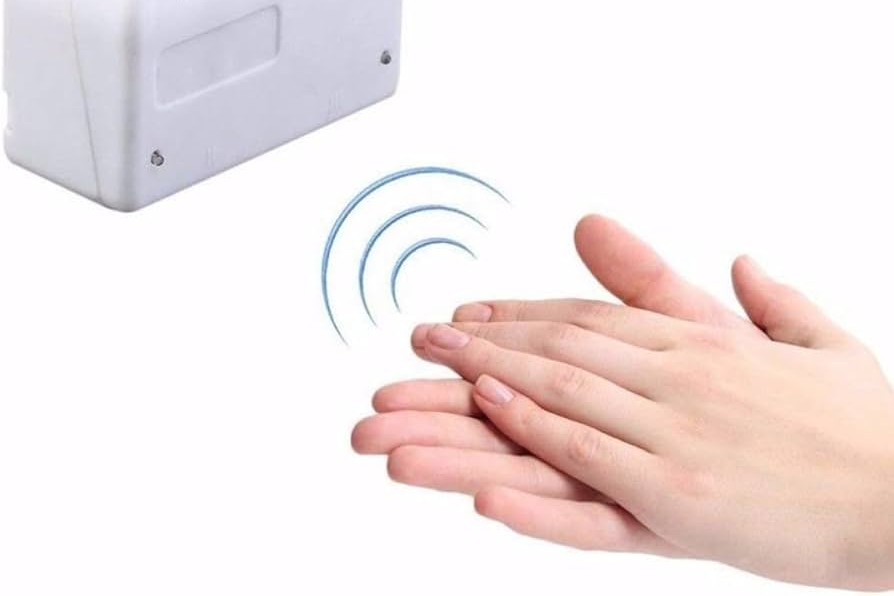
Clap on lights and programmable timers felt like early steps toward smart homes. The idea that a house could respond to you felt futuristic. Even simple automation felt impressive. It suggested homes would eventually think for themselves.
These features felt like previews of something bigger. They made daily routines feel upgraded. Friends were always shown demonstrations. It planted the idea that technology would eventually run everything.