
1. Landline Phones with Extra-Long Cords
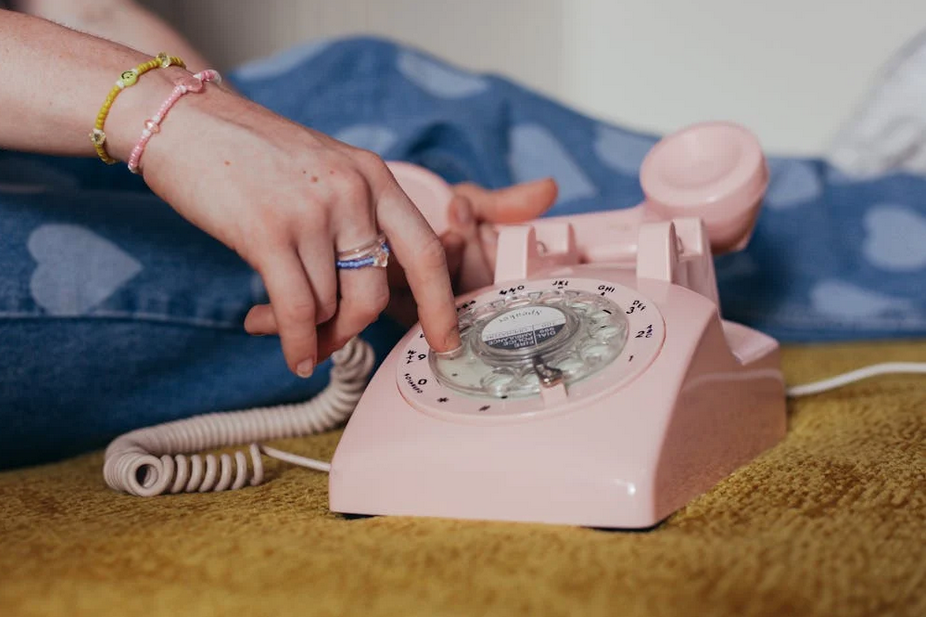
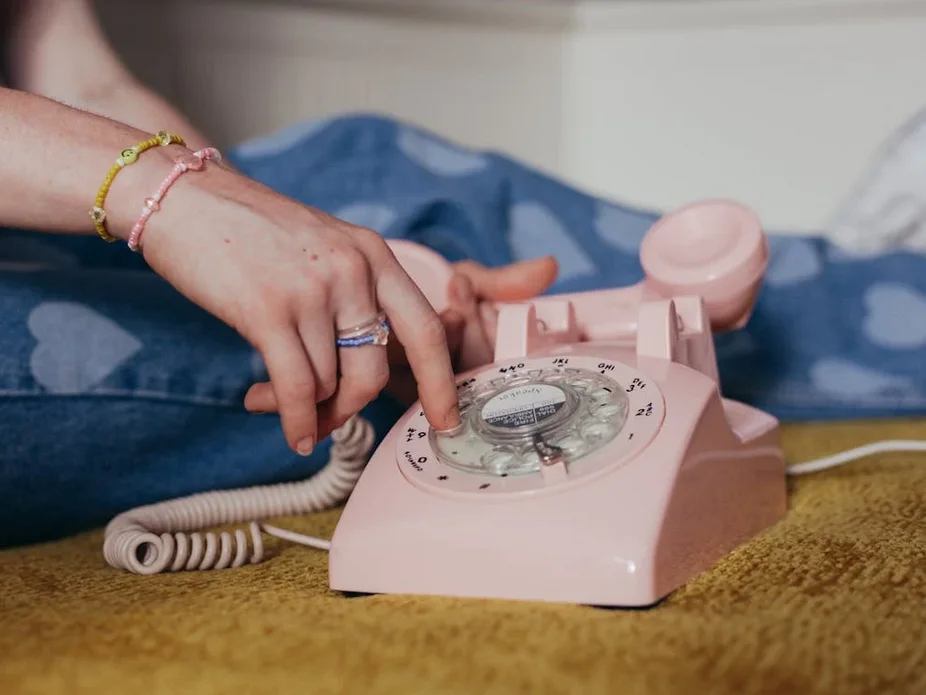
There was a specific kind of freedom in stretching a fifteen-foot coiled cord around the kitchen corner just to get a sliver of privacy. You’d pace back and forth, the plastic wire tangling into a chaotic nest, while the rest of the family sat just feet away. It felt like the pinnacle of communication technology because you weren’t tethered to the wall—technically. We truly believed that the future simply meant longer cords and perhaps more colors than just almond or harvest gold.
Then the cordless phone arrived and looked like a literal brick, followed quickly by the cellular revolution. Suddenly, the idea of being physically attached to a wall jack seemed like a relic of the Middle Ages. The satisfying “click” of hanging up a heavy receiver was replaced by the silent tap of a “power” button. Now, these coiled cords only exist in movies to show the audience that the scene takes place in the past. We traded that physical tether for a digital one that we carry in our pockets everywhere.
2. Video Rental Stores
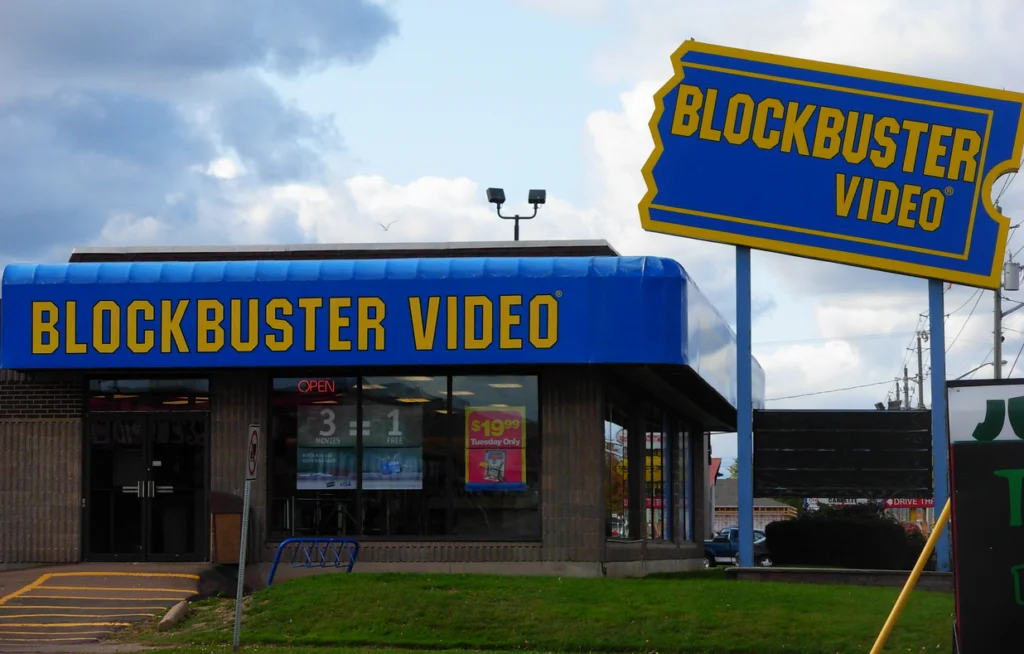
Friday nights weren’t complete without a trip to the local video store, where the smell of popcorn and plastic cases filled the air. You’d wander the aisles for an hour, praying that the “New Release” you wanted wasn’t replaced by a cardboard “Checked Out” slip. It was a communal ritual, a place to run into neighbors and argue over whether to rent a comedy or a slasher flick. We assumed Blockbuster would stand forever as the gatekeeper of our weekend entertainment.
The transition to digital happened so fast it left our heads spinning and our late fees unpaid. Streaming services turned the physical act of “going to the movies” at home into a mindless scroll on a couch. There’s no more “Be Kind, Rewind” stickers to worry about, but we also lost the tactile joy of browsing a shelf. The neon signs dimmed, the blue-and-yellow buildings turned into dental offices, and the physical rental era vanished. It’s hard to explain to kids today that we used to drive miles just to borrow a plastic tape.
3. Rolodexes on Every Desk
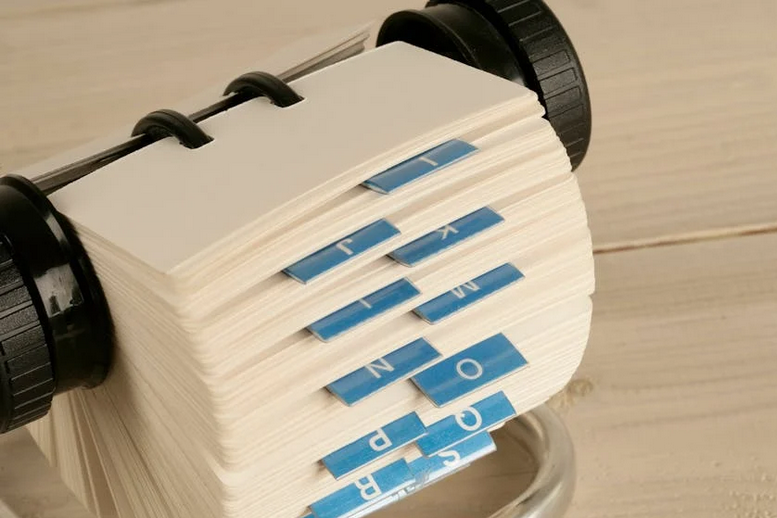
If you were a professional in the ’80s, your status was often measured by the thickness of your Rolodex. These spinning cylinders of contact cards were the heartbeat of networking, organized meticulously by alphabetized tabs. Hand-writing a new contact’s information felt like a formal initiation into your inner circle. It was a permanent fixture on every mahogany or laminate desk, looking like a tiny, high-stakes Ferris wheel.
Digital databases and contact syncs eventually made the spinning wheel an obsolete paperweight. We went from flipping through cards to typing a few letters into a search bar, which is objectively more efficient but far less stylish. There was something deeply personal about seeing someone’s messy handwriting on a card they’d handed you. Now, our contacts live in a cloud we can’t see, and the satisfying “thwack-thwack-thwack” of a spinning Rolodex is a sound lost to time. It’s a classic example of a “permanent” office tool that was deleted by a software update.
4. Smoking Sections in Restaurants

It seems wild now, but there was a time when “Smoking or Non-smoking?” was the first question you heard at a host stand. The reality was that a three-foot wooden partition did absolutely nothing to stop the cloud of blue haze from drifting over your salad. It was just a fact of life; you’d leave a dinner out smelling like an ash tray regardless of where you sat. We assumed this was a cultural compromise that would exist as long as people enjoyed a post-meal puff.
Public health shifts and indoor air laws eventually cleared the air, literally and figuratively. The transition was jarring for many, as the familiar sight of glass ashtrays on every table vanished overnight. Now, the idea of lighting up inside a Denny’s feels like a scene from a dystopian novel. We’ve become so accustomed to clean indoor air that the mere scent of a cigarette near a doorway triggers a “check the year” reflex. It’s one of those shifts where you look back and wonder how we ever thought a “non-smoking section” was a real thing.
5. Physical Encyclopedias

If you had a set of Encyclopedia Britannica in your living room, you were essentially the king of information in your neighborhood. These leather-bound volumes were the original “Google,” taking up three entire shelves and costing a small fortune. Students relied on them for every book report, carefully copying facts (and hopefully not plagiarizing) about the Ming Dynasty or the anatomy of a frog. They felt like the ultimate, unchangeable record of human knowledge.
The internet, specifically Wikipedia, turned these expensive books into very heavy doorstops almost instantly. Why flip through Volume ‘M’ when you can search a keyword and get a million results in half a second? The annual “Yearbook” updates they used to sell us became a joke in the face of real-time news cycles. Most of those beautiful sets ended up in thrift stores or as “vintage decor” in trendy coffee shops. We traded the smell of old paper and the weight of a book for the infinite, glowing void of the web.
6. Shoulder Pads
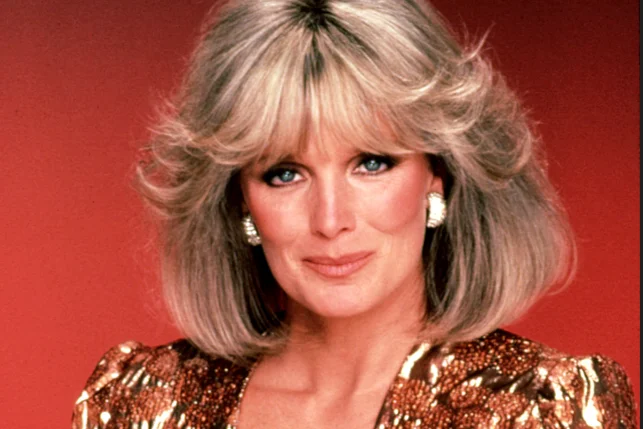
In the ’80s, if your silhouette didn’t resemble a linebacker, were you even dressed for success? Shoulder pads were the ultimate power move, sewn into everything from power suits to casual sweaters. They gave every woman a triangular “V” shape that signaled authority, confidence, and a dash of Dynasty drama. We genuinely thought that human anatomy had just evolved to include foam inserts as a permanent requirement for professional attire.
Then the ’90s hit with its minimalist, “grunge” aesthetic, and suddenly everyone wanted to look like they actually had human shoulders again. Those foam triangles were ripped out of blazers in a frenzy of fashion regret. Looking back at old photos, the scale of some of those pads looks like a hilarious architectural feat. We moved toward silhouettes that actually followed the lines of the body rather than trying to out-width the doorway. It remains one of the most recognizable—and eventually ridiculed—markers of the era’s excess.
7. Printed Maps and Fold-Out Atlases

Going on a road trip meant designated “navigator” duties, which involved wrestling with a giant paper map that never folded back the right way. You’d have to pull over at a gas station to buy a local “Thomas Guide” if you got truly lost in a new city. There was a certain skill to reading those tiny grid coordinates while the driver shouted about a missed exit. It felt like a fundamental human skill that would be passed down for generations.
The arrival of GPS units and eventually smartphones turned everyone into a navigational genius without needing a lick of spatial awareness. We stopped looking at the big picture of the terrain and started following a tiny blue dot and a voice named Siri. The “glove box” used to actually hold maps; now it’s just full of old napkins and registration papers. There’s something a bit sad about losing the “scout” mentality of a paper map. But let’s be honest—no one actually misses trying to refold a map of Texas in a moving car.
8. Pagers and Beepers
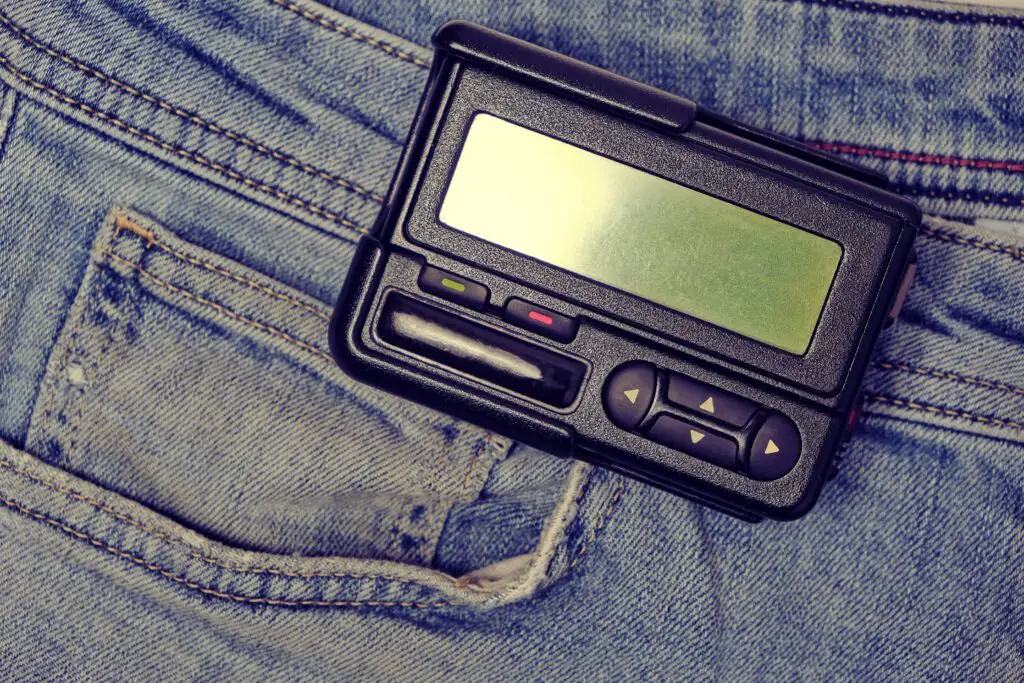
Before everyone had a phone, the coolest thing you could have clipped to your belt was a pager. If it buzzed, you’d rush to the nearest payphone to see who was “911-ing” you. It created a strange code where “143” meant “I love you” and “07734” spelled “hello” upside down. For a few years, it felt like the peak of being a “busy person on the go,” and we couldn’t imagine a more efficient way to stay in touch.
Once cell phones started sending text messages, the pager became a relic for doctors and drug dealers almost overnight. The middleman—the payphone—disappeared too, making the pager’s “alert only” system completely redundant. We went from being alerted that someone wanted to talk to actually just talking. The frantic search for a quarter and a functioning phone booth is a stressor today’s youth will never understand. It was a brief, buzzy window of time that vanished as soon as the “Send” button was invented.
9. Perms and Big Hair
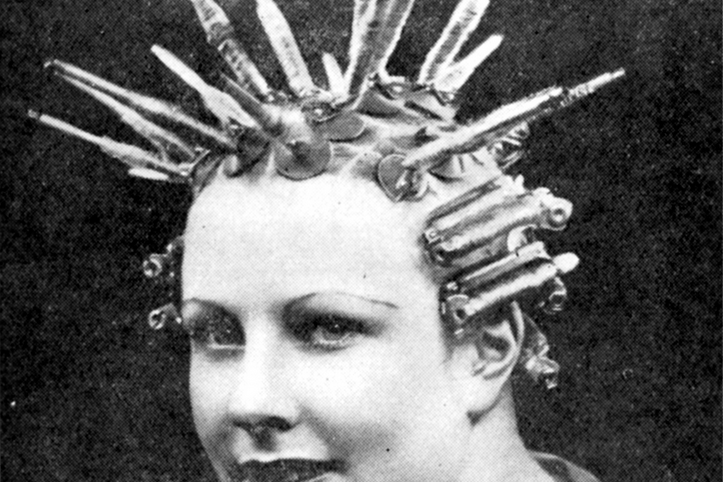
The ’80s were a decade of “more is more,” especially when it came to hair volume. Getting a perm was a rite of passage that involved hours of smelling like sulfur and sitting under a giant plastic dome. Whether you were a man or a woman, the goal was to achieve a gravity-defying cloud of curls that required a gallon of Aqua Net to maintain. We honestly believed that flat hair was a sign of weakness and that “big hair” was the permanent aesthetic of the modern age.
Eventually, the ozone layer—and our collective taste—began to suffer, and the trend shifted toward the sleek and straight. The “crunchy” texture of over-sprayed curls became a punchline rather than a beauty standard. We moved into the era of the flat iron, leaving the perming rods to gather dust in the back of salon drawers. Looking at high school yearbooks from 1987 is like looking at a catalog of various shrubberies. It’s a testament to the power of hairspray that some of those styles didn’t fall down until 1992.
10. TV Guides
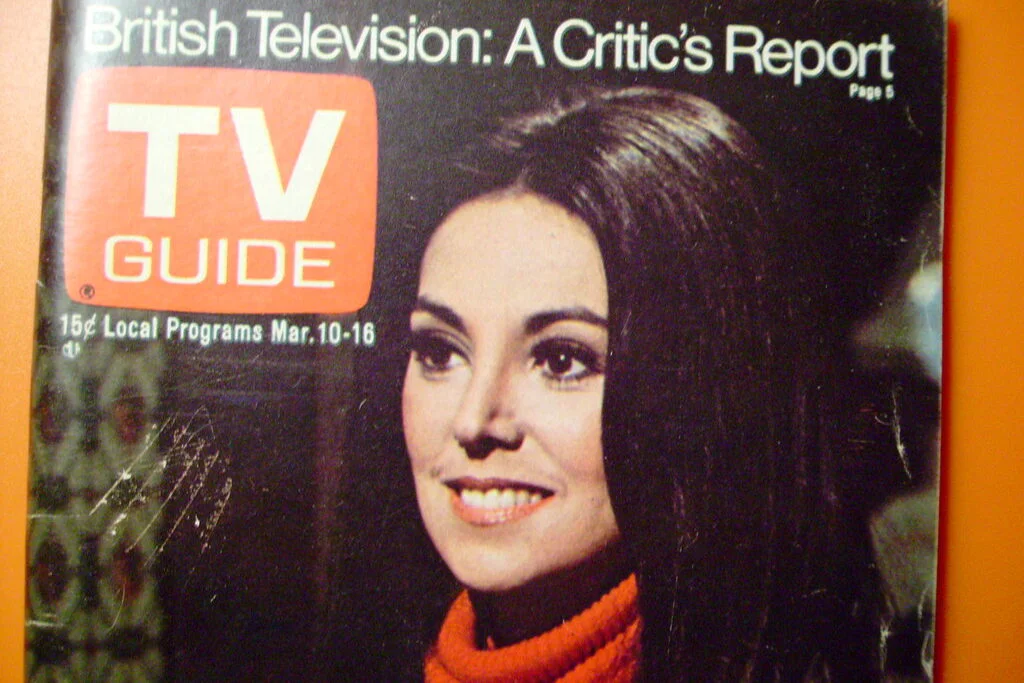
There was a time when the TV Guide was the most important magazine in the house, usually resting on the coffee table like a sacred text. You had to consult it to know what was on at 8:00 PM, otherwise, you were just channel surfing in the dark. It was a weekly ritual to circle the specials or movies you didn’t want to miss. We couldn’t conceive of a world where the schedule wasn’t a physical booklet delivered to our mailboxes.
The “On-Screen Guide” was the silent assassin that took the TV Guide out for good. Once you could just press a button on your remote to see the next three hours of programming, the paper version became instant recycling. Now, with “On Demand” and streaming, the very concept of a “schedule” feels incredibly quaint and restrictive. We don’t wait for a time slot anymore; we just click and play. That little digest-sized magazine went from a household staple to a nostalgia item found in antique malls.
11. Walkmans and Portable Cassette Players
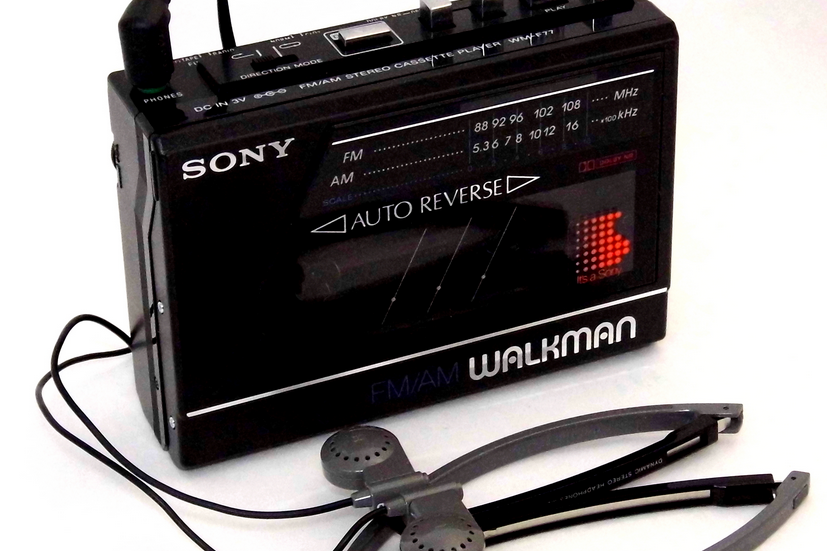
The Sony Walkman was the first piece of tech that allowed us to create a personal soundtrack for our lives. Suddenly, you could walk down the street listening to your own mixtape without forcing the whole neighborhood to hear it. The orange foam headphones were a fashion statement, and the tactical “clunk” of the play button was deeply satisfying. It felt like the ultimate end-point for portable music—how could it possibly get better than a tape in your pocket?
The Discman tried to take its place, but the skip-protection was a nightmare, and then the MP3 player finished the job. We went from carrying a case of twelve tapes to carrying ten thousand songs on a device smaller than a lighter. The physical act of “flipping the tape” to side B is a muscle memory that has no use in the modern world. Now, our music is invisible and lives in the cloud, making the bulky Walkman look like a steam engine. It was our first taste of “mobile” life, and we never looked back once the digital gates opened.
12. Fax Machines
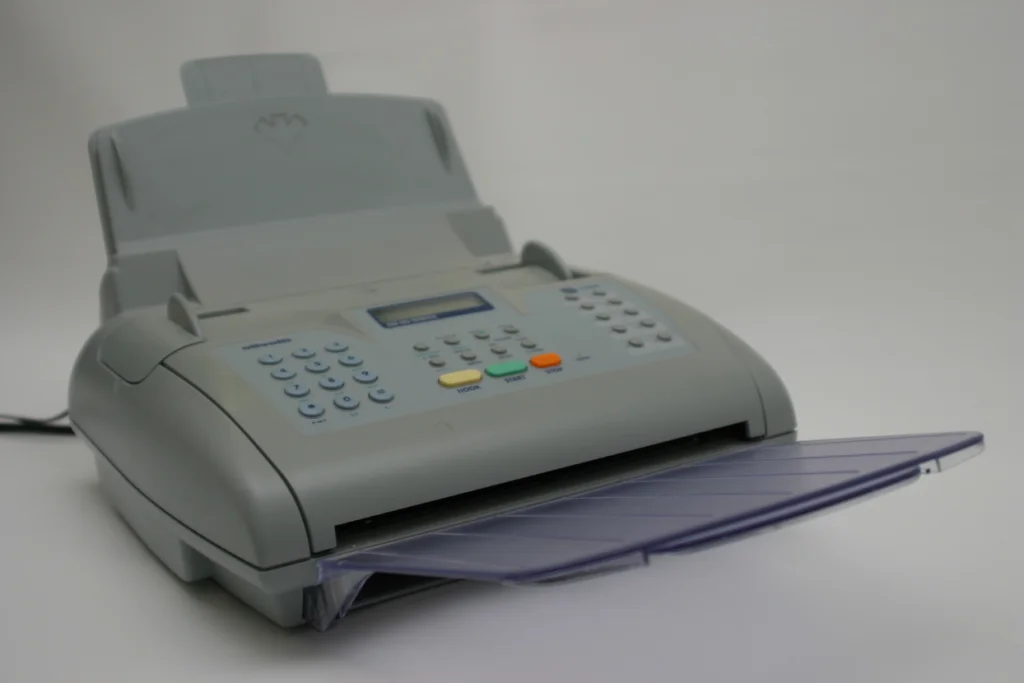
In the ’80s, the fax machine was absolute sorcery—sending a physical document across the country in minutes. That screeching dial-up sound was the anthem of a high-powered office getting things done. We thought the fax machine was the “final form” of business communication, a permanent bridge between the physical and the digital. For decades, “Fax it over to me” was the standard closing line of every important business call.
Then email attachments and e-signatures arrived, and the poor fax machine became a noisy, paper-jamming burden. Today, encountering a fax machine feels like finding a spinning wheel or a butter churn—it’s a weirdly specific remnant of a bygone era. Most of them have been relegated to the back corners of medical offices or government buildings that refuse to update. We realized that we didn’t actually need to “send” the paper; we just needed to send the information. The magic of the screeching phone line has been replaced by the silence of a “Send” click.
13. Cabbage Patch Kids Craze
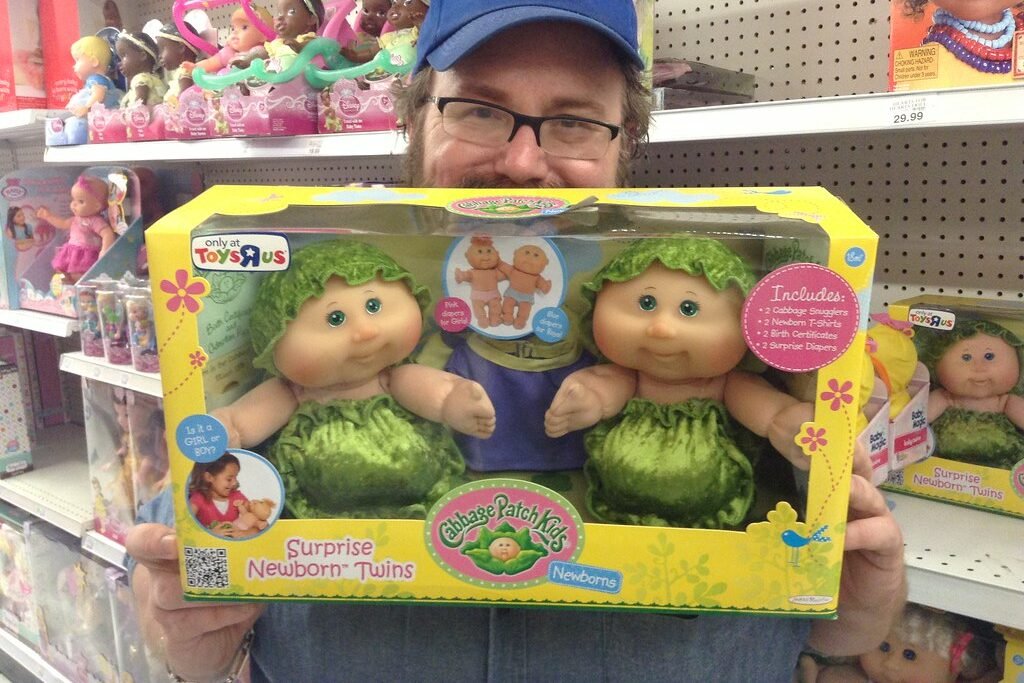
The Cabbage Patch Kids weren’t just dolls; they were a cultural phenomenon that caused actual riots in department stores. Each one came with “adoption papers” and a unique name, making kids feel like they were part of a high-stakes parenting experiment. People believed these dolls would be heirloom investments that would only increase in value over time. For a few years, it felt like the world had collectively decided that lumpy-faced cloth dolls were the new gold standard.
Eventually, the frenzy died down, and the dolls became what they always were: toys for kids. The “investment” value plummeted as millions were produced, and they eventually started showing up in garage sales for five dollars. It was a lesson in how quickly a “permanent” obsession can turn into a “remember that?” moment. We moved on to Beanie Babies and then to digital pets, leaving the “adoption” center at the mall a ghost of its former self. The dolls are still around, but the fever that drove parents to punch each other over a “Xavier Roberts” signature has broken.
14. Saturday Morning Cartoons

For an ’80s kid, Saturday morning was a religious experience involving a bowl of sugary cereal and four hours of animation. This was the only time you could see these shows, so missing them felt like a genuine tragedy. The networks owned that time slot, and the commercials for toys and candy were just as much a part of the show as the plot. It was a permanent pillar of the childhood experience that felt woven into the fabric of the week.
Cable channels like Nickelodeon and eventually YouTube killed the “event” status of Saturday mornings. When you can watch cartoons 24/7 on any device, there’s no reason to wake up at 7:00 AM on a Saturday to catch The Smurfs. The communal experience of every kid in the country watching the same thing at the same time is basically gone. It’s objectively better for the kids, who have infinite choices, but there’s a certain magic lost in the scarcity of the “Saturday Morning” era. The “appointment viewing” model was a permanent fixture until “on-demand” culture blew it apart.
15. Floppy Disks
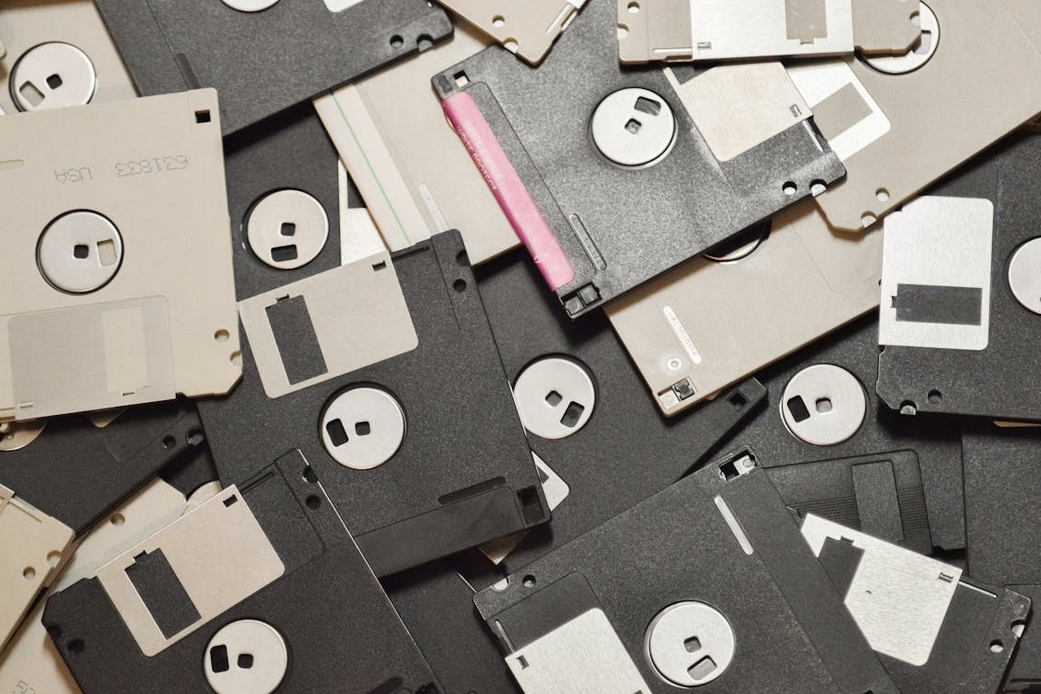
If you used a computer in the ’80s, you had a box of 5.25-inch (and later 3.5-inch) floppy disks that held your entire life. These thin, fragile squares were how you saved your “Oregon Trail” progress or your very first word processing documents. They were so fundamental to computing that the “Save” icon is still a picture of one, even though most people under twenty have never seen one. We assumed that digital storage would always involve some kind of physical, insertable square.
Hard drives grew, CDs took over, then USB sticks, and finally the Cloud made physical storage media feel like a burden. The “floppy” part of the disk was long gone by the time the 3.5-inch version died, and soon the whole concept followed. Now, we save things to a “place” that doesn’t actually exist in our physical space. The disk was a permanent symbol of the digital age that didn’t even make it through the turn of the century. It survives only as a tiny blue icon in the corner of your screen, a ghost of a trend that felt like it would last forever.