
1. Angela Bower, Who’s the Boss?
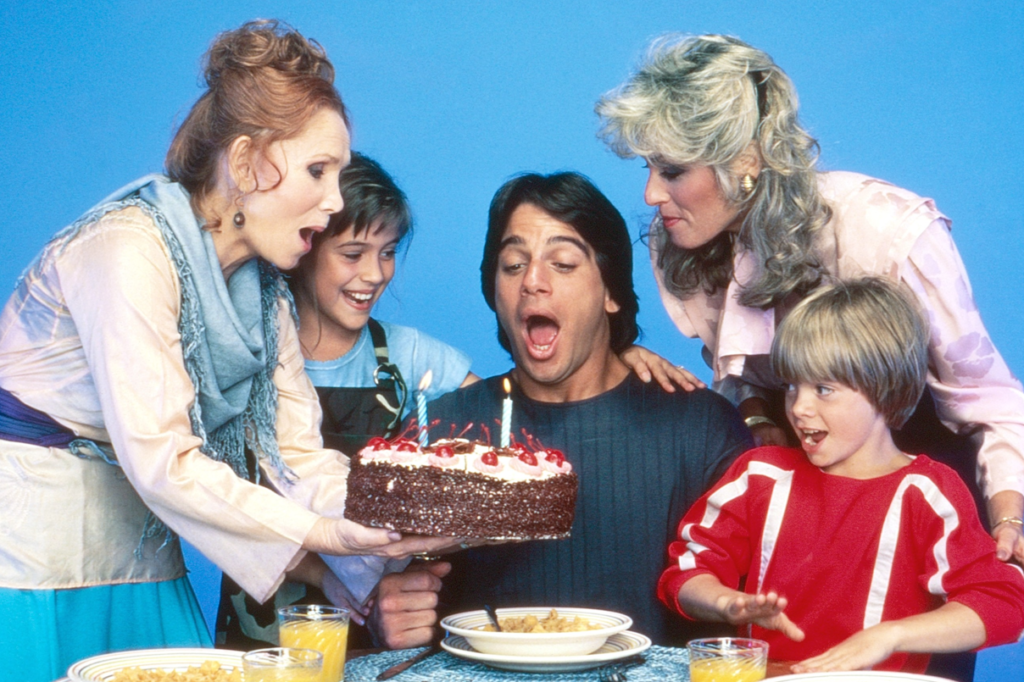
Angela Bower was not framed as a groundbreaking character at the time, yet her influence seeped in quietly every week. She was a divorced working mother who ran an advertising firm without apology, long before that image became commonplace on television. Angela did not pretend to have it all figured out, which made her relatable to viewers watching from living rooms across the country. Her calm authority made ambition look normal, not threatening.
What lingered was how rarely the show made a spectacle of her success. Angela simply went to work, paid the bills, and expected respect. For many kids watching in the ’80s, she reshaped what leadership looked like at home. She made competence feel natural and female ambition feel ordinary.
2. Alex P. Keaton, Family Ties
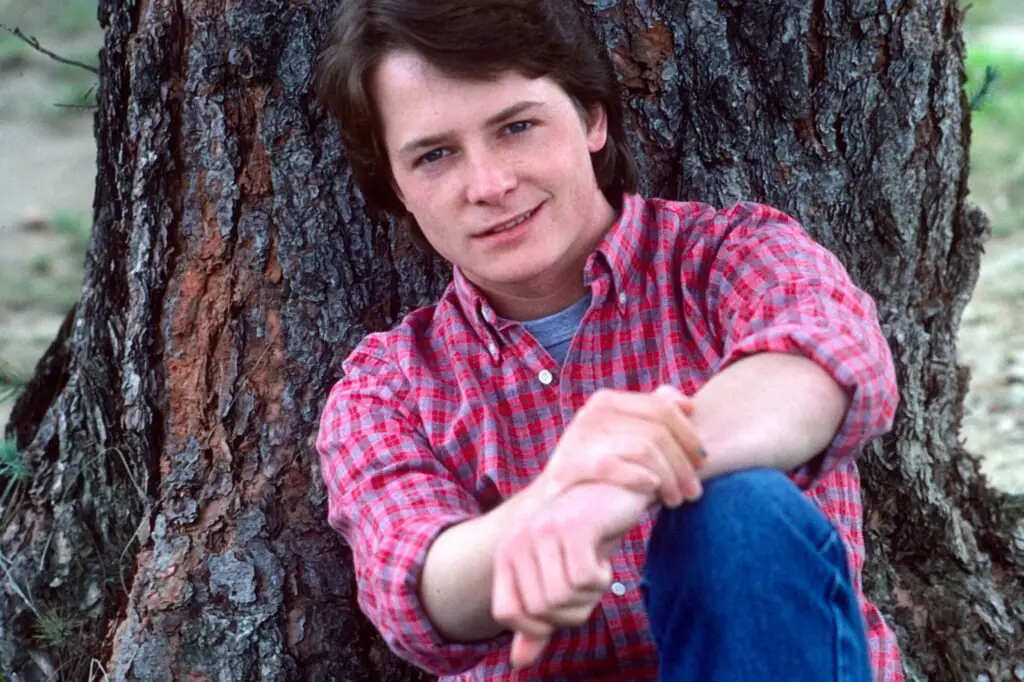
Alex P. Keaton arrived as a punchline, a conservative kid in a liberal household. Over time, he became something more complicated and far more influential. He took capitalism seriously, not as a joke but as a belief system. That earnestness stuck with viewers who saw him argue his case with confidence.
Alex made it acceptable to question your parents without rejecting them outright. He loved his family even when he disagreed with them completely. For many viewers, he modeled how to define yourself without burning everything down. That balance quietly shaped how a generation approached identity and debate.
3. Steven Keaton, Family Ties
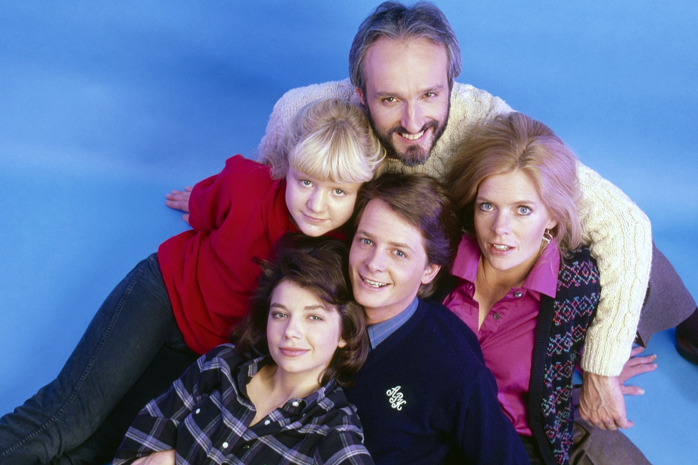
Steven Keaton did not dominate storylines, but his steady presence mattered. He was a former activist turned working father who learned how to compromise without surrendering his values. Steven showed that adulthood did not mean abandoning idealism. It meant adapting it.
He listened to his children even when he disagreed with them. That alone was a radical idea for many families at the time. Steven modeled empathy as strength, not weakness. His influence lingered long after the episode ended.
4. Cliff Huxtable, The Cosby Show

Cliff Huxtable never lectured in the traditional sense, yet lessons were always baked in. He was playful, imperfect, and deeply present as a father. Cliff normalized emotional availability in men without making a point of it. That subtlety mattered.
He also presented professional success without detachment from family life. Cliff was home for dinner, jokes, and discipline. For many viewers, he quietly redefined fatherhood. The impact was lasting, even if it felt effortless at the time.
5. Angela Chase’s Mom, Patty Chase, My So-Called Life
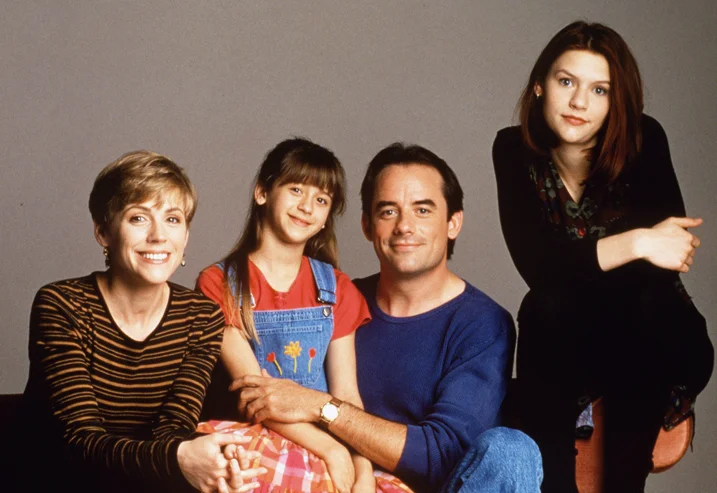
Patty Chase was not cool, not trendy, and not especially likable at first glance. She was anxious, controlling, and often overwhelmed. What made her powerful was her honesty. Patty reflected the real fears of parents trying to do better than their own upbringing.
She loved her daughter deeply, even when she did not understand her. That tension felt painfully real. Patty showed that parents were learning too. For many viewers, she softened the idea of adulthood.
6. MacGyver, MacGyver
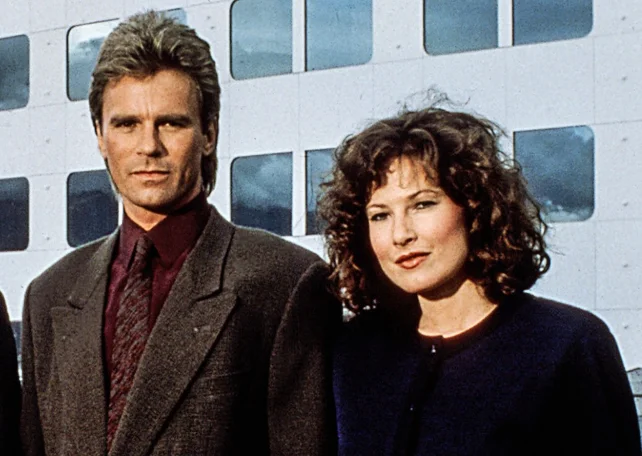
MacGyver rarely relied on brute force, which made him stand out instantly. He solved problems with logic, creativity, and patience. Violence was always the last resort, not the first instinct. That approach quietly shaped how heroism was framed.
He made intelligence exciting without arrogance. Kids watching learned that thinking could be as powerful as punching. MacGyver validated curiosity and restraint. That influence carried far beyond the show.
7. Blair Warner, The Facts of Life
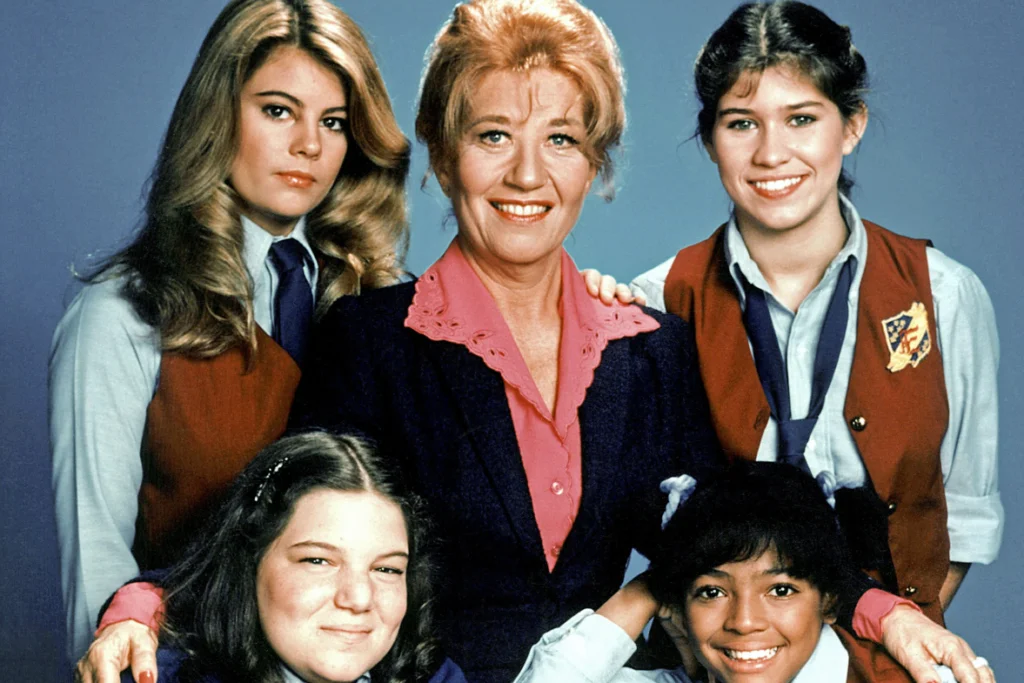
Blair Warner started as a stereotype and evolved into something more nuanced. She was privileged, self aware, and surprisingly open to growth. Blair learned lessons without losing her confidence. That mattered.
She showed that personal change did not require self erasure. Blair remained Blair, flaws and all. For viewers, she modeled how to mature without apologizing for who you were. That balance quietly resonated.
8. Mr. Feeny, Boy Meets World
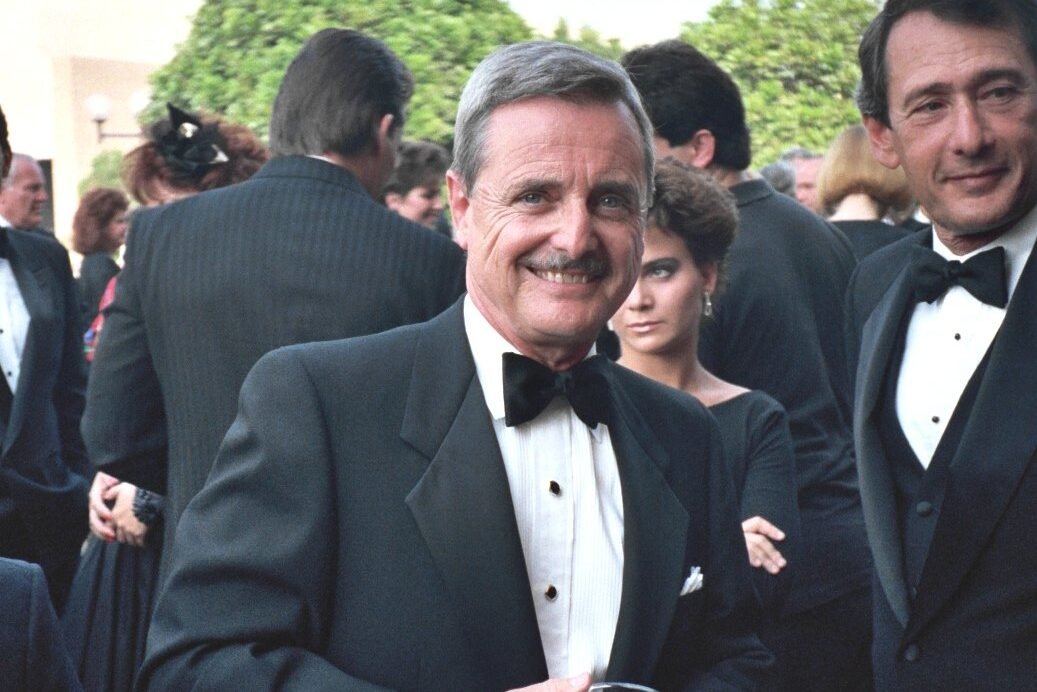
Mr. Feeny never chased popularity, yet students listened when he spoke. He believed deeply in education as character building, not just achievement. Feeny respected young people enough to challenge them. That respect stuck.
He held high standards without cruelty. Mr. Feeny made learning feel meaningful, not punitive. For many viewers, he became the teacher they wished they had. His influence felt personal.
9. Sam Malone, Cheers
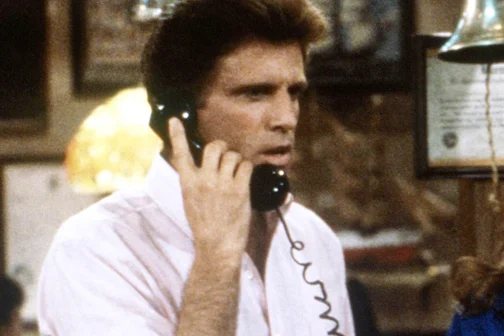
Sam Malone could have been a shallow character, but the writing gave him depth. He struggled with addiction, ego, and vulnerability. Sam did not always win, and that mattered. Growth was slow and imperfect.
He modeled male friendship built on honesty and support. Sam’s failures were not played only for laughs. They were part of his humanity. That quiet realism resonated.
10. Rose Nylund, The Golden Girls
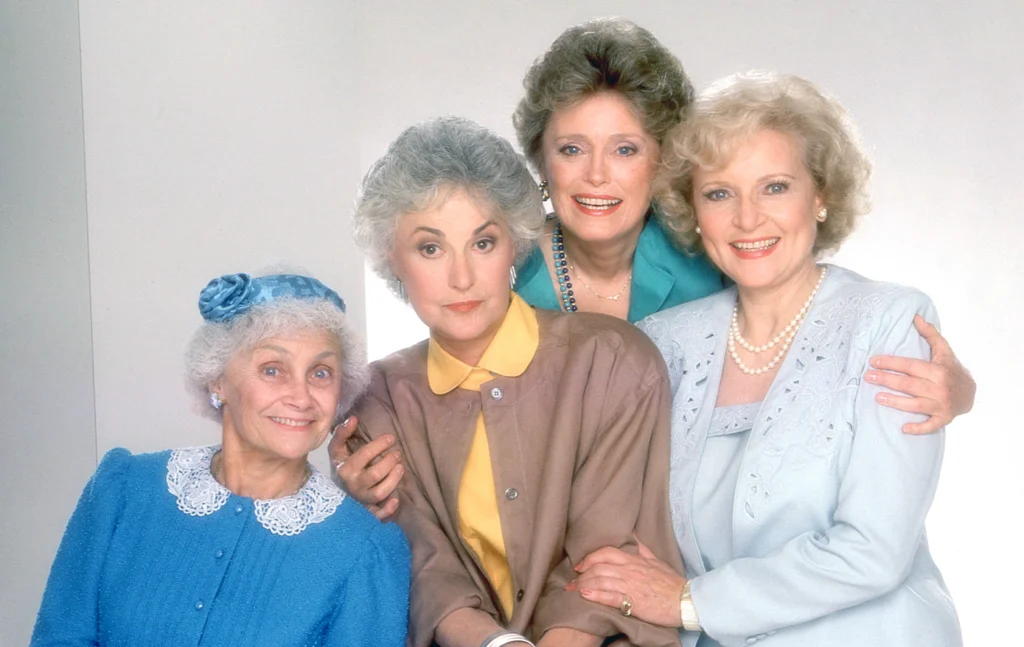
Rose Nylund was often underestimated, both by characters and viewers. Her optimism and sincerity masked emotional intelligence. Rose listened without judgment. That alone made her powerful.
She showed kindness as strength, not naïveté. Rose believed people could be better, and often they were because of her. For a generation raised on sarcasm, that softness mattered. Her influence was gentle but lasting.
11. Charles Ingalls, Little House on the Prairie
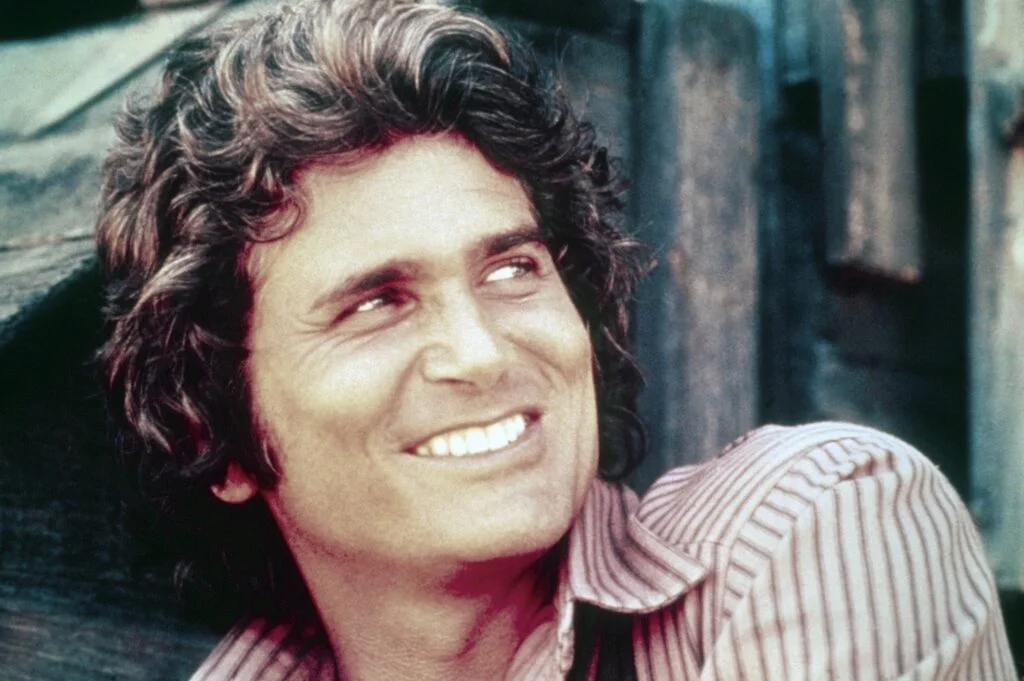
Charles Ingalls was not flashy or authoritative. He was patient, principled, and emotionally available. Charles showed masculinity rooted in care rather than control. That was quietly revolutionary.
He admitted fear and doubt without shame. Charles treated his daughters with respect and expectation. For many viewers, he reshaped what fatherhood could look like. His legacy lingered.
12. Lisa Turtle, Saved by the Bell

Lisa Turtle was stylish, smart, and confident, without being framed as unrelatable. She balanced ambition with loyalty to her friends. Lisa made intelligence fashionable. That was no small thing.
She also navigated peer pressure with clarity. Lisa did not shrink herself to fit in. For young viewers, she modeled self respect. The influence was subtle but meaningful.
13. Arnold Jackson, Diff’rent Strokes
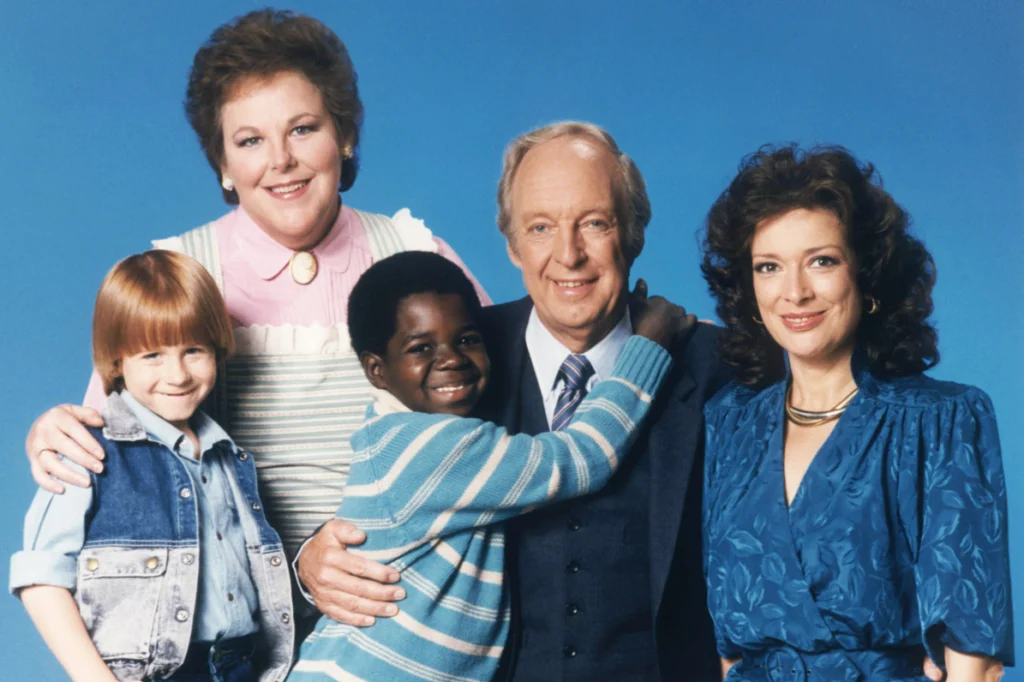
Arnold Jackson was younger than most characters shaping conversations, but his impact was undeniable. He asked questions adults avoided. Arnold confronted racism, poverty, and inequality head on. His innocence made the issues unavoidable.
He forced viewers to listen. Arnold’s perspective challenged comfort zones without hostility. For many households, he sparked conversations that might not have happened otherwise. That influence echoed.
14. Jessica Fletcher, Murder, She Wrote
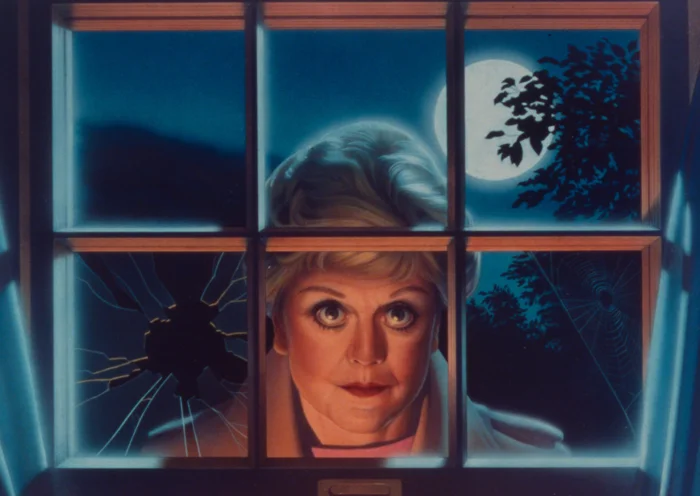
Jessica Fletcher did not need authority to command respect. She relied on observation, empathy, and intellect. Jessica solved problems by listening. That approach stood out.
She also modeled independence later in life. Jessica traveled, worked, and thrived on her own terms. For viewers, she expanded the idea of whose stories mattered. Her influence was quiet and profound.