
1. Cheers
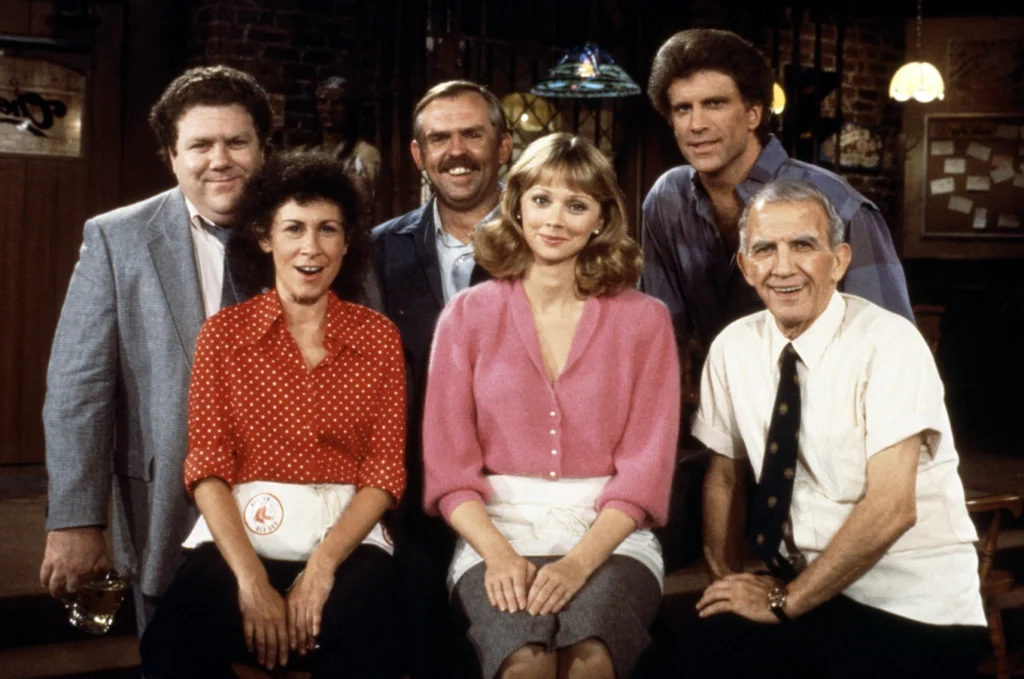
Walking into a place where everybody knows your name wasn’t just a catchy song lyric; it was a weekly reality for millions of viewers. This show turned a basement bar in Boston into the world’s most famous living room. We all became part of the gang, leaning over the mahogany counter to catch the latest witty barb from Sam or Diane. It wasn’t just about the jokes; it was about that rare sense of community that television used to provide so effortlessly.
The chemistry between the cast members felt so genuine that you half-expected to see them if you walked into a pub in your own neighborhood. We spent years debating the “will-they-won’t-they” tension that defined the early seasons. When a big episode aired, the next morning at work was dominated by people repeating Cliff Clavin’s “little-known facts.” It was a comforting, consistent presence in a decade of rapid change. Cheers taught us that even if you were a bit of a loser, you still had a place where you belonged.
2. The Cosby Show

On Thursday nights, the Huxtables were essentially the most popular family in America. It changed the landscape of the sitcom by depicting a successful, upper-middle-class family with a focus on relatable parenting and everyday life. We weren’t just watching a show; we were taking notes on Cliff’s sweaters and Claire’s impeccable ability to command a room. It felt like an invitation into a home that was warmer and more organized than our own.
The show’s massive ratings meant that almost everyone you knew had seen the same dance routine or graduation speech the night before. It provided a universal language of family dynamics that transcended demographics. Whether it was Rudy’s adorable antics or Theo’s latest academic struggle, the stakes felt personal to the audience. You could go to school or the office and strike up a conversation with anyone just by mentioning the “Night Shift” routine. It was a cultural juggernaut that defined the mid-80s television experience.
3. Miami Vice
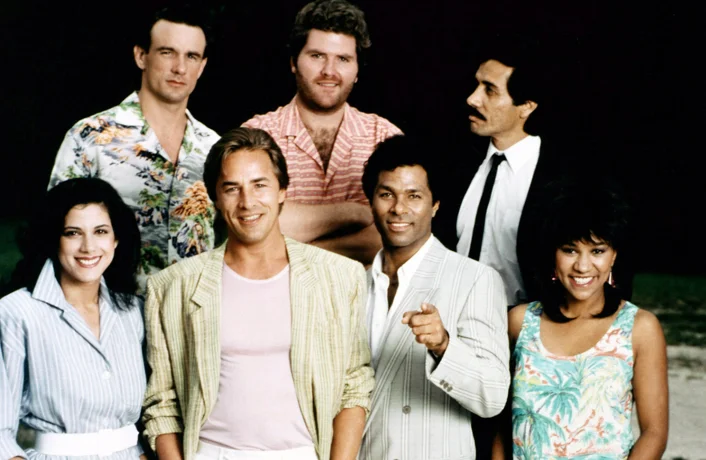
This show didn’t just change TV; it changed the way we dressed and the music we listened to. Suddenly, every man in the country was considering a pastel suit and a five-o’clock shadow. It brought a cinematic, MTV-style aesthetic to the small screen that felt incredibly dangerous and cool at the same time. Watching Sonny Crockett and Rico Tubbs cruise through the neon-soaked streets of Miami was a ritual for anyone trying to stay hip.
The soundtrack was just as important as the plot, with “In the Air Tonight” creating one of the most iconic moments in television history. People would gather to see what flashy car would be featured or which celebrity guest star would show up as a villain. It was the ultimate “water cooler” show because of its sheer visual audacity and style. Even if you weren’t into police procedurals, you watched it just to keep up with the trends. It remains the quintessential time capsule of 1980s excess and flair.
4. Dallas
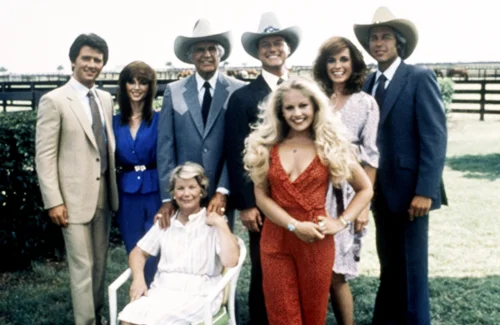
The world literally stopped when it came time to find out who shot J.R. Ewing. This show mastered the art of the cliffhanger, turning a nighttime soap opera into a global obsession. Everyone had a theory, and the “Who Shot J.R.?” marketing campaign was perhaps the first truly viral media event. It was the kind of show that made you feel like you were part of a giant, secret-sharing club.
The excess of the Ewing family and their oil empire provided a fascinating look at wealth and greed. We loved to hate J.R., and Larry Hagman played the role with a twinkle in his eye that made his villainy infectious. Families would gather around the set to see the latest betrayal or power play at Southfork Ranch. It was high-stakes drama that felt larger than life, yet we all discussed it as if it were happening to people we actually knew. The sheer scale of its popularity is something modern television rarely replicates.
5. Magnum, P.I.
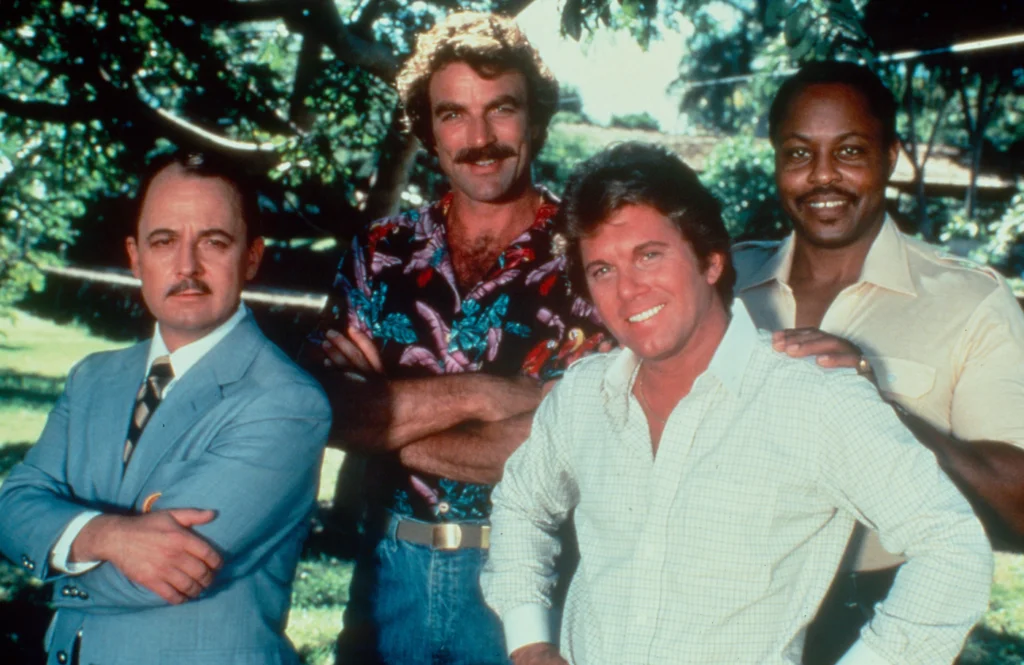
Tom Selleck’s mustache and Detroit Tigers cap became symbols of the ultimate 80s cool. Set against the beautiful backdrop of Hawaii, the show offered a perfect mix of action, mystery, and lighthearted humor. We all envied Thomas Magnum’s lifestyle, living in a guest house on a luxurious estate and driving a Ferrari that wasn’t even his. It was the ultimate escapist fantasy that we all indulged in together every week.
The relationship between Magnum and the rigid, rule-following Higgins provided a comedic backbone that grounded the show. We loved the banter and the slow-burning respect that grew between them over the years. It was a show that felt comfortable and familiar, like hanging out with an old friend who happened to solve crimes. When the Magnum, P.I. theme song started, you knew you were in for an hour of pure entertainment. It was a staple of the decade that appealed to kids and adults alike.
6. The Golden Girls
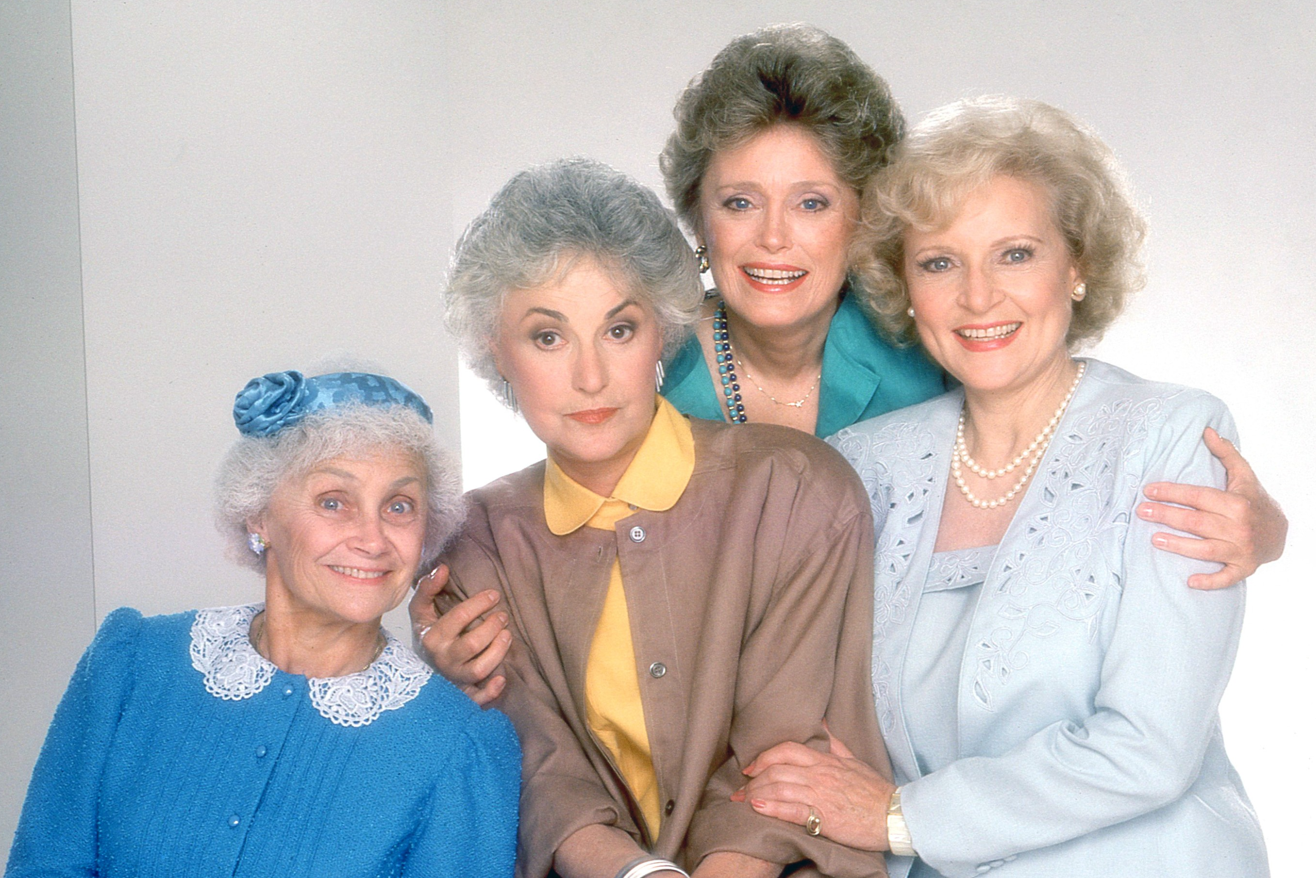
Four retired women sharing a house in Miami shouldn’t have been a revolutionary concept, but it became one of the most beloved shows of the decade. We all saw a bit of ourselves or our relatives in Dorothy, Rose, Blanche, or Sophia. The sharp, quick-witted writing proved that comedy didn’t have a shelf life and that aging could be hilarious and vibrant. It was the kind of show that brought different generations together in front of the TV.
The chemistry between the four leads was lightning in a bottle, making every cheesecake-filled kitchen scene feel like a real heart-to-heart. We rooted for their late-life romances and laughed at Sophia’s “Picture it: Sicily…” stories as if we were sitting at the table with them. It tackled serious issues like illness and grief with a grace that few other sitcoms could match. Even today, the show remains a cultural touchstone because of its warmth and unapologetic honesty. It taught us that friendship is the ultimate support system regardless of age.
7. Knight Rider
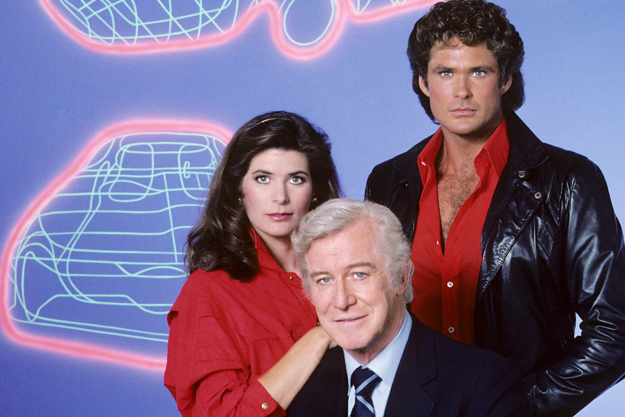
Every kid in the ’80s wanted a car that could talk back, and KITT was the high-tech dream we all shared. Michael Knight and his artificially intelligent Trans Am were the ultimate crime-fighting duo, blending sci-fi elements with classic action. We spent hours imagining what we would do with a Turbo Boost button or a scanner that could see through walls. It felt like we were looking directly into a future where technology was our best friend.
The show’s sleek aesthetic and pulsing synth theme song were instantly recognizable in any household. It wasn’t just about the stunts; it was about the bond between a man and his machine that felt surprisingly human. We all waited for those moments when KITT would use his dry wit to bail Michael out of a tight spot. Discussing the latest gadget or high-speed chase was a Monday morning staple at school. It was pure, imaginative fun that captured the technological optimism of the era.
8. The A-Team
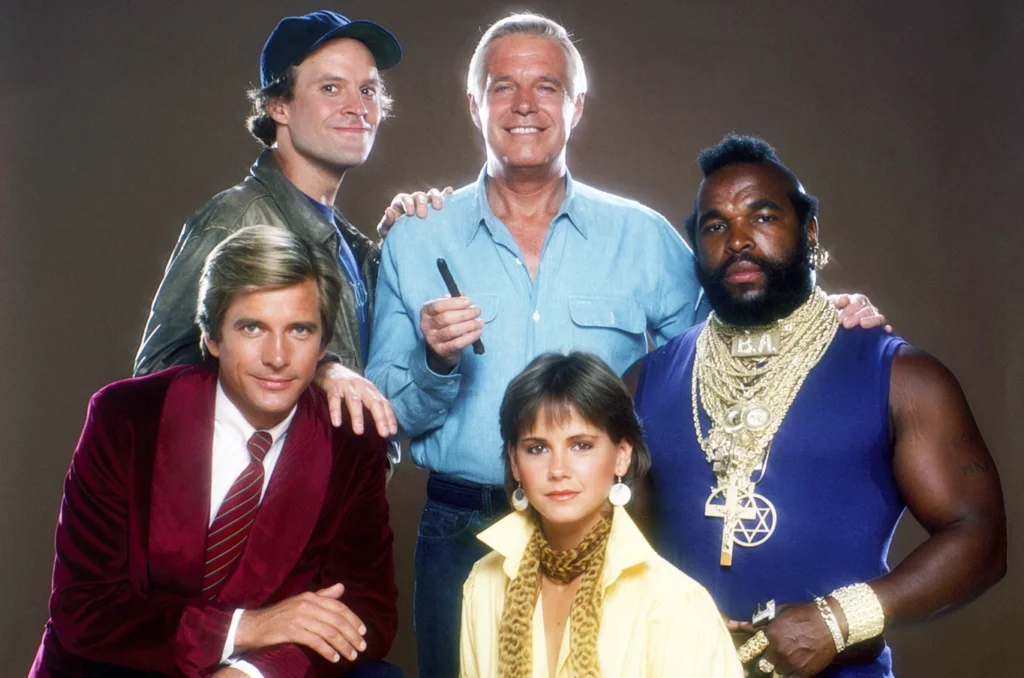
If you had a problem and no one else could help, you knew exactly who to turn to on Tuesday nights. The A-Team was a masterclass in cartoonish action, where a plan always came together despite an improbable number of explosions. We loved the distinct personalities, from Hannibal’s cigars to B.A. Baracus’s fear of flying. It was the kind of show that felt like a high-octane playground for the imagination.
The show was famous for its “non-lethal” violence, where cars would flip and explode, yet everyone would miraculously crawl out unharmed. This made it safe, communal viewing for families who wanted thrills without the grit. We all had our favorite member, but the camaraderie of the group was the real draw. Seeing them build a makeshift tank out of scrap metal in a barn was a weekly highlight. It was a spectacle that didn’t take itself too seriously, which is why we loved it.
9. MacGyver
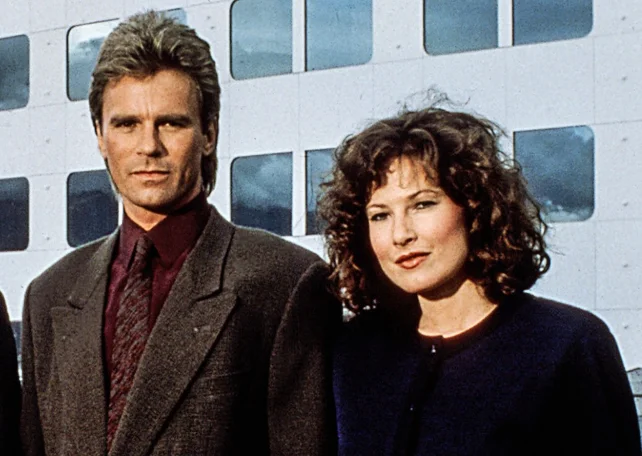
Angus MacGyver taught an entire generation that a Swiss Army knife and a roll of duct tape could solve almost any crisis. We watched in awe as he escaped life-threatening situations using basic physics and household chemicals. It was a show that celebrated brainpower over firepower, making it a unique hero story for the time. We all started looking at everyday objects a little differently after an episode aired.
The term “MacGyver-ing” entered the global lexicon because the show’s premise was so universally understood. It was a communal experience to see what improbable contraption he would build next out of a paperclip and a gum wrapper. The stakes always felt high, but MacGyver’s calm demeanor made us feel like anything was possible. It encouraged a sense of curiosity and DIY spirit in its viewers. It remains one of the most influential action shows for its focus on ingenuity.
10. Full House
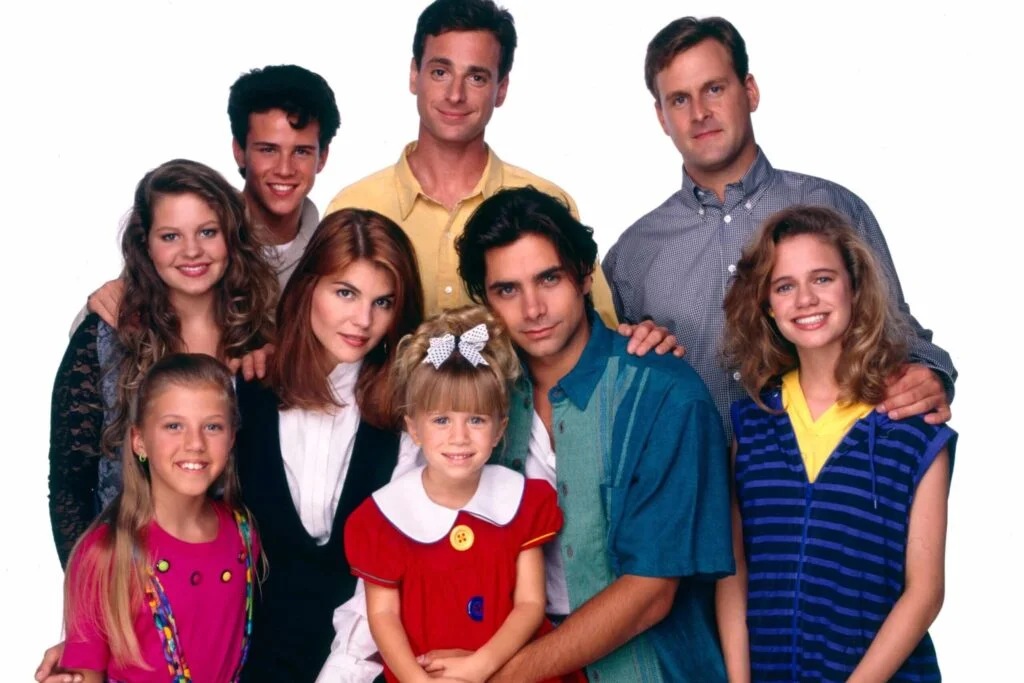
The Tanner household was the epitome of the “unconventional family” trend that took over the late ’80s. With three dads raising three girls, the show provided a sugary-sweet look at domestic life that was hard to resist. We grew up alongside DJ, Stephanie, and Michelle, feeling like their milestones were our own. It was the ultimate comfort food for television viewers, offering a guaranteed happy ending every week.
The catchphrases alone were enough to unite an entire demographic of young viewers and their parents. Whether it was “Cut it out!” or “You got it, dude,” the show’s language became our language. We tuned in to see the latest fashion trends and the gentle life lessons delivered by Danny Tanner. It created a sense of safety and predictability that made it a staple of the Friday night lineup. Even with its cheesy moments, the show’s heart was undeniable.
11. Family Ties
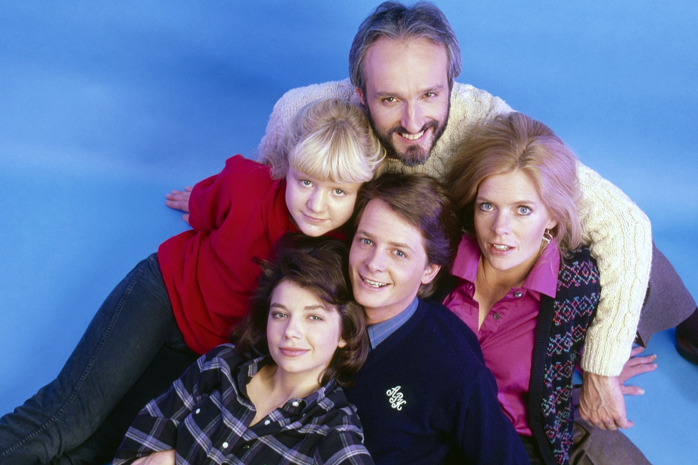
This show perfectly captured the cultural clash of the ’80s by putting ex-hippie parents in the same house as a young Republican son. Alex P. Keaton became a breakout character, representing the ambitious, money-focused spirit of the decade. We watched the family navigate their political and social differences with humor and genuine affection. It felt like a mirror to the dinner table debates happening in homes across the country.
The dynamic between Michael J. Fox and his TV parents provided a witty look at the generational gap. We loved the sharp dialogue and the way the show handled serious topics like substance abuse or grief without losing its comedic edge. It was a show that felt smart and relevant to the changing political landscape of America. Watching the Keatons grow and change was a shared journey for millions of families. It remains a definitive portrait of Reagan-era family life.
12. Moonlighting
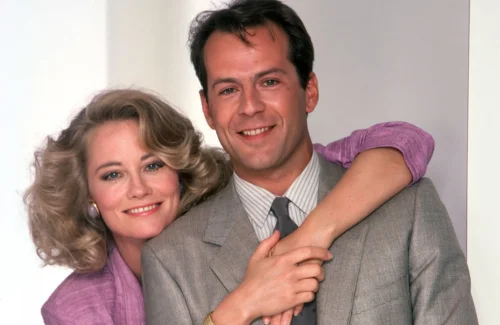
Before the “will-they-won’t-they” trope became a cliché, David and Maddie were the masters of the game. Moonlighting was unlike anything else on TV, featuring fast-paced banter, breaking the fourth wall, and surreal dream sequences. It felt sophisticated and experimental, making the audience feel like they were in on a very clever joke. We were all obsessed with the electric chemistry between Bruce Willis and Cybill Shepherd.
The show’s production delays only added to the mystery and anticipation surrounding each new episode. When a new one finally aired, it was an event that required your full attention to catch all the overlapping dialogue. It blended noir mystery with screwball comedy in a way that felt incredibly fresh and daring. We debated for weeks whether the show would survive if the main characters finally got together. It was a brilliant, chaotic ride that defined the mid-80s creative peak of television.
13. The Wonder Years
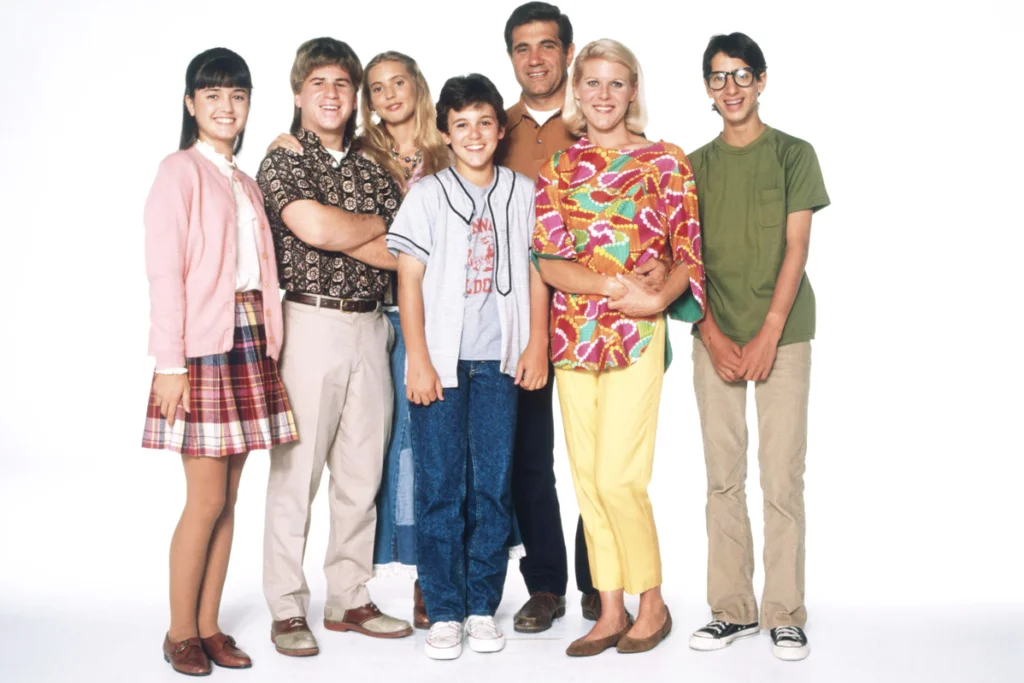
Looking back at the 1960s through the lens of the late ’80s gave this show a unique, nostalgic power. Kevin Arnold’s journey through adolescence felt universal, even for those who hadn’t lived through the specific era depicted. The use of a narrator to voice Kevin’s internal thoughts gave the show an emotional depth that resonated with everyone. We all felt the sting of his first heartbreak and the awkwardness of junior high right along with him.
The soundtrack, featuring classics like Joe Cocker’s version of “With a Little Help from My Friends,” set a perfect, melancholy tone. Families watched it together because it bridged the gap between parents who lived through the ’60s and kids growing up in the ’80s. It was a rare show that could make you laugh and cry in the span of thirty minutes. We rooted for Kevin and Winnie Cooper as if they were our own childhood friends. It remains a poignant reminder of the bittersweet nature of growing up.
14. Growing Pains
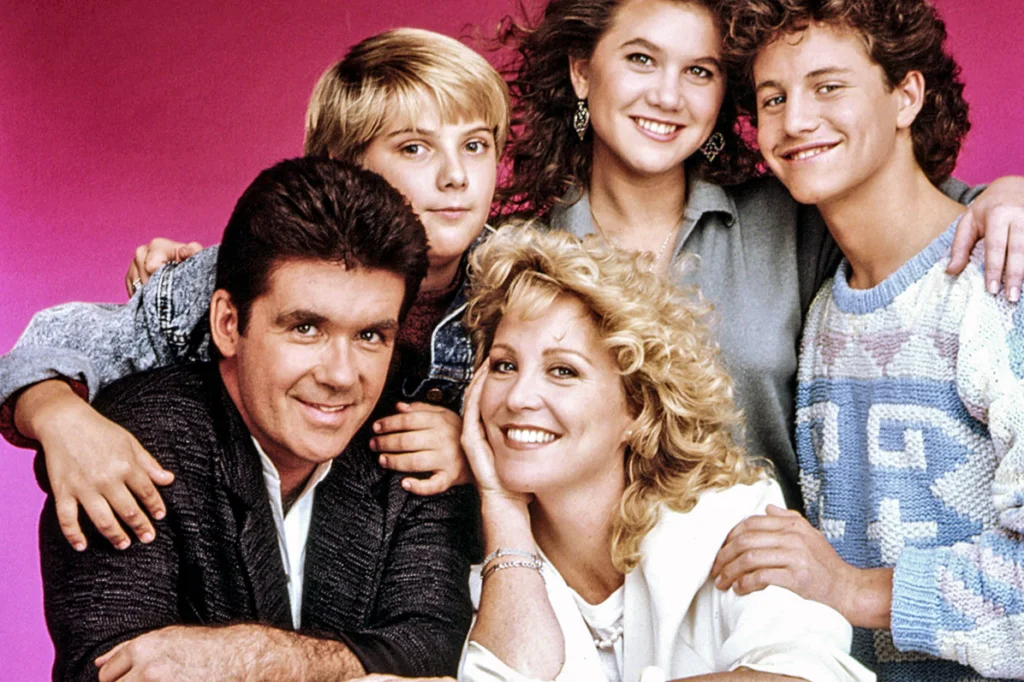
The Seaver family felt like the neighbors everyone wanted to have, led by a psychiatrist dad who worked from home. It was a classic family sitcom that leaned heavily on the charm of its cast, especially the teen idol status of Kirk Cameron. We followed Mike Seaver’s transition from a troublemaker to a young adult with a lot of investment. It was a show that felt light, bright, and easy to watch with a bowl of popcorn.
The show excelled at portraying the small, relatable friction of family life, from sibling rivalry to school dances. It provided a safe space for families to see their own struggles reflected with a comedic twist. We all remember the catchy theme song and the painted portraits in the opening credits that signaled the start of a cozy half-hour. Even when the plots were simple, the warmth of the characters kept us coming back week after week. It was a foundational part of the ’80s sitcom landscape.
15. Dynasty
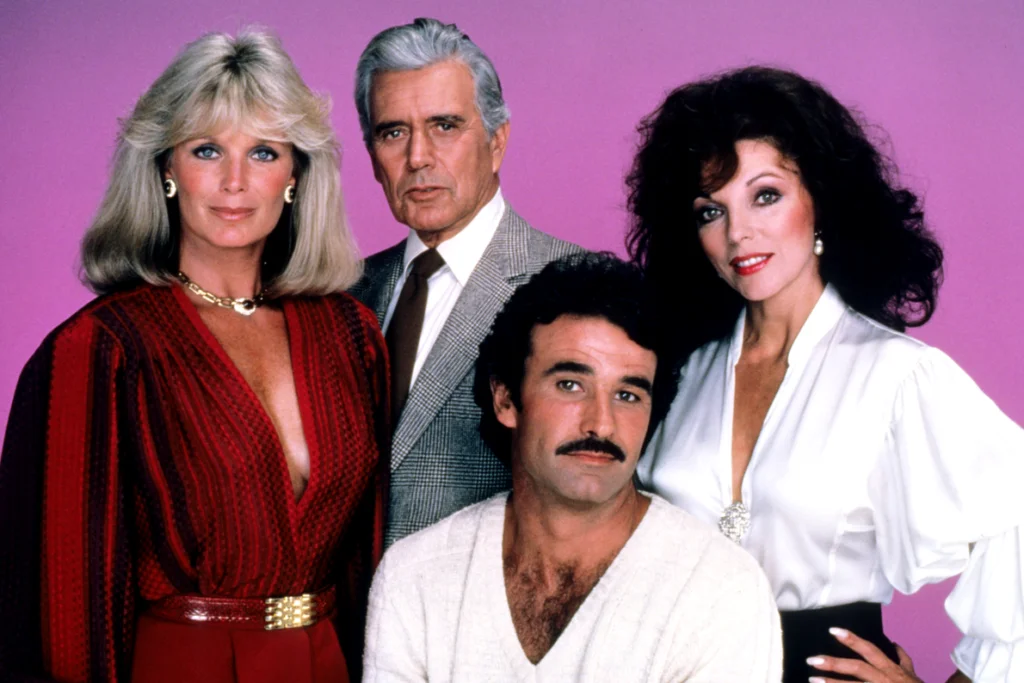
If Dallas was about oil and grit, Dynasty was about shoulder pads, sequins, and pure, unadulterated glamour. The rivalry between Krystle and Alexis Carrington was the stuff of television legend, often resulting in iconic fountain fights. We tuned in to see the over-the-top fashion and the increasingly ridiculous plot twists that defined the show. It was the ultimate “guilty pleasure” that everyone was actually talking about.
The show brought a level of high-fashion soap opera to primetime that felt like a weekly fashion show. Joan Collins turned Alexis into a character we absolutely loved to despise, making her the queen of the 80s villains. We marveled at the opulent sets and the scandalous affairs that seemed to happen every five minutes. It was a communal escape into a world of impossible wealth and drama. No one did “big” quite like Dynasty did in the 1980s.