
1. The Golden Girls
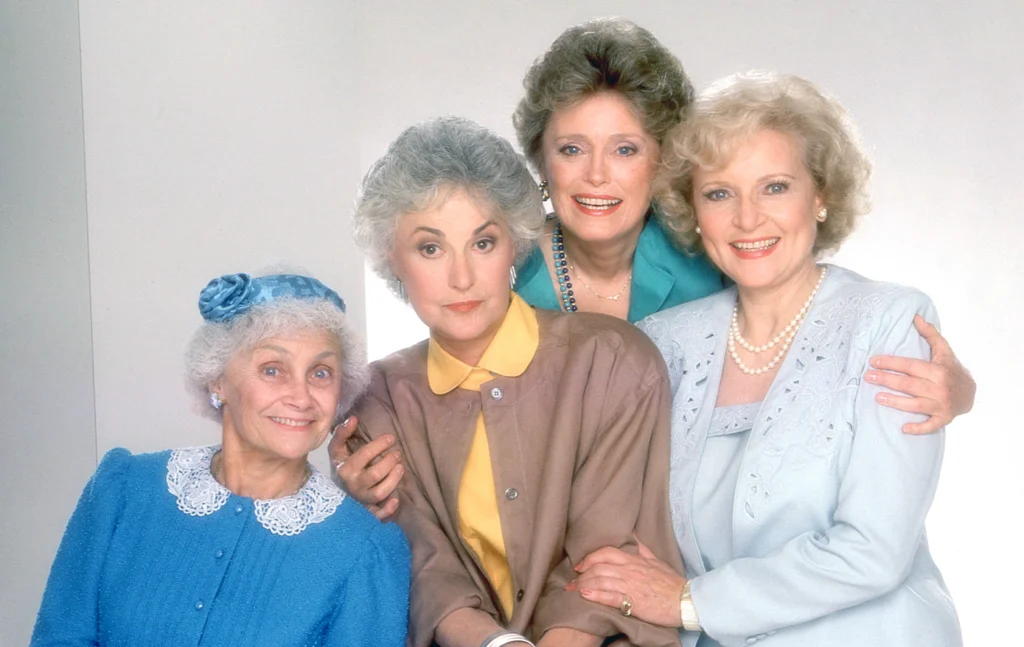
When The Golden Girls debuted in 1985, it broke the mold by putting four older women front and center at a time when TV rarely showed life after 50 as exciting or funny. Dorothy, Blanche, Rose, and Sophia didn’t just sit around knitting, they lived full lives filled with romance, work, and friendship. The show proved that women could still be witty, desirable, and complicated long after their so-called prime years.
The series also tackled subjects that other sitcoms avoided, from HIV/AIDS awareness to same-sex relationships and elder care. By mixing humor with heartfelt storytelling, it gave audiences new perspectives without ever feeling heavy-handed. It showed that growing older didn’t mean fading into the background. In many ways, it paved the way for future shows about women leading vibrant lives at any age.
2. Family Ties
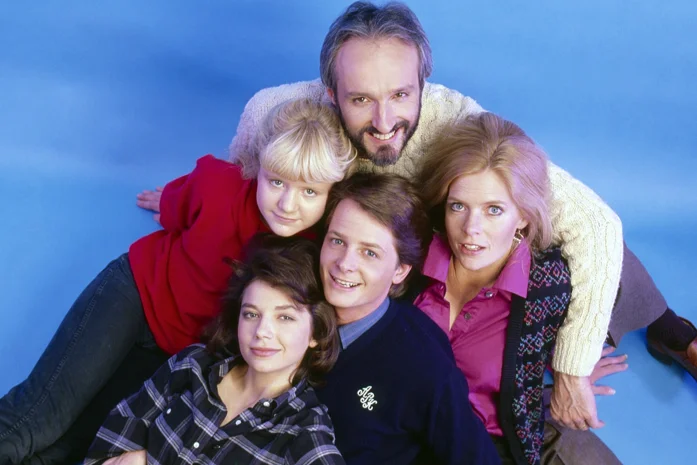
Family Ties was a clever reflection of the cultural clash between ‘60s idealism and ‘80s conservatism. With Michael J. Fox as Alex P. Keaton, a suit-wearing young Republican in a family of former hippies, the show became a microcosm of generational debates happening across the country. The humor came from Alex’s relentless ambition clashing with his parents’ values, yet beneath it was real love.
The show didn’t just stick to politics, though. It addressed social issues like addiction, feminism, and the struggles of balancing career and family. By letting these conflicts play out in a relatable suburban setting, it made bigger conversations more approachable. It was progressive in the way it captured America’s shifting identity during the 1980s.
3. Diff’rent Strokes
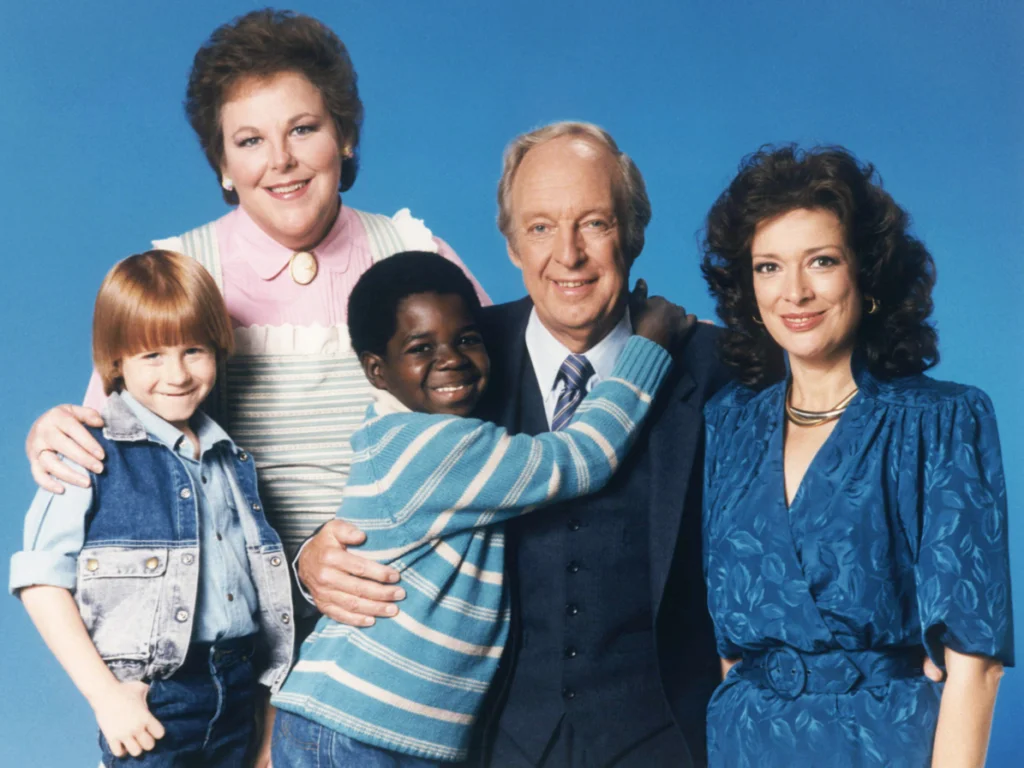
At its heart, Diff’rent Strokes was about family, but it challenged stereotypes right from the beginning. When two African-American brothers moved in with a wealthy white widower, the show used its humor to highlight race, class, and privilege. Arnold’s catchphrases made it lighthearted, but the stories often dealt with serious themes.
Some episodes touched on racism, child abuse, and even substance use, which was groundbreaking for a family sitcom. Instead of shying away, the writers gave these topics the space they deserved. While audiences tuned in for the laughs, they left with something to think about. It was a gentle but effective way to open up conversations that weren’t happening on many other shows.
4. Designing Women

Designing Women didn’t just entertain, it gave women in business a voice during a time when that wasn’t always visible on TV. Set in an Atlanta design firm, it featured four strong, opinionated women who weren’t afraid to speak their minds. Julia Sugarbaker’s fiery speeches became iconic, often delivering messages about feminism, politics, and equality.
The show confronted sexism, racism, and even the AIDS crisis with compassion and strength. It balanced heavy issues with humor, creating a series that felt both bold and relatable. By showcasing independent Southern women as complex and outspoken, it broadened TV’s idea of what female characters could be. It was unapologetically progressive in its outlook.
5. The Cosby Show

While it’s complicated to talk about now, The Cosby Show was groundbreaking in its time for how it depicted an African-American family. The Huxtables were successful, educated, and loving, countering stereotypes that had long dominated TV. It showed a different, aspirational image of Black family life that resonated with millions.
It also brought real issues into the living room without losing its warmth. Episodes dealt with race, education, and responsibility in ways that felt authentic. By showing that Black families were just like any other, it helped reshape mainstream perceptions. It was a milestone in television history despite the controversies tied to its star today.
6. Kate & Allie
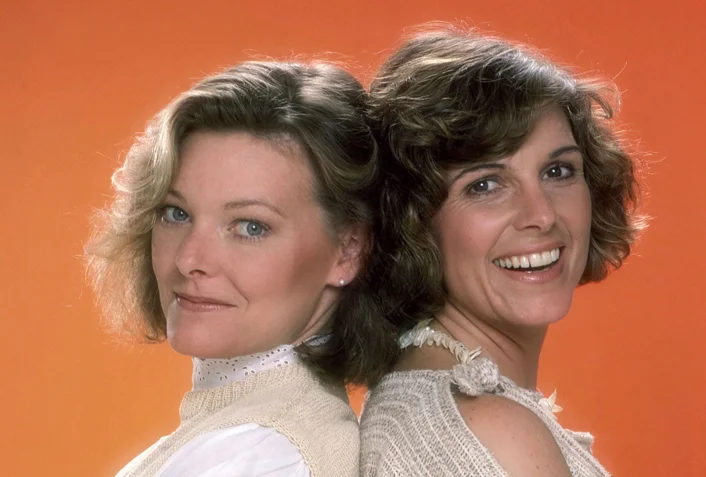
Kate & Allie offered something different by showing two divorced women raising their kids together under one roof. At a time when divorce wasn’t often acknowledged on sitcoms, it presented single motherhood as normal and even empowering. The show captured the messy, funny, and heartfelt side of starting over.
It also explored shifting family structures in America, proving that love and stability didn’t always fit into the traditional mold. Kate and Allie faced challenges with dating, work, and raising teenagers, all while supporting each other like sisters. That message of chosen family felt progressive for the time. It made many viewers see nontraditional households in a more positive light.
7. Cagney & Lacey
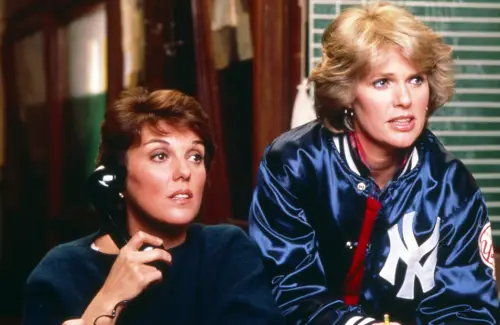
Cagney & Lacey was a trailblazer by putting two women at the center of a gritty police drama. Christine Cagney and Mary Beth Lacey were tough, smart, and vulnerable in equal measure, breaking away from the stereotypes of women in crime shows. They weren’t sidekicks or love interests, they were the story.
The series went deeper than police cases, tackling issues like alcoholism, workplace sexism, and balancing family life with demanding careers. It wasn’t afraid to address the fact that women in male-dominated fields faced extra obstacles. By showing women as multidimensional professionals, it gave viewers a new kind of role model. It was years ahead of its time in how it presented female leads.
8. A Different World
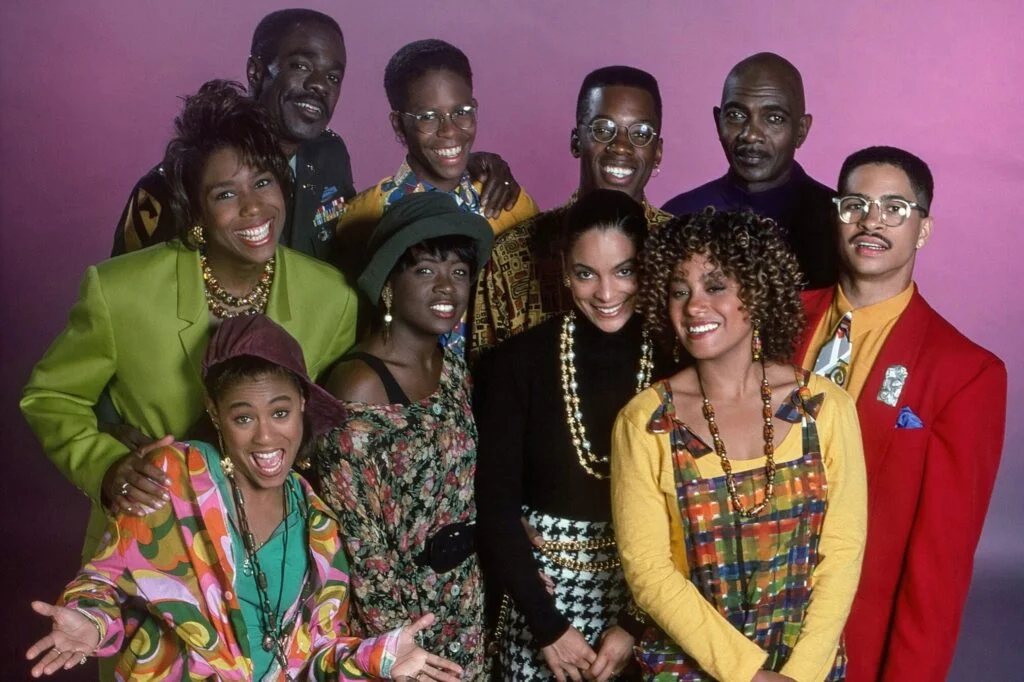
Originally a spin-off of The Cosby Show, A Different World quickly found its own identity. Set at a historically Black college, it explored issues of race, class, and identity through the lens of young adulthood. It was one of the first shows to put HBCUs in the spotlight and celebrate them on primetime television.
The show addressed everything from apartheid in South Africa to domestic violence and AIDS, all while remaining funny and heartfelt. It gave space to conversations that many shows avoided. By focusing on education and self-discovery, it also encouraged viewers to value higher learning. It felt progressive because it showcased voices that weren’t often heard in mainstream media.
9. One Day at a Time
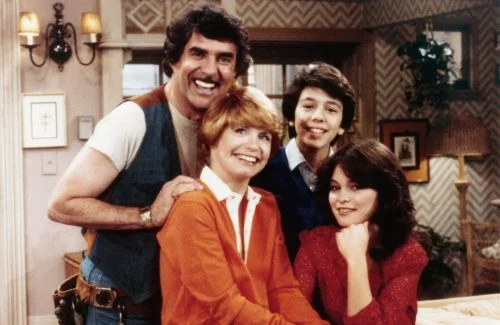
In One Day at a Time, viewers followed a divorced mom raising two teenage daughters, which was already a departure from the perfect nuclear families seen on TV. Bonnie Franklin’s character, Ann Romano, represented a new kind of single mother who was independent and determined. The show didn’t sugarcoat her struggles, making her relatable for many viewers.
It also tackled heavy topics like sexual harassment, depression, and financial struggles. Instead of wrapping every issue up neatly, it showed that life was complicated. That honesty made it progressive for its era. Ann’s resilience inspired audiences who were navigating similar challenges in their own lives.
10. thirtysomething

thirtysomething was a drama that felt almost too real for its time. It focused on a group of baby boomers navigating careers, marriage, and parenthood in the 1980s. Unlike glossier shows, it leaned into the vulnerability and insecurities of its characters.
The series stood out for addressing topics like infidelity, infertility, and even the AIDS epidemic with nuance. It treated adult issues with seriousness while still being deeply emotional. By refusing to glamorize life, it reflected the complexities of modern adulthood. It was progressive because it allowed TV characters to be messy and imperfect in ways audiences recognized.
11. Cheers
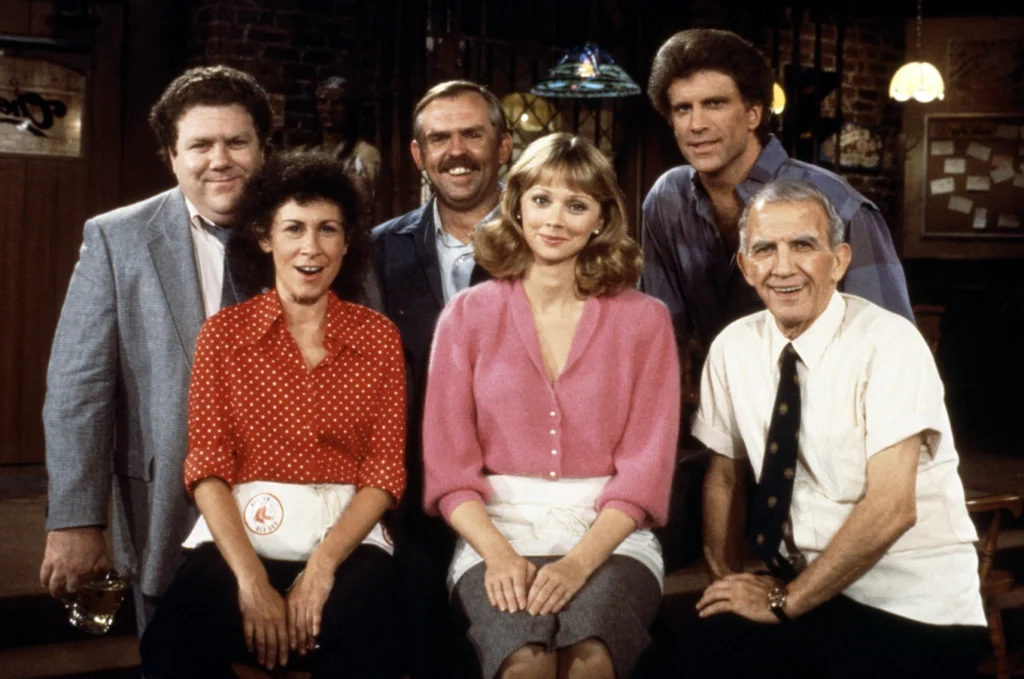
On the surface, Cheers looked like a lighthearted sitcom set in a Boston bar. But under the laughs, it was quietly progressive in how it handled issues like addiction, gender dynamics, and class differences. Each character brought a different perspective to the table, and the show wasn’t afraid to play with those contrasts.
Diane’s ambition and intellect often challenged traditional gender roles, while Carla’s sharp tongue pushed back against stereotypes of working-class women. The show even navigated topics like alcoholism and recovery through Sam’s backstory. By blending humor with deeper character studies, Cheers became more than just a barroom comedy. It was a progressive look at human relationships.
12. Murphy Brown
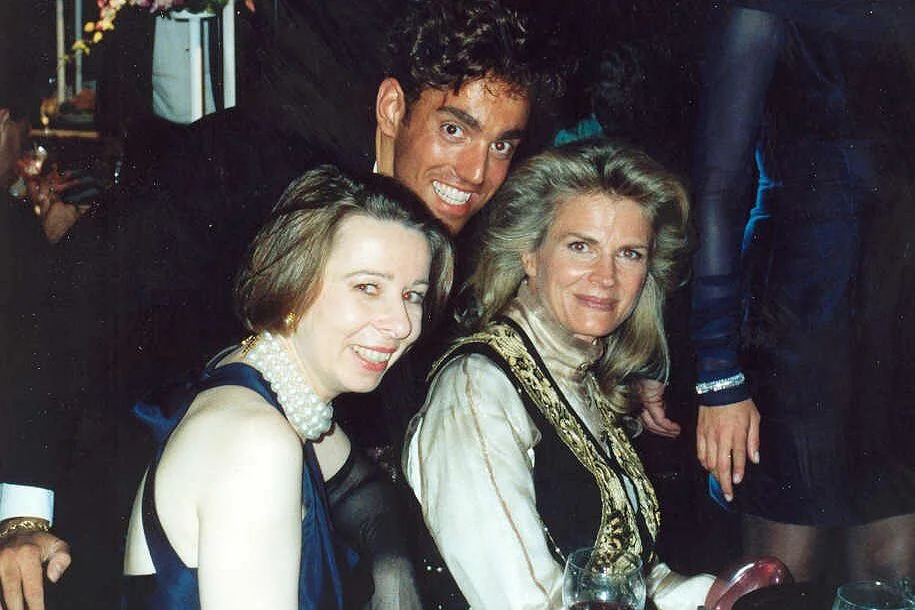
When Murphy Brown premiered in 1988, it redefined what a female lead could look like on television. Candice Bergen’s Murphy was tough, flawed, and unapologetically ambitious. She wasn’t there to be likable, she was there to be real.
The show pushed boundaries by tackling topics like single motherhood, workplace sexism, and political accountability. It even stirred real-world controversy when then-Vice President Dan Quayle criticized it for glamorizing single parenthood. That only proved how impactful it was. Murphy Brown’s boldness set the stage for many complex female characters to come.
13. Growing Pains
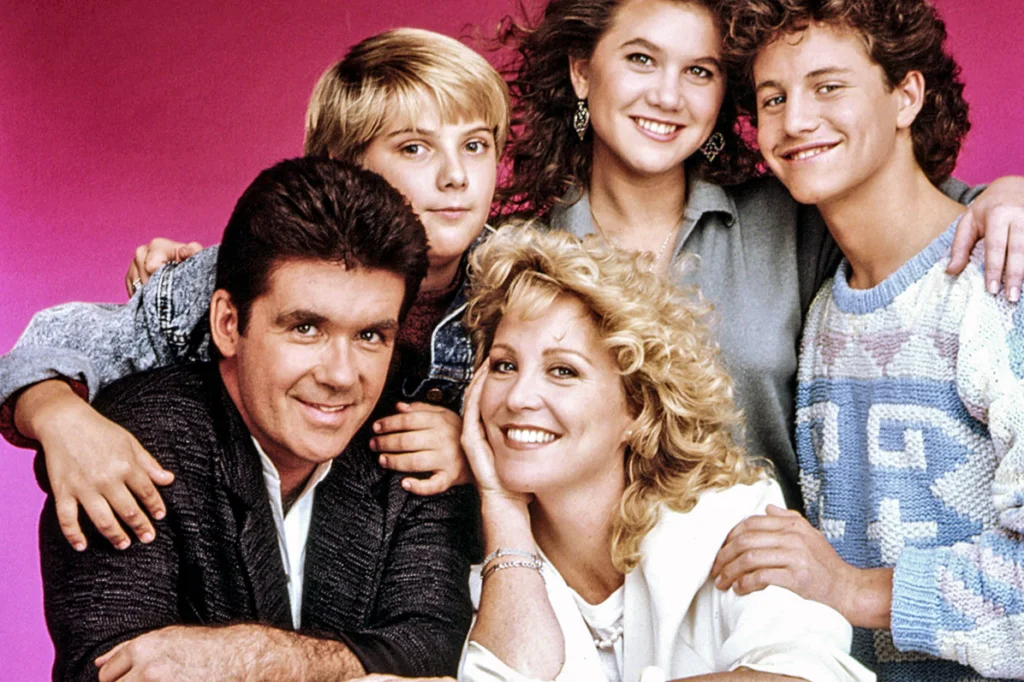
Growing Pains was a family sitcom, but it wasn’t afraid to get serious when it mattered. The Seaver family dealt with issues like teen drinking, peer pressure, and even death. By showing a suburban family facing these challenges, the show made tough topics easier to digest for younger audiences.
It also allowed its characters to grow and evolve instead of staying static. Mike, Carol, and Ben each had storylines that reflected real struggles kids faced in the 1980s. The show mixed laughter with lessons, making it feel authentic. Its willingness to get real made it surprisingly progressive compared to other family comedies.
14. St. Elsewhere
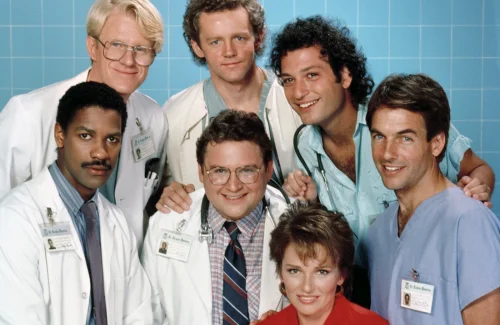
St. Elsewhere was unlike any other medical drama of its time. It portrayed hospital life with grit and realism, moving away from the polished perfection of earlier shows. The doctors and nurses were flawed, overworked, and sometimes wrong, which made them feel human.
It also tackled controversial issues like euthanasia, AIDS, and mental health with bravery. Rather than shy away, it leaned into the ethical dilemmas of medicine. By treating these stories with seriousness and compassion, it gave audiences a deeper understanding of real-world issues. It paved the way for the more complex medical dramas we still watch today.