
1. Humble Pie – “Rock On” (1971)
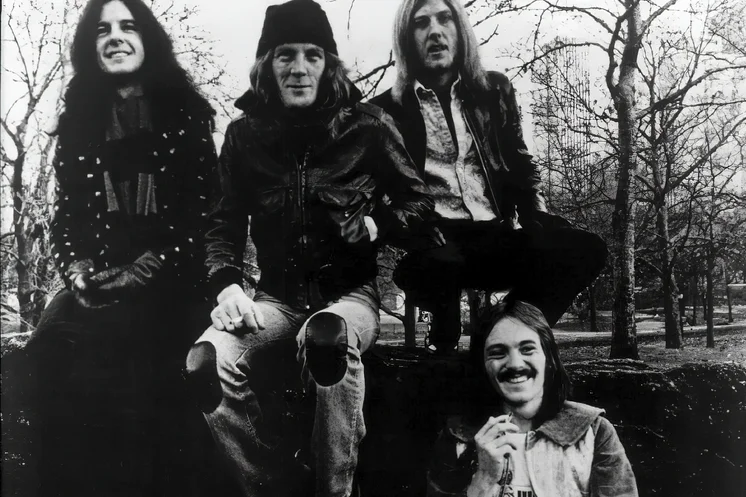
Steve Marriott’s powerhouse vocals and Peter Frampton’s guitar work before he went solo made this album a staple in every rock fan’s collection. “Rock On” captured the raw energy of their live performances with tracks like “Shine On” and “A Song for Jenny” that showcased their blues-rock prowess. The album sat perfectly between their earlier R&B influences and the harder rock direction they’d later pursue.
By the mid-’70s, everyone seemed to own this record, often picked up used after Frampton left the band and became a household name. The album’s gritty production and honest songwriting felt authentic in a way that resonated with fans who were getting tired of overproduced arena rock. Today, it’s overshadowed by Frampton’s solo success and classic rock radio’s preference for their later, heavier material.
2. T. Rex – “The Slider” (1972)
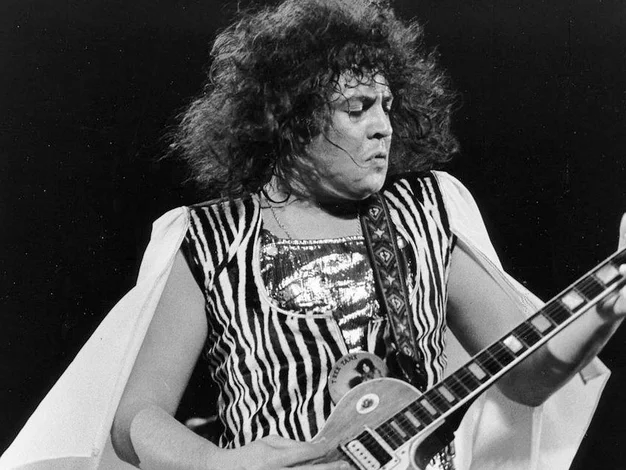
Marc Bolan’s glam rock masterpiece was everywhere in record collections, even among fans who couldn’t quite explain why they loved it so much. “The Slider” featured the infectious “Telegram Sam” and “Metal Guru,” songs that perfectly captured the glittery, rebellious spirit of the early ’70s. The album’s mix of rock and roll simplicity with Bolan’s mystical lyrics created something uniquely appealing.
American audiences embraced this British import with surprising enthusiasm, making it a common find in suburban record collections across the country. The album represented a brief moment when glam rock crossed over into mainstream American consciousness before punk and disco took over. While T. Rex’s influence on later artists is undeniable, “The Slider” rarely gets mentioned in discussions of essential ’70s albums, despite being a gateway drug for countless kids discovering rock’s theatrical possibilities.
3. Foghat – “Fool for the City” (1975)
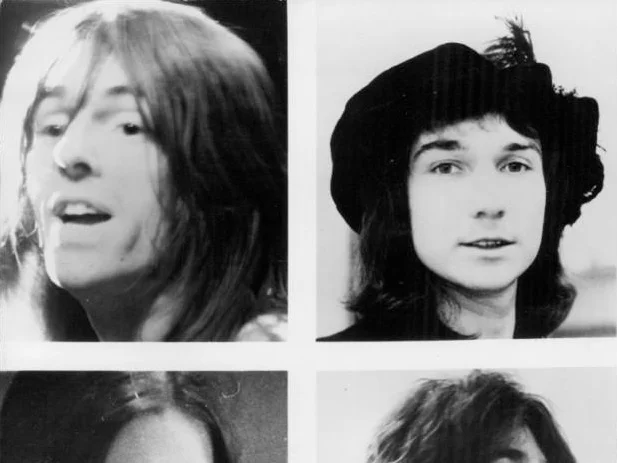
This British blues-rock quartet’s fifth album became their biggest commercial success, driven by the anthemic title track that seemed to play everywhere. “Fool for the City” perfectly captured mid-’70s working-class frustrations with its straightforward lyrics and driving rhythms. The album’s production was clean enough for radio but retained enough grit to maintain street credibility.
Record stores couldn’t keep this one in stock, and it became one of those albums that friends would loan to each other until everyone ended up with their own copy. Foghat’s no-nonsense approach to rock and roll felt refreshing during an era when many bands were getting increasingly complex and pretentious. Despite selling millions of copies, the album rarely appears on critics’ best-of lists, perhaps because its blue-collar appeal was seen as too simple for serious rock discourse.
4. Bachman-Turner Overdrive – “Not Fragile” (1974)
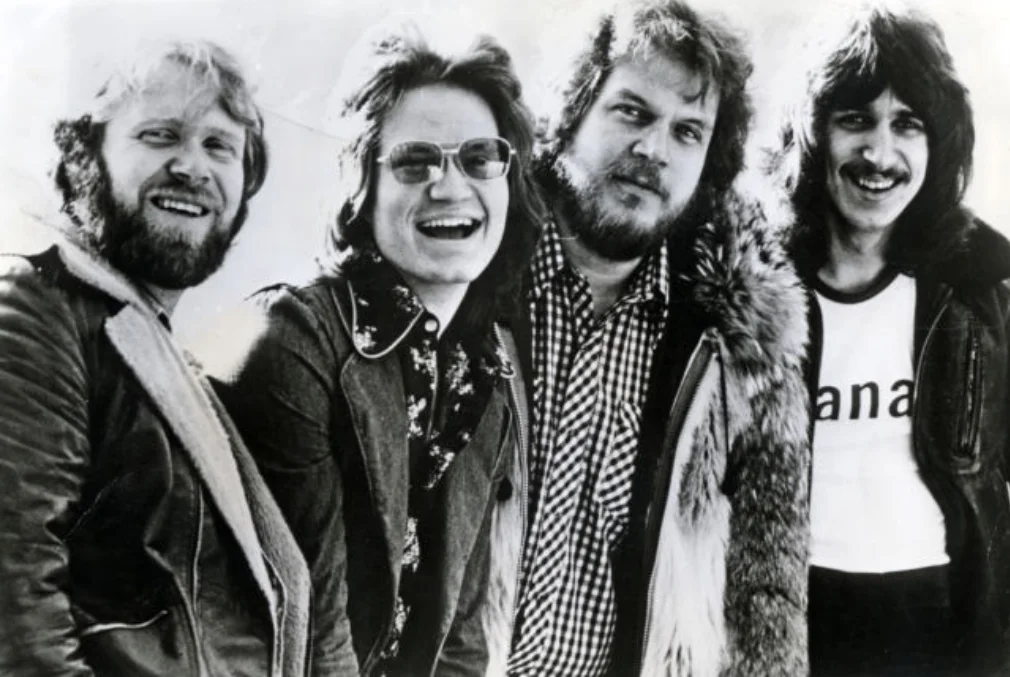
Coming off the massive success of “American Woman” with The Guess Who, Randy Bachman formed BTO and delivered this powerhouse album that dominated FM radio. “You Ain’t Seen Nothing Yet” became an unstoppable hit, while tracks like “Roll On Down the Highway” became road trip essentials. The album’s title seemed to promise durability, and for a while, it lived up to that promise in record collections everywhere.
This was meat-and-potatoes rock and roll at its finest, with no pretensions about art or deeper meaning – just solid songs delivered with conviction. BTO represented everything great about mid-’70s arena rock: catchy hooks, sing-along choruses, and enough attitude to make parents worry. While classic rock radio still plays the hits, the album as a complete listening experience has been largely forgotten, dismissed perhaps as too straightforward in an era that increasingly values complexity.
5. Electric Light Orchestra – “Eldorado” (1974)
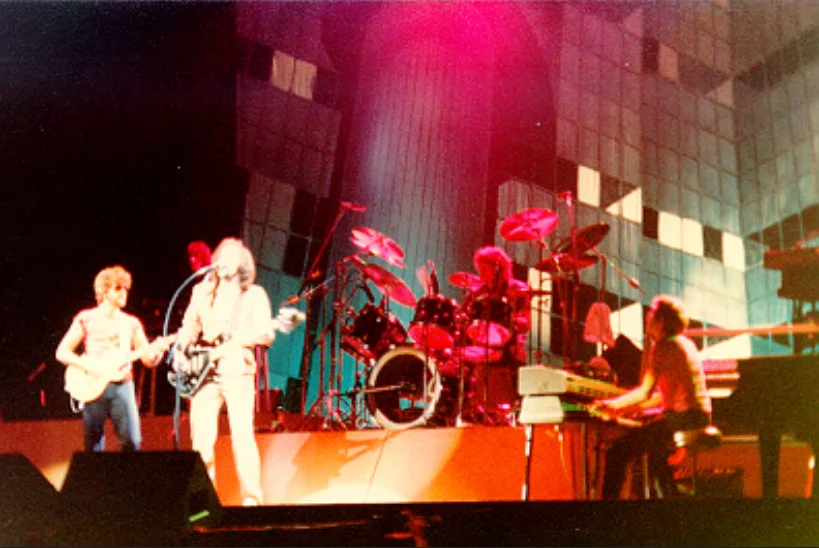
Jeff Lynne’s ambitious concept album about dreams and reality was a quantum leap forward for ELO, combining orchestral arrangements with rock sensibilities in ways that shouldn’t have worked but absolutely did. Songs like “Can’t Get It Out of My Head” showcased the band’s ability to craft perfect pop melodies wrapped in lush, cinematic production. The album felt like a movie soundtrack for a film that existed only in your imagination.
This record found its way into collections of fans who might not have otherwise gravitated toward prog rock, thanks to its accessibility and emotional resonance. “Eldorado” proved that you could be sophisticated and catchy at the same time, paving the way for ELO’s later mainstream success. Today, it’s overshadowed by their disco-era hits and greatest hits packages, but for many fans, this represented the perfect balance of ambition and melody that made ELO special.
6. Bad Company – “Straight Shooter” (1975)
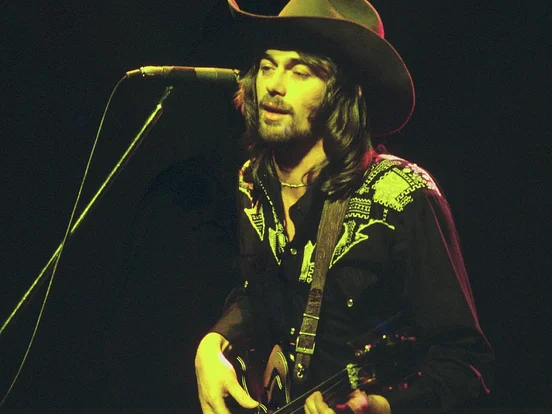
Paul Rodgers’ soaring vocals and the band’s chemistry made their second album an instant classic that seemed to appear in every serious rock collection. “Feel Like Makin’ Love” became a radio staple, while deeper cuts like “Shooting Star” showed the band’s range beyond their hard rock reputation. The album captured Bad Company at their creative peak, before the pressures of constant touring and success began to wear them down.
This was the album that convinced many fans that Bad Company was more than just another supergroup, proving they could sustain the magic beyond their debut. The production was crisp and powerful, perfect for both headphones and car stereos during those long summer drives. While their self-titled debut gets more critical attention, “Straight Shooter” was often the album that fans actually played more, filled with songs that worked equally well as background music or focused listening experiences.
7. Nazareth – “Hair of the Dog” (1975)
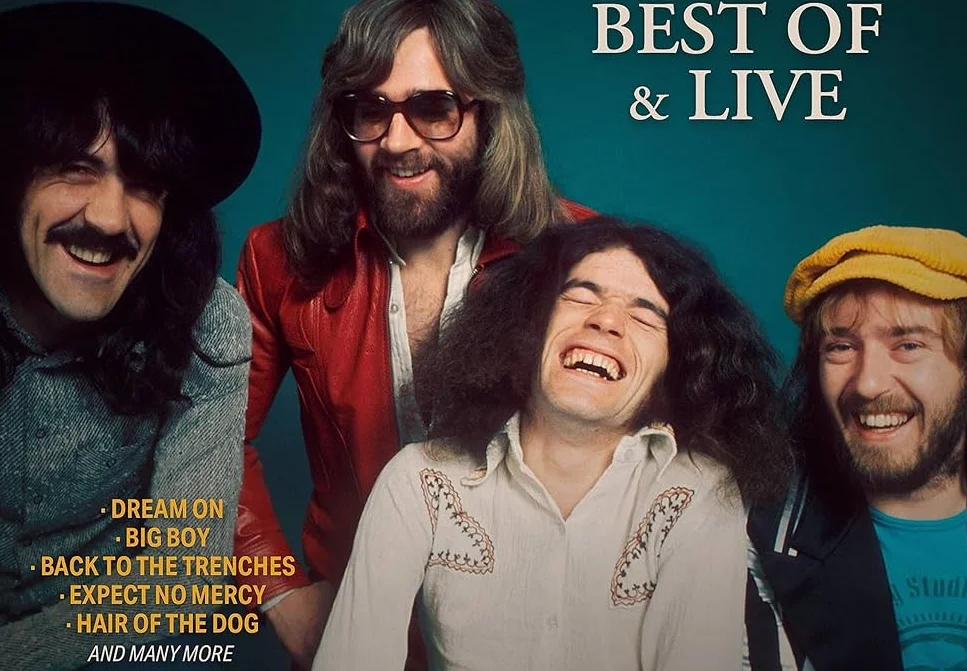
This Scottish hard rock band’s breakthrough album featured the crushing title track that became an anthem for anyone who’d ever felt wronged or misunderstood. Their cover of “Love Hurts” revealed a surprisingly tender side that balanced perfectly with their heavier material. The album showcased Dan McCafferty’s distinctive rasp and the band’s ability to craft songs that were both aggressive and melodic.
“Hair of the Dog” became one of those albums that united different types of rock fans – metalheads loved the heavy tracks, while more casual listeners were drawn to the ballads. The record had staying power in collections because it offered something for every mood, whether you wanted to rage or reflect. Despite its influence on later hard rock and metal bands, the album rarely gets mentioned alongside other ’70s classics, perhaps because Nazareth never quite achieved superstar status in America.
8. Uriah Heep – “Demons and Wizards” (1972)
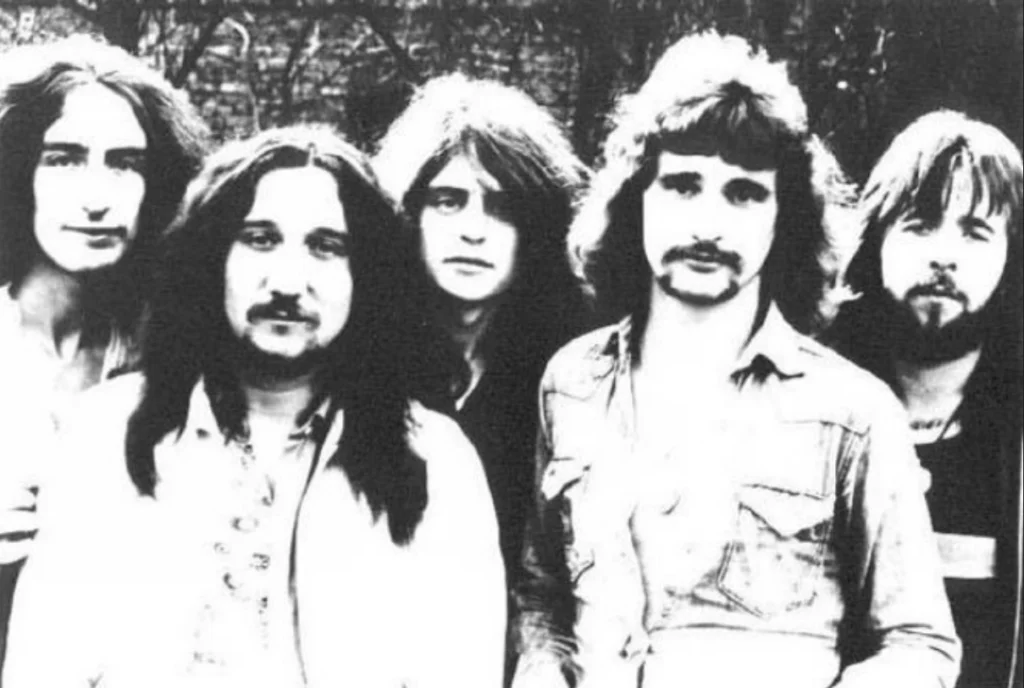
This British heavy rock band’s fourth album represented the perfect marriage of their progressive tendencies with more accessible songwriting. “Easy Livin'” became their biggest hit, while epic tracks like “The Wizard” showcased their ability to create fantasy-themed rock operas. The album’s mix of hard rock and mystical themes appealed to fans who wanted something heavier than mainstream rock but more melodic than what would later be called metal.
Record collectors loved this album because it delivered consistent quality from start to finish, with no obvious filler tracks. Uriah Heep’s theatrical approach and David Byron’s operatic vocals created an atmosphere that transported listeners to other worlds. While they influenced countless later bands, “Demons and Wizards” has been largely forgotten by mainstream rock history, possibly because their fantasy themes seemed dated as rock became more realistic and punk emerged.
9. Three Dog Night – “Cyan” (1973)
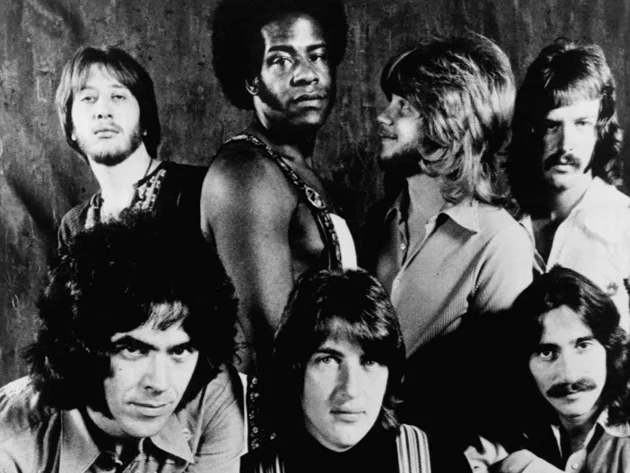
By their seventh album, Three Dog Night had perfected their formula of taking songs by lesser-known songwriters and turning them into radio gold. “Cyan” featured their hit version of “Shambala” and showed the band at their commercial peak, with tight harmonies and polished production. The album represented the pinnacle of early ’70s AM radio rock, with songs designed to stick in your head for days.
This was comfort food for rock fans – familiar enough to feel safe, but well-crafted enough to reward repeated listening. Three Dog Night’s ability to spot great songs and arrange them for maximum impact made them incredibly popular with casual music fans who just wanted good songs without the pretension. Today, the band is often dismissed as a “covers band,” but albums like “Cyan” remind us that interpretation can be just as artistically valid as composition, even if critics rarely see it that way.
10. Grand Funk Railroad – “We’re an American Band” (1973)
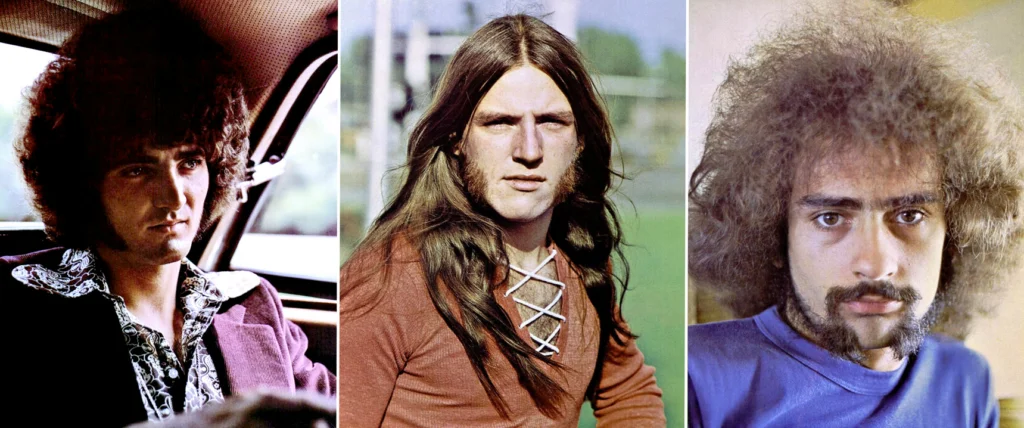
After years of being dismissed by critics while selling millions of records, Grand Funk finally got respect with this polished effort produced by Todd Rundgren. The title track became their biggest hit and a patriotic anthem that perfectly captured mid-’70s American optimism. The album showed that the band could adapt their heavy sound for radio without losing their essential power.
This was the album that made Grand Funk acceptable to fans who had previously dismissed them as too heavy or too simple. The production gave their music a clarity that revealed the strong songwriting underneath the volume. Despite its commercial success and cultural impact, “We’re an American Band” is often overlooked in discussions of important ’70s albums, perhaps because Grand Funk’s blue-collar appeal was never quite cool enough for rock critics.
11. Steppenwolf – “For Ladies Only” (1971)
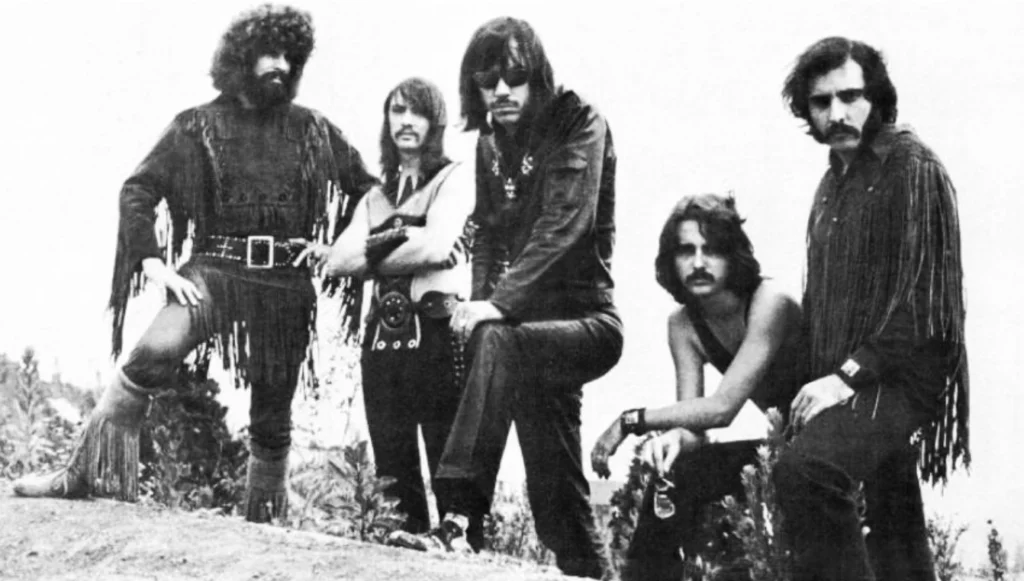
John Kay’s politically charged concept album about women’s liberation and social issues was surprisingly progressive for its time, tackling subjects other rock bands avoided. Songs like “For Ladies Only” and “Sparkle Eyes” showed the band’s evolution beyond their biker rock image into more thoughtful territory. The album proved that Steppenwolf had more to offer than just “Born to Be Wild” and motorcycle imagery.
This record found particular favor with fans who appreciated rock music that engaged with serious social issues rather than just celebrating rebellion for its own sake. The band’s willingness to address women’s rights and social inequality felt genuinely revolutionary in the context of early ’70s rock culture. While Steppenwolf’s earlier hits still get radio play, “For Ladies Only” has been largely forgotten, possibly because its political messages were ahead of their time and made some fans uncomfortable.
12. Mountain – “Nantucket Sleighride” (1971)
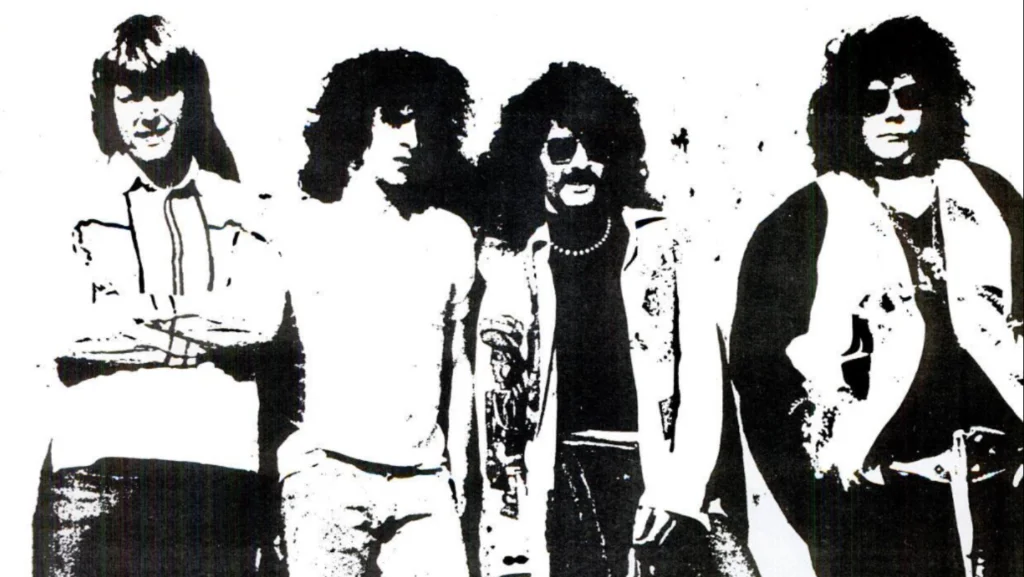
Felix Pappalardi’s production and Leslie West’s massive guitar tone made this album a heavy rock landmark that influenced countless later bands. The title track’s aquatic theme and epic structure showed that heavy rock could be both powerful and sophisticated. Songs like “Don’t Look Around” and “Taunta” demonstrated the band’s range beyond their reputation as simple heavy hitters.
This was an album that guitar players studied religiously, trying to figure out how West achieved such massive, singing tone. Mountain proved that you didn’t need speed to be heavy – sometimes slow and crushing was more effective than fast and furious. Despite its influence on the development of heavy rock and metal, “Nantucket Sleighride” rarely appears on essential album lists, overshadowed perhaps by the band’s association with Woodstock and their hit “Mississippi Queen.”
13. Blue Öyster Cult – “Agents of Fortune” (1976)
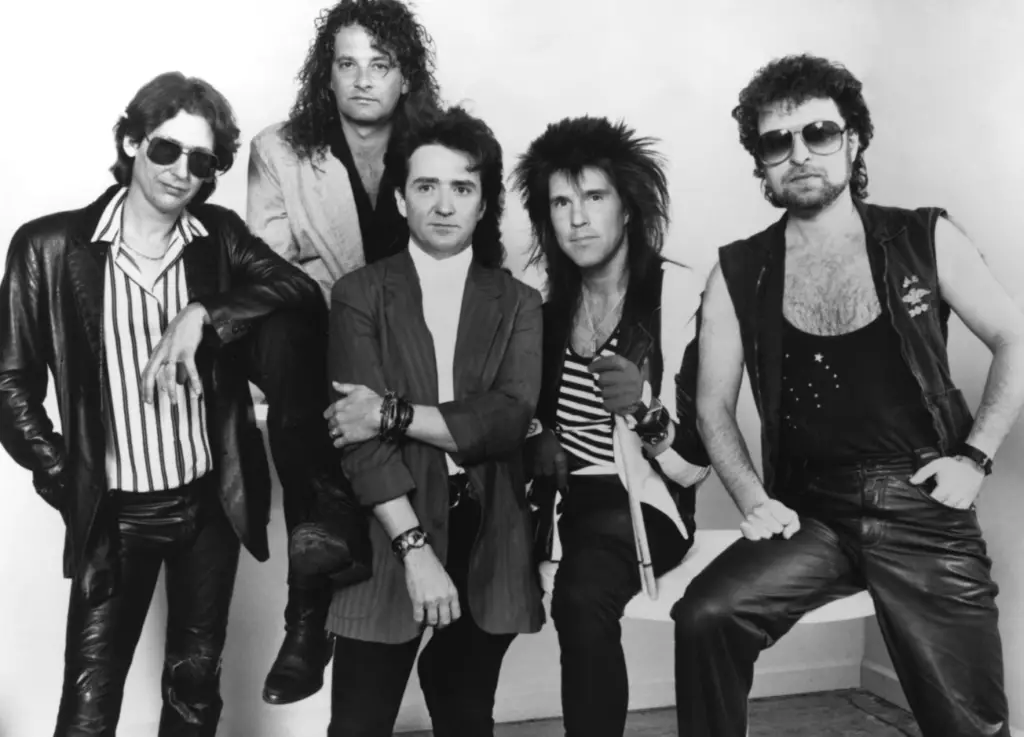
When this album hit, you couldn’t go anywhere without hearing “(Don’t Fear) The Reaper.” Its haunting riff and mysterious lyrics turned it into an instant classic, and the rest of the record showed the band could balance dark, moody textures with radio-friendly rock. “ETI (Extra Terrestrial Intelligence)” and “This Ain’t the Summer of Love” gave it a sense of edge that made Blue Öyster Cult feel more than just a one-hit band. The record had a mystique that was unusual for mainstream rock at the time, and that uniqueness made it appealing to fans who wanted something just a little different.
It became one of those albums that even casual listeners owned, whether they bought it just for “The Reaper” or stuck around for the deep cuts. For a while, it seemed like Blue Öyster Cult was about to ascend into the upper ranks of American rock bands. The album’s mix of cerebral themes and heavy riffs positioned them as both radio-friendly and cultishly cool. While the single endures on playlists and movie soundtracks, the full album has slipped into the background, remembered mostly by those who lived through its eerie spell.
14. Cheap Trick – “In Color” (1977)
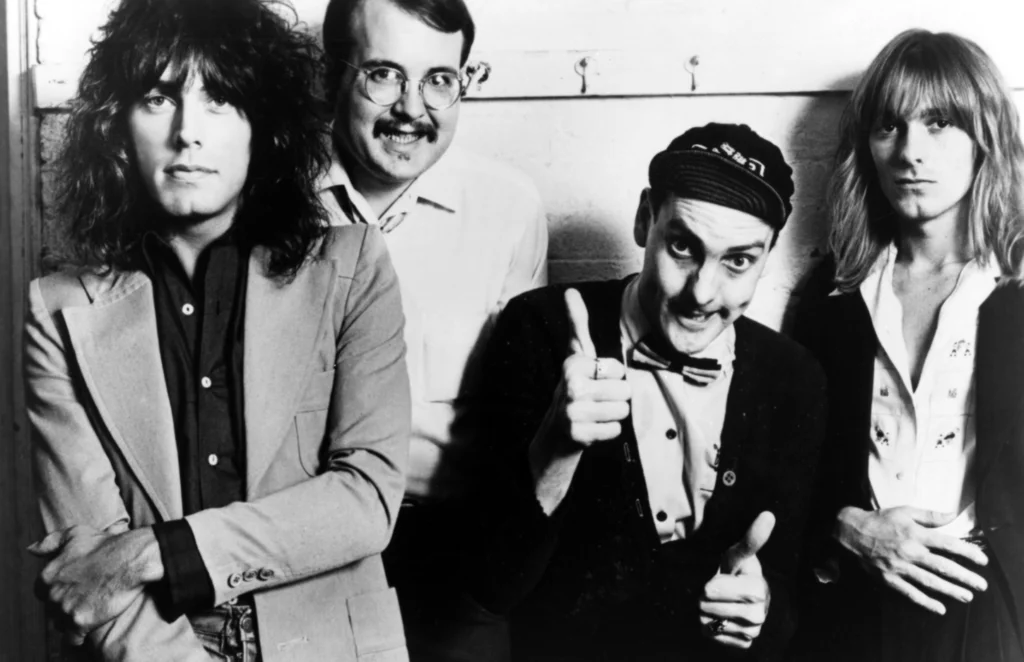
Before they broke through big with At Budokan, Cheap Trick had already released this power-pop gem. “I Want You to Want Me” first appeared here in a slick studio version, along with fan favorites like “Southern Girls” and “Downed.” The record captured their quirky mix of hard rock swagger and pop melodies, creating a sound that felt both accessible and a little strange. For kids who were tired of bloated arena rock, Cheap Trick felt like a breath of fresh air.
This was one of those albums people would buy, trade, and play until the grooves wore thin, especially once the live versions became hits and listeners went back to rediscover the originals. The glossy production didn’t please everyone at the time, but it made the songs sound sharp and radio-ready. It sat on a lot of shelves next to ELO and Fleetwood Mac records, proof of its crossover appeal. Today, it’s overshadowed by their live breakthrough, but “In Color” was the moment they really showed what they could do in the studio.
15. Alice Cooper – “Billion Dollar Babies” (1973)
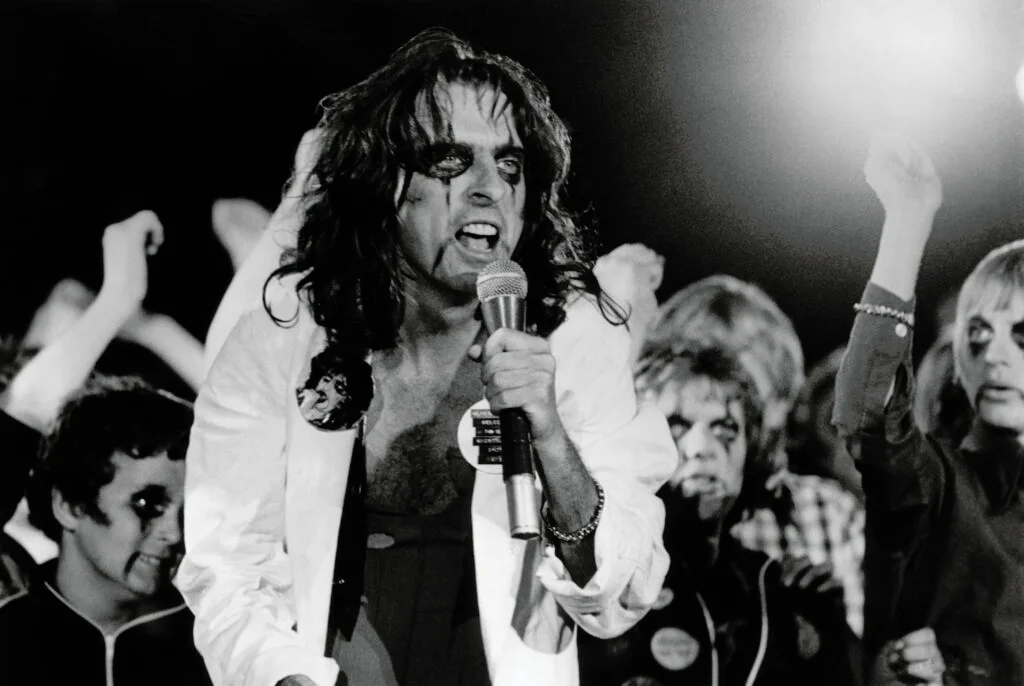
Alice Cooper was already known for his shocking stage antics, but this album took him into mainstream superstardom. With songs like “No More Mr. Nice Guy” and “Elected,” it combined his theatrical flair with rock hooks that anyone could sing along to. The title track added to the spectacle, making Cooper one of the most controversial but also most compelling figures in ’70s rock. Parents hated it, which of course made teenagers love it even more.
You could find this album in the collections of kids who wanted to push boundaries but also loved a good rock anthem. The packaging itself, with its play money and outrageous artwork, made it feel like an event. For a short time, Alice Cooper was at the top of the rock world, equal parts scary and silly. These days, his legacy lives on more through the image of the guillotine and snake than through the actual albums, and “Billion Dollar Babies” is rarely mentioned despite once being nearly unavoidable.
16. Jethro Tull – “Aqualung” (1971)
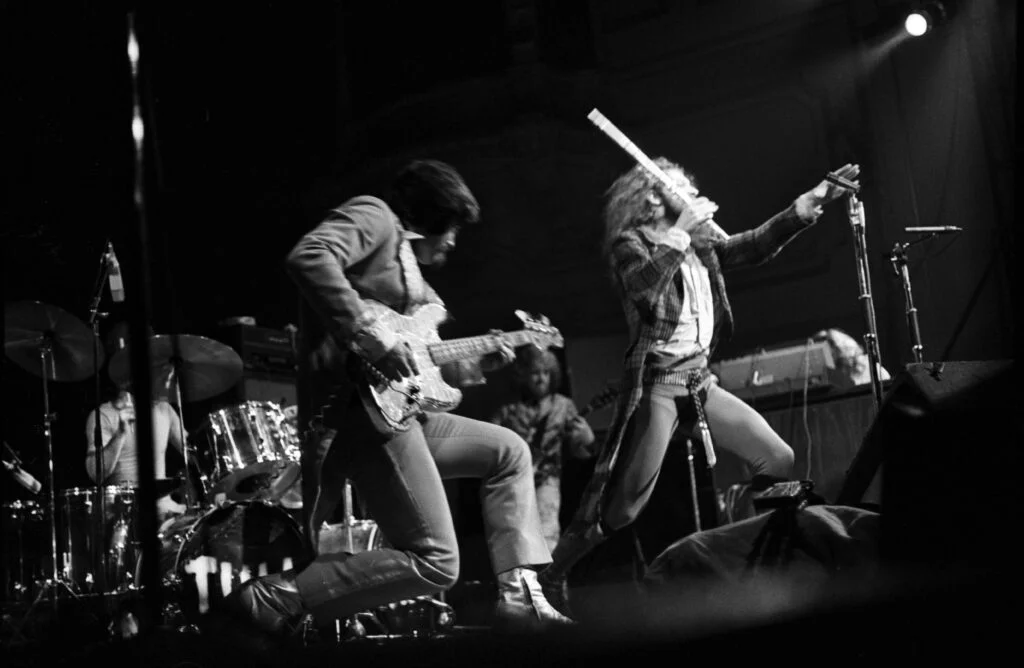
This was the record that made Ian Anderson and his flute-wielding bandmates household names, even among people who weren’t sure what to make of them. The title track and “Locomotive Breath” became staples, with their blend of folk, rock, and progressive flourishes that no one else was doing quite the same way. It was ambitious without being inaccessible, which helped it sneak into record collections that might not usually include prog rock. The themes of religion and society gave it a depth that set it apart from simple party records.
For years, “Aqualung” was a dorm room favorite, the kind of album passed from older siblings to younger ones as essential listening. The cover art alone was enough to make people curious, and once you put it on, it was hard to forget. Despite its status as Jethro Tull’s defining work, it’s become more of a reference point than an album people actually sit down and spin. These days, many remember the name and the flute but not necessarily the songs that made this album so powerful.
17. The Doobie Brothers – “Toulouse Street” (1972)
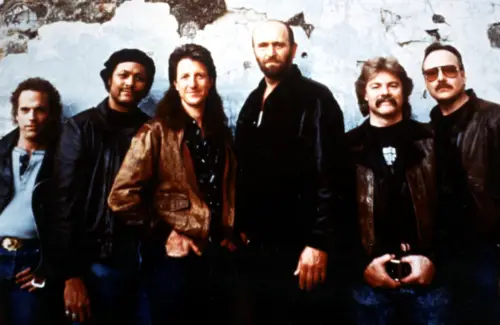
Before they smoothed out their sound with Michael McDonald, The Doobie Brothers were cranking out biker-friendly rock with harmonies that appealed to just about everyone. “Listen to the Music” and “Jesus Is Just Alright” made this album a must-have, capturing the California sound of the early ’70s with a little more grit. It was the perfect soundtrack for long drives with the windows down, blending rock, soul, and folk into something instantly catchy.
For a while, this album was everywhere, bridging the gap between harder rock fans and the easy-listening crowd. Its wide appeal meant it found its way into households that weren’t otherwise filled with rock records. Over time, later hits like “What a Fool Believes” overshadowed this era of the band, leaving “Toulouse Street” in the shadows. But back in its day, it was the record that made The Doobie Brothers household names.
18. Santana – “Abraxas” (1970)
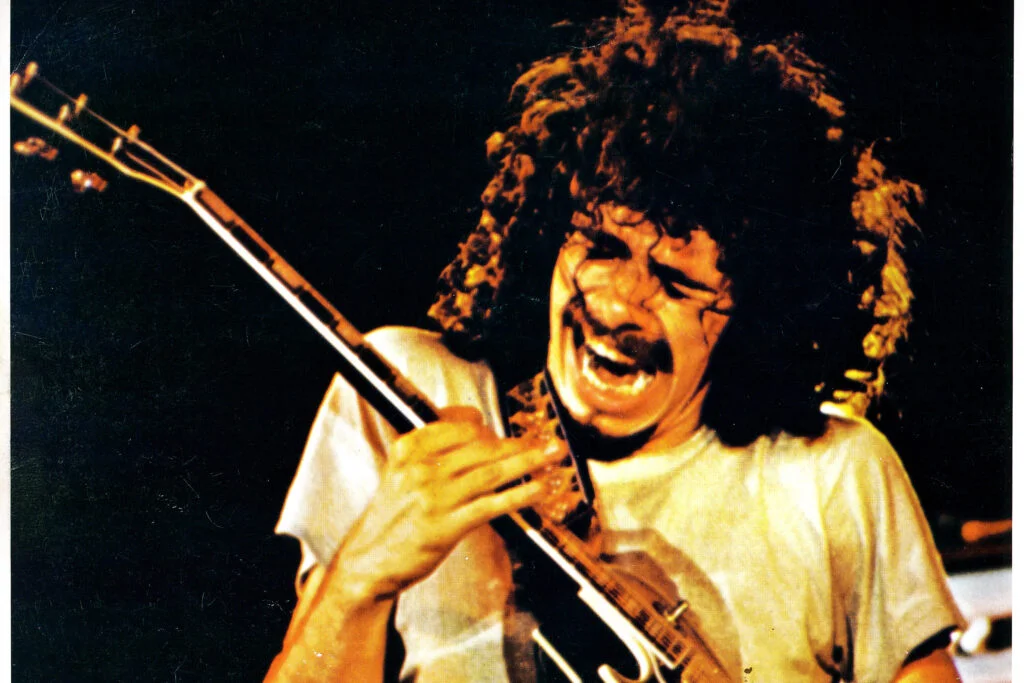
Carlos Santana and his band fused Latin rhythms with psychedelic rock in a way that felt revolutionary, and “Abraxas” was the album that brought it all together. With tracks like “Black Magic Woman” and “Oye Como Va,” it delivered both hit singles and a cohesive listening experience that sounded unlike anything else on the radio. The percussion, the guitar work, and the overall vibe made it a party album and a serious musician’s album at the same time.
“Abraxas” was a fixture in countless collections, often purchased after someone saw Santana perform live or caught them at Woodstock. The exotic cover art and genre-blending music gave it an aura of cool that appealed across generations. While Santana has had many comebacks and reinventions, this was the record that defined them in the ’70s. These days, the hits are remembered, but the album as a whole doesn’t get the attention it once commanded, even though it was a landmark in rock fusion.
18. Lynyrd Skynyrd – “Second Helping” (1974)
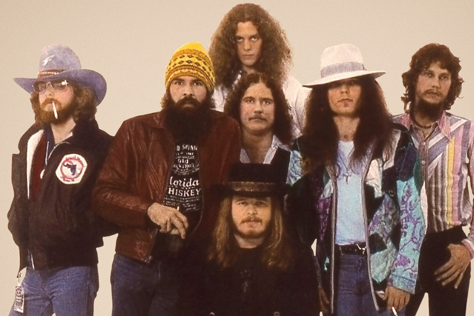
Lynyrd Skynyrd’s second album was the one that truly cemented their place in Southern rock history, even though their debut had already made waves. “Sweet Home Alabama” became unavoidable, but the record had far more depth than just its signature hit, with tracks like “Call Me the Breeze” showing off their loose, bluesy confidence. The band’s triple-guitar attack gave the album a fullness that felt bigger than most of their peers at the time. It was raw without being sloppy, and polished without losing its grit.
This was the kind of album that seemed to live permanently in someone’s car stereo, especially across the South and Midwest. It appealed to fans who wanted something grounded and real, a contrast to the increasingly elaborate sounds coming out of prog and glam. Over time, “Sweet Home Alabama” became so dominant that it overshadowed the rest of the record. Today, many people recognize the song instantly, but far fewer revisit “Second Helping” as a complete album.
19. Boston – “Boston” (1976)
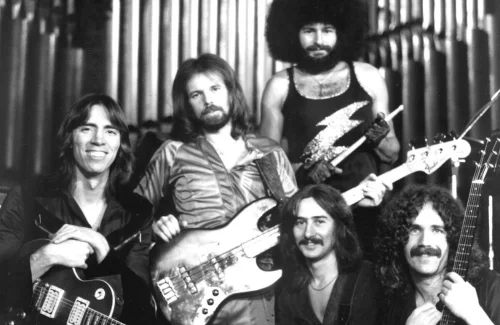
Boston’s debut album didn’t just arrive, it exploded onto the scene with a sound that felt impossibly clean and futuristic for its time. “More Than a Feeling” led the charge, but songs like “Peace of Mind” and “Foreplay/Long Time” proved this wasn’t a one-hit phenomenon. Tom Scholz’s meticulous production created a layered, almost otherworldly sound that still felt accessible. It was arena rock, but with a precision that made it stand apart.
For a while, it felt like everyone owned this album, even people who weren’t deeply invested in rock music. It was the kind of record you’d put on to impress someone with your stereo system. Despite its massive success and influence, it has become more associated with its biggest singles than its full tracklist. The album remains iconic, but it’s often experienced now in fragments rather than as a complete listen.
20. Heart – “Dreamboat Annie” (1975)
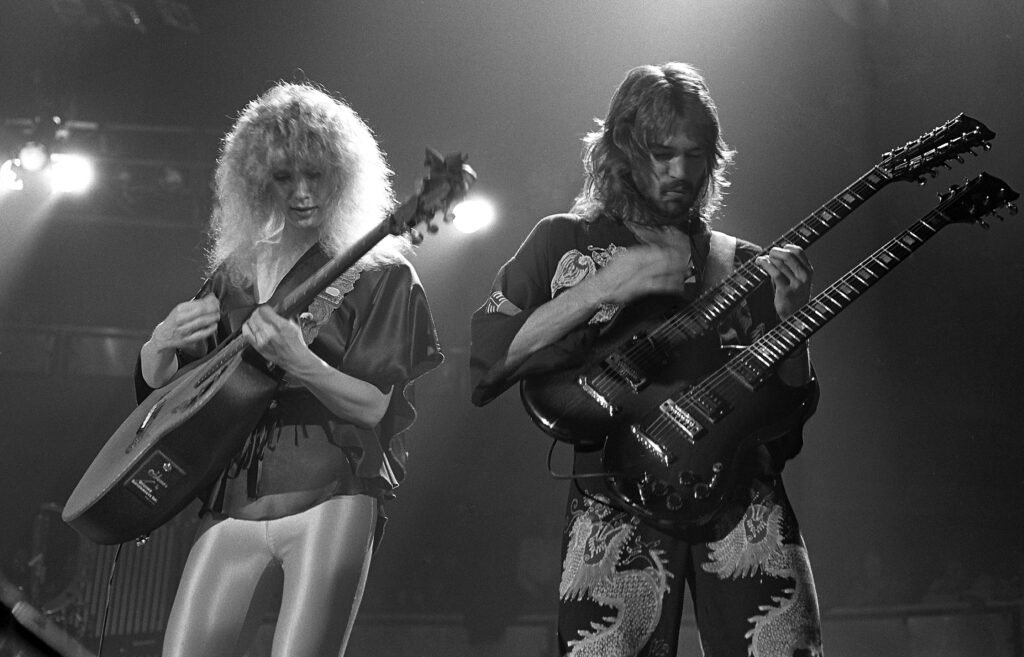
Heart’s debut album introduced a sound that blended hard rock with folk influences, anchored by Ann Wilson’s powerhouse vocals. “Magic Man” and “Crazy on You” became instant standouts, but the softer, more atmospheric tracks gave the album a unique identity. It didn’t fit neatly into one category, which was part of what made it so compelling. The band managed to sound both intimate and expansive at the same time.
This record found its way into a wide range of collections, from hard rock fans to listeners who leaned more toward singer-songwriter material. It felt personal, almost confessional, in a way that stood out during a time dominated by larger-than-life acts. Over the years, Heart’s later hits have overshadowed this debut in casual conversations. But for many listeners, “Dreamboat Annie” was the album that first made them pay attention.
21. Peter Frampton – “Frampton Comes Alive!” (1976)
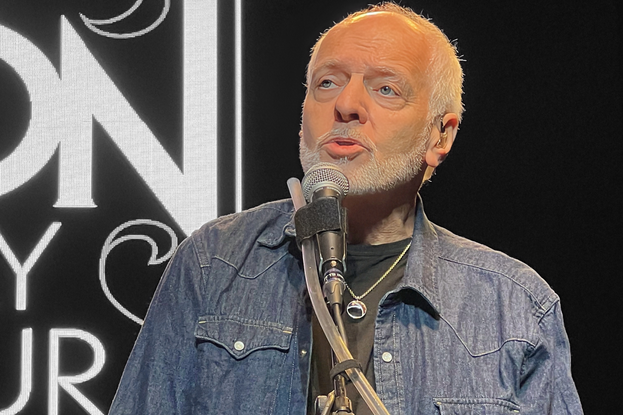
By the time this live album hit, Peter Frampton had already been around for years, but this was the moment everything clicked. “Show Me the Way” and “Do You Feel Like We Do” captured the energy of his performances in a way that studio recordings hadn’t fully managed. The talk box effect became a defining feature, making his guitar feel almost like another voice. It turned a respected musician into a full-fledged superstar almost overnight.
This was one of those albums that seemed to be in every household, often played front to back during long weekends or late-night hangouts. It gave listeners the feeling of being part of the crowd, even if they’d never seen him live. Over time, its ubiquity may have worked against it, as it became almost too familiar. Today, it’s remembered as a phenomenon, but not always revisited as frequently as it once was.
22. Fleetwood Mac – “Mystery to Me” (1973)
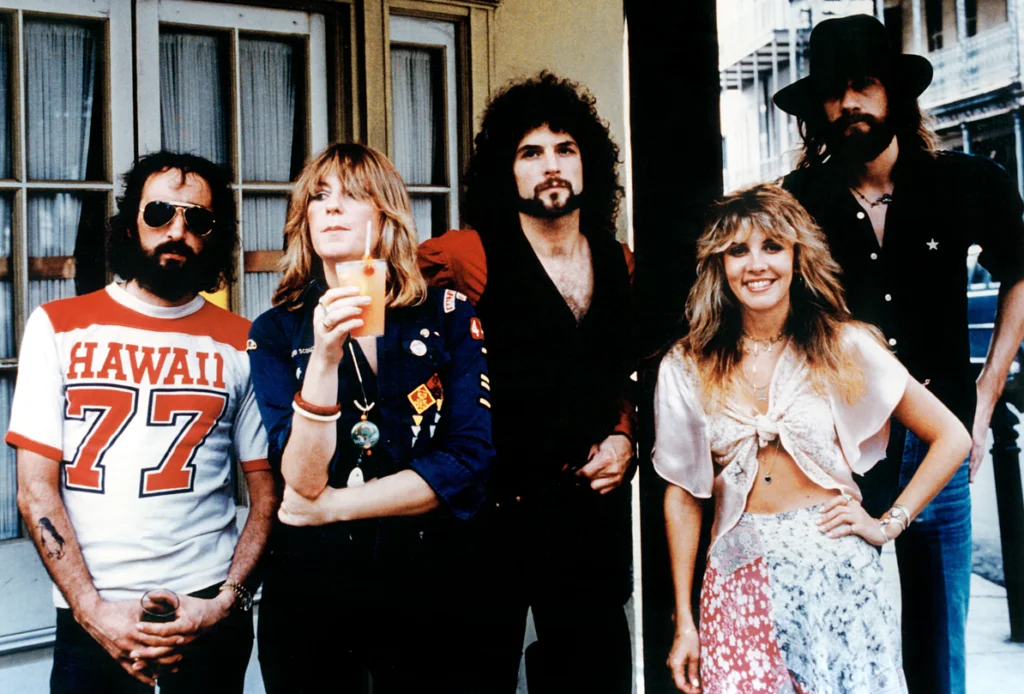
Before the blockbuster success of their later lineup, Fleetwood Mac released this quieter, more introspective album. “Hypnotized” became its standout track, with a laid-back groove that hinted at where the band might go in the future. The record leaned more into blues and soft rock, creating a mood that felt reflective rather than dramatic. It showed a band in transition, still searching for its definitive identity.
At the time, this album quietly built a loyal following among fans who appreciated its subtlety. It wasn’t flashy, but it had a staying power that kept it in rotation for those who discovered it. Once “Rumours” arrived, albums like this were pushed to the background in public memory. Still, “Mystery to Me” captures a version of Fleetwood Mac that feels more grounded and understated.
23. Elton John – “Caribou” (1974)
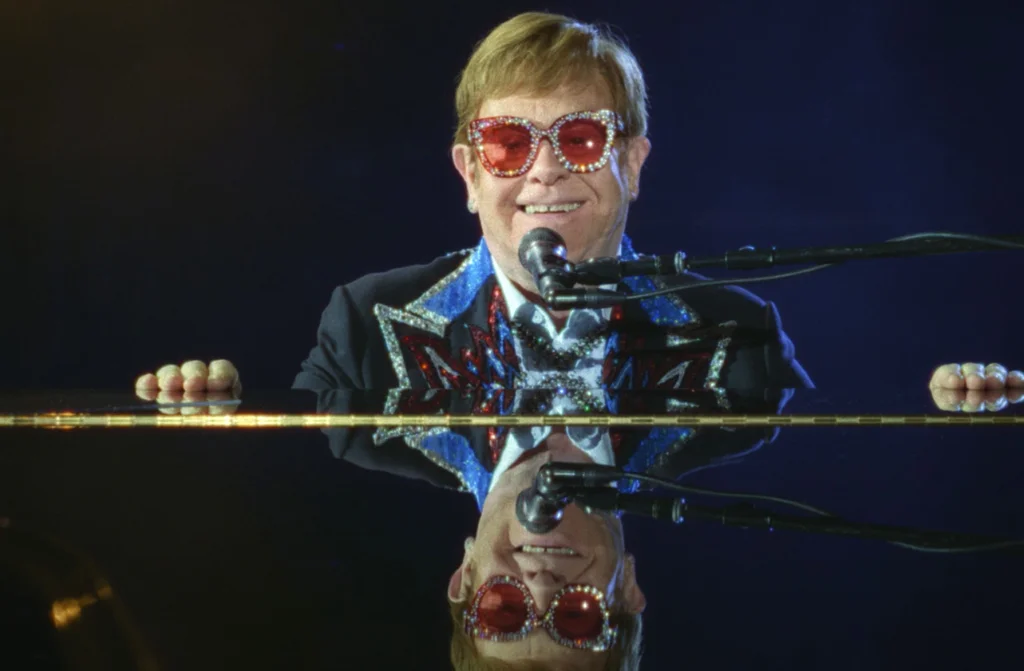
Released during an incredibly prolific period for Elton John, “Caribou” delivered hits like “The Bitch Is Back” and “Don’t Let the Sun Go Down on Me.” The album came together quickly, recorded in a matter of weeks, but it still carried his signature blend of pop, rock, and theatrical flair. It had a slightly rougher edge compared to some of his more polished releases. Even so, it showcased his ability to produce memorable songs at an almost relentless pace.
For fans at the time, this was just another essential addition to an already crowded Elton John collection. His dominance in the mid-’70s meant that albums like this were everywhere, even if they weren’t always considered his very best. Over time, “Caribou” has been overshadowed by more critically celebrated records like Goodbye Yellow Brick Road. But for many listeners, it was simply part of the soundtrack of the era.
24. The Allman Brothers Band – “Brothers and Sisters” (1973)
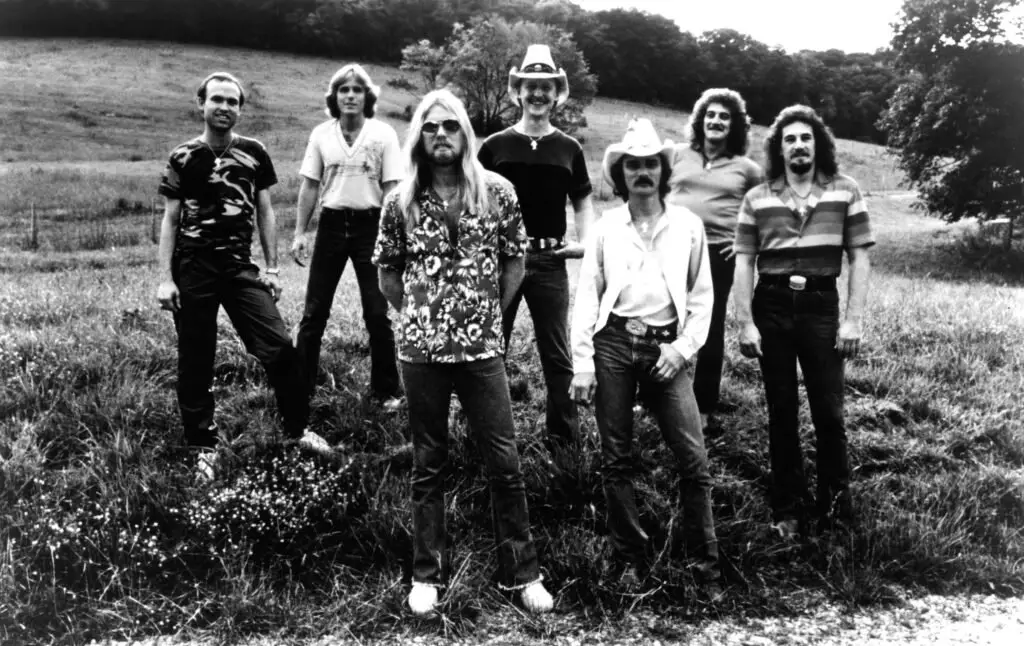
Following a period of loss and change, The Allman Brothers Band returned with an album that balanced resilience with musical evolution. “Ramblin’ Man” became their biggest hit, introducing their sound to an even wider audience. The record leaned more toward country influences while still maintaining their signature improvisational style. It felt both like a continuation and a reinvention.
This was an album that crossed boundaries, appealing to rock fans as well as those who leaned toward country and Southern sounds. It became a staple in collections because it offered something familiar but slightly different. As time went on, earlier albums like At Fillmore East received more critical attention. Still, “Brothers and Sisters” remains the record that brought their music into the mainstream in a lasting way.
25. Aerosmith – Rocks (1976)
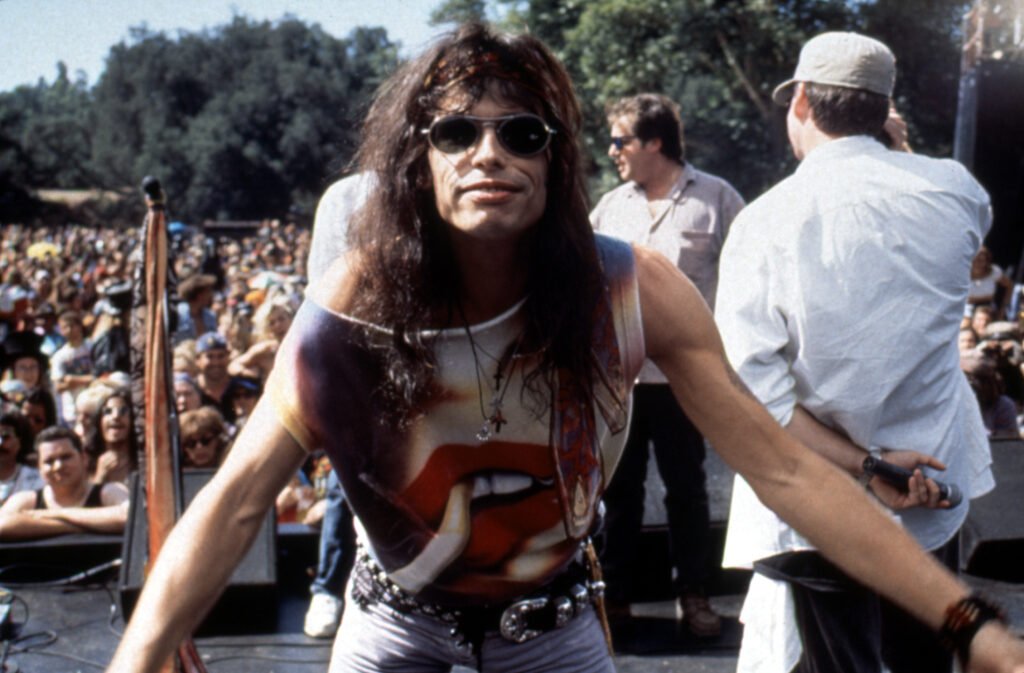
By the time Rocks came out, Aerosmith had already built a reputation, but this album sharpened their sound into something leaner and more aggressive. Tracks like “Back in the Saddle” and “Last Child” pushed their blues-based style into harder territory, with Joe Perry’s guitar work driving much of the momentum. The record felt raw but controlled, capturing the band at a moment when their swagger matched their musicianship. It was heavy without being overly polished, which made it stand out on FM radio.
For a stretch, this was a staple in rock collections, especially among fans who preferred something tougher than mainstream arena rock. Guitarists studied it, and younger bands cited it as an influence, particularly in the early days of hard rock and metal. Despite that legacy, Rocks often gets overshadowed by the band’s later comeback era in the late ’80s and early ’90s. Many listeners still know the hits, but fewer revisit the album as a complete experience.
26. The Guess Who – American Woman (1970)
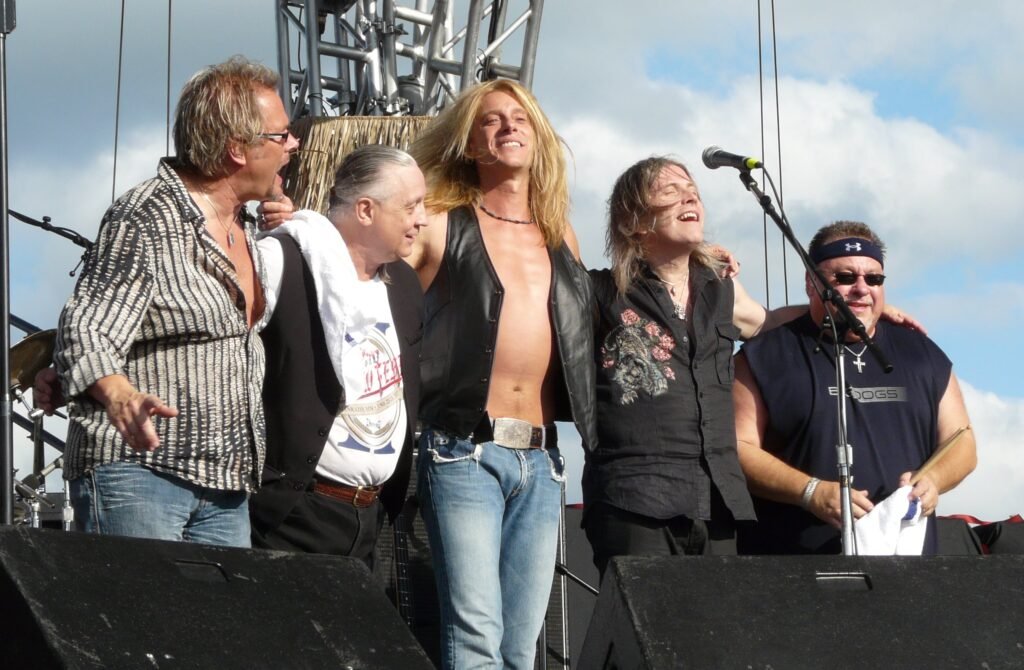
The Guess Who broke through internationally with this album, led by the unmistakable title track “American Woman.” The record mixed hard rock with more experimental touches, including extended jams and socially aware lyrics that reflected the political climate of the time. Burton Cummings’ vocals gave the songs a distinct identity, while Randy Bachman’s guitar work anchored the sound. It was a transitional album that captured the band moving beyond their earlier pop leanings.
This became one of those records that showed up in homes that didn’t necessarily follow rock closely, thanks to the crossover success of the single. For a while, it represented a bridge between late ’60s rock and the heavier sounds of the early ’70s. Over time, the title track has remained iconic, but the rest of the album is less frequently discussed. As a full record, it tends to get overlooked in favor of compilations and greatest hits packages.
27. Kansas – Leftoverture (1976)

With Leftoverture, Kansas managed to bring progressive rock elements into the mainstream without losing accessibility. “Carry On Wayward Son” became an enduring hit, but the album as a whole showcased intricate arrangements, layered instrumentation, and philosophical themes. The band balanced complexity with melody in a way that made their music approachable even for casual listeners. It was ambitious, but not alienating.
During its peak, this album found its way into both prog fans’ collections and more general rock audiences. It was often the record that introduced listeners to more elaborate songwriting structures without pushing them too far. Over time, the single has taken on a life of its own, especially through radio and television use. The album itself, while still respected, is less frequently played front to back than it once was.
28. Rod Stewart – Every Picture Tells a Story (1971)
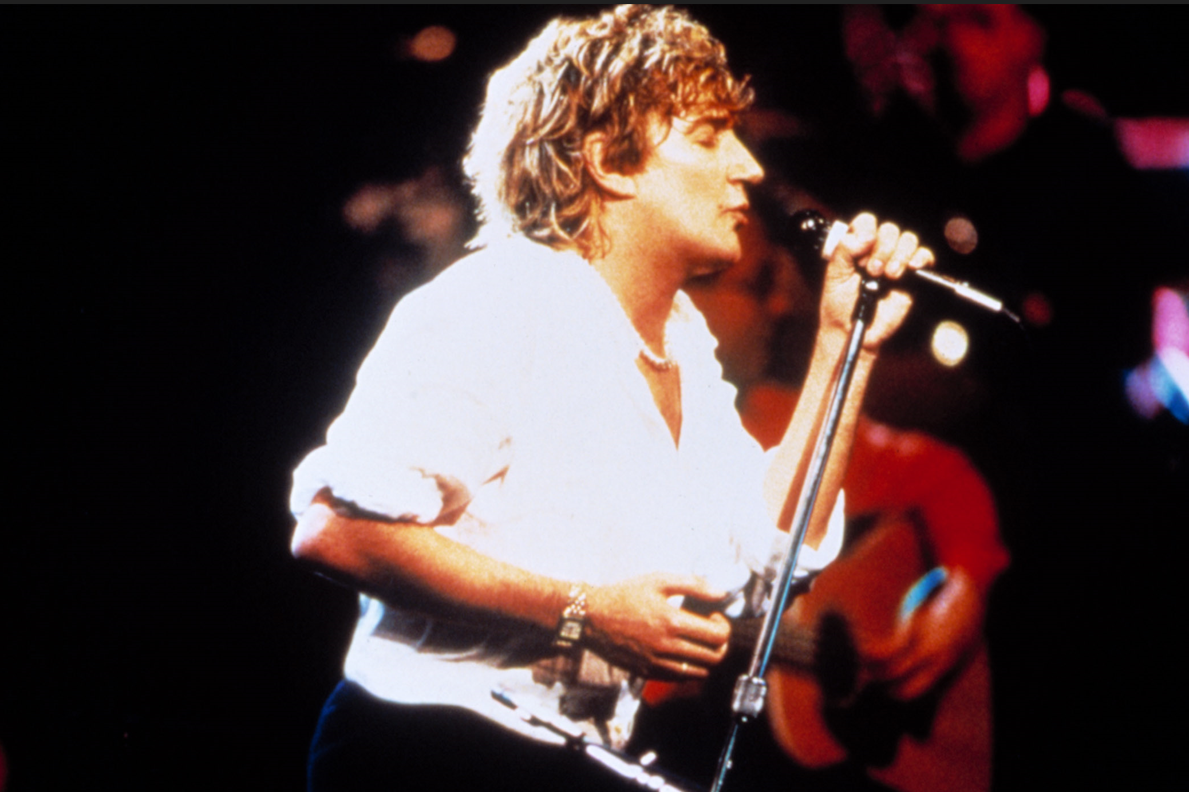
Rod Stewart delivered one of his defining statements with this album, blending folk, rock, and blues into a loose, lived-in sound. “Maggie May” became a massive hit, but the surrounding tracks revealed a more nuanced, roots-oriented approach. Stewart’s raspy voice carried a sense of storytelling that made even simple songs feel personal. The album had a casual, almost off-the-cuff quality that set it apart from more polished productions.
For a time, this was an essential record in any serious collection, especially for fans drawn to singer-songwriter styles with a rock edge. It felt authentic in a way that resonated with listeners who were moving away from the excesses of late ’60s psychedelia. While “Maggie May” still gets regular airplay, the rest of the album has faded somewhat from everyday listening habits. It remains influential, but is often remembered more for its biggest hit than its full scope.
29. The Cars – The Cars (1978)
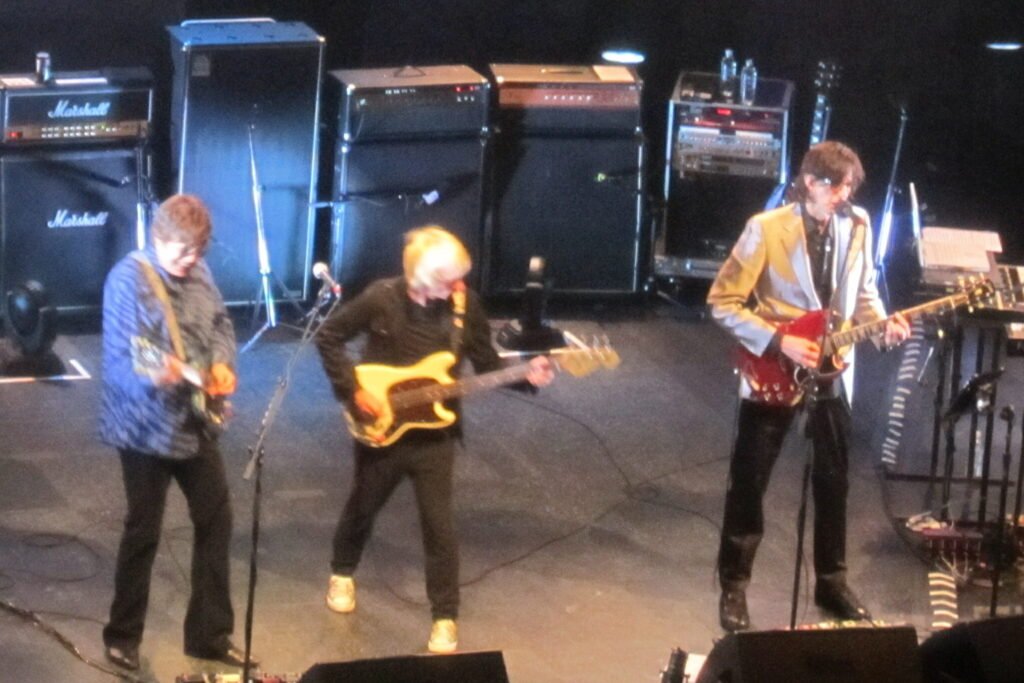
The Cars arrived with a debut that blended new wave sensibilities with rock structure, creating a sound that felt modern and radio-friendly at the same time. “Just What I Needed” and “My Best Friend’s Girl” became instant staples, driven by tight songwriting and clean production. The album was concise, with no wasted space, and each track felt deliberately crafted. It bridged the gap between late ’70s rock and the emerging new wave movement.
This record quickly became a fixture in collections, especially among listeners looking for something fresher than traditional rock. It appealed across age groups, from younger fans to those who had grown up with earlier rock styles. Over time, its songs have remained highly visible through radio and media placements. However, the album as a unified listening experience is less commonly revisited, with most people gravitating toward individual tracks.
30. ZZ Top – Tres Hombres (1973)
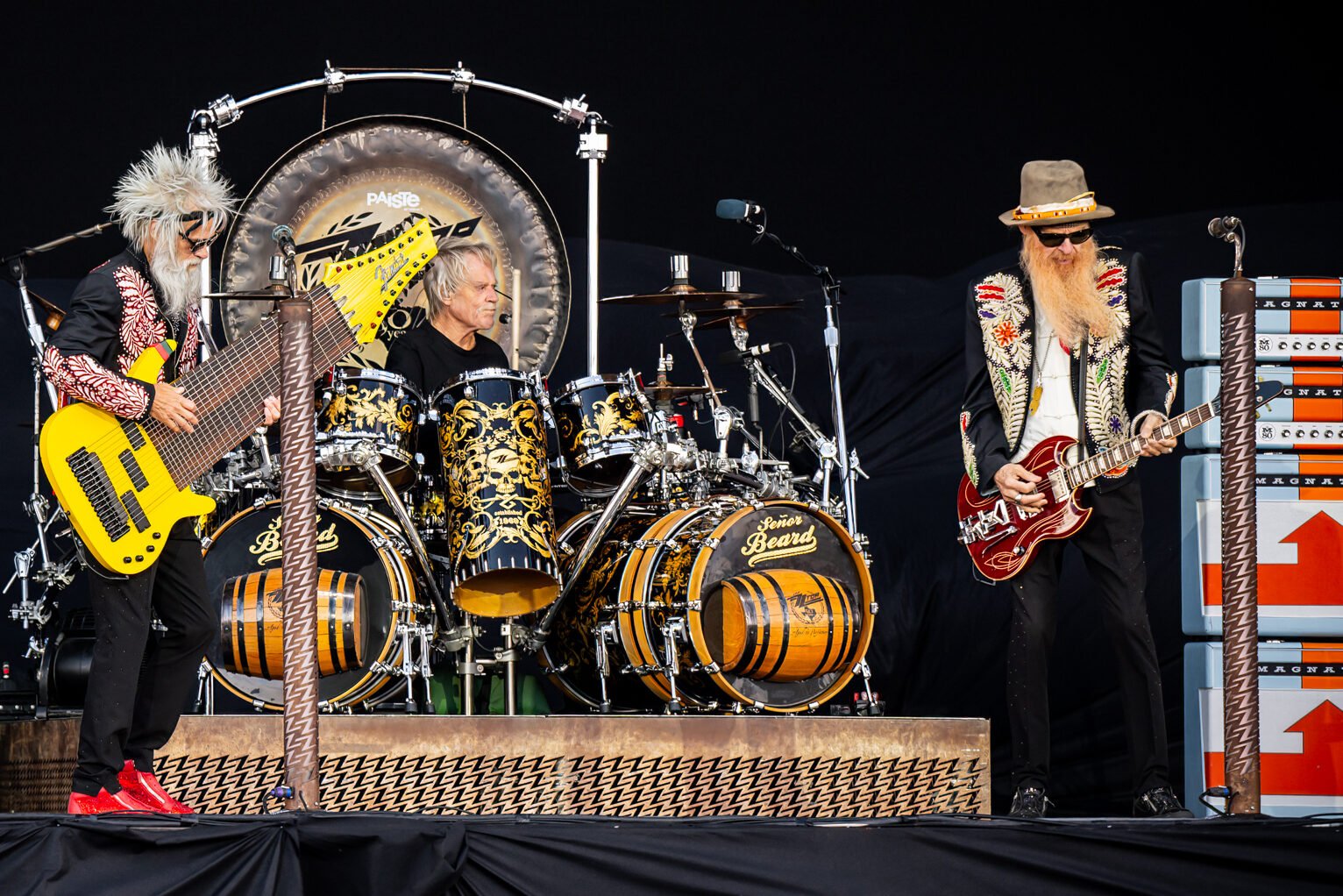
ZZ Top refined their Texas blues-rock identity with Tres Hombres, delivering a sound that was both stripped-down and distinctive. “La Grange” became the standout, built around a simple but instantly recognizable riff. The album leaned heavily on groove and feel rather than complexity, which gave it a grounded, no-frills appeal. It captured a regional sound that translated surprisingly well to a national audience.
At its peak, this album circulated widely among rock fans who appreciated its straightforward approach. It was the kind of record that worked equally well on a road trip or through a home stereo. As the band’s image evolved in the ’80s with a more polished, synthesizer-driven sound, earlier albums like this received less attention. While “La Grange” remains a staple, the rest of the album is less frequently explored.
31. Foreigner – Double Vision (1978)
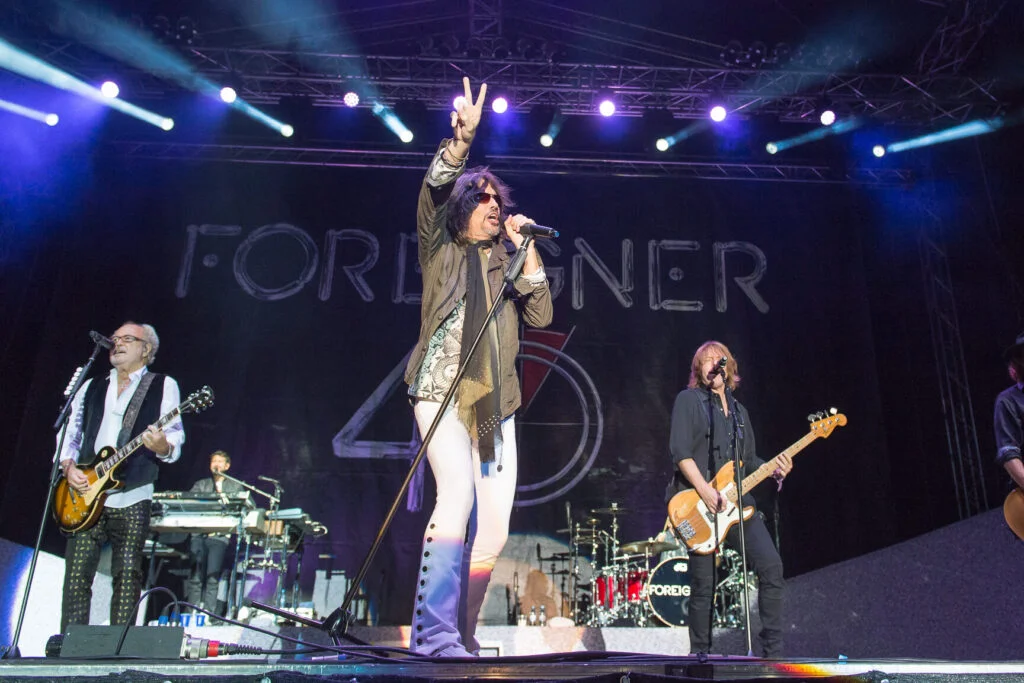
Foreigner followed up their successful debut with an album that leaned even further into radio-friendly rock. “Hot Blooded” and the title track became major hits, combining strong hooks with a polished production style. The band’s approach emphasized accessibility, with songs designed to connect quickly with listeners. It was a clear example of late ’70s arena rock moving toward a more commercial sound.
This album became a common presence in record collections, especially among fans who favored catchy, high-energy rock. It fit neatly alongside other mainstream releases of the era, offering familiarity without feeling repetitive. Over time, Foreigner’s catalog has been distilled into a handful of enduring singles. As a result, Double Vision is often remembered in fragments rather than as a complete album.
32. Billy Joel – The Stranger (1977)
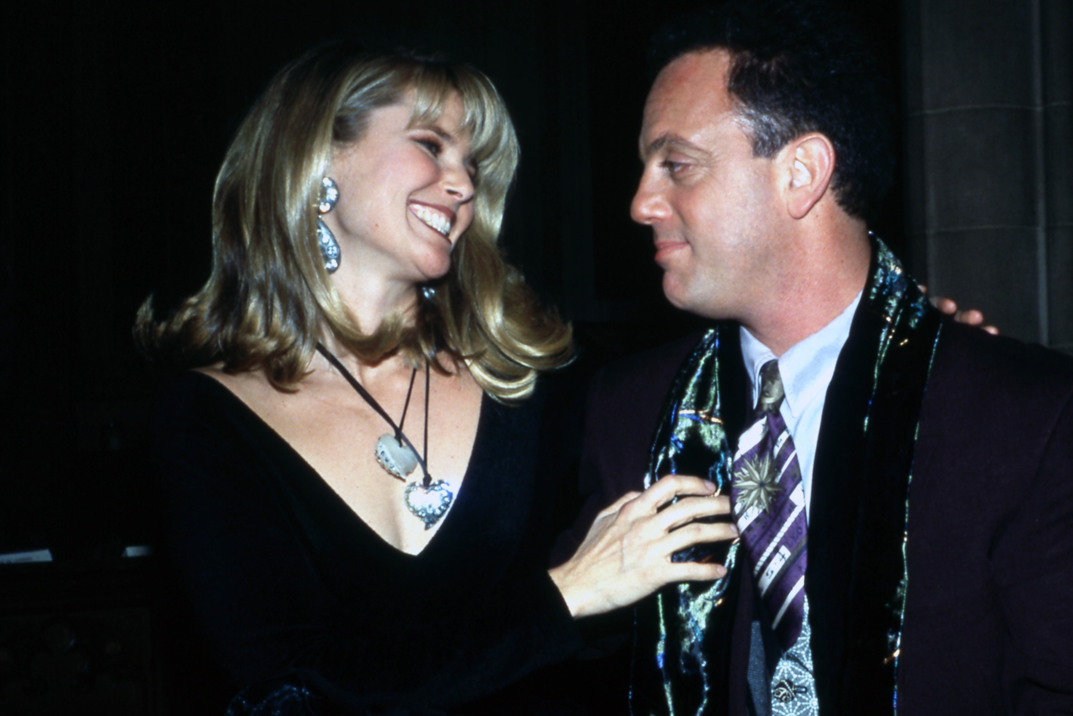
Billy Joel reached a new level of recognition with this album, which combined pop craftsmanship with personal songwriting. Tracks like “Just the Way You Are” and “Movin’ Out (Anthony’s Song)” showcased his ability to tell detailed stories within accessible formats. The production was clean but not sterile, allowing the songs’ narratives to remain central. It was a turning point that established Joel as a major figure in popular music.
For years, this album was a mainstay in households, appealing to listeners who might not typically gravitate toward rock. It worked equally well as background music or focused listening, which contributed to its widespread adoption. While its biggest songs remain highly recognizable, the album itself is often revisited less frequently in full. Its legacy is secure, but its complete tracklist is less commonly explored than it once was.
33. Meat Loaf – Bat Out of Hell (1977)

Meat Loaf delivered a theatrical, almost operatic rock album that stood apart from nearly everything else at the time. Written by Jim Steinman, the songs were expansive and dramatic, with “Paradise by the Dashboard Light” and “Two Out of Three Ain’t Bad” becoming defining tracks. The album’s production emphasized scale, with layered instrumentation and dynamic shifts that gave it a cinematic feel. It was unapologetically over-the-top.
Despite initial skepticism from some critics, the album became a massive commercial success and remained in circulation for years. It was the kind of record people played repeatedly, often introducing it to friends as something they had to hear. Over time, its biggest songs have continued to surface in pop culture. The album as a whole, while still respected, is less frequently experienced in its entirety compared to its peak years.
34. Steve Miller Band – Fly Like an Eagle (1976)
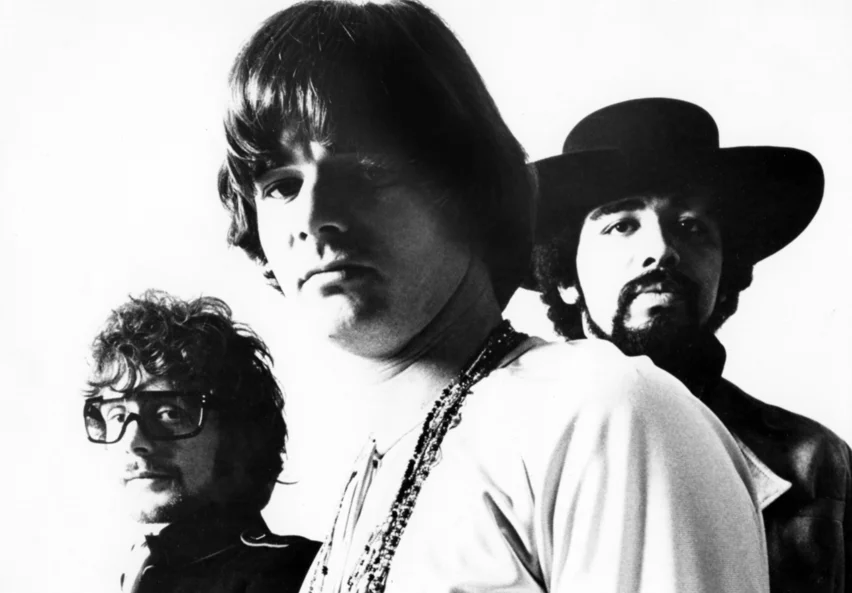
Steve Miller Band crafted a sleek, groove-oriented album that leaned into both rock and emerging electronic textures. “Fly Like an Eagle” and “Take the Money and Run” became defining tracks, with a sound that felt both relaxed and precise. The use of synthesizers added a modern edge without overwhelming the band’s core identity. It was a carefully balanced record that appealed to a wide audience.
At the time, this album seemed to be everywhere, especially among listeners who appreciated its laid-back but polished style. It worked as both a casual listen and a more immersive experience, depending on how it was played. Over the years, its most popular songs have remained highly visible through radio rotation. The album itself, however, is less commonly revisited in full, with many listeners focusing on its standout singles.


