
1. “Crimson and Clover” – Tommy James and the Shondells
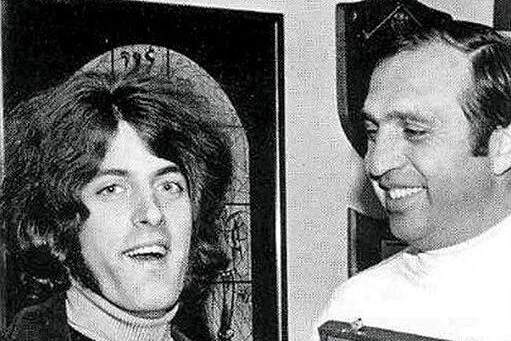
When “Crimson and Clover” hit the airwaves in 1968, it showed that pop music could be dreamy and experimental without losing its radio-friendly charm. The use of tremolo effects and echo made the song sound like it was recorded underwater, giving it an otherworldly vibe that stood out from the bubblegum hits of the era. Tommy James embraced psychedelic textures in a way that bridged Top 40 pop with the counterculture’s more adventurous sounds. It was proof that even commercial pop bands could take risks and succeed.
Though it was once a staple on jukeboxes and teen radios, the song isn’t mentioned nearly as often today as other psychedelic classics. It’s surprising, considering its influence on later acts who used vocal effects and dreamy production as a foundation for their sound. While Tommy James still tours and performs it, the song doesn’t pop up in modern playlists the way it deserves to. It remains one of the defining moments of late ’60s pop, even if history has pushed it into the background.
2. “Expressway to Your Heart” – The Soul Survivors
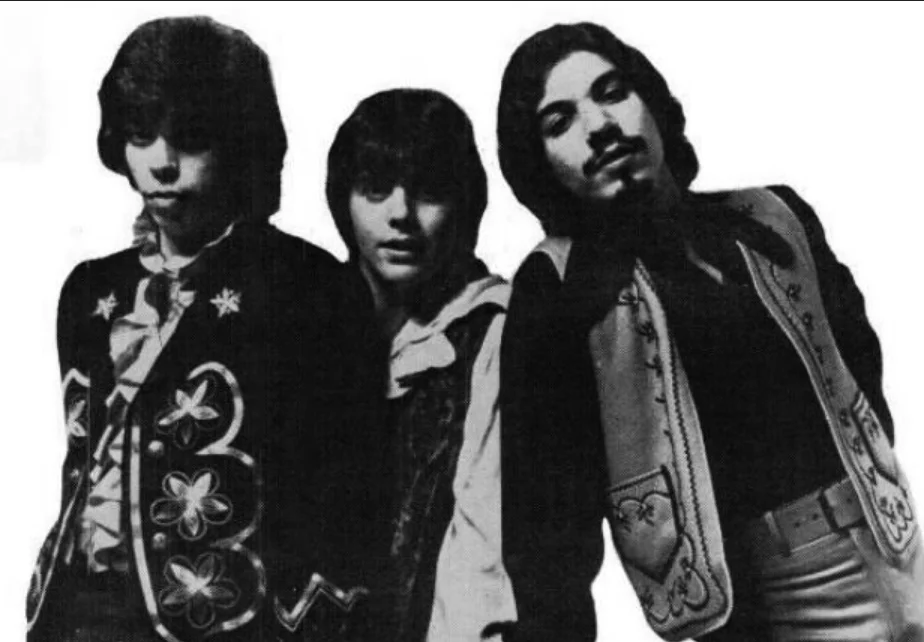
This 1967 track might not get the spotlight now, but it was one of the first big hits out of Philadelphia’s budding soul scene. With its driving horns and playful lyrics, it became a blueprint for the Philly sound that would dominate the ’70s with groups like The O’Jays and Harold Melvin & the Blue Notes. The song was both catchy and fresh, proving regional labels could shape the national sound of pop. It opened the door for countless artists who would refine and expand on its style.
Today, The Soul Survivors are often forgotten in favor of the giants they inspired. But if you listen closely, you can hear the DNA of “Expressway to Your Heart” in the lush arrangements of later soul hits. It’s one of those songs that was both a product of its time and ahead of it. Without it, the smooth, orchestrated soul that defined much of the 1970s might not have found its groove so easily.
3. “Ode to Billie Joe” – Bobbie Gentry
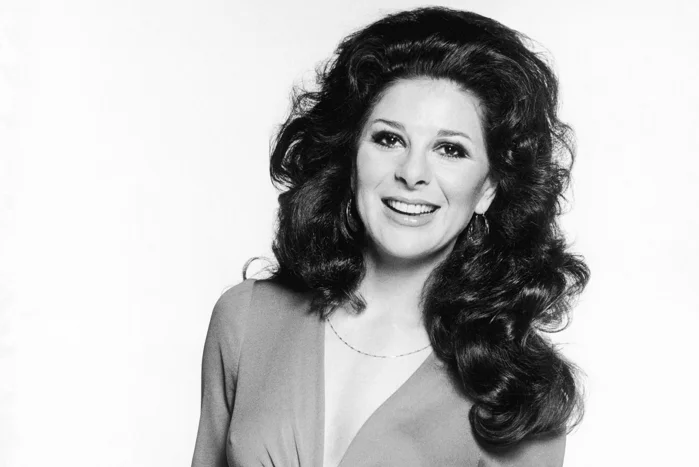
Released in 1967, “Ode to Billie Joe” was unlike anything else on the radio. It was moody, mysterious, and full of unanswered questions that kept listeners hooked. Bobbie Gentry’s storytelling style felt more like a Southern gothic novel than a pop single, and it proved that lyrics could carry as much weight as melody. The song turned her into an overnight sensation, even earning multiple Grammy Awards.
Yet despite its massive success, the song isn’t nearly as celebrated today as other ’60s classics. Gentry herself retired from performing in the early ’80s and has remained out of the spotlight, which may have contributed to the song fading from public memory. Still, its influence is undeniable, paving the way for narrative-driven singer-songwriters who came after her. It was proof that a pop song could be artful, ambiguous, and haunting all at once.
4. “Love Child” – Diana Ross & The Supremes
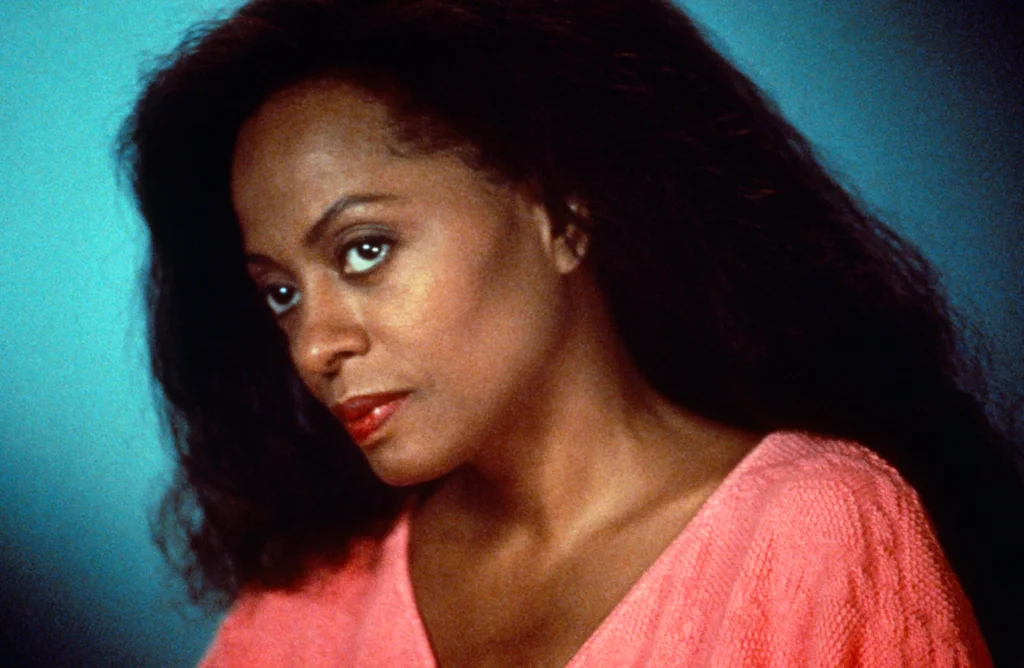
By 1968, The Supremes were known for polished, feel-good hits, but “Love Child” was something different. It was gritty, socially conscious, and tackled the stigma of being born out of wedlock—a bold move for a Motown act. The song’s mix of urgency and vulnerability showed how pop music could address real issues while still topping the charts. It gave The Supremes a new dimension and proved they weren’t afraid to evolve with the times.
Despite being a number one hit, “Love Child” rarely gets mentioned among the group’s signature songs. Tracks like “Stop! In the Name of Love” and “Baby Love” often overshadow it in retrospectives. But the fact that such a mainstream act recorded a socially charged song at all was groundbreaking. It deserves to be remembered not only as a hit but as a turning point in what Motown—and pop music itself—was capable of.
5. “Time of the Season” – The Zombies
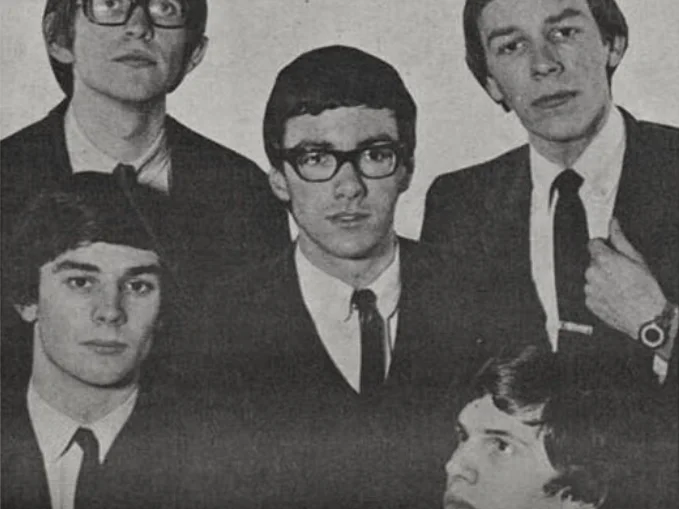
The Zombies had already broken up by the time “Time of the Season” became a hit in 1969, which makes its story even stranger. Built around a cool organ riff and whispery vocals, the song captured the languid, psychedelic vibe of the late ’60s perfectly. It wasn’t flashy, but it was hypnotic, and it influenced a generation of musicians who experimented with atmosphere and restraint. The fact that it charted after the band had already disbanded only adds to its legend.
Even though it’s been featured in movies and commercials, it isn’t always remembered alongside other British Invasion classics. The Zombies themselves were inducted into the Rock and Roll Hall of Fame decades later, but for years they were overshadowed by bigger names like The Beatles and The Rolling Stones. “Time of the Season” stands as proof that sometimes the most innovative songs take a while to be appreciated. It’s a late-blooming classic that still feels fresh today.
6. “White Rabbit” – Jefferson Airplane
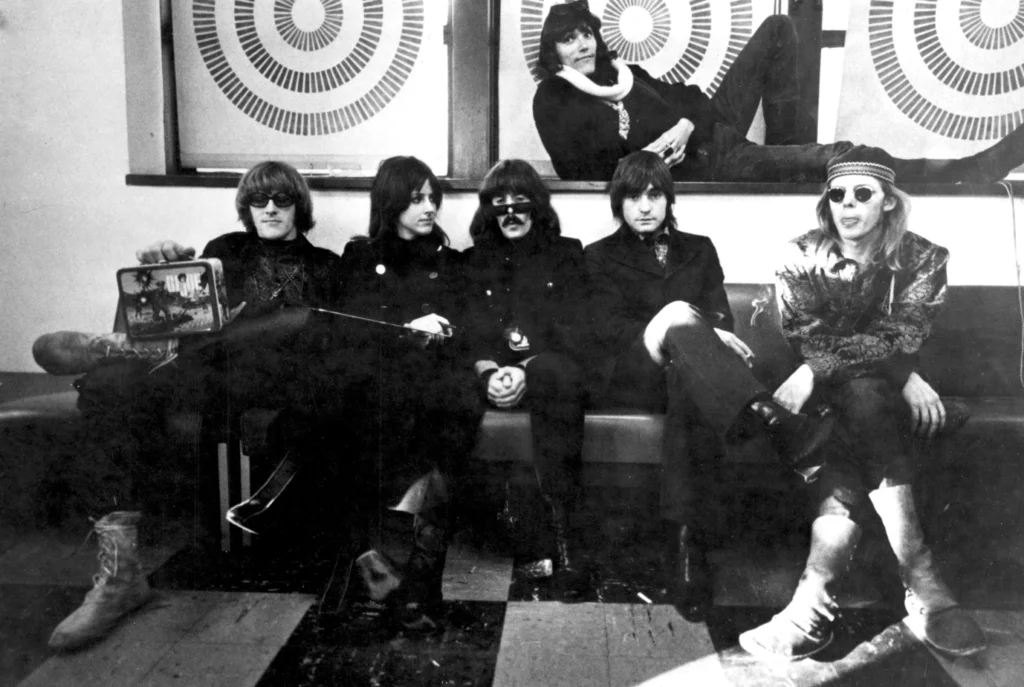
Few songs captured the psychedelic counterculture like “White Rabbit” in 1967. Grace Slick’s vocals, paired with a marching, almost hypnotic rhythm, turned Lewis Carroll’s imagery into a mind-bending anthem. It was bold in its drug references and showed that pop could be artful, rebellious, and surreal all at once. In just a couple of minutes, it pushed boundaries and gave the Summer of Love one of its defining soundtracks.
Though it’s remembered in rock circles, it often gets left out of broader conversations about ’60s pop. Other Jefferson Airplane songs like “Somebody to Love” tend to eclipse it, even though “White Rabbit” arguably had more cultural bite. It influenced everything from psychedelic rock to modern experimental pop. Even if it isn’t constantly celebrated today, it left fingerprints all over music history.
7. “Pictures of Matchstick Men” – Status Quo
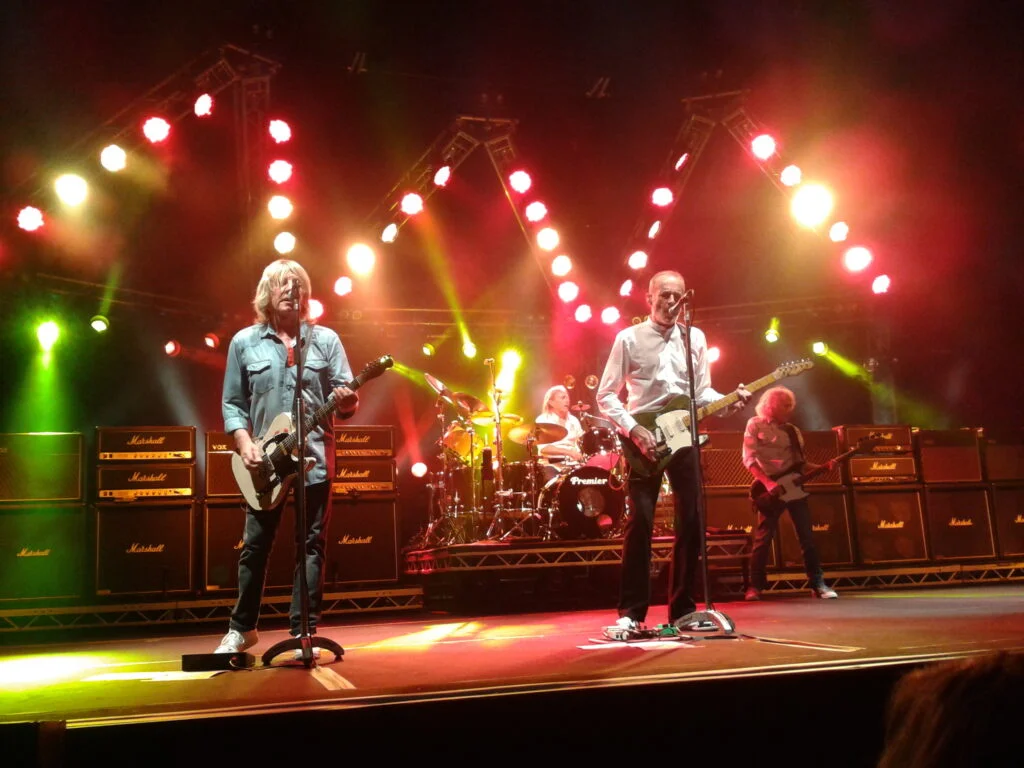
This 1967 hit was the first psychedelic single to make waves for the British band Status Quo. With its fuzzed-out guitar riff and eerie, droning sound, it was both catchy and strange, a mix that perfectly suited the late ’60s. It stood out because it showed how psychedelic rock could cross over into mainstream pop success. For many listeners, it was their first taste of the genre.
Over time, Status Quo became better known in the UK for straightforward rock and boogie, and this early experiment faded into obscurity. But “Pictures of Matchstick Men” was influential, inspiring bands like Cheap Trick and Oasis decades later. It’s one of those songs you might not hear often, but when you do, you realize how ahead of its time it was. It proved that even a band not known for psychedelia could leave a lasting impact on pop.
8. “Gimme Some Lovin’” – The Spencer Davis Group
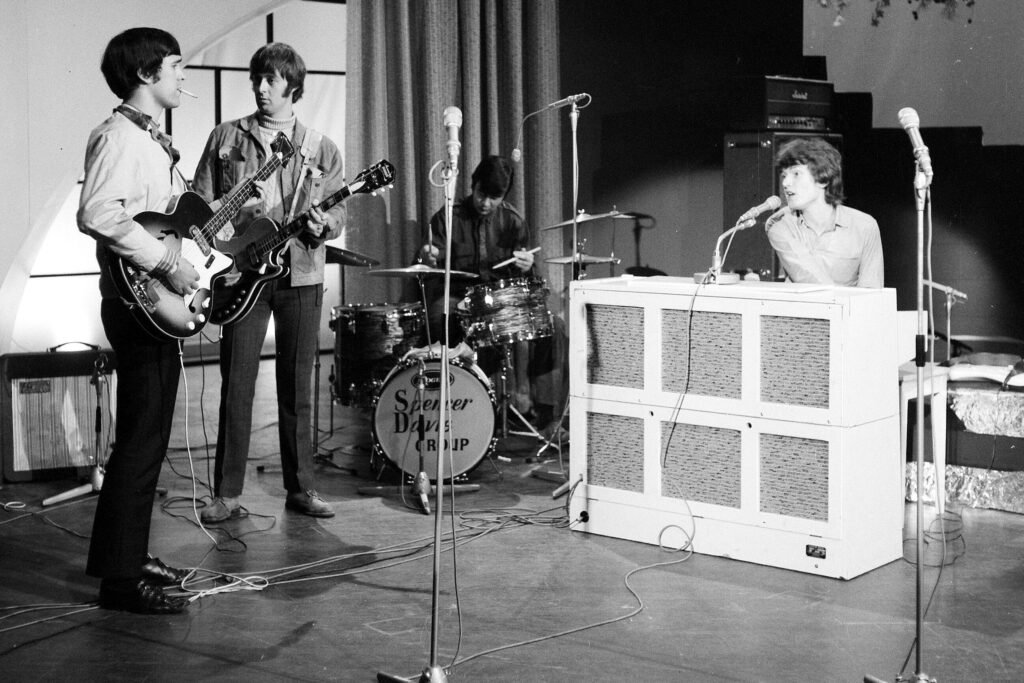
Powered by a teenage Steve Winwood’s soulful voice, “Gimme Some Lovin’” was a revelation when it came out in 1966. It blended blues, rock, and pop in a way that felt both raw and radio-friendly. The pounding organ riff and urgent delivery made it instantly memorable. It was the kind of song that showed just how far youthful energy could carry a band.
While it’s still recognized by music fans, it isn’t as celebrated today as other British Invasion staples. Steve Winwood went on to a huge career with Traffic and as a solo artist, which may have left the Spencer Davis Group somewhat in the shadows. Still, the song’s influence can be heard in later rock acts who mixed soulfulness with driving rhythms. It deserves a spot in the conversation about the era’s most game-changing hits.
9. “Different Drum” – Stone Poneys featuring Linda Ronstadt
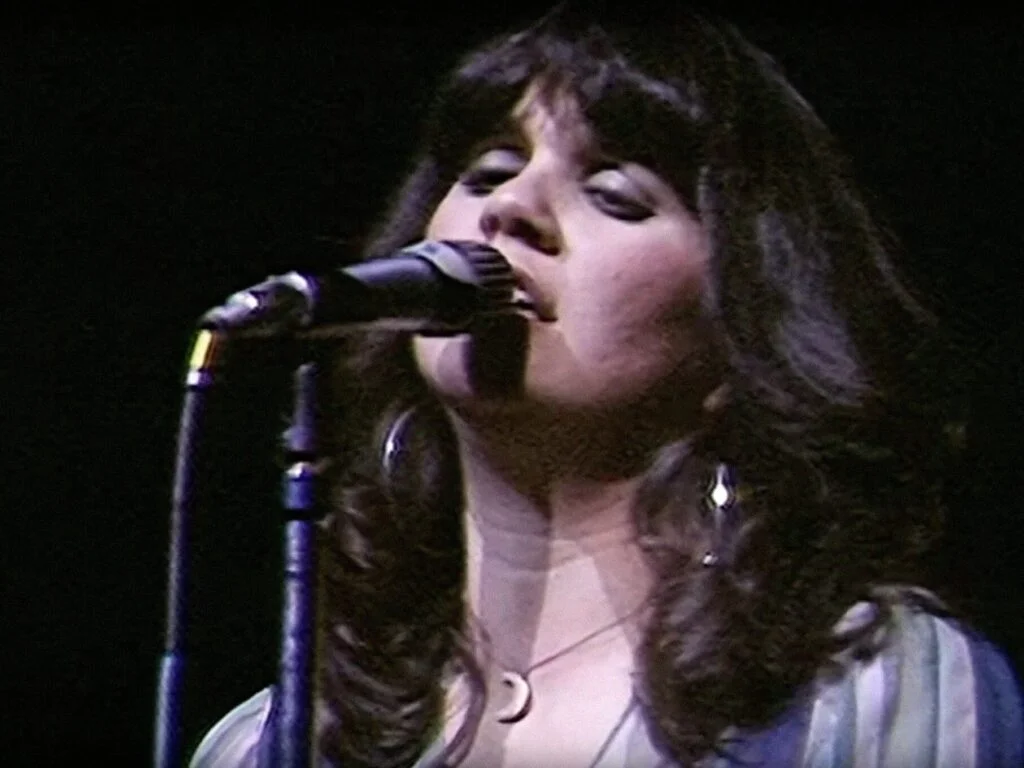
Released in 1967, “Different Drum” was a breakout moment not just for the Stone Poneys but especially for Linda Ronstadt. Written by Michael Nesmith of The Monkees, the song flipped the script on love ballads by having the woman reject the man. Ronstadt’s clear, powerful voice gave it an edge and a freshness that resonated with young women at the time. It proved pop could reflect changing gender roles and expectations.
While Ronstadt went on to superstar status, the song itself doesn’t always get the attention it deserves. It was a turning point both for her career and for female voices in pop. In a way, it’s one of the earliest examples of a pop hit that embraced independence and self-determination. Forgotten by many, it was a quiet revolution in just a few verses.
10. “Season of the Witch” – Donovan
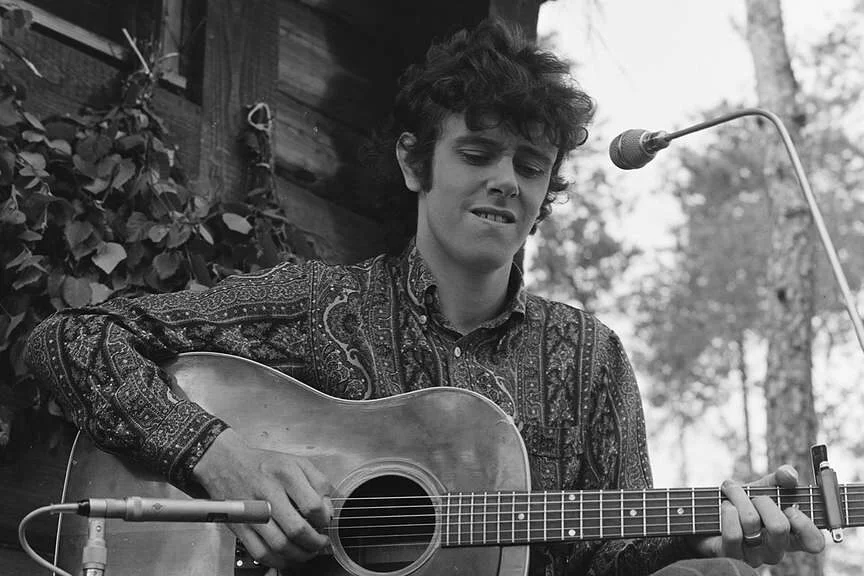
“Season of the Witch” may not be Donovan’s best-known song, but its eerie groove made it hugely influential when it was released in 1966. Built around a creeping rhythm and dark, ambiguous lyrics, it was one of the first pop songs to really lean into the spooky side of psychedelia. Its loose structure left room for improvisation, making it a favorite for live jam sessions. It showed how pop music could be mysterious, even unsettling, and still connect with audiences.
Over the years, the song has been covered by countless artists, yet it isn’t always remembered as a game-changer. Donovan’s lighter songs like “Mellow Yellow” often overshadow it, even though “Season of the Witch” arguably had more depth and staying power. It opened the door for later explorations of darker themes in pop and rock. While it may be a little forgotten today, its legacy lives on in the music it inspired.
11. “The Letter” – The Box Tops
At just under two minutes long, “The Letter” was proof that brevity could pack a punch. Released in 1967 with 16-year-old Alex Chilton on vocals, it had a raw, urgent sound that stood out from the more polished hits of the day. The growling delivery and gritty production gave it an almost garage-rock edge, yet it climbed straight to number one. It was a reminder that pop didn’t need to be glossy to be effective.
Although Alex Chilton later gained cult fame with Big Star, The Box Tops aren’t always remembered for their chart-topping success. “The Letter” sometimes gets lost among the more obvious ’60s classics, but it influenced countless bands who admired its stripped-down, emotional delivery. It proved that less really can be more when it comes to pop songwriting. Forgotten or not, it changed the rules in under two minutes flat.
12. “Reflections” – The Supremes
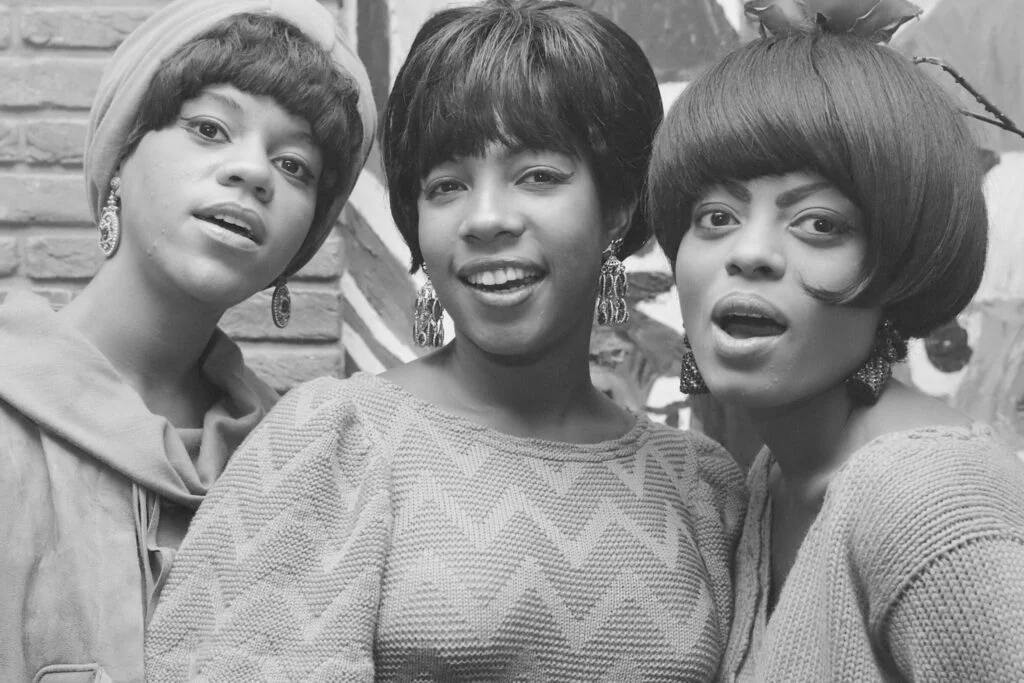
Before “Love Child,” The Supremes had already started to shift into new territory with “Reflections” in 1967. It was one of the first Motown hits to embrace psychedelic sounds, mixing futuristic effects with their trademark harmonies. The song marked a turning point for both the group and the label, proving that Motown wasn’t afraid to evolve with the times. It kept them relevant while also breaking new sonic ground.
Despite its importance, “Reflections” doesn’t always get the recognition it deserves. Other Supremes songs are far more likely to be remembered, but this one helped shape the psychedelic soul movement that came after. It was both innovative and commercially successful, a rare balance in pop. Even if it isn’t always at the forefront of memory, it remains a song that changed the sound of pop forever.
13. “In the Year 2525” – Zager and Evans
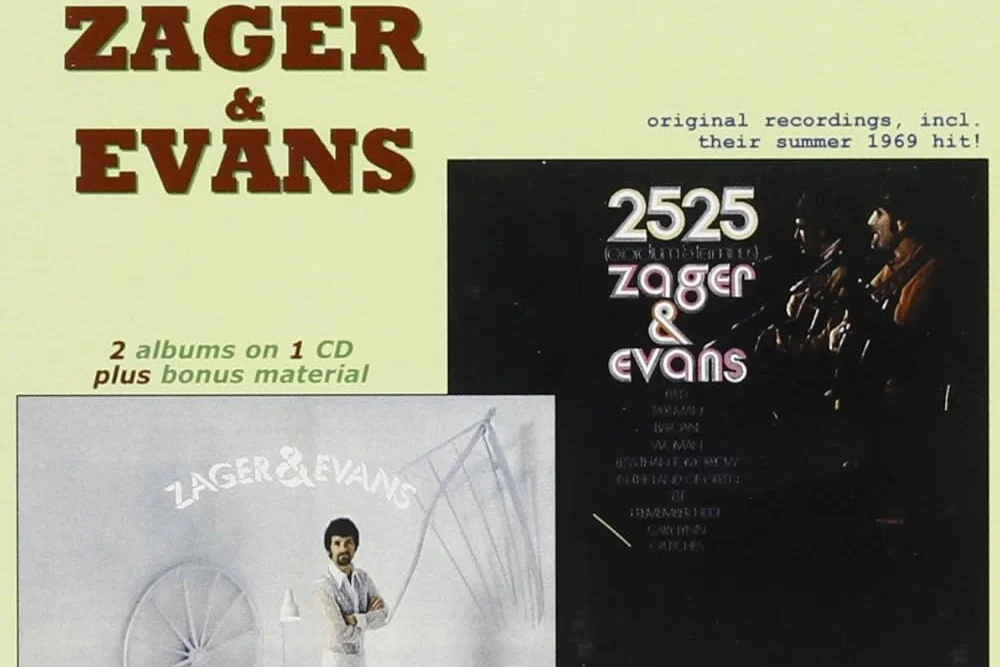
When “In the Year 2525” topped the charts in 1969, it was unlike anything else on the radio. The song imagined humanity’s future in eerie, dystopian snapshots, touching on technology, overpopulation, and the fading of individuality. Its structure was unusual for a pop single, skipping romance and fun in favor of prophecy and doom. For a brief moment, Zager and Evans had the entire world’s attention with their stark message.
Despite being a number one hit, it has slipped into the “forgotten” category. Its haunting lyrics feel almost more relevant today, yet it’s rarely played on oldies stations. The duo never scored another major hit, which likely pushed it further into obscurity. Still, its combination of science fiction themes and pop accessibility showed just how far a hit song could stretch.
14. “Psychotic Reaction” – Count Five
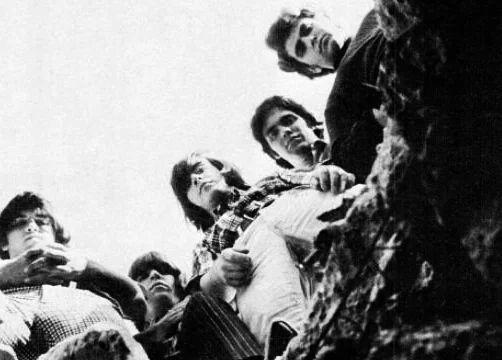
Garage rock had plenty of noisy anthems, but “Psychotic Reaction” in 1966 practically invented the idea of punk years before the word caught on. With its fuzz-drenched guitar and stop-start structure, the song felt chaotic and raw compared to polished pop singles of the time. It hinted at a rebellion bubbling under the surface, one that would later explode in the ’70s. At the time, it was startling in its intensity and energy.
Today, Count Five is barely remembered, but this song is often cited by musicians as a blueprint for punk and garage rock. It proved that passion and grit could be just as powerful as melody. While it didn’t dominate the charts for long, its legacy is written in every distorted guitar riff that came after. It’s the kind of track you rediscover and wonder why it isn’t mentioned more often.
15. “Little Bit O’ Soul” – The Music Explosion

This 1967 hit may sound simple at first, but it was a critical bridge between pop and what would later become power pop. Its bouncy energy, singalong chorus, and infectious hook made it an instant crowd-pleaser. It was one of those songs that felt like sunshine in audio form, a reminder that sometimes the simplest formula is the most effective.
Yet despite climbing the charts, it’s almost never brought up in conversations about influential ’60s music. Many of the era’s “bubblegum” acts get dismissed as fluff, but “Little Bit O’ Soul” showed how much power could come from a catchy hook and an upbeat delivery. Its DNA runs through countless pop-rock bands that came later. Forgotten or not, it left an indelible stamp on pop history.
16. “You Keep Me Hangin’ On” – Vanilla Fudge
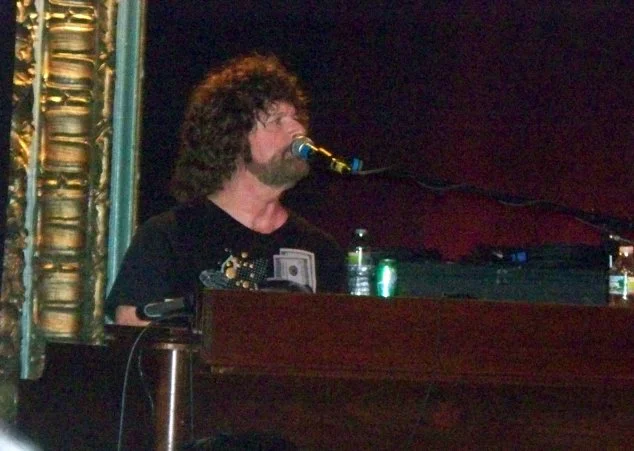
Most people remember The Supremes’ original version, but in 1967, Vanilla Fudge turned “You Keep Me Hangin’ On” into something entirely different. They slowed it down, added heavy organ, and gave it a psychedelic, almost ominous feel. It was one of the first real examples of how a pop song could be reimagined into something entirely new and still find success on the charts. Their version pushed listeners to hear familiar material in a radically different way.
While it doesn’t get much airplay now, this version influenced generations of rock bands who experimented with covers. It proved that reinterpretation could be just as groundbreaking as original songwriting. Today it feels buried in history, but it opened the door for countless artists to bend pop music in surprising directions.
17. “I Had Too Much to Dream (Last Night)” – The Electric Prunes
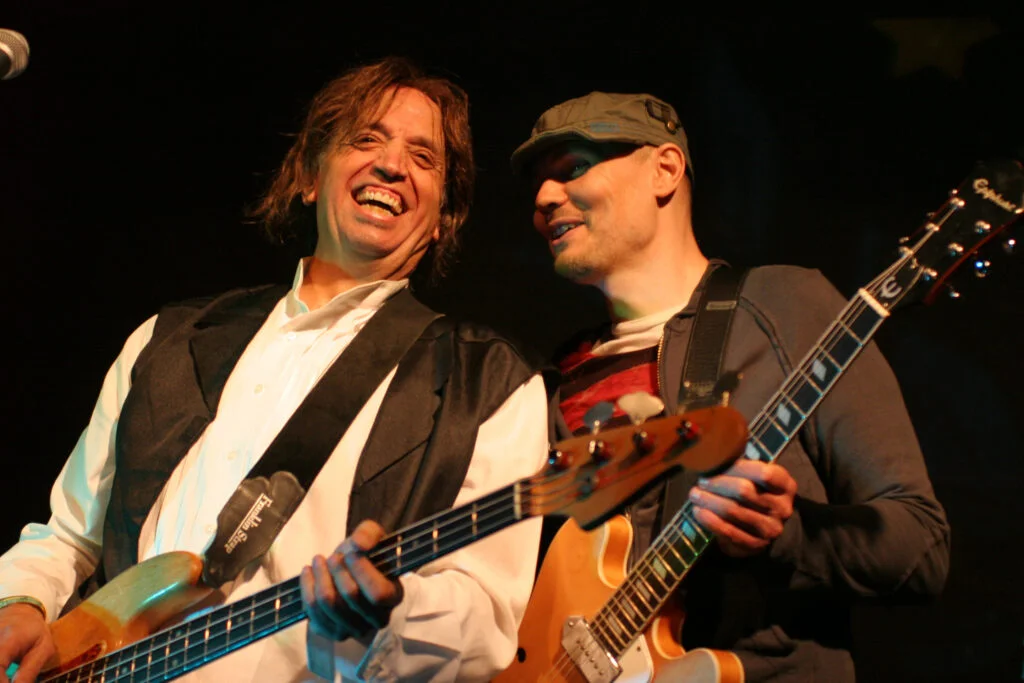
Released in 1966, this track is often considered one of the first psychedelic rock hits to chart. Its swirling guitar effects and trippy production gave mainstream audiences a taste of the experimental sounds bubbling out of underground clubs. The song captured the strange, dreamlike atmosphere of the era perfectly, mixing pop accessibility with sonic weirdness. It was both catchy and deeply strange at the same time.
Although it was a hit in its moment, the Electric Prunes never matched its success, and the song faded from popular memory. Yet its influence is enormous—it showed that pop singles could lean heavily on experimental production without losing their audience. In many ways, it helped pave the way for the psychedelic explosion that followed. Today, it’s rarely heard but remains a hidden cornerstone of ’60s pop innovation.