
1. “Like a Rolling Stone” – Bob Dylan
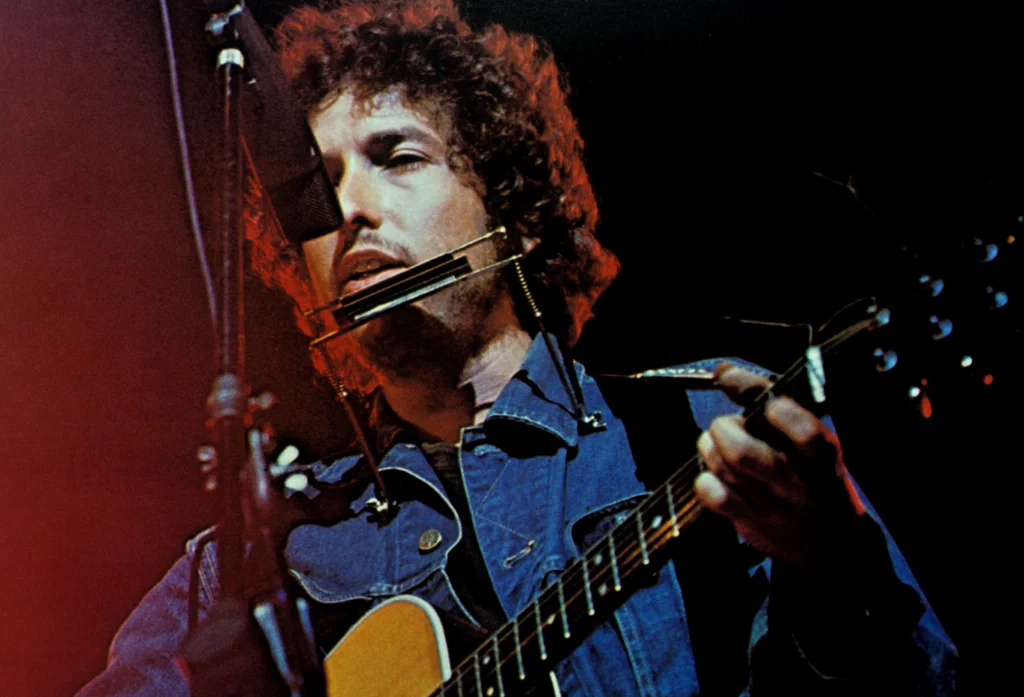
When Bob Dylan released “Like a Rolling Stone” in 1965, it completely shattered what people thought a rock song could be. At over six minutes long, it defied the idea that singles had to be short and radio-friendly. Dylan’s raw, almost sneering vocals were backed by organ swells and electric guitars that gave the track a biting edge. The lyrics themselves were poetic, full of imagery and storytelling that forced listeners to pay attention. It was part folk, part rock, and wholly revolutionary. Suddenly, rock wasn’t just about catchy tunes—it could be serious art. Critics and fans alike knew immediately they were hearing something that would change everything. Many point to this moment as the true beginning of rock as a vehicle for deep expression.
The song’s success proved to record labels that audiences were ready for longer, more complex tracks. It opened the door for concept albums and artistic experimentation throughout the late ’60s. Dylan wasn’t just singing, he was making a statement about freedom, identity, and disillusionment. Musicians from Jimi Hendrix to The Rolling Stones were influenced by its scope. Even today, “Like a Rolling Stone” tops lists of the greatest rock songs ever written. More importantly, it set the tone for the rest of the decade, showing that rock music could push boundaries while still topping charts.
2. “I Want to Hold Your Hand” – The Beatles
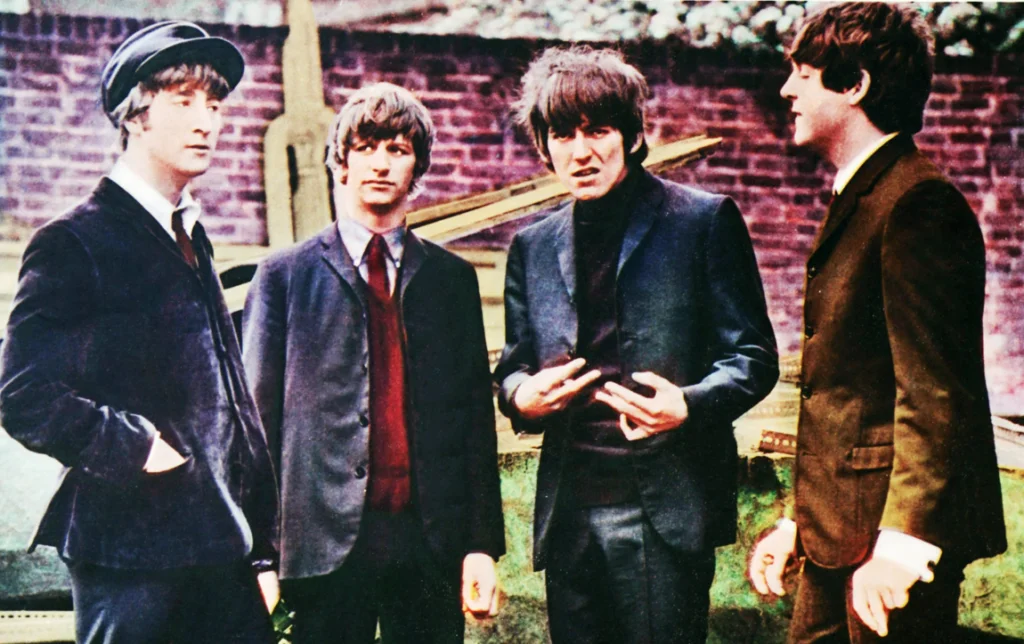
The Beatles might have had earlier hits in the U.K., but “I Want to Hold Your Hand” is the song that truly introduced them to America. Released in late 1963, it became a sensation in the U.S. by early ’64. The catchy melody and bright harmonies made it irresistible, and it launched the so-called “British Invasion.” Its energy and joy were exactly what American audiences needed during a turbulent time. The song’s success led to The Beatles’ famous appearance on The Ed Sullivan Show, which cemented their place in history. The entire culture shifted seemingly overnight. Kids grew their hair longer, fashion changed, and suddenly every teenager wanted to start a band.
What makes this song so pivotal is how it combined youthful innocence with irresistible energy. It was simple compared to the complex work the band would later create, but it showcased the magic of their chemistry. Rock and roll suddenly had a global face, and pop music was transformed forever. Without this track’s success, The Beatles might have remained a European phenomenon. Instead, it became the spark that lit the fire of the ’60s rock revolution. Even now, the opening chords instantly transport listeners back to the moment Beatlemania began.
3. “(I Can’t Get No) Satisfaction” – The Rolling Stones
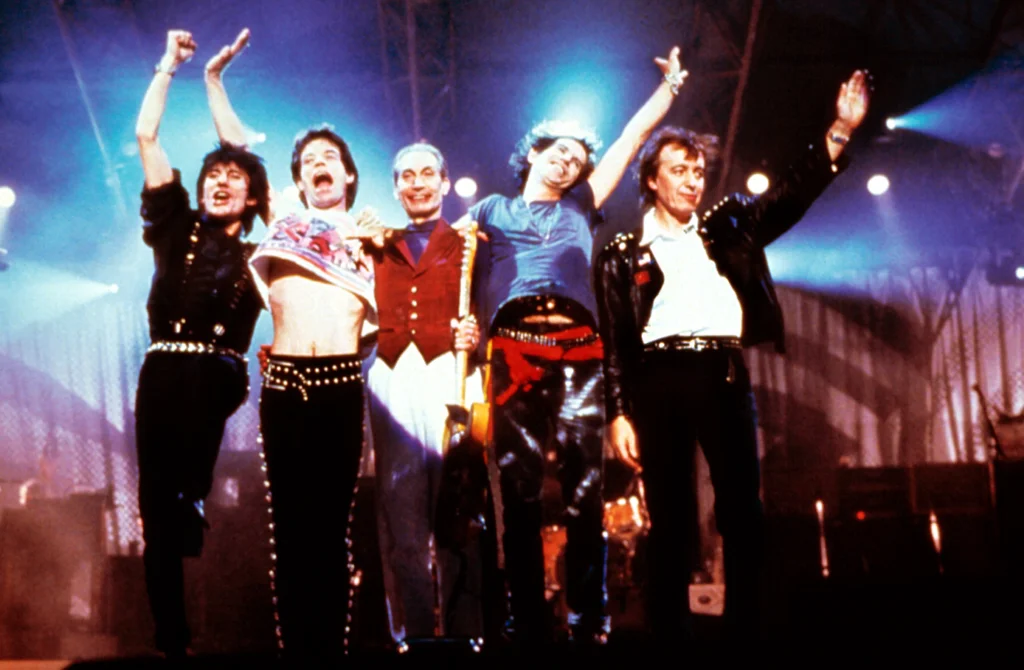
Few songs capture pure rock rebellion quite like “(I Can’t Get No) Satisfaction.” Released in 1965, its fuzz-drenched guitar riff immediately grabs you and doesn’t let go. Keith Richards famously wrote the riff in his sleep, and it became one of the most iconic in music history. The lyrics, delivered with Mick Jagger’s sneer, tapped into youthful frustration about consumerism, sexuality, and discontent. It wasn’t polished or polite—it was raw, bold, and in-your-face. That attitude defined a new side of rock that wasn’t about making you smile but about shaking you up. This was rock as rebellion, and it worked.
The song quickly became a worldwide hit, but it also drew controversy for its sexual undertones. That only made it more appealing to young listeners. The Stones solidified their reputation as the “bad boys” of rock compared to the clean-cut Beatles. More than just a hit, “Satisfaction” helped set the blueprint for what would become hard rock. Its influence can still be heard in countless riffs and attitudes that followed. For many fans, this was the moment when rock stopped being nice and became dangerous.
4. “Good Vibrations” – The Beach Boys
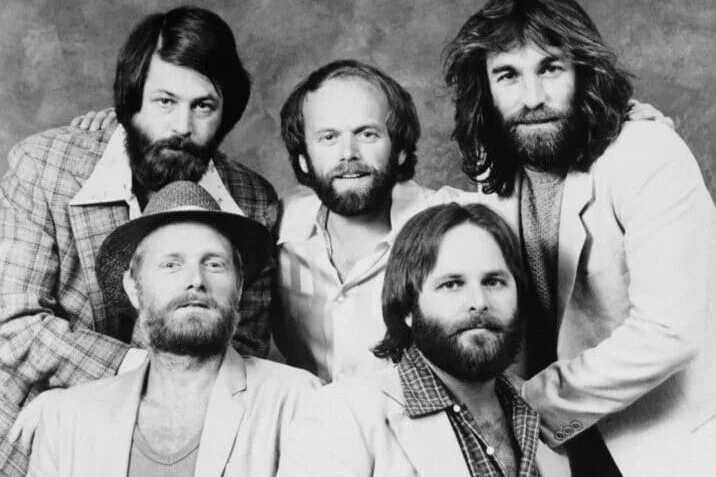
By the time The Beach Boys released “Good Vibrations” in 1966, they were already known for surf songs and harmonies. But this track proved they could create something far more ambitious. Brian Wilson’s layered production techniques made the song groundbreaking, from the use of a theremin to its shifting sections that moved almost like classical music. It wasn’t just a pop song—it was a miniature symphony packed into three and a half minutes. Critics were stunned by the complexity, and fans embraced it immediately. The soundscapes were unlike anything else on the radio. It was a reminder that rock could be experimental without losing its accessibility.
What makes “Good Vibrations” so important is how it showed the possibilities of the studio itself as an instrument. Wilson’s meticulous recording sessions influenced everyone from The Beatles to future generations of producers. The song topped charts and became an anthem of the psychedelic era. It proved that popular music could be lush, intricate, and deeply creative while still dominating radio. Every time you hear its soaring harmonies, it’s clear why it continues to be hailed as one of the greatest achievements in rock. The Beach Boys were never just a surf band after this—they were innovators.
5. “Purple Haze” – Jimi Hendrix
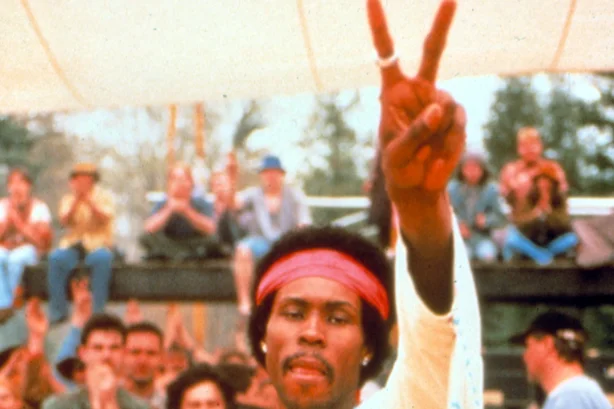
When Jimi Hendrix unleashed “Purple Haze” in 1967, he changed how people thought a guitar could sound. His use of distortion, feedback, and effects created an otherworldly tone that no one had heard before. The opening riff is instantly recognizable and remains one of rock’s most iconic. Hendrix’s playing was wild but controlled, blending blues, psychedelia, and sheer innovation. His lyrics only added to the mystique, with references that many interpreted as psychedelic experiences. The song captured the spirit of the counterculture perfectly. It wasn’t just music—it was an electric shock to the system.
The song’s release made Hendrix an international star almost overnight. His guitar work influenced generations of musicians who realized the instrument could be an endless playground of sounds. Psychedelic rock and hard rock both owe a huge debt to “Purple Haze.” Even decades later, it still feels fresh and radical. Hendrix redefined what it meant to be a guitarist and performer. Without this track, the evolution of rock might have taken a much slower path. It’s no wonder that whenever people think of the ’60s, Hendrix’s riffs are among the first sounds that come to mind.
6. “Respect” – Aretha Franklin
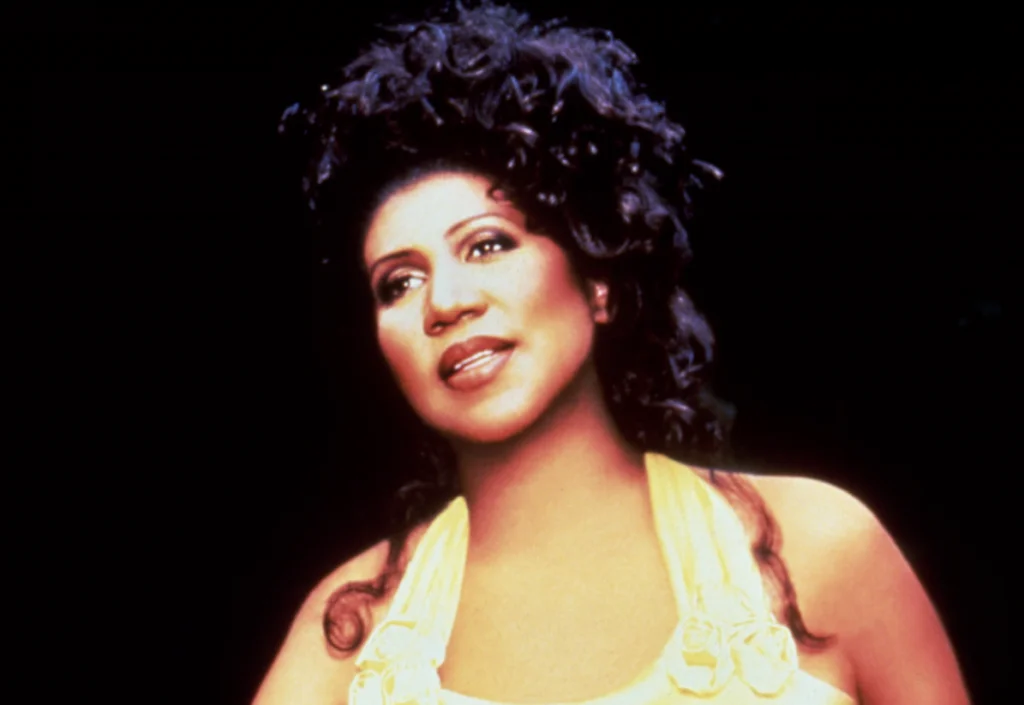
Though originally recorded by Otis Redding, it was Aretha Franklin’s 1967 version of “Respect” that turned the song into a rock and soul anthem. Her powerhouse vocals and commanding delivery transformed it into something revolutionary. She reworked the lyrics, adding the iconic “R-E-S-P-E-C-T” chorus and those fiery backing vocals. Suddenly, the song became more than just about relationships—it was about empowerment and demanding dignity. It resonated deeply with the civil rights and feminist movements of the time. Few songs managed to capture so much emotion and social meaning in just a few minutes. It wasn’t just music, it was a declaration.
The track’s impact was immediate and long-lasting. It topped the charts and earned Franklin two Grammy Awards, solidifying her as the Queen of Soul. At the same time, it crossed into rock audiences, proving that genres could blend seamlessly. “Respect” became a rallying cry for equality, and its influence continues to this day. It showed that rock music could carry real power beyond entertainment. Every time Franklin belted out those words, she gave voice to millions who felt overlooked. The song’s enduring legacy is proof of its unmatched importance.
7. “Sunshine of Your Love” – Cream

When Cream released “Sunshine of Your Love” in 1967, it marked a turning point for rock guitar riffs. Eric Clapton’s blues-inspired opening line set the foundation for countless hard rock songs that followed. The band’s mix of blues, psychedelia, and sheer volume created a heavier sound than most people were used to hearing. Jack Bruce’s vocals and Ginger Baker’s drumming added to the intensity, making it one of the first true hard rock anthems. It felt both raw and sophisticated at the same time. Fans instantly recognized that something new was brewing in rock music. It wasn’t about polished pop anymore—it was about grit and power.
The song quickly became Cream’s biggest hit and a staple of their live shows. Its success showed that rock audiences were ready for heavier, riff-driven music. Many point to it as laying the groundwork for heavy metal and arena rock. Clapton’s guitar tone became legendary, influencing generations of players. The track’s enduring popularity proves just how essential it was to the evolution of the genre. Without “Sunshine of Your Love,” rock might have taken longer to embrace its louder, heavier side. It remains a perfect example of the power of a great riff.
8. “White Rabbit” – Jefferson Airplane
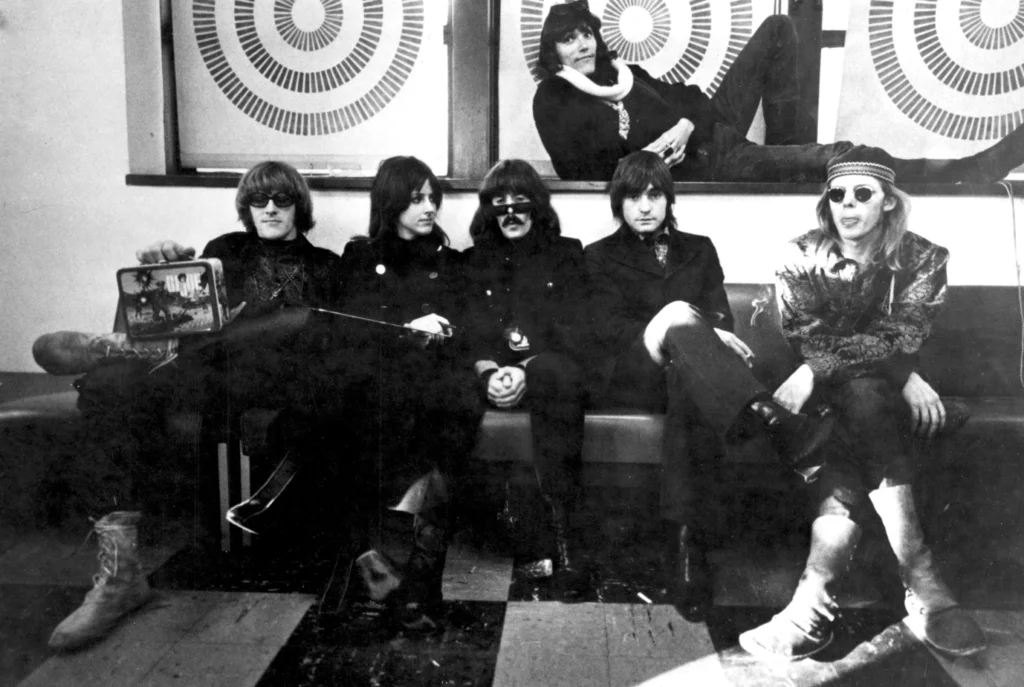
“White Rabbit” is one of the most distinctive songs of the psychedelic era. Released in 1967, it drew inspiration from Alice’s Adventures in Wonderland, with Grace Slick’s vocals guiding listeners through a surreal, dreamlike journey. The track built slowly, starting soft before crescendoing into a hypnotic climax. Its Eastern-inspired melodies and marching rhythm made it sound unlike anything else on the radio. At a time when psychedelic culture was booming, “White Rabbit” became its perfect soundtrack. The lyrics, filled with references to “pills” and “mushrooms,” were unmistakably tied to the counterculture. It was bold, strange, and unforgettable.
The song’s impact stretched far beyond its immediate success. It became a defining anthem of the Summer of Love and helped push boundaries of what rock could say. Its radio airplay was daring given its obvious references, but that only added to its allure. Musicians and audiences alike saw how songs could explore new dimensions of sound and meaning. Grace Slick’s commanding presence also helped pave the way for women to take a central role in rock bands. To this day, “White Rabbit” remains a haunting, fascinating piece of music history. It showed that rock could be artful, strange, and socially daring all at once.
9. “Fortunate Son” – Creedence Clearwater Revival
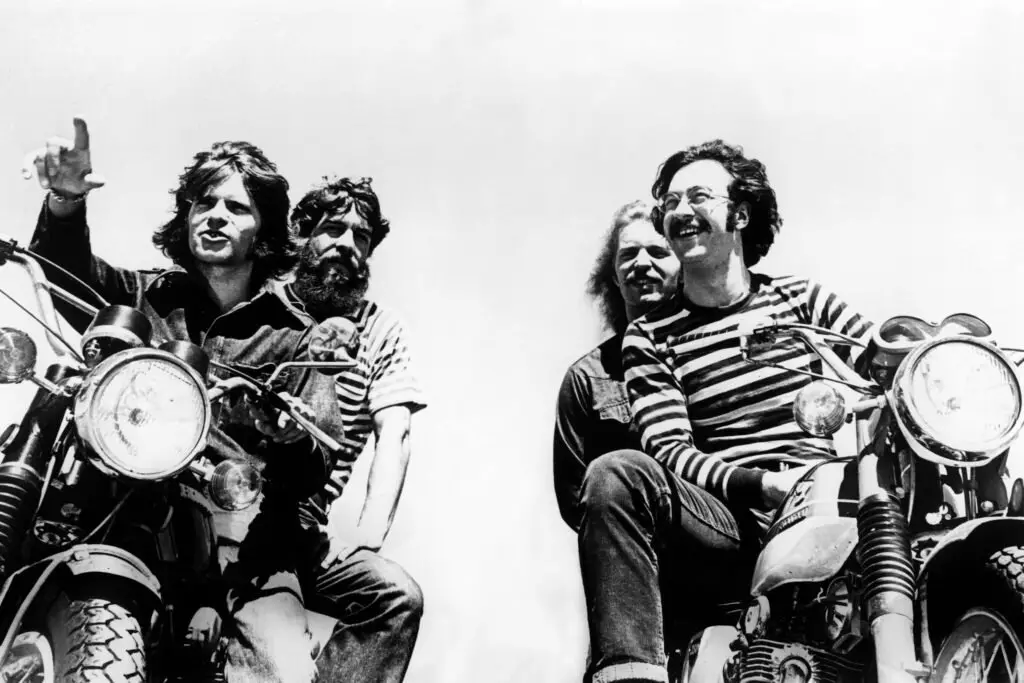
When “Fortunate Son” hit the airwaves in 1969, it was impossible to ignore its message. John Fogerty’s sharp lyrics called out class inequality during the Vietnam War, pointing to the fact that wealthy families often avoided the draft while working-class kids were sent to fight. The song’s driving rhythm and swamp-rock style gave it an urgency that matched the anger of its words. It wasn’t dressed up or subtle—it was direct and unapologetic. For a generation fed up with authority, it became an anthem of resistance. The raw delivery made it both a protest song and a rock classic.
The track’s importance goes beyond just its chart success. It gave a voice to the frustrations of millions of young Americans. While many bands avoided overt political statements, Creedence Clearwater Revival dove in headfirst. The song remains one of the most recognized protest tracks ever recorded. Its simple but powerful structure showed how rock could be both entertaining and politically potent. Even today, “Fortunate Son” appears in countless films and documentaries about the era. It stands as proof that rock music could reflect the times and challenge authority with just a few chords and a powerful message.
10. “Somebody to Love” – Jefferson Airplane

Before “Somebody to Love,” most rock songs of the ’60s were about romance in lighthearted ways. Jefferson Airplane flipped that on its head with this fierce 1967 track. Grace Slick’s soaring vocals were passionate and urgent, demanding real emotional connection rather than superficial love. The powerful guitars and pounding rhythm gave the song a sense of urgency that matched the era’s changing values. Instead of sweetness, it offered raw desire and almost desperation. It stood out immediately from everything else on the charts. Rock music suddenly had a new emotional intensity.
The song became one of the defining hits of the Summer of Love, and it’s still considered a classic of the psychedelic rock movement. Its success showed that listeners were ready for bolder, more intense expressions in their music. Jefferson Airplane’s performance at Woodstock helped cement its place in history. The song’s energy and authenticity resonated with a generation searching for something real. Decades later, it still packs an emotional punch that feels timeless. “Somebody to Love” didn’t just ride the wave of change—it helped fuel it.
11. “Whole Lotta Love” – Led Zeppelin
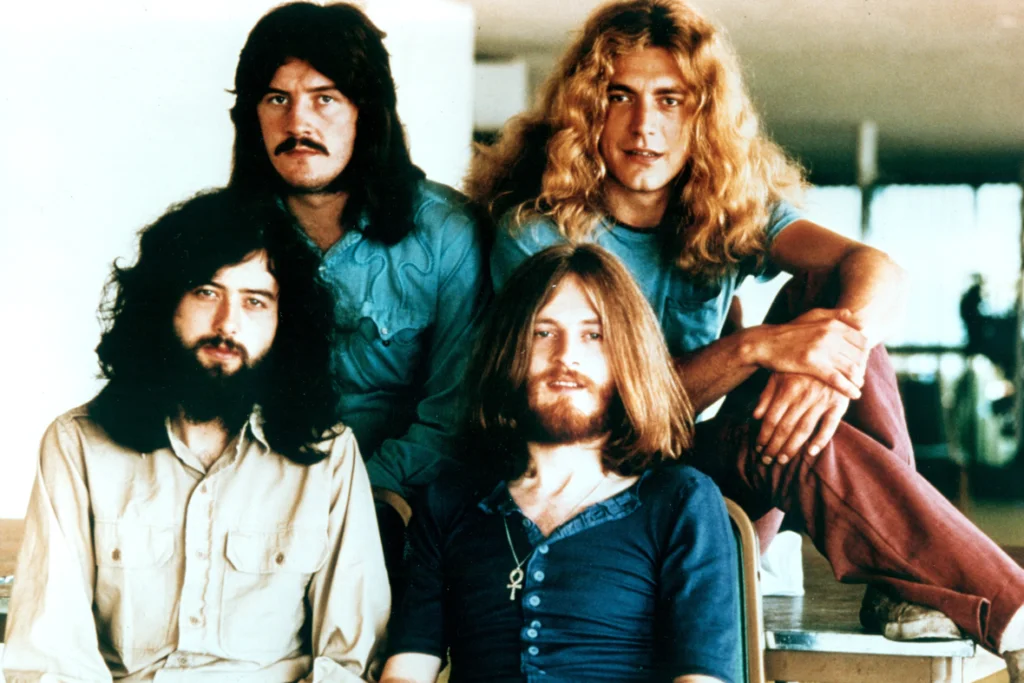
Though it came out at the tail end of the ’60s, “Whole Lotta Love” changed the rock landscape forever. Released in 1969, it showcased Led Zeppelin’s unique blend of blues roots and heavy rock. Jimmy Page’s iconic guitar riff was thick and powerful, while Robert Plant’s vocals pushed the boundaries of sexuality and intensity. The middle section of the song, full of psychedelic sounds and experimental production, was unlike anything else in mainstream rock. It was both primal and sophisticated, appealing to fans across the spectrum. For many, it marked the beginning of what would become hard rock and heavy metal. The sheer energy was irresistible.
The song’s influence was immediate. It became a massive hit and established Led Zeppelin as leaders of a new kind of rock music. It showed how far bands could push volume, production, and performance. The track remains one of the most iconic in rock history, endlessly covered and referenced. With “Whole Lotta Love,” Zeppelin proved that rock could be both rooted in tradition and daringly modern. Its success also paved the way for the explosive rock scene of the ’70s. In many ways, it was the sound of the future arriving early.
12. “Born to Be Wild” – Steppenwolf
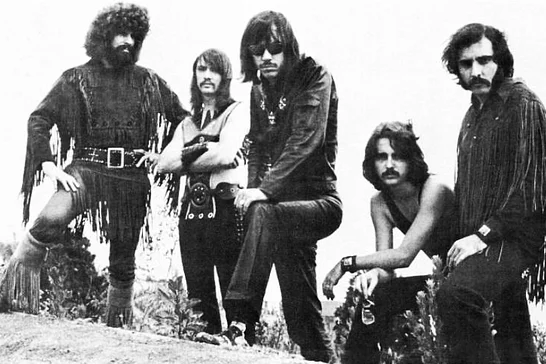
“Born to Be Wild” may have been released in 1968, but it practically invented the idea of hard rock anthems. From its opening riff, it set the tone for every biker, rebel, and free spirit who would embrace rock as a lifestyle. The song famously includes the phrase “heavy metal thunder,” often cited as the first use of the term that would later define an entire genre. Its gritty energy was perfect for the counterculture of the time. The track became forever linked with the film Easy Rider, cementing its place as an anthem of freedom and rebellion. You could almost feel the wind in your hair when it played.
Beyond its pop culture ties, the song was musically influential. Its raw guitar tones and aggressive delivery helped inspire the rise of hard rock and heavy metal. Steppenwolf may not have had the long-lasting fame of some peers, but with this one song, they carved out a permanent place in history. It gave voice to the restless spirit of the late ’60s. Even now, when you hear it, it still makes you want to hit the open road. It’s one of those songs that doesn’t just entertain—it makes you feel like part of something bigger.
13. “Light My Fire” – The Doors
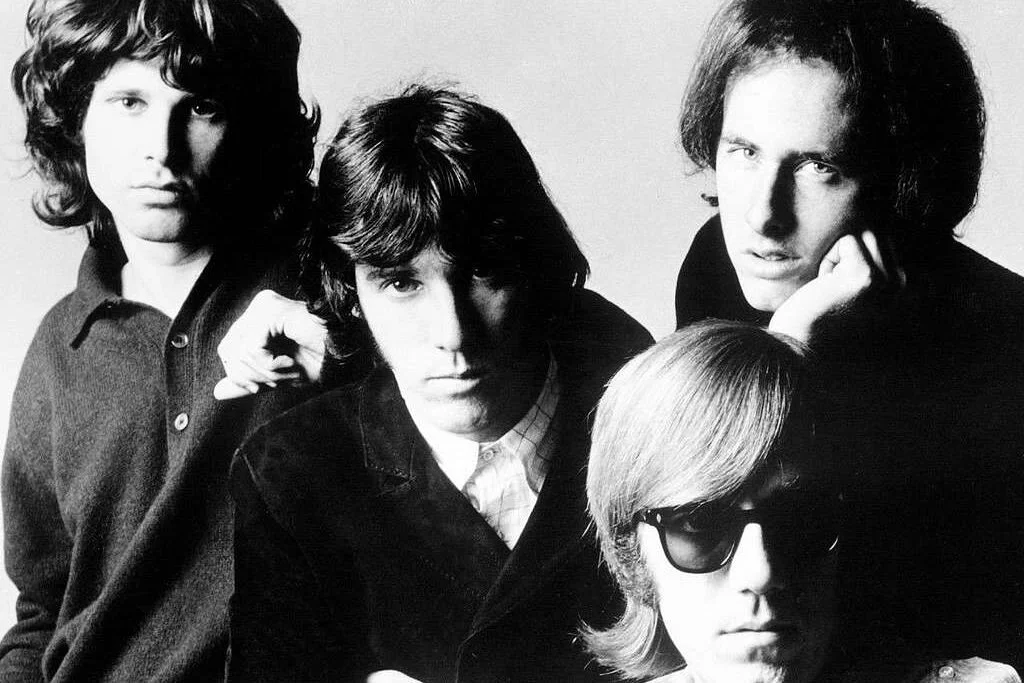
When The Doors released “Light My Fire” in 1967, it was unlike anything else on the radio. The song’s hypnotic organ riff, courtesy of Ray Manzarek, immediately drew listeners in. Jim Morrison’s vocals were seductive, mysterious, and powerful, adding a darker edge to the psychedelic sound. The album version stretched over seven minutes, complete with extended instrumental solos, which was daring for the time. Even the shorter single version kept that hypnotic energy. It wasn’t just about catchy hooks—it was about atmosphere and mood. The song introduced a sense of danger and mystique into rock that was intoxicating.
“Light My Fire” became The Doors’ breakthrough hit, reaching the top of the charts. It also opened the door for longer, more experimental songs to make their way into mainstream success. The combination of poetic lyrics, moody delivery, and daring arrangements influenced countless artists. Morrison’s presence as a frontman added to the song’s mystique, cementing The Doors as one of the most unique bands of the era. It showed that rock could be seductive and mysterious, not just loud and rebellious. The track remains one of the defining songs of the psychedelic ’60s. Even today, its opening notes are instantly recognizable and spellbinding.
14. “A Day in the Life” – The Beatles
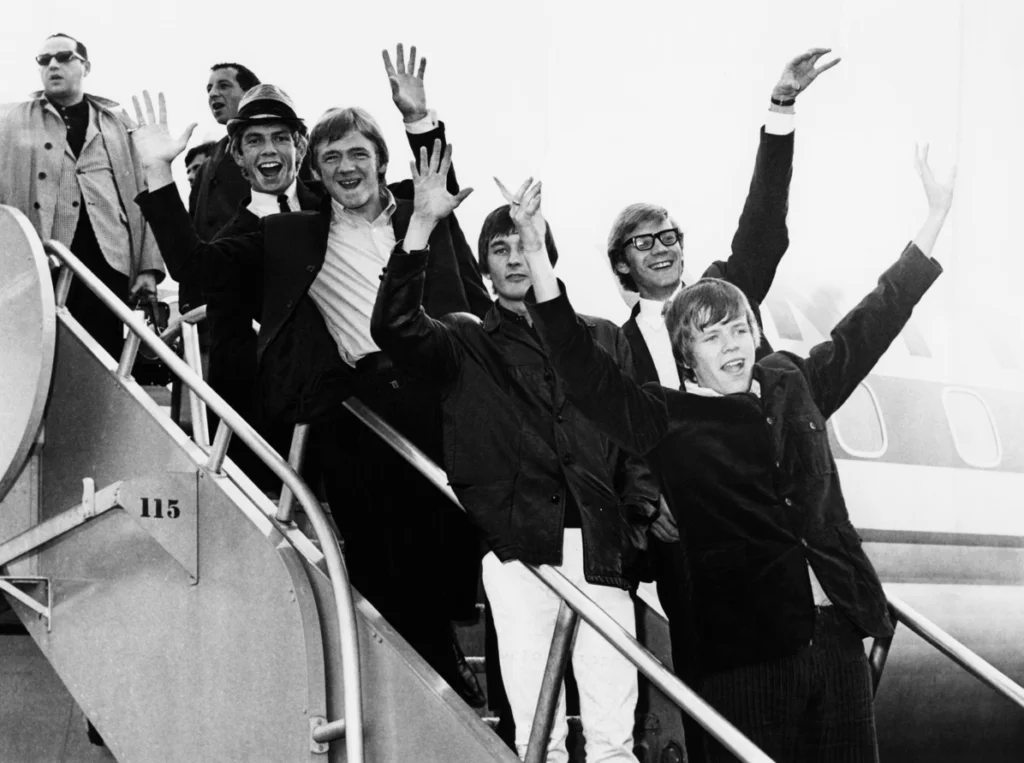
Few songs better capture the ambition of the ’60s than The Beatles’ “A Day in the Life.” Released in 1967 as the closing track of Sgt. Pepper’s Lonely Hearts Club Band, it was a masterpiece of contrasts. John Lennon’s dreamy, surreal verses blended seamlessly with Paul McCartney’s upbeat middle section. Then came the orchestral crescendos that built to chaos before resolving into that famous final piano chord. It was unlike anything rock had attempted before, mixing pop, classical, and avant-garde elements. Listeners were stunned by its ambition. It wasn’t just a song—it was an experience.
The track showcased just how far rock had come in less than a decade. From simple love songs to expansive, experimental compositions, the genre had grown up. Critics hailed it as one of the greatest achievements in popular music, and its influence is still felt today. Bands realized they could be bold, adventurous, and push the limits of what an album track could be. “A Day in the Life” proved that rock was not just entertainment but art. For many fans, it remains the ultimate Beatles song, embodying their creativity and daring. It was the perfect finale to one of the most influential albums ever made.