
1. “Dizzy” by Tommy Roe

When Tommy Roe released “Dizzy” in 1969, the song spun its way to the top of the Billboard Hot 100 and stayed there for four weeks. It was catchy, bubblegum pop at its peak, filled with swirling strings that matched the dizzying love lyrics. At the time, it felt like one of those songs you couldn’t escape, playing on every radio station and jukebox. Roe himself became known as one of the kings of the bubblegum sound.
Yet despite its massive success, “Dizzy” quickly faded from mainstream memory. Unlike some of his contemporaries, Roe didn’t manage to sustain the same kind of career longevity. The song still pops up occasionally in nostalgic playlists or oldies stations, but few younger listeners recognize it. It’s a reminder of how quickly pop culture can move on, even from a song that once felt inescapable.
2. “Sugar Shack” by Jimmy Gilmer and the Fireballs
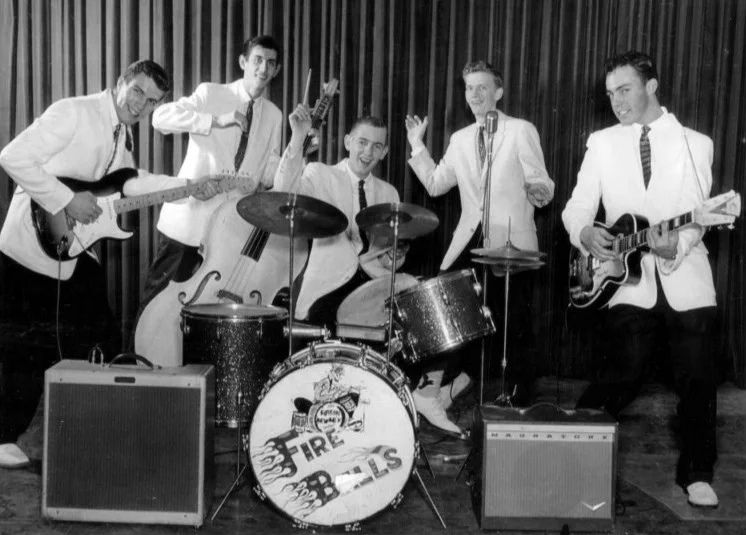
“Sugar Shack” was a massive hit in 1963, spending five weeks at number one. It was quirky, lighthearted, and painted a picture of a cozy little hangout where the cool kids might gather. The lyrics were innocent, and the organ riff gave it a distinctive sound that stood out at the time. People adored its simplicity and charm, and it became one of those songs you’d hum without realizing.
But in the decades since, “Sugar Shack” has almost vanished from collective memory. It doesn’t show up in movies or TV shows the way some other ’60s hits do. Younger audiences would likely have trouble placing it at all, even though it was once considered one of the defining songs of the year. The Fireballs themselves didn’t maintain long-lasting fame, which probably helped push this once-giant hit into obscurity.
3. “Winchester Cathedral” by The New Vaudeville Band
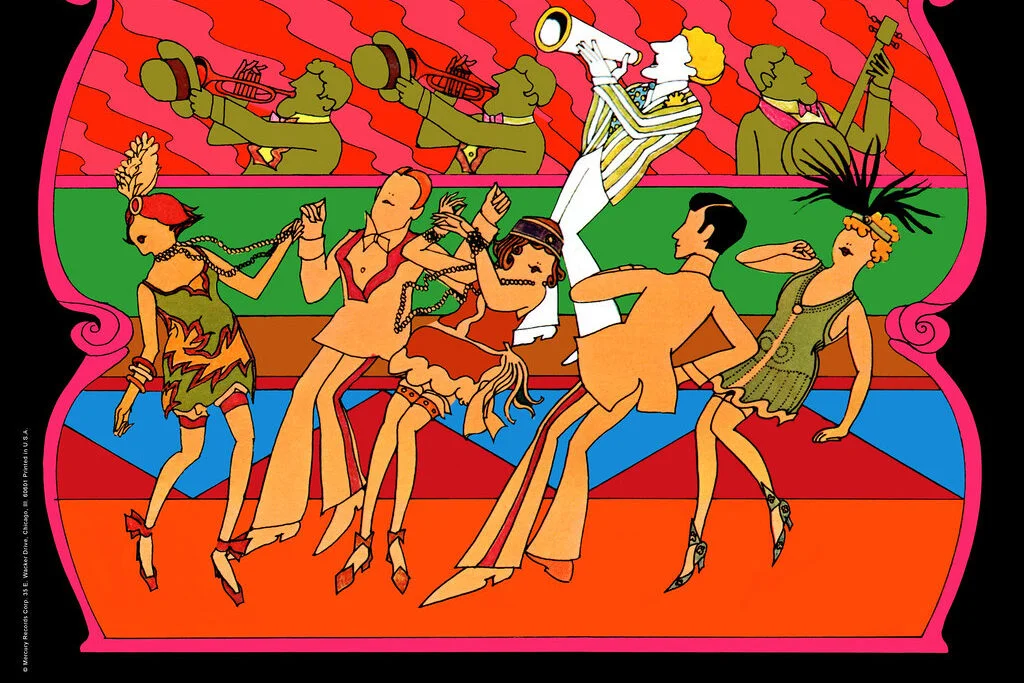
In 1966, “Winchester Cathedral” was everywhere. Its throwback, 1920s-style sound was unusual for the decade, which made it stand out. The New Vaudeville Band leaned into a novelty style, complete with megaphone-style vocals and a quirky melody. It was playful, unexpected, and people loved it enough to push it to number one on the charts.
Still, novelty records tend not to age well, and that was the fate of “Winchester Cathedral.” As the music scene shifted toward rock and soul, the song felt more like a relic than a timeless hit. Today, most people barely remember it, despite its brief moment of dominance. It’s a classic example of a song that defined a moment but couldn’t stretch much beyond it.
4. “The Rain, The Park, and Other Things” by The Cowsills
Before The Partridge Family, there were The Cowsills, a real-life family band that inspired the sitcom. Their breakout hit, “The Rain, The Park, and Other Things,” was sugary sweet and irresistible when it came out in 1967. It was all about young love, flowers in her hair, and the innocence of the era. The song soared to number two on the charts and established The Cowsills as pop darlings.
But as the ’60s gave way to the more serious ’70s, the song’s bubblegum innocence started to feel dated. The Cowsills never achieved the kind of staying power that other family bands, like The Jackson 5, managed. Today, the song feels like a forgotten gem, tucked away in the vault of ’60s pop. It’s charming, but it rarely gets airplay outside of niche nostalgic stations.
5. “Sunny Afternoon” by The Kinks
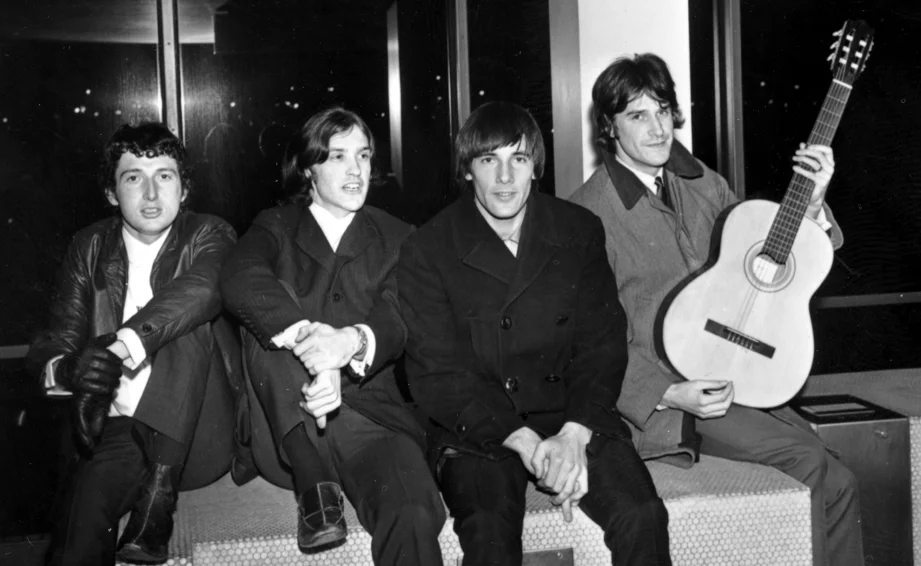
In 1966, The Kinks scored a huge hit with “Sunny Afternoon,” a song that perfectly captured the lazy, carefree vibe of the era. With Ray Davies’ clever lyrics about a rich man losing his money but still lounging in the sun, it stood out from the harder-edged rock coming from other British Invasion bands. The tune reached number one in the UK and climbed the U.S. charts, proving The Kinks could create something both witty and melodic. For a time, it felt like one of those quintessential summer anthems.
But over the years, “Sunny Afternoon” has been overshadowed by The Kinks’ other hits like “You Really Got Me” and “Lola.” While those songs stayed in the spotlight, this breezy track slipped into the background. It rarely shows up on modern playlists, even though it once defined a moment in pop culture. It’s one of those songs that makes you stop and smile when you stumble across it, only to wonder why it isn’t played more often.
6. “Dominique” by The Singing Nun
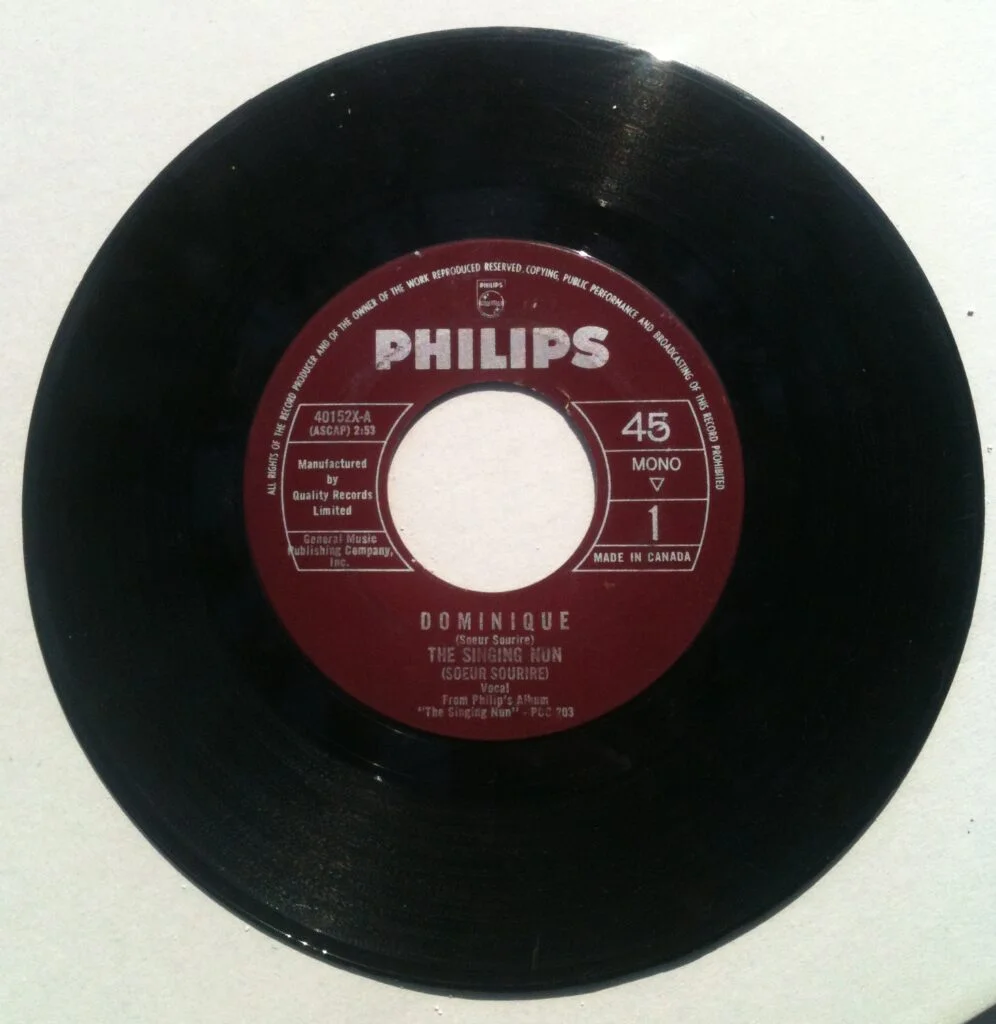
Few songs in pop history are stranger than “Dominique,” the French-language hit sung by Belgian nun Sister Luc-Gabrielle, better known as The Singing Nun. Released in 1963, the song about Saint Dominic became a surprise international success, topping the Billboard charts. Its simplicity and charm made it feel fresh at the time, and people were fascinated by the idea of a nun making a hit record.
Despite its initial fame, “Dominique” didn’t have staying power. Its religious subject matter and unusual style didn’t translate into long-term pop success. The Singing Nun herself retreated from the spotlight, and the song became more of a novelty memory than a pop staple. Today, it’s barely remembered outside of trivia circles, but at the time, it was one of the most unexpected hits of the ’60s.
7. “Harper Valley P.T.A.” by Jeannie C. Riley
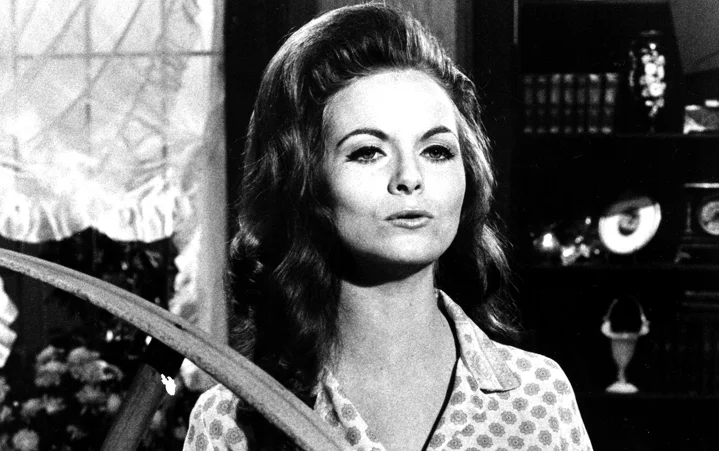
When “Harper Valley P.T.A.” came out in 1968, it was a cultural phenomenon. Jeannie C. Riley’s sassy storytelling about a small-town mother calling out hypocrisy resonated with listeners everywhere. It shot straight to number one on both the pop and country charts, a rare feat that cemented its place in music history at the time. The song even inspired a film and a TV show.
But despite its big impact in the late ’60s, the song faded from pop culture in the decades that followed. While it’s still remembered in country circles, it doesn’t have the same cross-genre staying power today. Younger generations might not even realize it was once a nationwide hit. It’s a great reminder of how a song can capture the mood of its moment, only to slip away later.
8. “Eve of Destruction” by Barry McGuire
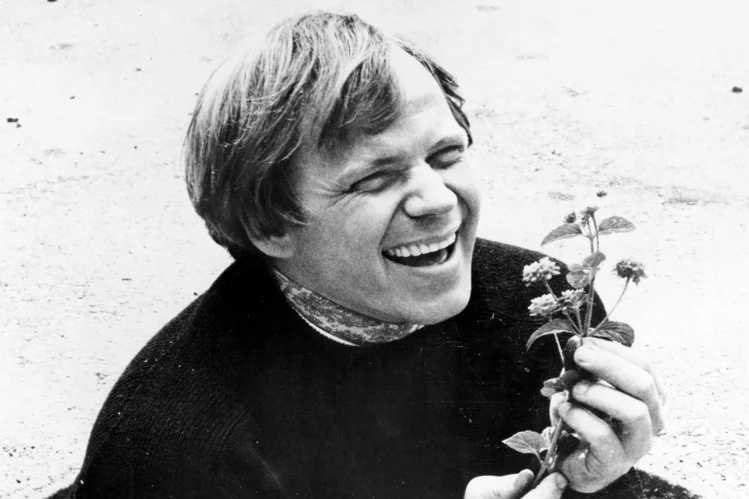
In 1965, “Eve of Destruction” was controversial, powerful, and unforgettable. Barry McGuire’s gravelly voice delivered a protest anthem that reflected the tensions of the time. It was banned by some radio stations for being too negative, yet it still soared to number one on the charts. The song spoke directly to the anxieties of the ’60s, especially among the younger generation.
But protest songs often stay tied to their era, and “Eve of Destruction” is a prime example. Once the cultural moment passed, the song largely disappeared from regular rotation. Unlike Bob Dylan’s protest anthems, it didn’t maintain a lasting presence in the wider cultural conversation. Today, it feels more like a historical artifact than a familiar tune.
9. “Incense and Peppermints” by Strawberry Alarm Clock
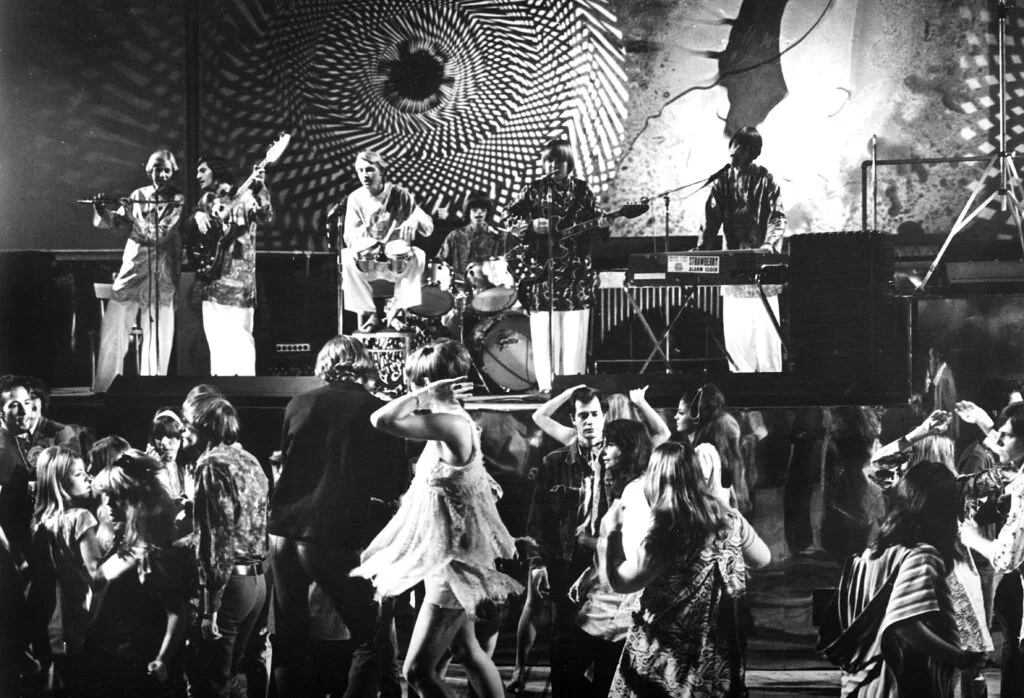
Psychedelic pop had its moment in the late ’60s, and “Incense and Peppermints” was at the center of it. The song hit number one in 1967 with its trippy lyrics and swirling instrumentation. It became a favorite of the counterculture crowd and was a staple at parties and college campuses. For a moment, Strawberry Alarm Clock seemed like they might be the next big thing.
Yet they never managed to follow it up with another hit of the same scale. As psychedelic music gave way to harder rock in the ’70s, “Incense and Peppermints” started to feel more like a novelty than a timeless track. Today, it’s mostly remembered by die-hard fans of the era. For everyone else, it’s a faint echo of the psychedelic boom.
10. “This Diamond Ring” by Gary Lewis & the Playboys
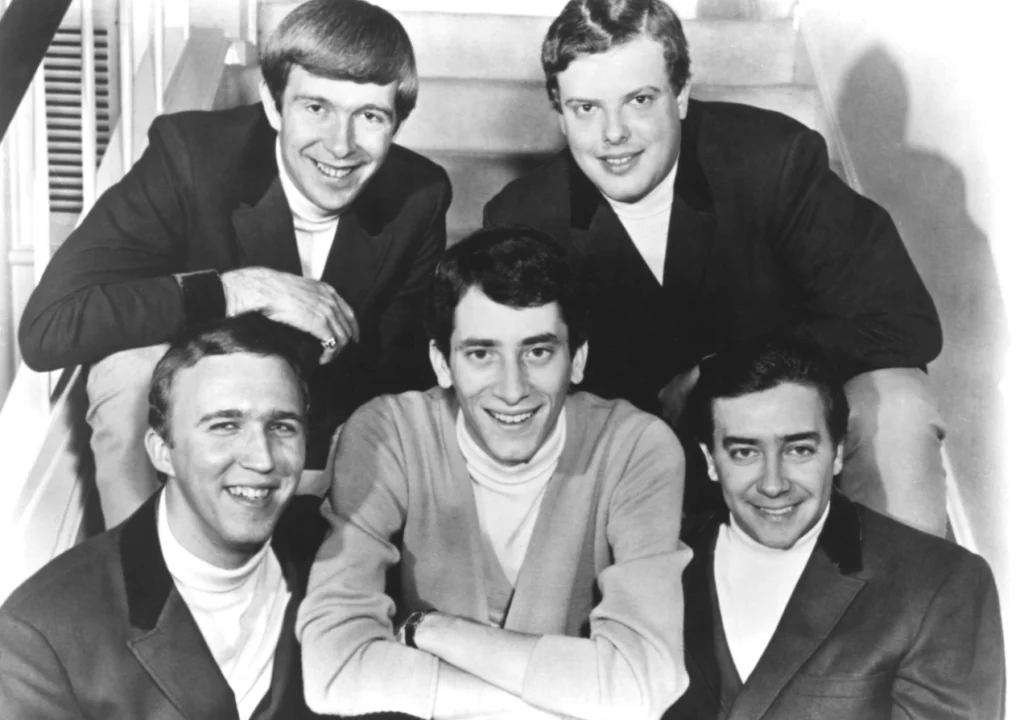
In 1965, “This Diamond Ring” was a breakout hit for Gary Lewis & the Playboys. It was catchy, relatable, and polished, which made it perfect for radio. The song hit number one and gave the band instant credibility, thanks in part to Lewis being the son of comedian Jerry Lewis. For a brief time, they seemed poised for a long-lasting career.
But the band struggled to maintain momentum, and the British Invasion acts overshadowed them. “This Diamond Ring” slipped from memory as listeners gravitated toward more innovative sounds. Gary Lewis & the Playboys never reached the same heights again, and the song became a forgotten relic of mid-’60s pop. Despite its charm, it doesn’t get the same nostalgic replay as other hits of the era.
11. “Na Na Hey Hey Kiss Him Goodbye” by Steam
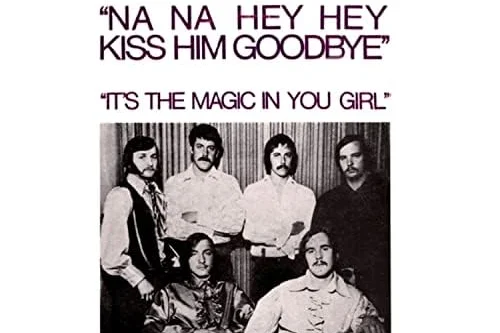
This song has had a strange afterlife. Released in 1969, it was a surprise number one hit for the studio group Steam. The catchy chorus, with its “na na na” chant, made it a favorite for singalongs. Even if people didn’t know the verses, everyone could belt out the hook.
Over time, though, the song became less of a radio staple and more of a stadium chant. It’s still familiar to sports fans, but few know the full track or the band behind it. As a pop hit, it’s largely been forgotten. Its life now exists more in arenas than on the airwaves.
12. “Little Woman” by Bobby Sherman
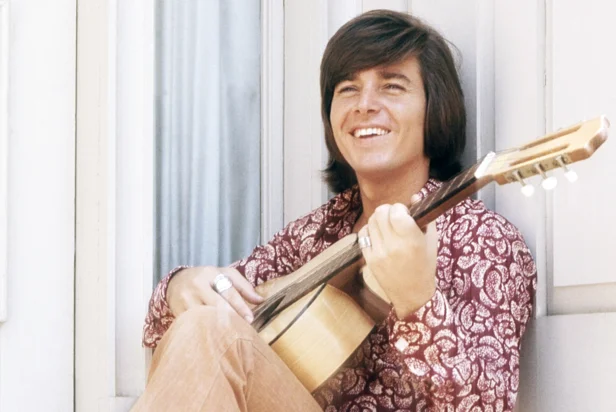
In 1969, Bobby Sherman became a teen idol almost overnight with the release of “Little Woman.” The song was catchy, upbeat, and perfectly tailored to the bubblegum pop sound that dominated the late ’60s. It climbed to number three on the Billboard Hot 100 and made Sherman a heartthrob, with fans lining up to see him on TV shows and in magazines. For a moment, he was everywhere, embodying the wholesome pop star image that parents approved of and teens adored.
But as the ’70s rolled in, Sherman’s fame faded quickly. He moved away from music and eventually built a second career as a paramedic, leaving his songs behind in the process. “Little Woman” rarely gets remembered today, despite its huge popularity at the time. It’s one of those tracks that perfectly reflects the era but doesn’t often resurface outside of nostalgic teen idol retrospectives.
13. “A World Without Love” by Peter and Gordon
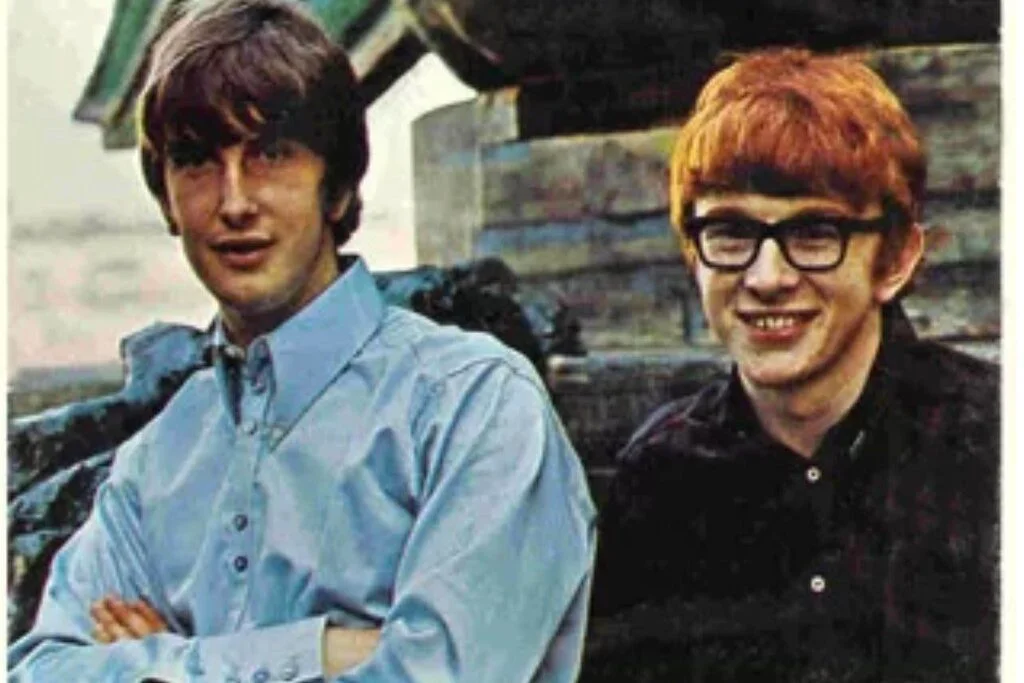
Written by Paul McCartney but given to his friends Peter and Gordon, “A World Without Love” shot to number one in 1964. The tender ballad, with its haunting line “I don’t care what they say, I won’t stay in a world without love,” felt both romantic and melancholic. It became a massive international hit and helped launch the duo into the pop spotlight. For a while, Peter and Gordon seemed poised to ride alongside the other British Invasion acts.
However, their fame didn’t last nearly as long as The Beatles or The Rolling Stones. After a few follow-up hits, the duo faded from the charts and from popular memory. Today, “A World Without Love” is mostly remembered by die-hard Beatles fans who know the backstory. For everyone else, it’s an example of how even a chart-topping song with a Lennon-McCartney connection can slip into obscurity.
14. “Bread and Butter” by The Newbeats
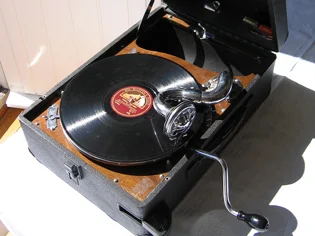
“Bread and Butter” was a quirky novelty-style hit that took over the airwaves in 1964. With its catchy, repetitive chorus and falsetto vocals, it was impossible to ignore. The song climbed all the way to number two on the Billboard charts and became a defining moment for The Newbeats. At the time, it was playful enough to appeal to kids but also infectious enough to hook adults.
Still, the very qualities that made it fun also made it feel disposable. Once the novelty wore off, it was quickly overshadowed by more substantial hits of the ’60s. Today, the phrase “bread and butter” is more likely to remind people of sandwiches than of The Newbeats’ short-lived fame. It’s a perfect example of a hit that captured a moment but didn’t stick around for the long haul.
15. “She’s Not There” by The Zombies
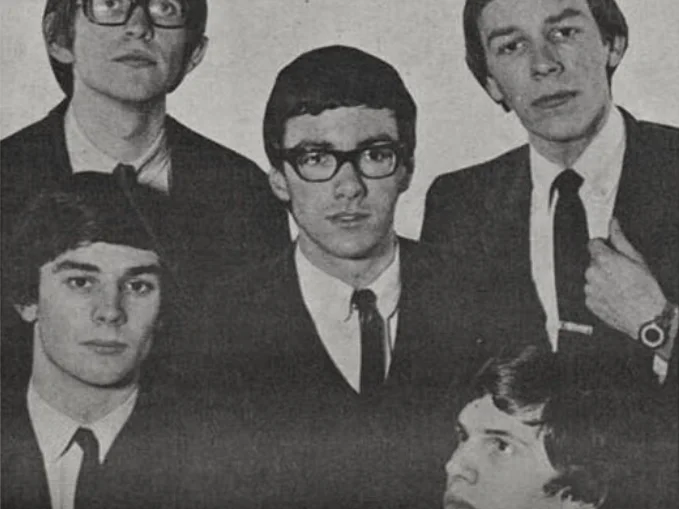
When “She’s Not There” debuted in 1964, it was an instant sensation. The moody, jazzy tune with Colin Blunstone’s soft vocals and Rod Argent’s keyboard work stood out among the more straightforward pop of the time. It reached number two on the U.S. charts and introduced The Zombies as a band with a sound all their own. Critics praised its sophistication, and it felt like the group was destined for greatness.
But The Zombies struggled to sustain that early momentum. While their later album Odessey and Oracle would eventually be recognized as a masterpiece, it wasn’t a commercial success at the time. “She’s Not There” became a forgotten gem, overshadowed by the explosion of British rock acts that followed. Today, it gets occasional recognition but nowhere near the level of attention it once commanded.
16. “Good Timin’” by Jimmy Jones

Jimmy Jones had a knack for crafting light, breezy pop tunes, and “Good Timin’” was his biggest. Released in 1960, it reached number one in the UK and number three in the U.S. The song was optimistic, playful, and perfectly in step with the clean-cut pop of the early decade. For a while, Jones was riding high on the success of both “Handy Man” and “Good Timin’.”
Unfortunately, his career fizzled as quickly as it took off. By the mid-’60s, the pop landscape had changed, and Jones’ style felt outdated. “Good Timin’” slipped into obscurity, remembered only by those who followed the charts closely at the time. It’s a track that captures the innocence of pre-Beatles pop but rarely gets dusted off anymore.
17. “Young Girl” by Gary Puckett & The Union Gap
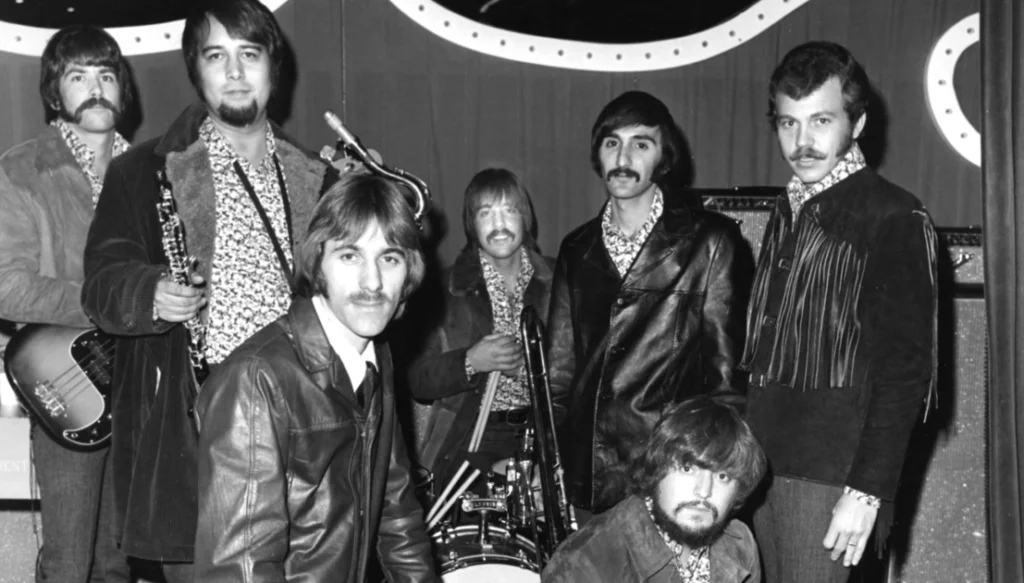
“Young Girl” was a massive hit in 1968, climbing to number two on the U.S. charts and hitting number one in the UK. Gary Puckett’s booming voice gave the dramatic lyrics about forbidden attraction a sense of urgency. At the time, it was played constantly on the radio, and The Union Gap were seen as one of the hottest acts of the moment. The orchestral pop arrangement made it feel both powerful and memorable.
Yet the subject matter hasn’t aged well, and that’s one reason it isn’t celebrated today. As pop music evolved, The Union Gap’s style quickly went out of fashion, and “Young Girl” disappeared from regular rotation. It’s one of those songs that defined its year but doesn’t get revived in modern playlists. For many, it remains a half-remembered tune tucked deep in the archives of ’60s pop.
18. “Apples, Peaches, Pumpkin Pie” by Jay & The Techniques

In 1967, Jay & The Techniques delivered one of the catchiest bubblegum soul hits of the decade with “Apples, Peaches, Pumpkin Pie.” The playful title alone made it stand out, and the upbeat melody carried it into the Top 10. The song had an irresistible singalong quality that made it a radio favorite. For a short time, Jay & The Techniques looked like they might carve out a bigger spot in pop history.
But lightning didn’t strike twice, and their follow-ups never achieved the same level of success. “Apples, Peaches, Pumpkin Pie” slowly faded into obscurity, remembered only by those who lived through its radio dominance. Today, it feels more like a novelty memory than a timeless pop hit. Still, hearing it can instantly transport you back to a very specific slice of the ’60s.