
1. A Clockwork Orange (1971)
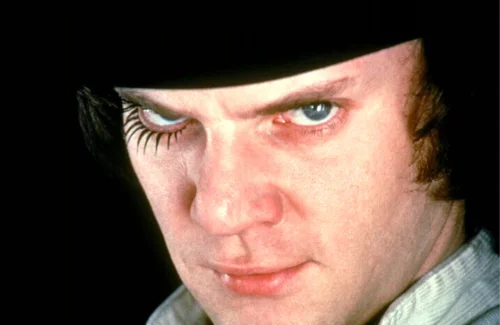
Stanley Kubrick’s A Clockwork Orange was a film that rattled audiences to their core. With its shocking mix of violence, dystopian satire, and Anthony Burgess’s strange futuristic slang, it felt like something people had never seen before. Malcolm McDowell’s performance as Alex DeLarge was chilling, charismatic, and horrifying all at once, making viewers question their own responses to his character. The movie was banned in some places, debated endlessly, and even accused of inspiring real-life crimes.
Over time, though, A Clockwork Orange has been recognized not just for its disturbing qualities but for its sharp commentary on free will, government control, and morality. It remains visually unforgettable with Kubrick’s bold direction and haunting score. The questions it raises about human behavior and the nature of choice still spark conversations today. It’s one of those films that hasn’t lost its ability to provoke, even decades later.
2. The Exorcist (1973)
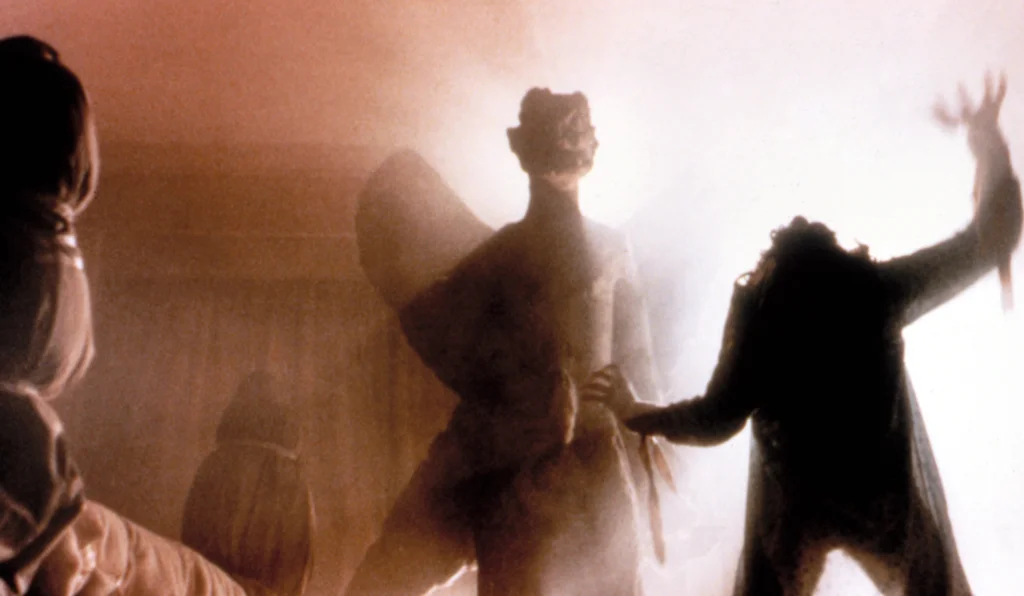
When The Exorcist hit theaters in 1973, stories quickly spread about people fainting, vomiting, or running out in terror. Audiences had never seen anything like Linda Blair’s head-spinning, profanity-laden possession scenes, and the special effects were so intense that it all felt frighteningly real. Religious groups protested, while others swore the film itself was cursed. It was less a movie and more of a cultural phenomenon.
Today, The Exorcist still holds up as a horror masterpiece. Its slow-burn pacing builds dread until it crescendos in unforgettable ways, and the performances by Ellen Burstyn, Max von Sydow, and Blair remain powerful. The film’s raw portrayal of faith, evil, and desperation is timeless, and even seasoned horror fans admit it can still give them chills.
3. Taxi Driver (1976)
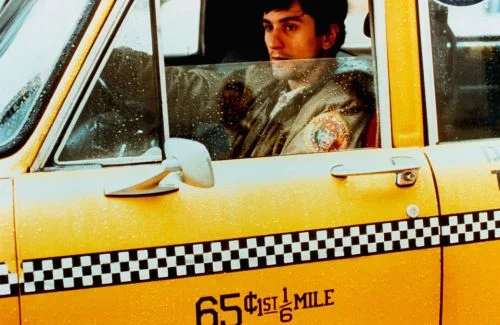
Martin Scorsese’s Taxi Driver was a different kind of shock, one that crept under the skin with its unsettling depiction of New York’s gritty underbelly. Robert De Niro’s Travis Bickle became the symbol of alienation and simmering rage, and the film’s infamous “You talkin’ to me?” scene still echoes through pop culture. Its violence, particularly the bloody climax, was brutal enough to unsettle censors and audiences alike. The movie made people uncomfortable in ways they didn’t expect, especially with its commentary on loneliness and mental instability.
Even today, Taxi Driver feels raw and unflinching. The atmosphere Scorsese captured is timeless, and De Niro’s performance remains one of his best. The film’s exploration of morality, justice, and obsession continues to resonate, and it’s often cited as one of the greatest character studies in cinema. Watching it now, you realize just how much it influenced modern filmmaking.
4. Jaws (1975)
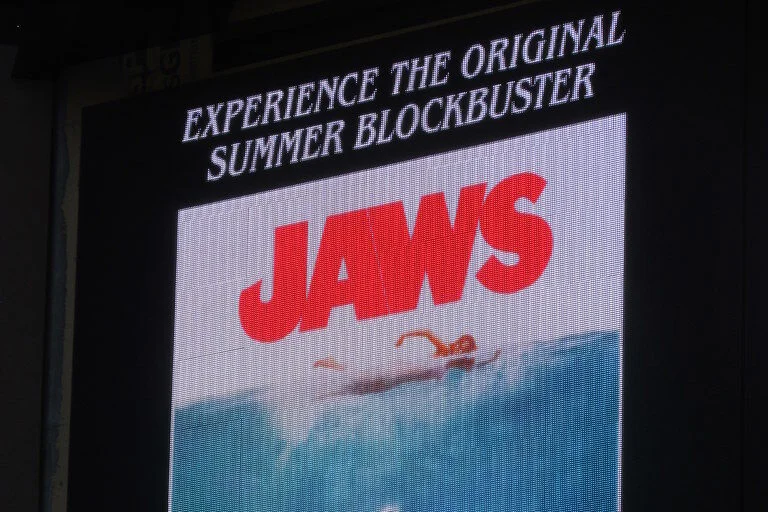
When Steven Spielberg released Jaws, it practically invented the summer blockbuster. The combination of suspense, music, and that terrifying shark made people too scared to step into the ocean for years. While the shark itself wasn’t seen much on screen, that decision actually heightened the fear, leaving audiences to imagine the monster lurking beneath. The film became not just entertainment but a cultural event.
Decades later, Jaws is still gripping. Its mix of adventure, horror, and human drama makes it endlessly rewatchable. The characters, from Roy Scheider’s Chief Brody to Robert Shaw’s Quint, are unforgettable, and John Williams’ score remains one of the most recognizable in movie history. What shocked audiences back then still thrills today, proving Spielberg knew exactly how to tap into primal fears.
5. Apocalypse Now (1979)
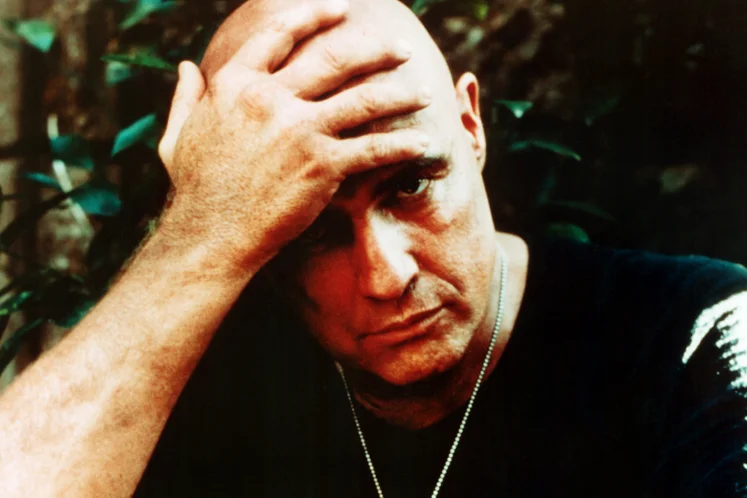
Francis Ford Coppola’s Apocalypse Now was less a movie and more an experience. Loosely based on Joseph Conrad’s Heart of Darkness, it shocked audiences with its surreal and brutal depiction of the Vietnam War. Scenes of chaos, destruction, and moral collapse felt almost too real, partly because the film’s production was notoriously difficult and authentic. Marlon Brando’s unsettling turn as Colonel Kurtz only added to the haunting nature of the story.
Today, Apocalypse Now remains one of the most influential war films ever made. Its bold visuals, layered sound design, and philosophical questions about war and humanity still resonate. The journey through madness, both on-screen and behind the scenes, makes it a fascinating watch. It continues to remind viewers of the horrors of conflict while showcasing Coppola’s daring artistry.
6. The Texas Chain Saw Massacre (1974)
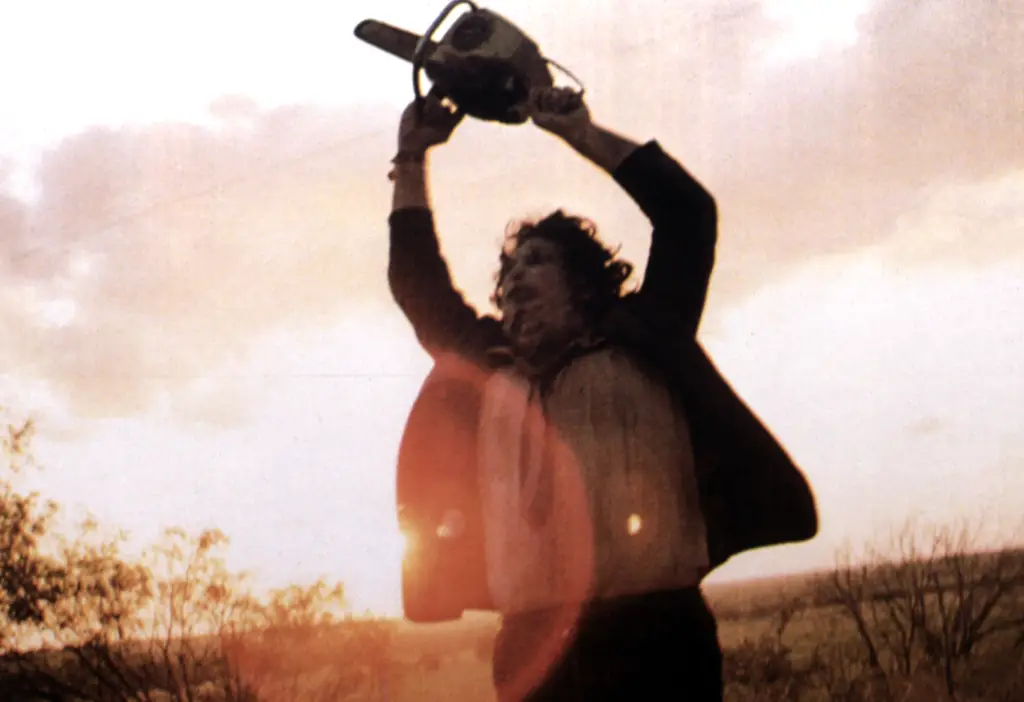
When The Texas Chain Saw Massacre was released, many people thought it was too disturbing to be real. Its gritty, almost documentary-like style gave the impression that audiences were watching actual horrors unfold. The introduction of Leatherface, with his grotesque mask and chainsaw, left moviegoers shaken in ways that haunted their nightmares. Despite having very little blood on screen, it felt more gruesome than most horror films of its time.
The film still packs a punch today. Its low-budget aesthetic adds to its authenticity, and the sheer sense of dread never lets up. Modern horror has borrowed countless elements from it, but few manage to capture its raw power. It’s a reminder that sometimes less is more, and what you don’t see can be scarier than what you do.
7. One Flew Over the Cuckoo’s Nest (1975)
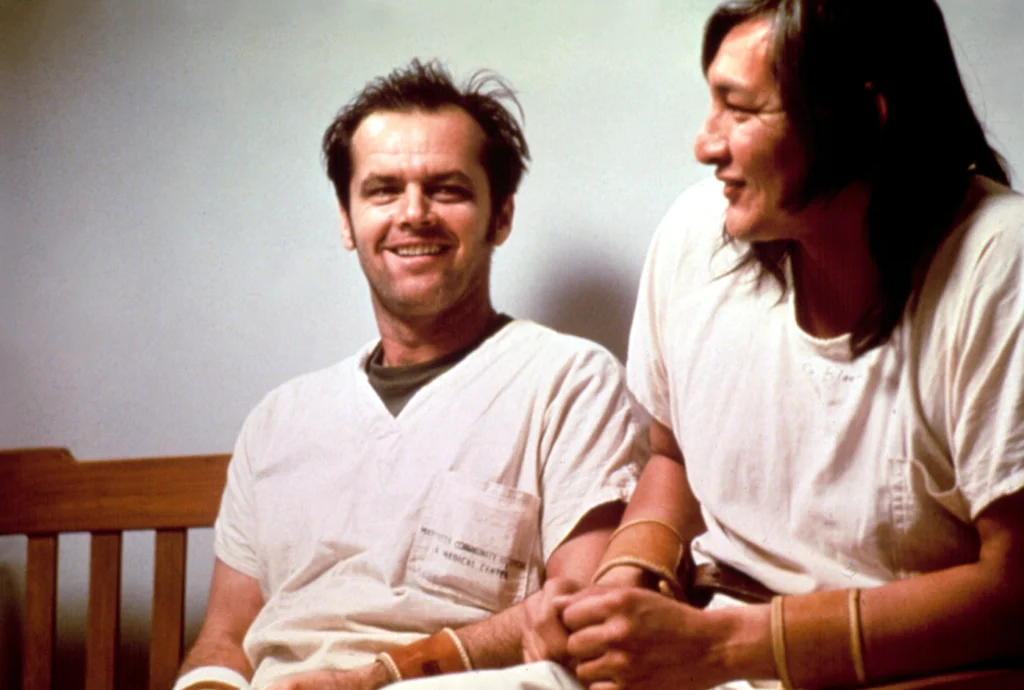
Jack Nicholson’s role in One Flew Over the Cuckoo’s Nest helped turn the movie into a shocking and unforgettable piece of cinema. It tackled mental health in ways audiences weren’t used to seeing, showing the inhumanity of institutions and the power struggles within. Louise Fletcher’s Nurse Ratched became one of the most chilling villains in movie history, and the ending was devastating in a way people weren’t prepared for.
The film still resonates today as both a character study and a social critique. Its humor, heartbreak, and powerful performances make it timeless. Nicholson’s portrayal of Randle McMurphy remains a career highlight, while Fletcher’s icy control is unforgettable. Watching it now, you realize how daring the film was in confronting taboo subjects, and how well it continues to hold up.
8. The Rocky Horror Picture Show (1975)
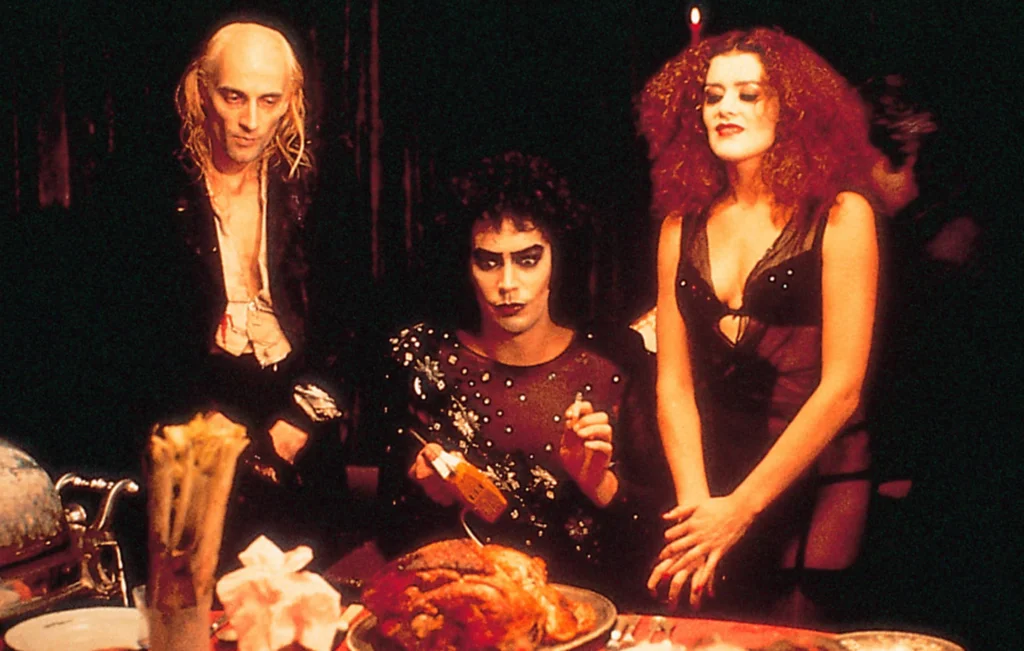
When The Rocky Horror Picture Show premiered, it shocked audiences with its campy mix of horror, sci-fi, and musical extravagance. Tim Curry’s flamboyant performance as Dr. Frank-N-Furter broke boundaries, challenging ideas of gender and sexuality in ways mainstream cinema hadn’t seen before. At the time, many critics didn’t know what to make of it, and audiences either loved it or walked out bewildered.
Over the years, The Rocky Horror Picture Show became a cult phenomenon, complete with midnight screenings, costumes, and audience participation. It’s not just a movie anymore, it’s an experience. Its themes of freedom, individuality, and self-expression still resonate, and it remains a celebration of being unapologetically yourself. What once shocked people is now embraced with joy.
9. Deliverance (1972)
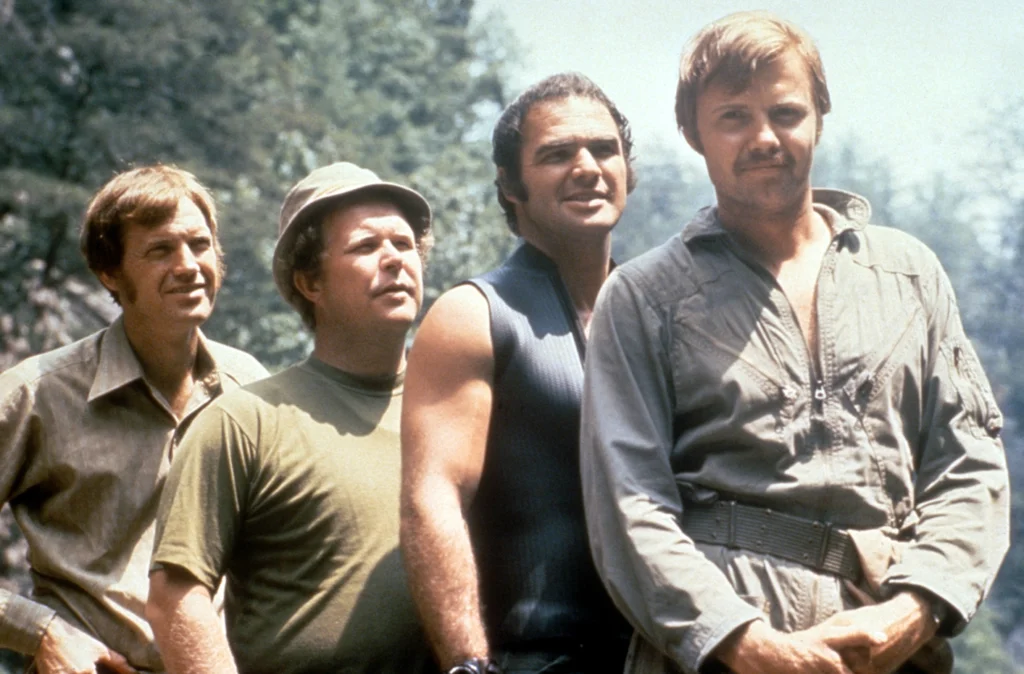
Deliverance stunned audiences with its raw and brutal depiction of survival in the wilderness. The infamous “Dueling Banjos” scene lulled viewers into a sense of charm, but the shocking violence and disturbing moments that followed left many shaken. Burt Reynolds, Jon Voight, and Ned Beatty gave strong performances that made the story feel terrifyingly real.
Even today, Deliverance is a gripping watch. Its commentary on man versus nature and the fragility of civilization continues to resonate. The film’s ability to capture both the beauty and danger of the natural world makes it unforgettable. It’s a movie that leaves viewers uneasy long after the credits roll.
10. Network (1976)
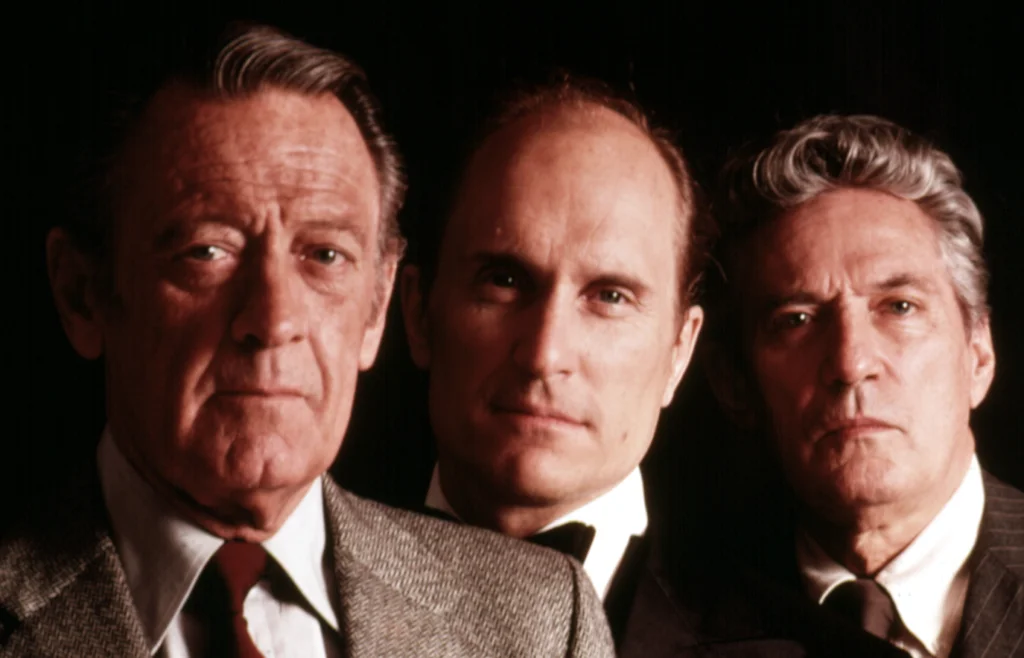
Sidney Lumet’s Network shocked audiences not with gore but with its brutal honesty. Its satirical take on television and the pursuit of ratings felt outrageous at the time, but it now seems eerily prophetic. Peter Finch’s performance as Howard Beale, delivering the iconic line “I’m as mad as hell, and I’m not going to take this anymore!” still gives people chills.
The film feels just as relevant today, maybe even more so. Its sharp critique of media manipulation, corporate greed, and public apathy continues to ring true. Network doesn’t just hold up, it feels like it predicted the future. That’s why audiences still find it shocking in its accuracy.
11. Chinatown (1974)
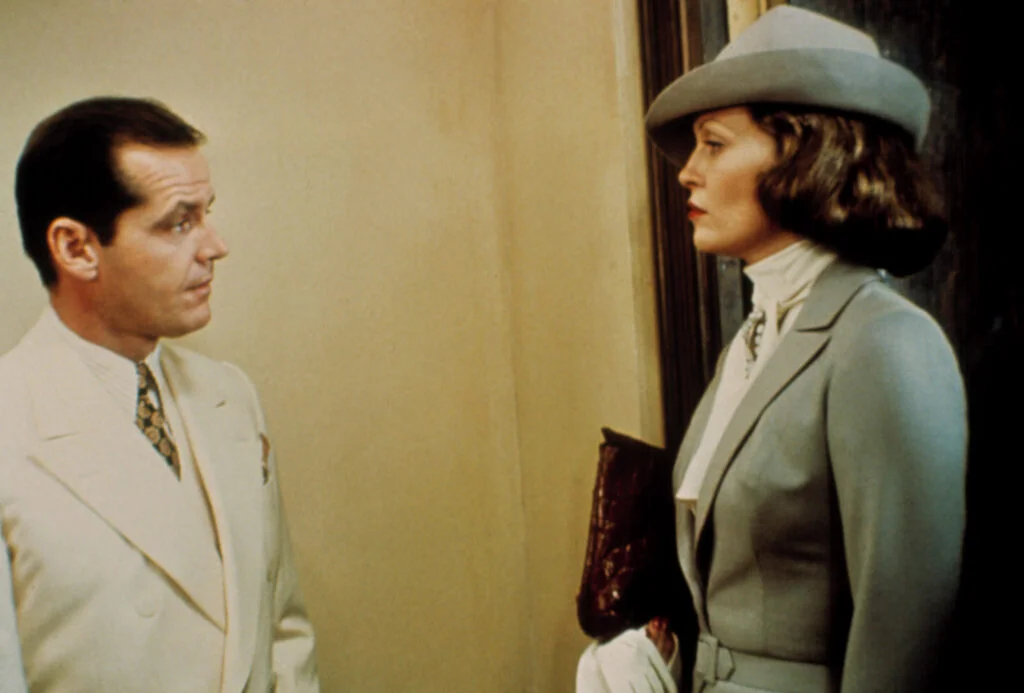
Roman Polanski’s Chinatown delivered a gut punch of an ending that audiences weren’t expecting. Jack Nicholson and Faye Dunaway pulled viewers into a noir mystery that kept unraveling into darker and darker territory. By the time the shocking truth was revealed, people were stunned by how bleak and tragic the story became.
The movie remains a classic of the detective genre. Its stylish direction, clever writing, and powerhouse performances make it as compelling today as it was in the ’70s. The final line, “Forget it, Jake, it’s Chinatown,” still lingers as one of the most haunting closings in film. It’s a reminder that some endings don’t tie up neatly, and that’s what makes them unforgettable.
12. Halloween (1978)
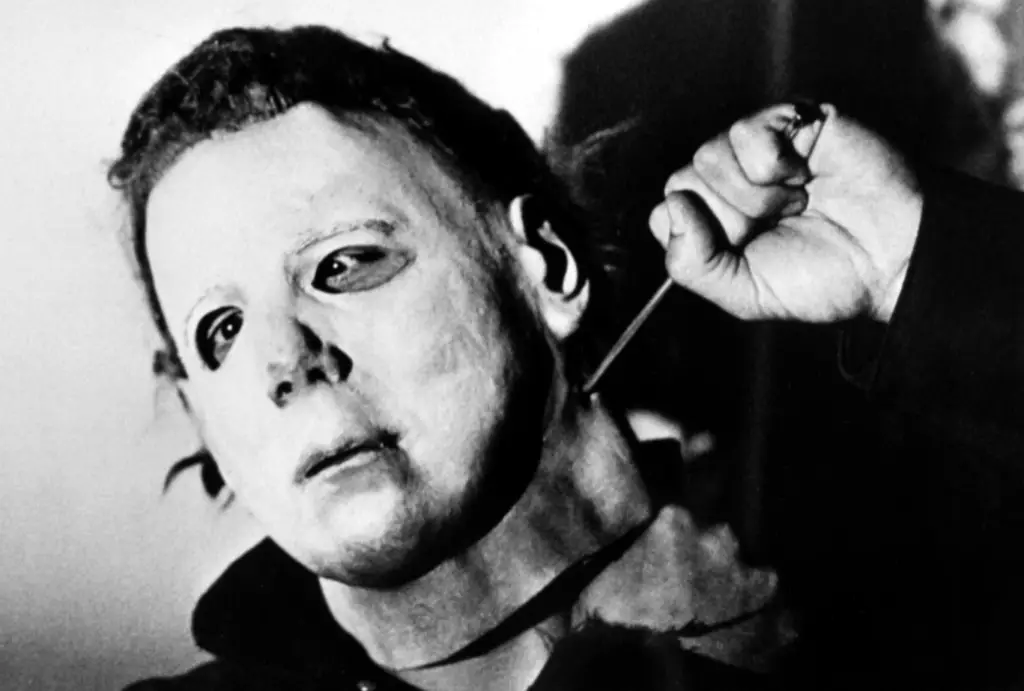
John Carpenter’s Halloween wasn’t the first slasher film, but it was the one that shocked audiences into obsession. The simple story of Michael Myers stalking babysitters in suburbia felt terrifyingly possible, and the suspenseful score only heightened the fear. Audiences jumped out of their seats, and the film kicked off a whole wave of slasher movies that tried to match its success.
Watching it today, Halloween is still a masterclass in suspense. Its slow pacing, eerie atmosphere, and terrifyingly simple premise make it endlessly rewatchable. Carpenter showed that you didn’t need elaborate effects to scare people, just timing and atmosphere. Michael Myers remains one of the most iconic villains in horror history.
13. The Deer Hunter (1978)
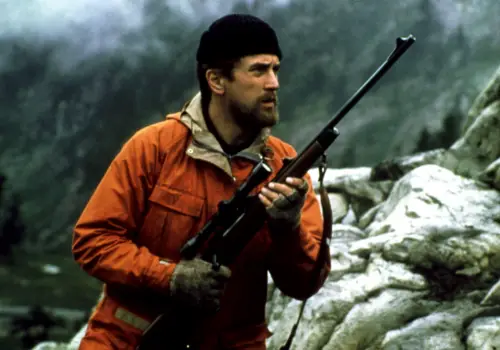
Michael Cimino’s The Deer Hunter shocked audiences with its harrowing depiction of the Vietnam War and its aftermath. The infamous Russian roulette scenes were so intense that viewers often struggled to watch, and the performances by Robert De Niro, Christopher Walken, and Meryl Streep left lasting impressions. It was a film that forced people to confront trauma in a raw and unsettling way.
The movie still resonates today with its mix of intimate character drama and unflinching wartime horror. Its length and structure give it an epic scope, while its emotional weight keeps it grounded. Walken’s performance in particular remains devastating, and the film as a whole stands as one of the most powerful depictions of war’s human cost. It’s a difficult but essential watch.