
1. The Courtship of Eddie’s Father
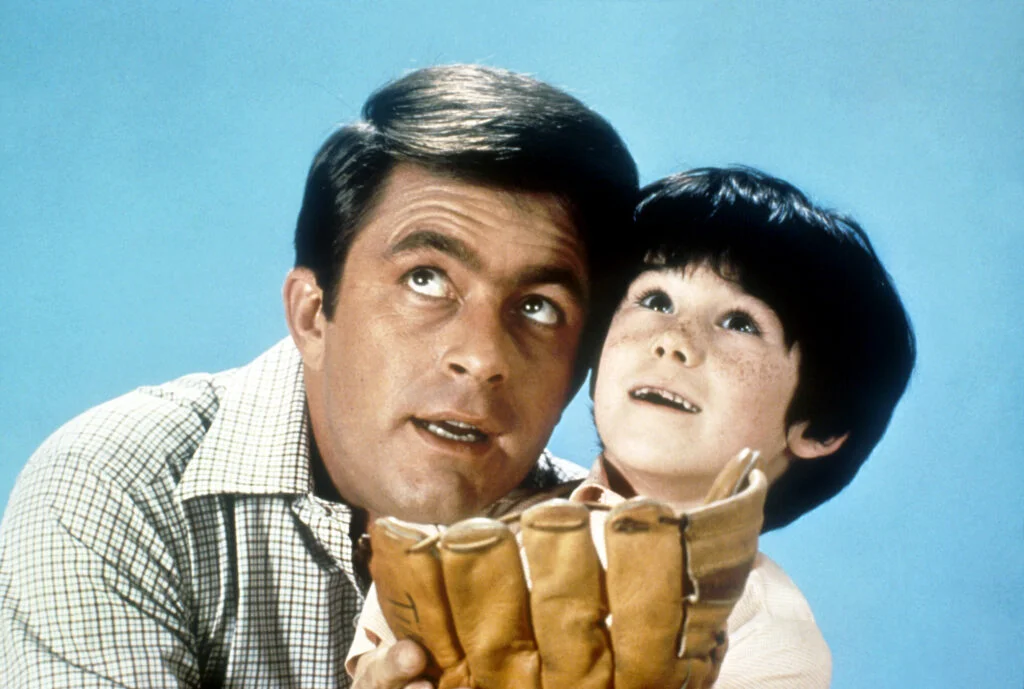
Bill Bixby starred as a widowed dad raising his young son, played by Brandon Cruz, in this heartfelt series. The show had a unique touch, often breaking away from traditional sitcom humor to showcase tender father-son moments. Viewers loved how Eddie would ask his dad big questions about life, only for the answers to come from both humor and heartfelt honesty. It felt different from other family shows of the era because it wasn’t afraid to slow down and get emotional. The chemistry between Bixby and Cruz was so believable that many fans thought they really were father and son. That warmth was part of what made the show stand out during its run.
Even with its popularity, it rarely gets brought up today compared to other ’70s family sitcoms. Maybe that’s because it didn’t rely on over-the-top plots or gimmicks, but rather quiet, relatable storytelling. For many fans who do remember it, the theme song, “Best Friend,” still triggers instant nostalgia. It’s one of those series that slipped into the background but made a big impression on viewers who grew up with it.
2. The Rookies
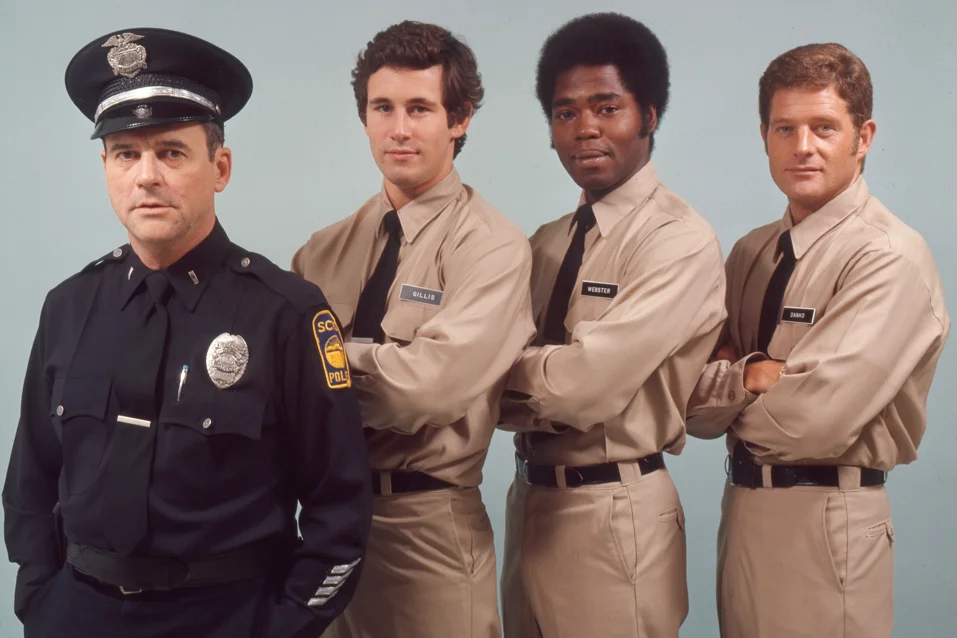
Before Hill Street Blues and NYPD Blue came along, there was The Rookies. This police drama followed a group of young officers navigating the dangers of the job while also trying to balance personal lives. It stood out at the time because it didn’t just focus on crime, it highlighted the challenges of being new to the force. Audiences loved seeing fresh-faced cops learning the ropes and sometimes making mistakes.
It ran for several seasons and even launched the career of actors like Kate Jackson, who later became famous on Charlie’s Angels. While it was popular during its airing, it’s rarely mentioned in the long list of iconic cop shows. Still, it deserves credit for blending action and character development at a time when most police dramas were straightforward. Fans who revisit it often say it holds up surprisingly well.
3. Family
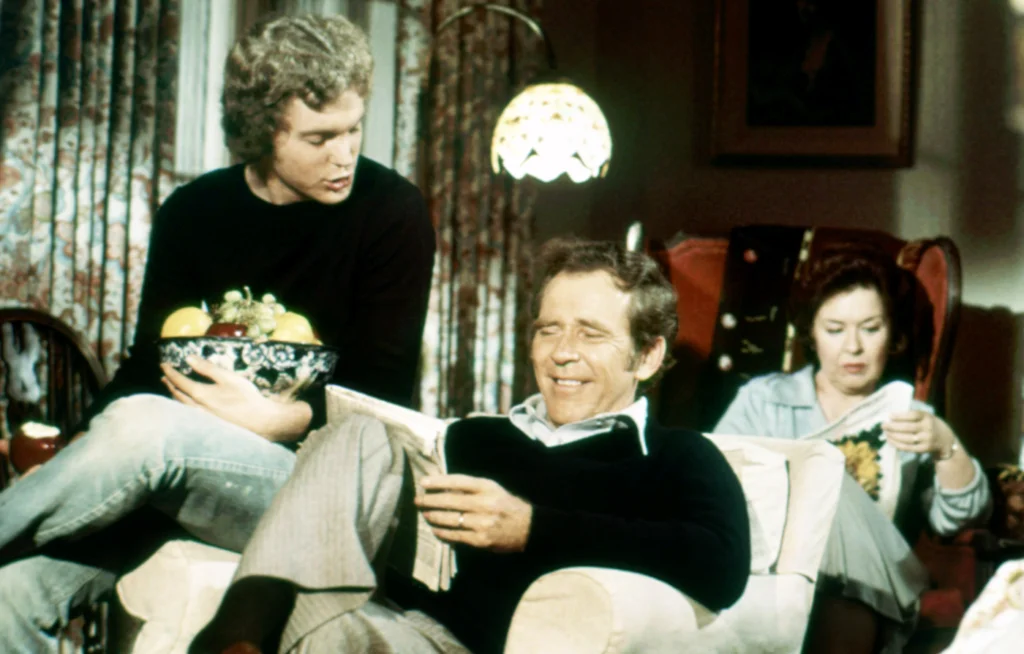
This drama broke away from the sitcom mold by portraying a realistic suburban family, the Lawrences. It dealt with weightier issues like divorce, alcoholism, and teen struggles, which wasn’t the norm for TV at the time. Sada Thompson and James Broderick played the parents with a quiet intensity that grounded the series. And Kristy McNichol became a breakout star, winning Emmys for her portrayal of daughter Letitia “Buddy.”
While it was highly acclaimed, winning awards and recognition, it somehow faded from cultural conversation. Perhaps it lacked the flashy hooks of other shows, but it resonated deeply with viewers who related to its authenticity. It’s one of those programs where fans look back and wonder why it isn’t streaming everywhere. Its influence is still felt in family dramas that came later.
4. Eight Is Enough
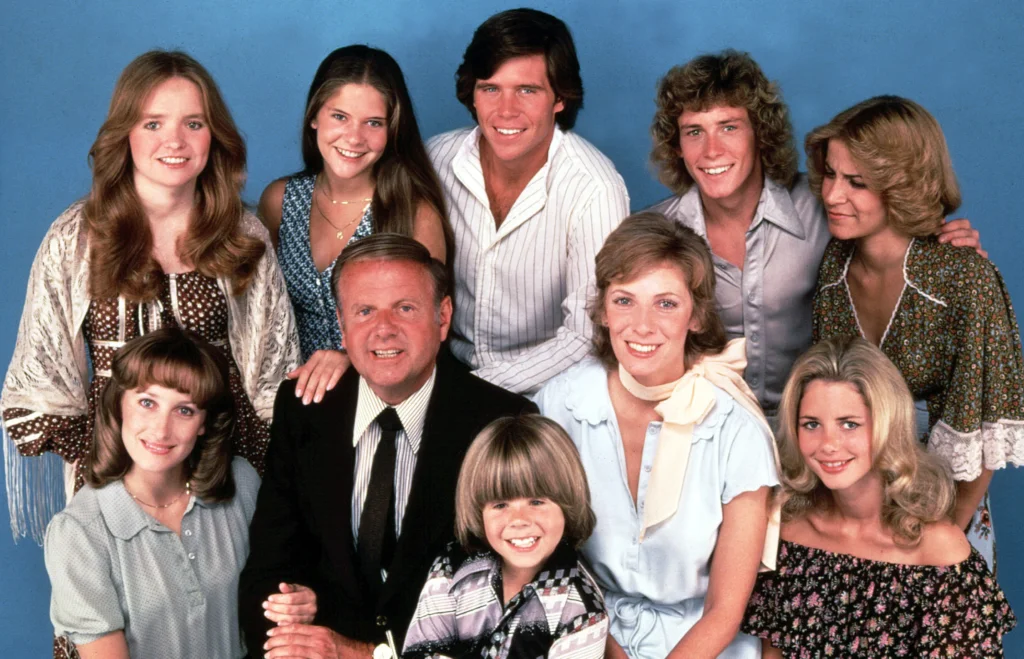
Centered around the Bradford family, this show was loosely based on the real-life experiences of journalist Tom Braden. With eight children, the show offered plenty of storylines about sibling rivalry, teenage angst, and the ups and downs of family life. Dick Van Patten played the level-headed father trying to keep everything under control, often with a smile and a sigh. The cast also included recognizable names like Betty Buckley and a young Willie Aames.
At the time, it was one of the most talked-about family dramas, but it doesn’t get much attention today. That might be because the show straddled the line between heartfelt drama and light comedy, making it harder to define in retrospect. Fans still remember its theme song and the way it made big families relatable. For many, it was appointment viewing, and yet now it’s one of those titles that often gets forgotten in TV history.
5. Quincy, M.E.
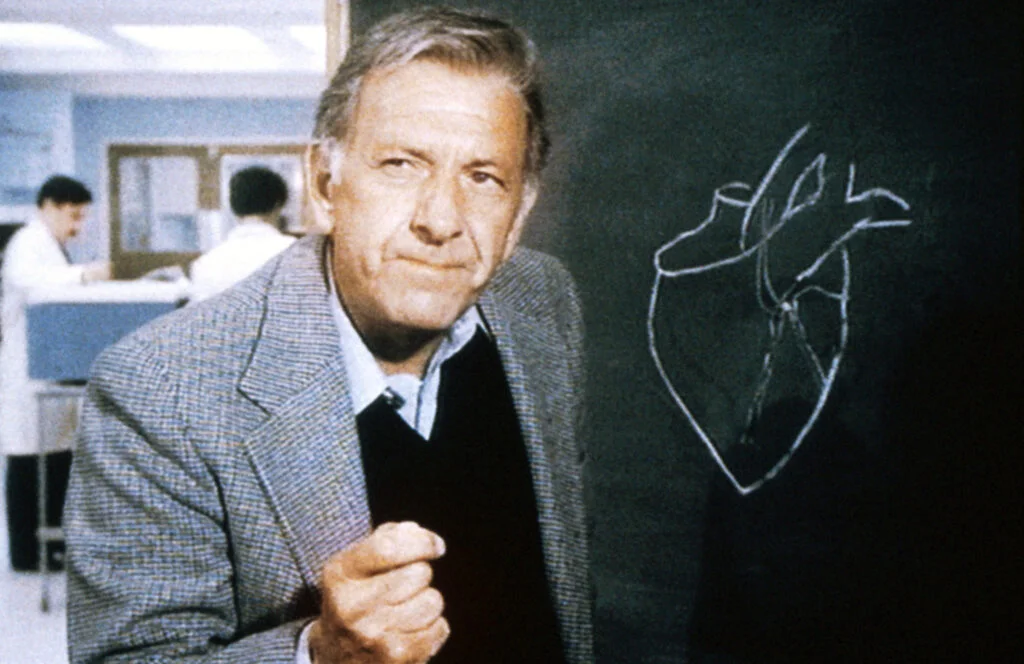
Jack Klugman took on the role of Dr. Quincy, a forensic pathologist who always seemed to uncover foul play behind mysterious deaths. Long before CSI became a hit, Quincy, M.E. paved the way for forensic-driven storytelling. The show often tackled social issues too, such as public health concerns, drug use, and unsafe working conditions. Klugman’s passionate performances made Quincy a character who fought for the underdog.
It was a big success in the ’70s and early ’80s, but you don’t hear people talking about it much now. Part of that might be because it feels overshadowed by the forensic shows it inspired. Still, for those who grew up watching it, Quincy was the doctor who not only solved crimes but also cared about the bigger picture. It deserves more recognition for being ahead of its time.
6. Soap
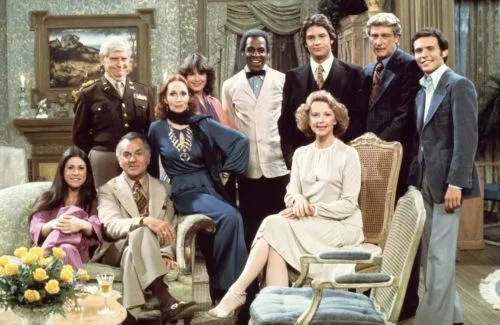
This satirical sitcom was unlike anything else on TV, parodying daytime soap operas while pushing boundaries with its outrageous storylines. It introduced viewers to Billy Crystal in one of TV’s first openly gay characters, which was groundbreaking at the time. With cliffhangers, zany plots, and wacky characters, it was both hilarious and controversial. Fans loved its willingness to poke fun at taboos and conventions.
Despite its impact, Soap is rarely mentioned in modern pop culture. It may be because satire can sometimes feel dated once the cultural moment has passed. Still, it was a bold experiment in television comedy and paved the way for more daring sitcoms. Those who watched it live often describe it as must-see TV, precisely because you never knew what wild twist was coming next.
7. The White Shadow
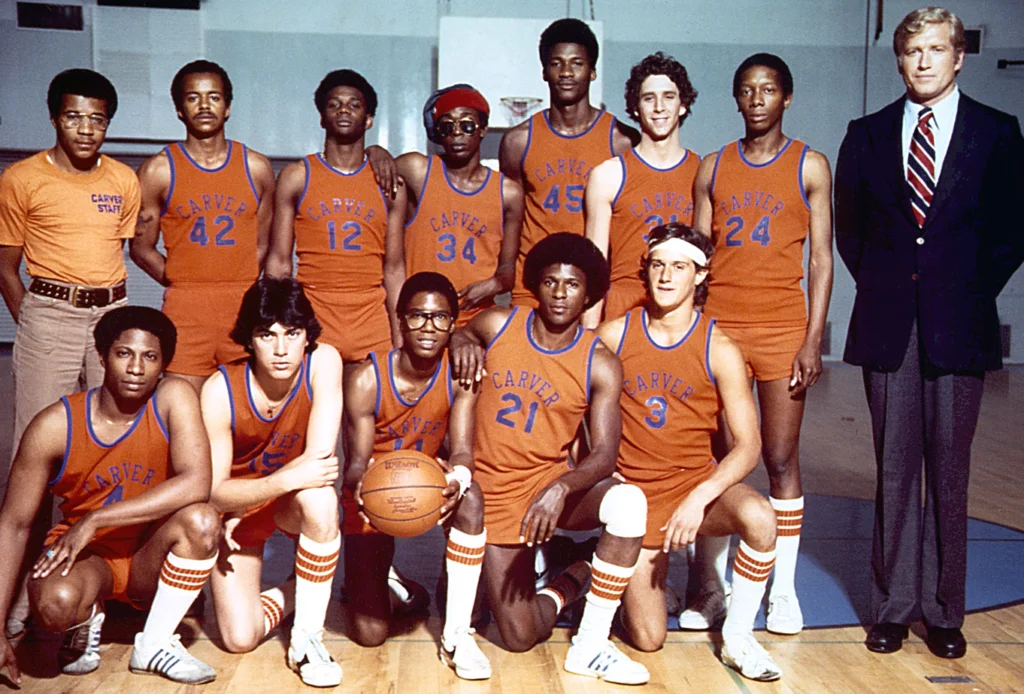
Centered around a white basketball coach leading a predominantly Black high school team, this drama tackled social issues head-on. Ken Howard starred as the coach, bringing a sense of realism to the struggles both on and off the court. The show was praised for dealing with topics like racism, drug use, and inner-city life without sugarcoating. For many, it was one of the first times they saw these issues handled so directly on TV.
Although it was popular and groundbreaking, it’s seldom remembered today compared to other sports dramas. Part of its legacy lies in the fact that it paved the way for later shows like Friday Night Lights. Fans who revisit it often find it striking how progressive it was for its time. It might not be a household name anymore, but it had a lasting influence.
8. The Waltons
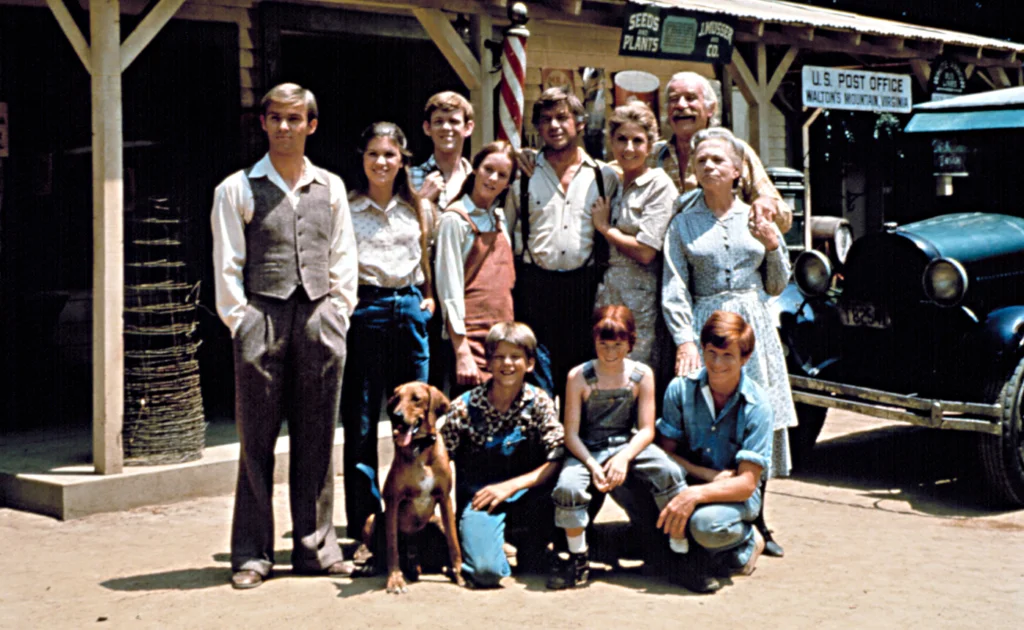
This series about a rural Virginia family during the Great Depression was beloved for its wholesome storytelling. Richard Thomas led the cast as John-Boy Walton, the aspiring writer who narrated the family’s ups and downs. The show was slow-paced, but that was part of its charm, letting viewers sink into the warmth of family life. Its signature sign-off, “Good night, John-Boy,” became a cultural catchphrase.
Though it was once hugely popular, The Waltons doesn’t get as much attention today as other ’70s hits. Maybe its gentle tone feels out of step with modern television’s fast pace. But for those who watched it, it remains a comforting memory of a show that celebrated family and perseverance. It won multiple Emmys and touched millions, even if it doesn’t dominate nostalgia conversations now.
9. Marcus Welby, M.D.
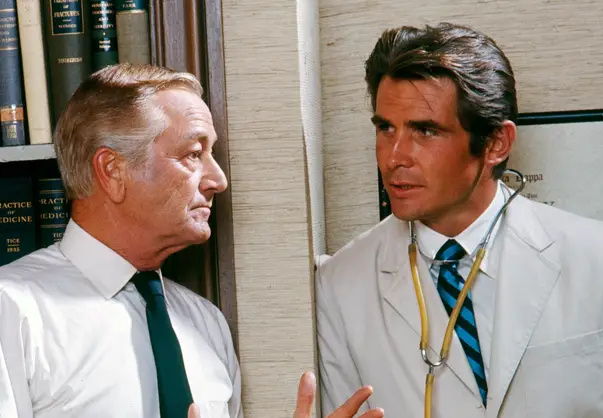
Robert Young starred as Dr. Marcus Welby, a kindly family doctor who often went the extra mile for his patients. Paired with James Brolin as his younger, more modern partner, the show offered a mix of traditional wisdom and fresh approaches to medicine. It was a medical drama with a heart, often tackling sensitive topics for its time. Viewers loved the chemistry between the two doctors and the hopeful tone of the series.
Although it was a ratings juggernaut in its early years, it’s rarely talked about now. Perhaps later medical dramas like ER and Grey’s Anatomy have overshadowed it. Still, Marcus Welby, M.D. was the kind of show that made people feel better about the world, knowing doctors like him might be out there. It’s one of those forgotten hits that deserves a second look.
10. The Love Boat
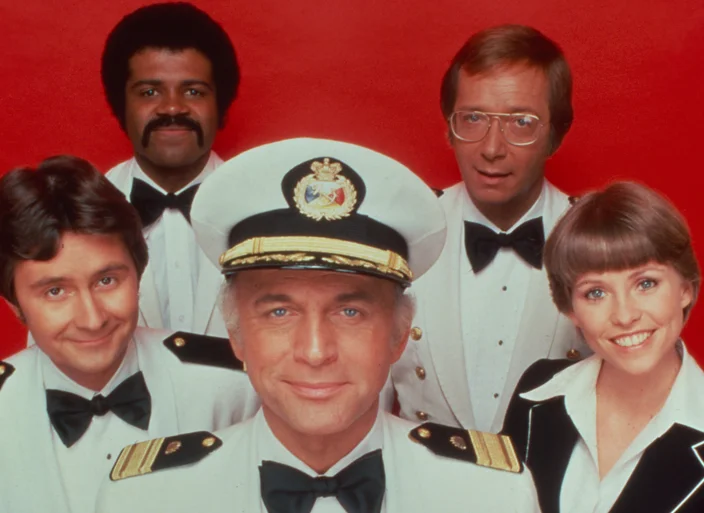
This anthology series set aboard a cruise ship was a delightful mix of romance, comedy, and guest stars galore. Each episode featured multiple storylines, often involving celebrities of the day. Viewers tuned in not just for the quirky crew, but to see who might pop up next, from Hollywood legends to TV regulars. It was campy, but that was part of its appeal.
While it was wildly popular during its run, it doesn’t get much nostalgic buzz now outside of theme song mentions. Maybe that’s because the anthology format makes it harder to re-watch compared to serialized shows. Still, it captured the glitzy, carefree vibe of the late ’70s. For anyone who remembers watching it, The Love Boat will always sail on in memory, even if it’s docked in TV history.
11. Barney Miller
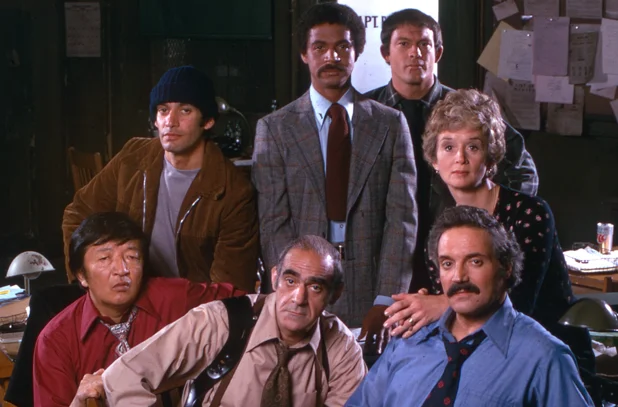
Set in a New York police precinct, Barney Miller was a workplace sitcom that mixed dry humor with understated charm. Hal Linden played the calm and patient Captain Barney Miller, holding together a squad of quirky detectives. Unlike many cop shows, it wasn’t about action but about conversations, office politics, and oddball cases. The humor was subtle, often drawn from character quirks rather than slapstick.
Though critics adored it and it ran for several seasons, it isn’t often brought up in conversations about classic sitcoms. Maybe its quieter style didn’t lend itself to flashy reruns. But fans remember it as one of the smartest comedies of its era. For those who like character-driven humor, it remains a hidden gem worth rediscovering.
12. One Day at a Time
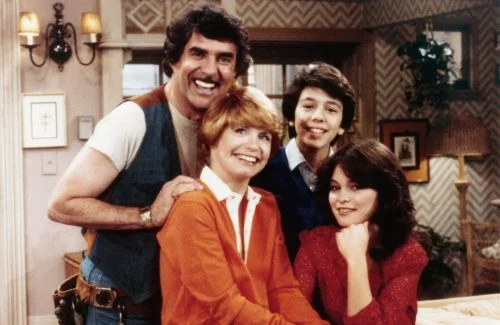
This sitcom about a divorced mother raising two teenage daughters was ahead of its time. Bonnie Franklin starred as Ann Romano, a single mom navigating work, love, and parenting with resilience and humor. The daughters, played by Mackenzie Phillips and Valerie Bertinelli, gave audiences relatable teenage characters. And who could forget Pat Harrington Jr. as Schneider, the quirky building superintendent?
It was relatable, funny, and even groundbreaking, but it doesn’t get as much chatter as some of Norman Lear’s other productions like All in the Family. That may be because it leaned more into heartfelt family moments than big political satire. Still, for the people who watched it, it offered a refreshingly real look at life after divorce. It might not be the first Lear sitcom that comes to mind today, but it definitely deserves a spot in TV history.
13. Rhoda
This spin-off from The Mary Tyler Moore Show followed Valerie Harper as Rhoda Morgenstern after she moved back to New York City. Fans loved Rhoda’s humor, her self-deprecating wit, and her close relationship with her family. The series had a big splash at first, especially with Rhoda’s wedding episode, which was one of the most-watched TV events of the decade. For a while, it seemed like Rhoda was destined to become as iconic as Mary herself.
But over time, the ratings dipped, and the show ended after five seasons. While it’s rarely talked about now, it was groundbreaking in its depiction of a single woman navigating life, love, and family. Valerie Harper’s Emmy-winning performance gave Rhoda real depth and warmth. For those who remember it, the show was funny, relatable, and ahead of its time.
14. Fish
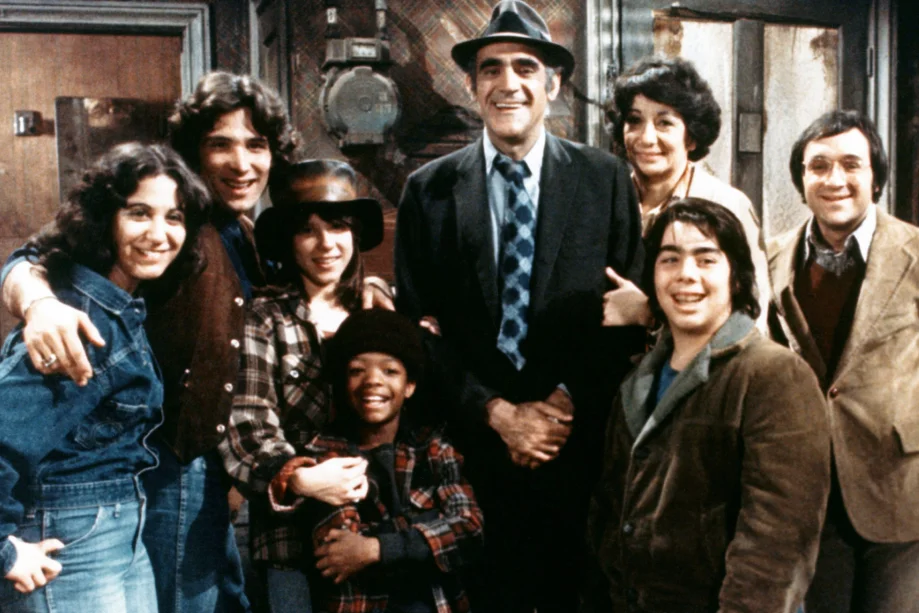
A lesser-remembered spin-off of Barney Miller, Fish centered on Abe Vigoda’s Detective Phil Fish. Unlike most sitcoms, it combined workplace comedy with a unique family element, as Fish and his wife Bernice cared for a group of foster children. The show was both funny and surprisingly heartfelt, showing a softer side of the grumpy detective fans already loved. It gave Vigoda a chance to shine outside of the squad room.
Despite a solid start, Fish only lasted two seasons and then faded into obscurity. It’s one of those shows that many people forget was even part of the Barney Miller universe. Still, its mix of comedy and social issues made it unique for the time. Fans who watched it often say it was quietly charming and deserved a longer run.
15. Room 222
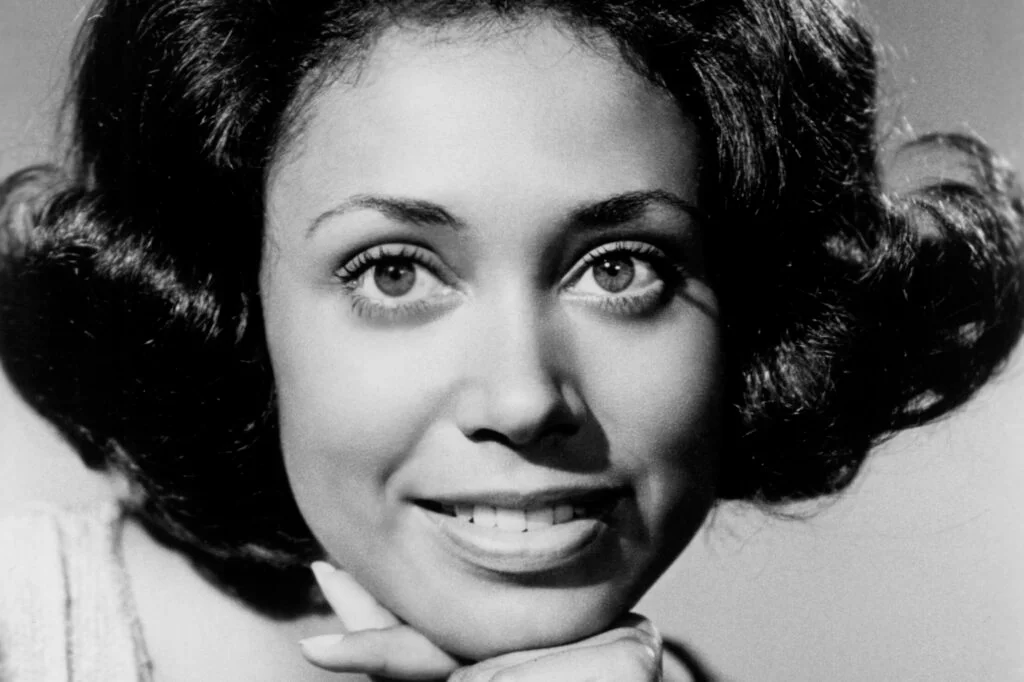
This half-hour drama followed the lives of teachers and students at a racially diverse Los Angeles high school. Lloyd Haynes starred as history teacher Pete Dixon, who encouraged students to think critically and navigate social issues. The show wasn’t afraid to address topics like racism, drugs, and politics, making it stand out in an era when sitcoms usually shied away from controversy. It struck a balance between drama and humor, giving it a thoughtful tone.
Though it was well-loved and even won Emmys, it doesn’t get mentioned often today. Maybe its subtle, socially conscious style makes it feel like a relic of its era. Still, it was an important step toward making TV reflect the real world. For viewers who grew up with it, the show felt both educational and entertaining.
16. Starsky & Hutch
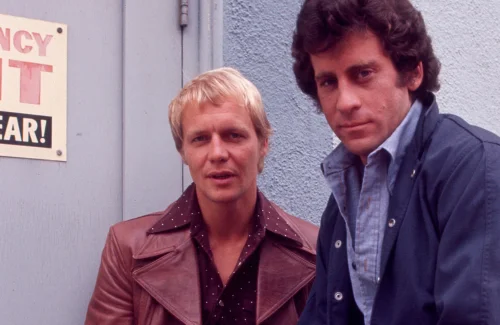
This buddy cop drama followed detectives Dave Starsky and Ken “Hutch” Hutchinson as they solved crimes in their iconic red Ford Gran Torino. It was stylish, action-packed, and gave viewers a mix of humor and gritty crime stories. The chemistry between Paul Michael Glaser and David Soul was a huge draw, as was their close friendship onscreen. Fans also loved Huggy Bear, the streetwise informant who added comic relief.
Back in the ’70s, it was must-watch television, yet it doesn’t get brought up as much today compared to other classic cop shows. Perhaps the campier aspects have dated it, but the cool factor was undeniable at the time. It even inspired a 2004 movie, which proves it left its mark. Still, the original series had a charm that can’t quite be replicated.
17. Alice
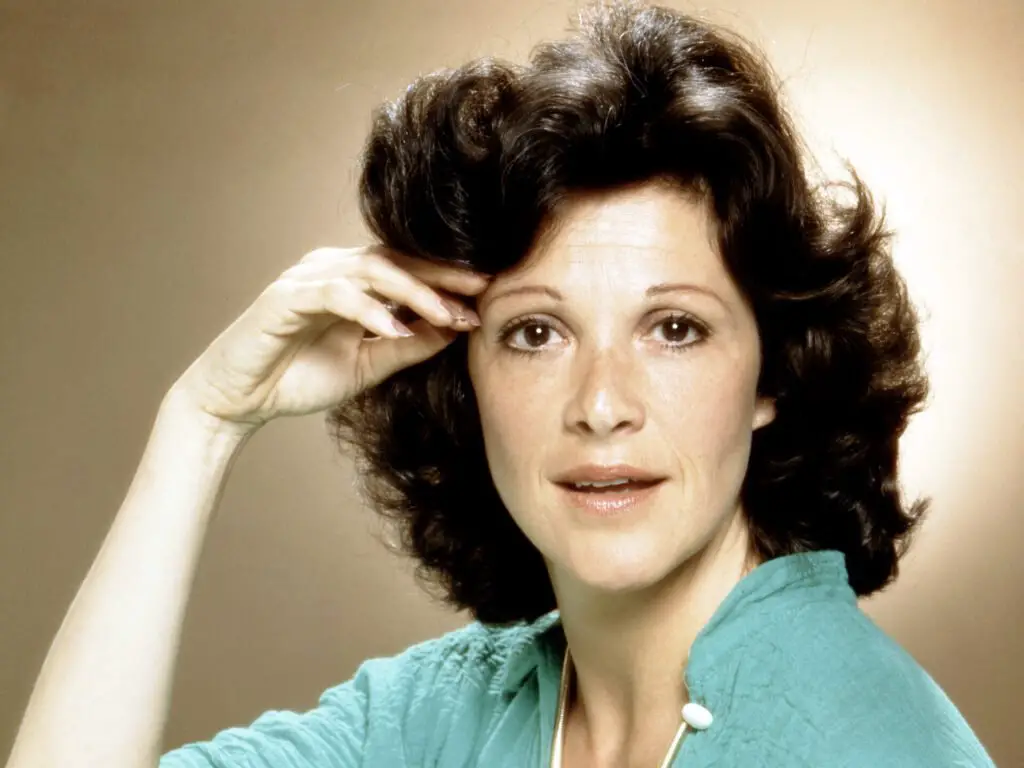
Based on the 1974 film Alice Doesn’t Live Here Anymore, this sitcom followed Alice Hyatt, played by Linda Lavin, as a widow working at Mel’s Diner. With fellow waitresses Flo and Vera, the show balanced workplace comedy with Alice’s dream of becoming a singer. Flo’s catchphrase, “Kiss my grits!” became a national sensation, making the show feel firmly part of the cultural conversation. It also gave working women a sitcom they could relate to.
Although it ran for nine seasons, it doesn’t get as much nostalgic attention today. Perhaps because it was rooted in everyday struggles rather than bigger-than-life storylines, it faded from the spotlight. Still, Alice was funny, heartfelt, and introduced some memorable characters. Fans who watched it still recall the diner setting as a cozy backdrop for a relatable story.
18. Police Woman
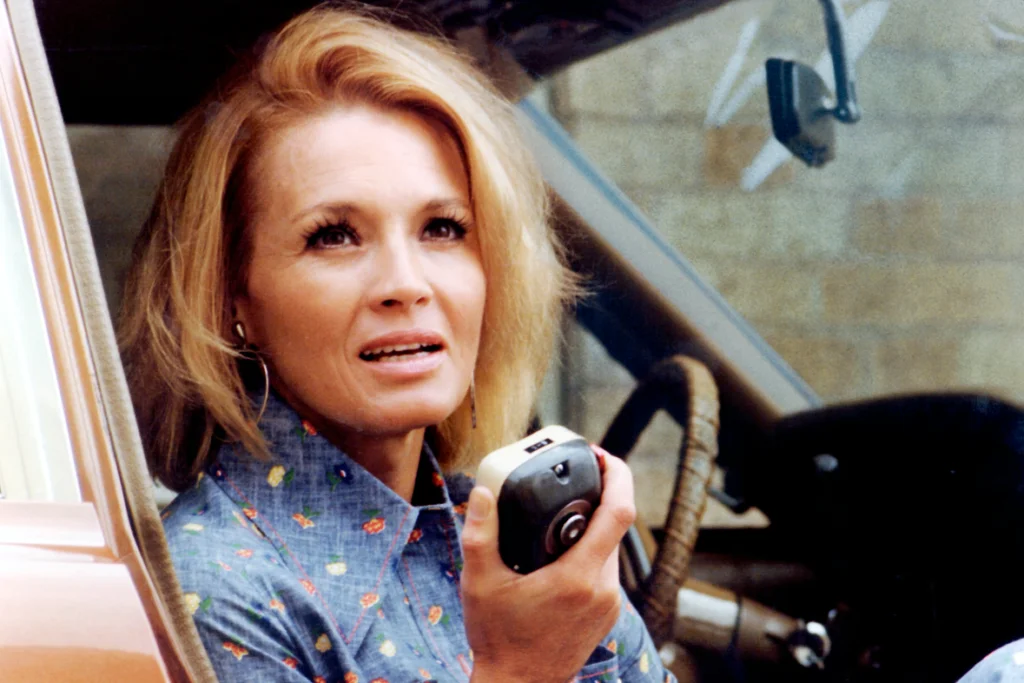
Angie Dickinson starred as Sergeant Pepper Anderson, one of the first female leads in a primetime police drama. The show was groundbreaking for putting a woman at the center of the action, especially in a genre dominated by men. Pepper often went undercover in a variety of disguises, making each episode feel fresh and suspenseful. Dickinson’s charisma and toughness made her an icon for viewers in the ’70s.
While it was hugely popular during its run, it’s rarely talked about today outside of TV history circles. Still, it broke barriers and inspired future female-led shows in law enforcement. For fans who grew up watching it, Angie Dickinson remains unforgettable as one of TV’s earliest tough heroines. The series may not be top of mind anymore, but it paved the way for many that followed.