
1. The Dick Van Dyke Show – “Coast-to-Coast Big Mouth”
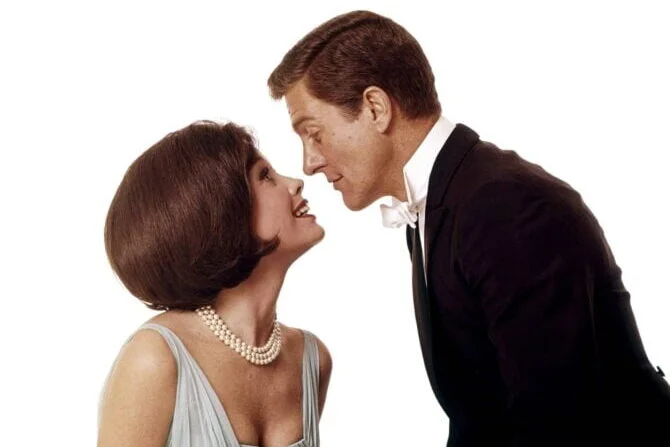
When Laura blurts out on live television that Alan Brady wears a toupee, it was the kind of scandal sitcoms usually avoided. The show wasn’t known for poking fun at vanity or image, yet here it was, exposing a star’s baldness in front of millions. In the ’60s, television stars had carefully polished reputations, and this episode blew that apart with one line.
The fallout was hilarious, but it also touched on something taboo for its time—male insecurity. Rather than sweep it under the rug, the episode leaned into Alan’s vanity and forced Laura to own her mistake. It broke the mold of family sitcoms by letting a female character stir up a Hollywood-level mess. It still stands out as one of the show’s boldest risks.
2. Gilligan’s Island – “The Producer”
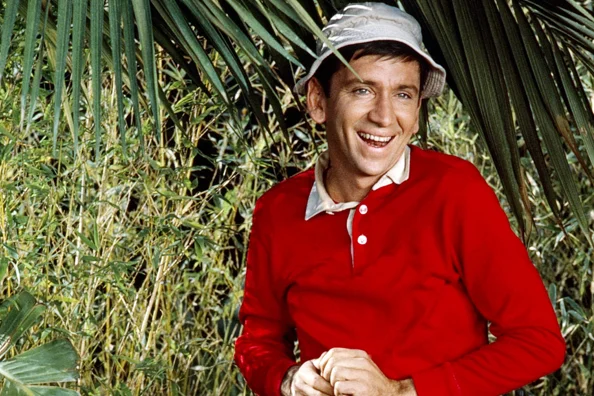
Broadway producer Harold Hecuba lands on the island, and before long, the castaways are staging a musical version of Hamlet. It was unlike anything else on TV at the time, with Shakespeare rewritten into campy show tunes. This episode gleefully mocked high culture while bringing opera and drama into slapstick territory.
For a silly sitcom about being stranded, it was bizarrely ambitious. The parody struck a nerve, and even critics had to admit it was clever. Watching the castaways belt out Shakespeare set to music broke all the rules of sitcom expectations. Somehow, it remains one of the most talked-about episodes decades later.
3. Bewitched – “Sisters at Heart”
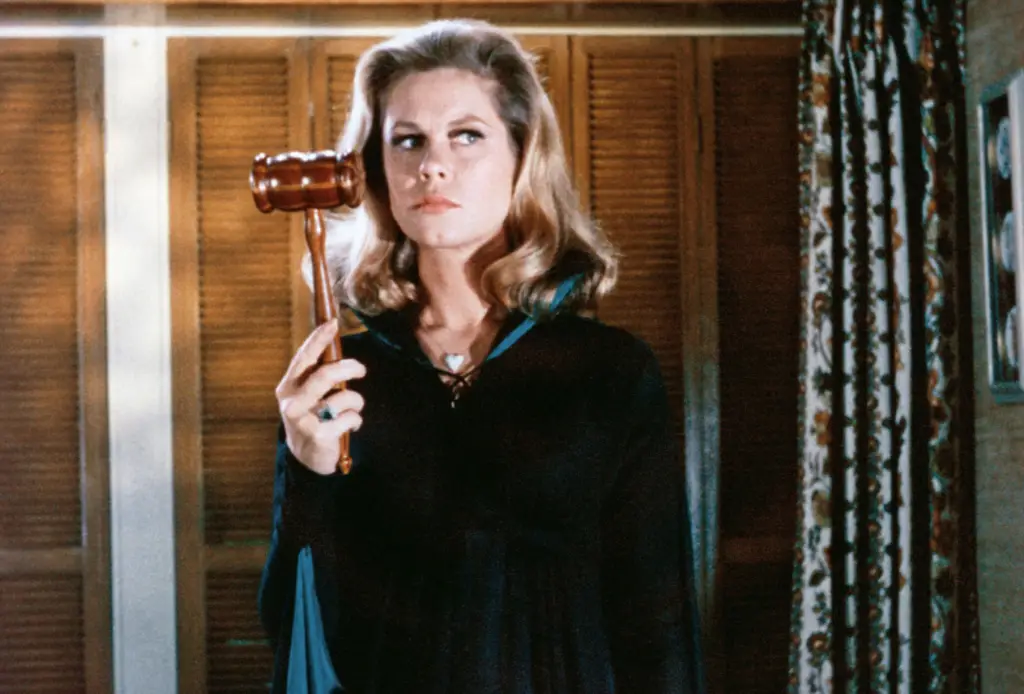
This Christmas episode dealt with racism head-on, which was almost unheard of in 1960s sitcoms. When Tabitha tries to solve prejudice with a spell that makes kids’ skin color match, the story forces viewers to see how ridiculous racial bias is. The plot didn’t play it safe with magic hijinks—it made a statement.
Elizabeth Montgomery championed the episode, even when sponsors were hesitant. It aired during a time when television often sidestepped civil rights issues, yet it tackled them directly. The episode was later honored with awards for its message. It proved that even a lighthearted fantasy sitcom could take on the biggest issues of the day.
4. I Dream of Jeannie – “My Master, the Chili King”
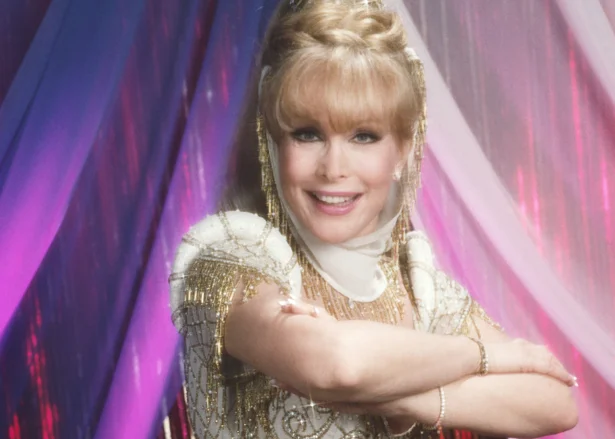
Sitcoms usually stuck with small-scale conflicts, but this episode leaned into surreal chaos. Jeannie’s well-meaning meddling lands Tony in the chili business, and before long, his face is plastered everywhere. Instead of magical antics staying private, the story spun into full public spectacle.
The sheer absurdity of chili empires and accidental fame pushed the sitcom past its usual formula. It wasn’t just about Jeannie fixing one problem—it escalated into a media circus. For a ’60s comedy, it blurred the line between fantasy and satire of celebrity culture. It broke rules by making the magical spill into the “real” world.
5. The Andy Griffith Show – “Opie the Birdman”
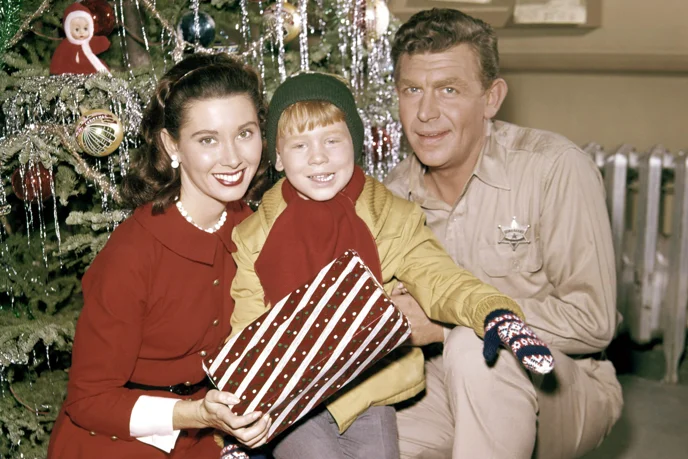
When Opie accidentally kills a mother bird, the story turned heartbreaking. Sitcoms often shied away from confronting death, especially with kids involved. Yet here was Opie, raising baby birds and learning about responsibility and grief. It wasn’t funny—it was tender.
Andy’s quiet advice to his son became one of the most poignant moments in the series. Instead of glossing over loss, the episode leaned into its emotional weight. Viewers didn’t expect a sitcom about a small town to bring them to tears, but it did. It changed how family sitcoms handled sensitive themes.
6. Green Acres – “A Square Is Not a Round”
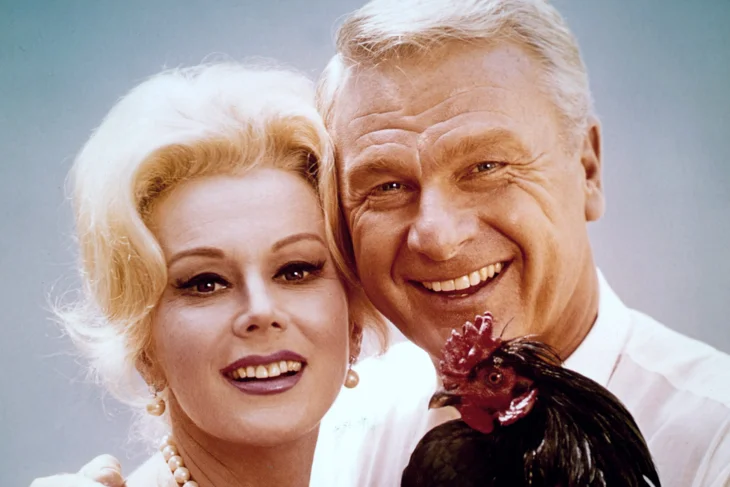
This surreal episode dove headfirst into absurdism. Lisa insists on rearranging furniture in ways that defy logic, while Oliver tries to reason with her. The comedy moved away from traditional setups and into something closer to experimental theater.
Fans who tuned in for rural gags got a dose of offbeat satire. The episode blurred the line between reality and nonsense, paving the way for shows that weren’t afraid to be downright weird. At the time, it seemed like it was breaking sitcom structure just for fun. Looking back, it feels ahead of its time.
7. The Monkees – “Fairy Tale”
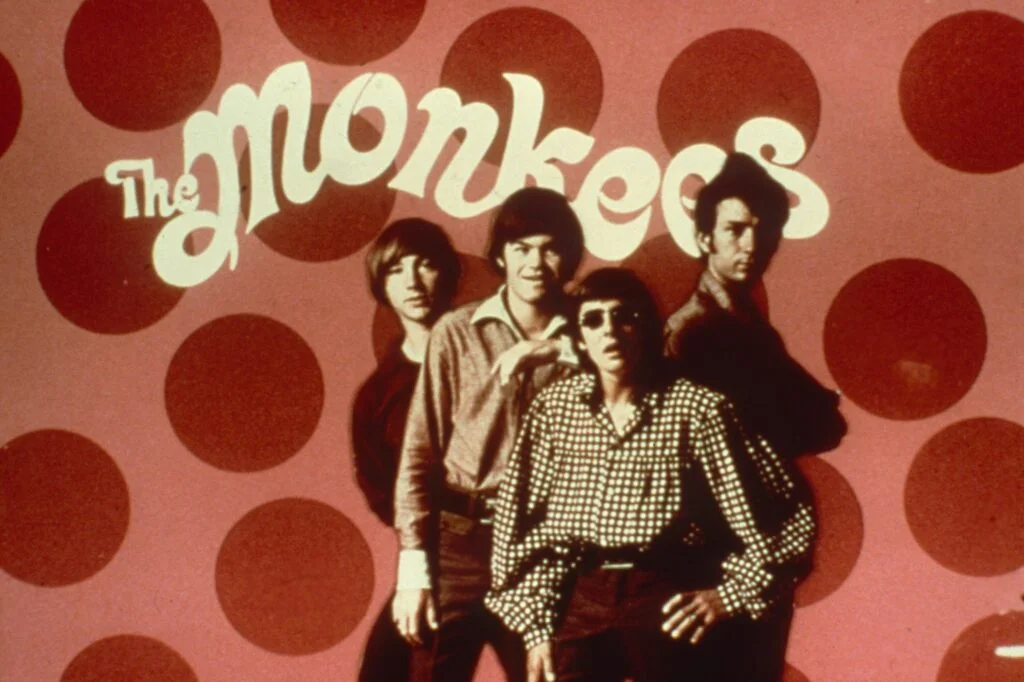
In this episode, the band fully abandons reality and stages a fractured fairy tale with costumes and outrageous characters. It felt more like sketch comedy than a standard sitcom. The Monkees leaned on their rock star image to pull off something completely untraditional.
Instead of sticking to the music-driven antics fans expected, the show went all-in on parody. Breaking the fourth wall, changing costumes, and swapping roles turned the episode into a playful experiment. It was less about story and more about entertainment chaos. That kind of freedom wasn’t common in sitcoms of the era.
8. My Three Sons – “Robbie and the Little Stranger”
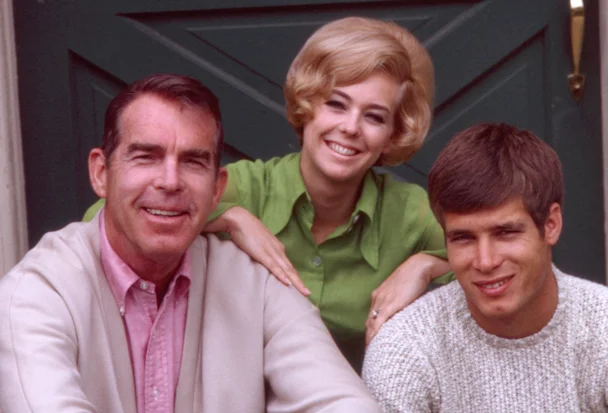
Sitcoms rarely brought up teen pregnancy in the ’60s, but this episode brushed against the subject. Robbie befriends a girl who is clearly struggling with a secret, and the story hinted heavily at her being a young mother. For a family-friendly show, it was a startling departure.
While the dialogue was careful and coded, viewers could read between the lines. The show’s willingness to even touch the subject set it apart. Rather than preach or moralize, it offered empathy. For its time, it was unusually daring.
9. The Addams Family – “Addams Cum Laude”
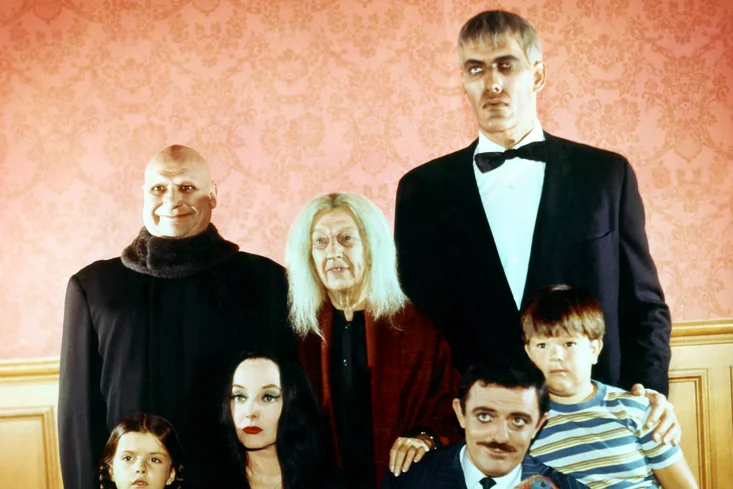
When Wednesday is expelled for standing up to a teacher, the family takes on the school system. Instead of brushing it off with spooky humor, the episode became a satirical takedown of authority. Gomez even becomes a substitute teacher, mocking the rigidity of education.
This was more than a Halloween laugh track—it was social commentary. Using oddballs to highlight flaws in “normal” society was the Addams’ specialty, but this one sharpened the point. The idea of kids questioning authority wasn’t something sitcoms usually encouraged. Yet here, it was celebrated.
10. Get Smart – “The Nude Bomb”
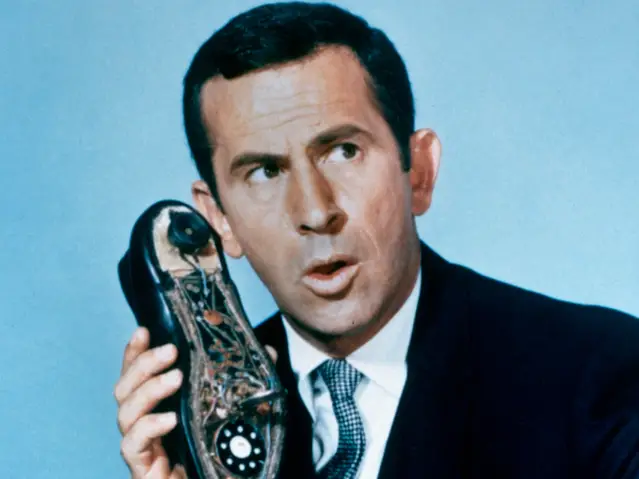
This episode took spy parody to its wildest extreme, with a villain threatening the world by destroying everyone’s clothing. While the humor was tongue-in-cheek, it was risqué for its time. Showing characters worrying about nudity—even in a comedic sense—was pushing television boundaries.
Maxwell Smart’s deadpan reactions made it work, but for the 1960s, it was shockingly cheeky. The threat wasn’t bombs or espionage—it was embarrassment. Viewers weren’t used to sitcoms pushing suggestive humor this far. It set a precedent for spy comedies getting sillier and sharper.
11. That Girl – “The Snow Must Go On”
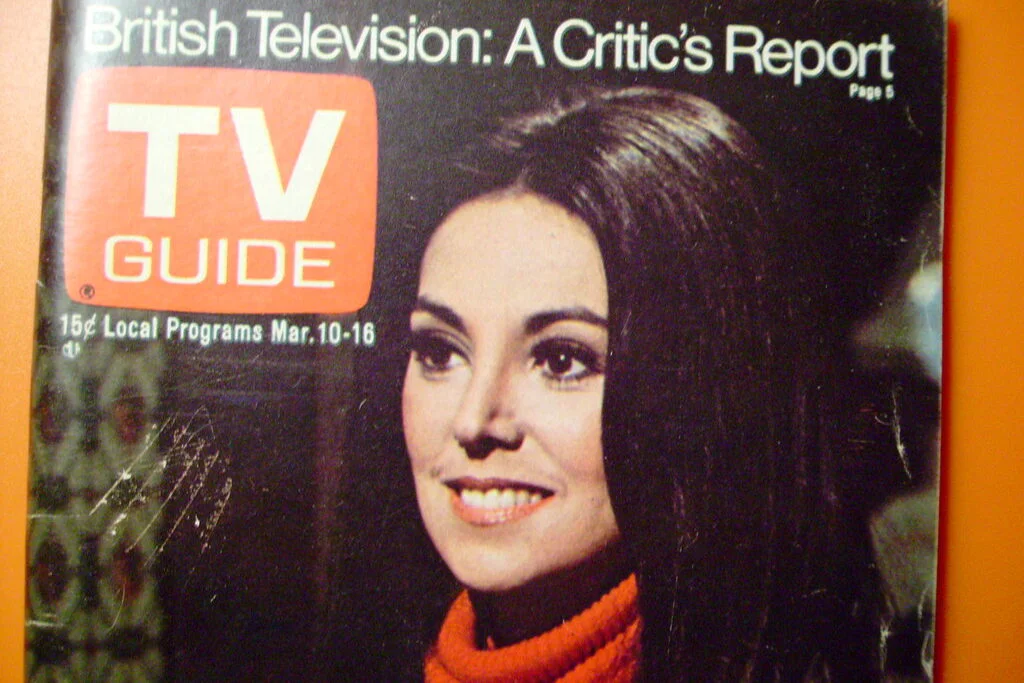
Ann finds herself stranded onstage in a blizzard and has to improvise for an audience. The episode abandoned standard sitcom pacing and became a showcase for Marlo Thomas’s comedic talent. It was essentially a one-woman show.
This broke the usual ensemble rhythm by letting one actor carry the entire story. It was risky—what if viewers didn’t find it funny? But it paid off, proving sitcoms could take big performance swings. It stood out for treating a sitcom episode like live theater.
12. Hogan’s Heroes – “The Great Impersonation”
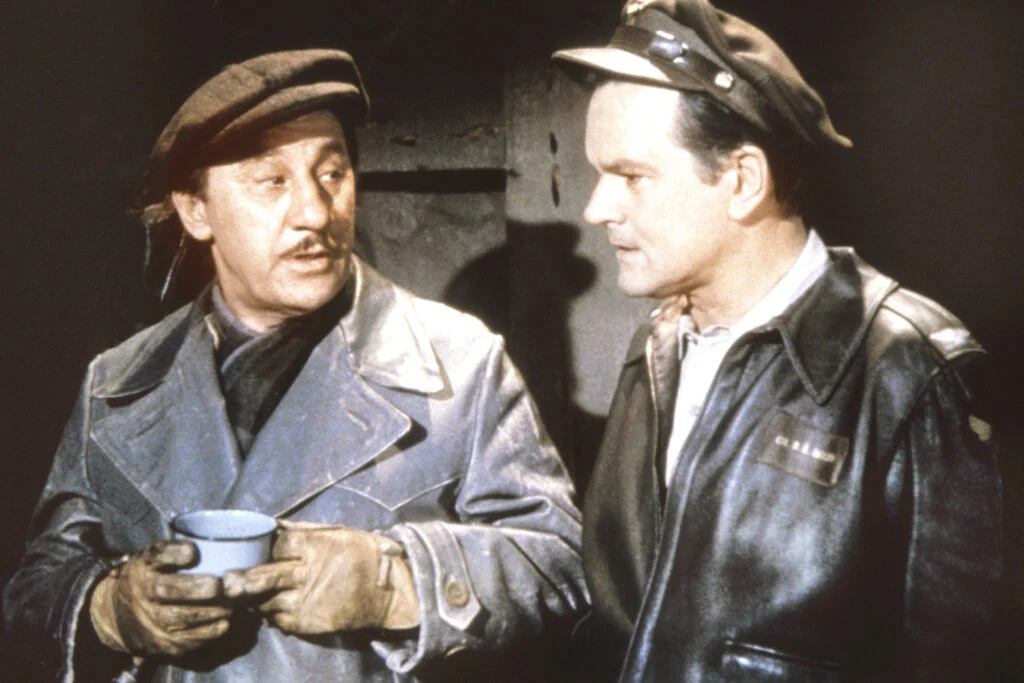
This episode asked viewers to laugh at Nazis while prisoners staged a daring impersonation plot. The show always walked a fine line with its setting, but this one leaned into the uncomfortable mix of comedy and war. For some, it was too bold.
What set it apart was its willingness to keep raising stakes in a setting most shows wouldn’t touch. Comedy about POW camps seemed impossible, yet the episode pulled it off with satire and wit. It was a reminder that sitcoms could bend even the harshest settings into humor.
13. The Beverly Hillbillies – “The Giant Jackrabbit”
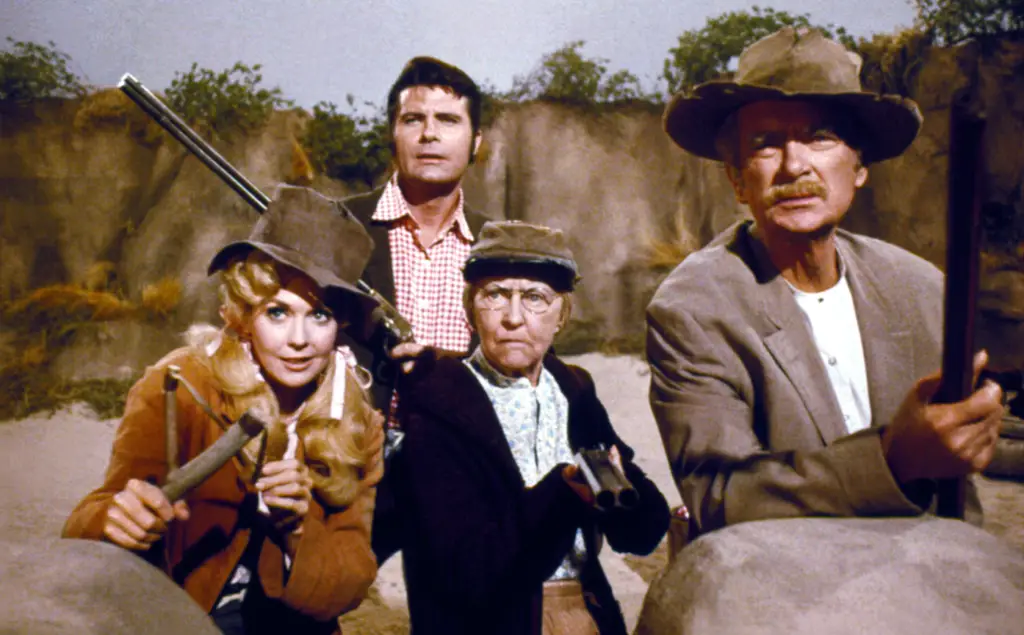
This episode became one of the most-watched sitcom episodes of the decade, but it was also utterly bizarre. A giant jackrabbit (actually a kangaroo) wreaks havoc in the Clampett mansion. The whole premise turned into live-action cartoon chaos.
At a time when sitcoms often relied on predictable storylines, this one went off the rails. It didn’t just break rules—it tossed them aside for slapstick mayhem. Audiences loved it precisely because it was so strange. It proved sitcoms could throw logic out the window and still win big.